 YardMate


Black Bamboo
Phyllostachys nigra
Medium · Some experienceAbout Black Bamboo
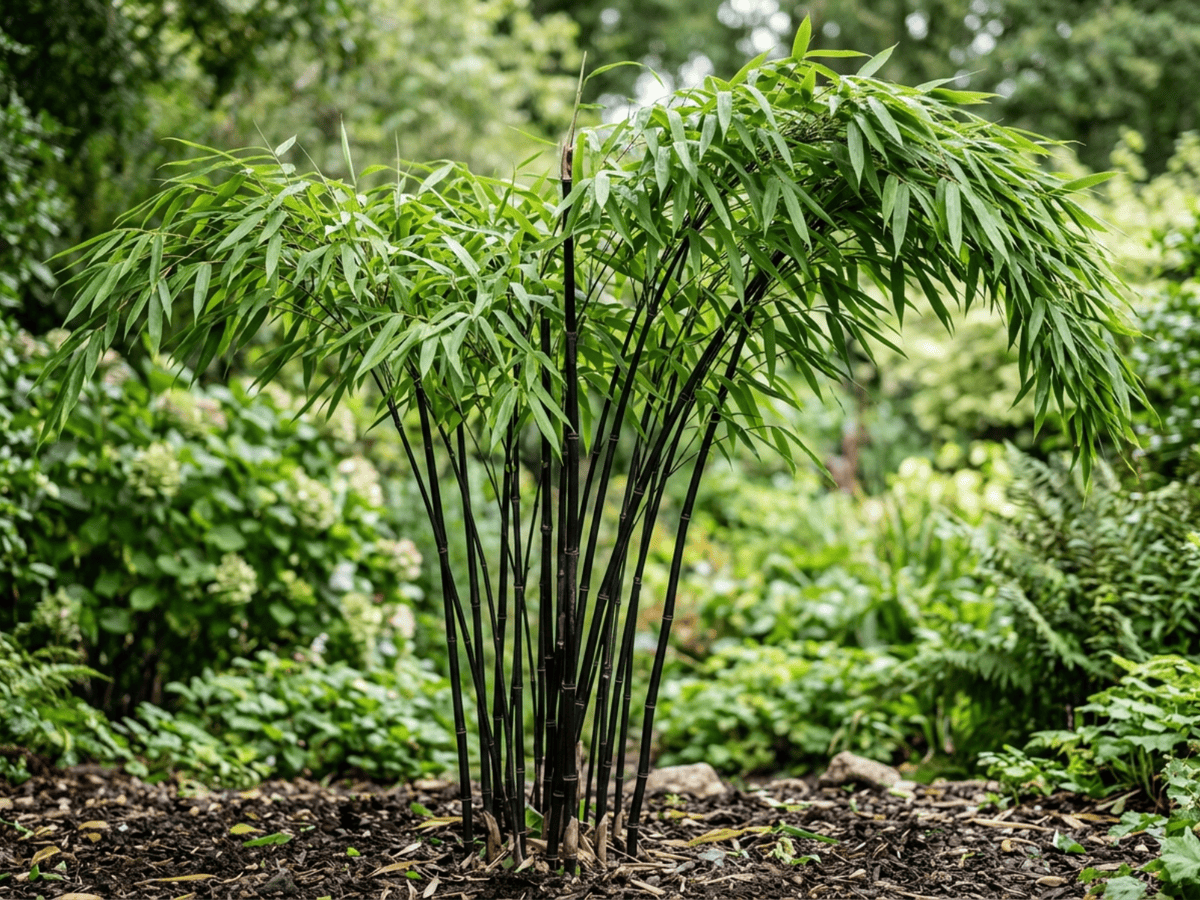
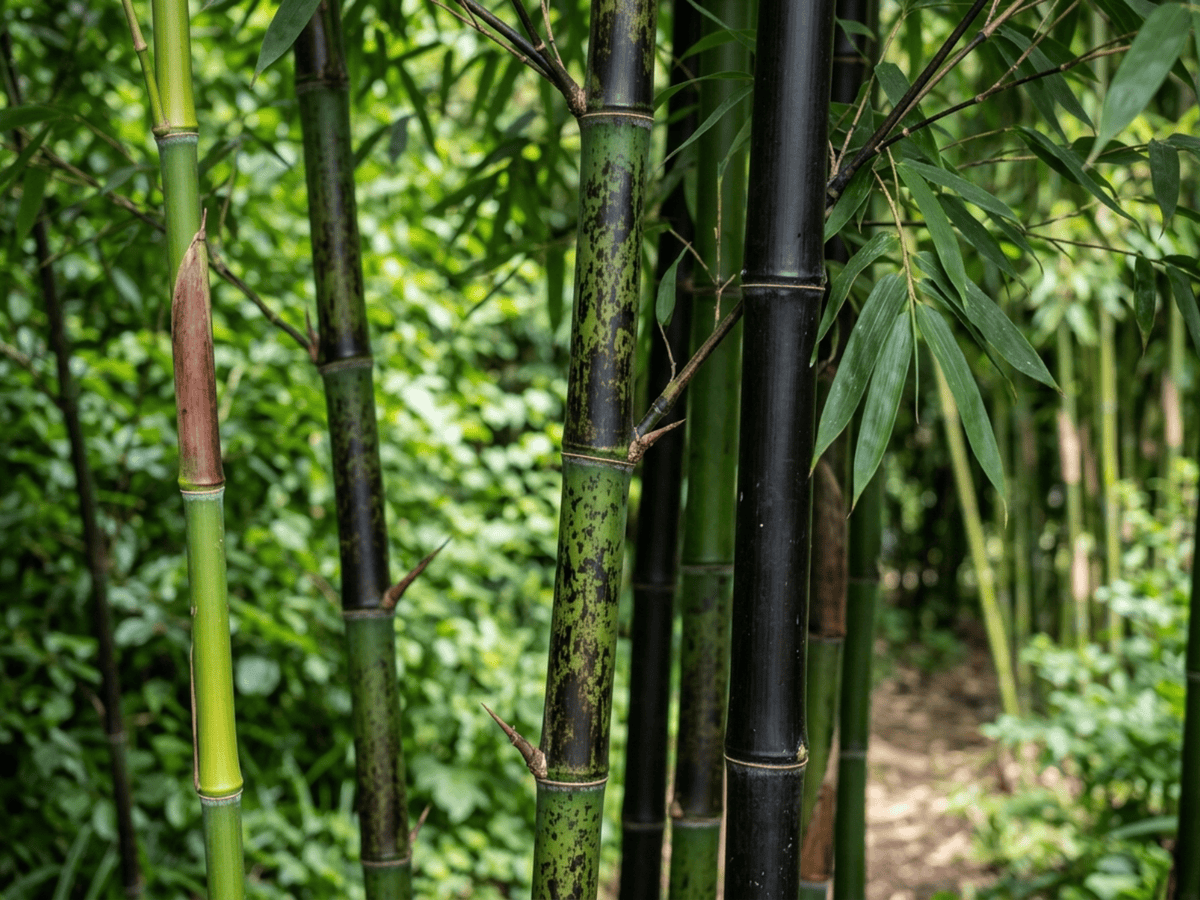
Phyllostachys nigra, the black bamboo, is one of the most visually striking bamboos in cultivation, native to the Hunan Province of China. Its culms emerge green and gradually turn a deep, lustrous ebony-black over two to three years — a transformation that is unique among bamboos and highly prized in garden design. Mature clumps display a striking contrast of jet-black culms against bright green foliage. It grows 5–8 meters tall and is a running bamboo that requires root barriers in most garden settings. It tolerates cold down to about minus 15 degrees Celsius and performs well in temperate climates with adequate moisture. The black culms are sought after for decorative crafts, furniture, and floral arrangements. In the landscape, a well-managed grove of black bamboo creates a sophisticated, almost otherworldly atmosphere, especially when backlit by low sun.
- Architectural
How to care for Black Bamboo
Watering
- Springevery 3 days
- Summerevery 2 days
- Fallevery 5 days
- Winterevery 14 days
Soil · Well-draining
- Top dressingPine bark mulch10%
- Main mixPotting soil + perlite 2:170%
- DrainageLECA / gravel20%
Never skip the drainage layer — standing water is the top cause of root rot.
FERTILIZER
Foliage Feed 24-8-16
Nitrogen leads so the plant spends its energy on dense green growth. Phosphorus and potassium follow just far enough to keep roots and stems up to speed.
- Nitrogen · Leaves
- Phosphorus · Roots + Blooms
- Potassium · Strength
- Springevery 45 days
- Summerevery 45 days
At a Glance
- NativeEast Asia
- Height20–35 ft (6.1–10.7 m)
- Spread8–15 ft (2.4–4.6 m)
- Foliage colorGreen
- SoilLoamy, Moisture-retentive, Rich
- LocationsYard
Bloom time
BLOOM CYCLE
Peak bloom
May
Blooms extremely rarely; flowering events may occur only once in 50–100 years
Fragrance
NO FRAGRANCE
No notable fragrance.
Toxicity
Humans Slight
taxiphyllin (in raw shoots)
Slight
- Shoot
- Ingestion
EXPOSURE Eating shoot.
EFFECT Raw shoots contain cyanogenic glycosides and must be boiled to consume.
NOTE Documented concern for humans: Raw shoots contain cyanogenic glycosides and must be boiled to consume.
Safe
EXPOSURE No exposure route is reported.
EFFECT Not listed as toxic.
NOTE Listed as non-toxic for dogs; avoid eating ornamental plants unless confirmed edible.
Safe
EXPOSURE No exposure route is reported.
EFFECT Not listed as toxic.
NOTE Listed as non-toxic for cats; avoid eating ornamental plants unless confirmed edible.
Educational information, not medical or veterinary advice. If exposure is suspected, contact a doctor or veterinarian.
DISTRIBUTION


- Native
- Introduced
- East Asia
History

Phyllostachys nigra is native to Hunan Province in south-central China, where it grows in temperate hill forests. Its defining horticultural feature is its distinctive dark-black culms — new culms emerge green and gradually darken through olive, brown, and purple tones to reach a glossy jet-black after one to three growing seasons. This dramatic color is unique among widely-cultivated temperate bamboos and makes black bamboo one of the most desirable specimen bamboos worldwide. The species has been cultivated in Chinese and Japanese gardens for over a thousand years — it appears in Song-dynasty Chinese poetry and in Japanese temple gardens from at least the Kamakura period — and has long been a preferred material for the shakuhachi (Japanese bamboo flute), bamboo walking sticks ("suteki"), and tea-ceremony implements including the chasen whisk and chashaku tea scoop.
The species was introduced to Western horticulture in the mid-19th century. Several cultivated forms exist — var. henonis (green-culmed, vigorous, the form commonly sold as the "giant" black bamboo; culms reach 7-10 m), var. megurochiku (striped), and var. punctata (spotted black). Like all Phyllostachys, it spreads by aggressive rhizomes and requires root barriers in most garden installations.
It is a favorite subject in ink-wash painting, where its dark culms and delicate leaves embody the Zen aesthetic of simplicity and depth. The great Song Dynasty poet Su Shi famously wrote that one could live without meat but not without bamboo. In Japan, black bamboo is used to make high-quality tea whisks (chasen) for the traditional tea ceremony. European plant collectors introduced it in 1827, and it remains one of the most sought-after ornamental bamboos worldwide.
Symbolism & meaning
What It Symbolizes
Black Bamboo is elegance in jet — refined inky culms rising among bright green leaves, sophistication and understated beauty in living architecture. Its dark coloring evokes mystery, the depth and introspection prized in Japanese and Chinese garden tradition. It is the bamboo planted not for screens or sound but for the simple visual fact of black wood standing upright in the garden.
- Elegance — The refined black culms represent sophistication and understated beauty
- Mystery — Dark coloring evokes depth, introspection, and quiet strength
Where the Name Comes From
Phyllostachys from Greek 'phyllon' (leaf) and 'stachys' (spike). Nigra is Latin for 'black,' describing the mature culm color.
Uses & Fun Facts
- Striking black culms create architectural focal screens
- Tall running canes form dramatic privacy plantings with barriers
- Mature ebony culms harvested for crafts and floral design
Related plants
More Phyllostachys plants
Plants with similar care
 Mexican AbeliaAbelia floribunda
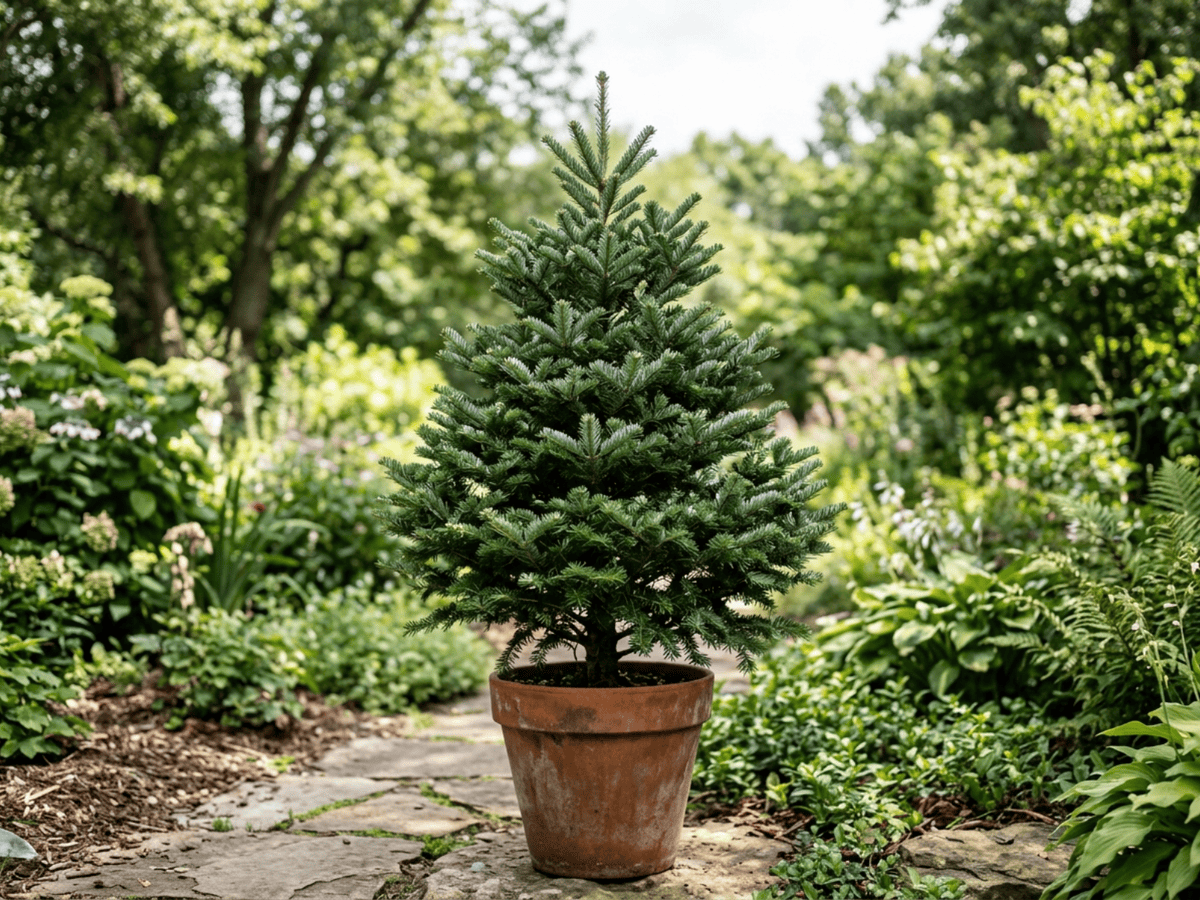 Fraser FirAbies fraseri
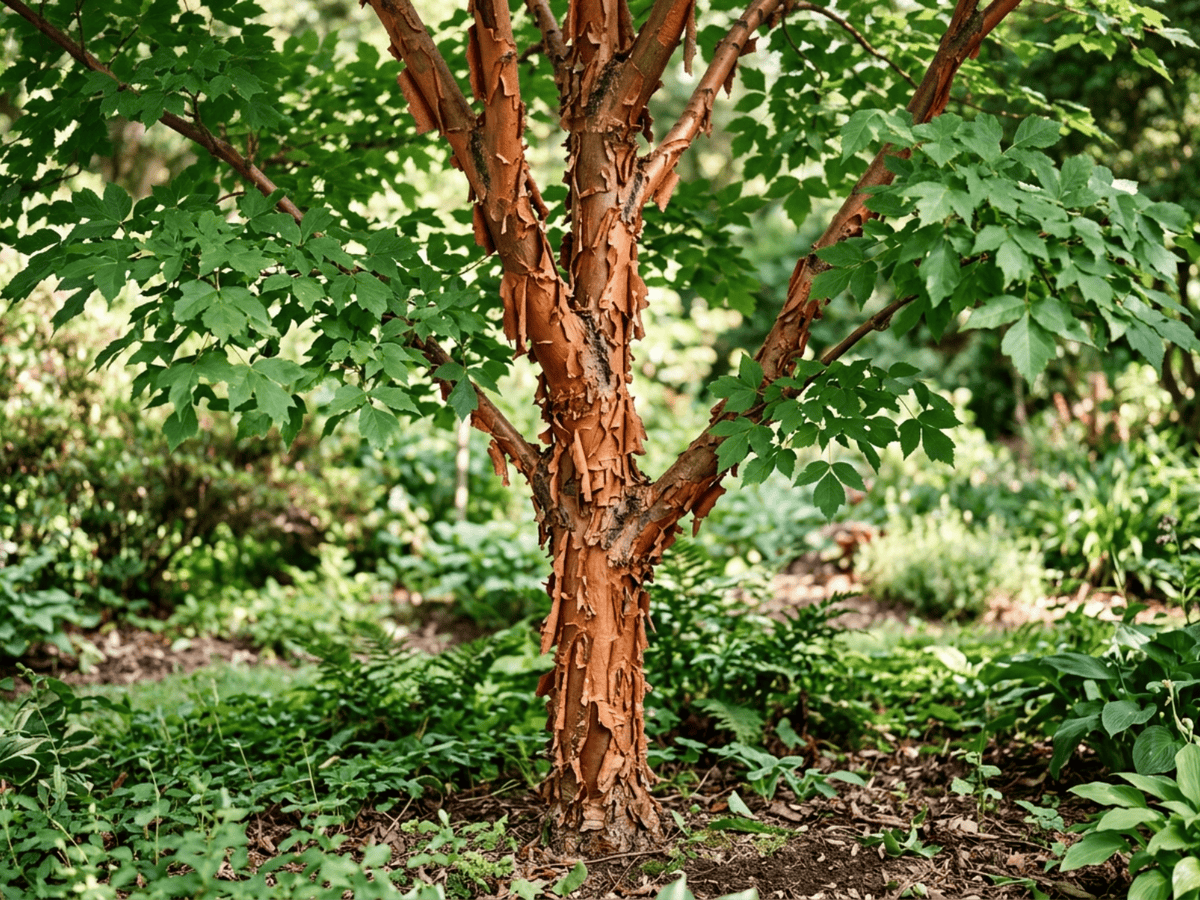 Paperbark MapleAcer griseum
 Sugar MapleAcer saccharum
Frequently asked questions
How often should I water Black Bamboo?
In summer, water about every 2 days; in winter, about every 14 days. Adjust for heat, pot size and drainage.
How much light does Black Bamboo need?
Full sun: 6+ hrs direct. Watch the leaves — scorching or stretching means the light needs adjusting.
Is Black Bamboo toxic to cats or dogs?
Pets Safe (Dogs Safe · Cats Safe) Educational information, not medical or veterinary advice. If exposure is suspected, contact a doctor or veterinarian.
Is Black Bamboo easy to grow?
It is moderately demanding: a good choice once you have a little experience.
When does Black Bamboo bloom?
It typically blooms May in the Northern Hemisphere.
YardMate
Identify any plant in seconds
Snap a photo — YardMate names the plant, diagnoses problems, and reminds you when to water.
Download on the App Store