 YardMate


Japanese Andromeda
Pieris japonica
Medium · Some experienceAbout Japanese Andromeda
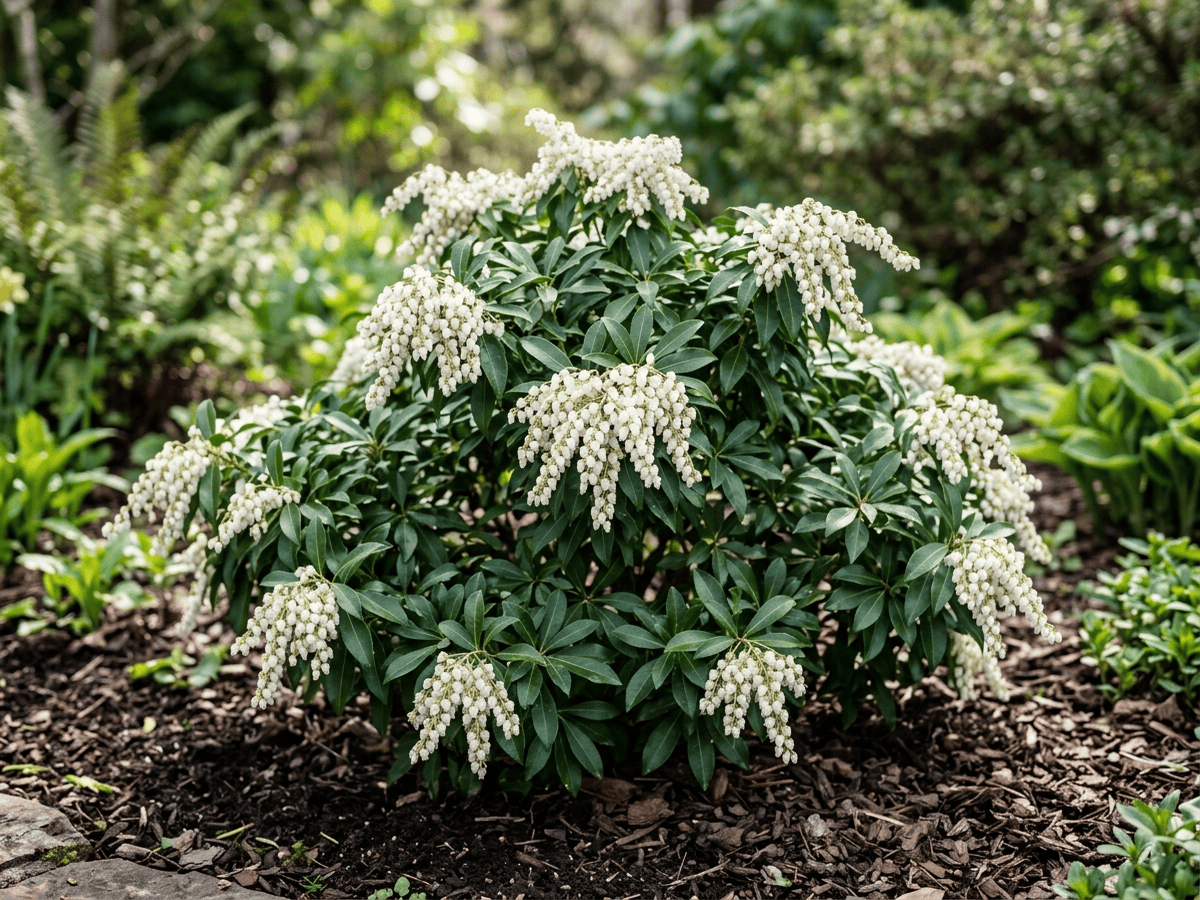
Pieris japonica, commonly called Japanese andromeda or lily-of-the-valley shrub, is an elegant evergreen native to the mountain forests of Japan, China, and Taiwan. It grows 2 to 4 meters tall, forming a tiered, fountain-like silhouette. The plant offers multi-season interest: cascading chains of white or pink bell-shaped flowers resembling lily-of-the-valley appear in early spring, while new growth emerges in stunning shades of brilliant red, copper, or bronze before maturing to glossy dark green. Flower buds form in autumn and remain ornamental through winter. Pieris demands acidic, well-drained soil rich in organic matter and performs best in partial shade with protection from drying winds. It is relatively slow-growing and requires minimal pruning. The plant is deer-resistant due to grayanotoxins present in all parts. It combines beautifully with rhododendrons, azaleas, and Japanese maples in woodland garden settings. Compact cultivars like 'Little Heath' suit container growing on patios and balconies.
- Deer-resistant
- Evergreen
How to care for Japanese Andromeda
Watering
- Springevery 3 days
- Summerevery 2 days
- Fallevery 7 days
- Winterevery 21 days
Soil · Acidic · pH 4.5–6
- Top dressingPine needle mulch10%
- Main mixAcid-lover mix + peat 3:175%
- DrainageGravel15%
Never add lime or wood ash — it cancels out the acidity.
FERTILIZER
Balanced Feed 14-14-14
An even feed covers all three needs at once, keeping leaves, roots and blooms moving together with nothing pushed out of balance.
- Nitrogen · Leaves
- Phosphorus · Roots + Blooms
- Potassium · Strength
- Springevery 45 days
At a Glance
- NativeEast Asia
- Height6–12 ft (1.8–3.7 m)
- Spread6–10 ft (1.8–3 m)
- Flower colorWhite, Pink
- Foliage colorGreen, Red, Bronze, Variegated
- SoilAcidic, Well-drained, Loamy
- LocationsYard · Indoor · Balcony
Bloom time
BLOOM CYCLE
Peak bloom
Mar–Apr
Cascading white or pink bell-shaped flowers in early spring; buds form in autumn and are ornamental through winter
Fragrance
LIGHT FRAGRANCE
Light sweet scent reminiscent of lily-of-the-valley.
Toxicity
Humans Toxic · Pets Toxic
grayanotoxins
Toxic
- Leaf
- Flower
- Nectar
- Ingestion
EXPOSURE Eating leaves, flowers, and nectar.
EFFECT Grayanotoxin poisoning: vomiting, low blood pressure, bradycardia, seizures and honey from nectar also toxic.
NOTE Documented concern for humans: Grayanotoxin poisoning: vomiting, low blood pressure, bradycardia, seizures and honey from nectar also toxic.
Toxic
- Leaf
- Flower
- Ingestion
EXPOSURE Eating leaves and flowers.
EFFECT Vomiting, weakness, cardiac effects, potentially fatal.
NOTE ASPCA lists Japanese pieris as toxic to dogs, cats, and horses.
Toxic
- Leaf
- Flower
- Ingestion
EXPOSURE Eating leaves and flowers.
EFFECT Same grayanotoxin toxicity as dogs.
NOTE ASPCA lists Japanese pieris as toxic to dogs, cats, and horses.
Educational information, not medical or veterinary advice. If exposure is suspected, contact a doctor or veterinarian.
DISTRIBUTION


- Native
- Introduced
- East Asia
History
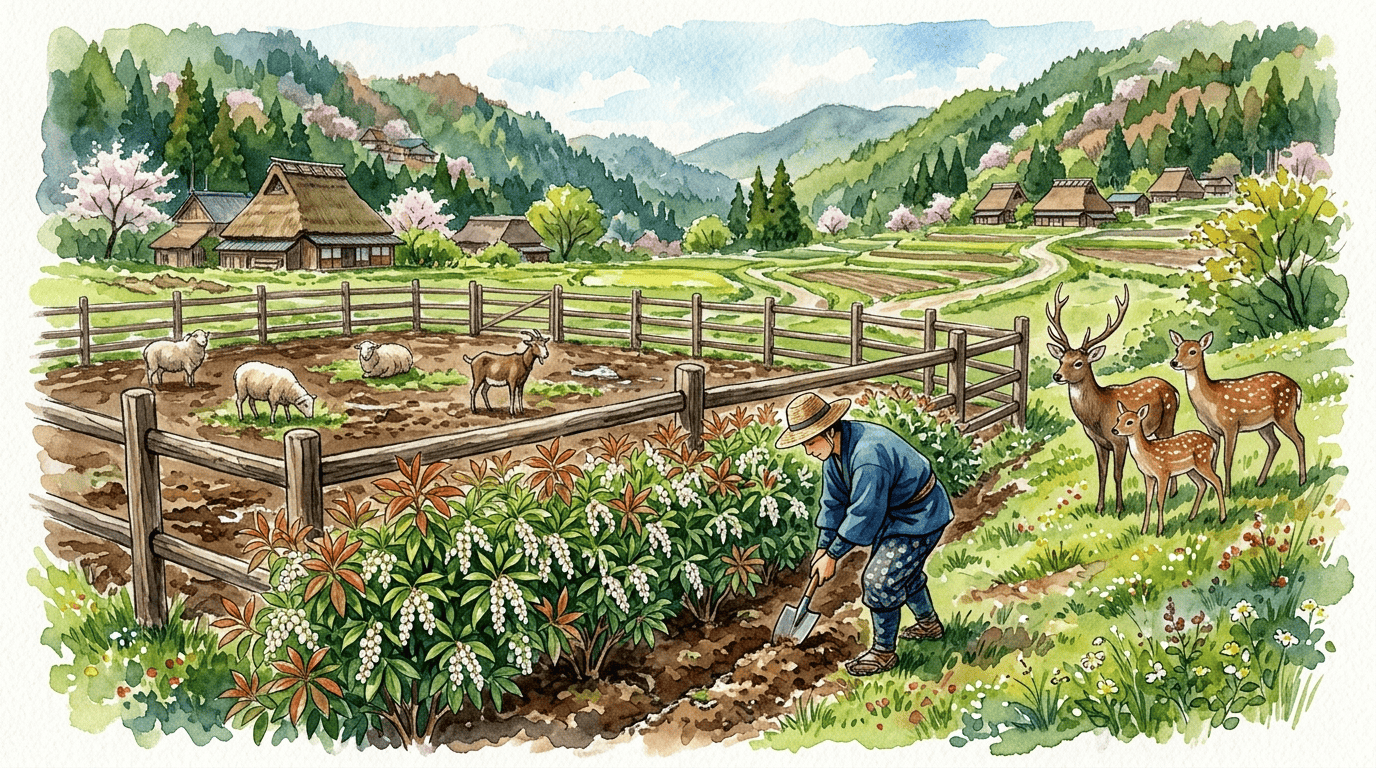
Pieris japonica is native to Japan, eastern China, and Taiwan, growing as an understory shrub in acidic woodland soils. The genus Pieris is named for the Pierides, the Greek muses. The species has been cultivated in Japan for centuries and was introduced to Western horticulture in the 1870s. It became particularly popular in American and British woodland and foundation plantings through the 20th century because it offers multiple seasons of interest: drooping panicles of urn-shaped white (or pink, in some cultivars) flowers in late winter and early spring, similar to those of lily-of-the-valley; bronze-red or crimson new foliage that gradually matures to glossy dark green; and an evergreen habit that provides year-round structure.
Popular cultivars include "Mountain Fire" (bright red new growth), "Valley Valentine" (pink flowers), "Dorothy Wyckoff," and the variegated "Flaming Silver." Like other members of the Ericaceae family that includes Rhododendron and Kalmia, Pieris contains grayanotoxins and is toxic to grazing animals. Japanese farmers traditionally planted Pieris hedges around livestock areas because animals would not eat it, using this natural avoidance as a deer and rabbit deterrent.
Pieris japonica was introduced to Western gardens from Japan in the mid-19th century by plant hunter Robert Fortune. The genus is named after the Pierides, the nine Muses of Greek mythology, reflecting the plant's graceful beauty. In its native Japanese mountains, it grows as an understory shrub in forests dominated by oaks and conifers.
Symbolism & meaning
What It Symbolizes
Japanese Andromeda hangs cascades of small white bell-shaped flowers in early spring, an emblem of purity and gentle innocence. Its second gift arrives soon after: brilliant red new growth flushing across the shrub like a fresh beginning, carrying a meaning of renewal. Together, the white bells and red shoots tell a complete spring story — first innocence, then the bold start of another year.
- Purity — The delicate white bell-shaped flowers represent innocence and purity
- Renewal — The brilliant red new growth each spring symbolizes fresh beginnings
Where the Name Comes From
Pieris refers to the Pierides, the Muses of Greek mythology, evoking poetic beauty. Japonica denotes its Japanese origin.
Uses & Fun Facts
- Cascading white flower racemes brighten early spring shrubs
- Compact evergreen for shaded patio pots and entryways
- Glossy evergreen with vivid red new growth as focal shrub
Related plants
More Pieris plants
Plants with similar care
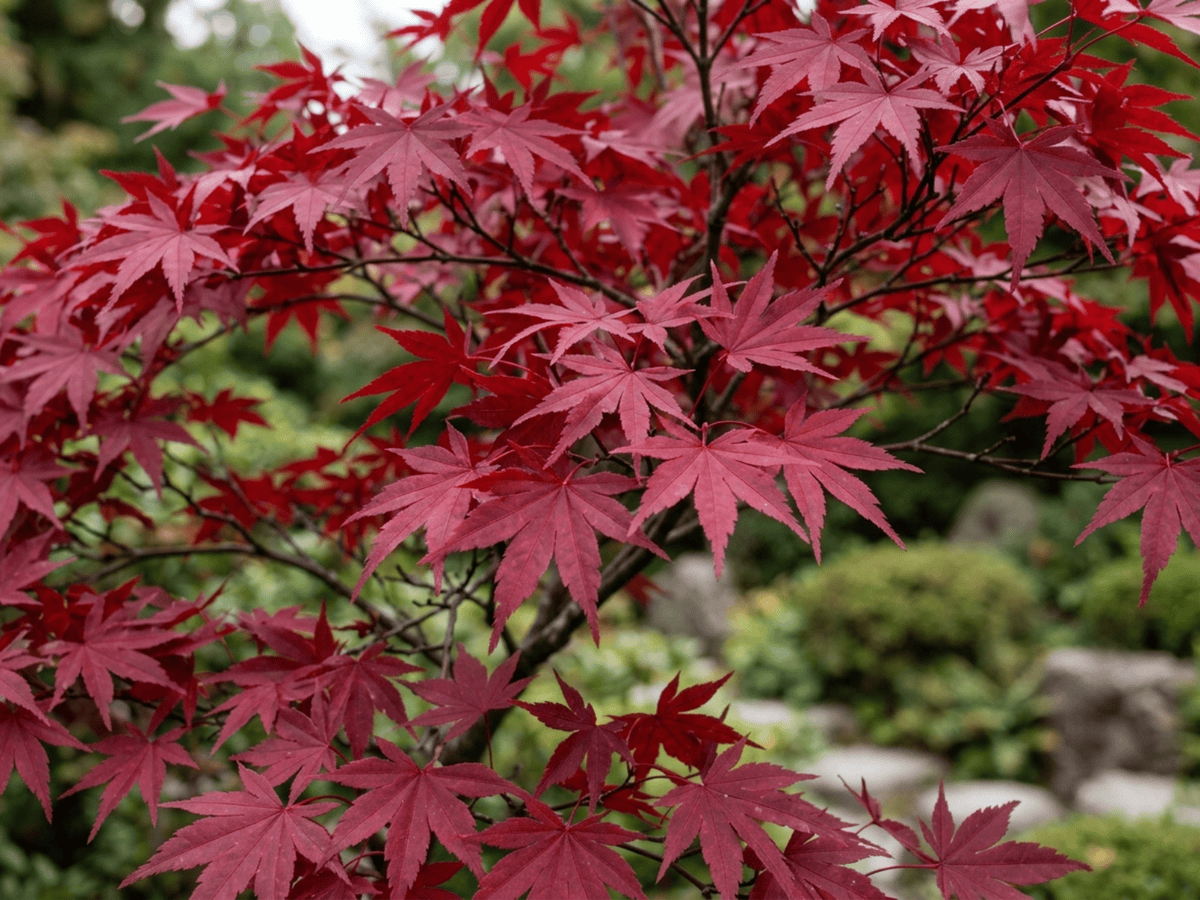 Japanese MapleAcer palmatum
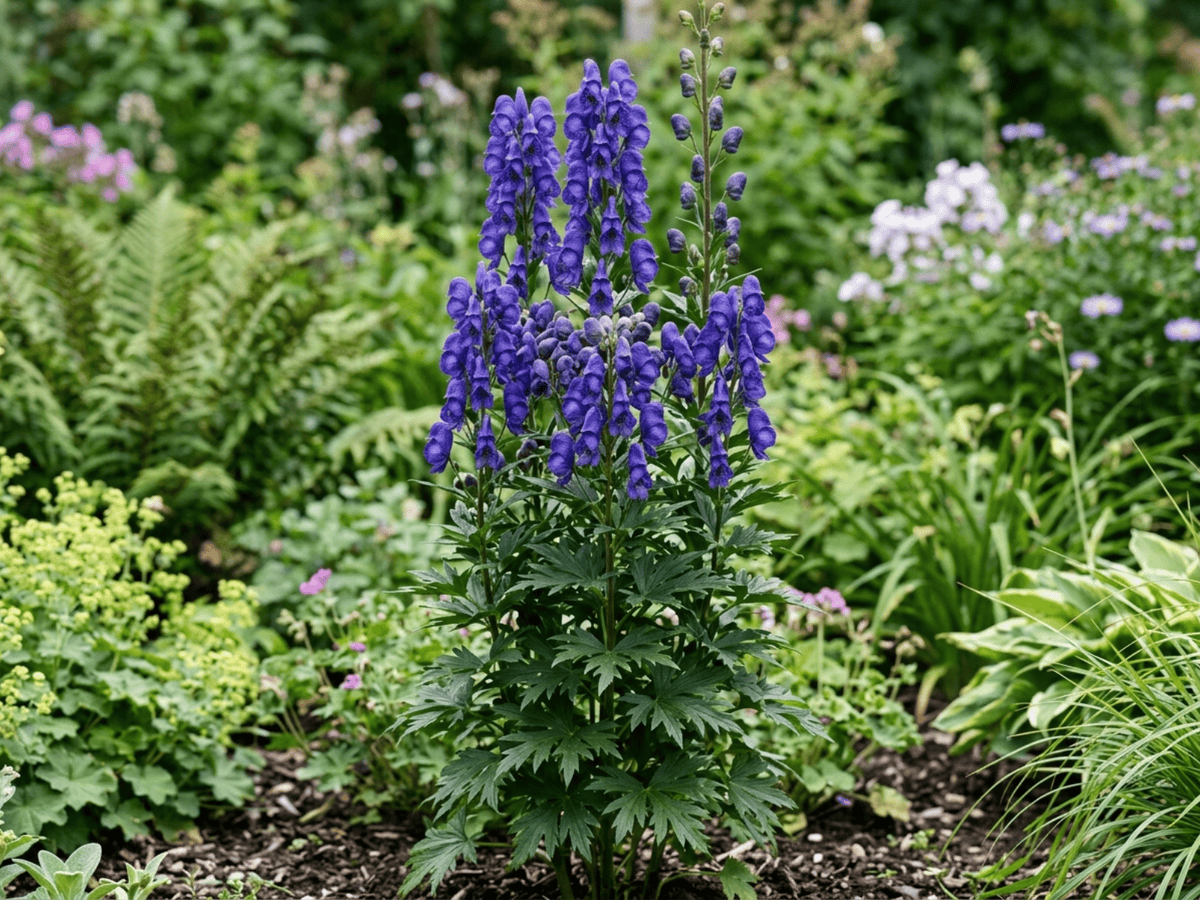 Azure MonkshoodAconitum carmichaelii
 Florida HobblebushAgarista populifolia
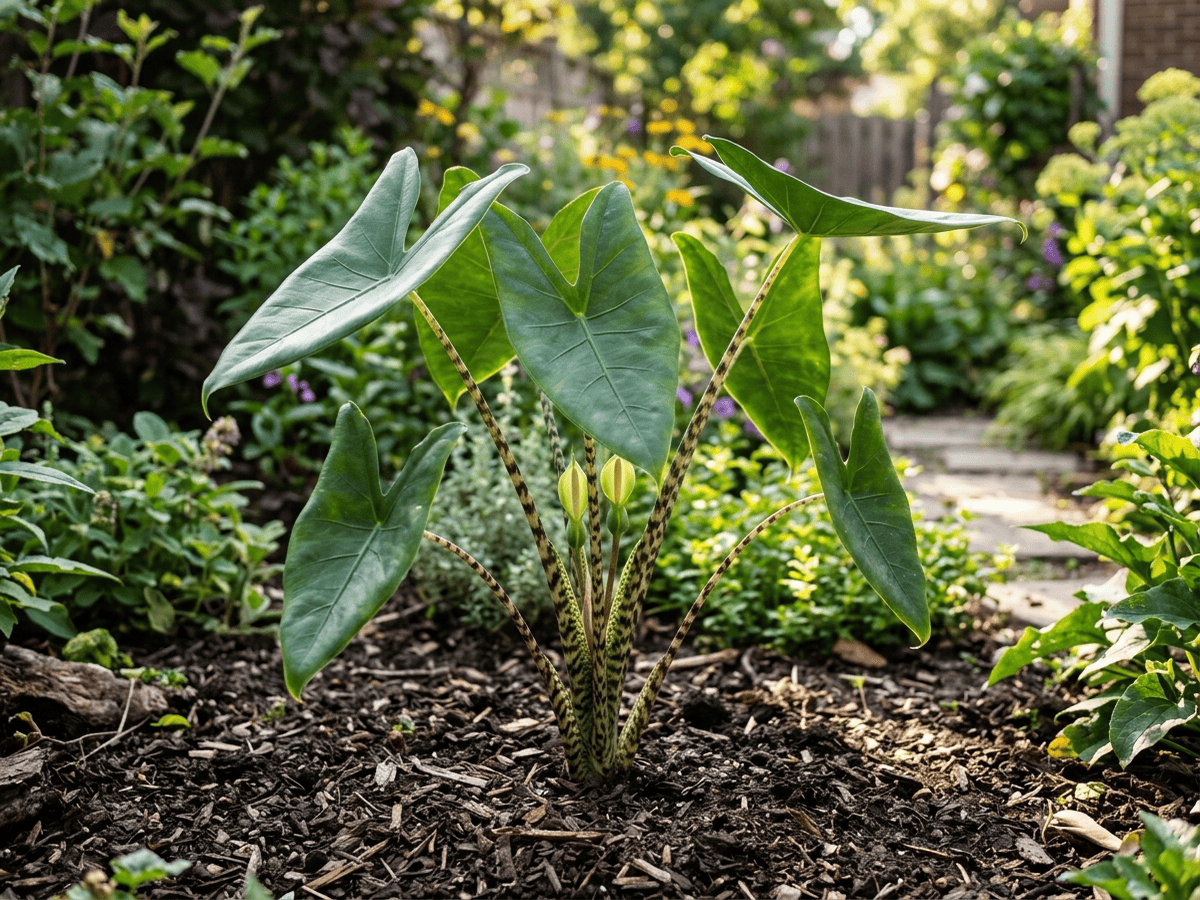 Alocasia zebrinaAlocasia zebrina
Frequently asked questions
How often should I water Japanese Andromeda?
In summer, water about every 2 days; in winter, about every 21 days. Adjust for heat, pot size and drainage.
How much light does Japanese Andromeda need?
Part shade: 2–4 hrs direct. Watch the leaves — scorching or stretching means the light needs adjusting.
Is Japanese Andromeda toxic to cats or dogs?
Pets Toxic (Dogs Toxic · Cats Toxic) Educational information, not medical or veterinary advice. If exposure is suspected, contact a doctor or veterinarian.
Is Japanese Andromeda easy to grow?
It is moderately demanding: a good choice once you have a little experience.
Can Japanese Andromeda be grown indoors?
Yes, it adapts well to indoor growing given the right light.
When does Japanese Andromeda bloom?
It typically blooms Mar–Apr in the Northern Hemisphere.
YardMate
Identify any plant in seconds
Snap a photo — YardMate names the plant, diagnoses problems, and reminds you when to water.
Download on the App Store