 YardMate
Kōhūhū
Pittosporum tenuifolium
Easy · Beginner friendlyAbout Kōhūhū
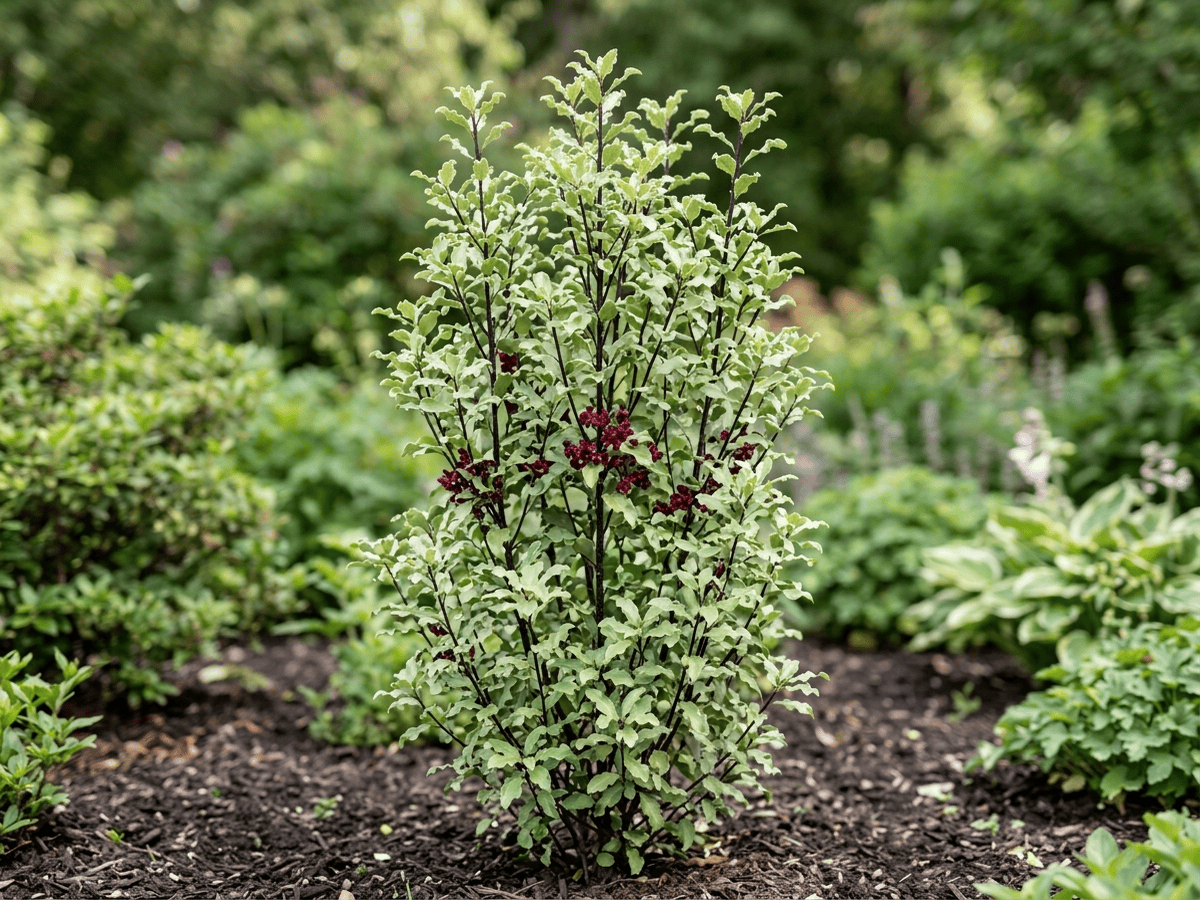
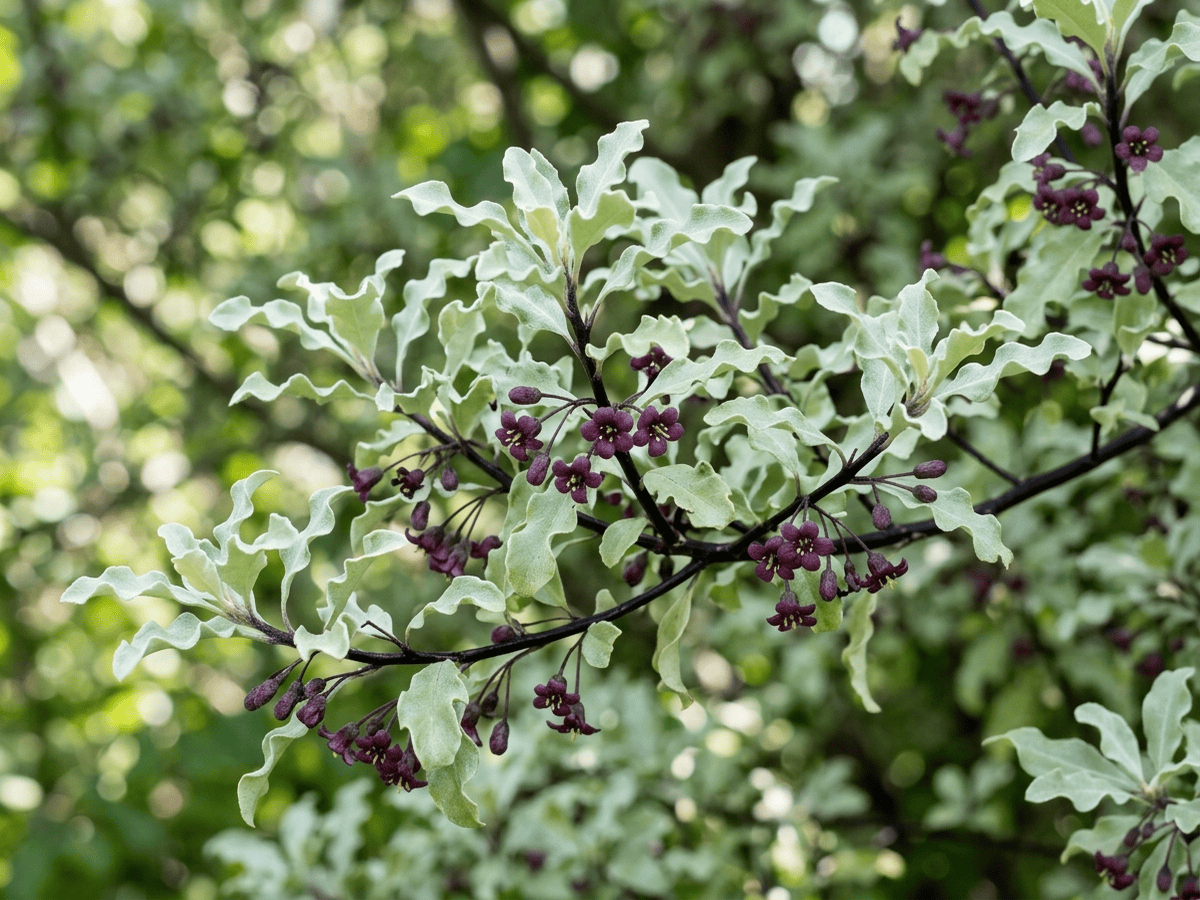
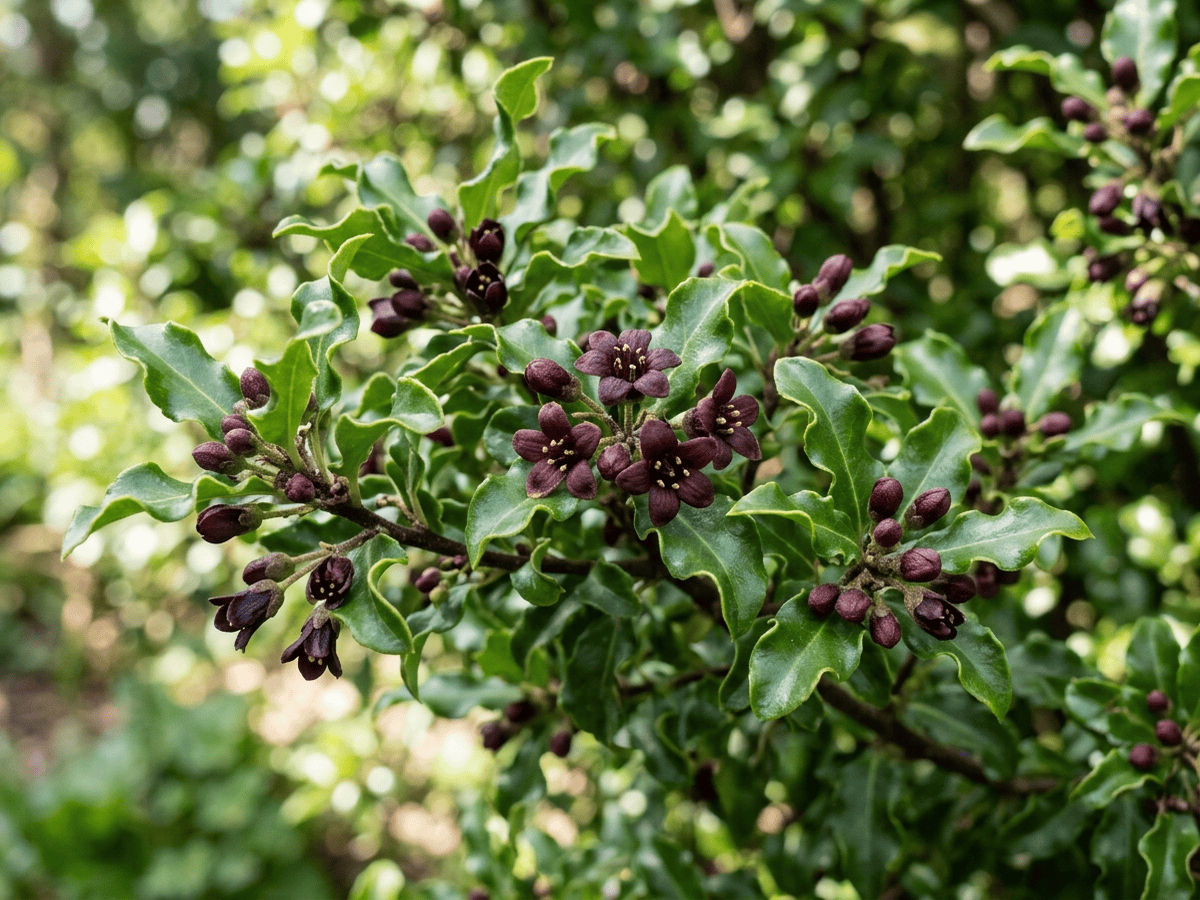
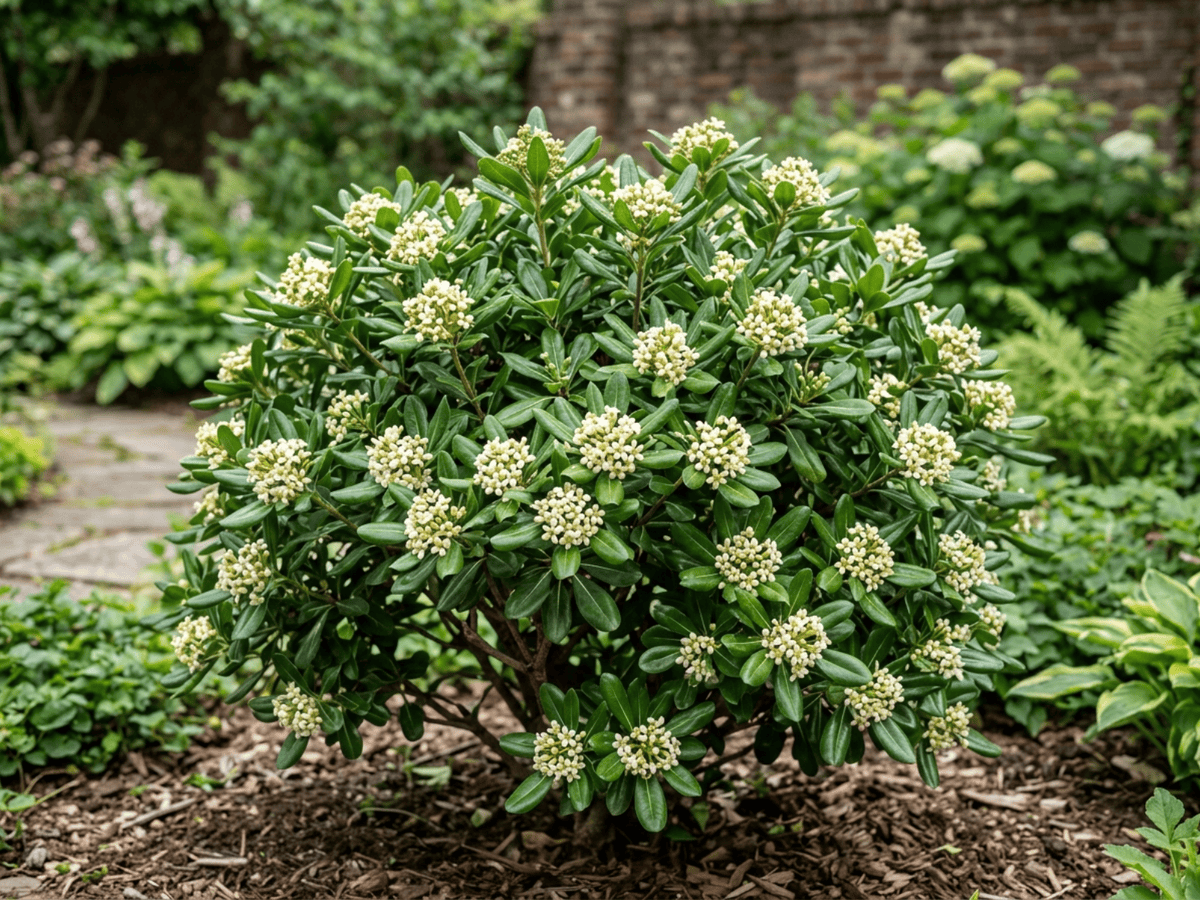
Kohuhu is an elegant evergreen shrub or small tree from New Zealand, growing 15-25 feet tall with slender black stems bearing small glossy leaves that shimmer and flutter in the slightest breeze. The tiny dark purple flowers in spring are highly fragrant, especially at night, with a honey-chocolate scent. Hugely popular in Pacific Coast gardens and the florist trade for its elegant stems and diverse foliage cultivars in silver, purple, gold, and variegated forms.
- Fragrant
- Drought-tolerant
- Evergreen
How to care for Kōhūhū
Watering
- Springevery 7 days
- Summerevery 5 days
- Fallevery 10 days
- Winterevery 21 days
Soil · Well-draining
- Top dressingPine bark mulch10%
- Main mixPotting soil + perlite 2:170%
- DrainageLECA / gravel20%
Never skip the drainage layer — standing water is the top cause of root rot.
FERTILIZER
Balanced Feed 14-14-14
An even feed covers all three needs at once, keeping leaves, roots and blooms moving together with nothing pushed out of balance.
- Nitrogen · Leaves
- Phosphorus · Roots + Blooms
- Potassium · Strength
- Springevery 30 days
At a Glance
- NativeAustralasia
- Height12–25 ft (3.7–7.6 m)
- Spread8–15 ft (2.4–4.6 m)
- Flower colorPurple, Red
- Foliage colorSilver, Green, Purple, Variegated
- Fruit colorBlack
- SoilLoamy, Well-drained
- LocationsYard
Bloom time
BLOOM CYCLE
Peak bloom
Mar–May
Tiny dark purple honey-scented flowers in spring; most fragrant at night
Fragrance
MODERATE FRAGRANCE
Sweet honey-chocolate fragrance, strongest in the evening.
Toxicity
Humans Slight · Pets Slight
saponins
Slight
- Fruit
- Ingestion
EXPOSURE Eating fruit.
EFFECT Mild GI upset.
NOTE Seeds in sticky pulp contain saponins; mildly irritant but not seriously toxic.
Slight
- Fruit
- Ingestion
EXPOSURE Eating fruit.
EFFECT Mild GI upset.
NOTE Seeds in sticky pulp contain saponins; mildly irritant but not seriously toxic.
Slight
- Fruit
- Ingestion
EXPOSURE Eating fruit.
EFFECT Mild GI upset.
NOTE Seeds in sticky pulp contain saponins; mildly irritant but not seriously toxic.
Educational information, not medical or veterinary advice. If exposure is suspected, contact a doctor or veterinarian.
DISTRIBUTION


- Native
- Introduced
- Australasia
History
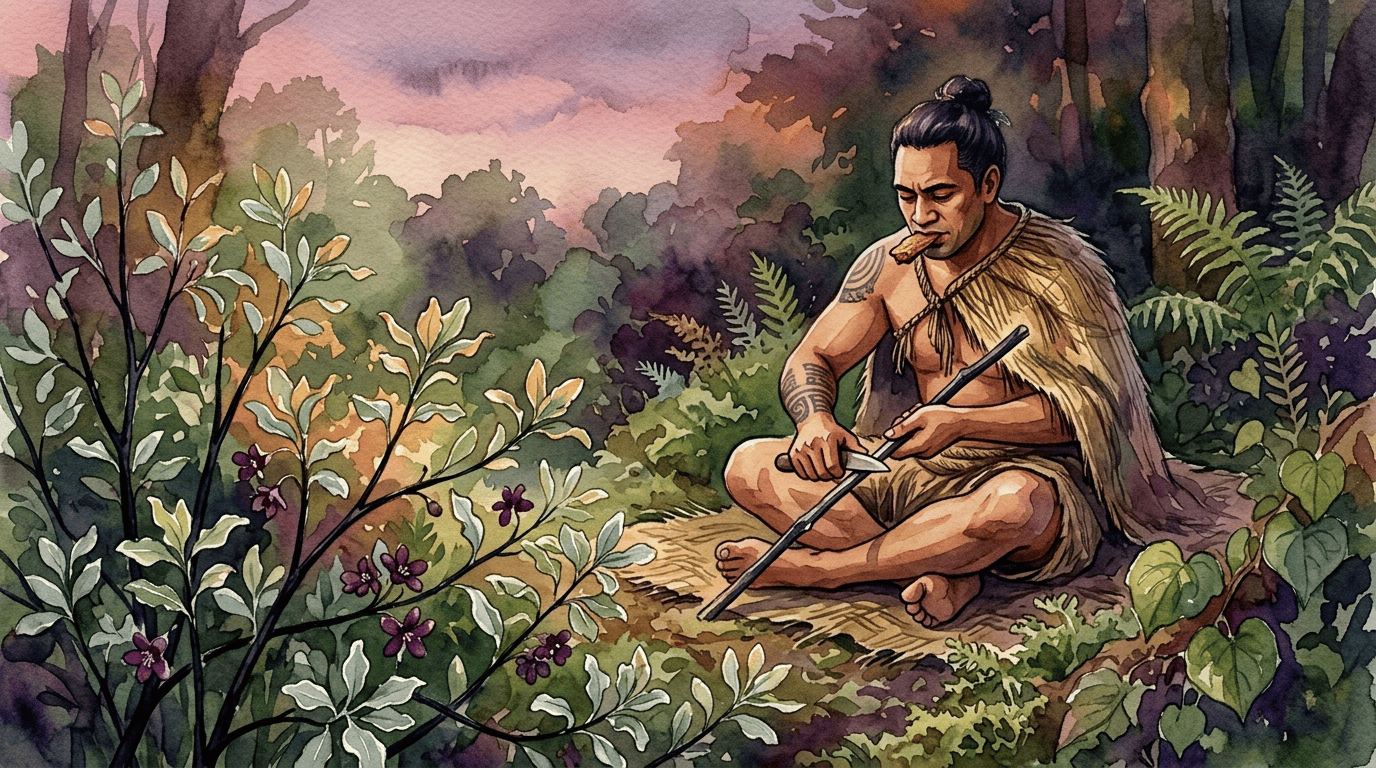
Pittosporum tenuifolium is native to both North and South Islands of New Zealand, occurring naturally in coastal and lowland forests. German botanist Joseph Gaertner described the species in 1788. In the Māori language it is kohuhu or kōhūhū, and it was valued for its resinous bark (chewed as a gum), its wood (used for tools, fire-by-friction sticks, and spears), and its leaves (used medicinally for skin conditions). The species has been widely planted in Mediterranean, Pacific coast, and oceanic climates worldwide for its elegant habit, small wavy-edged silver-green leaves on slender black stems, tolerance of coastal salt spray, and usefulness as a fine-textured hedge.
Inconspicuous tiny dark purple-black flowers open in late spring and are remarkably fragrant—emitting a honey-chocolate scent in the evening. The species has given rise to dozens of cultivars including purple-leaved 'Purpureum' and 'Tom Thumb', variegated 'Silver Queen', 'Variegatum', and 'Irene Paterson', golden 'Warnham Gold', and dwarf forms. Hardy only to about zone 8, it is popular in California, the Gulf Coast, Britain, and the Mediterranean.
Native to New Zealand, where it grows in lowland and montane forests and is called kohuhu in Maori. The Maori traditionally used the sticky seed resin as chewing gum and the bark medicinally. Introduced to California and the Pacific Northwest in the 1800s, it thrived in the maritime climate. The foliage cultivars—'Silver Sheen', 'Tom Thumb' (purple), 'Irene Paterson' (variegated)—have made it a staple of the West Coast nursery industry and international florist trade.
Symbolism & meaning
What It Symbolizes
Kohuhu carries charm, its shimmering leaves and mysterious nocturnal fragrance casting a soft spell over evening gardens. It also embodies versatility — dozens of foliage colors and cultivar forms make it adaptable to nearly any design style. A New Zealand native shrub that has quietly become a global wardrobe staple in the world's milder gardens.
- Charm — shimmering leaves and mysterious nocturnal fragrance
- Versatility — dozens of foliage colors and forms
Where the Name Comes From
'Pittosporum' from Greek 'pitta' (pitch) and 'sporos' (seed), referring to the sticky seed coating; 'tenuifolium' means 'thin-leaved'.
Uses & Fun Facts
- Tiny dark flowers release strong honey-vanilla evening scent
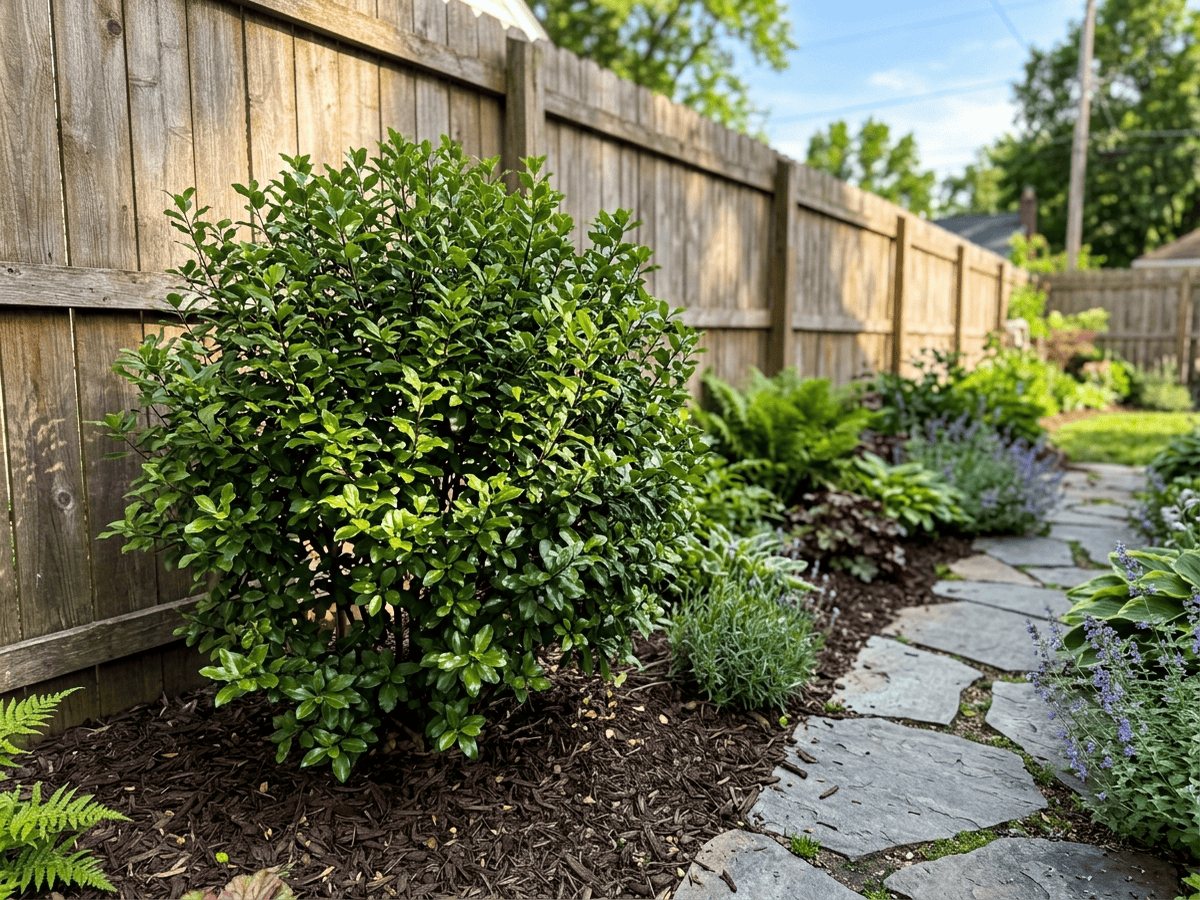
- Glossy wavy-edged leaves trimmed into elegant evergreen hedges
- Glossy black-stemmed foliage prized in florist arrangements
Related plants
More Pittosporum plants
Plants with similar care
 Chinese AbeliaAbelia chinensis
 Fragrant AbeliaAbelia mosanensis
 Large-Flowered AbeliaAbelia uniflora
 Glossy AbeliaAbelia x grandiflora
Frequently asked questions
How often should I water Kōhūhū?
In summer, water about every 5 days; in winter, about every 21 days. Adjust for heat, pot size and drainage.
How much light does Kōhūhū need?
Full sun: 6+ hrs direct. Watch the leaves — scorching or stretching means the light needs adjusting.
Is Kōhūhū toxic to cats or dogs?
Pets Slight (Dogs Slight · Cats Slight) Educational information, not medical or veterinary advice. If exposure is suspected, contact a doctor or veterinarian.
Is Kōhūhū easy to grow?
Yes — it is considered an easy, beginner-friendly plant.
When does Kōhūhū bloom?
It typically blooms Mar–May in the Northern Hemisphere.
YardMate
Identify any plant in seconds
Snap a photo — YardMate names the plant, diagnoses problems, and reminds you when to water.
Download on the App Store