 YardMate

American Plantain
Plantago rugelii
Easy · Beginner friendlyAbout American Plantain
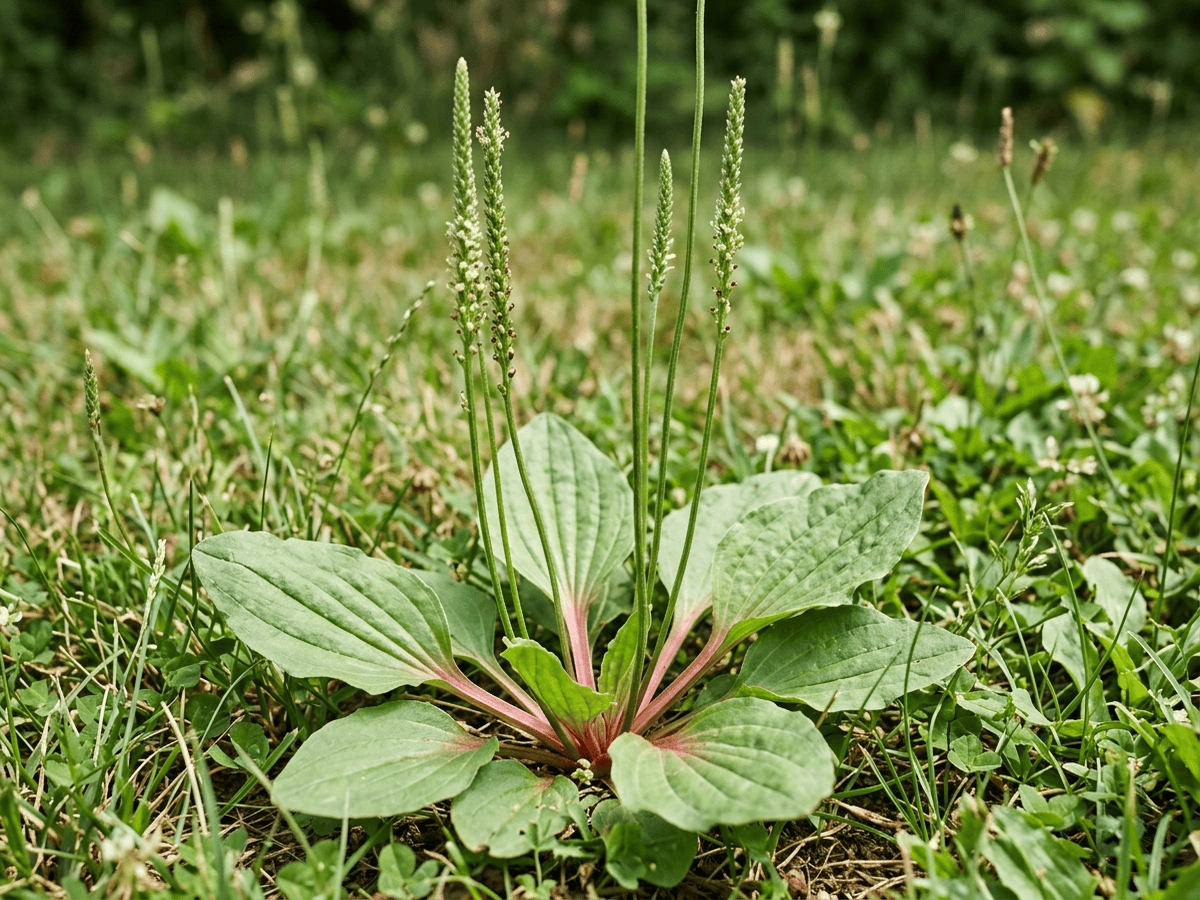
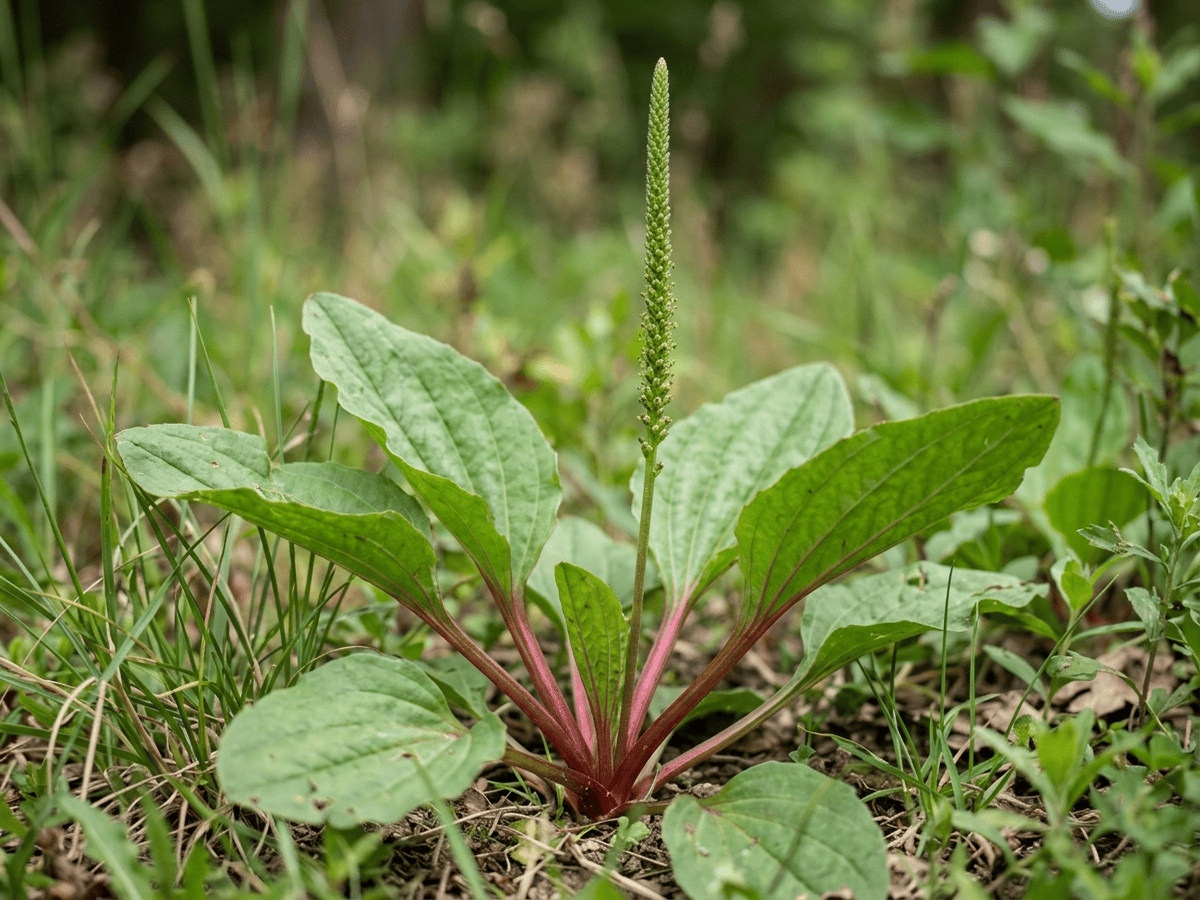
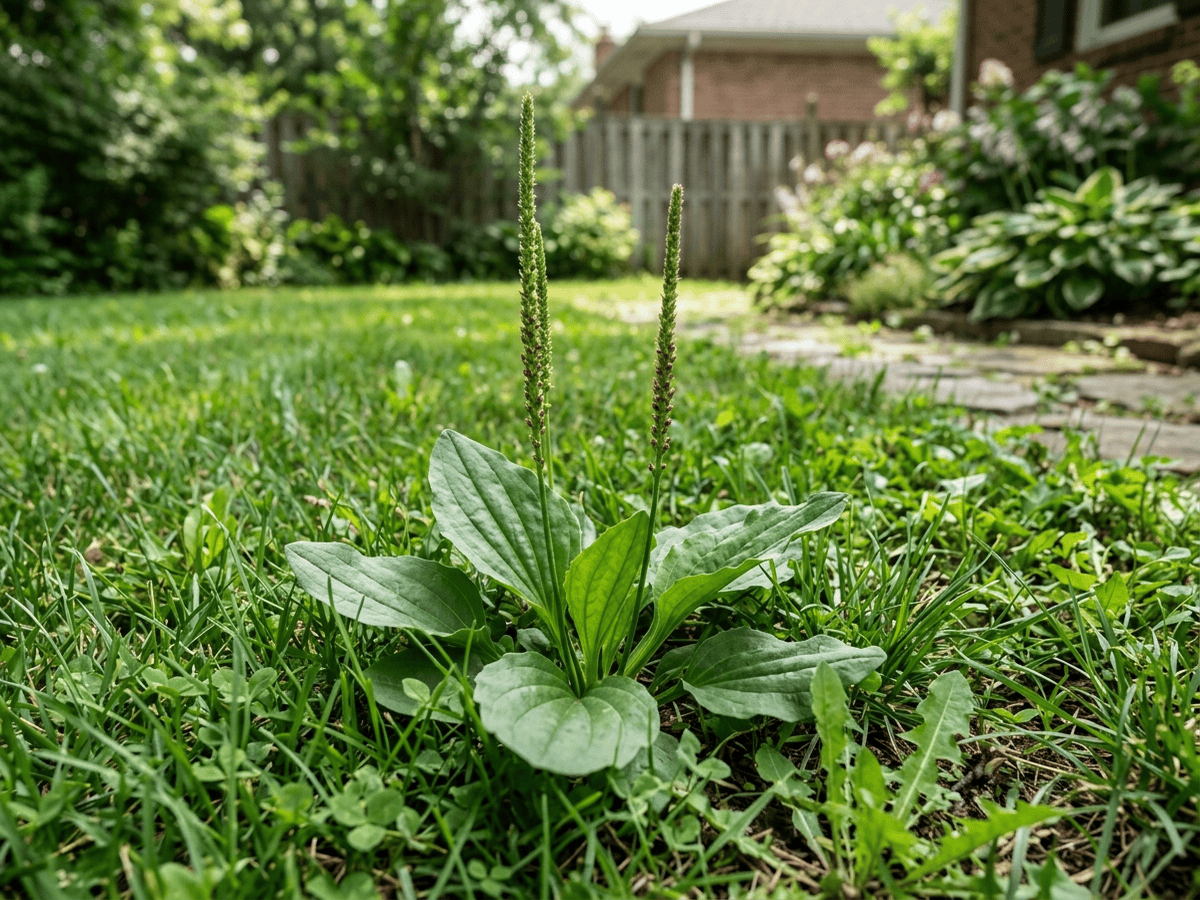
American Plantain or Rugel's Plantain is the native North American relative of common plantain, visually nearly identical to P. major but with reddish leaf stems and native heritage. Found in lawns, meadows, woodland edges, and disturbed soil across the eastern and central US, often alongside its introduced European cousins. Despite being native, it behaves weedily in modern lawn culture.
- Edible
- Medicinal
- Shade-tolerant
- Native
How to care for American Plantain
Watering
- Springevery 7 days
- Summerevery 5 days
- Fallevery 10 days
- Winterevery 21 days
Soil · Rich & well-draining
- Top dressingCompost10%
- Main mixPotting soil + compost 3:180%
- DrainageGravel10%
Top up the compost layer each season.
FERTILIZER
This plant needs little to no feeding.
At a Glance
- NativeNorth America
- Height0.5–1.5 ft (0.2–0.5 m)
- Spread0.5–1 ft (0.2–0.3 m)
- Flower colorGreen, Cream
- Foliage colorGreen
- Fruit colorBrown
- SoilLoamy, Moisture-retentive
- LocationsYard
Bloom time
BLOOM CYCLE
Peak bloom
Jun–Nov
Narrow green flower spikes summer through fall
Toxicity
No toxicity has been reported for this plant. Still, it is wise to keep pets from chewing on any houseplant.
Educational information, not medical or veterinary advice. If exposure is suspected, contact a doctor or veterinarian.
DISTRIBUTION


- Native
- Introduced
- North America
History

Plantago rugelii grows natively across eastern and central North America from Quebec south to Florida and west to the Great Plains, in lawns, pastures, and disturbed ground. The American botanist Alphonso Wood described it in 1847, naming the species for the German-American botanist Ferdinand Rugel, a plant collector in the southeastern US. It closely resembles the Eurasian P. major and the two are routinely confused; key differences are Rugel's plantain's black (not brown) seeds, two-seeded capsules, and a reddish-purple tint at the leaf base.
Indigenous peoples used it identically to P. major for wound poultices and tonic teas. In US lawn-weed discussions it is often lumped with the European relatives. It is a minor but significant contributor to mixed native summer forage on disturbed ground.
Native to eastern North America, often misidentified as the introduced Plantago major. The two species hybridize and coexist in most American lawns. Named for Ferdinand Rugel, a German-American botanist who collected plants in the 19th-century southeastern US.
Symbolism & meaning
What It Symbolizes
American Plantain is native tenacity holding ground beside introduced ones, an indigenous plantain often dismissed as weed simply because its better-traveled cousins arrived first. Its broad, ribbed leaves remind us that not every persistent green rosette in the lawn is foreign. In its quiet refusal to be displaced, the homegrown member of the plantain family keeps its ancestral seat.
- Native tenacity — holds ground alongside introduced invaders
- Quiet native — indigenous plantain often overlooked as weed
Where the Name Comes From
'rugelii' honors Ferdinand Rugel (1806-1879), German-American botanical collector active in the Appalachian and Southern US.
Uses & Fun Facts
- Tender young leaves added raw to wild salads
- Crushed leaf poultice traditionally applied to insect bites
- Native lawn component tolerates foot traffic and mowing
Related plants
More Plantago plants

Plants with similar care
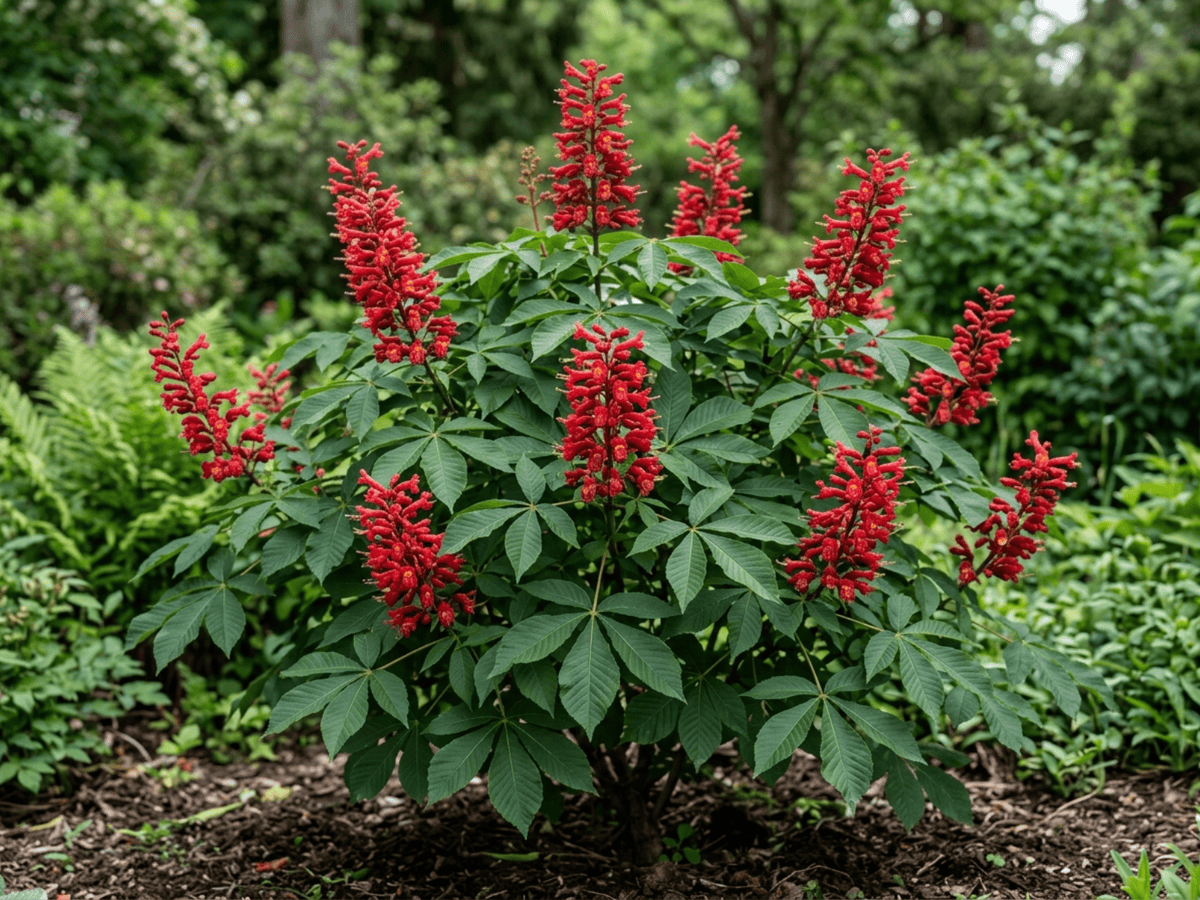 Red BuckeyeAesculus pavia
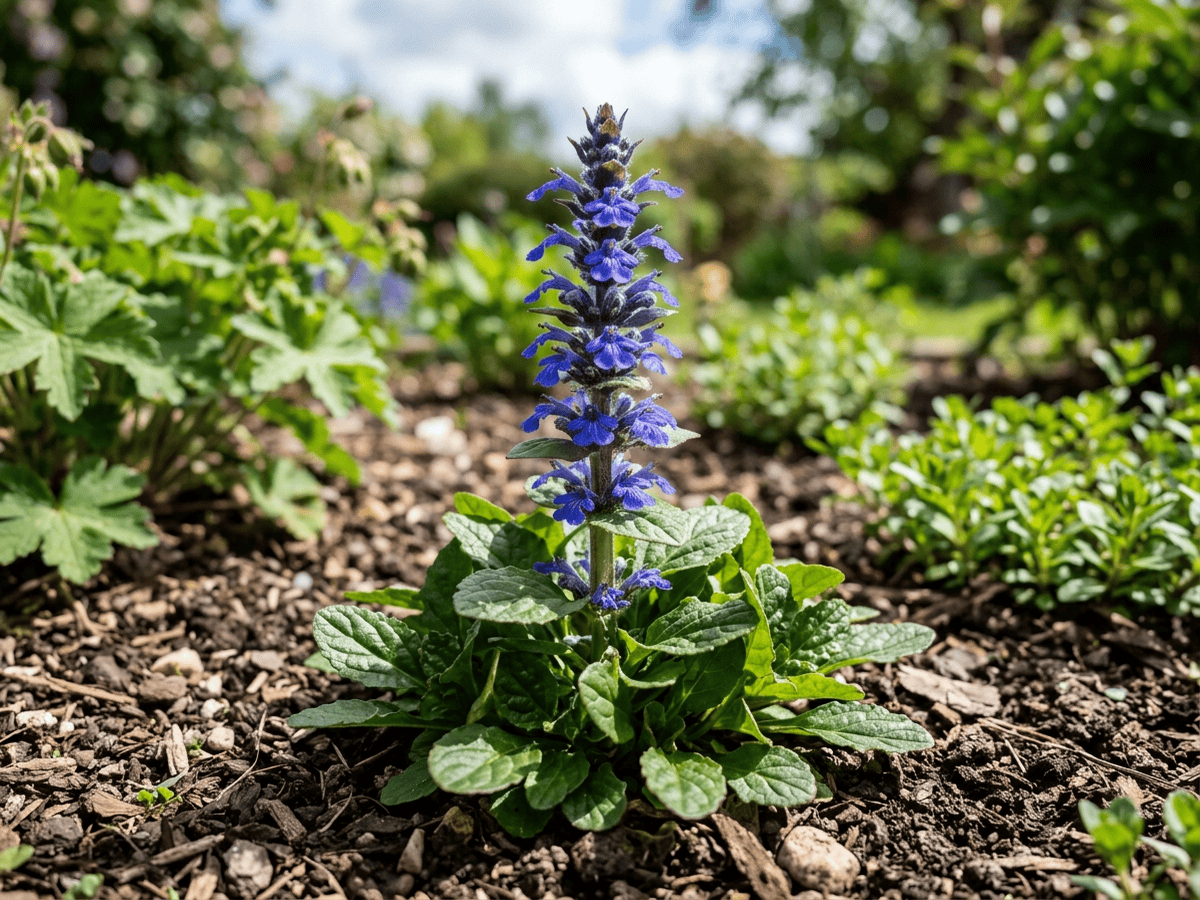 Blue BugleAjuga genevensis
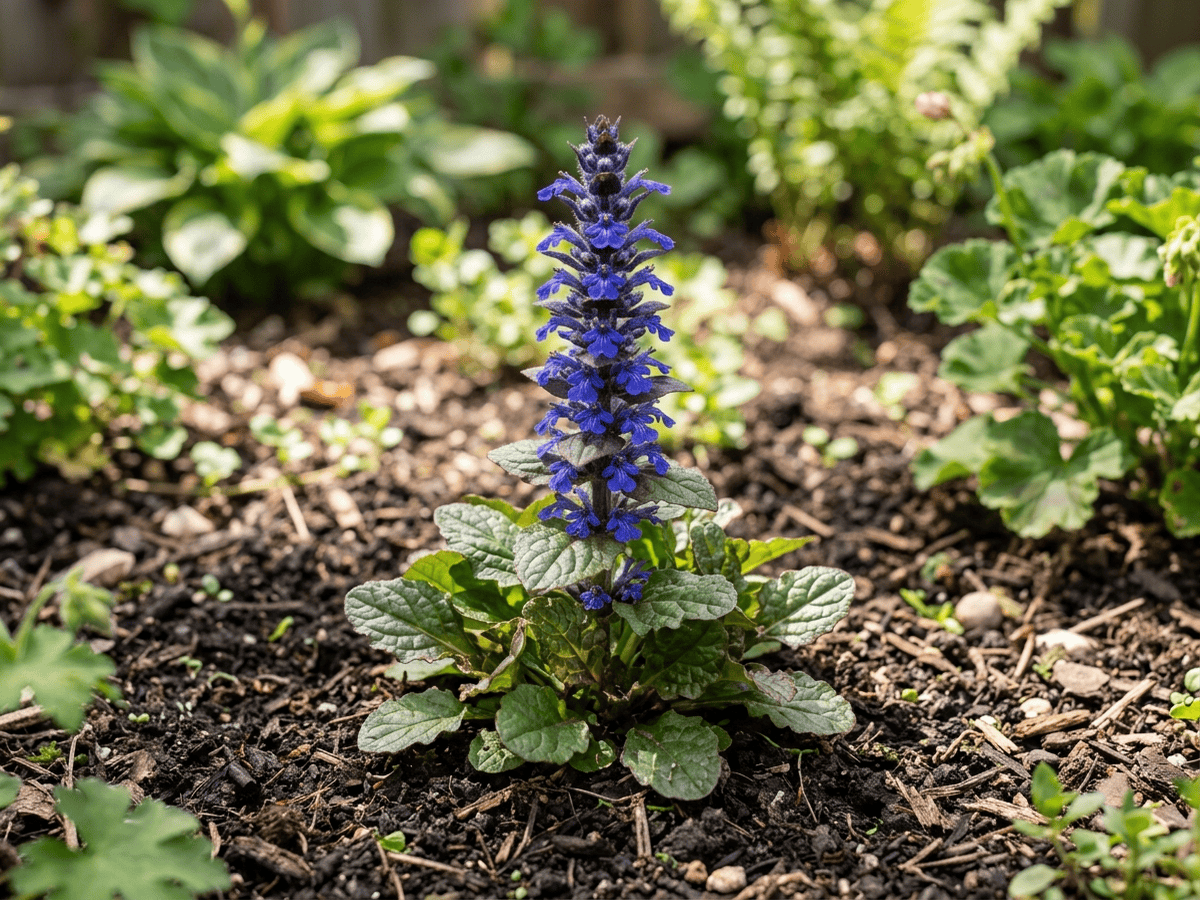 Pyramidal BugleAjuga pyramidalis
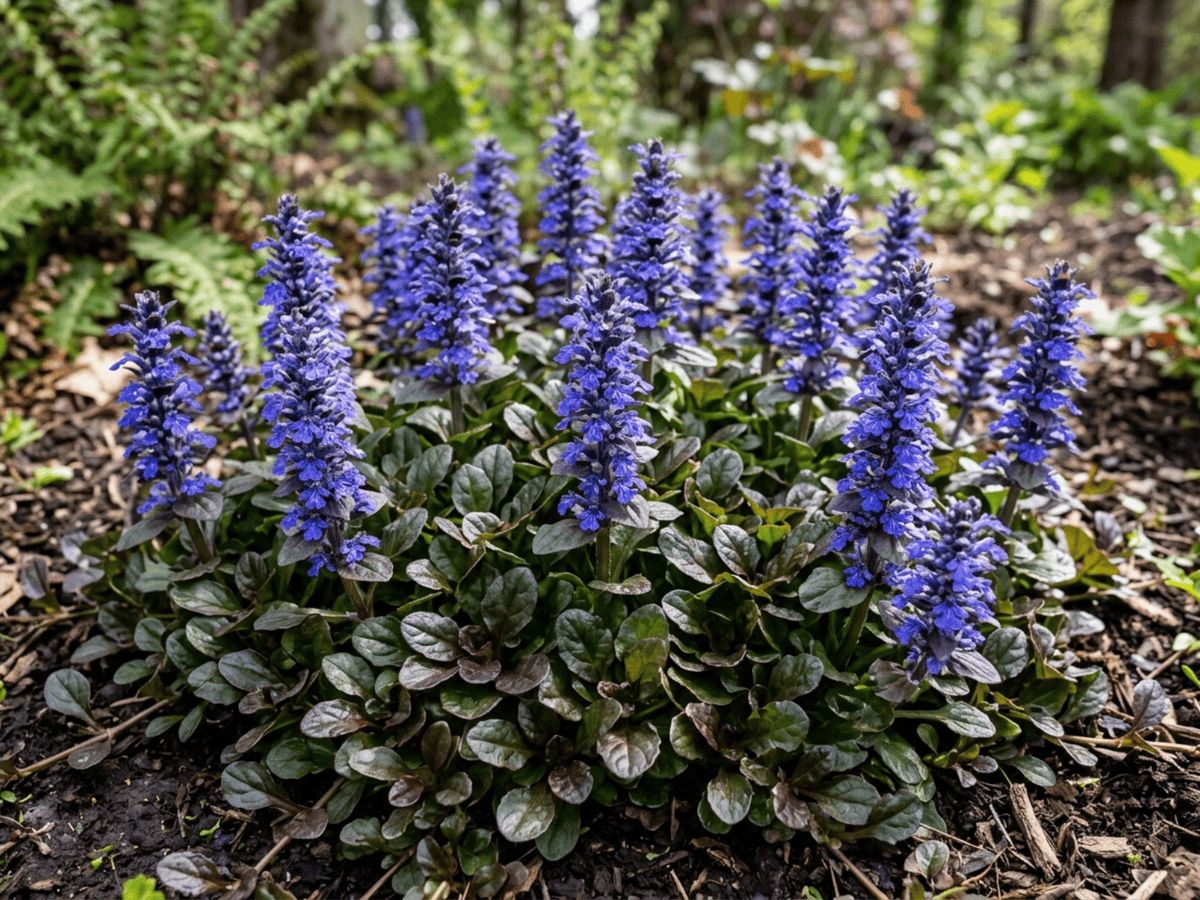 Carpet BugleAjuga reptans
Frequently asked questions
How often should I water American Plantain?
In summer, water about every 5 days; in winter, about every 21 days. Adjust for heat, pot size and drainage.
How much light does American Plantain need?
Part shade: 2–4 hrs direct. Watch the leaves — scorching or stretching means the light needs adjusting.
Is American Plantain toxic to cats or dogs?
No toxicity has been reported for this plant. Still, it is wise to keep pets from chewing on any houseplant. Educational information, not medical or veterinary advice. If exposure is suspected, contact a doctor or veterinarian.
Is American Plantain easy to grow?
Yes — it is considered an easy, beginner-friendly plant.
When does American Plantain bloom?
It typically blooms Jun–Nov in the Northern Hemisphere.
YardMate
Identify any plant in seconds
Snap a photo — YardMate names the plant, diagnoses problems, and reminds you when to water.
Download on the App Store