 YardMate


Greater Plantain
Plantago major
Easy · Beginner friendlyAbout Greater Plantain
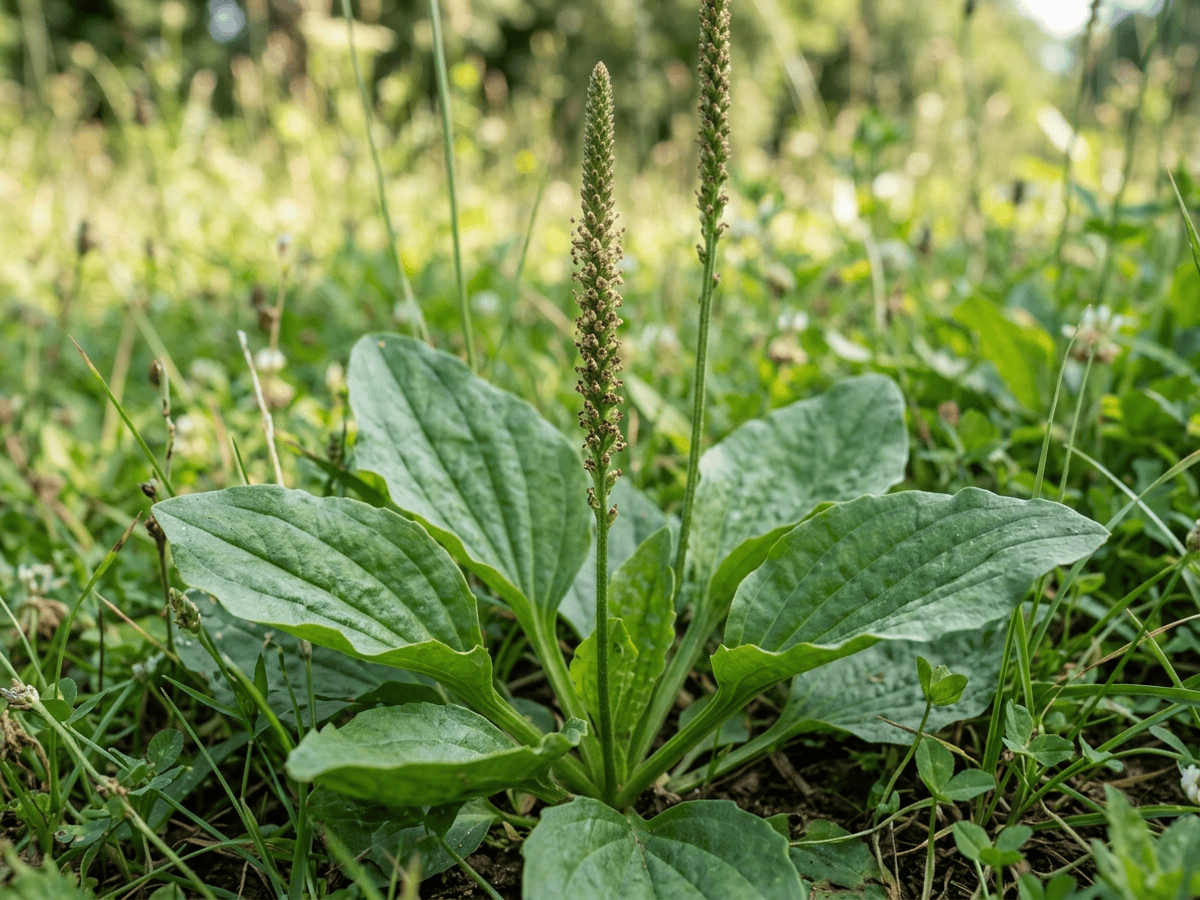
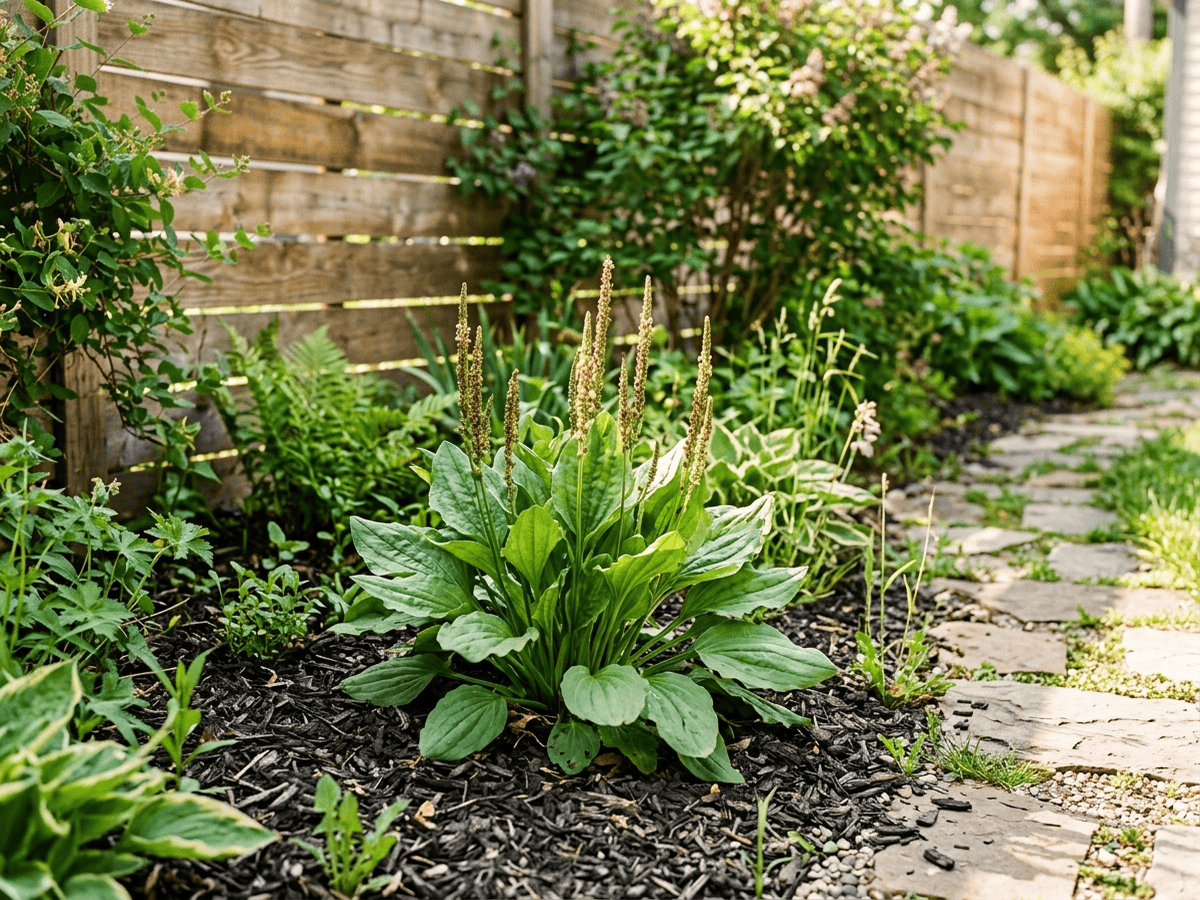
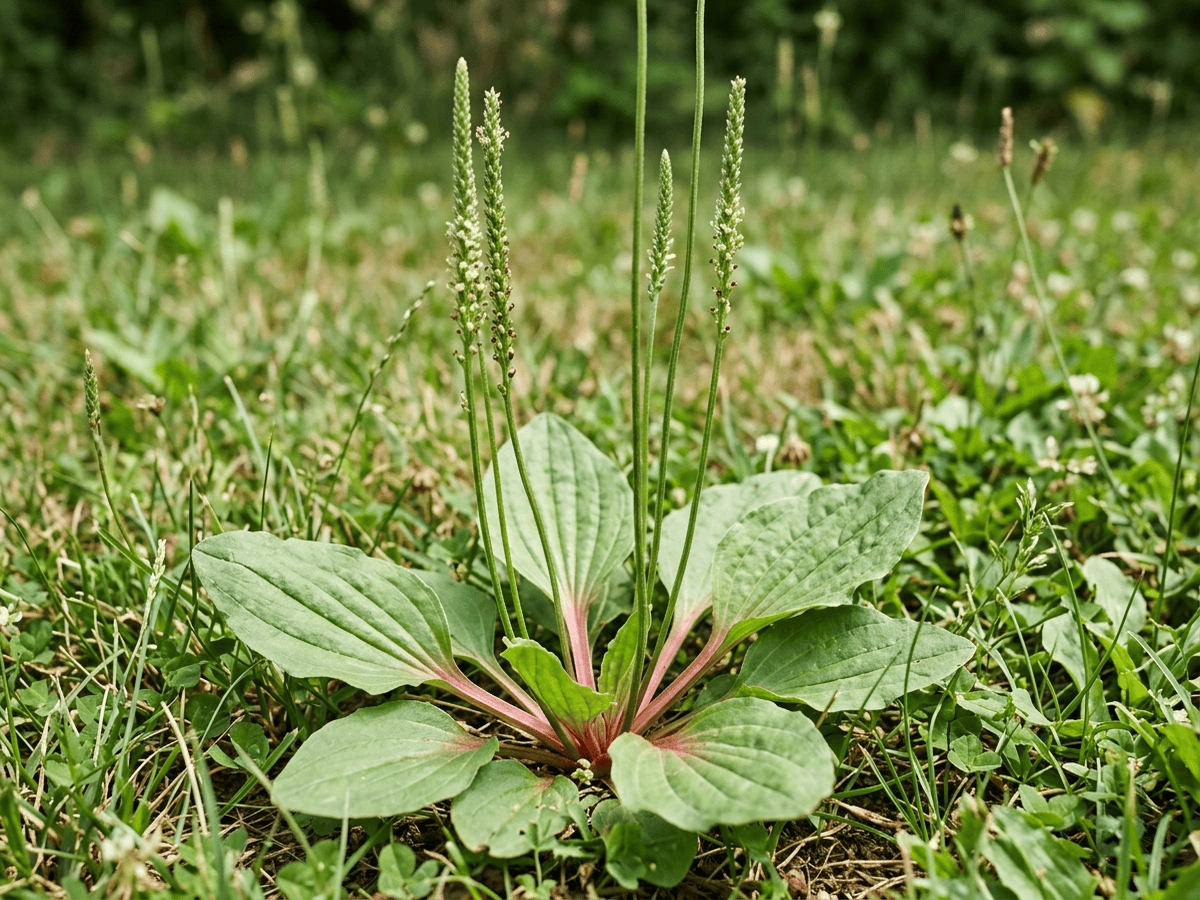
Common Plantain or Broadleaf Plantain is a Eurasian lawn weed naturalized across all of North America, forming flat rosettes of broad oval leaves with parallel veins and sending up narrow leafless spikes of tiny greenish-brown flowers. Tolerates foot traffic, compacted soil, and poor conditions that defeat grass, dominating walkways, driveways, and worn lawn areas. Indigenous peoples called it White Man's Footprint because it followed European settlement.
- Edible
- Medicinal
How to care for Greater Plantain
Watering
- Springevery 7 days
- Summerevery 5 days
- Fallevery 10 days
- Winterevery 21 days
Soil · Rich & well-draining
- Top dressingCompost10%
- Main mixPotting soil + compost 3:180%
- DrainageGravel10%
Top up the compost layer each season.
FERTILIZER
This plant needs little to no feeding.
At a Glance
- NativeEast Asia
- Height0.5–1.5 ft (0.2–0.5 m)
- Spread0.5–1 ft (0.2–0.3 m)
- Flower colorGreen, Cream
- Foliage colorGreen
- Fruit colorBrown
- SoilLoamy, Clay, Moisture-retentive
- LocationsYard
Bloom time
BLOOM CYCLE
Peak bloom
Jun–Nov
Narrow green flower spikes summer through fall
Toxicity
No toxicity has been reported for this plant. Still, it is wise to keep pets from chewing on any houseplant.
Educational information, not medical or veterinary advice. If exposure is suspected, contact a doctor or veterinarian.
DISTRIBUTION

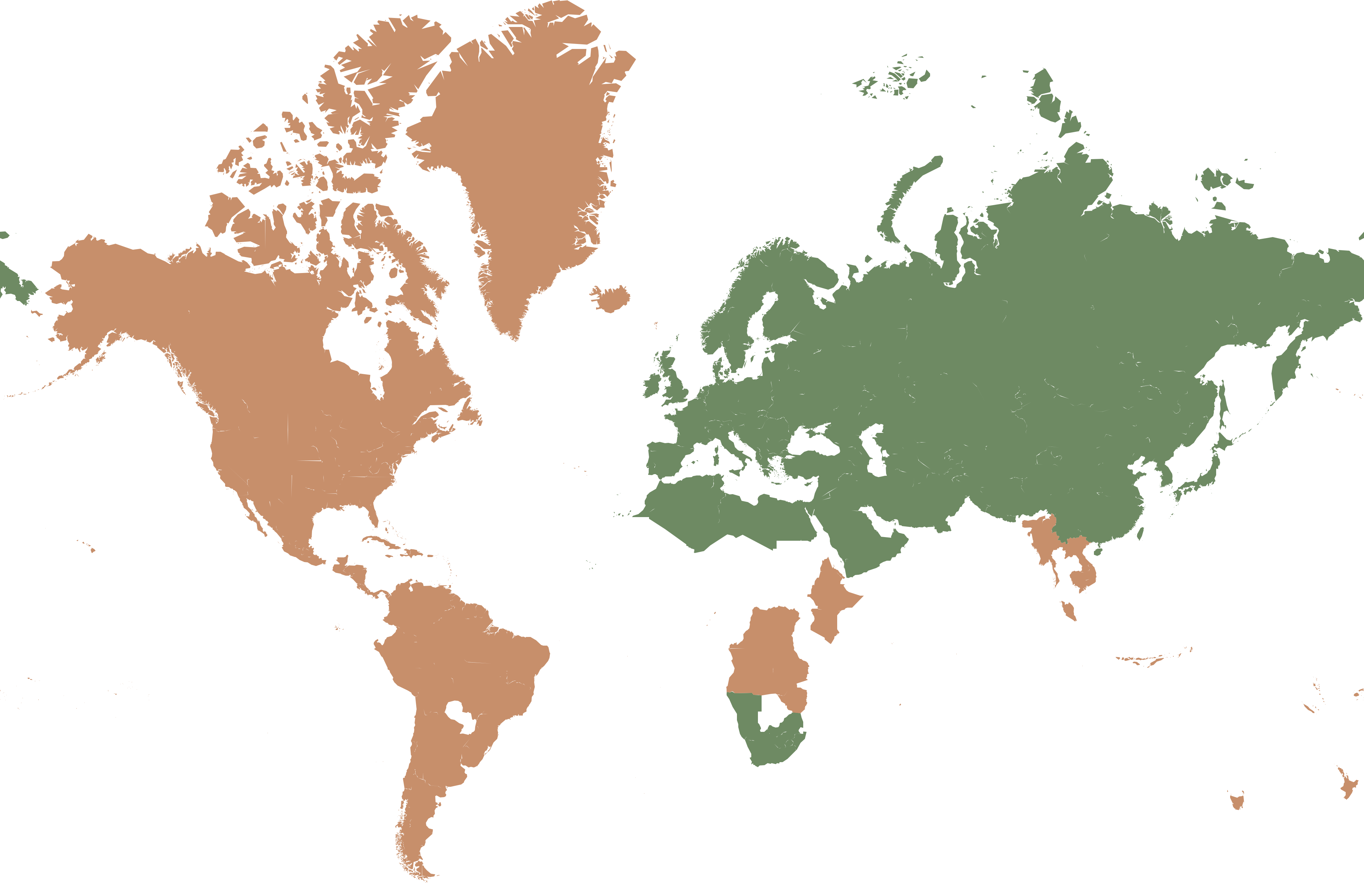
- Native
- Introduced
- East Asia
History

Plantago major grows natively across Europe and temperate Asia and has spread globally as a companion of European colonization. Linnaeus described it in Species Plantarum (1753). Native Americans across the continent quickly adopted it and coined names meaning 'white man's footstep' — it famously appeared in virtually every newly settled area because seeds stuck to shoes and wagon wheels.
Across Eurasia it has been a first-line first-aid plant for at least 2000 years; Dioscorides recommended leaf poultices for wounds and insect bites, Anglo-Saxon leechbooks listed it among the Nine Sacred Herbs, and modern studies confirm antibacterial and anti-inflammatory properties. The mucilaginous leaves draw out splinters, soothe stings, and accelerate wound healing. Its seeds yield psyllium-like fiber.
Despite its status as a lawn weed, it is a globally important ethnobotanical. Native to Europe and Asia, introduced to North America by European settlers in the 1600s. Spread so rapidly with colonization that Indigenous peoples across eastern North America named it White Man's Footprint. A staple of traditional European and early American home medicine for skin wounds and bee stings.
Symbolism & meaning
What It Symbolizes
Greater Plantain is the doorstep plant, appearing where soil is walked on, settled, and disturbed. Its broad leaves lie close to human routes, which is why many Indigenous peoples called related plantains the footprint of settlers. Symbolically it is witness: a green record of where people have passed.
- Following footsteps — spreads wherever humans disturb soil
- Wound healer — centuries-old first-aid poultice plant
Where the Name Comes From
'Plantago' from Latin 'planta' meaning sole of the foot, for the flat broad leaves pressed to the ground; 'major' means greater for the larger species.
Uses & Fun Facts
- Crushed leaves applied to insect bites and minor wounds
- Young plantain leaves are gathered as a mild cooked or raw green
- Seeds eaten by songbirds on lawns and waste ground
Related plants
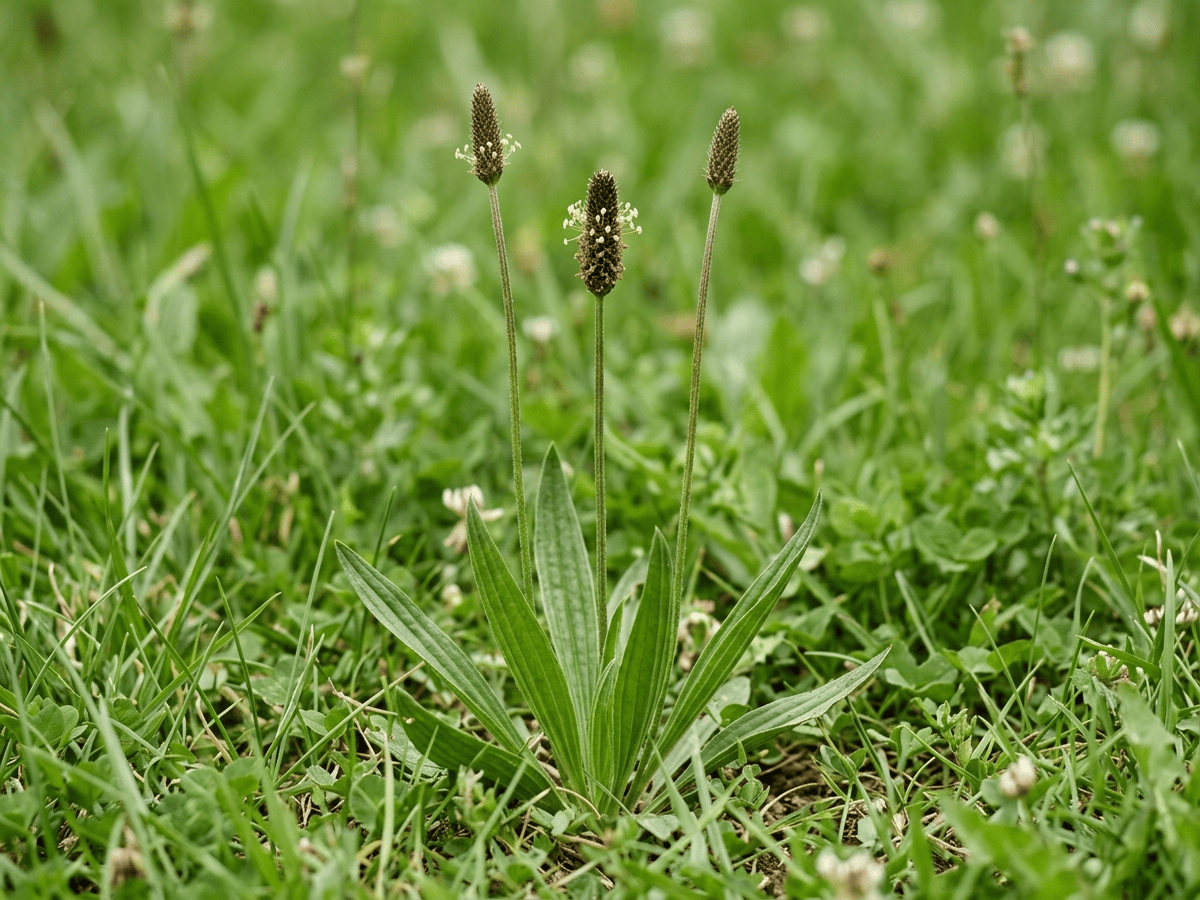
More Plantago plants
Plants with similar care
 Chinese AbeliaAbelia chinensis
 Fragrant AbeliaAbelia mosanensis
 Large-Flowered AbeliaAbelia uniflora
 Glossy AbeliaAbelia x grandiflora
Frequently asked questions
How often should I water Greater Plantain?
In summer, water about every 5 days; in winter, about every 21 days. Adjust for heat, pot size and drainage.
How much light does Greater Plantain need?
Full sun: 6+ hrs direct. Watch the leaves — scorching or stretching means the light needs adjusting.
Is Greater Plantain toxic to cats or dogs?
No toxicity has been reported for this plant. Still, it is wise to keep pets from chewing on any houseplant. Educational information, not medical or veterinary advice. If exposure is suspected, contact a doctor or veterinarian.
Is Greater Plantain easy to grow?
Yes — it is considered an easy, beginner-friendly plant.
When does Greater Plantain bloom?
It typically blooms Jun–Nov in the Northern Hemisphere.
YardMate
Identify any plant in seconds
Snap a photo — YardMate names the plant, diagnoses problems, and reminds you when to water.
Download on the App Store