 YardMate
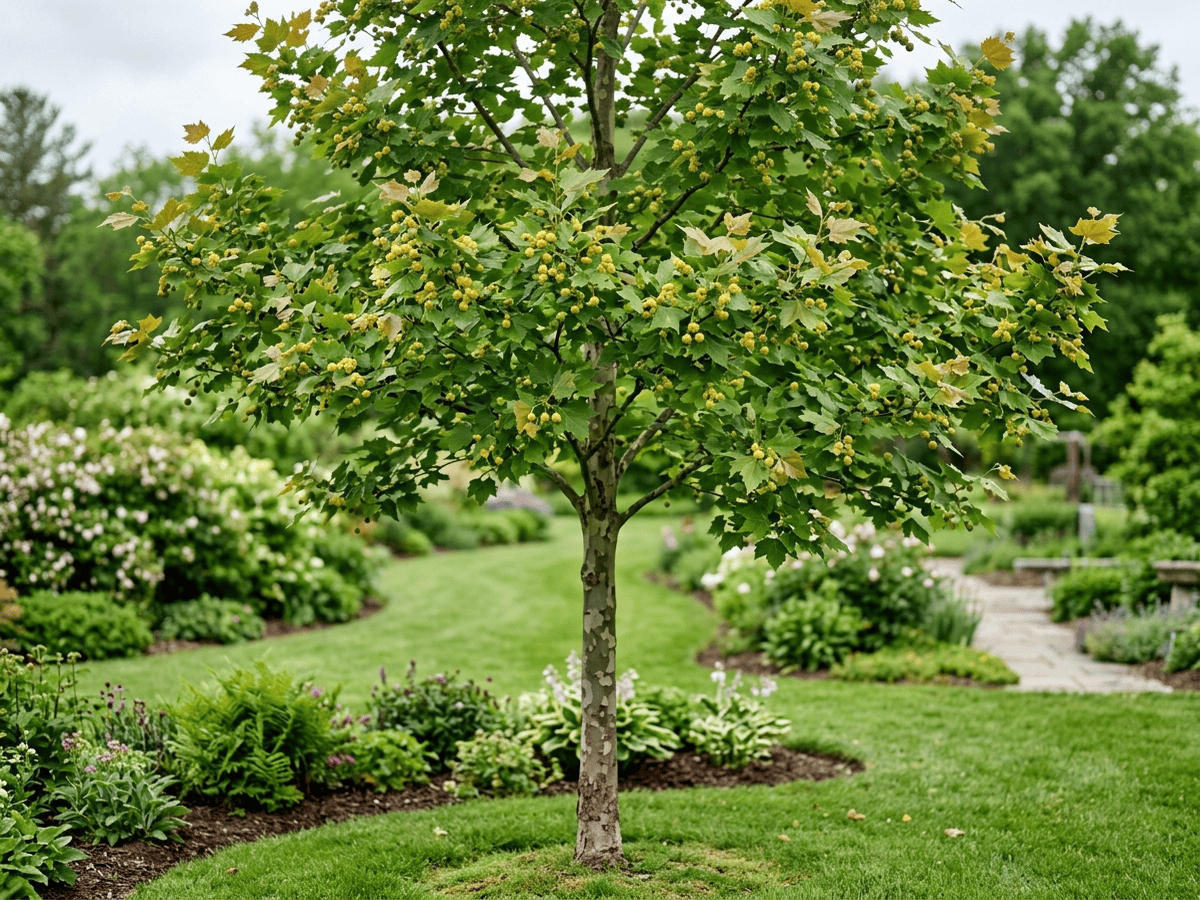


American Plane
Platanus x hispanica
Medium · Some experienceAbout American Plane
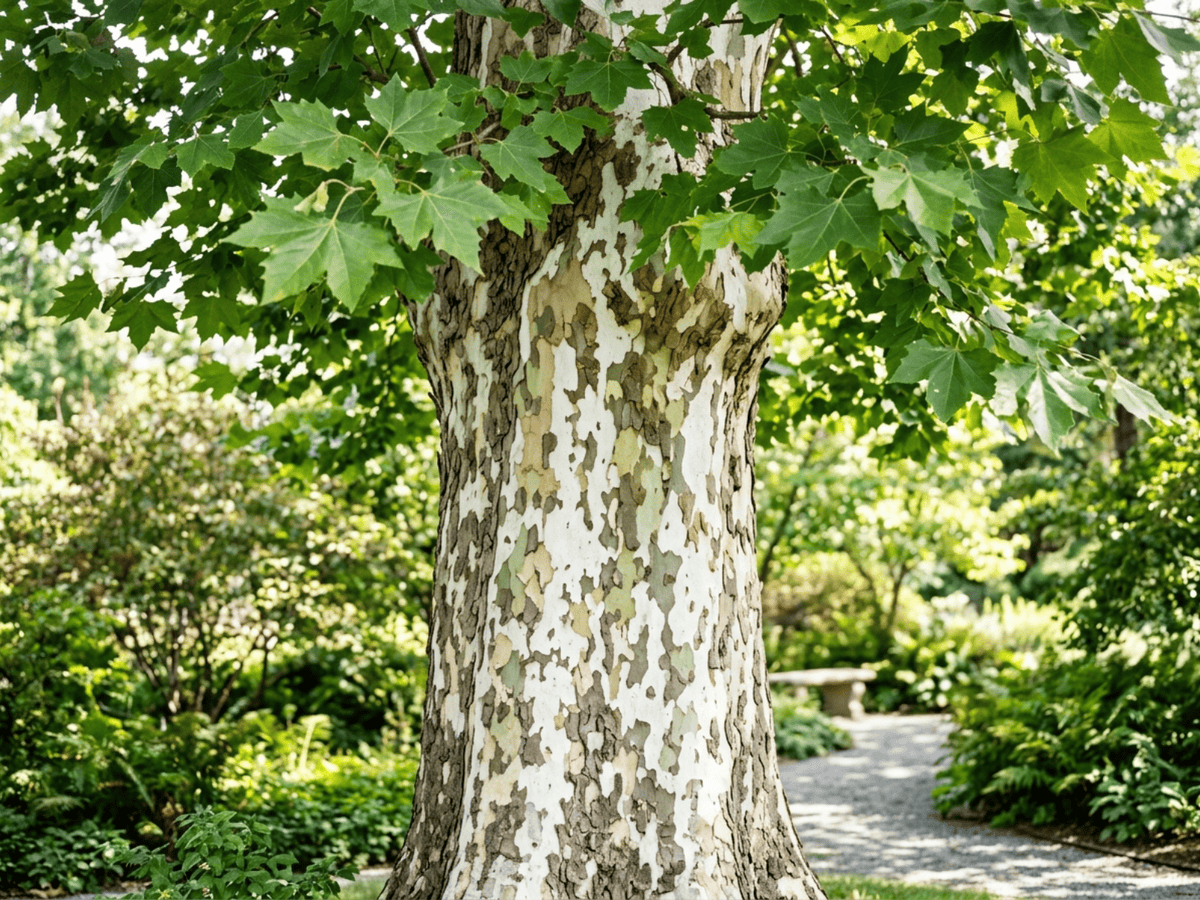
Platanus x hispanica, the London plane tree, is a majestic hybrid believed to be a cross between the American sycamore and the Oriental plane. It is one of the most successful urban trees ever planted, lining boulevards from London to Shanghai thanks to its extraordinary tolerance of pollution, compacted soil, and heavy pruning. The tree can reach 30 meters tall with a broad spreading crown and distinctive mottled bark that flakes in patches of cream, olive, and grey — a natural camouflage that also helps shed pollution-laden outer bark. Its large maple-like leaves provide generous summer shade, and its spherical seed clusters dangle on long stalks through winter. The London plane dominated 19th-century city planning and still accounts for over half the street trees in central London. It thrives in heat islands and confined root spaces where most trees would fail, making it the quintessential metropolitan tree.
- Fast-growing
How to care for American Plane
Watering
- Springevery 10 days
- Summerevery 7 days
- Fallevery 14 days
- Winterevery 45 days
Soil · Well-draining
- Top dressingPine bark mulch10%
- Main mixPotting soil + perlite 2:170%
- DrainageLECA / gravel20%
Never skip the drainage layer — standing water is the top cause of root rot.
FERTILIZER
- Springevery 60 days
At a Glance
- Height70–100 ft (21.3–30.5 m)
- Spread60–80 ft (18.3–24.4 m)
- Flower colorYellow
- Foliage colorGreen, Bronze
- SoilLoamy, Moisture-retentive
- LocationsYard
Bloom time
BLOOM CYCLE
Peak bloom
Mar–May
Inconspicuous spring flowers; grown for foliage and bark
Fragrance
NO FRAGRANCE
No notable fragrance.
Toxicity
Humans Slight
Unknown toxic principle
Slight
- Leaf
- Seed
- Contact
- Inhalation
EXPOSURE Touching leaves and seeds. Inhaling leaves and seeds.
EFFECT Leaf and seed hairs cause contact dermatitis and respiratory irritation for sensitive individuals and pollen allergy.
NOTE Generally regarded as low-risk.
Not reported
EXPOSURE No exposure route is reported.
EFFECT Not listed as toxic.
NOTE No toxicity is reported for dogs in this catalog; this is not evidence that the plant is edible or harmless.
Not reported
EXPOSURE No exposure route is reported.
EFFECT Not listed as toxic.
NOTE No toxicity is reported for cats in this catalog; this is not evidence that the plant is edible or harmless.
Educational information, not medical or veterinary advice. If exposure is suspected, contact a doctor or veterinarian.
History
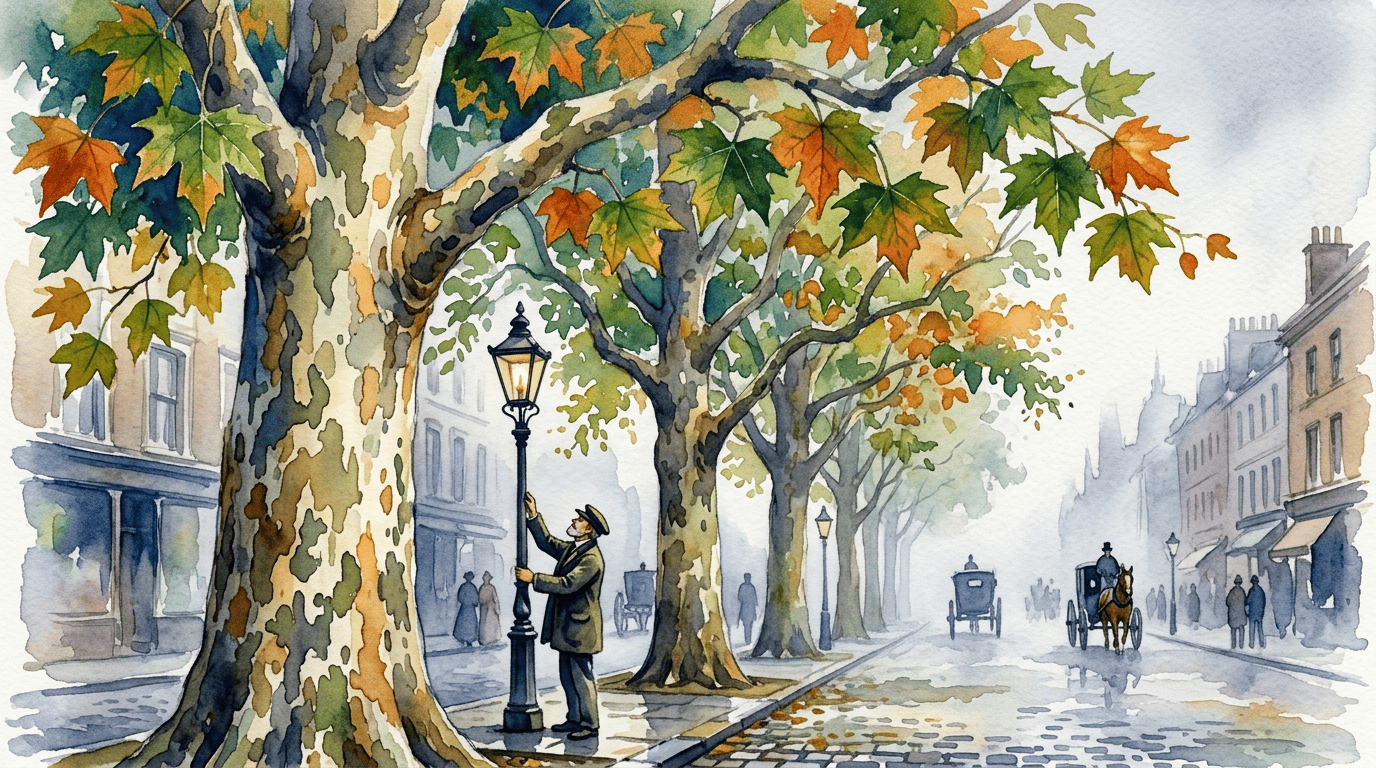
Platanus x hispanica (also written Platanus x acerifolia) is a hybrid between Platanus occidentalis (American sycamore) and Platanus orientalis (Oriental plane). The hybrid probably arose in 17th-century Spain or England from the accidental crossing of imported American and Oriental plane trees growing in the same botanical gardens. It combines the robust urban-pollution tolerance of both parents with hybrid vigor, making it one of the toughest large shade trees in existence — it tolerates compacted soil, air pollution, and drought that kill most other species. It became the defining street tree of many European and American cities from the 18th century onward: approximately half of London's park and street trees are London planes; Paris's quais and boulevards are lined with them; New York's Broadway, Central Park, and many other locations are planted with them.
Their distinctive exfoliating bark, which peels away in camouflage-pattern patches, gives them a resistance to pollution by shedding particle buildup. Individual specimens live 300+ years. Allergies to plane-tree pollen are a notable seasonal issue in some European cities.
The London plane likely originated in 17th-century Spain or southern France where its parent species overlapped. It became the backbone of London's Victorian street planting program after surviving the city's notorious coal-smoke pollution. Hippocrates reportedly taught students under an Oriental plane on Kos, and the hybrid inherits that cultural reverence. Today it remains the single most planted urban tree across temperate cities worldwide.
Symbolism & meaning
What It Symbolizes
The London plane is urban endurance — a hybrid plane tree that survives centuries of city pollution, heavy pruning, and compacted sidewalks while still spreading a generous canopy. As shelter it has hosted generations of Londoners, Parisians, and New Yorkers beneath its mottled bark, providing the cool shade that makes a hot avenue habitable. Few trees have carried so many cities through so many summers.
- Endurance — survives centuries of urban pollution and pruning, symbolizing steadfast resilience
- Shelter — its broad canopy has sheltered city dwellers for generations
Where the Name Comes From
The name American Plane points to North America. Platanus from Greek 'platys' (broad), referring to the wide leaves. Hispanica indicates its probable Spanish origin as a hybrid.
Uses & Fun Facts
- Massive canopy with mottled bark casts deep urban street-tree shade
- Iconic London plane with patchwork bark for boulevards and parks
Related plants
More Platanus plants
Plants with similar care
 Mexican AbeliaAbelia floribunda
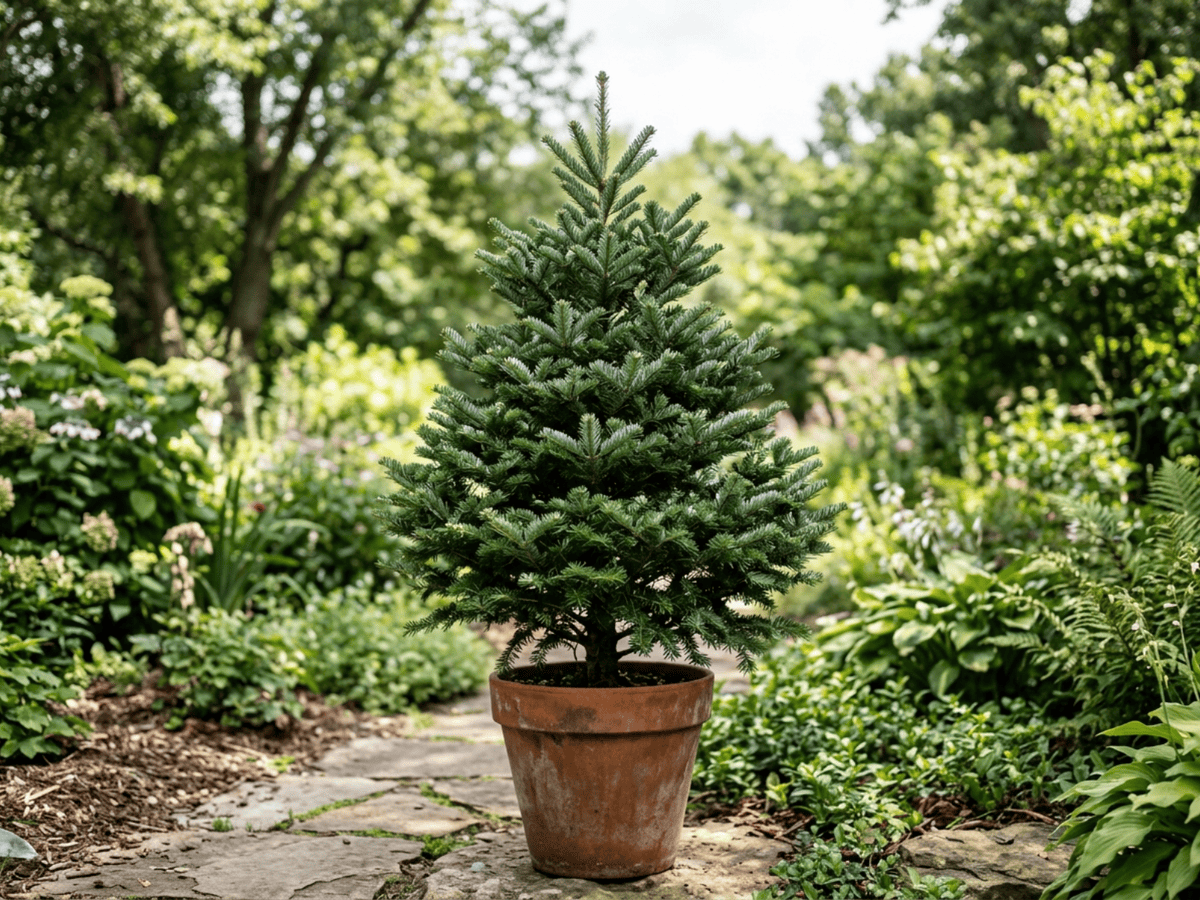 Fraser FirAbies fraseri
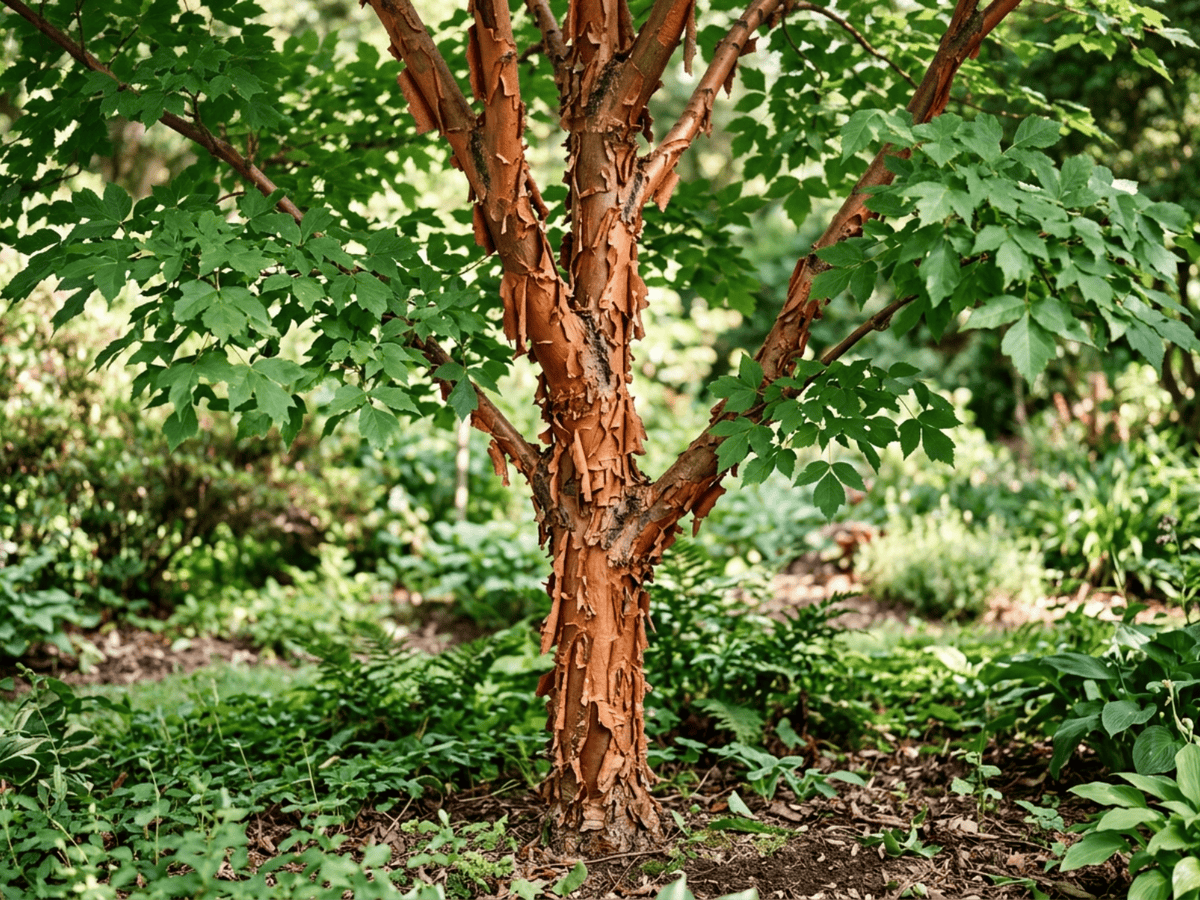 Paperbark MapleAcer griseum
 Sugar MapleAcer saccharum
Frequently asked questions
How often should I water American Plane?
In summer, water about every 7 days; in winter, about every 45 days. Adjust for heat, pot size and drainage.
How much light does American Plane need?
Full sun: 6+ hrs direct. Watch the leaves — scorching or stretching means the light needs adjusting.
Is American Plane toxic to cats or dogs?
Pets Not reported (Dogs Not reported · Cats Not reported) Educational information, not medical or veterinary advice. If exposure is suspected, contact a doctor or veterinarian.
Is American Plane easy to grow?
It is moderately demanding: a good choice once you have a little experience.
When does American Plane bloom?
It typically blooms Mar–May in the Northern Hemisphere.
YardMate
Identify any plant in seconds
Snap a photo — YardMate names the plant, diagnoses problems, and reminds you when to water.
Download on the App Store