 YardMate


Lesser Celandine
Ranunculus ficaria
Easy · Beginner friendlyAbout Lesser Celandine
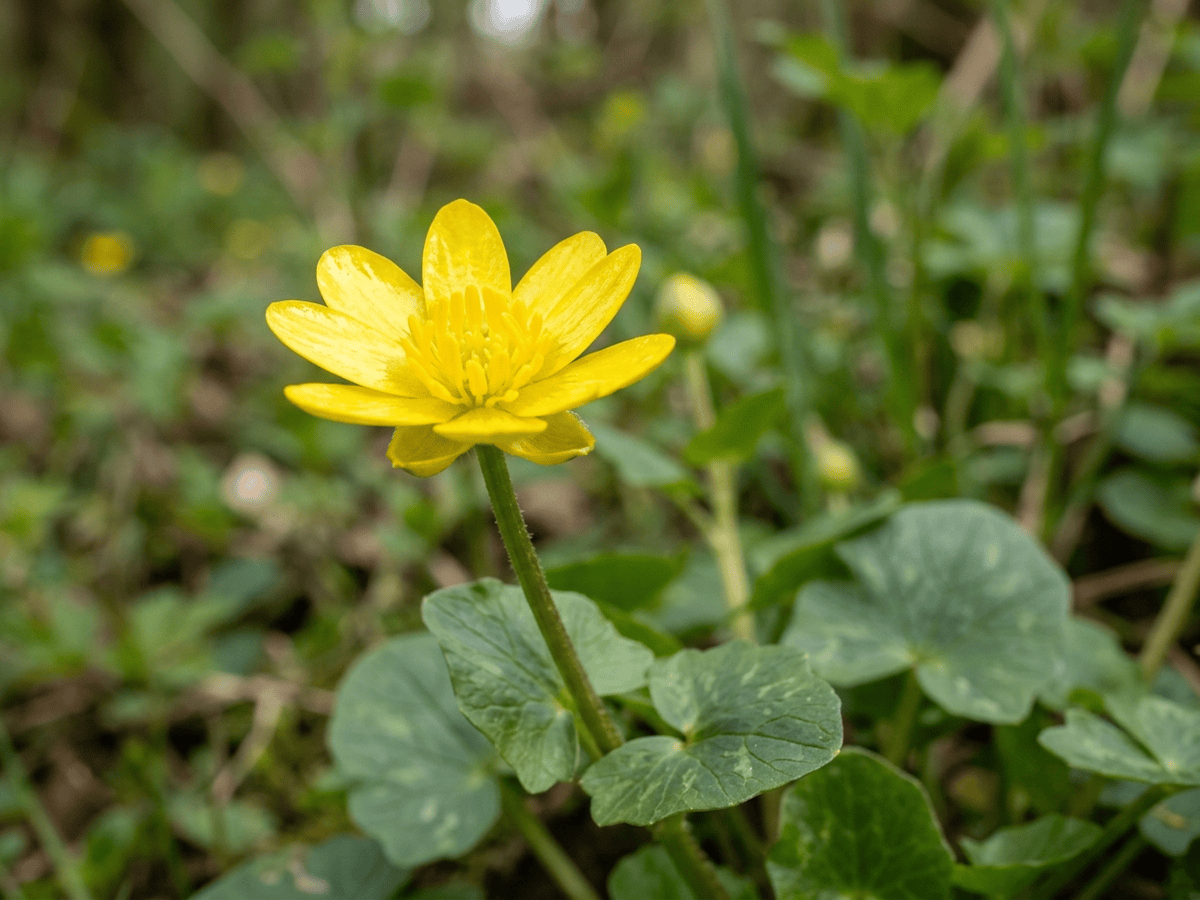
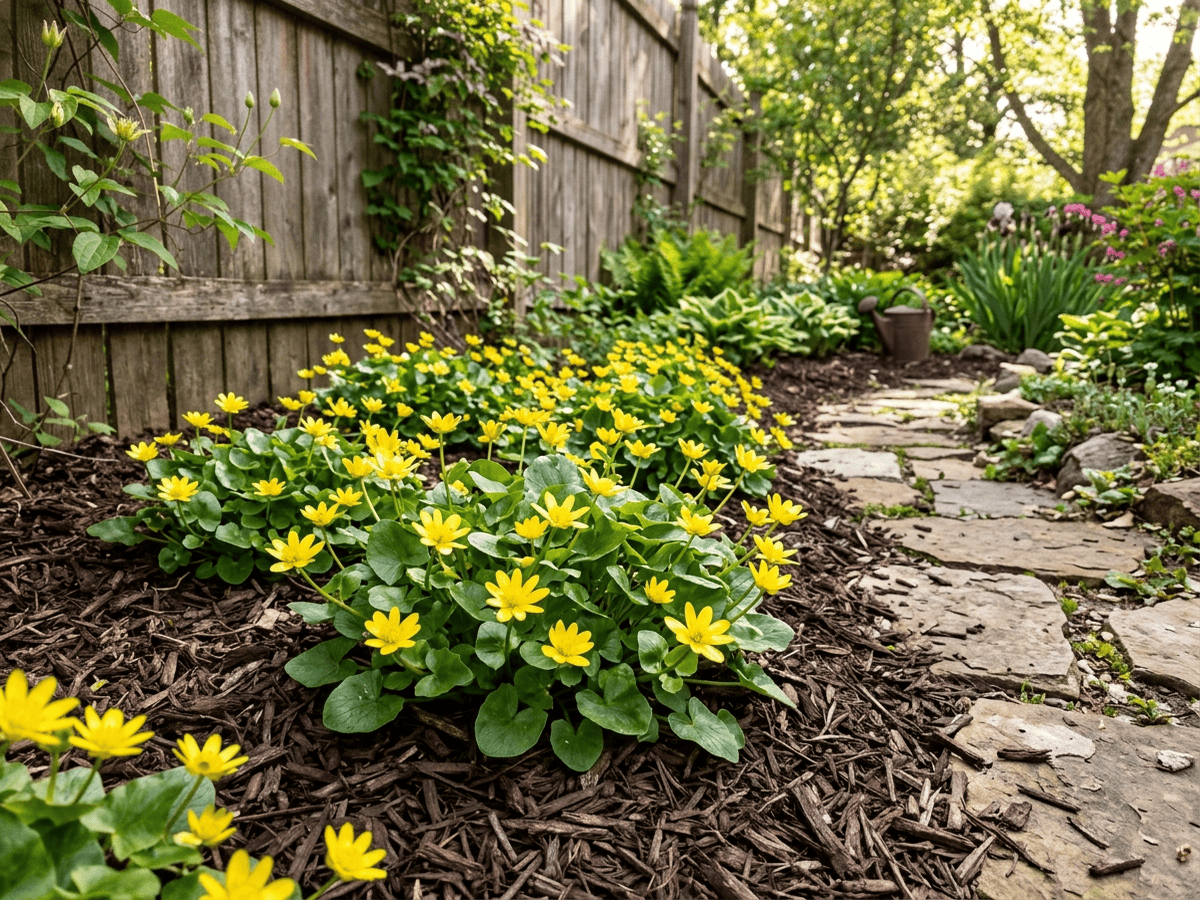
Lesser Celandine or Fig Buttercup is a European spring ephemeral now one of the most problematic invasive plants in eastern US floodplains and woodlands. Growing 2 to 12 inches tall with glossy heart-shaped leaves and bright yellow buttercup flowers in early spring, it forms dense carpets that smother native wildflowers before going dormant by summer. Spreads aggressively by bulbils and tubers, listed invasive in many eastern states.
- Groundcover
- Shade-tolerant
- Fast-growing
How to care for Lesser Celandine
Watering
- Springevery 10 days
- Summerpause watering
- Fallevery 14 days
- Winterevery 30 days
Soil · Well-draining
- Main mixLoam + coarse sand 3:175%
- DrainageGravel25%
Sharp drainage matters most — bulbs rot in wet soil while dormant.
FERTILIZER
- Springevery 45 days
At a Glance
- NativeEurope, Western Asia, Africa
- Height0.25–0.5 ft (0.1–0.2 m)
- Spread0.5–1 ft (0.2–0.3 m)
- Flower colorYellow
- Foliage colorGreen
- SoilLoamy, Moisture-retentive
- LocationsYard
Bloom time
BLOOM CYCLE
Peak bloom
Dec–Apr
Bright yellow glossy buttercup flowers late winter to early spring
Toxicity
Humans Moderate · Pets Moderate
protoanemonin and ranunculin
Moderate
- Leaf
- Stem
- Sap
- Ingestion
- Contact
EXPOSURE Eating leaves, stems, and sap. Touching leaves, stems, and sap.
EFFECT Mouth blisters, nausea, and skin irritation from sap.
NOTE Fresh plant contains irritant protoanemonin; drying destroys toxicity.
Moderate
- Leaf
- Stem
- Ingestion
EXPOSURE Eating leaves and stems.
EFFECT Drooling, mouth irritation, and vomiting.
NOTE Fresh plant contains irritant protoanemonin; drying destroys toxicity.
Moderate
- Leaf
- Stem
- Ingestion
EXPOSURE Eating leaves and stems.
EFFECT Drooling, mouth irritation, and vomiting.
NOTE Fresh plant contains irritant protoanemonin; drying destroys toxicity.
Educational information, not medical or veterinary advice. If exposure is suspected, contact a doctor or veterinarian.
DISTRIBUTION

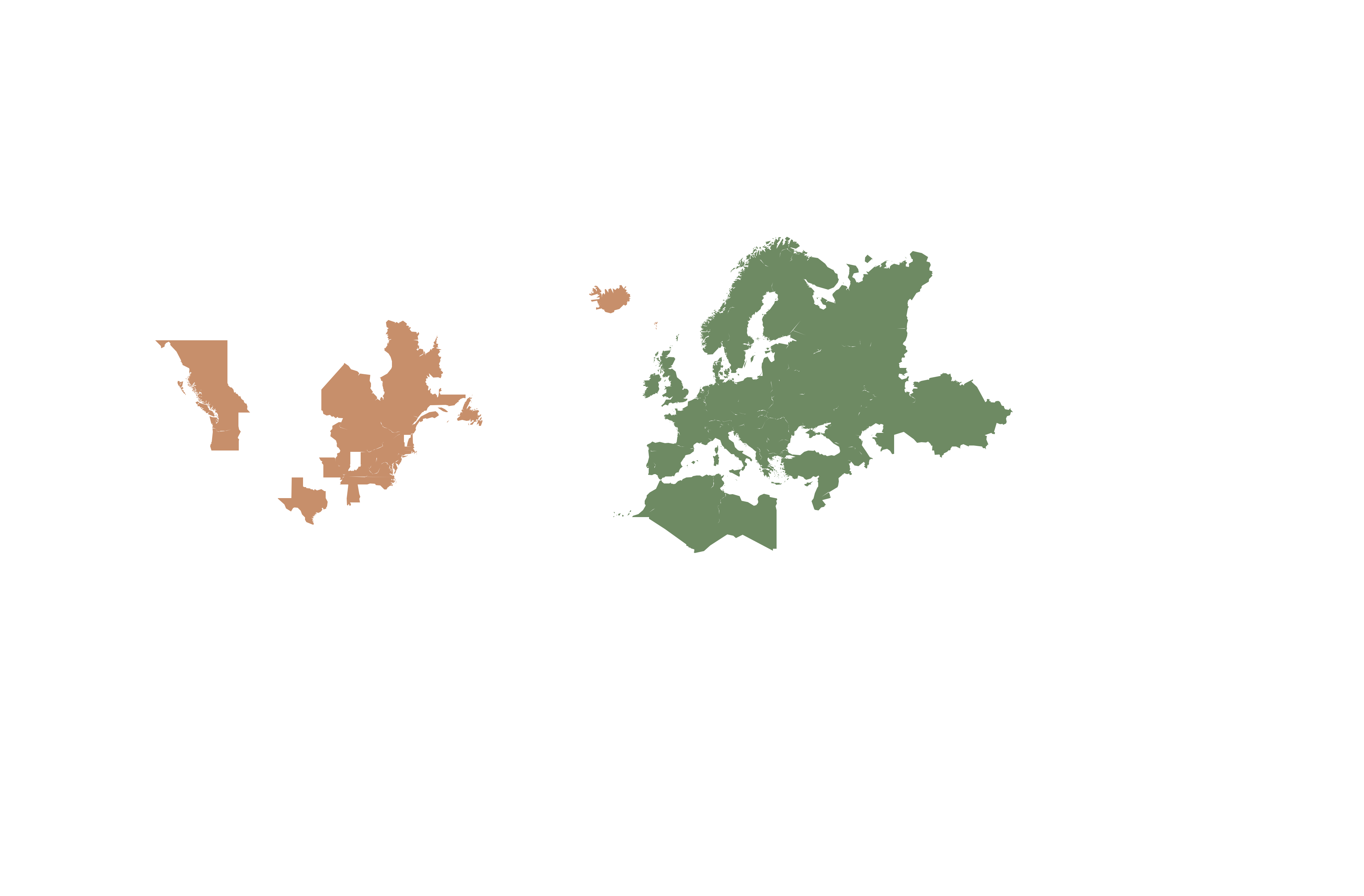
- Native
- Introduced
- Europe
- Western Asia
- Africa
History
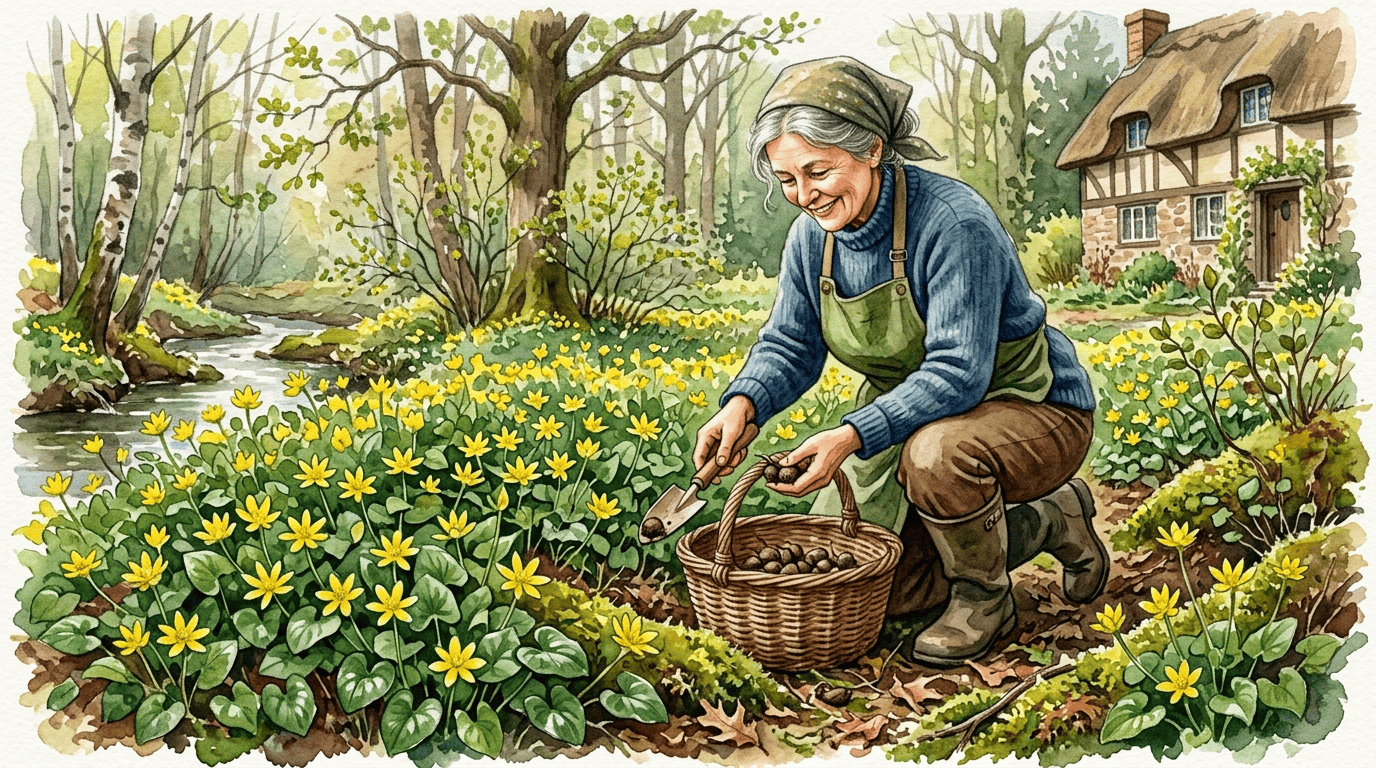
Ranunculus ficaria (also classified as Ficaria verna), lesser celandine or fig buttercup, is a small perennial herb native across Europe, western Asia, and North Africa. Its glossy dark green heart-shaped leaves and six-to-twelve petalled yellow flowers were among the first flowers of spring in British poetry, celebrated by Wordsworth in three separate poems. English herbalists used the bulbils, shaped like miniature figs, as a topical treatment for hemorrhoids (piles), giving the plant the old name pilewort.
Nineteenth-century American gardeners imported the species, and it has since escaped into Mid-Atlantic and Pacific Northwest floodplains. The dense spring carpets die back by June, but not before suppressing native spring ephemerals such as trout lily and spring beauty.
Multiple US states now list the plant as invasive. Native to Europe and western Asia, Lesser Celandine was introduced to American gardens in the 1800s as a spring wildflower and has since escaped to form solid carpets in eastern floodplain forests from DC to New England.
Symbolism & meaning
What It Symbolizes
Lesser Celandine embodies stolen spring, its cheerful yellow buttons emerging early and forming dense mats that smother native spring wildflowers before they can rise. Its fig root, the small fig-shaped tubers from which it takes its old name, spread aggressively underground and resist removal. It is often read as a flower of beautiful invasion, a non-native whose bright early bloom hides a slow ecological theft, pretty in passing but costly to the woodland it covers.
- Stolen spring — smothers native spring wildflowers
- Fig root — fig-shaped tubers spread aggressively
Where the Name Comes From
'Ranunculus' from Latin 'rana' meaning frog, for moist habitats; 'ficaria' from Latin 'ficus' meaning fig, for fig-shaped tubers.
Related plants
More Ranunculus plants
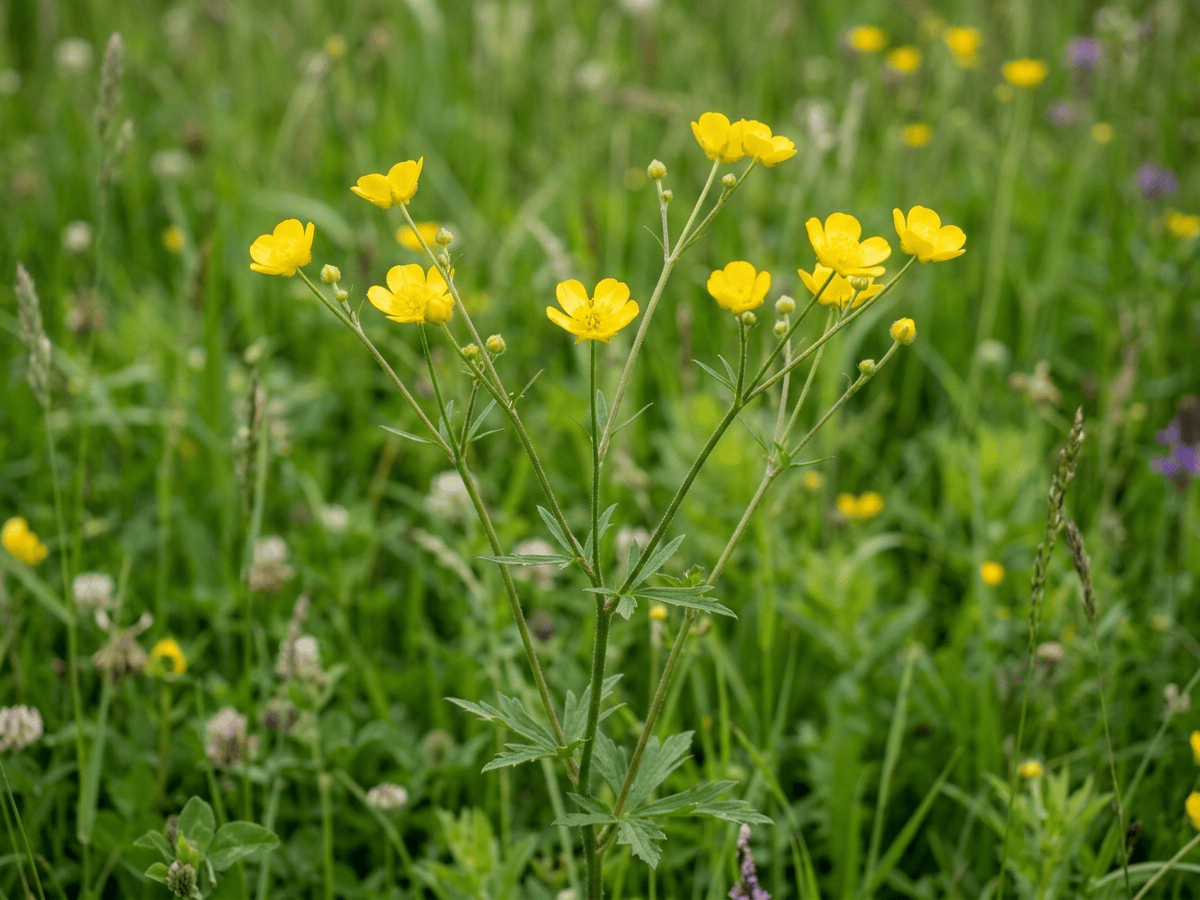

Plants with similar care
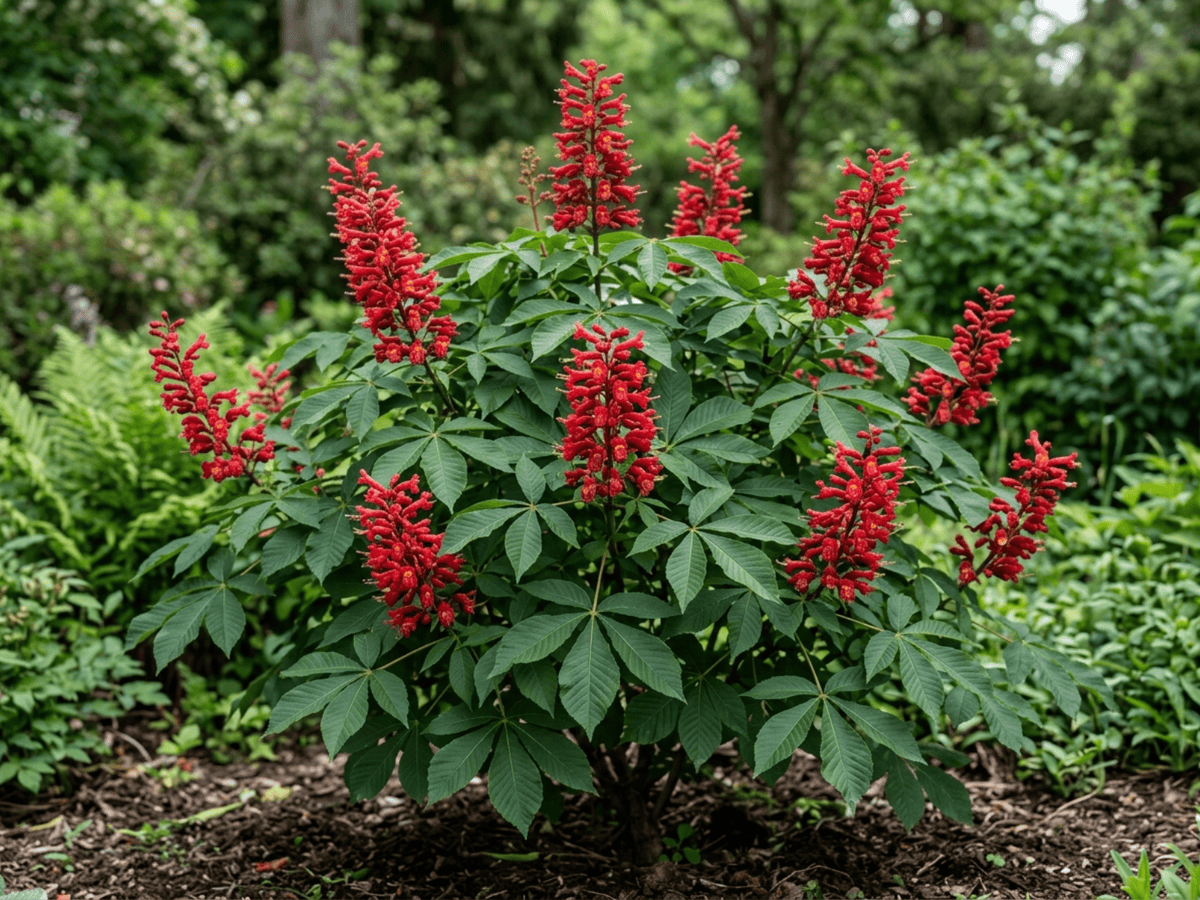 Red BuckeyeAesculus pavia
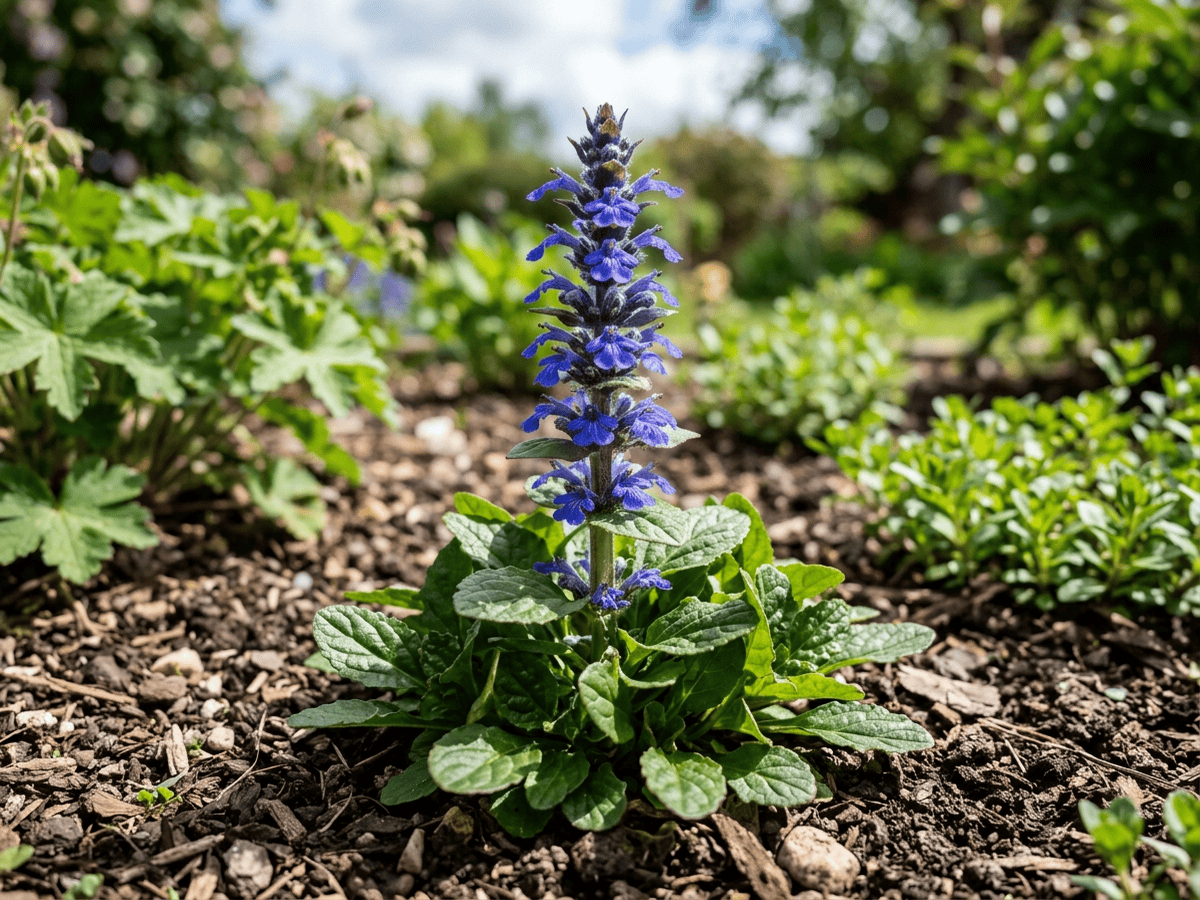 Blue BugleAjuga genevensis
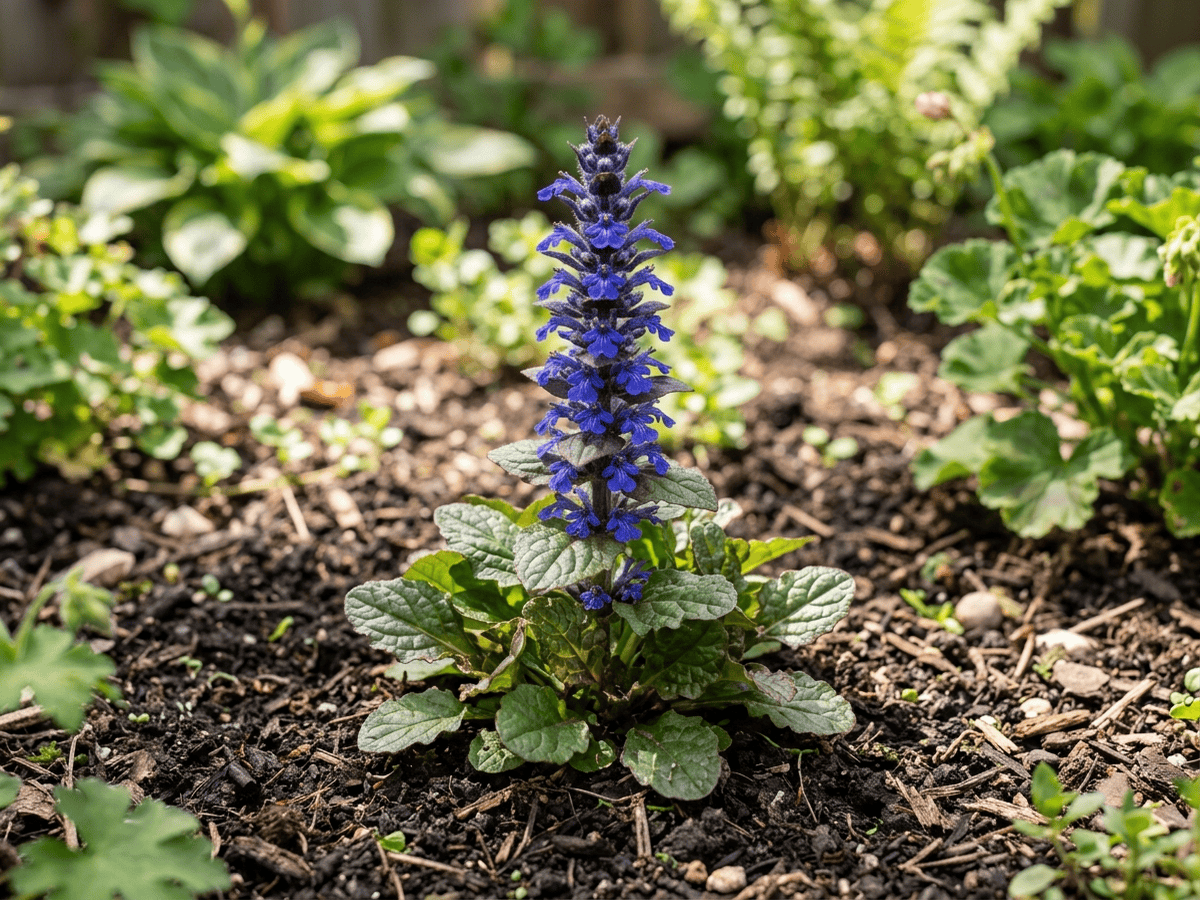 Pyramidal BugleAjuga pyramidalis
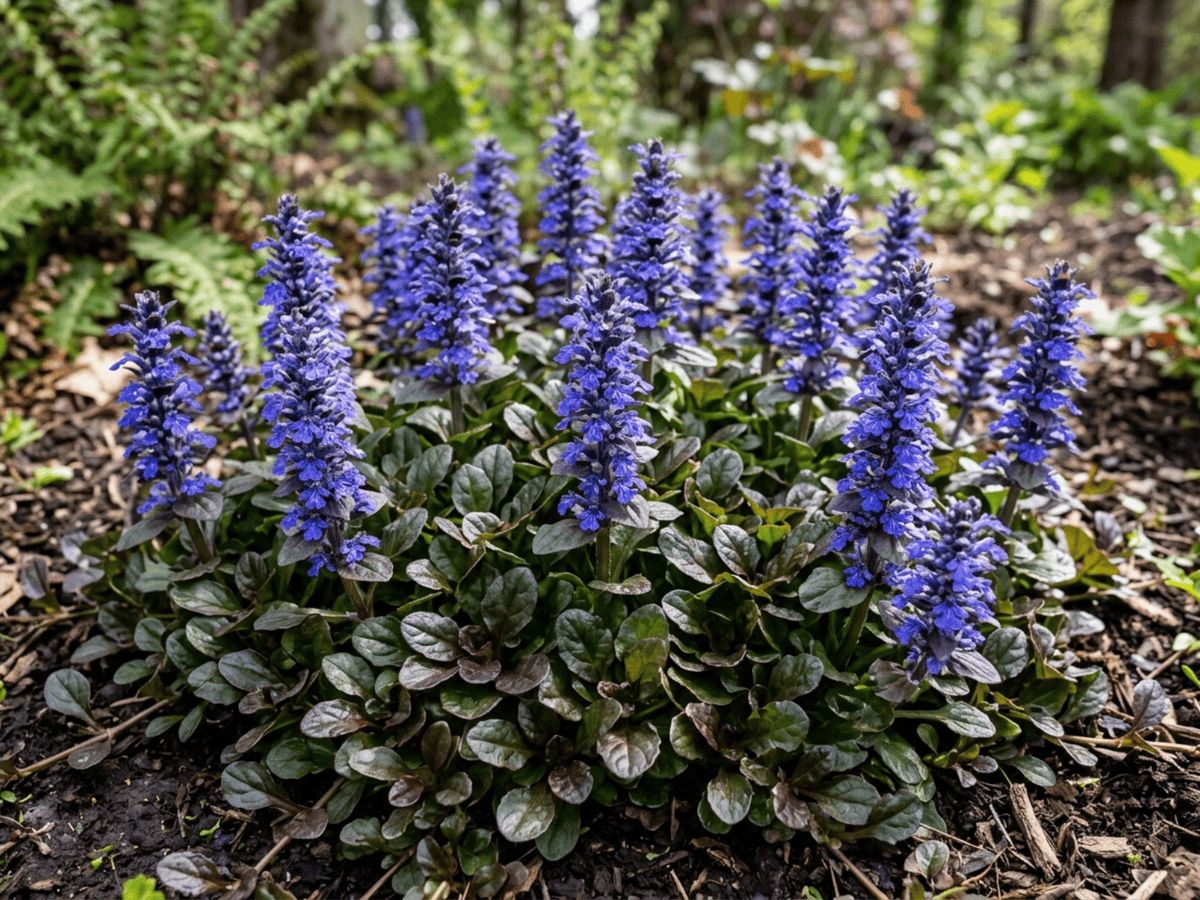 Carpet BugleAjuga reptans
Frequently asked questions
How often should I water Lesser Celandine?
Water about every 10 days during the growing season, and always let excess water drain away.
How much light does Lesser Celandine need?
Part shade: 2–4 hrs direct. Watch the leaves — scorching or stretching means the light needs adjusting.
Is Lesser Celandine toxic to cats or dogs?
Pets Moderate (Dogs Moderate · Cats Moderate) Educational information, not medical or veterinary advice. If exposure is suspected, contact a doctor or veterinarian.
Is Lesser Celandine easy to grow?
Yes — it is considered an easy, beginner-friendly plant.
When does Lesser Celandine bloom?
It typically blooms Dec–Apr in the Northern Hemisphere.
YardMate
Identify any plant in seconds
Snap a photo — YardMate names the plant, diagnoses problems, and reminds you when to water.
Download on the App Store