 YardMate


Persian Buttercup
Ranunculus asiaticus
Medium · Some experienceAbout Persian Buttercup
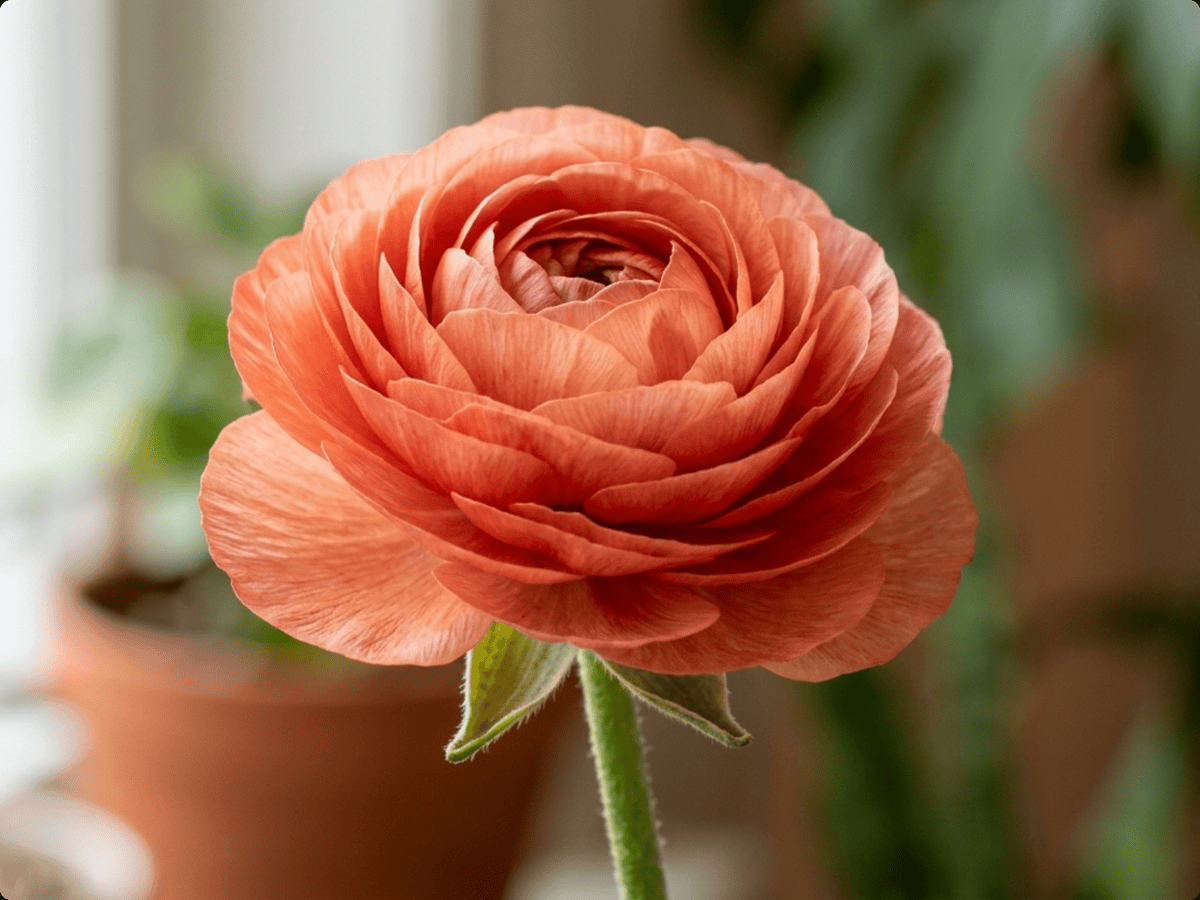
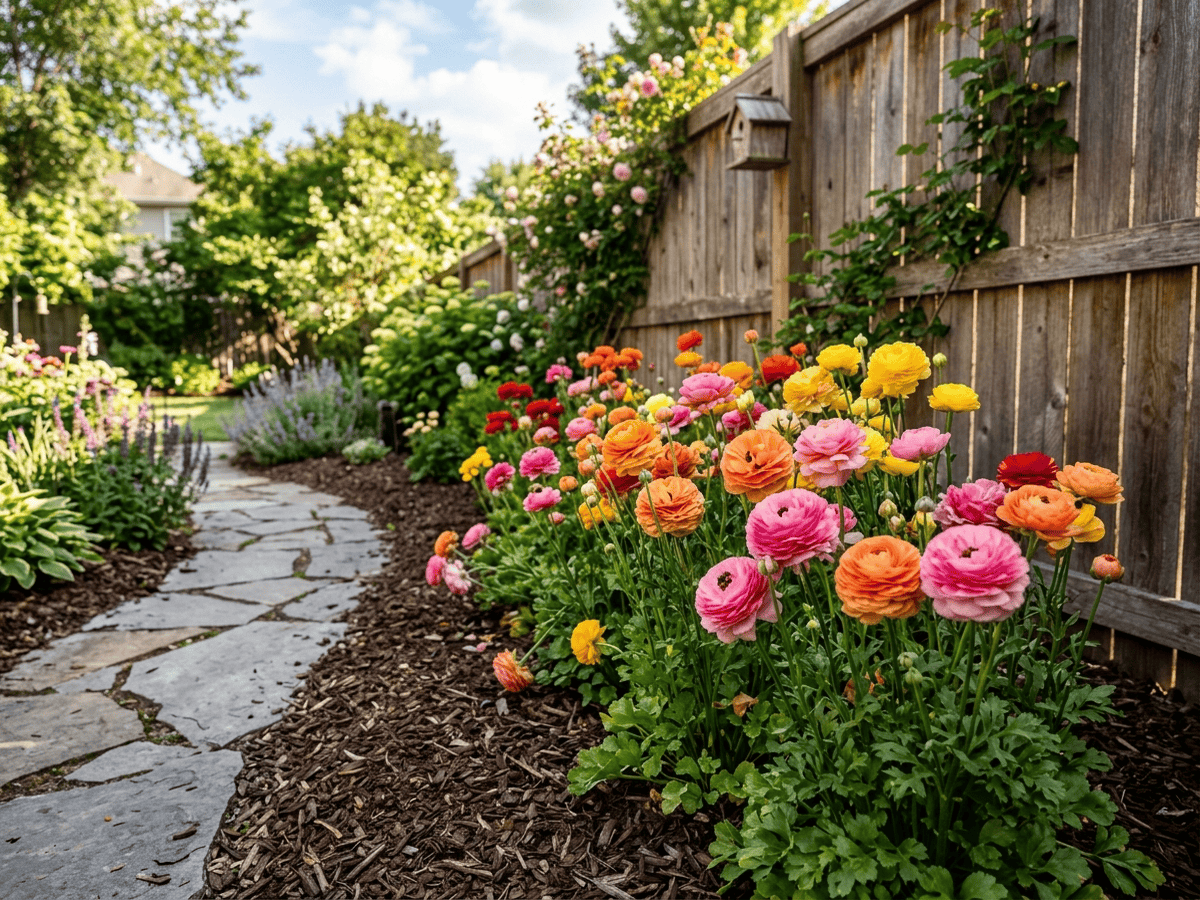
Ranunculus asiaticus, the Persian buttercup, produces exquisite, densely layered blooms that resemble miniature roses or peonies — tissue-paper-thin petals spiraling tightly in warm shades of red, pink, orange, yellow, white, and bicolors. Native to the eastern Mediterranean and Middle East, it grows from small claw-shaped tubers planted in autumn in mild climates or early spring in cold ones. The flowers last exceptionally well as cut flowers — up to two weeks in a vase. It has become one of the most popular wedding flowers, rivaling peonies for the 'romantic ruffled' look at a fraction of the price.
- Cut-flower
How to care for Persian Buttercup
Watering
- Springevery 5 days
- Summerpause watering
- Fallevery 7 days
- Winterevery 10 days
Soil · Well-draining
- Main mixLoam + coarse sand 3:175%
- DrainageGravel25%
Sharp drainage matters most — bulbs rot in wet soil while dormant.
FERTILIZER
Balanced Feed 14-14-14
An even feed covers all three needs at once, keeping leaves, roots and blooms moving together with nothing pushed out of balance.
- Nitrogen · Leaves
- Phosphorus · Roots + Blooms
- Potassium · Strength
- Springevery 30 days
- Fallevery 30 days
At a Glance
- NativeMediterranean, Western Asia
- Height1–1.5 ft (0.3–0.5 m)
- Spread0.5–1 ft (0.2–0.3 m)
- Flower colorRed, Pink, Yellow, White
- Foliage colorGreen
- SoilLoamy, Well-drained
- LocationsYard · Balcony
Bloom time
BLOOM CYCLE
Peak bloom
Jun–Aug
Soak tubers overnight before planting claw-side down; cool-season bloomer
Fragrance
NO FRAGRANCE
Not notably fragrant.
Toxicity
Humans Slight · Pets Moderate
protoanemonin (released from ranunculin)
Slight
- Leaf
- Stem
- Sap
- Flower
- Contact
- Ingestion
EXPOSURE Touching leaves, stems, sap, and flowers. Eating leaves, stems, sap, and flowers.
EFFECT Contact dermatitis, oral burning and GI upset if eaten raw, and drying and cooking destroys the toxin.
NOTE All Ranunculus species share this toxicity; drying neutralizes the active compound, which is why dried buttercup-family flowers are safe in arrangements.
Moderate
- Leaf
- Stem
- Flower
- Ingestion
EXPOSURE Eating leaves, stems, and flowers.
EFFECT Oral irritation, drooling, vomiting, diarrhea and per Ranunculaceae family toxicity.
NOTE All Ranunculus species share this toxicity; drying neutralizes the active compound, which is why dried buttercup-family flowers are safe in arrangements.
Moderate
- Leaf
- Stem
- Flower
- Ingestion
EXPOSURE Eating leaves, stems, and flowers.
EFFECT Oral irritation, drooling, vomiting, diarrhea and per Ranunculaceae family toxicity.
NOTE All Ranunculus species share this toxicity; drying neutralizes the active compound, which is why dried buttercup-family flowers are safe in arrangements.
Educational information, not medical or veterinary advice. If exposure is suspected, contact a doctor or veterinarian.
DISTRIBUTION


- Native
- Introduced
- Mediterranean
- Western Asia
History
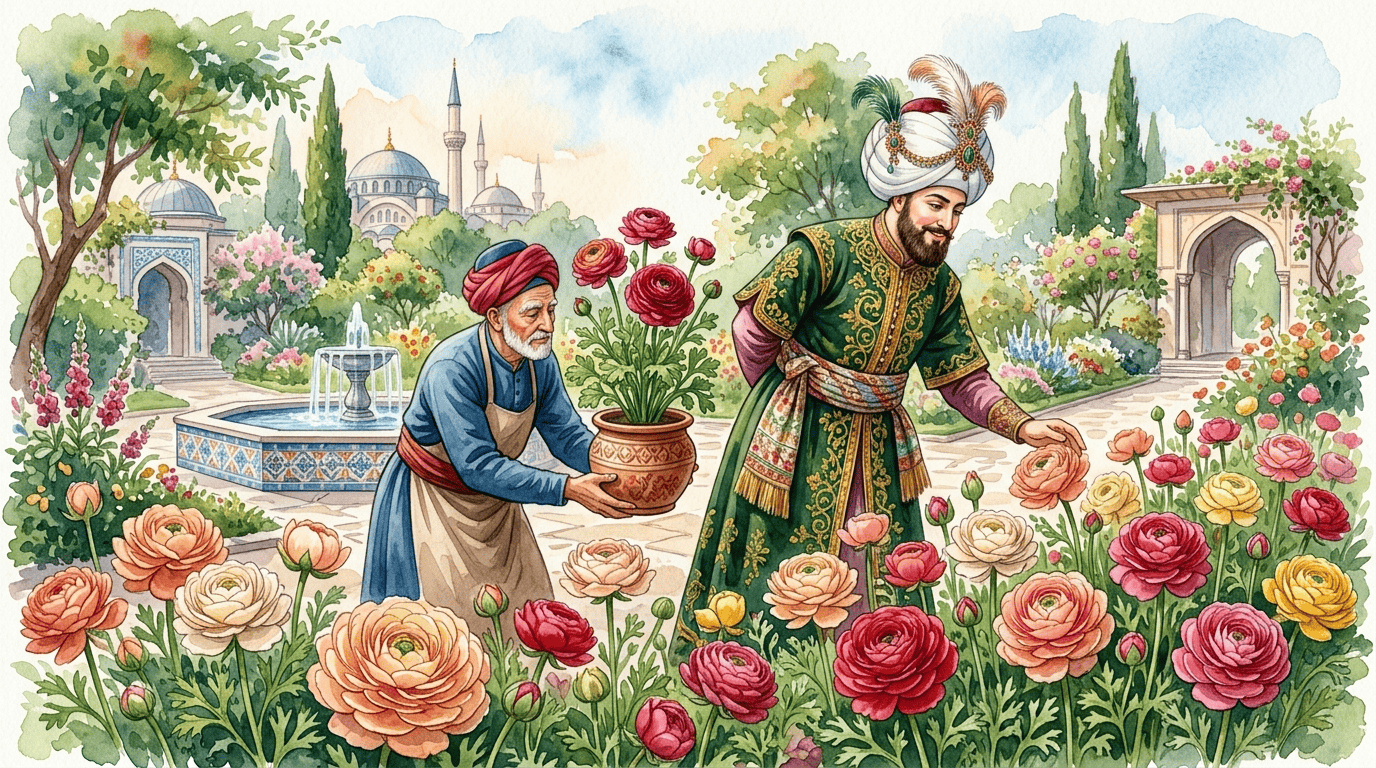
Ranunculus asiaticus is native to the eastern Mediterranean basin and western Asia, from Greece to Iran. It was cultivated intensively in Ottoman imperial gardens in the 16th and 17th centuries, where it rivaled the tulip as a prestige garden flower during the Ottoman 'Tulip Era' (Lâle Devri) of 1718–1730; Sultan Ahmed III personally collected varieties. French breeders from the 1770s developed the giant double-flowered forms that dominate the modern cut-flower trade, often selling under trade names like 'Tecolote', 'Aviv', and the modern Italian 'Amandine' and 'Clooney' series.
In the 2010s it became a defining premium wedding flower, particularly in the peach-cream 'Butterfly' series from Italian breeder Biancheri. Ranunculus asiaticus was a prized garden flower in the Ottoman Empire, appearing in Turkish and Persian miniature paintings from the 15th century.
The modern cut flower industry centers on Italy (especially San Remo) and California, where the mild Mediterranean climate allows year-round production. Its claw-shaped tubers look like dried octopus tentacles. Moderately toxic to pets due to the bitter juice (protoanemonin) shared by the buttercup family.
Symbolism & meaning
What It Symbolizes
The Persian Buttercup suggests radiance — its luminous, layered petals glow as if lit from within, like silk catching the sun. Each flower seems an exercise in inner brilliance, a tightly wound spiral of color slowly opening into spectacle. To grow one is to keep a small candle of distilled spring light, ready to bloom in a vase or border.
- Radiance — Its luminous, layered petals glow like silk, representing inner brilliance
Where the Name Comes From
The name Persian Buttercup points to Persia or western Asia. Ranunculus from Latin 'rana' (frog), because many species grow in wet, frog-friendly habitats. Asiaticus means 'from Asia.'
Uses & Fun Facts
- Tightly layered tissue-paper blooms among finest spring florists' flowers
- Tuberous Persian buttercups thrive in cool-season patio pots
- Saturated jewel-tone blooms on slender stems for cool borders
Related plants
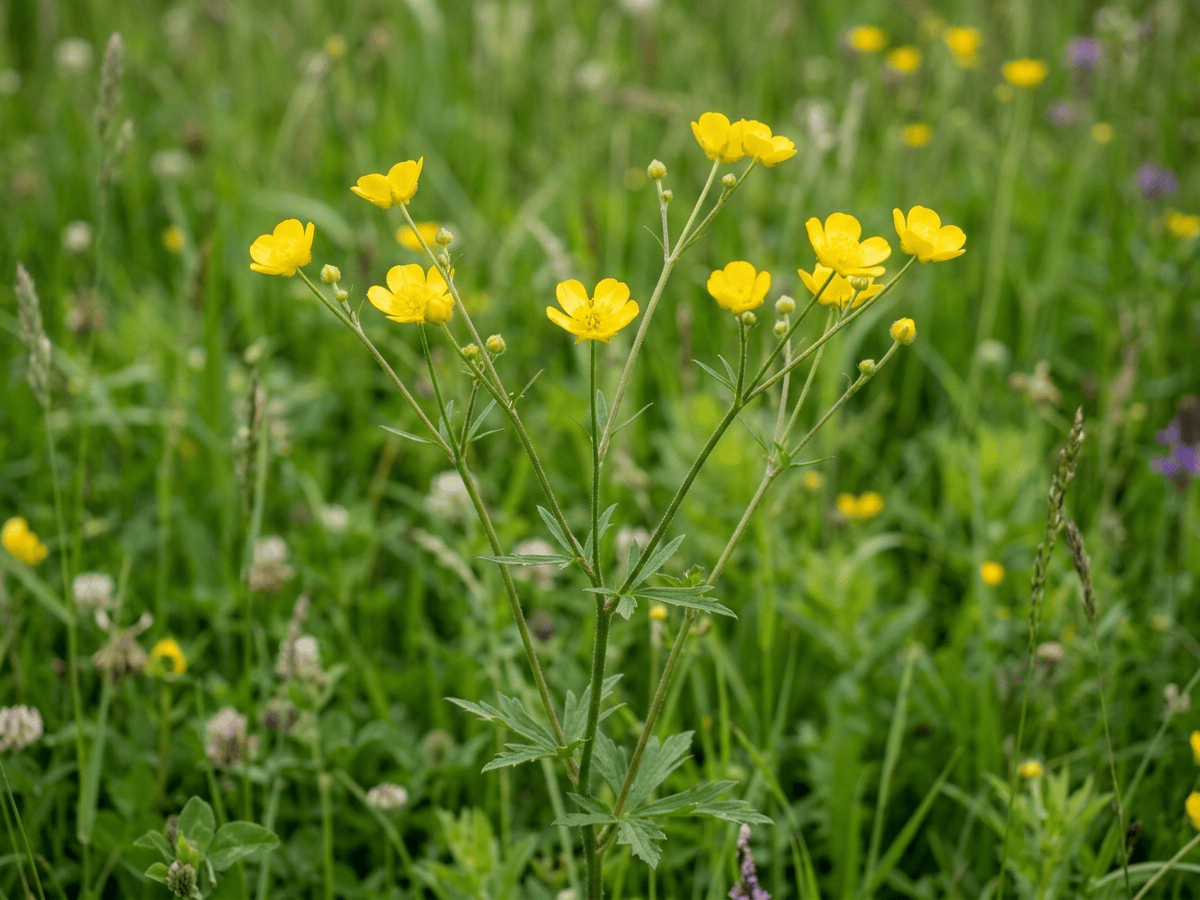
More Ranunculus plants

Plants with similar care
 Mexican AbeliaAbelia floribunda
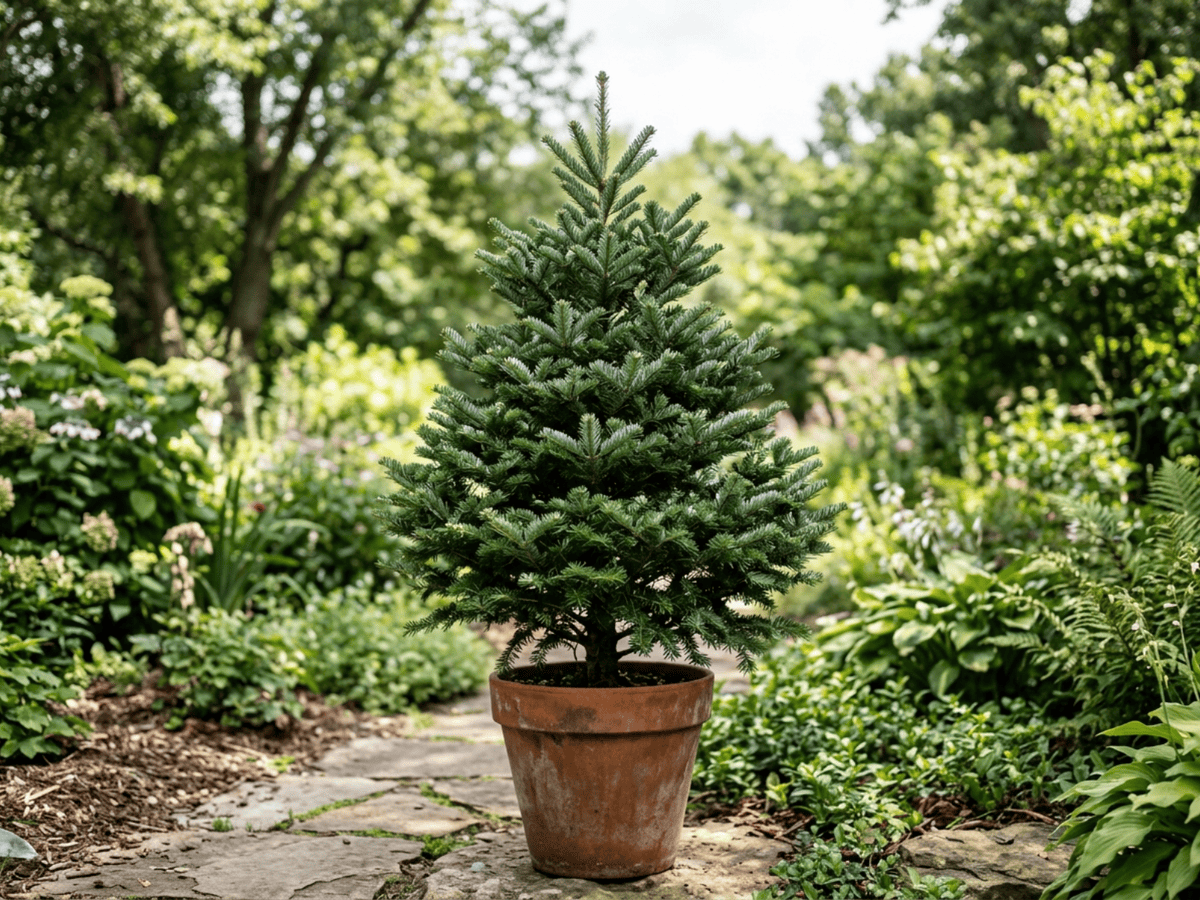 Fraser FirAbies fraseri
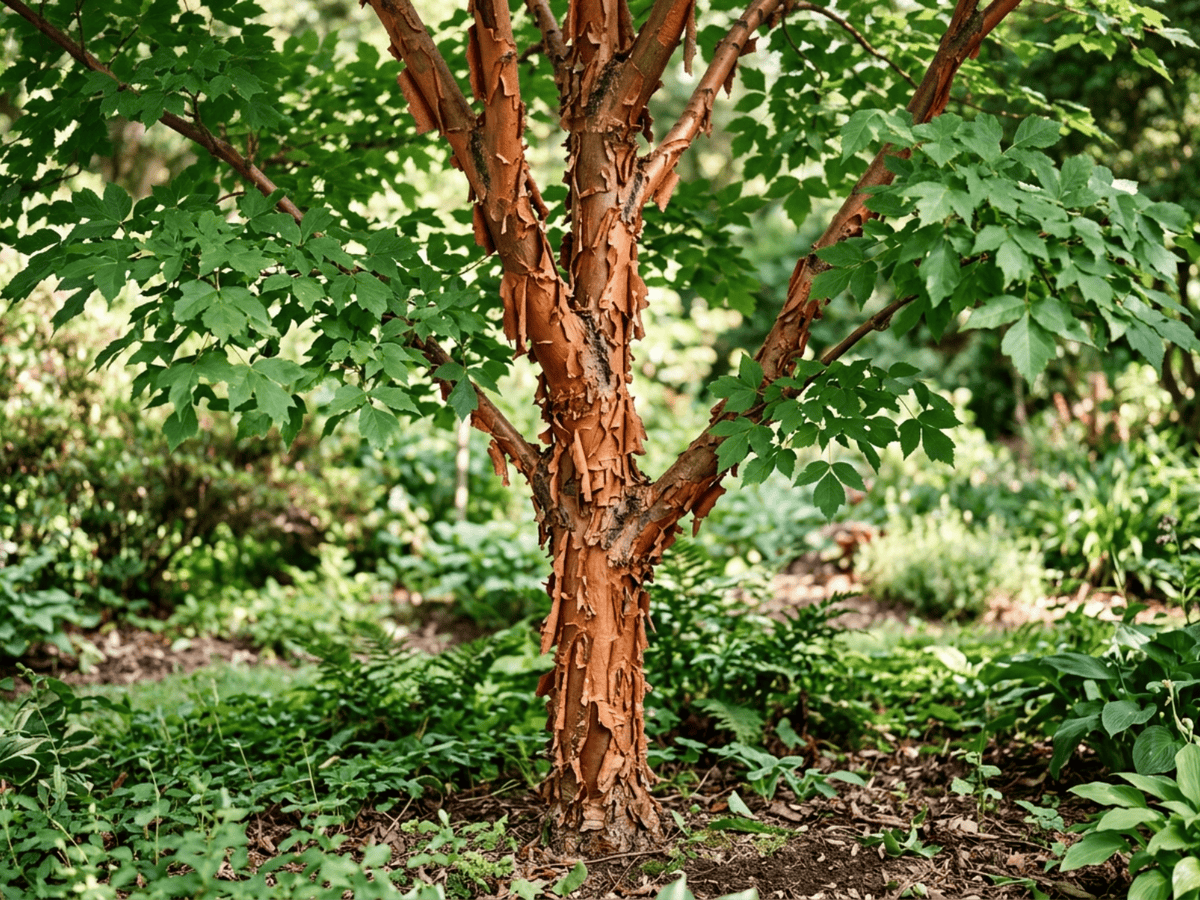 Paperbark MapleAcer griseum
 Sugar MapleAcer saccharum
Frequently asked questions
How often should I water Persian Buttercup?
Water about every 5 days during the growing season, and always let excess water drain away.
How much light does Persian Buttercup need?
Full sun: 6+ hrs direct. Watch the leaves — scorching or stretching means the light needs adjusting.
Is Persian Buttercup toxic to cats or dogs?
Pets Moderate (Dogs Moderate · Cats Moderate) Educational information, not medical or veterinary advice. If exposure is suspected, contact a doctor or veterinarian.
Is Persian Buttercup easy to grow?
It is moderately demanding: a good choice once you have a little experience.
When does Persian Buttercup bloom?
It typically blooms Jun–Aug in the Northern Hemisphere.
YardMate
Identify any plant in seconds
Snap a photo — YardMate names the plant, diagnoses problems, and reminds you when to water.
Download on the App Store