 YardMate


Ornamental Rhubarb
Rheum palmatum
Medium · Some experienceAbout Ornamental Rhubarb
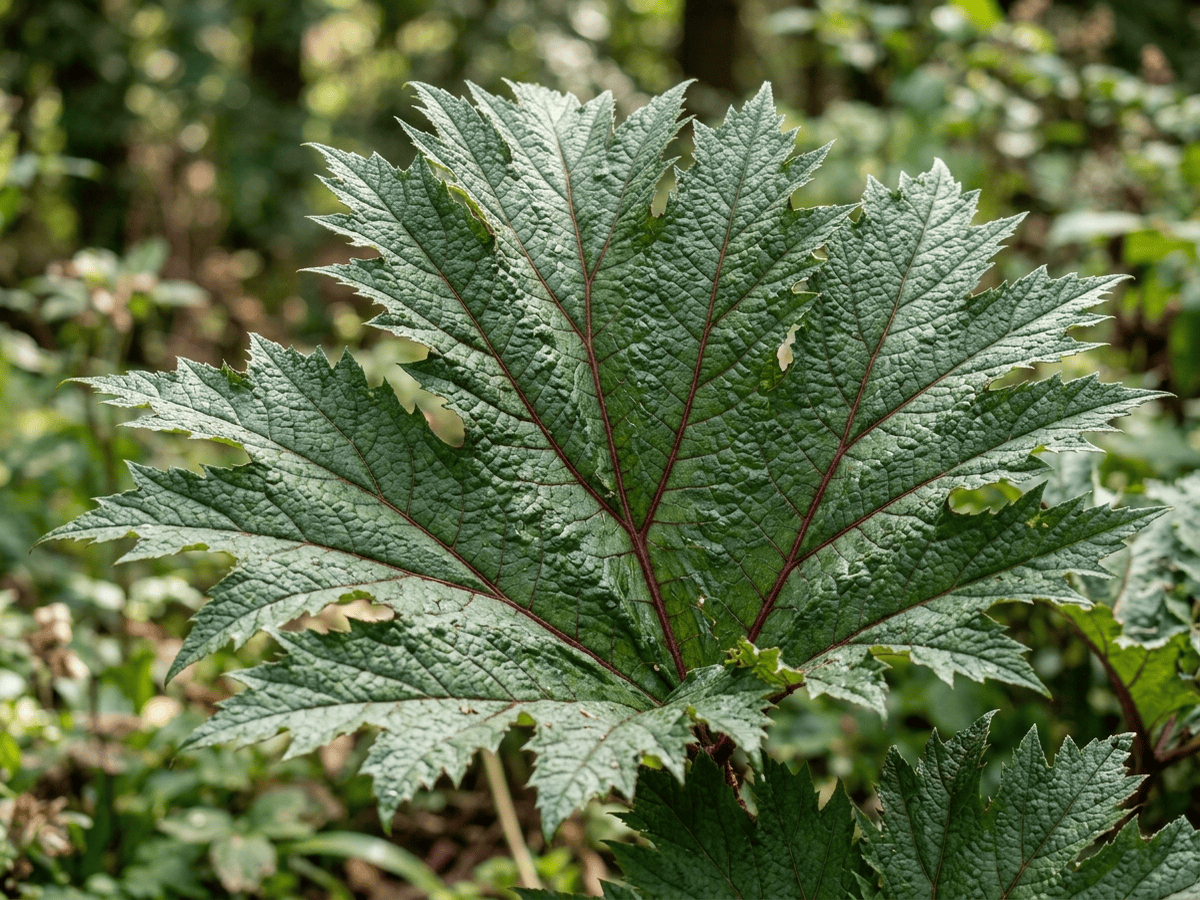
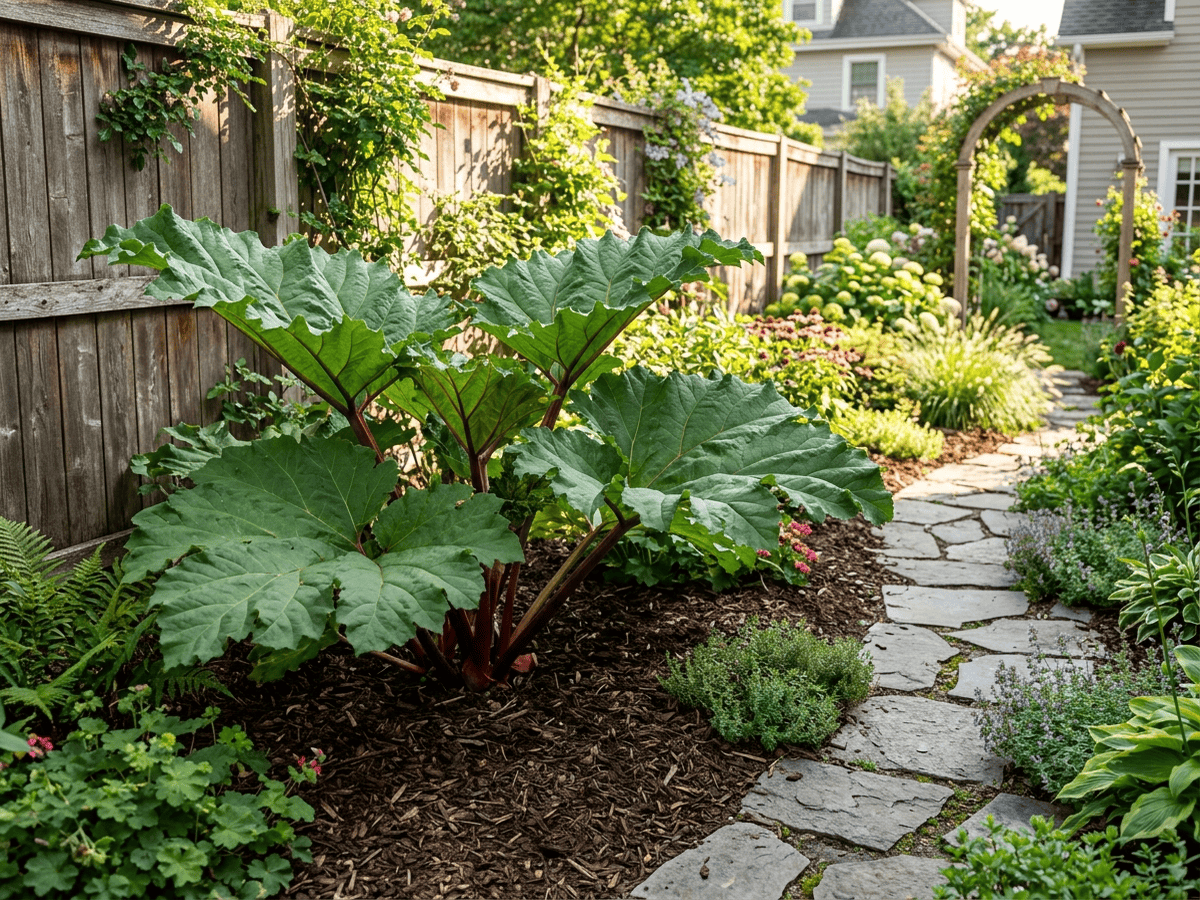
Chinese Rhubarb or Ornamental Rhubarb is a massive Asian perennial reaching 6-10 feet in flower, with enormous deeply-lobed dark-green leaves up to 3 feet across and tall spikes of cream to red flowers in early summer. Unlike culinary rhubarb, this species is grown primarily for its dramatic ornamental presence in large American gardens, though the roots are used in traditional Chinese medicine. The 'Atrosanguineum' cultivar has striking red emerging foliage.
- Architectural
How to care for Ornamental Rhubarb
Watering
- Springevery 7 days
- Summerevery 10 days
- Fallevery 14 days
- Winterevery 30 days
Soil · Well-draining
- Top dressingPine bark mulch10%
- Main mixPotting soil + perlite 2:170%
- DrainageLECA / gravel20%
Never skip the drainage layer — standing water is the top cause of root rot.
FERTILIZER
Balanced Feed 14-14-14
An even feed covers all three needs at once, keeping leaves, roots and blooms moving together with nothing pushed out of balance.
- Nitrogen · Leaves
- Phosphorus · Roots + Blooms
- Potassium · Strength
- Springevery 60 days
At a Glance
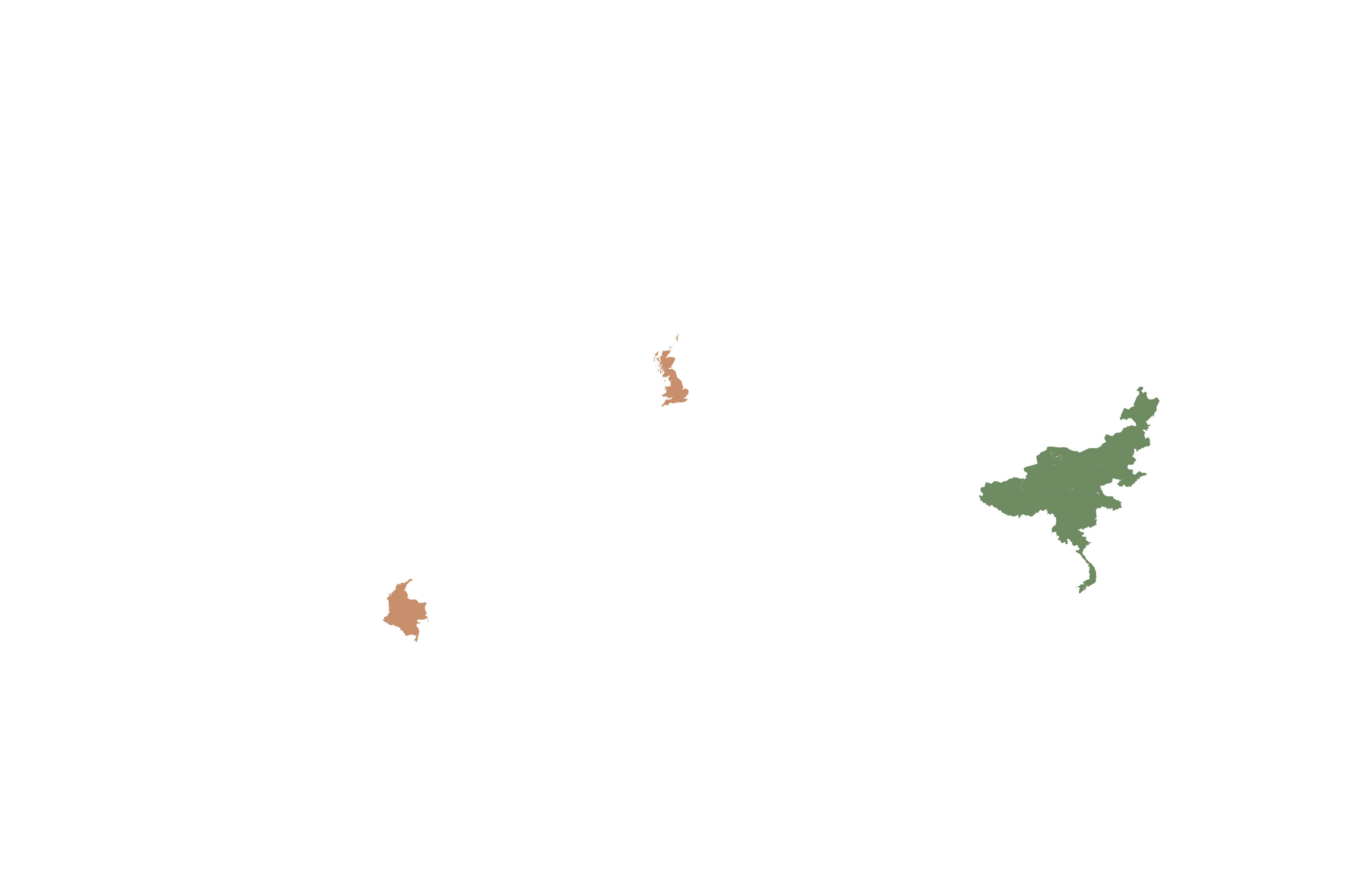
- NativeEast Asia
- Height5–8 ft (1.5–2.4 m)
- Spread4–6 ft (1.2–1.8 m)
- Flower colorCream, Red
- Foliage colorGreen, Purple
- SoilLoamy, Moisture-retentive, Rich
- LocationsYard
Bloom time
BLOOM CYCLE
Peak bloom
May–Aug
Tall cream to red flower spikes in early summer
Toxicity
Humans Moderate · Pets Moderate
oxalic acid and anthraquinones (emodin, rhein)
Moderate
- Leaf
- Ingestion
EXPOSURE Eating leaves.
EFFECT Nephrotoxicity and oxalic acid poisoning.
NOTE Documented concern for humans: Nephrotoxicity and oxalic acid poisoning.
Moderate
- Leaf
- Ingestion
EXPOSURE Eating leaves.
EFFECT Vomiting, weakness, and kidney damage.
NOTE ASPCA lists rhubarb leaves as toxic due to oxalates. Rhizomes used medicinally in TCM as purgative.
Moderate
- Leaf
- Ingestion
EXPOSURE Eating leaves.
EFFECT Vomiting, weakness, and kidney damage.
NOTE ASPCA lists rhubarb leaves as toxic due to oxalates. Rhizomes used medicinally in TCM as purgative.
Educational information, not medical or veterinary advice. If exposure is suspected, contact a doctor or veterinarian.
DISTRIBUTION

- Native
- Introduced
- East Asia
History

Rheum palmatum, commonly called Chinese rhubarb, Turkish rhubarb, or dahuang in Mandarin, is a large clumping perennial in the knotweed family (Polygonaceae) native to the mountains of northwestern China (Gansu, Qinghai, Sichuan, Yunnan) and eastern Tibet. Carl Linnaeus described it in 1759. The species has been cultivated in China for over 2000 years as the primary source of the powerful purgative traditional Chinese medicine dahuang, derived from the dried rhizomes.
Rheum palmatum reached Europe via the overland Silk Road caravans through Turkey (hence one common name) and Russia, becoming in the 16th-18th centuries one of the most valuable imported drugs in European medicine before domestic cultivation started. Plants form dramatic 1-1.2 meter tall clumps of enormous deeply palmately 5-7 lobed leaves 60-90 cm wide, sending up striking 2-meter flowering panicles of tiny cream or deep red flowers in early summer. The purple-leaved var. tanguticum 'Atrosanguineum' and 'Rubrum' forms are popular ornamentals.
Roots contain anthraquinone laxatives—toxic in large amounts. Used in traditional Chinese medicine for over 2,000 years for digestive and detoxifying purposes. Introduced to European gardens in the 18th century where it became the source of medicinal 'Turkey rhubarb' powder—the original Chinese export was once worth its weight in gold.
Symbolism & meaning
What It Symbolizes
Ornamental Rhubarb is architectural abundance. Its enormous palmate leaves rise like green shields, and its flower plumes give damp ground a bold, almost prehistoric grandeur. Related to edible rhubarb but grown for spectacle rather than the kitchen, it speaks in scale: foliage large enough to change the weather of a garden bed.
- Power — imposing presence dominates large gardens
- Heritage — 2,000-year-old Chinese medicinal tradition
Where the Name Comes From
'Rheum' from the Greek 'rha', the ancient name for rhubarb; 'palmatum' refers to the palm-shaped leaves.
Uses & Fun Facts
- Huge palmate leaves create a dramatic waterside or woodland accent
Related plants
Plants with similar care
 Mexican AbeliaAbelia floribunda
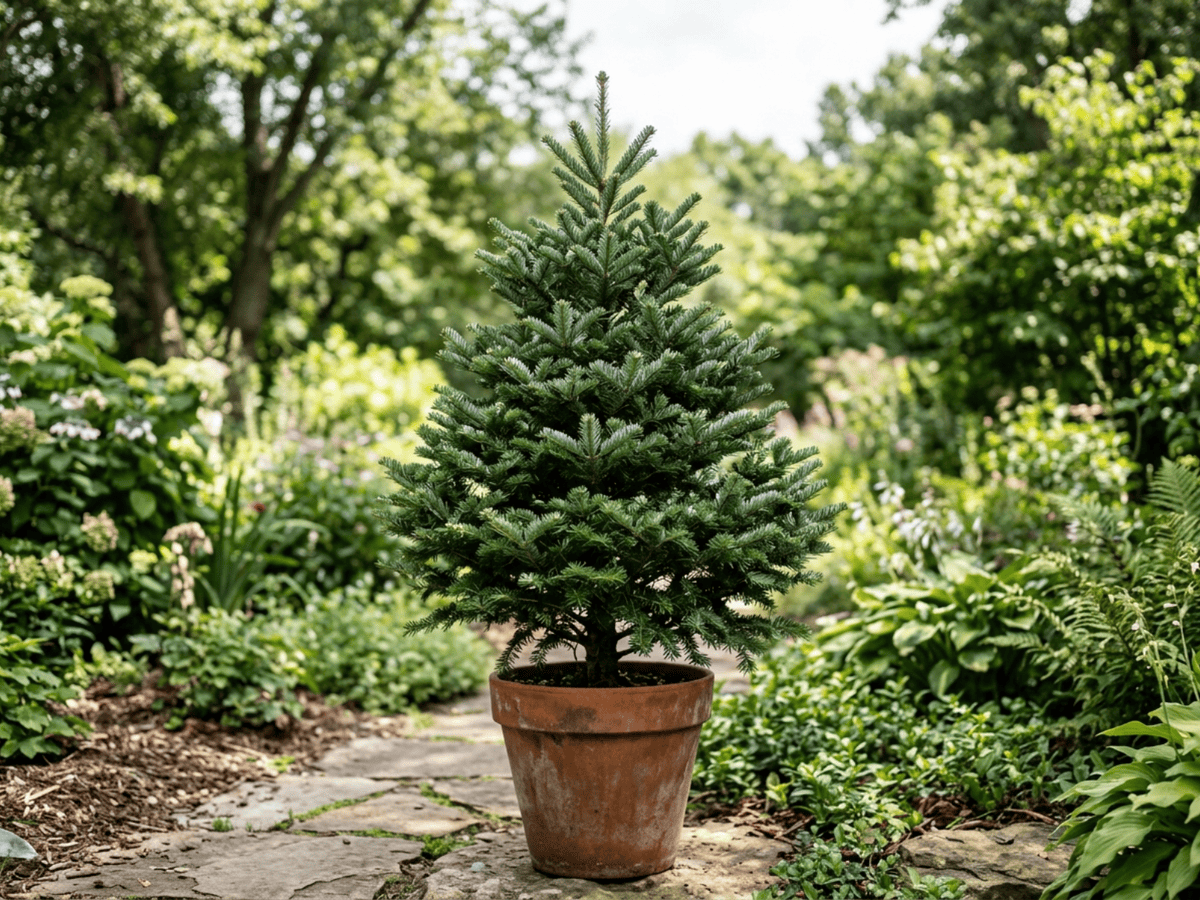 Fraser FirAbies fraseri
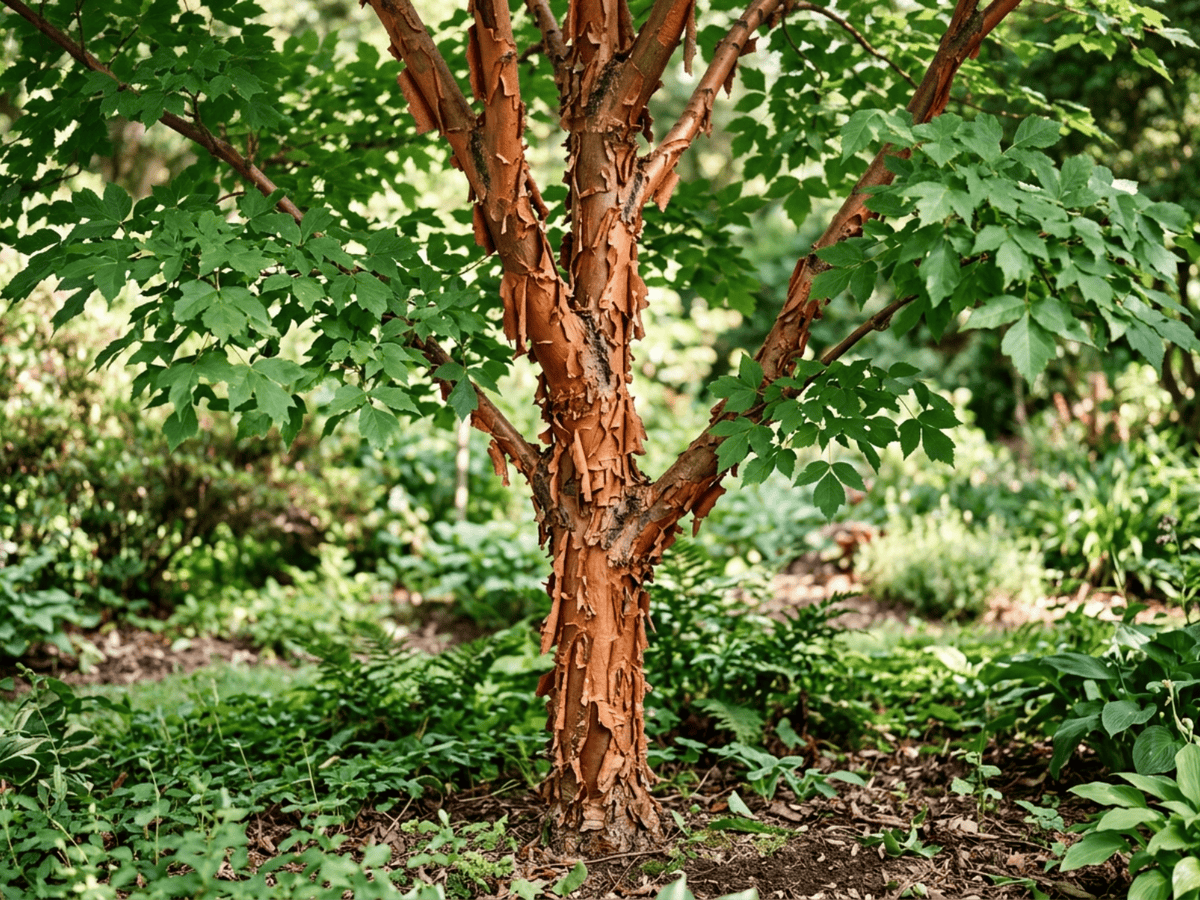 Paperbark MapleAcer griseum
 Sugar MapleAcer saccharum
Frequently asked questions
How often should I water Ornamental Rhubarb?
In summer, water about every 10 days; in winter, about every 30 days. Adjust for heat, pot size and drainage.
How much light does Ornamental Rhubarb need?
Full sun: 6+ hrs direct. Watch the leaves — scorching or stretching means the light needs adjusting.
Is Ornamental Rhubarb toxic to cats or dogs?
Pets Moderate (Dogs Moderate · Cats Moderate) Educational information, not medical or veterinary advice. If exposure is suspected, contact a doctor or veterinarian.
Is Ornamental Rhubarb easy to grow?
It is moderately demanding: a good choice once you have a little experience.
When does Ornamental Rhubarb bloom?
It typically blooms May–Aug in the Northern Hemisphere.
YardMate
Identify any plant in seconds
Snap a photo — YardMate names the plant, diagnoses problems, and reminds you when to water.
Download on the App Store