 YardMate

Chinese Rodgersia
Rodgersia aesculifolia
Medium · Some experienceAbout Chinese Rodgersia
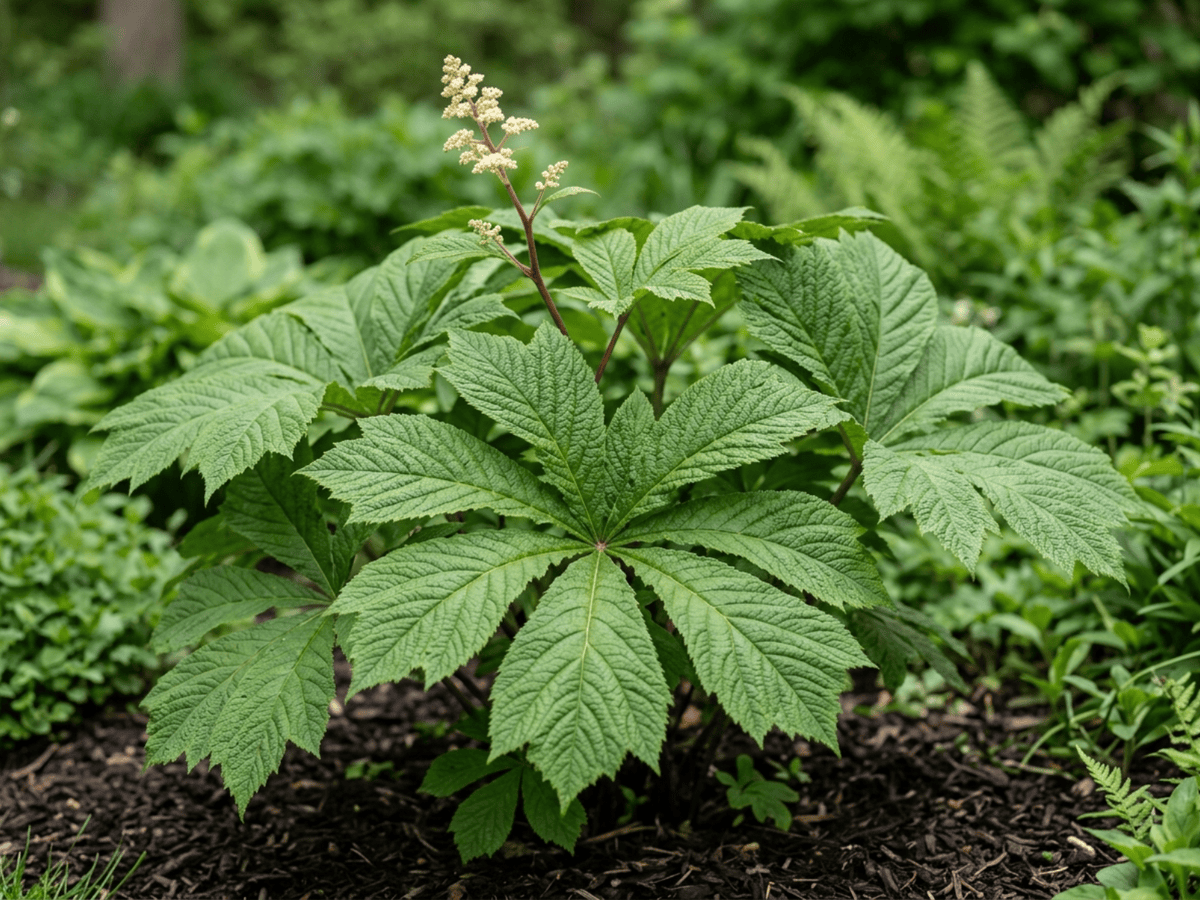
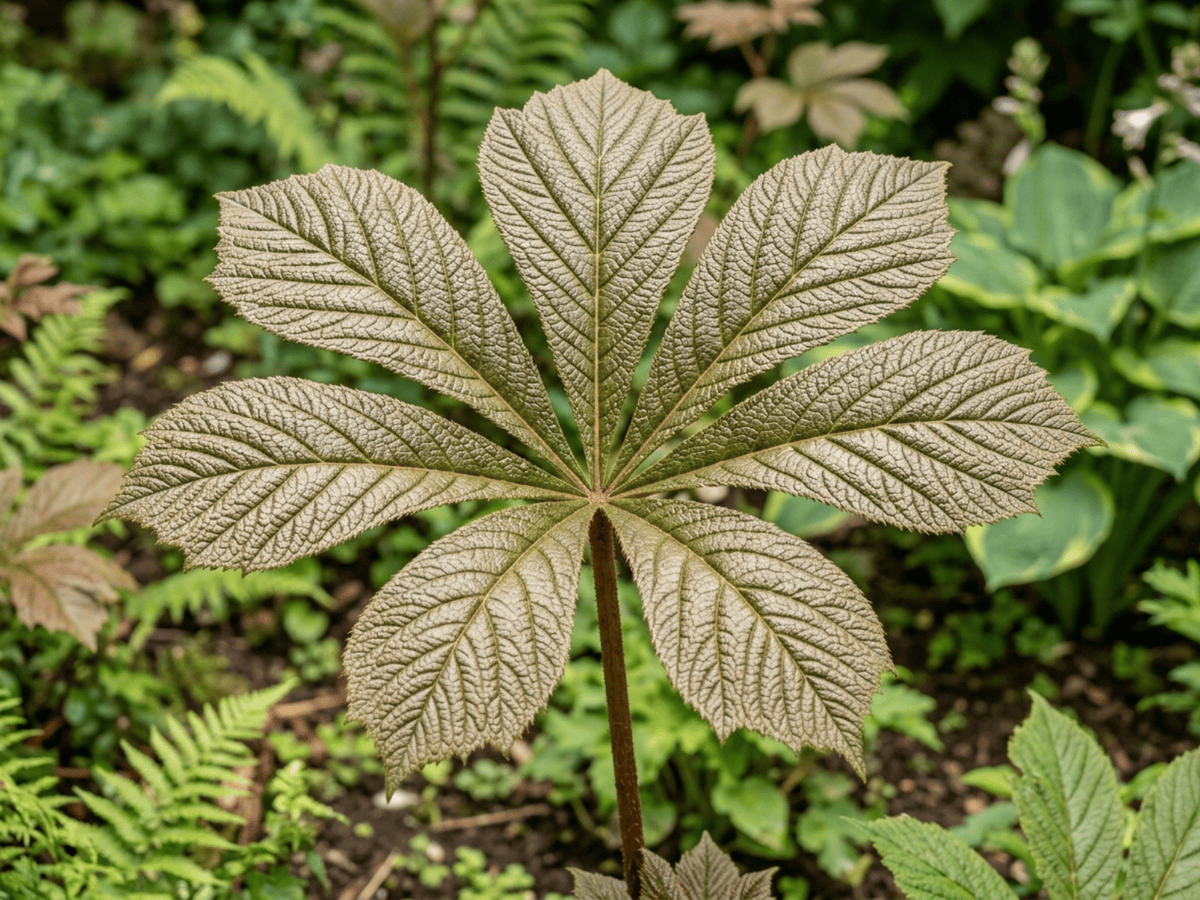
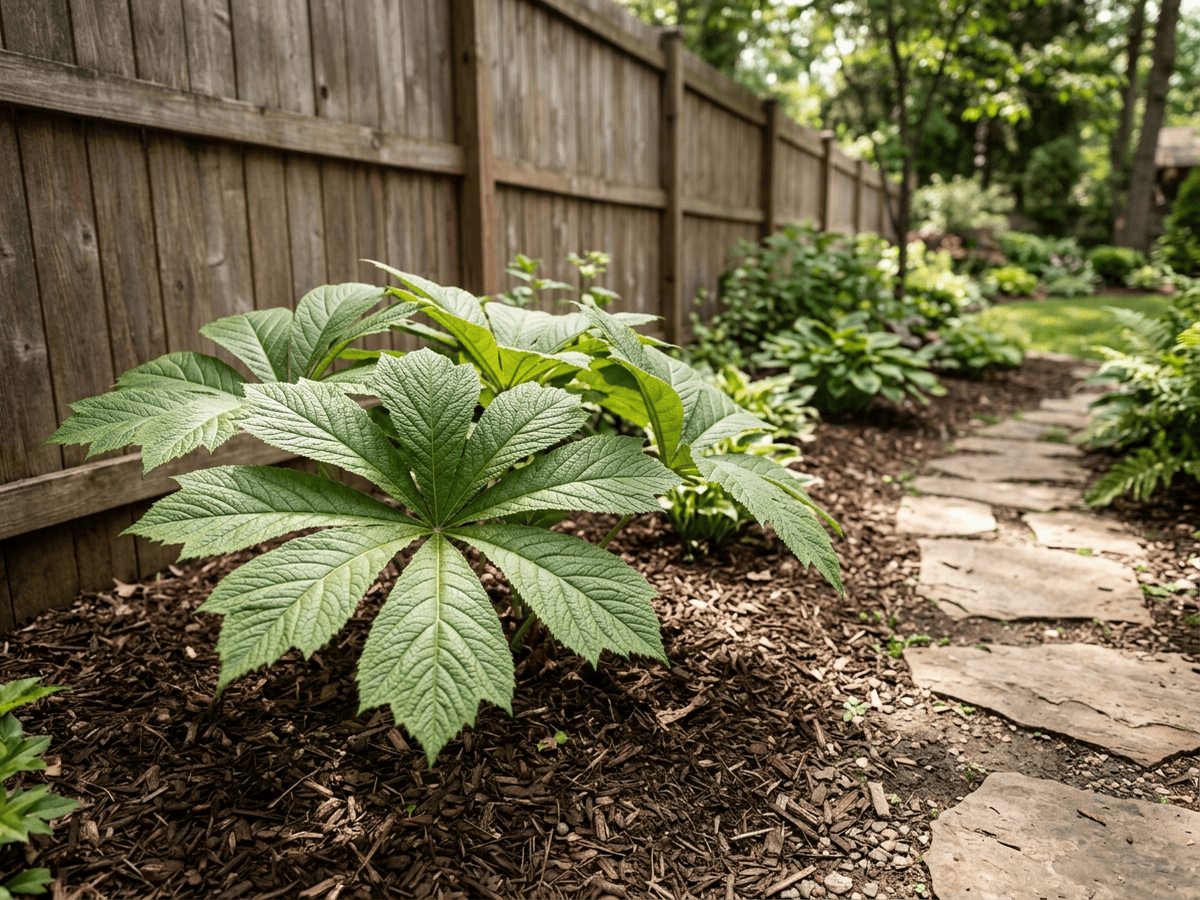
Fingerleaf Rodgersia is a stately perennial from western China, 3–5 feet tall, with palmately-divided horse-chestnut-like leaves (hence 'aesculifolia') and large panicles of creamy white astilbe-like plume flowers in early summer. Bronze-tinted new growth fades to green. A premier architectural plant for moist shade borders and bog gardens. Hardy zones 5–8.
- Architectural
- Pollinator-friendly
How to care for Chinese Rodgersia
Watering
- Springevery 3 days
- Summerevery 2 days
- Fallevery 4 days
- Winterpause watering
Soil · Moisture-retentive
- Top dressingSphagnum moss10%
- Main mixPeat + coco coir 1:180%
- DrainagePerlite / gravel10%
Keep it evenly moist — but the drainage layer still matters.
FERTILIZER
Balanced Feed 14-14-14
An even feed covers all three needs at once, keeping leaves, roots and blooms moving together with nothing pushed out of balance.
- Nitrogen · Leaves
- Phosphorus · Roots + Blooms
- Potassium · Strength
- Springevery 30 days
- Summerevery 30 days
At a Glance
- NativeEast Asia
- Height3–5 ft (0.9–1.5 m)
- Spread3–4 ft (0.9–1.2 m)
- Flower colorWhite, Cream, Pink
- Foliage colorGreen, Bronze
- SoilLoamy, Moisture-retentive
- LocationsYard
Bloom time
BLOOM CYCLE
Peak bloom
May–Aug
Creamy white plumes early summer
Fragrance
LIGHT FRAGRANCE
The flowers have a mild sweet scent.
Toxicity
Toxicity unknown
None reported
Unknown
EXPOSURE Unspecified plant material.
EFFECT Toxic effects are not specified.
NOTE Toxicity for humans is not well documented; use caution until verified.
Unknown
EXPOSURE Unspecified plant material.
EFFECT Toxic effects are not specified.
NOTE Toxicity for dogs is not well documented; use caution until verified.
Unknown
EXPOSURE Unspecified plant material.
EFFECT Toxic effects are not specified.
NOTE Toxicity for cats is not well documented; use caution until verified.
Educational information, not medical or veterinary advice. If exposure is suspected, contact a doctor or veterinarian.
DISTRIBUTION


- Native
- Introduced
- East Asia
History

Rodgersia aesculifolia inhabits damp forests and ravines in the mountains of Gansu, Shaanxi, Sichuan, and adjacent provinces of central-western China. Russian botanist Alexander Batalin described the species in 1893 based on collections from the Potanin brothers' Central Asian expedition. The epithet aesculifolia means 'leaves like Aesculus' referring to the horse chestnut-like palmate compound foliage.
Introduced to Western horticulture through the Arnold Arboretum and Kew Gardens in the early 20th century, it became valued for striking leaf texture and creamy-white astilbe-like flower plumes. E.A. Bowles and other plantsmen distributed it through English gardens; later Alan Bloom at Bressingham Gardens popularized it in mixed perennial borders through the 1960s-80s.
Collected in western China by E. H. Wilson in the early 1900s during his legendary plant-hunting expeditions for the Arnold Arboretum in Boston. Remains a signature shade plant in American specialty and public gardens.
Symbolism & meaning
What It Symbolizes
Chinese rodgersia is stateliness in the shade garden — large, hand-shaped leaves and tall plumes of cream or pink flowers giving it a commanding architectural presence beside ponds and woodland paths. Its heritage is botanical: it came west in the early-twentieth-century plant explorations of E.H. Wilson, who introduced so many Chinese ornamentals to American gardens. To grow it is to inherit a piece of that golden age of plant hunting.
- Stateliness — commanding architectural presence
- Heritage — Wilson expedition plant in American gardens
Where the Name Comes From
The name Chinese Rodgersia points to China. Genus honors John Rodgers; 'aesculifolia' means 'horse-chestnut-leaved'.
Uses & Fun Facts
- Bold horse-chestnut-like leaves with creamy plumes for moist shade
- Astilbe-like flower plumes attract bees in damp woodland edges
Related plants
More Rodgersia plants
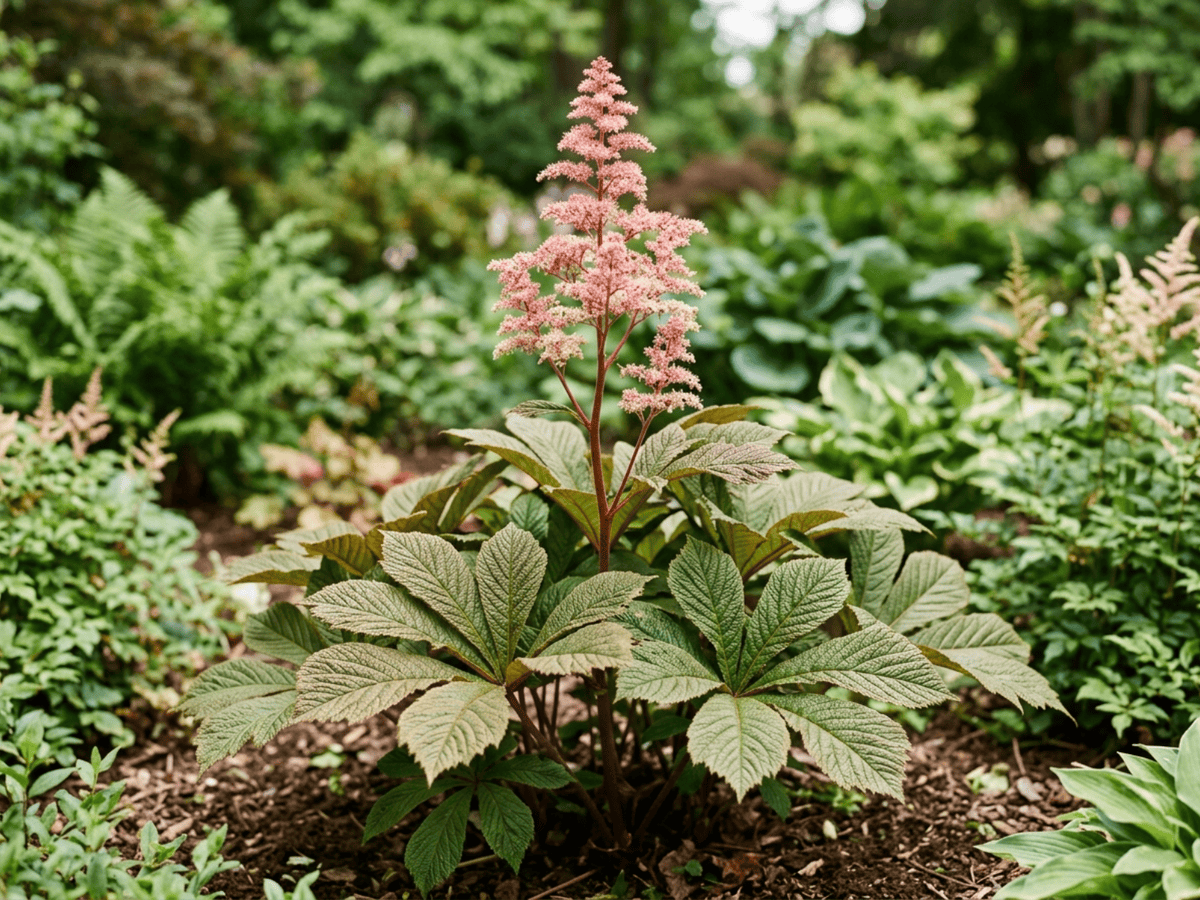 Featherleaf RodgersiaRodgersia pinnata
 Japanese RodgersiaRodgersia podophylla
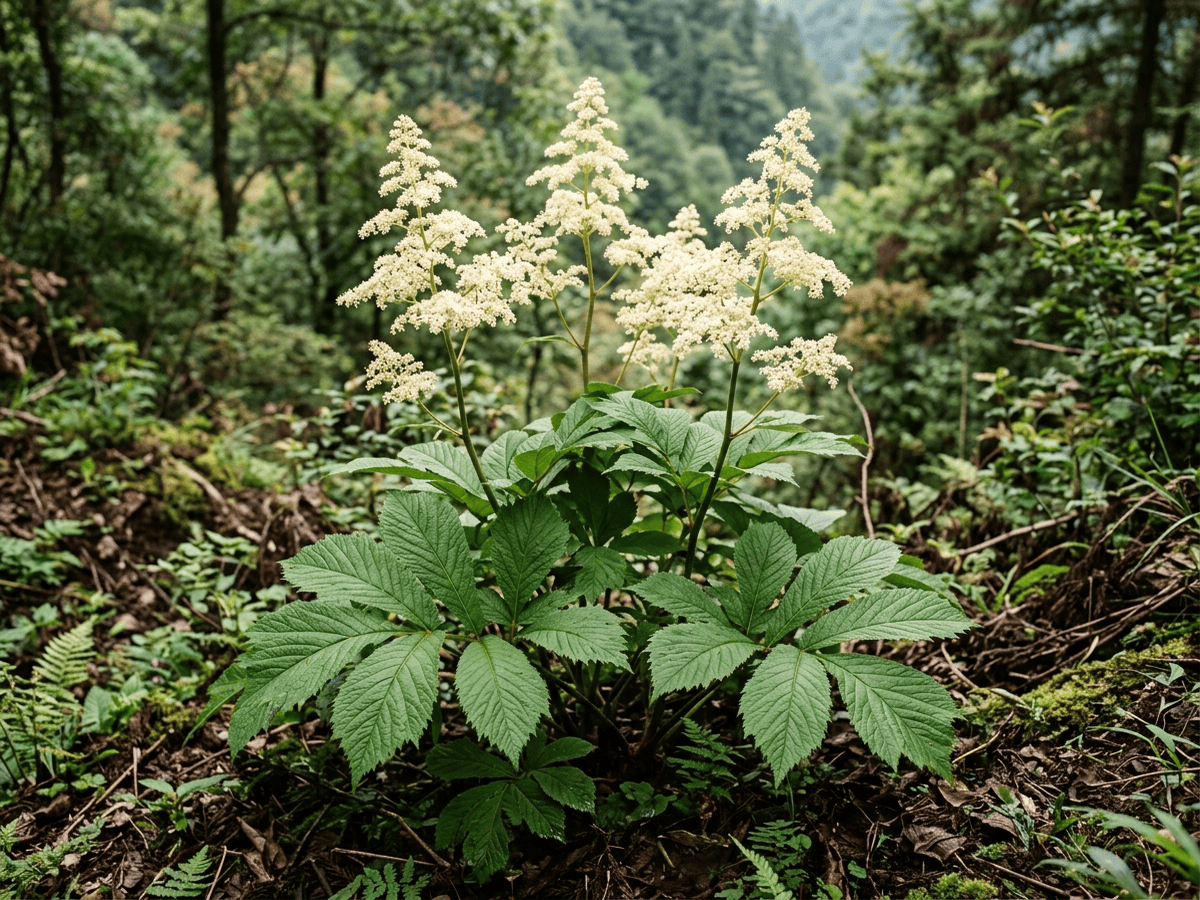 Rodgersia sambucifoliaRodgersia sambucifolia
Plants with similar care
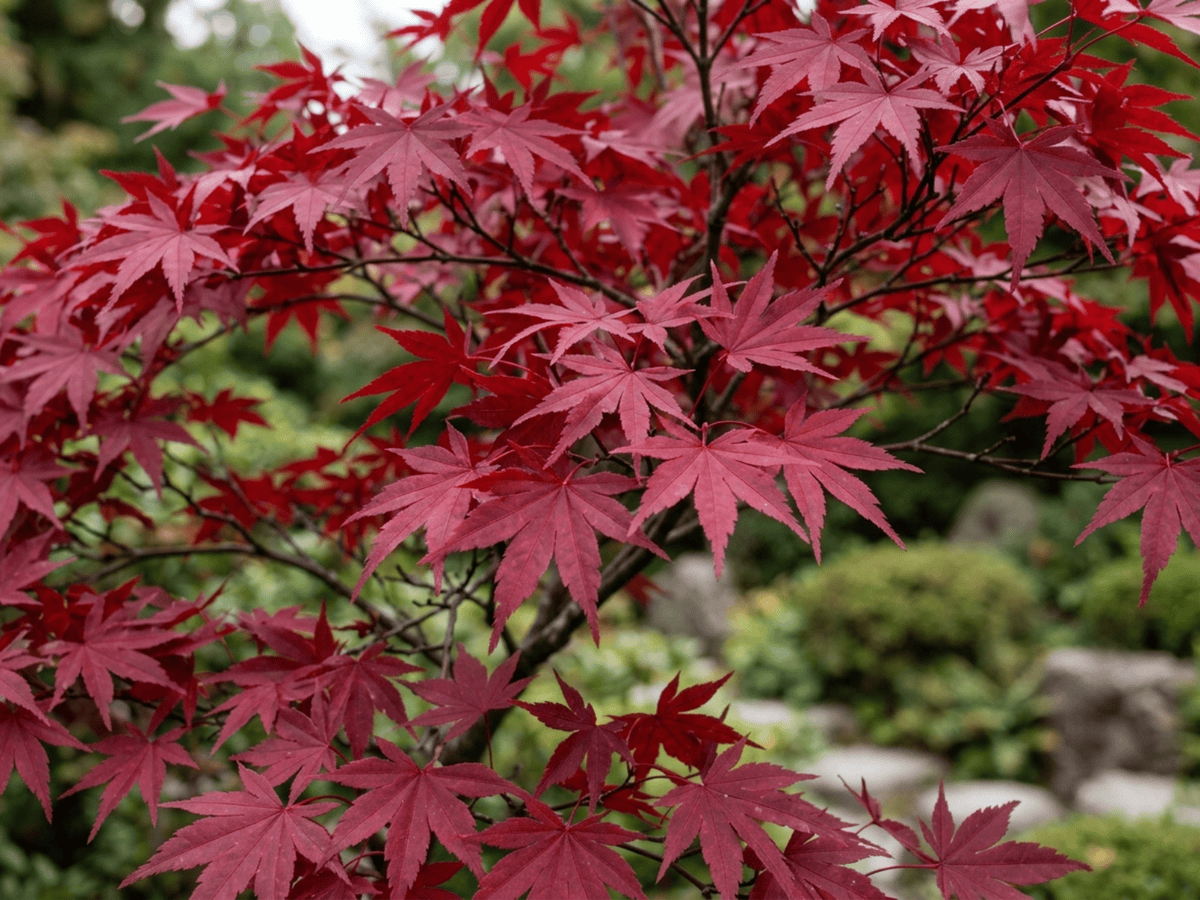 Japanese MapleAcer palmatum
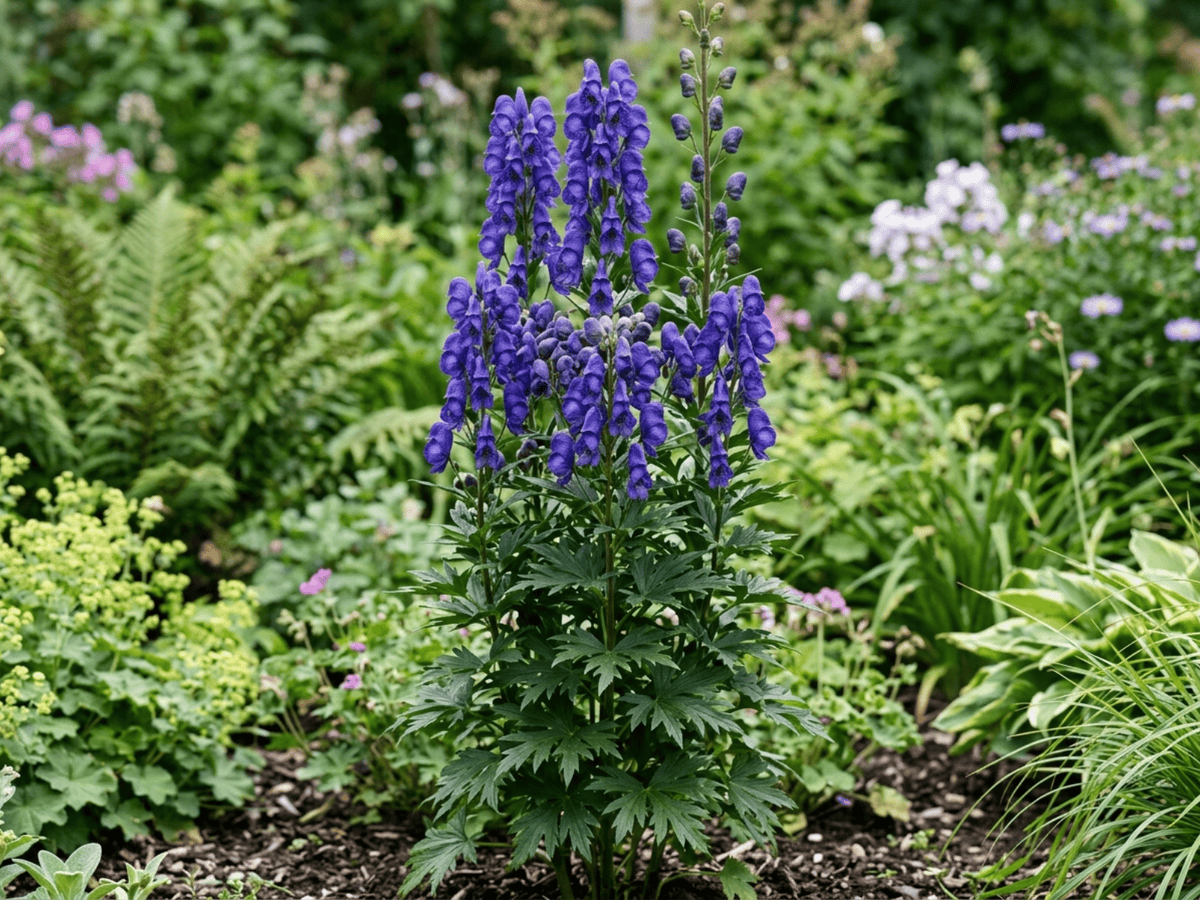 Azure MonkshoodAconitum carmichaelii
 Florida HobblebushAgarista populifolia
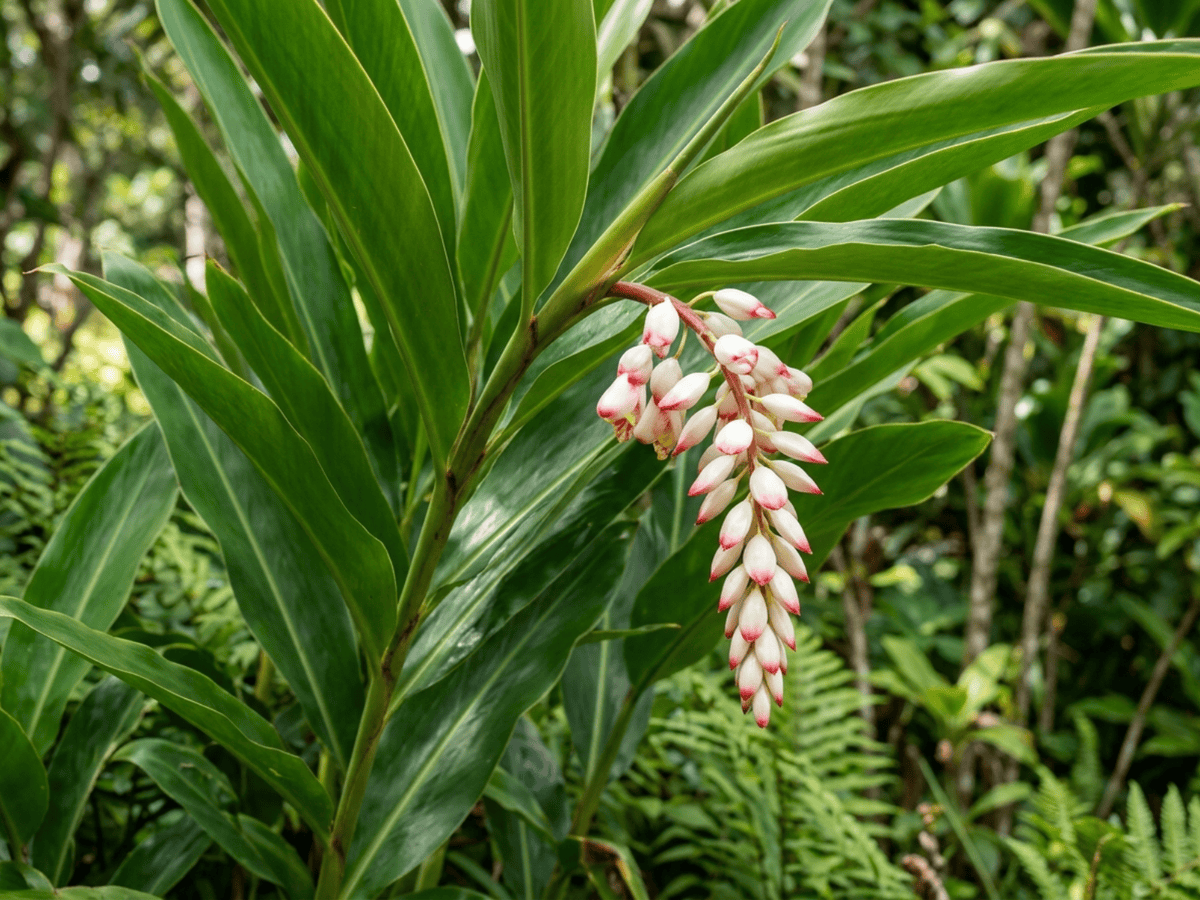 Shell GingerAlpinia zerumbet
Frequently asked questions
How often should I water Chinese Rodgersia?
Water about every 3 days during the growing season, and always let excess water drain away.
How much light does Chinese Rodgersia need?
Part shade: 2–4 hrs direct. Watch the leaves — scorching or stretching means the light needs adjusting.
Is Chinese Rodgersia toxic to cats or dogs?
Pets Unknown (Dogs Unknown · Cats Unknown) Educational information, not medical or veterinary advice. If exposure is suspected, contact a doctor or veterinarian.
Is Chinese Rodgersia easy to grow?
It is moderately demanding: a good choice once you have a little experience.
When does Chinese Rodgersia bloom?
It typically blooms May–Aug in the Northern Hemisphere.
YardMate
Identify any plant in seconds
Snap a photo — YardMate names the plant, diagnoses problems, and reminds you when to water.
Download on the App Store