 YardMate

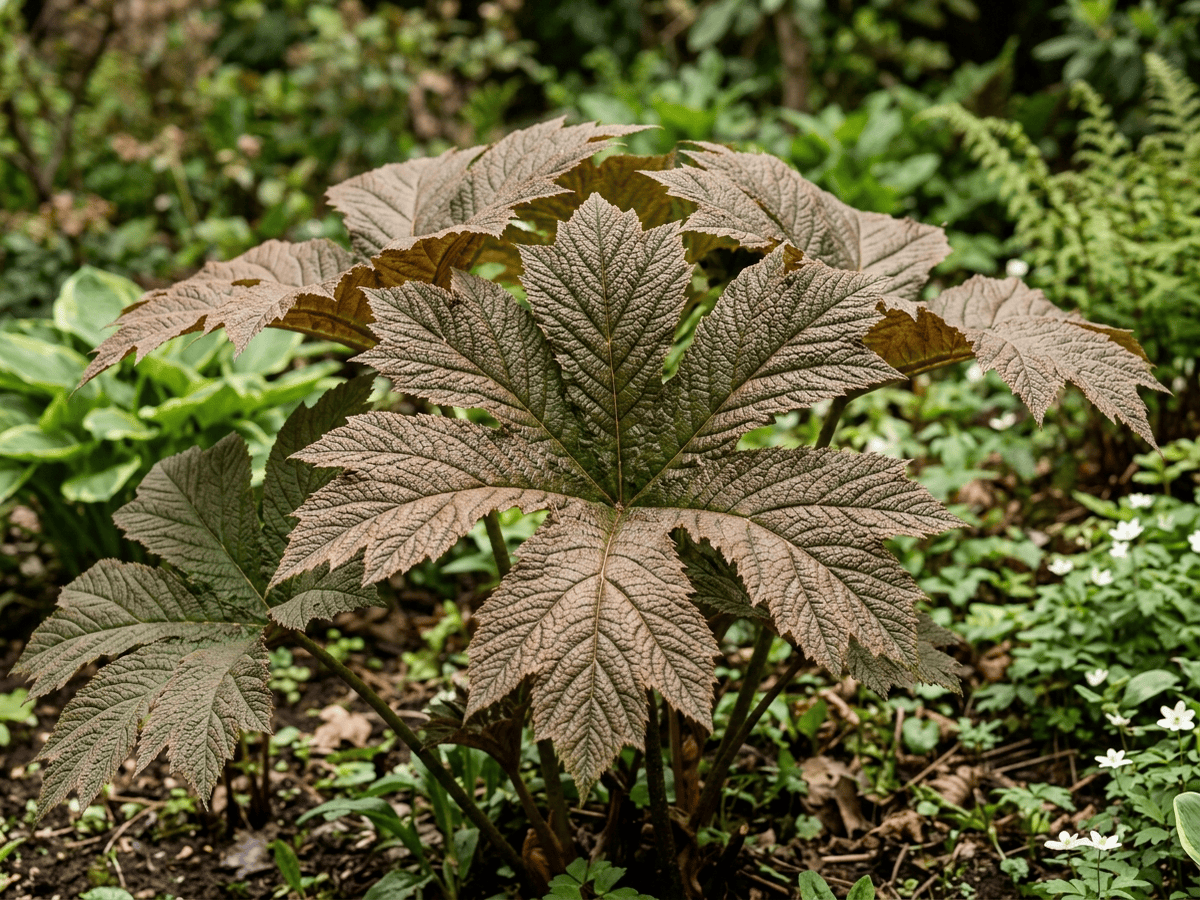

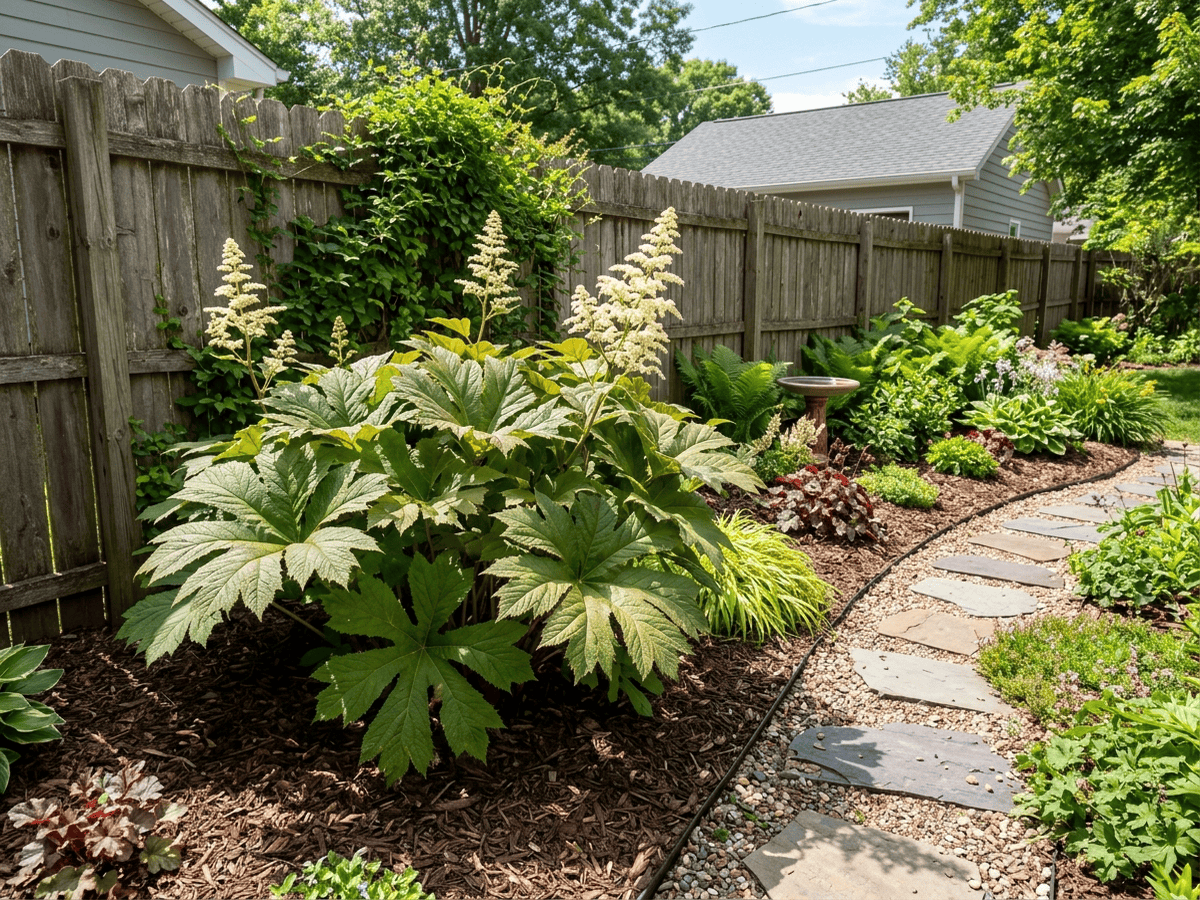
Japanese Rodgersia
Rodgersia podophylla
Medium · Some experienceAbout Japanese Rodgersia
Bronzeleaf Rodgersia is a Japanese and Korean perennial prized for dramatic palmately compound leaves resembling enormous horse chestnut foliage, emerging bronze and aging to green then bronzing again in fall. Growing 3 to 5 feet tall, it produces large panicles of creamy-white astilbe-like flowers in early summer. A signature plant for American moist shade gardens seeking bold foliage effects.
- Shade-tolerant
- Deer-resistant
- Architectural
- Fall-color
How to care for Japanese Rodgersia
Watering
- Springevery 2 days
- Summerevery 2 days
- Fallevery 5 days
- Winterevery 10 days
Soil · Moisture-retentive
- Top dressingSphagnum moss10%
- Main mixPeat + coco coir 1:180%
- DrainagePerlite / gravel10%
Keep it evenly moist — but the drainage layer still matters.
FERTILIZER
Balanced Feed 14-14-14
An even feed covers all three needs at once, keeping leaves, roots and blooms moving together with nothing pushed out of balance.
- Nitrogen · Leaves
- Phosphorus · Roots + Blooms
- Potassium · Strength
- Springevery 30 days
- Summerevery 45 days
At a Glance
- NativeEast Asia
- Height3–5 ft (0.9–1.5 m)
- Spread3–4 ft (0.9–1.2 m)
- Flower colorWhite, Cream
- Foliage colorGreen, Bronze, Red
- SoilLoamy, Moisture-retentive
- LocationsYard
Bloom time
BLOOM CYCLE
Peak bloom
May–Aug
Creamy-white astilbe-like plumes in early summer
Fragrance
LIGHT FRAGRANCE
Flowers lightly sweet-scented on warm days.
Toxicity
No toxicity has been reported for this plant. Still, it is wise to keep pets from chewing on any houseplant.
Educational information, not medical or veterinary advice. If exposure is suspected, contact a doctor or veterinarian.
DISTRIBUTION


- Native
- Introduced
- East Asia
History
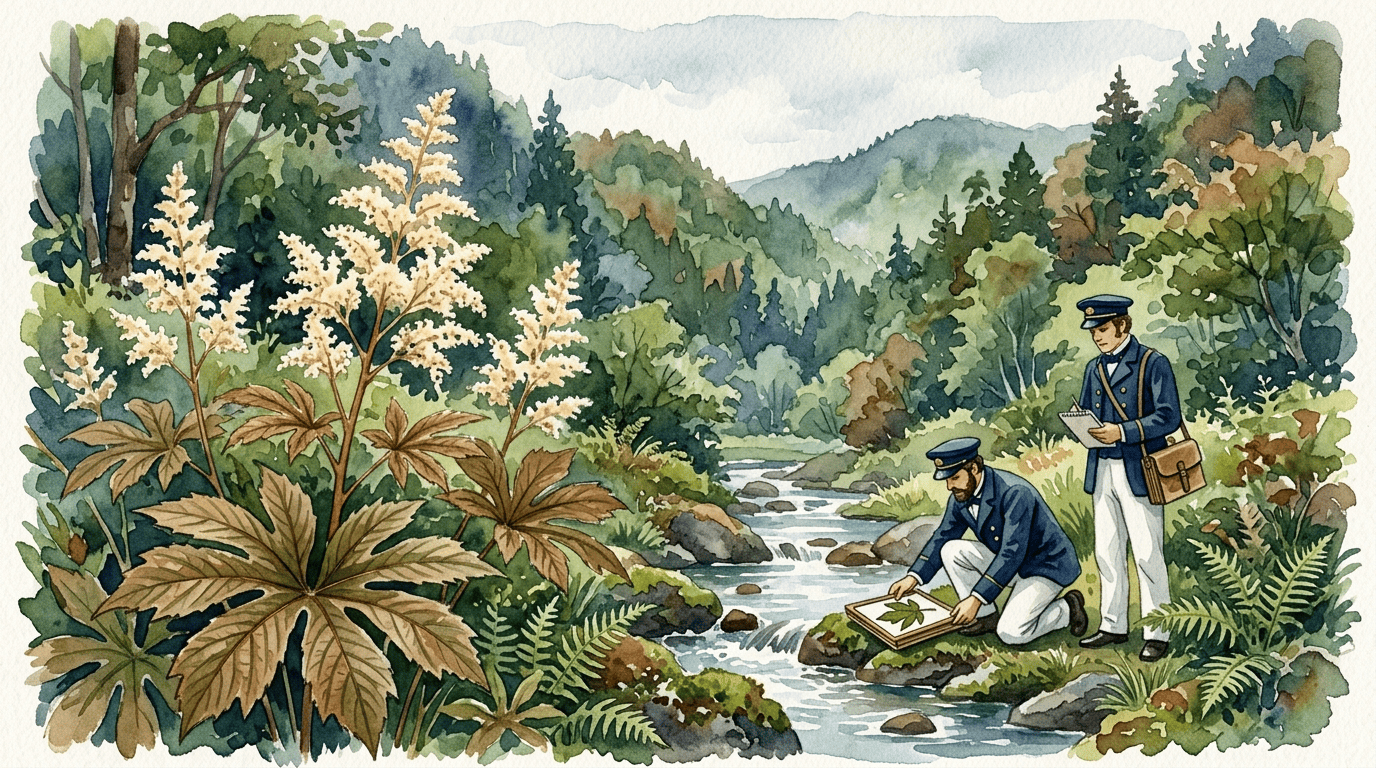
Rodgersia podophylla inhabits moist mountain woodlands and streamsides in Japan and Korea. The US North Pacific Surveying and Exploring Expedition of 1853-1856, led by Commodore John Rodgers, collected the plant in Japan, and the Harvard botanist Asa Gray described the new genus Rodgersia in 1857 honoring Rodgers. Charles Maries reintroduced seeds to the Veitch Nursery in 1879, and the species rapidly became a prized Victorian foliage plant for bog and woodland gardens.
Its large, bronze-tinted palmately lobed leaves and tall plumes of creamy flowers fit the Victorian fashion for bold exotic foliage. Modern cultivars include 'Rotlaub' (red-leaved) and 'Smaragd'.
Native to Japan and Korea, introduced to Western gardens in the 1880s through plant explorer Charles Maries. American shade gardeners in the Pacific Northwest embraced it from the mid-20th century as a bold foliage companion to hostas and ferns in moist woodland settings. It is a signature plant of streamside plantings by designers such as Beth Chatto.
Symbolism & meaning
What It Symbolizes
Japanese Rodgersia carries bold serenity, its dramatic palmate leaves anchoring shaded plantings with architectural calm. Paired with seasonal shift, the foliage moves through bronze, green, and bronze again across the year, an orderly procession of color. It is a perennial whose meaning lies in stately presence — large gestures made quietly, season by season.
- Bold foliage — dramatic palmate leaves define the garden
- Seasonal shift — leaves bronze-green-bronze through the year
Where the Name Comes From
'Rodgersia' honors U.S. Navy Admiral John Rodgers (1812-1882), who led the expedition on which the genus was first collected; 'podophylla' from Greek means foot-leaved, for the large palmate leaves.
Uses & Fun Facts
- Bronze-flushed palmate leaves and cream plumes for moist shade
- Bold horse-chestnut-like foliage as dramatic streamside accent
Related plants
More Rodgersia plants
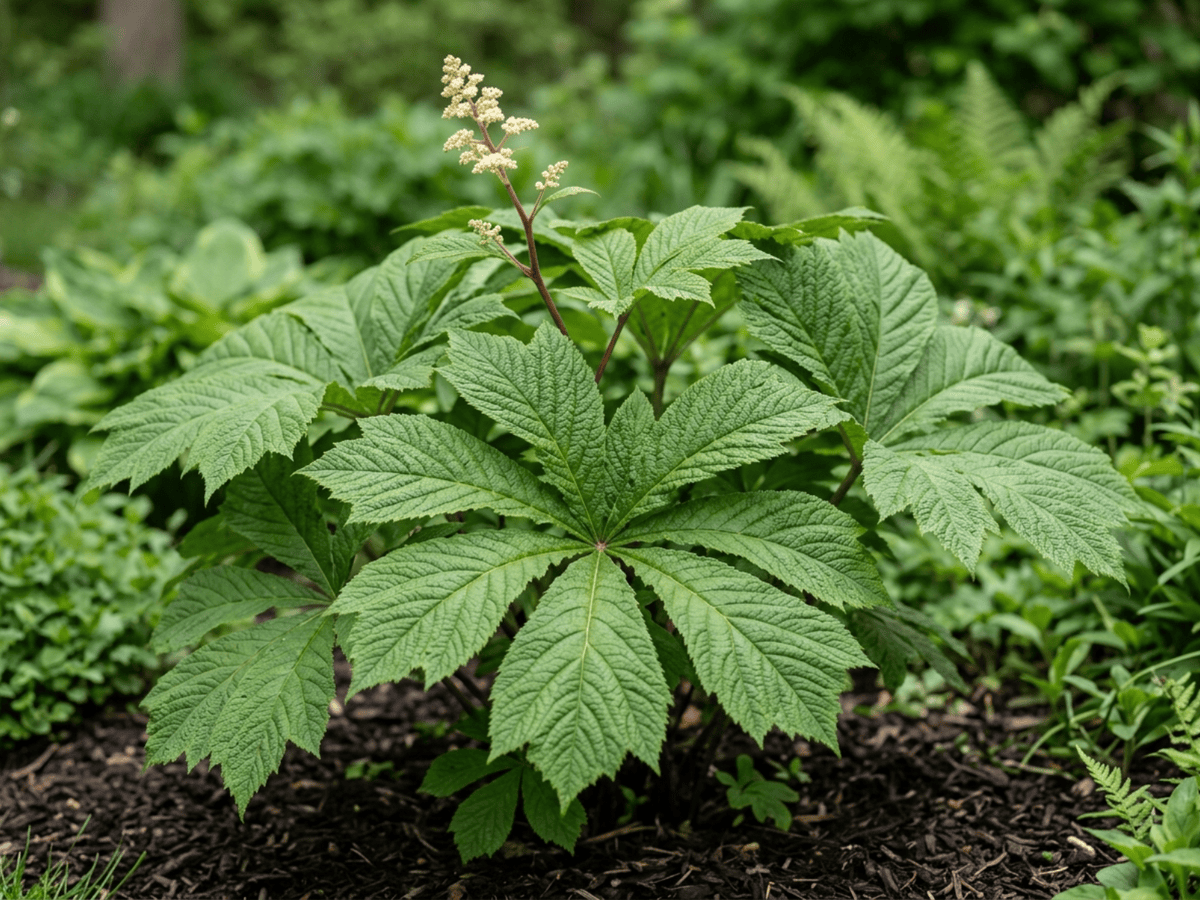 Chinese RodgersiaRodgersia aesculifolia
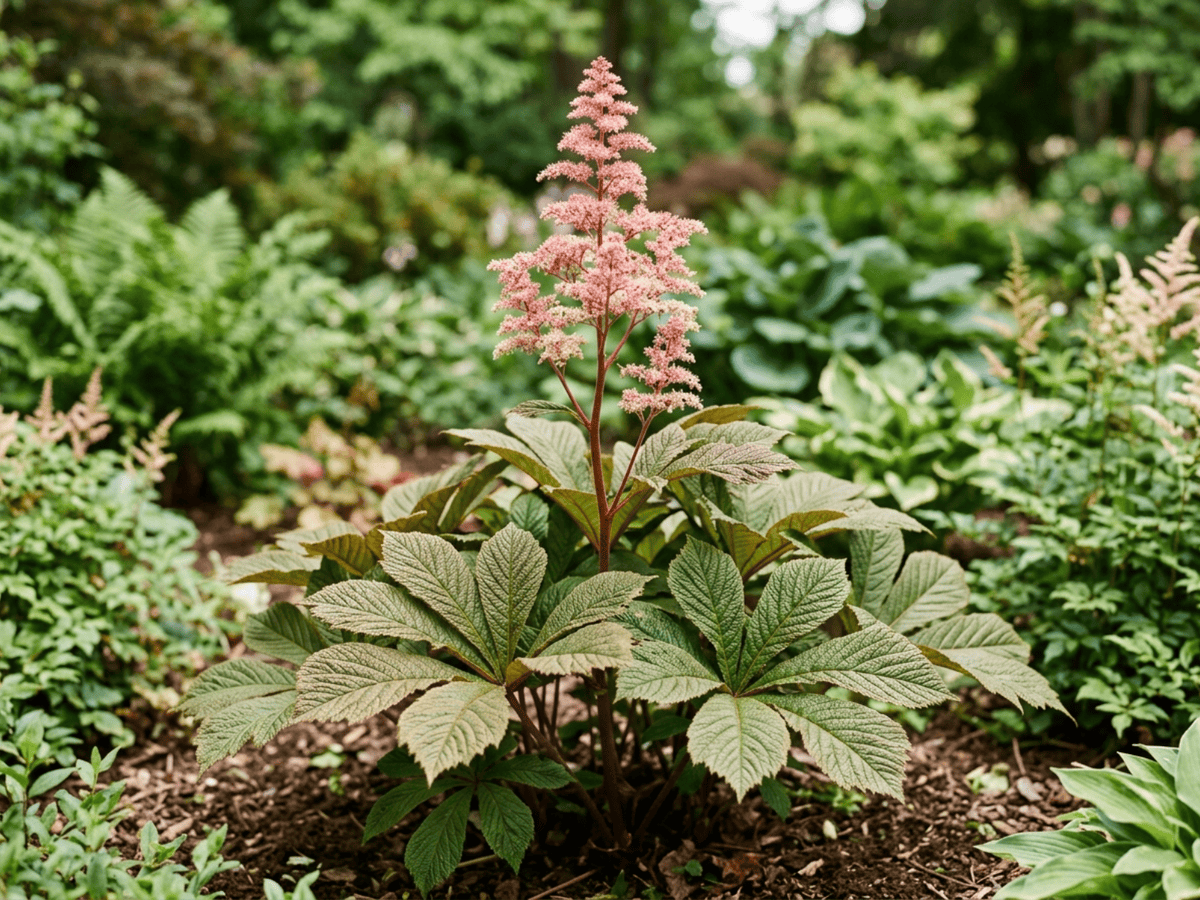 Featherleaf RodgersiaRodgersia pinnata
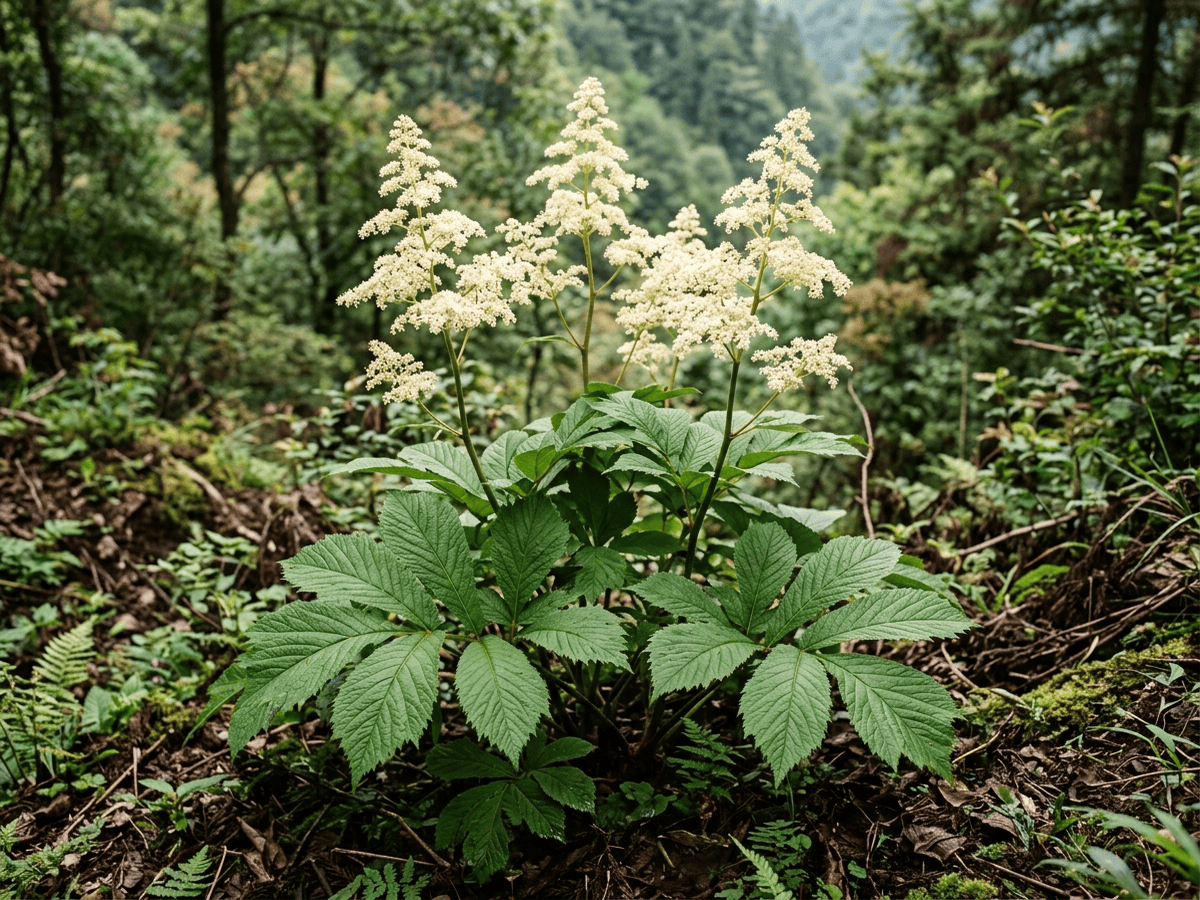 Rodgersia sambucifoliaRodgersia sambucifolia
Plants with similar care
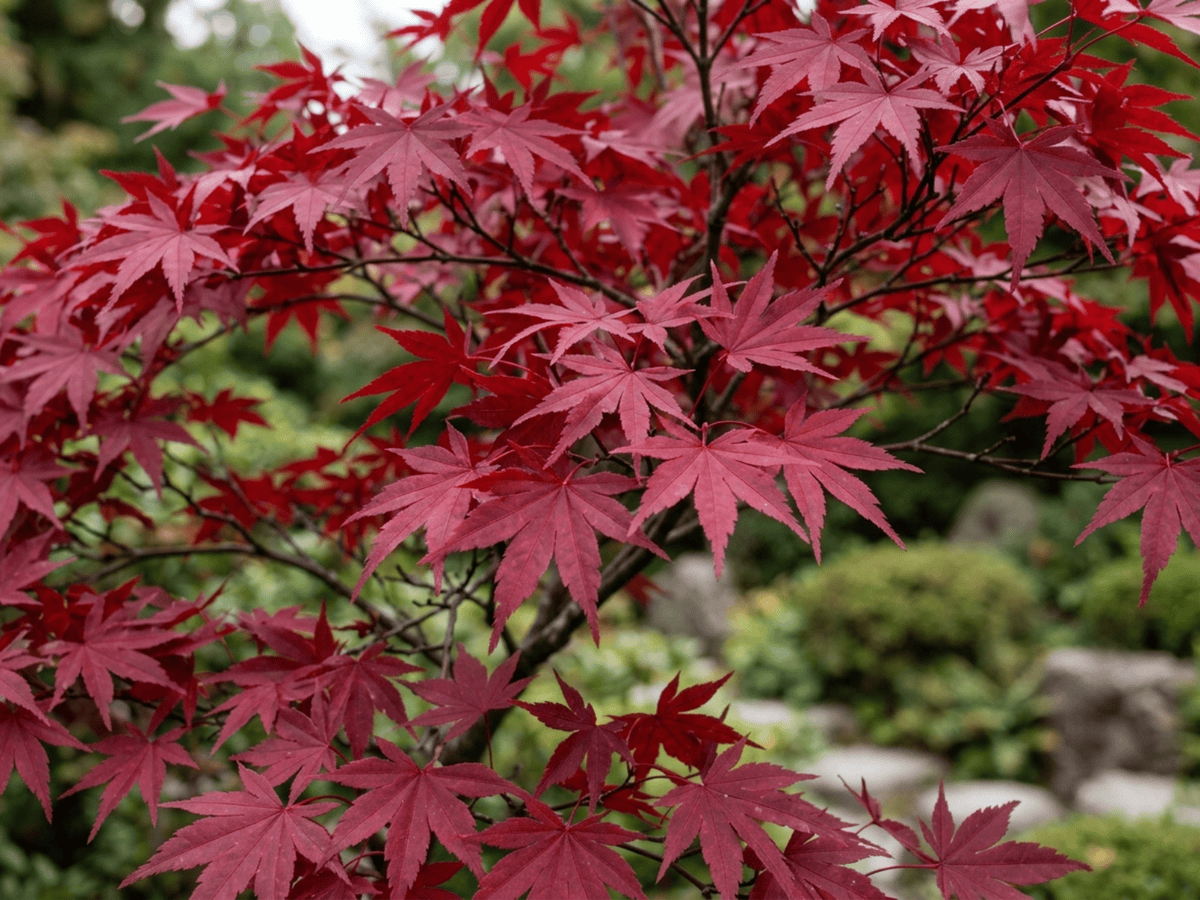 Japanese MapleAcer palmatum
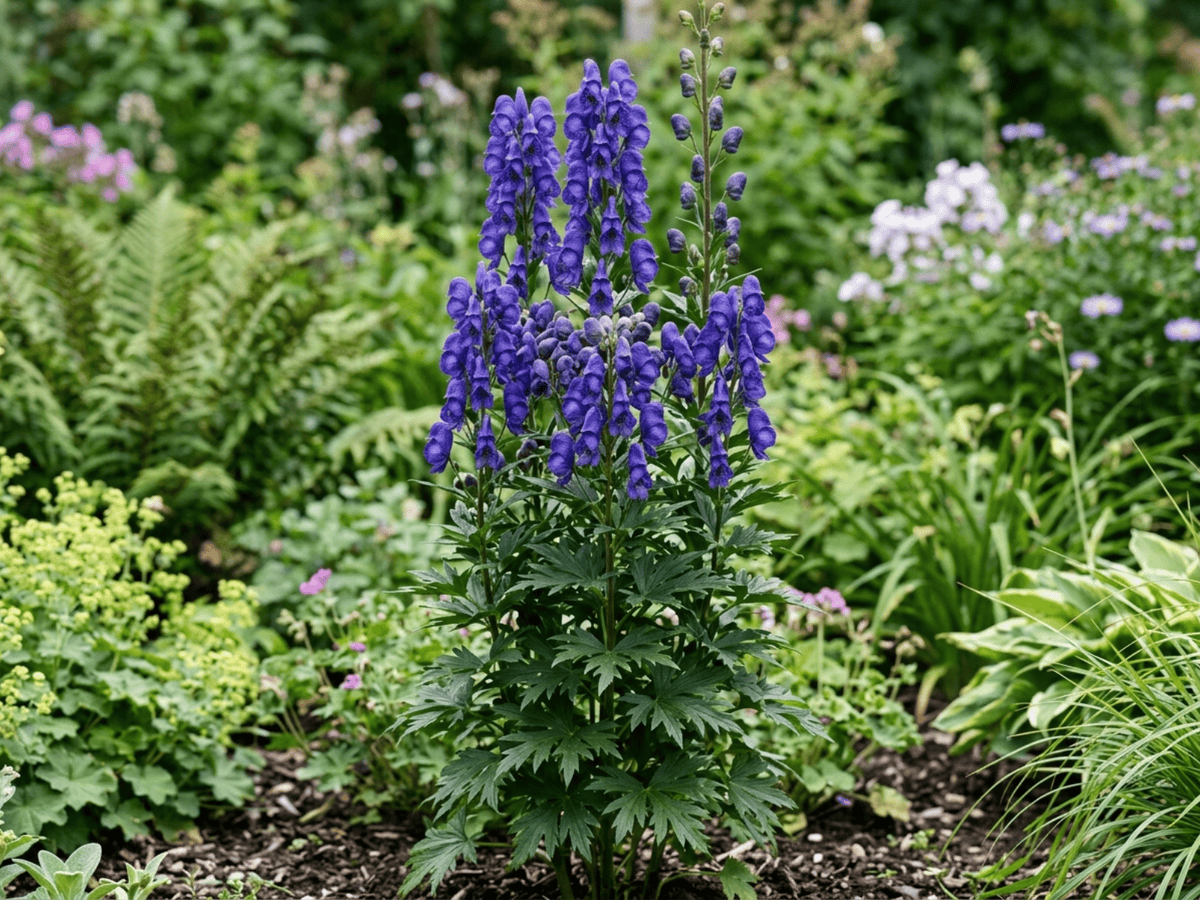 Azure MonkshoodAconitum carmichaelii
 Florida HobblebushAgarista populifolia
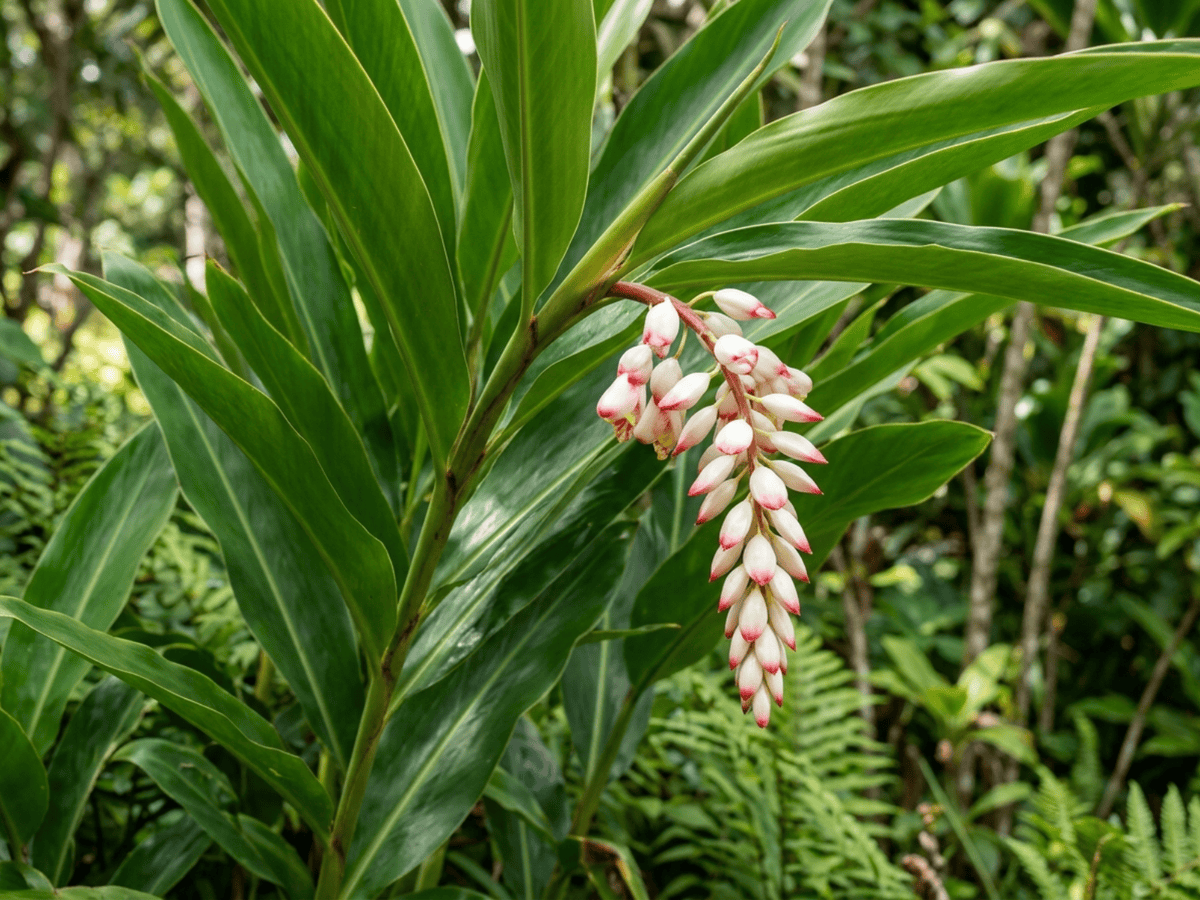 Shell GingerAlpinia zerumbet
Frequently asked questions
How often should I water Japanese Rodgersia?
In summer, water about every 2 days; in winter, about every 10 days. Adjust for heat, pot size and drainage.
How much light does Japanese Rodgersia need?
Part shade: 2–4 hrs direct. Watch the leaves — scorching or stretching means the light needs adjusting.
Is Japanese Rodgersia toxic to cats or dogs?
No toxicity has been reported for this plant. Still, it is wise to keep pets from chewing on any houseplant. Educational information, not medical or veterinary advice. If exposure is suspected, contact a doctor or veterinarian.
Is Japanese Rodgersia easy to grow?
It is moderately demanding: a good choice once you have a little experience.
When does Japanese Rodgersia bloom?
It typically blooms May–Aug in the Northern Hemisphere.
YardMate
Identify any plant in seconds
Snap a photo — YardMate names the plant, diagnoses problems, and reminds you when to water.
Download on the App Store