 YardMate


Damask Rose
Rosa damascena
Medium · Some experienceAbout Damask Rose
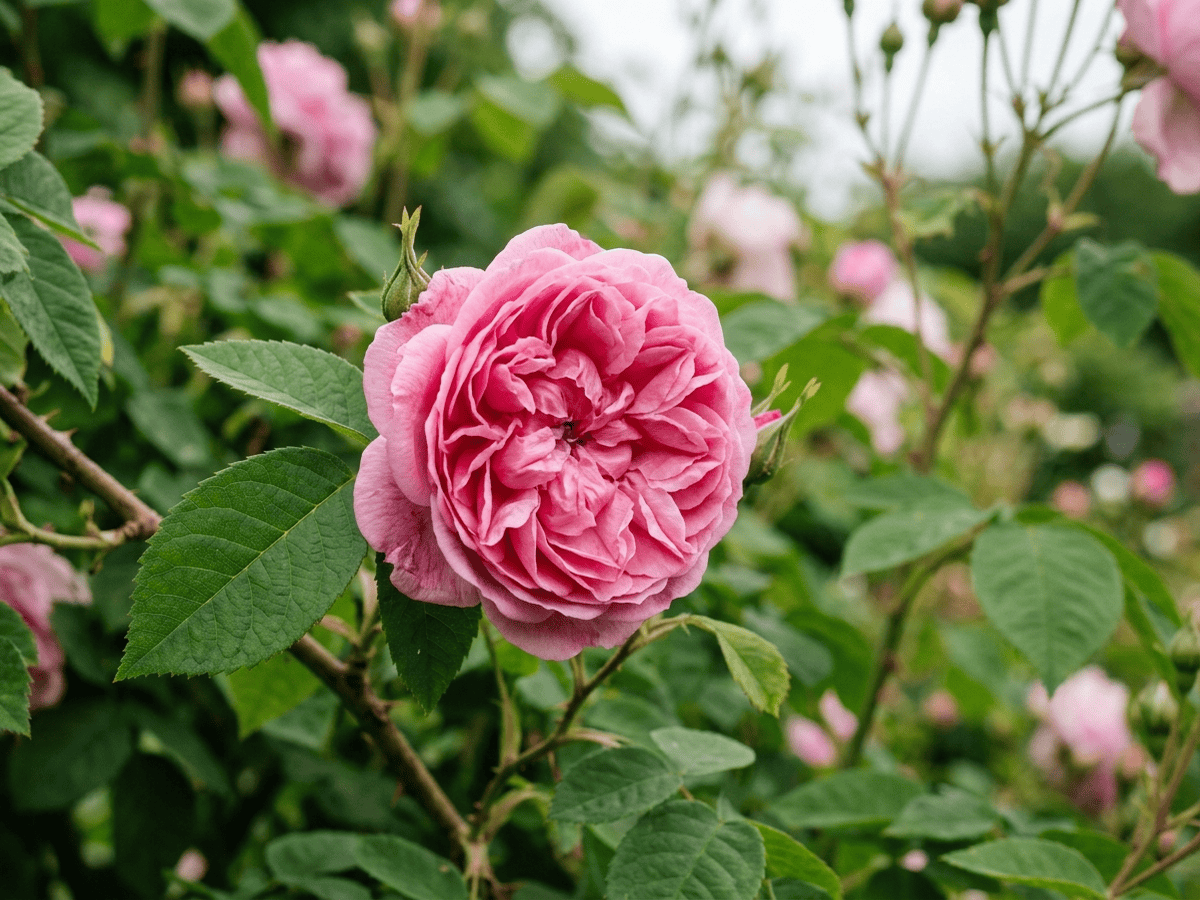
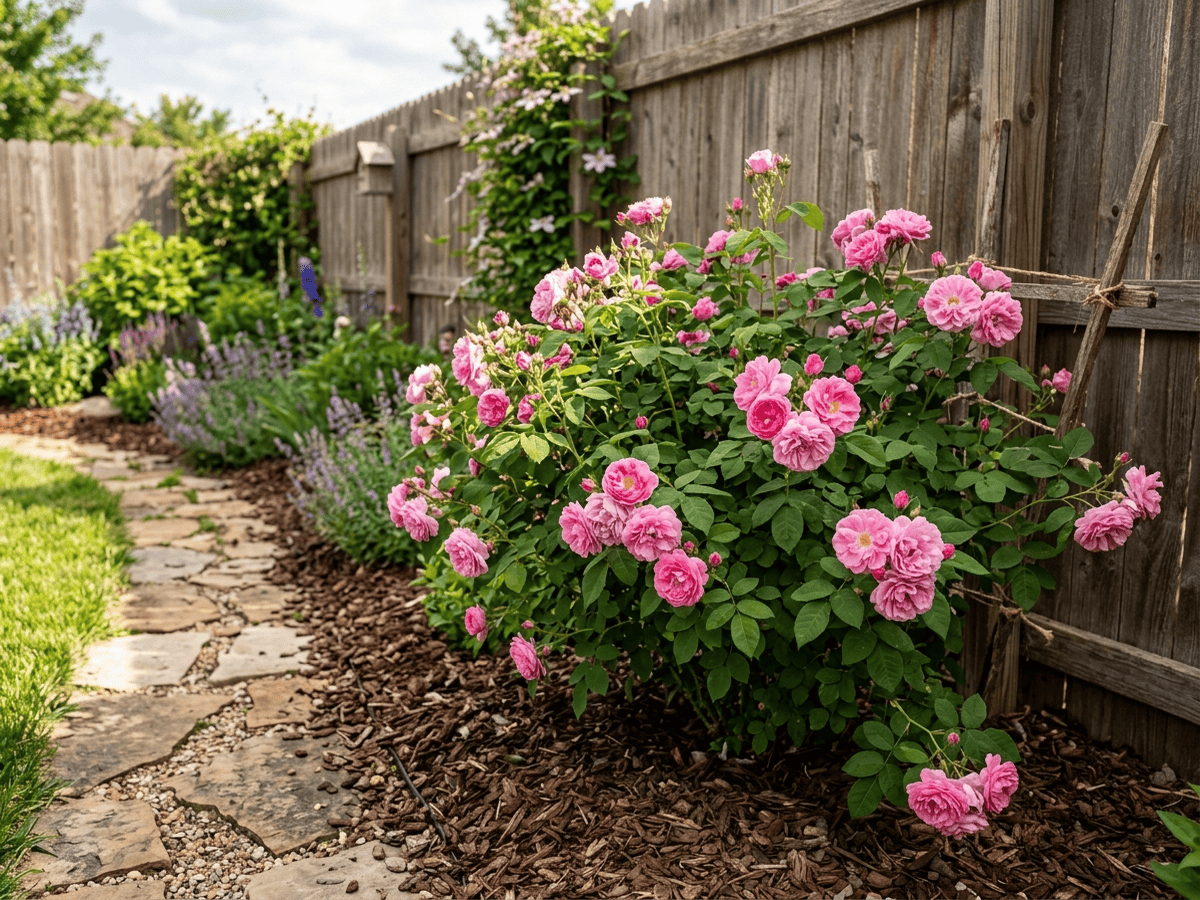
Rosa damascena, the Damask rose, is one of the most historically important roses, cultivated for thousands of years for its intoxicating fragrance. Each bloom has 30–40 velvety pink petals with a complex, rich scent. It is the primary source of rose otto (attar of roses) and rosewater — essential ingredients in perfumery, cuisine, and traditional medicine worldwide. Native to the Middle East, it blooms once in late spring with an overwhelming display. The bushes grow 1.5–2 meters tall with arching, thorny canes. It requires full sun, good air circulation, and regular feeding.
- Fragrant
- Edible
- Medicinal
How to care for Damask Rose
Watering
- Springevery 5 days
- Summerevery 3 days
- Fallevery 7 days
- Winterevery 14 days
Soil · Rich & well-draining
- Top dressingCompost10%
- Main mixPotting soil + compost 3:180%
- DrainageGravel10%
Top up the compost layer each season.
FERTILIZER
Balanced Feed 14-14-14
An even feed covers all three needs at once, keeping leaves, roots and blooms moving together with nothing pushed out of balance.
- Nitrogen · Leaves
- Phosphorus · Roots + Blooms
- Potassium · Strength
- Springevery 30 days
- Summerevery 30 days
- Fallevery 45 days
At a Glance
- NativeWestern Asia
- Height4–7 ft (1.2–2.1 m)
- Spread4–6 ft (1.2–1.8 m)
- Flower colorPink, Red, White
- Foliage colorGreen
- Fruit colorRed
- SoilWell-drained, Loamy, Rich
- LocationsYard
Bloom time
BLOOM CYCLE
Peak bloom
Mar–May
Once-blooming in late spring; overwhelming fragrance
Fragrance
STRONG FRAGRANCE
The benchmark rose fragrance — the source of attar of roses and most premium rose perfumes.
Toxicity
No toxicity has been reported for this plant. Still, it is wise to keep pets from chewing on any houseplant.
Educational information, not medical or veterinary advice. If exposure is suspected, contact a doctor or veterinarian.
DISTRIBUTION


- Native
- Western Asia
History
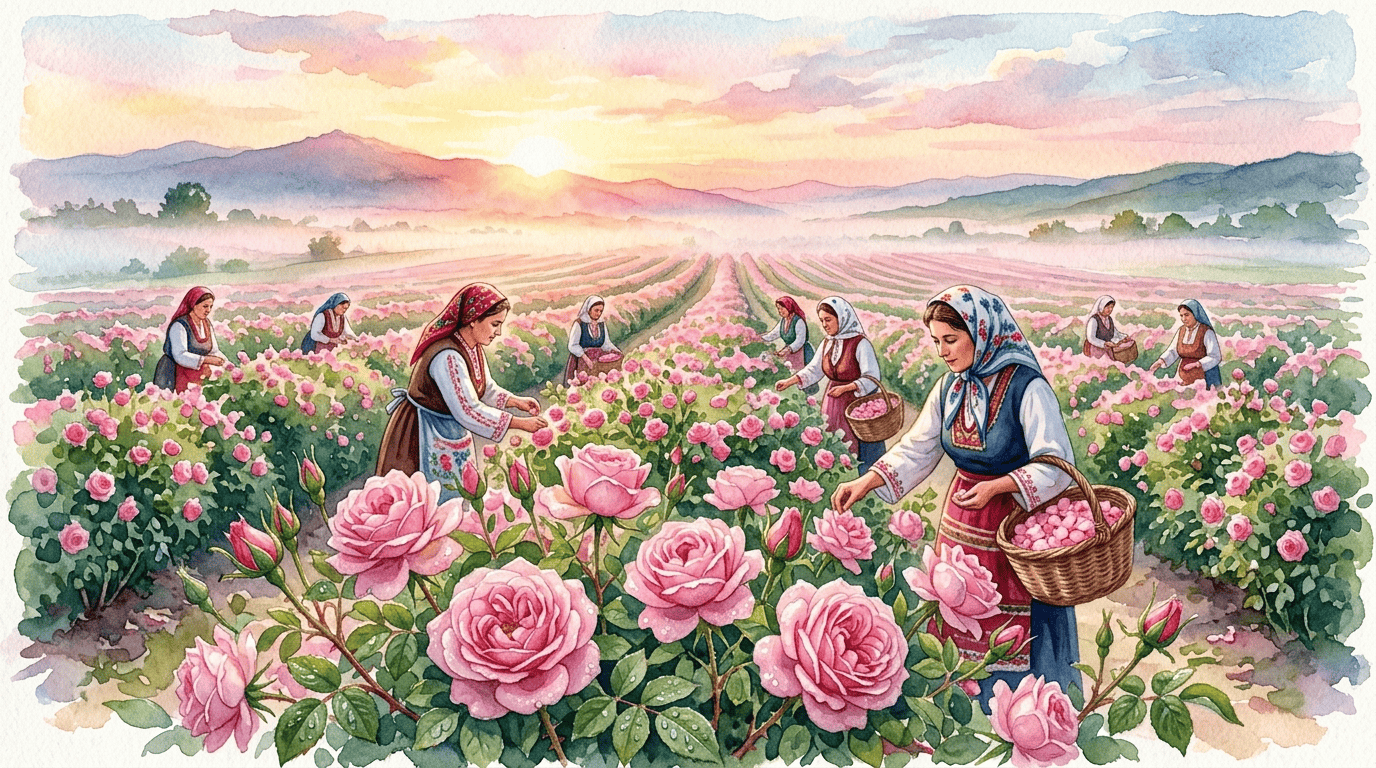
Rosa damascena is a natural hybrid (R. gallica × R. moschata × R. fedtschenkoana) of ancient origin, probably arising in the Caucasus region. It has been cultivated for rose oil (attar of roses) since at least the Persian Sassanid era (3rd–7th centuries CE), and Arab chemist al-Kindi described its distillation in the 9th century. Today two regions dominate the global trade: the Rose Valley around Kazanlak in Bulgaria, producing about 70% of global rose oil, and Isparta province in Turkey, producing about 25%.
The economics are staggering: approximately 4,000 kg of petals, hand-picked at dawn over a four-week window, yield a single liter of oil, which sells wholesale for $7,000–$15,000. Non-toxic to pets. The Damask rose has been cultivated for at least 5,000 years, possibly originating near Damascus, Syria.
Ancient Persians perfected the art of rose water distillation, and the city of Kashan in Iran remains a major production center. Bulgaria's 'Valley of Roses' near Kazanlak has been the world's premier rose oil region since the 17th century — it takes approximately 3,500 kg of Damask rose petals to produce just 1 kg of rose otto, making it one of the most expensive essential oils. Cleopatra reportedly filled the sails of her barge with rose petals to greet Mark Antony, and Roman banquets were showered with Damask rose petals.
Symbolism & meaning
What It Symbolizes
The Damask Rose has carried Devotion for millennia — cultivated in Persian gardens, distilled into rose water for sacred and bridal rites, and laid before saints in Europe. Each crumpled pink bloom holds a fragrance that has perfumed weddings, prayers, and love poems for thousands of years. A flower whose loyalty is measured in entire civilizations.
- Devotion — Cultivated for millennia for its scent, it represents timeless, deep love
Where the Name Comes From
Rosa from Latin for rose. Damascena refers to Damascus, Syria, the ancient city associated with this rose's origin.
Uses & Fun Facts
- Petals distilled into rose otto, the classic perfumery oil
- Petals flavor Middle Eastern sweets, syrups, and rosewater
- Sacred ancient rose central to Persian and Ottoman traditions
- Heritage shrub with one spectacular early-summer flush
Related plants
More Rosa plants
 About FaceRosa 'About Face'
 Abraham DarbyRosa 'Abraham Darby'
 AmericaRosa 'America'
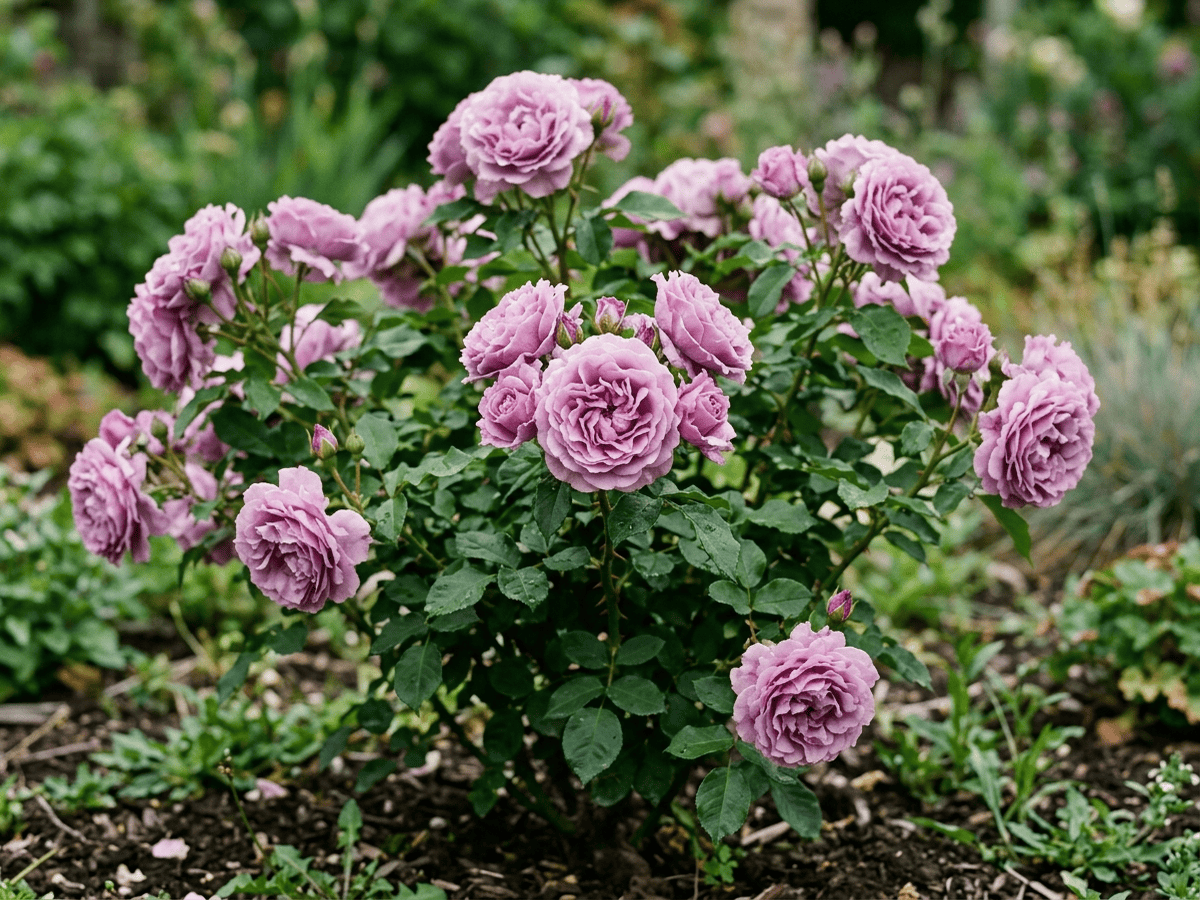 Angel FaceRosa 'Angel Face'
Plants with similar care
 Mexican AbeliaAbelia floribunda
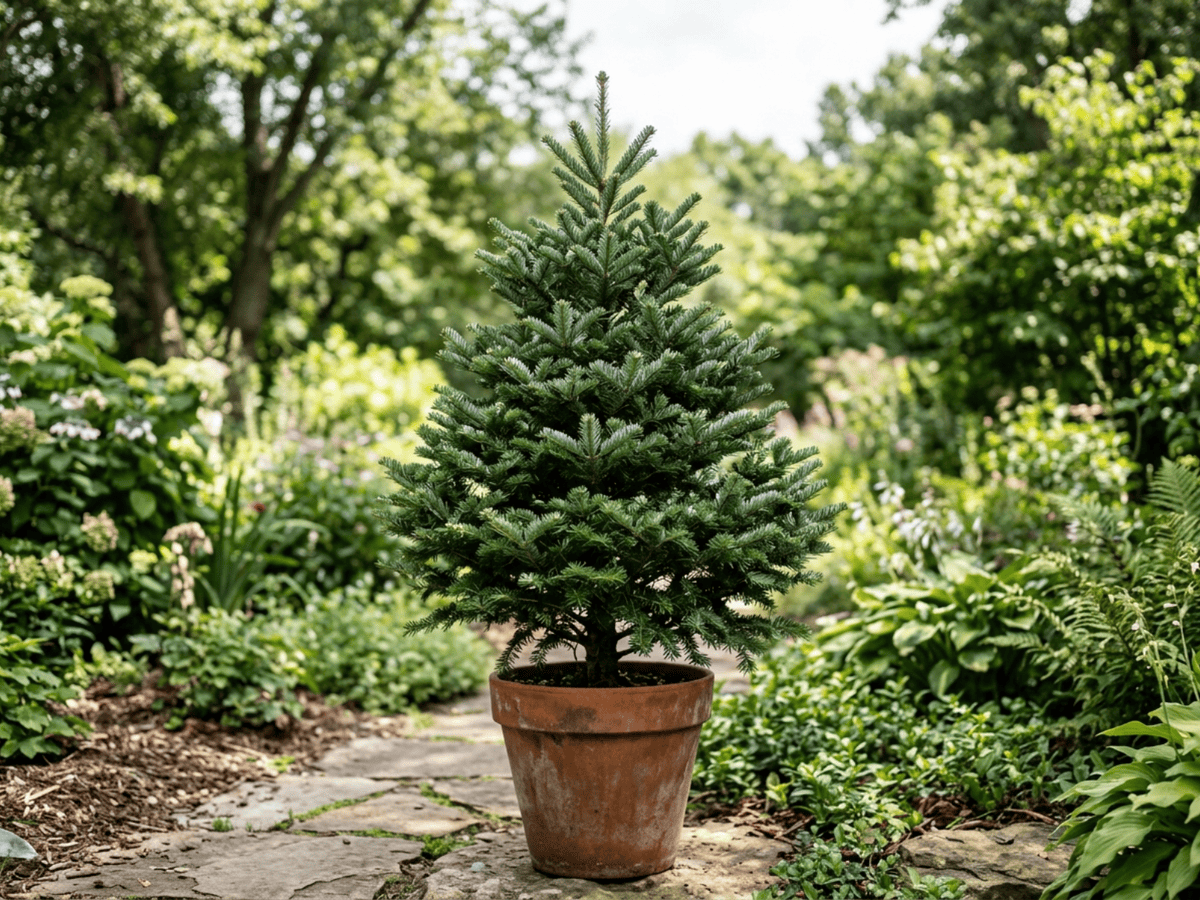 Fraser FirAbies fraseri
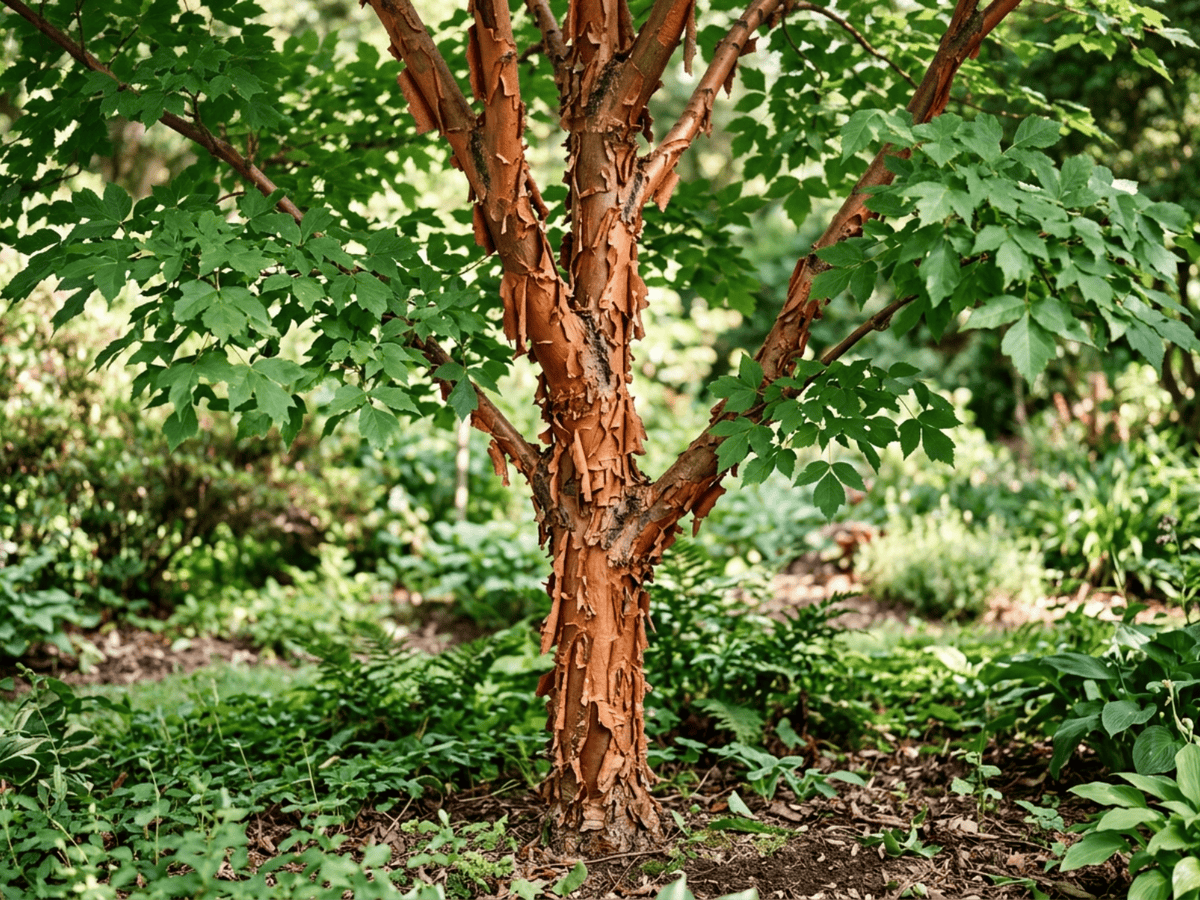 Paperbark MapleAcer griseum
 Sugar MapleAcer saccharum
Frequently asked questions
How often should I water Damask Rose?
In summer, water about every 3 days; in winter, about every 14 days. Adjust for heat, pot size and drainage.
How much light does Damask Rose need?
Full sun: 6+ hrs direct. Watch the leaves — scorching or stretching means the light needs adjusting.
Is Damask Rose toxic to cats or dogs?
No toxicity has been reported for this plant. Still, it is wise to keep pets from chewing on any houseplant. Educational information, not medical or veterinary advice. If exposure is suspected, contact a doctor or veterinarian.
Is Damask Rose easy to grow?
It is moderately demanding: a good choice once you have a little experience.
When does Damask Rose bloom?
It typically blooms Mar–May in the Northern Hemisphere.
YardMate
Identify any plant in seconds
Snap a photo — YardMate names the plant, diagnoses problems, and reminds you when to water.
Download on the App Store