 YardMate

Curled Dock
Rumex crispus
Easy · Beginner friendlyAbout Curled Dock
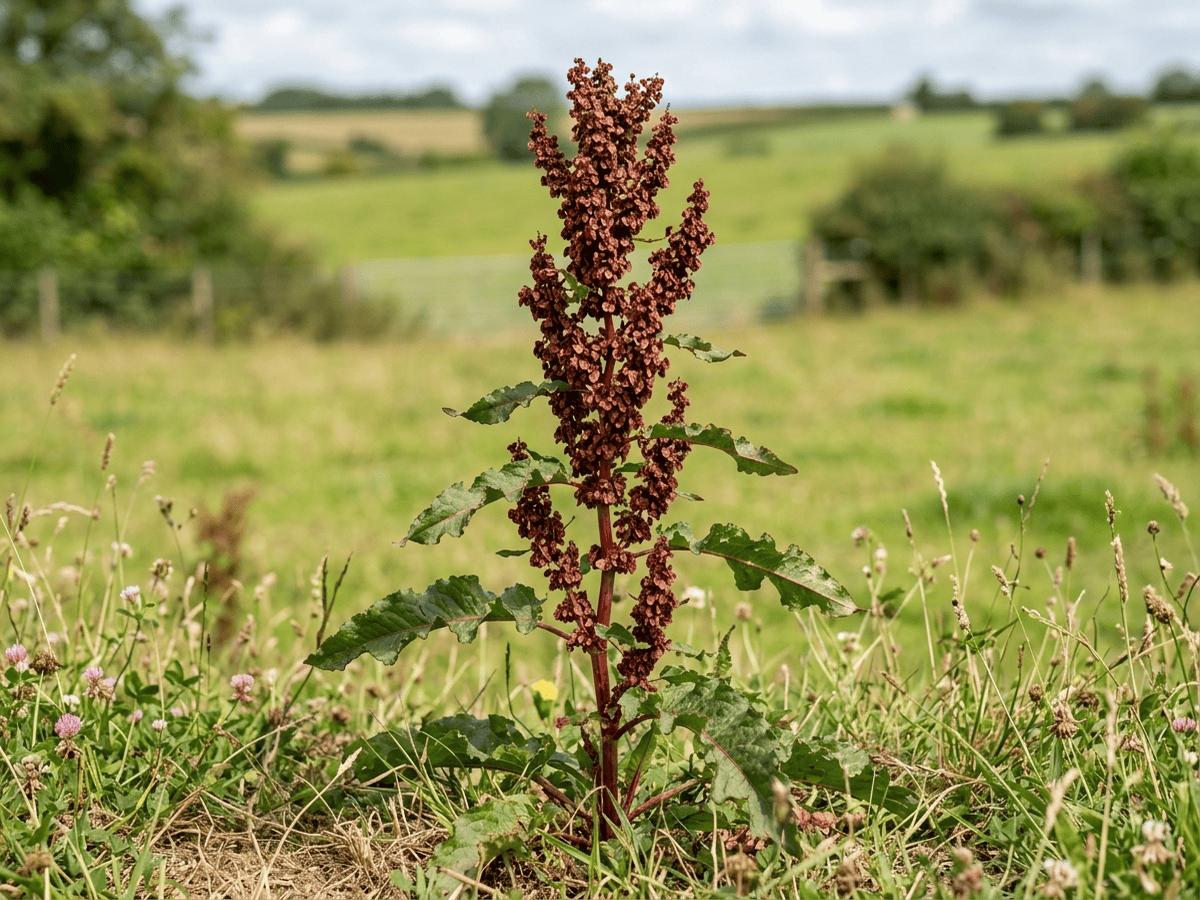
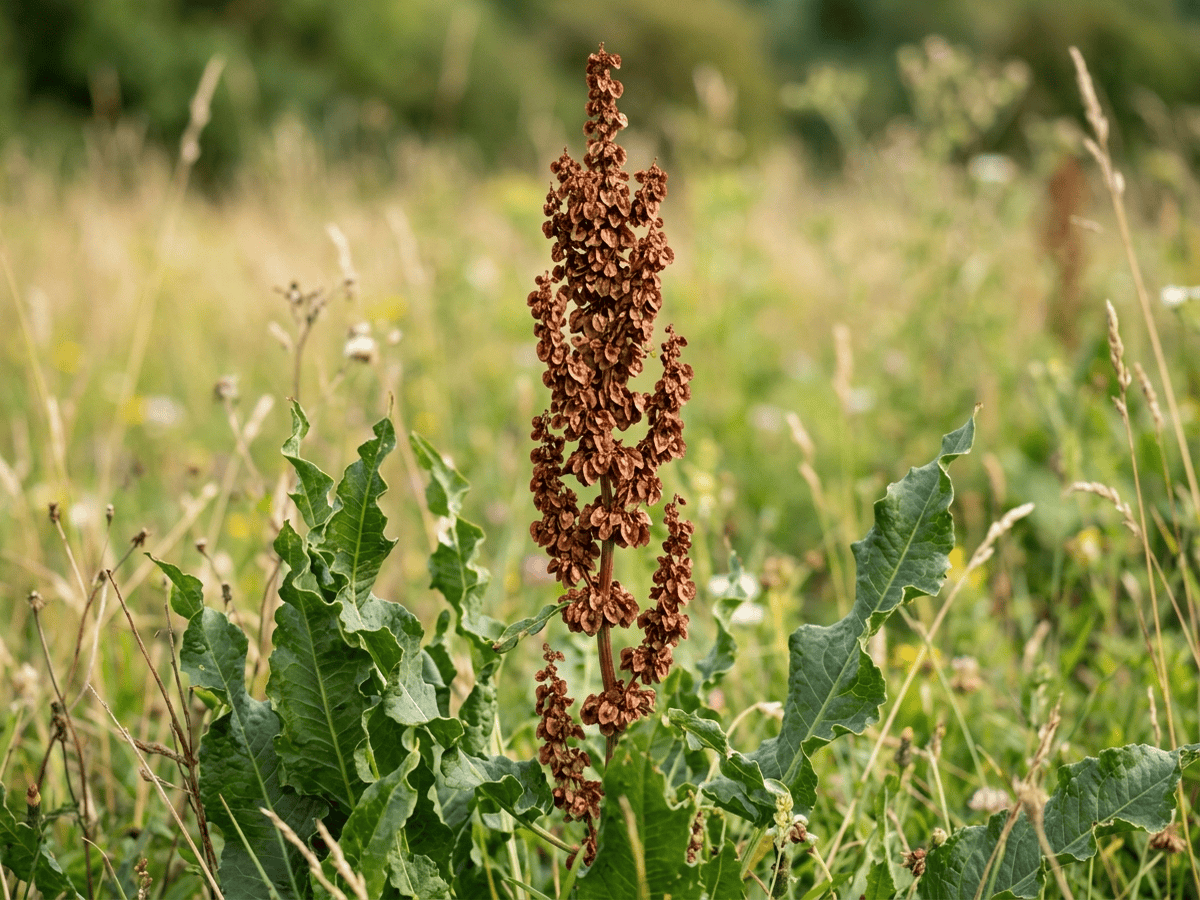
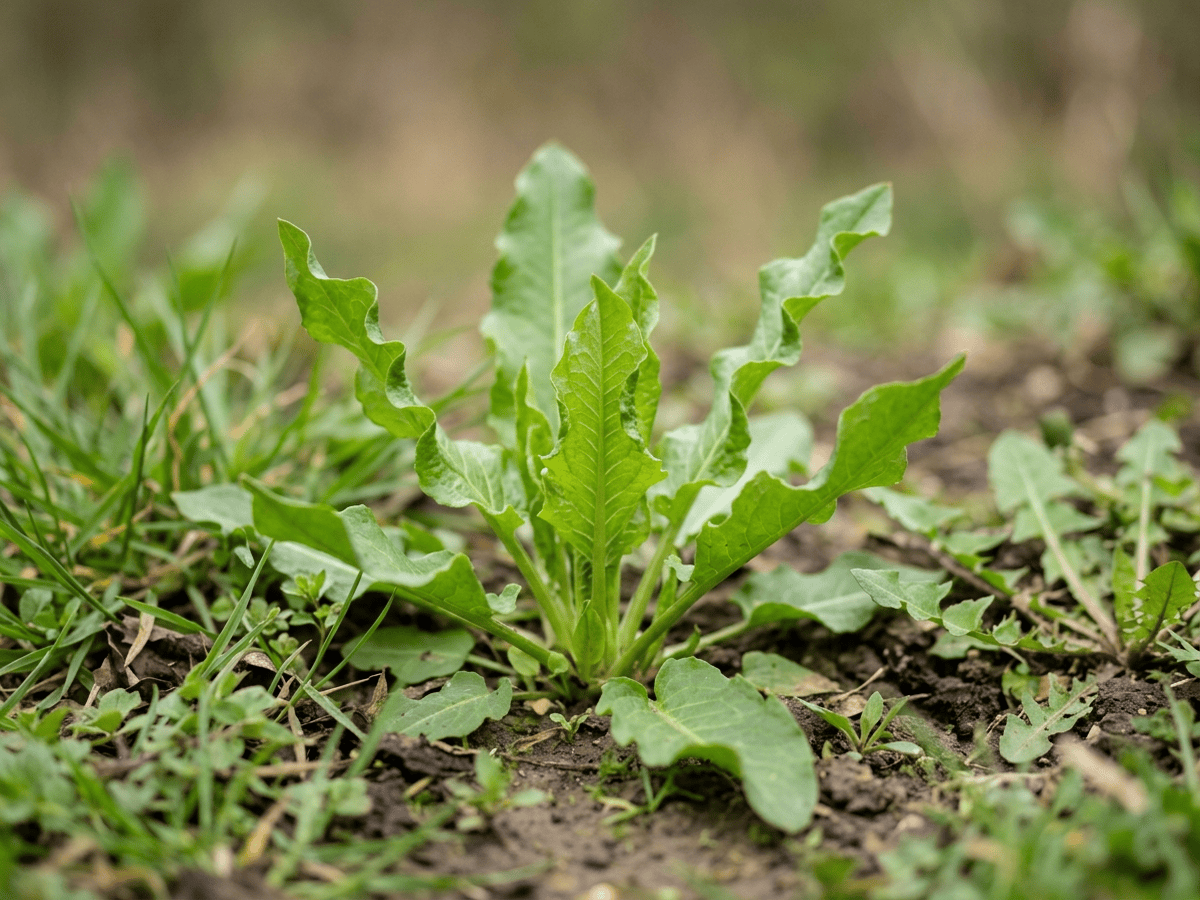
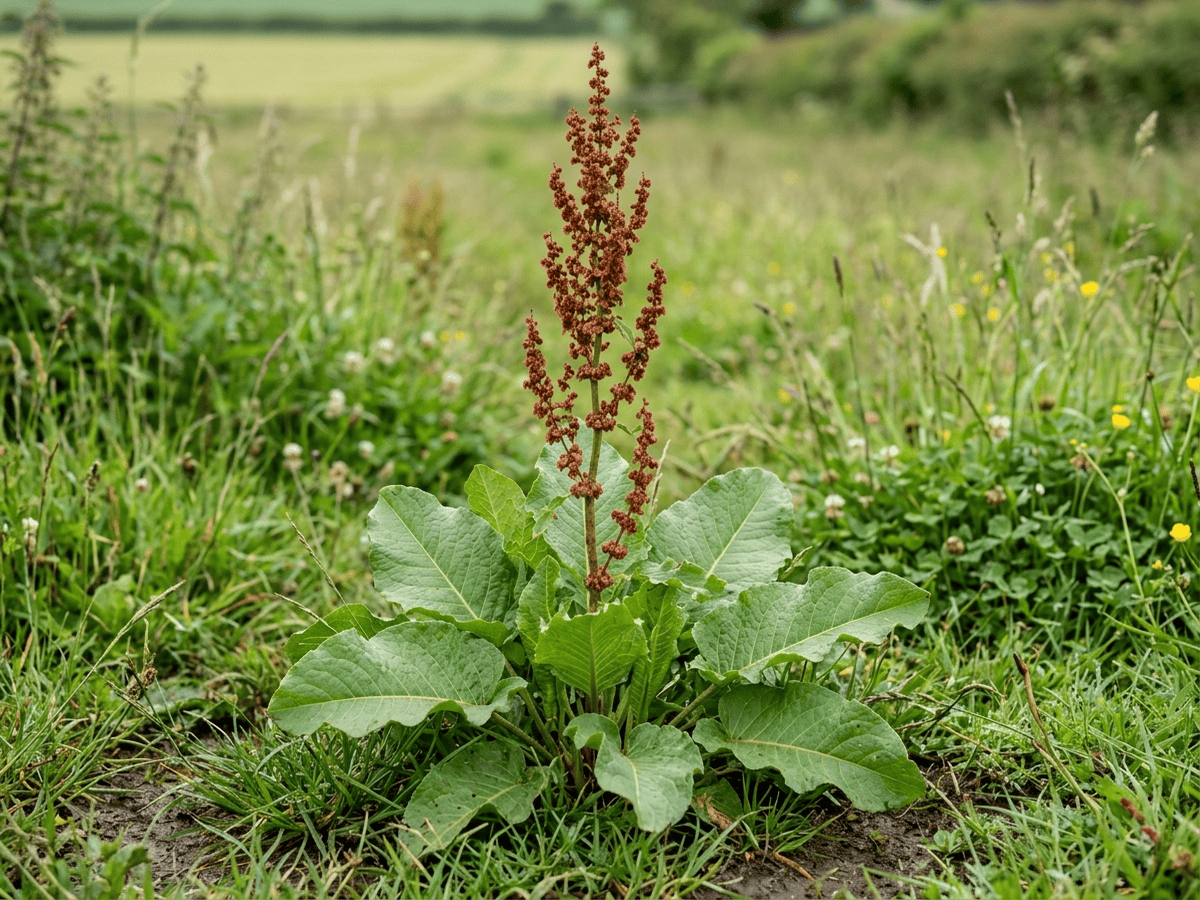
Curly Dock is a European perennial weed naturalized throughout the US, forming deep fleshy taproots and rosettes of distinctive wavy-edged lance-shaped leaves. Growing 2 to 5 feet tall at flowering, it produces tall rust-brown flower and seed stalks visible across American meadows, pastures, roadsides, and agricultural land from summer through winter. An extremely persistent aggressive weed extremely difficult to eradicate due to deep taproots.
- Drought-tolerant
How to care for Curled Dock
Watering
- Springevery 14 days
- Summerevery 10 days
- Fallevery 14 days
- Winterevery 30 days
Soil · Rich & well-draining
- Top dressingCompost10%
- Main mixPotting soil + compost 3:180%
- DrainageGravel10%
Top up the compost layer each season.
FERTILIZER
This plant needs little to no feeding.
At a Glance
- NativeEurope, Africa, Western Asia
- Height2–4 ft (0.6–1.2 m)
- Spread1–2 ft (0.3–0.6 m)
- Flower colorBurgundy, Red
- Foliage colorGreen
- Fruit colorBrown
- SoilLoamy, Moisture-retentive, Clay
- LocationsYard
Bloom time
BLOOM CYCLE
Peak bloom
Jan, Feb, Jun, Jul, Aug, Dec
Rust-brown flower and seed spikes summer to winter
Toxicity
Humans Slight · Pets Slight
oxalic acid and anthraquinones
Slight
- Leaf
- Ingestion
EXPOSURE Eating leaves.
EFFECT Stomach upset and kidney irritation with large amounts.
NOTE Young leaves edible cooked; large quantities harmful due to oxalates.
Slight
- Leaf
- Ingestion
EXPOSURE Eating leaves.
EFFECT Drooling and vomiting.
NOTE Young leaves edible cooked; large quantities harmful due to oxalates.
Slight
- Leaf
- Ingestion
EXPOSURE Eating leaves.
EFFECT Drooling and vomiting.
NOTE Young leaves edible cooked; large quantities harmful due to oxalates.
Educational information, not medical or veterinary advice. If exposure is suspected, contact a doctor or veterinarian.
DISTRIBUTION

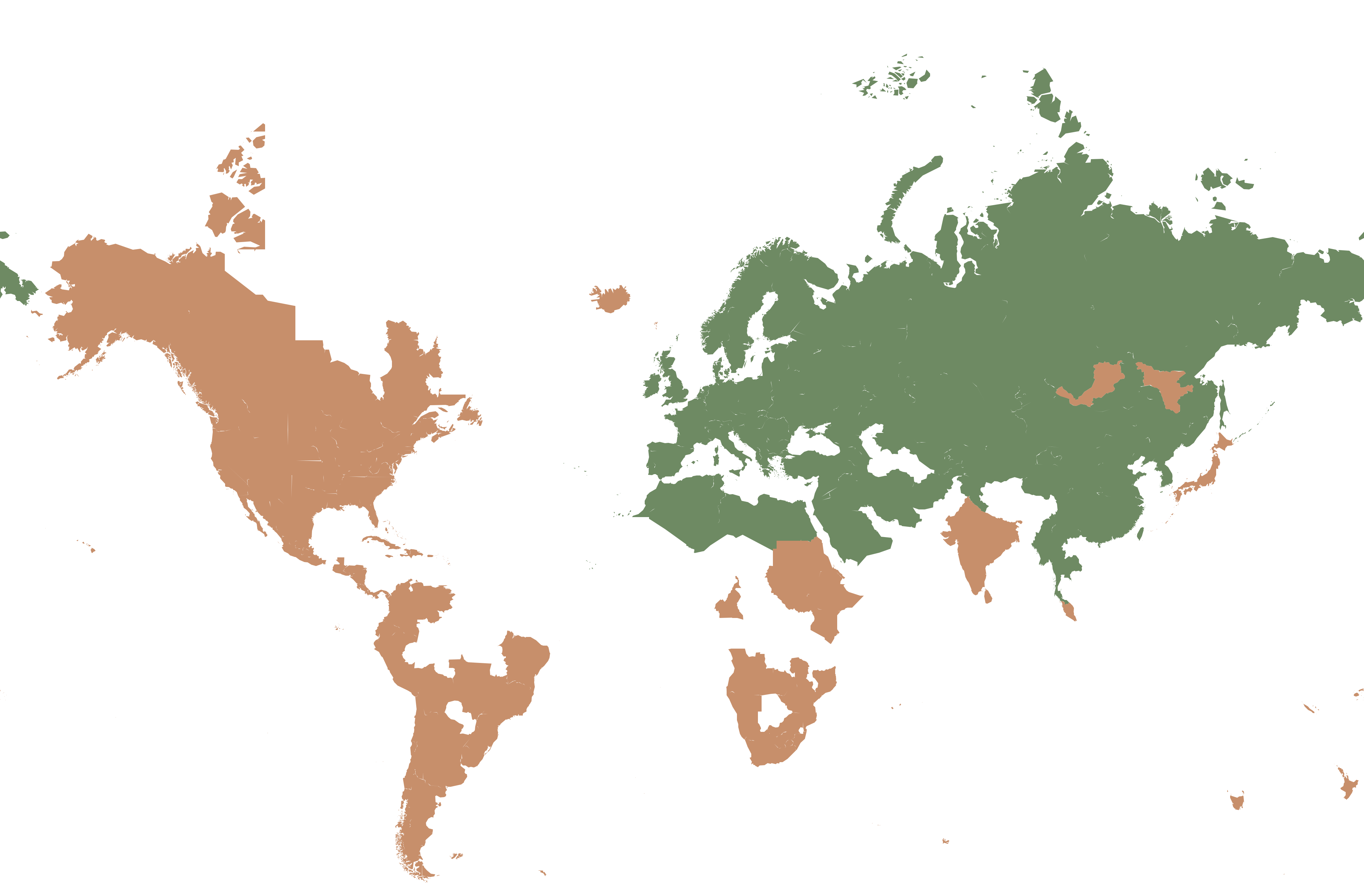
- Native
- Introduced
- Europe
- Africa
- Western Asia
History
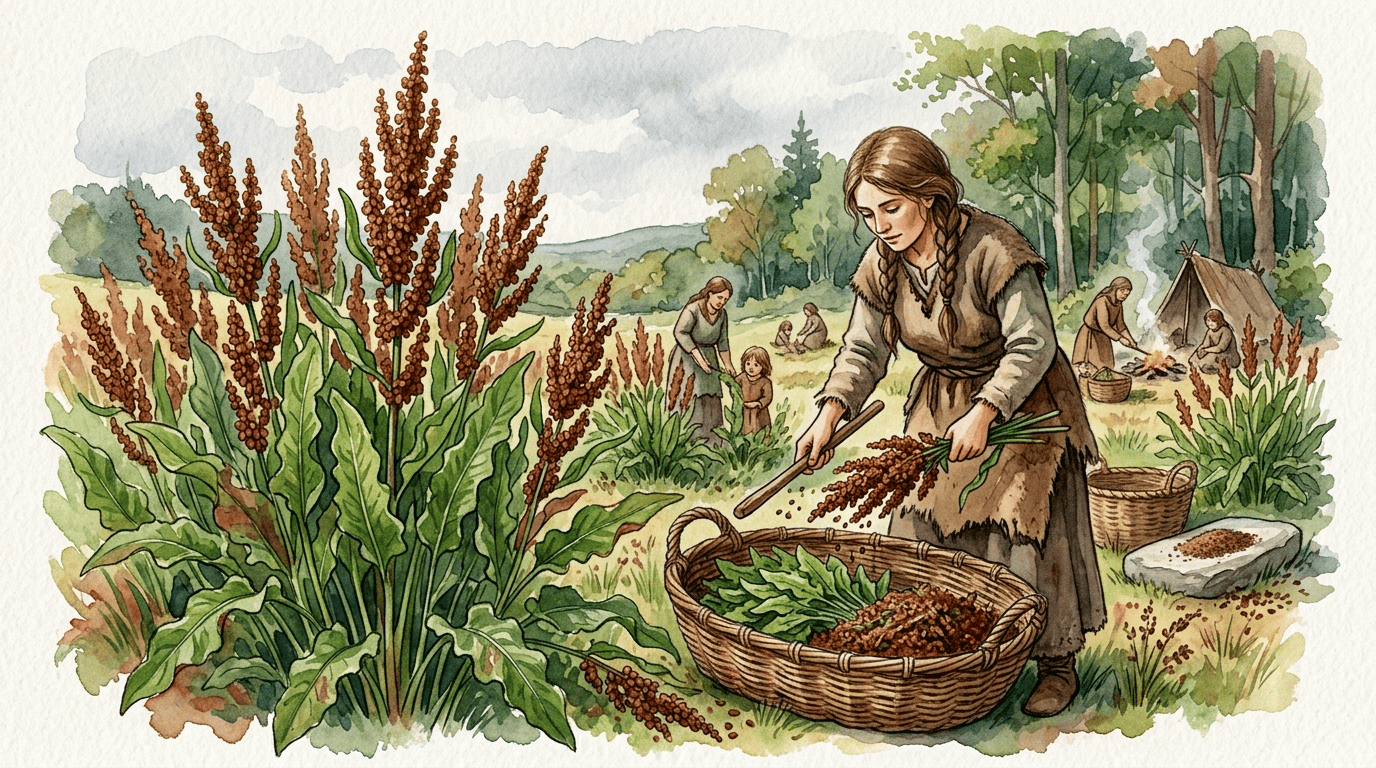
Rumex crispus, curly or yellow dock, is a long-lived perennial in the buckwheat family native to Europe, North Africa, and western Asia. Archaeological evidence shows people have gathered its young leaves and winnowed its abundant seeds since Neolithic times, and in lean years dock seeds ground into flour helped sustain rural populations. Medieval and early modern herbals prescribed the bright yellow taproot as a mild laxative, blood purifier, and treatment for skin complaints, uses that continue in modern Western herbalism.
European settlers carried the species worldwide, where it has become a cosmopolitan weed of pastures, roadsides, and cultivated fields. The plant accumulates oxalic acid in its leaves, making large quantities harmful, and livestock occasionally suffer poisoning on heavy infestations.
Native to Europe, Curly Dock arrived in America with colonial agriculture and is now one of the most widespread perennial weeds in US pastures, hayfields, and disturbed ground. Its enormously deep taproot and prolific seed production (up to 60,000 seeds per plant) make it extremely difficult to eradicate from American farmland.
Symbolism & meaning
What It Symbolizes
Curled Dock is stubborn patience with a rust-colored finish. It rises from disturbed soil, sends down a deep taproot, and holds papery seed clusters long after the leaves have weathered. Its meaning is tenacity in neglected places: the plant that remains after tidier ambitions have moved on.
- Stubborn root — taproot regrows from any fragment
- Folk remedy — traditional poultice for skin irritation
Where the Name Comes From
'Rumex' is the old Latin name for sorrel and dock; 'crispus' from Latin means curled, for the wavy leaf margins.
Uses & Fun Facts
- Young sour leaves used in soups and traditional dishes
- Roots used in herbalism for skin and digestive complaints
Related plants
More Rumex plants
Plants with similar care
 Chinese AbeliaAbelia chinensis
 Fragrant AbeliaAbelia mosanensis
 Large-Flowered AbeliaAbelia uniflora
 Glossy AbeliaAbelia x grandiflora
Frequently asked questions
How often should I water Curled Dock?
In summer, water about every 10 days; in winter, about every 30 days. Adjust for heat, pot size and drainage.
How much light does Curled Dock need?
Full sun: 6+ hrs direct. Watch the leaves — scorching or stretching means the light needs adjusting.
Is Curled Dock toxic to cats or dogs?
Pets Slight (Dogs Slight · Cats Slight) Educational information, not medical or veterinary advice. If exposure is suspected, contact a doctor or veterinarian.
Is Curled Dock easy to grow?
Yes — it is considered an easy, beginner-friendly plant.
When does Curled Dock bloom?
It typically blooms Jan, Feb, Jun, Jul, Aug, Dec in the Northern Hemisphere.
YardMate
Identify any plant in seconds
Snap a photo — YardMate names the plant, diagnoses problems, and reminds you when to water.
Download on the App Store