 YardMate

Broad-Leaved Dock
Rumex obtusifolius
Easy · Beginner friendlyAbout Broad-Leaved Dock
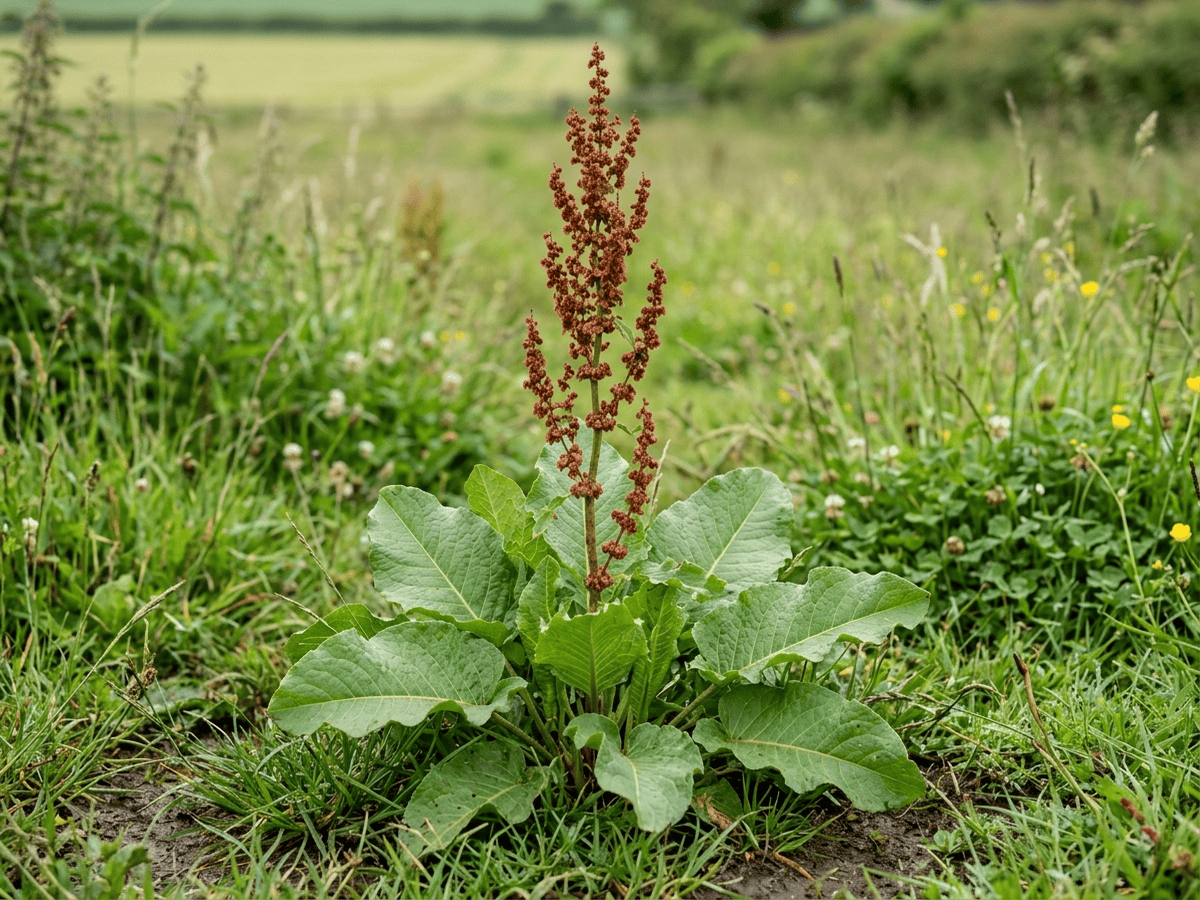
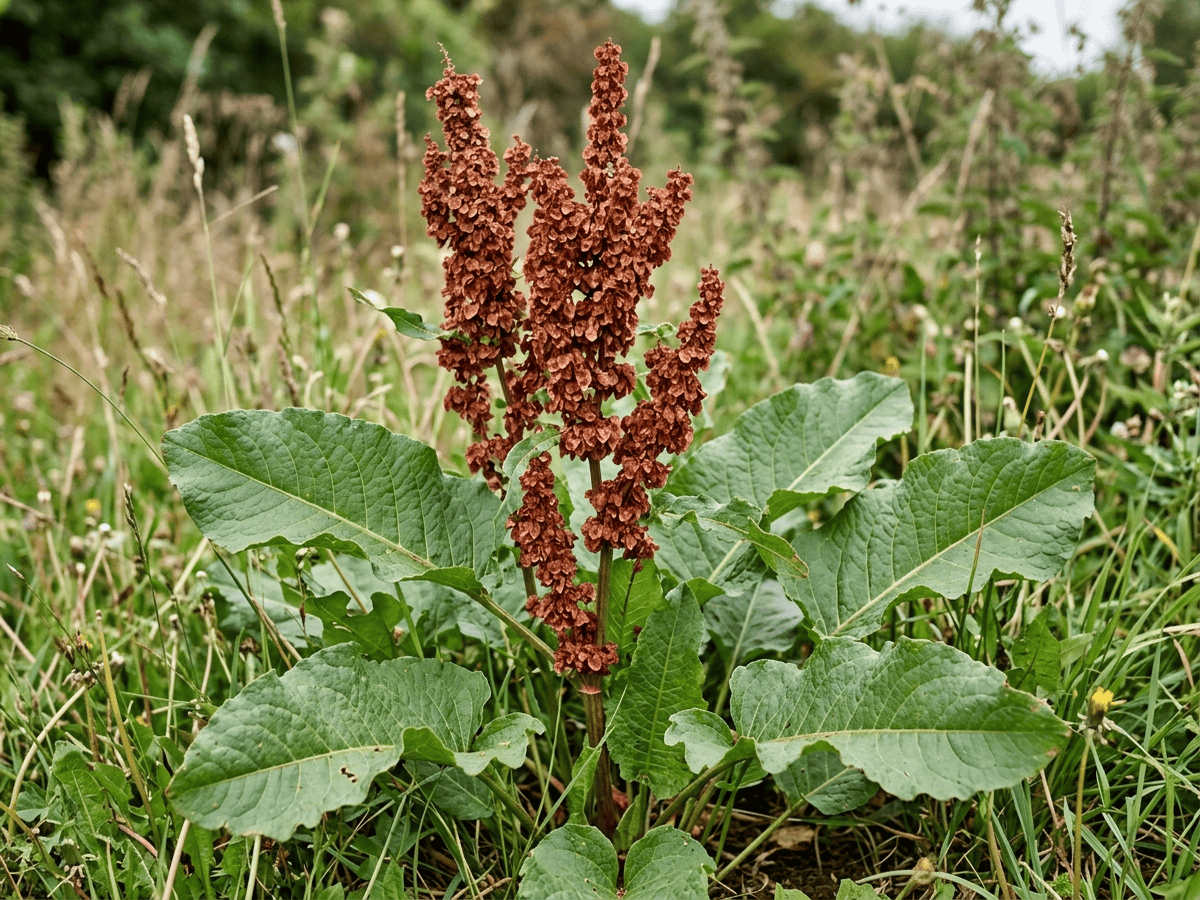
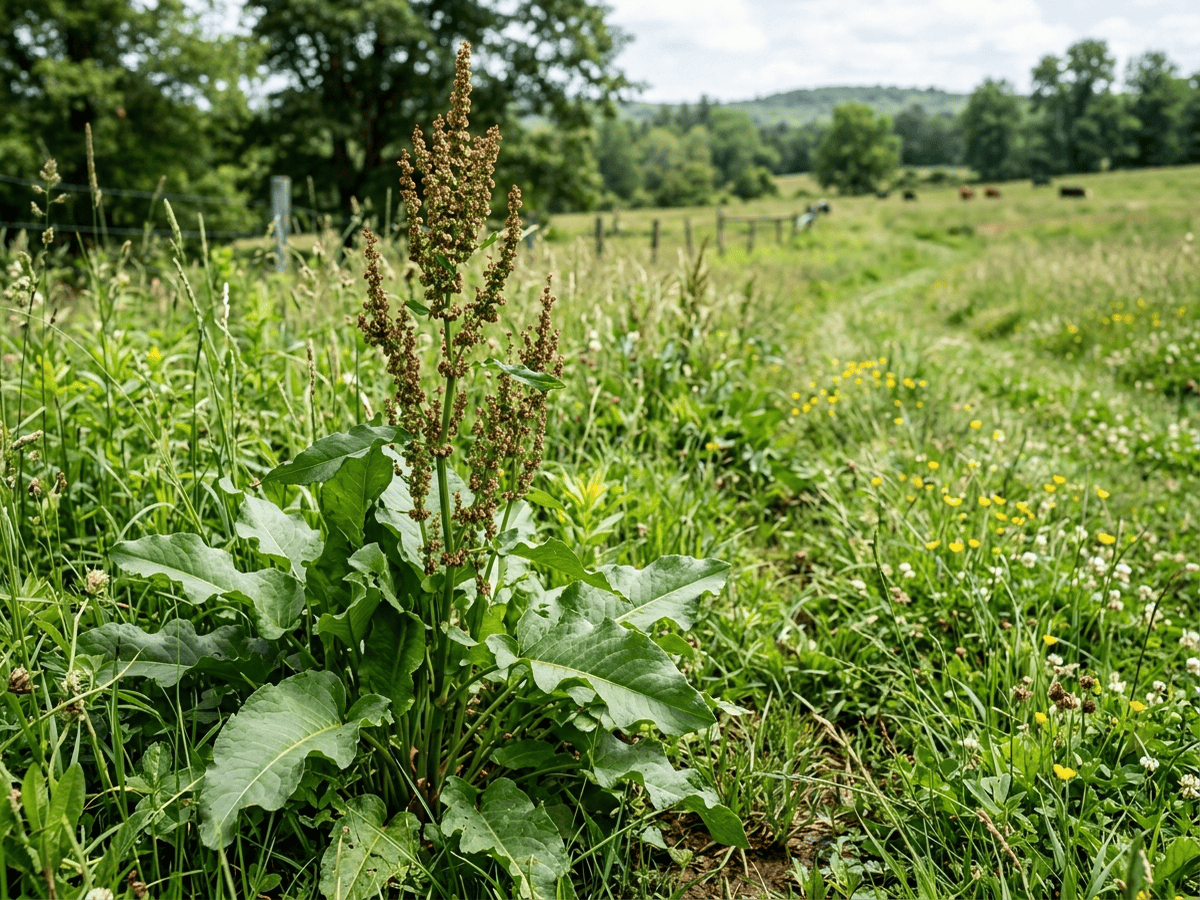
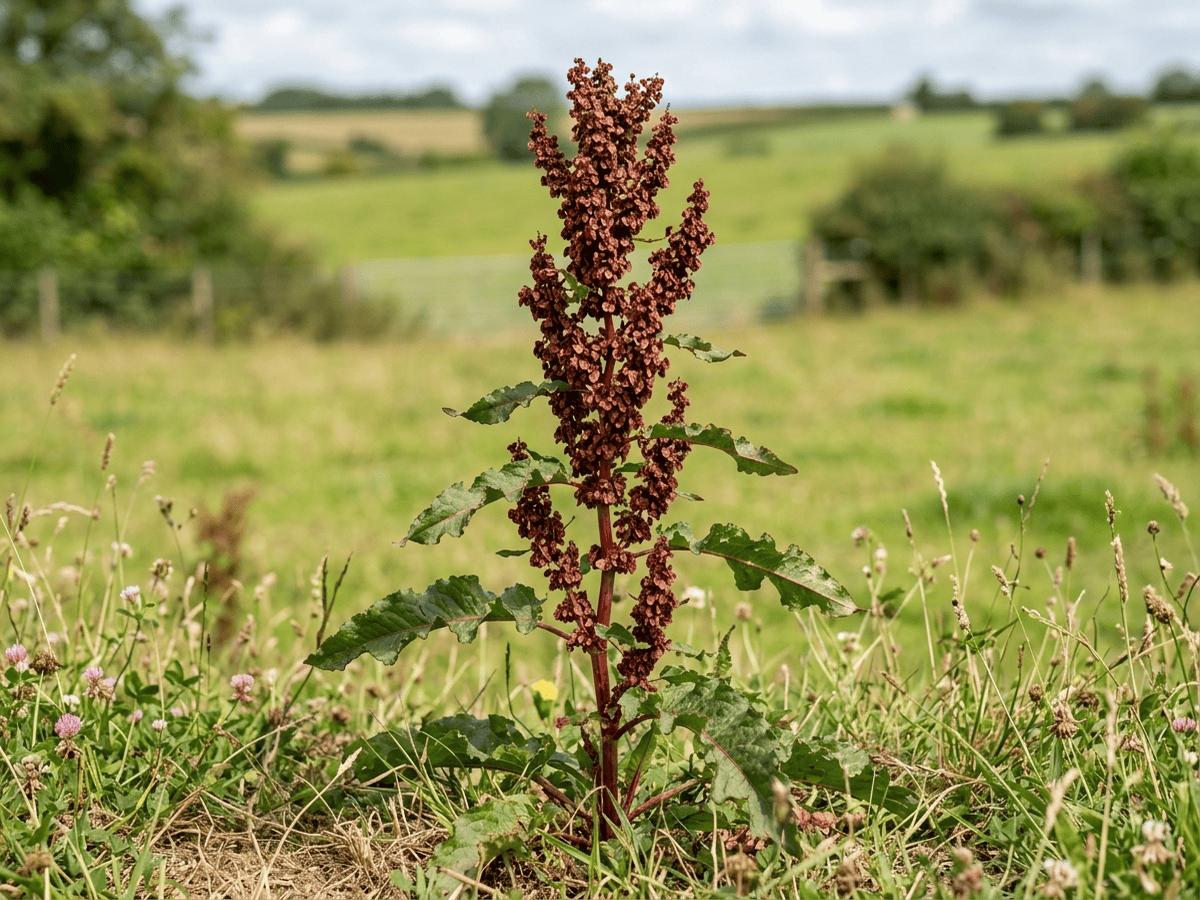
Broadleaf Dock is a European perennial weed similar to Curly Dock but with broader oval leaves and red-tinged flower stalks, naturalized throughout the US as a pasture and garden pest. Growing 2 to 4 feet tall with a deep fleshy taproot, it produces tall flower spikes of small green flowers that turn rust brown with age. Common across American meadows, pastures, and disturbed moist ground, listed noxious in parts of the western US.
- Edible
- Medicinal
- Fast-growing
How to care for Broad-Leaved Dock
Watering
- Springevery 14 days
- Summerevery 10 days
- Fallevery 14 days
- Winterevery 30 days
Soil · Well-draining
- Top dressingPine bark mulch10%
- Main mixPotting soil + perlite 2:170%
- DrainageLECA / gravel20%
Never skip the drainage layer — standing water is the top cause of root rot.
FERTILIZER
This plant needs little to no feeding.
At a Glance
- NativeEurope, Africa, Western Asia
- Height2–4 ft (0.6–1.2 m)
- Spread1–2 ft (0.3–0.6 m)
- Flower colorGreen, Red
- Foliage colorGreen
- Fruit colorBrown
- SoilLoamy, Moisture-retentive
- LocationsYard
Bloom time
BLOOM CYCLE
Peak bloom
Jun–Nov
Green-to-rust flower spikes summer to fall
Toxicity
Humans Slight · Pets Slight
oxalic acid and anthraquinones
Slight
- Leaf
- Ingestion
EXPOSURE Eating leaves.
EFFECT Stomach upset.
NOTE Contains oxalates; large quantities harmful to livestock.
Slight
- Leaf
- Ingestion
EXPOSURE Eating leaves.
EFFECT Drooling and vomiting.
NOTE Contains oxalates; large quantities harmful to livestock.
Slight
- Leaf
- Ingestion
EXPOSURE Eating leaves.
EFFECT Drooling and vomiting.
NOTE Contains oxalates; large quantities harmful to livestock.
Educational information, not medical or veterinary advice. If exposure is suspected, contact a doctor or veterinarian.
DISTRIBUTION

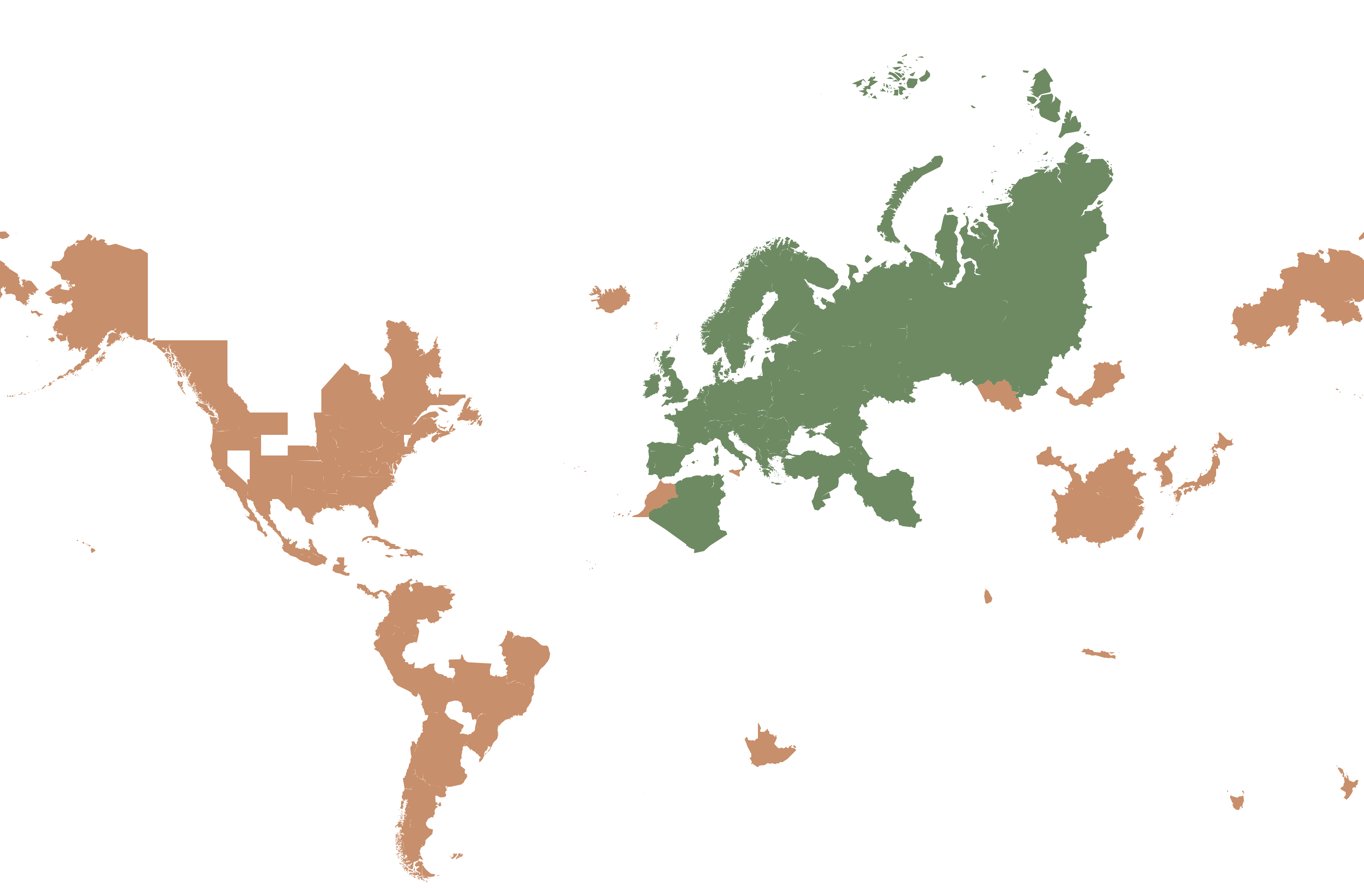
- Native
- Introduced
- Europe
- Africa
- Western Asia
History
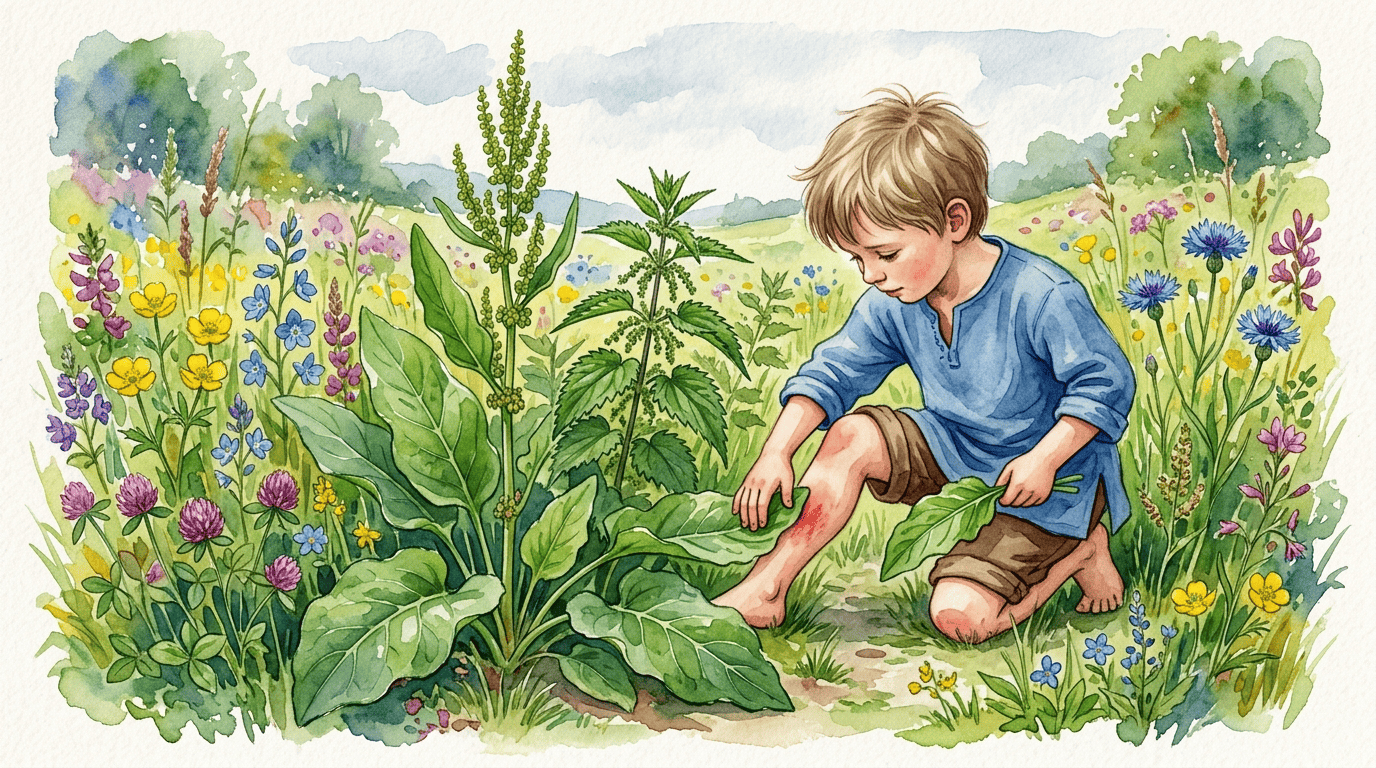
Rumex obtusifolius, broad-leaved dock, is a coarse perennial of the buckwheat family native to Europe, North Africa, and western Asia. Generations of European children learned to reach for its cool, broad leaves after brushing against stinging nettles, a folk remedy recorded in herbals since the Middle Ages; modern research suggests the cooling effect is largely evaporative rather than chemical. The species spreads by abundant seed that can remain viable in soil for fifty years or more, combined with a stout taproot that regenerates from fragments, making it one of the most persistent weeds of European pastures and a notifiable injurious weed in the United Kingdom.
European settlers carried it worldwide, and it now grows on disturbed ground across the temperate regions of both hemispheres. Native to Europe and western Asia, Broadleaf Dock is now ubiquitous in American pastures and moist disturbed ground.
Long associated in European folk tradition with stinging nettle (Urtica) as its traditional antidote when sap is rubbed on stings, an old wisdom that still works for mild relief.
Symbolism & meaning
What It Symbolizes
Broad-Leaved Dock is the broad green fact of disturbed ground. Large leaves, strong roots, and persistent seed stalks make it a familiar companion of barns, paths, and damp corners. Its symbolism is rough usefulness: not glamorous, but present wherever human life scuffs the soil.
- Nettle cure — traditional rub to relieve nettle stings
- Persistent root — taproot regrows from fragments
Where the Name Comes From
'obtusifolius' from Latin means blunt-leaved, for the rounded leaf tip distinguishing it from Curly Dock.
Uses & Fun Facts
- Crushed leaves traditionally rubbed on nettle stings for relief
Related plants
More Rumex plants
Plants with similar care
 Chinese AbeliaAbelia chinensis
 Fragrant AbeliaAbelia mosanensis
 Large-Flowered AbeliaAbelia uniflora
 Glossy AbeliaAbelia x grandiflora
Frequently asked questions
How often should I water Broad-Leaved Dock?
In summer, water about every 10 days; in winter, about every 30 days. Adjust for heat, pot size and drainage.
How much light does Broad-Leaved Dock need?
Full sun: 6+ hrs direct. Watch the leaves — scorching or stretching means the light needs adjusting.
Is Broad-Leaved Dock toxic to cats or dogs?
Pets Slight (Dogs Slight · Cats Slight) Educational information, not medical or veterinary advice. If exposure is suspected, contact a doctor or veterinarian.
Is Broad-Leaved Dock easy to grow?
Yes — it is considered an easy, beginner-friendly plant.
When does Broad-Leaved Dock bloom?
It typically blooms Jun–Nov in the Northern Hemisphere.
YardMate
Identify any plant in seconds
Snap a photo — YardMate names the plant, diagnoses problems, and reminds you when to water.
Download on the App Store