 YardMate


Procumbent Pearlwort
Sagina procumbens
Easy · Beginner friendlyAbout Procumbent Pearlwort
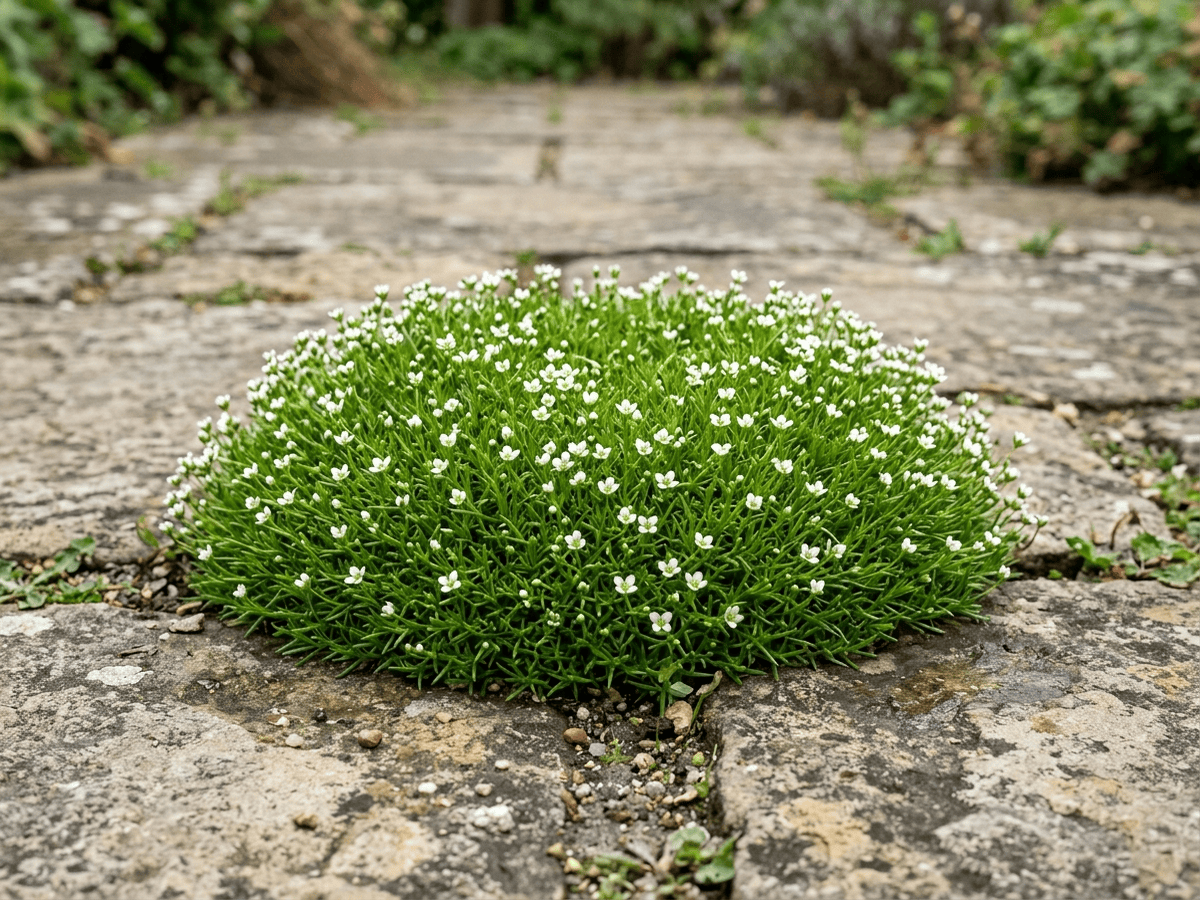
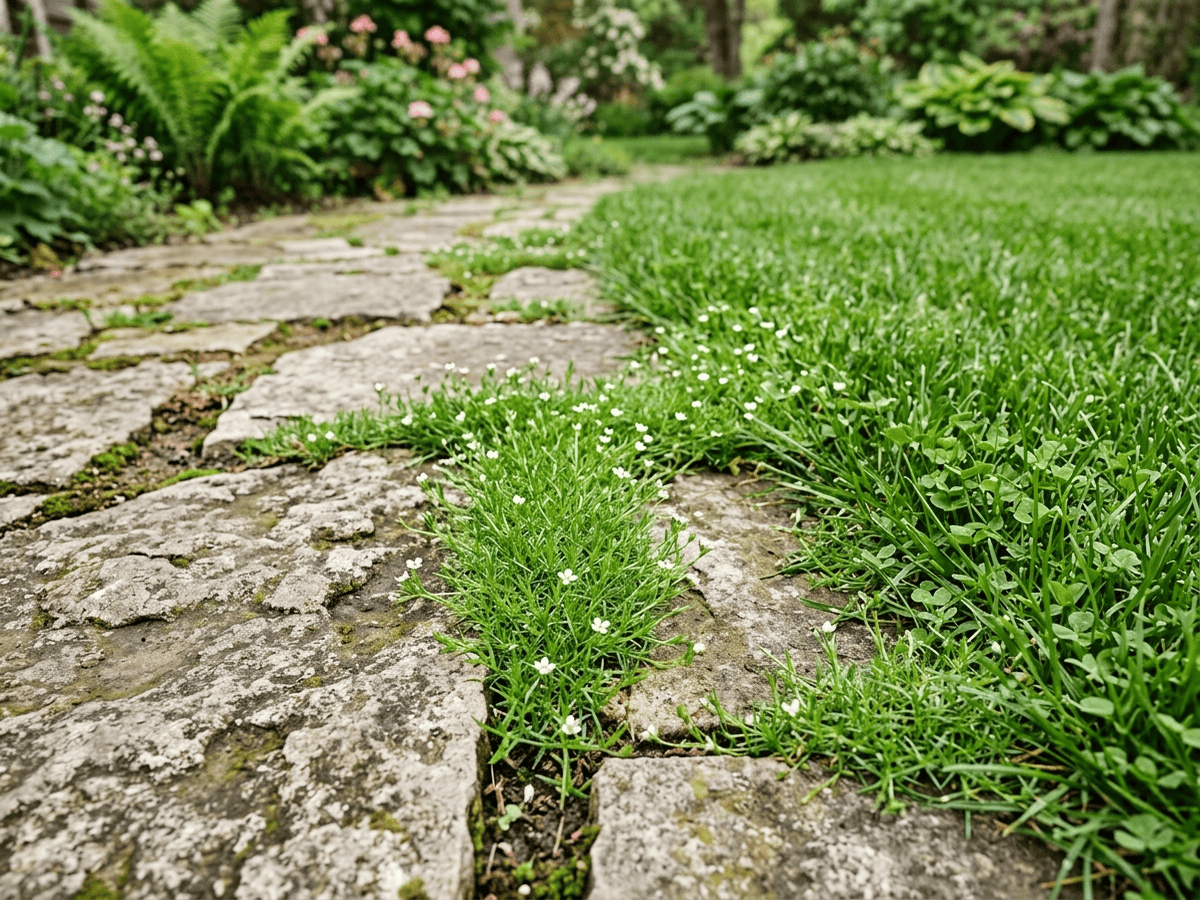
Birdseye Pearlwort or Procumbent Pearlwort is a tiny European perennial naturalized in cool-moist US lawns and between pavers, forming low mats of needle-like bright green leaves with tiny white star-flowers on thread-like stems. Moss-like in appearance, it invades lawn low spots, flagstone paths, and greenhouse floors, forming slippery mats on bricks and stone in the Pacific Northwest and Northeast.
- Shade-tolerant
How to care for Procumbent Pearlwort
Watering
- Springevery 5 days
- Summerevery 3 days
- Fallevery 7 days
- Winterevery 14 days
Soil · Well-draining
- Top dressingPine bark mulch10%
- Main mixPotting soil + perlite 2:170%
- DrainageLECA / gravel20%
Never skip the drainage layer — standing water is the top cause of root rot.
FERTILIZER
This plant needs little to no feeding.
At a Glance
- NativeEurope, East Asia, Africa
- Height0.5 ft (0.2 m)
- Spread0.5–1 ft (0.2–0.3 m)
- Flower colorWhite
- Foliage colorGreen
- Fruit colorBrown
- SoilLoamy, Moisture-retentive
- LocationsYard
Bloom time
BLOOM CYCLE
Peak bloom
Mar–Nov
Tiny white four-petal flowers on thread stems spring through fall
Toxicity
No toxicity has been reported for this plant. Still, it is wise to keep pets from chewing on any houseplant.
Educational information, not medical or veterinary advice. If exposure is suspected, contact a doctor or veterinarian.
DISTRIBUTION

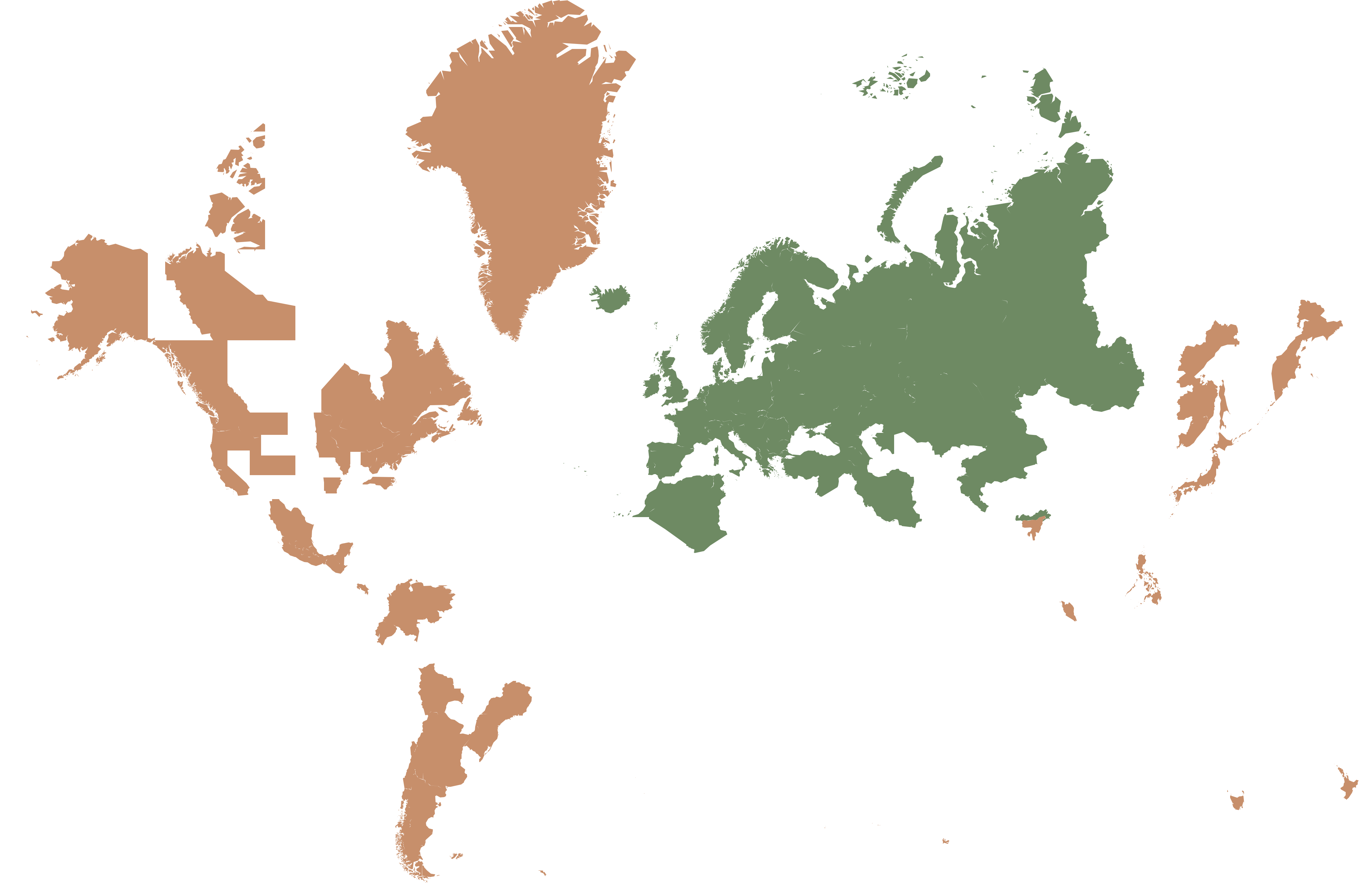
- Native
- Introduced
- Europe
- East Asia
- Africa
History
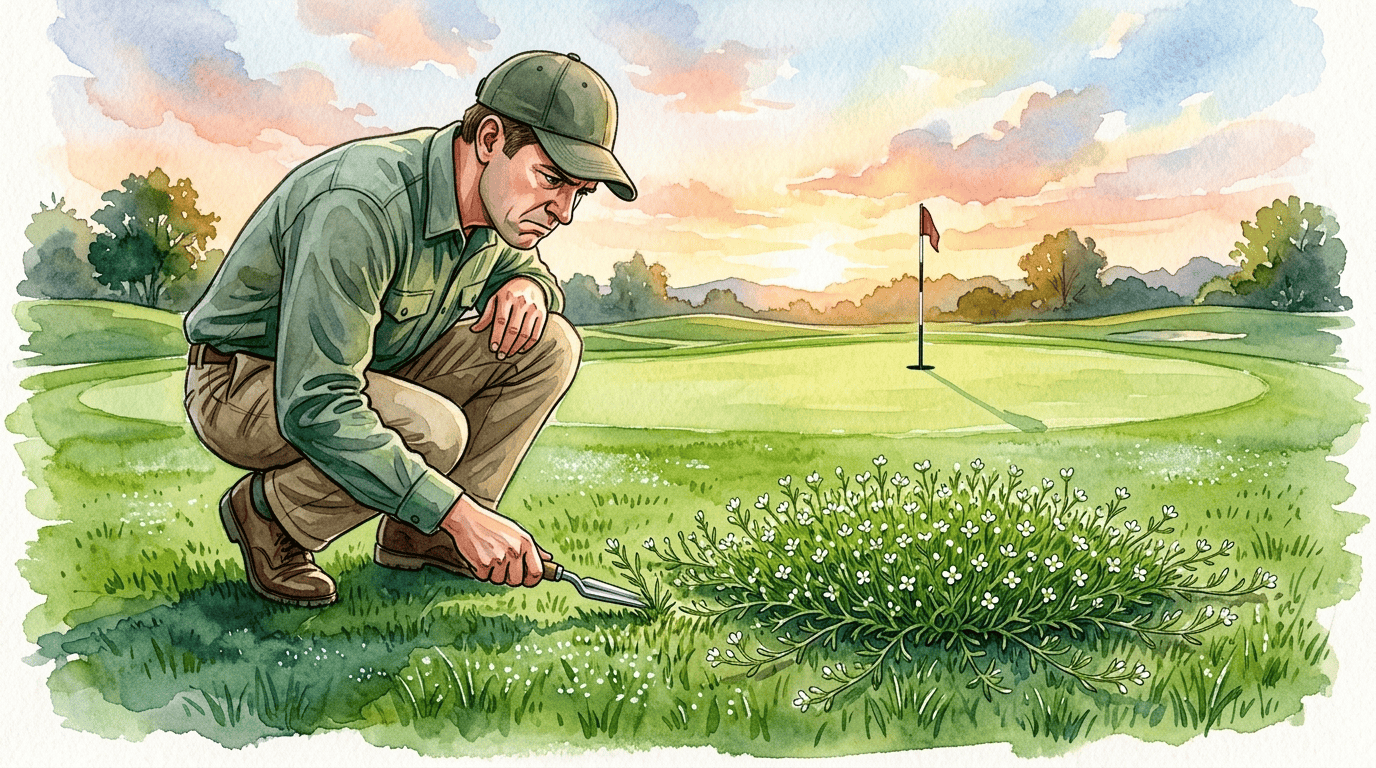
Sagina procumbens is native to Europe, North Africa, and temperate Asia. Linnaeus described it in Species Plantarum (1753). It forms low creeping mats 1-2 cm tall of needle-like green leaves dotted with tiny white flowers, and thrives in moist compacted soils where most grasses fail — making it a common weed of paving cracks, gravel paths, golf-course putting greens, and lawn edges.
In the horticultural trade it is sometimes sold as 'procumbent pearlwort' for rock gardens or miniature fairy-garden plantings, though the closely related S. subulata cultivar 'Aurea' (Scotch moss) is more commonly sold under that purpose. On golf courses it is one of the most problematic weeds of creeping bentgrass greens because it withstands the very low mowing heights. Related species S. japonica (tsumekusa) is eaten as a Japanese spring herb.
Native to Europe and northern Asia, naturalized in cool moist American climates. A persistent weed of greenhouse floors, nursery containers, cool-moist lawns, and flagstone paths. Often confused with moss and problematic for the same reason: it signals moist compacted low-light conditions.
Symbolism & meaning
What It Symbolizes
Procumbent Pearlwort embodies a moss-like tenacity, forming dense green mats in the cool, moist places where actual moss might struggle. As a pavement specialist, it invades the cracks between flagstones with quiet persistence and a sprinkle of tiny white flowers. This is the patron weed of garden paths — small, soft, almost charming, and absolutely committed to filling every line of mortar a gardener tries to keep clean.
- Moss-like tenacity — forms moss-like mats in cool-moist spots
- Pavement specialist — invades cracks between flagstones
Where the Name Comes From
'Sagina' from Latin meaning nourishment; 'procumbens' means lying flat, for the mat-like growth habit.
Uses & Fun Facts
- Procumbent Pearlwort berries and cover sustain songbirds through autumn
- Low mats tuck between pavers and soften miniature garden surfaces
Related plants
More Sagina plants

Plants with similar care
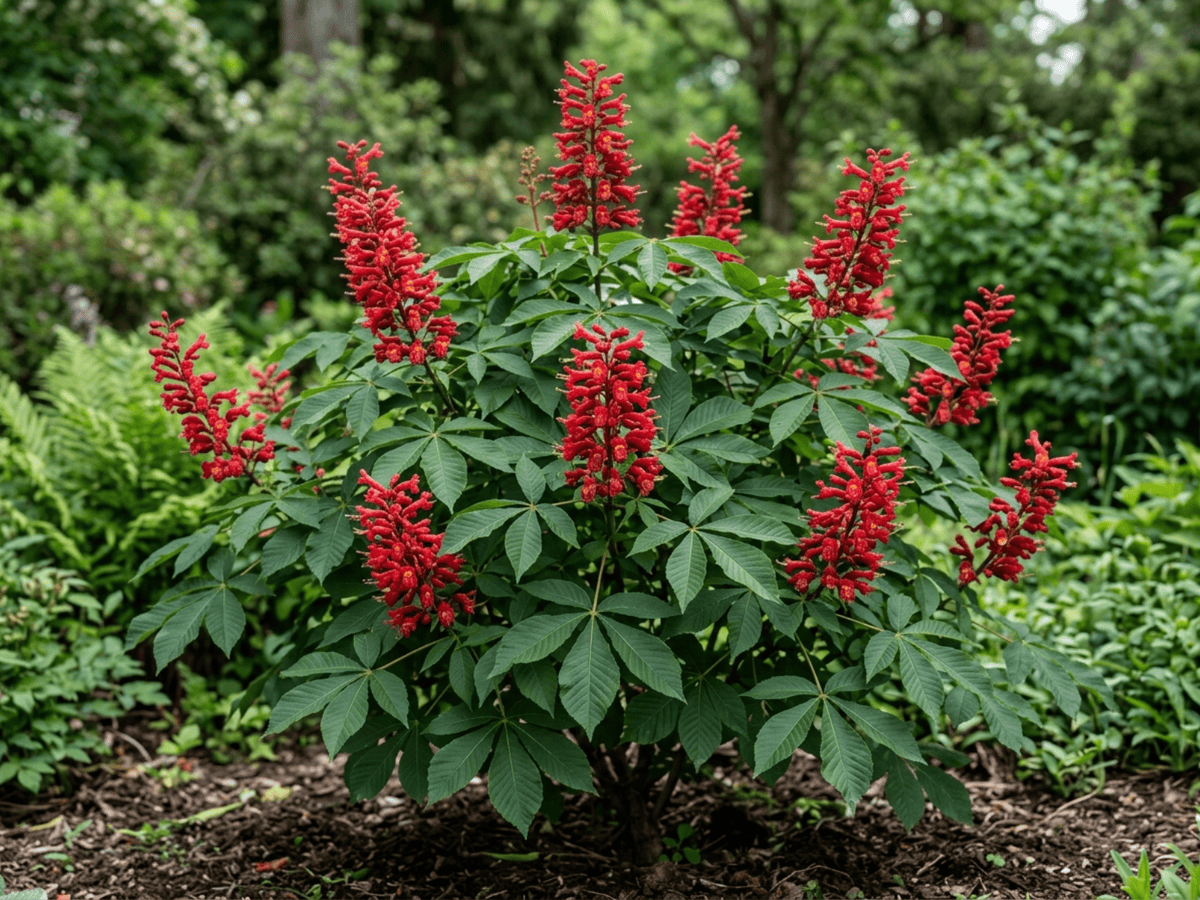 Red BuckeyeAesculus pavia
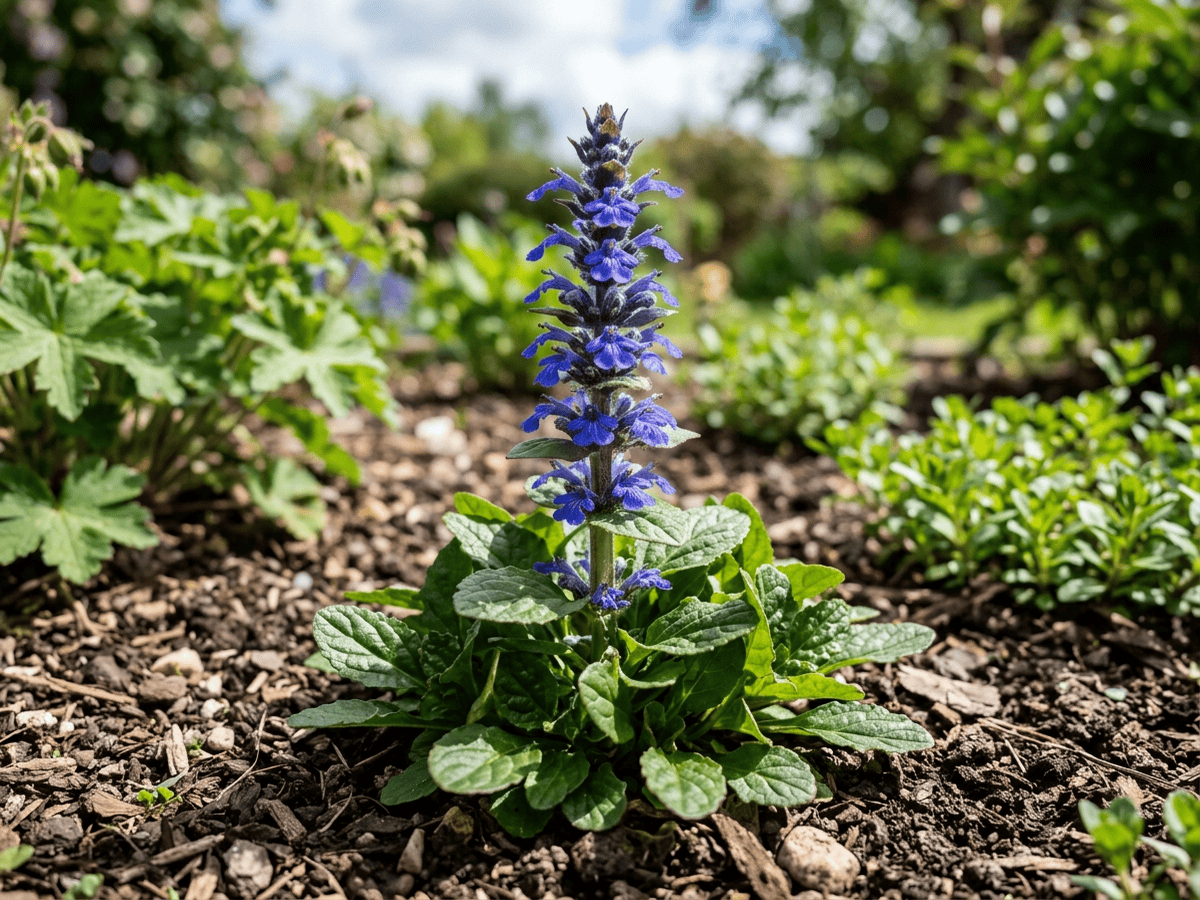 Blue BugleAjuga genevensis
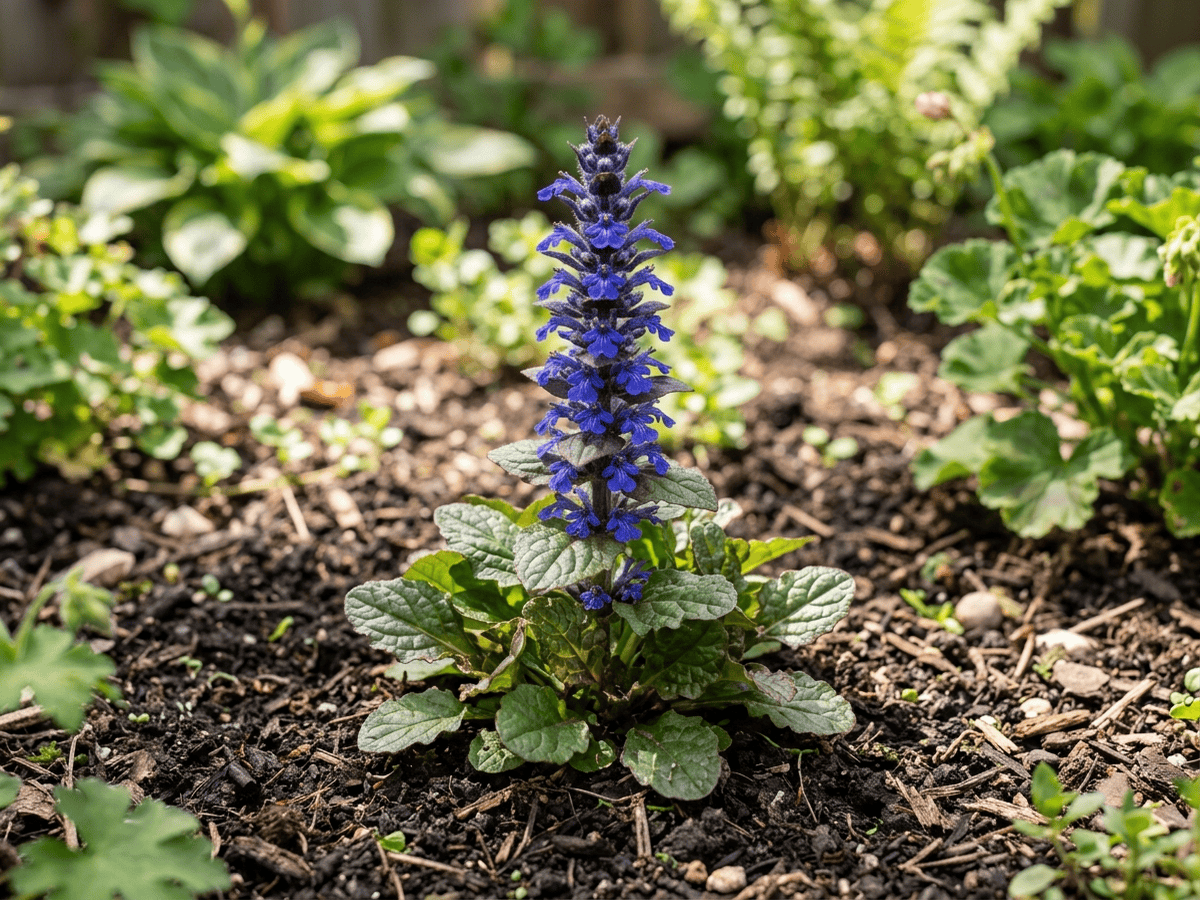 Pyramidal BugleAjuga pyramidalis
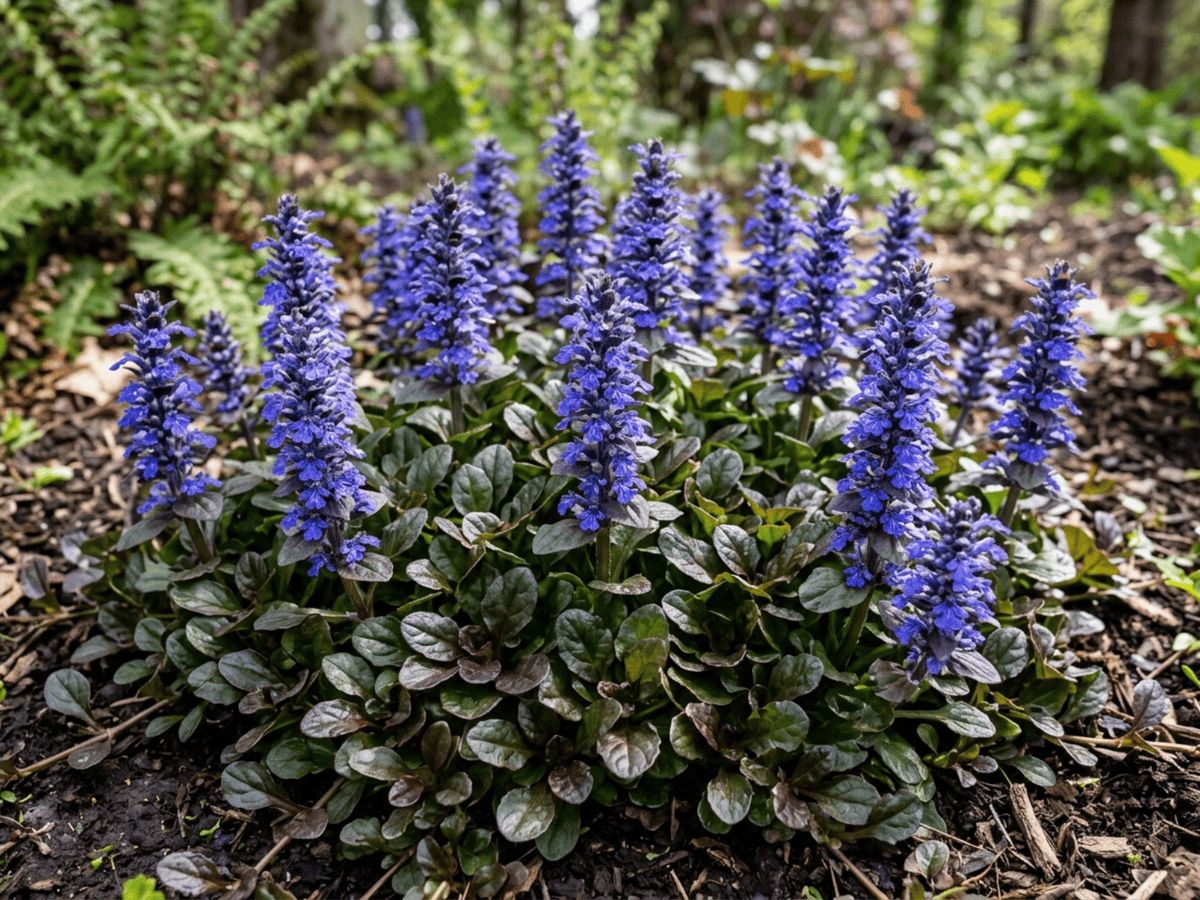 Carpet BugleAjuga reptans
Frequently asked questions
How often should I water Procumbent Pearlwort?
In summer, water about every 3 days; in winter, about every 14 days. Adjust for heat, pot size and drainage.
How much light does Procumbent Pearlwort need?
Part shade: 2–4 hrs direct. Watch the leaves — scorching or stretching means the light needs adjusting.
Is Procumbent Pearlwort toxic to cats or dogs?
No toxicity has been reported for this plant. Still, it is wise to keep pets from chewing on any houseplant. Educational information, not medical or veterinary advice. If exposure is suspected, contact a doctor or veterinarian.
Is Procumbent Pearlwort easy to grow?
Yes — it is considered an easy, beginner-friendly plant.
When does Procumbent Pearlwort bloom?
It typically blooms Mar–Nov in the Northern Hemisphere.
YardMate
Identify any plant in seconds
Snap a photo — YardMate names the plant, diagnoses problems, and reminds you when to water.
Download on the App Store