 YardMate


Floating Fern
Salvinia natans
Easy · Beginner friendlyAbout Floating Fern
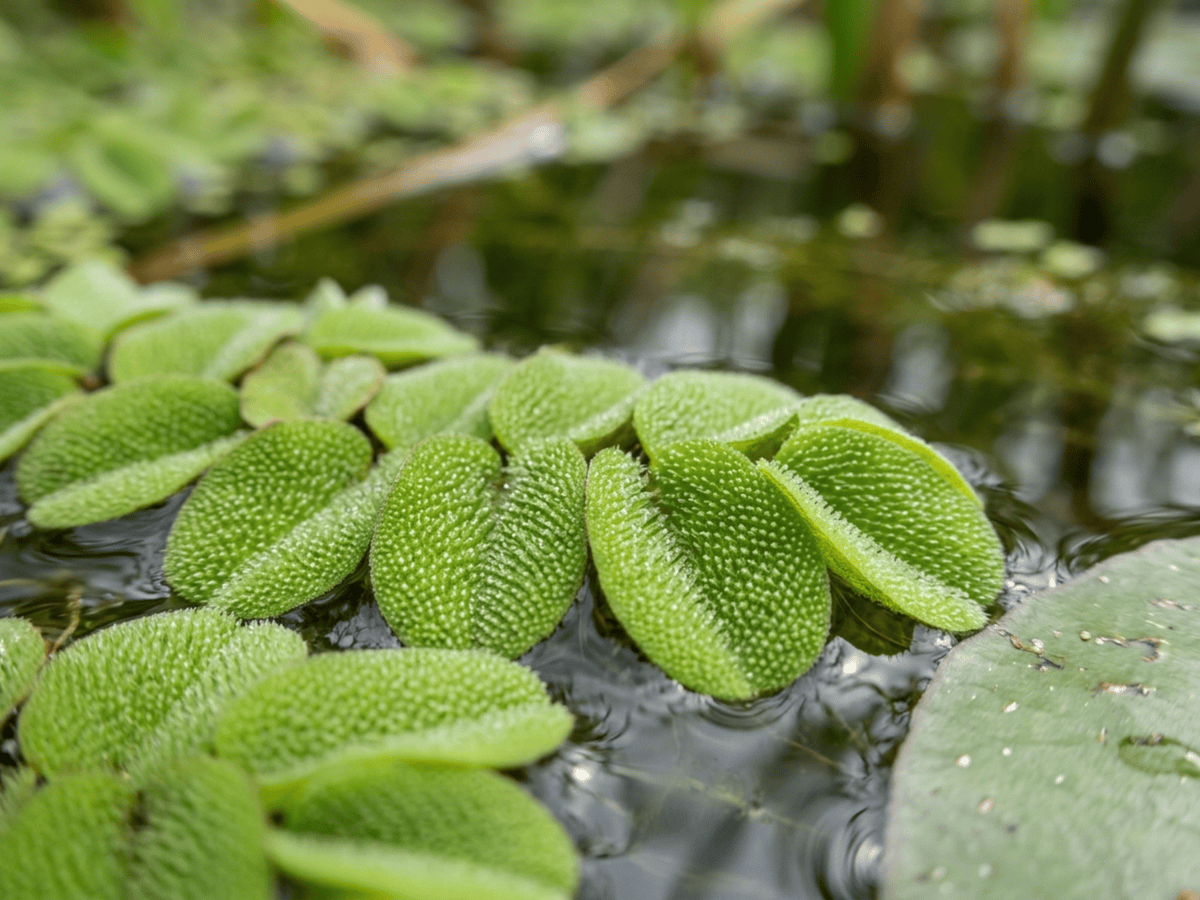
Salvinia natans, the floating fern or floating watermoss, is a small, free-floating aquatic fern native to Europe, Asia, and northern Africa. It produces pairs of oval, hairy floating leaves about 1–2 cm long, with a third modified leaf that hangs below the water surface acting as a root substitute. The upper leaf surface is covered in tiny, hydrophobic, egg-beater-shaped hairs that trap air and keep the plant buoyant — a structure so effective that engineers have studied it for biomimetic waterproof coatings. In warm, nutrient-rich water, it can double its population in just a few days, forming dense mats that block light and deplete oxygen for organisms below. While it is native to parts of Europe and Asia, it has become invasive in many waterways worldwide, particularly in tropical and subtropical regions where it chokes waterways and disrupts aquatic ecosystems. It is used in research for phytoremediation of heavy metals.
- Fast-growing
- Tropical
- Low-maintenance
How to care for Floating Fern
Watering
- Springevery 1 days
- Summerevery 1 days
- Fallevery 1 days
- Winterevery 1 days
Soil · Bog-wet
- WaterStanding water above soil20%
- SoilHeavy pond soil80%
No drainage layer — keep water standing above the soil.
FERTILIZER
This plant needs little to no feeding.
At a Glance
- NativeEurope, East Asia, Africa
- Height0.05–0.1 ft (0–0 m)
- Spread1–3 ft (0.3–0.9 m)
- Foliage colorGreen
- SoilMoisture-retentive
- LocationsYard
Bloom time
BLOOM CYCLE
Non-flowering fern; reproduces by spores and vegetative fragmentation
Fragrance
NO FRAGRANCE
No notable fragrance.
Toxicity
No toxicity has been reported for this plant. Still, it is wise to keep pets from chewing on any houseplant.
Educational information, not medical or veterinary advice. If exposure is suspected, contact a doctor or veterinarian.
DISTRIBUTION

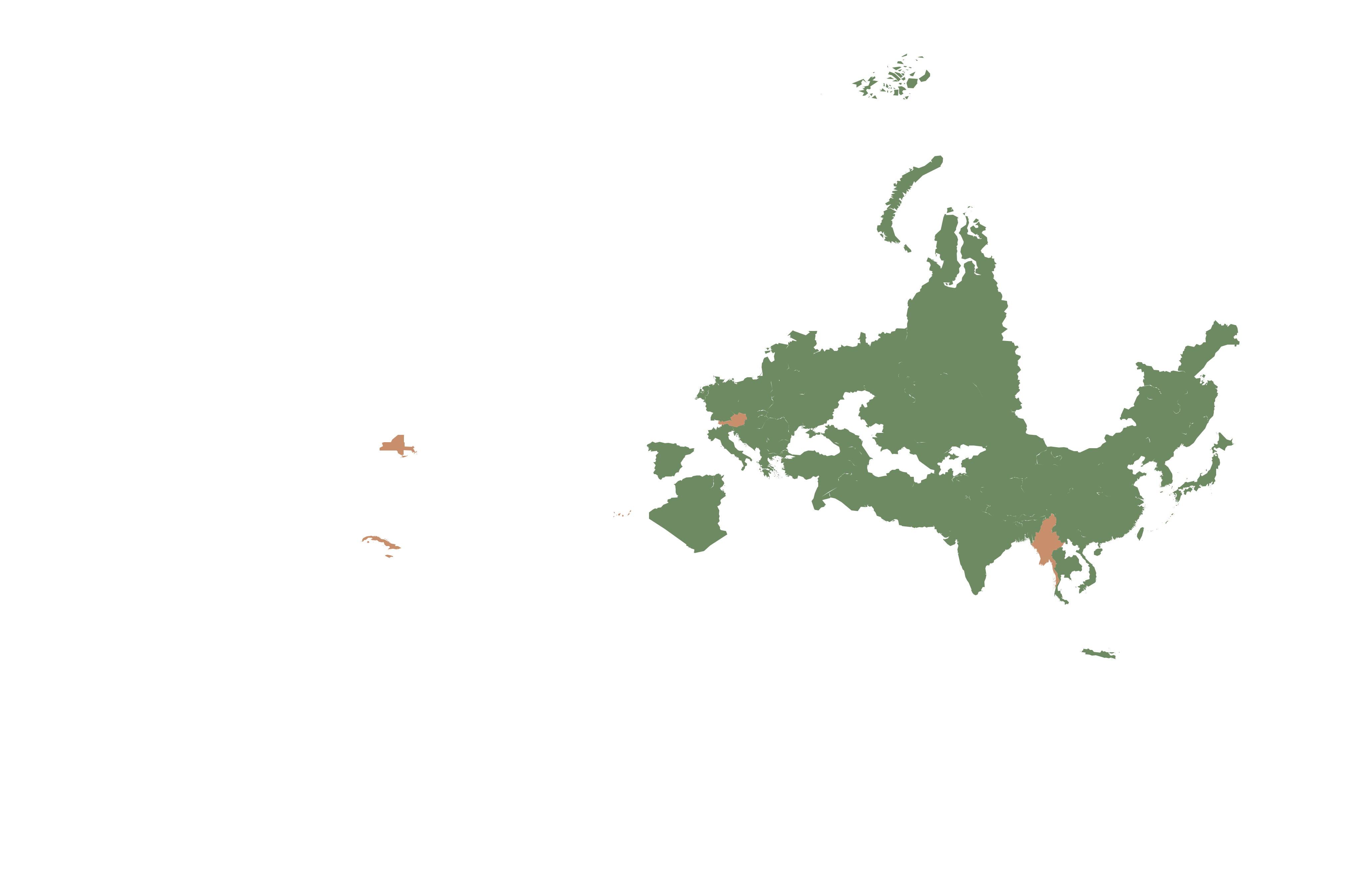
- Native
- Introduced
- Europe
- East Asia
- Africa
History

Salvinia natans is a small free-floating aquatic fern native to warm-temperate and subtropical regions of Europe, Asia, and Africa. It grows as a chain of paired floating oval green leaves on the water surface, with a third highly-divided thread-like submerged leaf that functions as a root-substitute (true Salvinia has no roots). The leaves are covered with distinctive eggbeater-shaped surface hairs that trap air and keep the leaves superhydrophobic and floating; the microscopic structure of these hairs ("salvinia effect") has been studied for biomimetic applications in drag-reducing surfaces on ship hulls and air-retaining coatings.
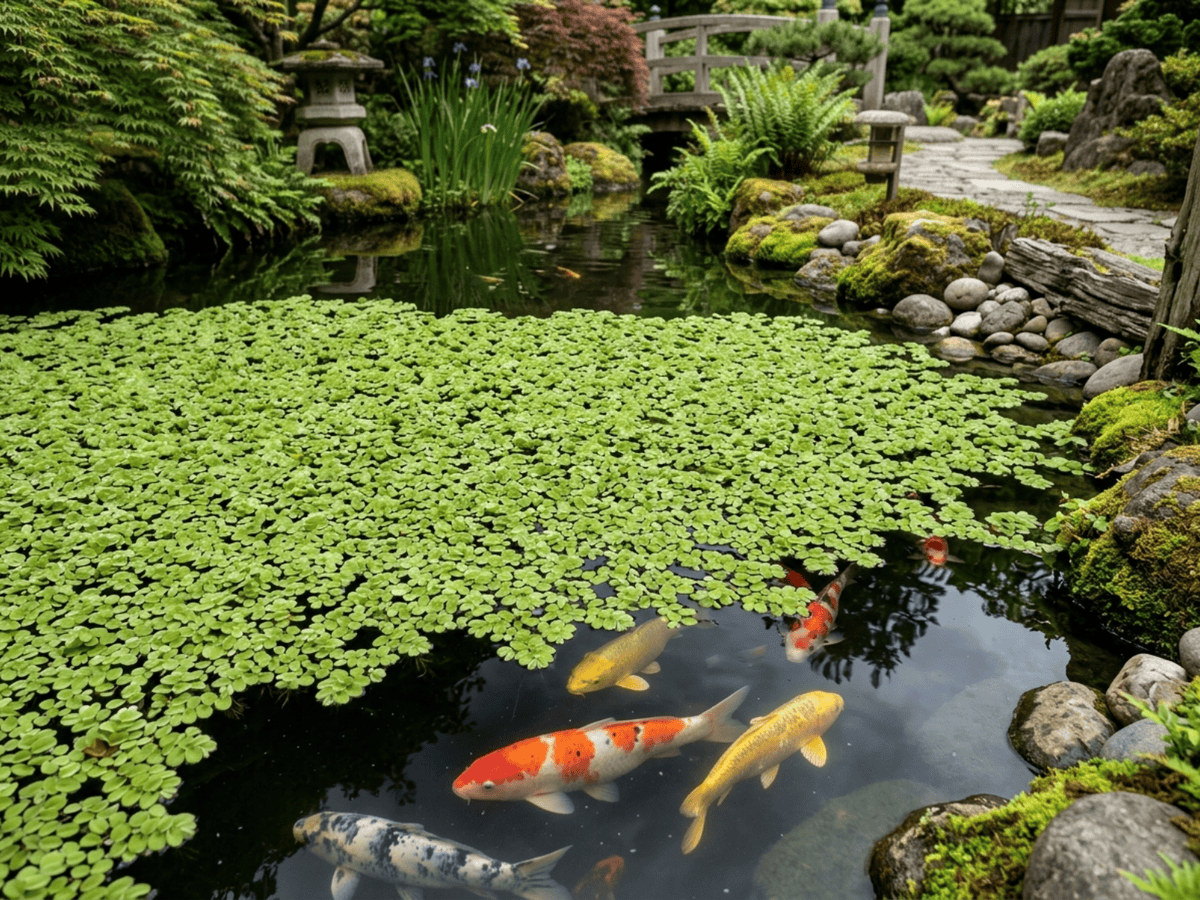
Salvinia natans itself is moderately well behaved in most climates — it is grown as an aquarium plant and small-pond floating ornamental — but its notorious relative Salvinia molesta (giant salvinia, a sterile pentaploid hybrid of S. biloba × S. herzogii from southeast Brazil) has become one of the world's worst invasive aquatic weeds, forming thick floating mats that devastate wetlands, hydroelectric reservoirs, and rice fields from Texas to New Guinea. Biological control using the Cyrtobagous salviniae weevil has dramatically reversed S. molesta invasions in Sri Lanka, Papua New Guinea, Australia, and Louisiana.
Distinguishing between the two species at sale is important; S. molesta is banned in many US states. Salvinia natans is named after Antonio Maria Salvini, a 17th-century Italian professor of Greek at the University of Florence. In Europe, where it is native, declining wetland habitat has actually made it a species of conservation concern in several countries.
Symbolism & meaning
What It Symbolizes
The Floating Fern can symbolize ingenuity, its remarkable surface engineering, the tiny hairs that trap a layer of air on each leaf, even inspiring research into water-repellent human technology. Another layer is proliferation, for it can double its mass in a few days and spread across still waters with formidable speed. In the language of aquatic plants, salvinia is the brilliant student turned occasional menace, a species whose cleverness is exactly what makes it ecologically formidable.
- Ingenuity — Its remarkable surface engineering inspires human technology and innovation
- Proliferation — Rapid reproduction represents unstoppable growth and spread
Where the Name Comes From
Salvinia honors Antonio Maria Salvini, a 17th-century Italian scholar. Natans is Latin for 'floating.'
Uses & Fun Facts
- Tiny floating leaves form delicate green carpet on still aquaria
Related plants
Plants with similar care
 Chinese AbeliaAbelia chinensis
 Fragrant AbeliaAbelia mosanensis
 Large-Flowered AbeliaAbelia uniflora
 Glossy AbeliaAbelia x grandiflora
Frequently asked questions
How often should I water Floating Fern?
In summer, water about every 1 days; in winter, about every 1 days. Adjust for heat, pot size and drainage.
How much light does Floating Fern need?
Full sun: 6+ hrs direct. Watch the leaves — scorching or stretching means the light needs adjusting.
Is Floating Fern toxic to cats or dogs?
No toxicity has been reported for this plant. Still, it is wise to keep pets from chewing on any houseplant. Educational information, not medical or veterinary advice. If exposure is suspected, contact a doctor or veterinarian.
Is Floating Fern easy to grow?
Yes — it is considered an easy, beginner-friendly plant.
YardMate
Identify any plant in seconds
Snap a photo — YardMate names the plant, diagnoses problems, and reminds you when to water.
Download on the App Store