 YardMate


Alpine Squill
Scilla bifolia
Easy · Beginner friendlyAbout Alpine Squill
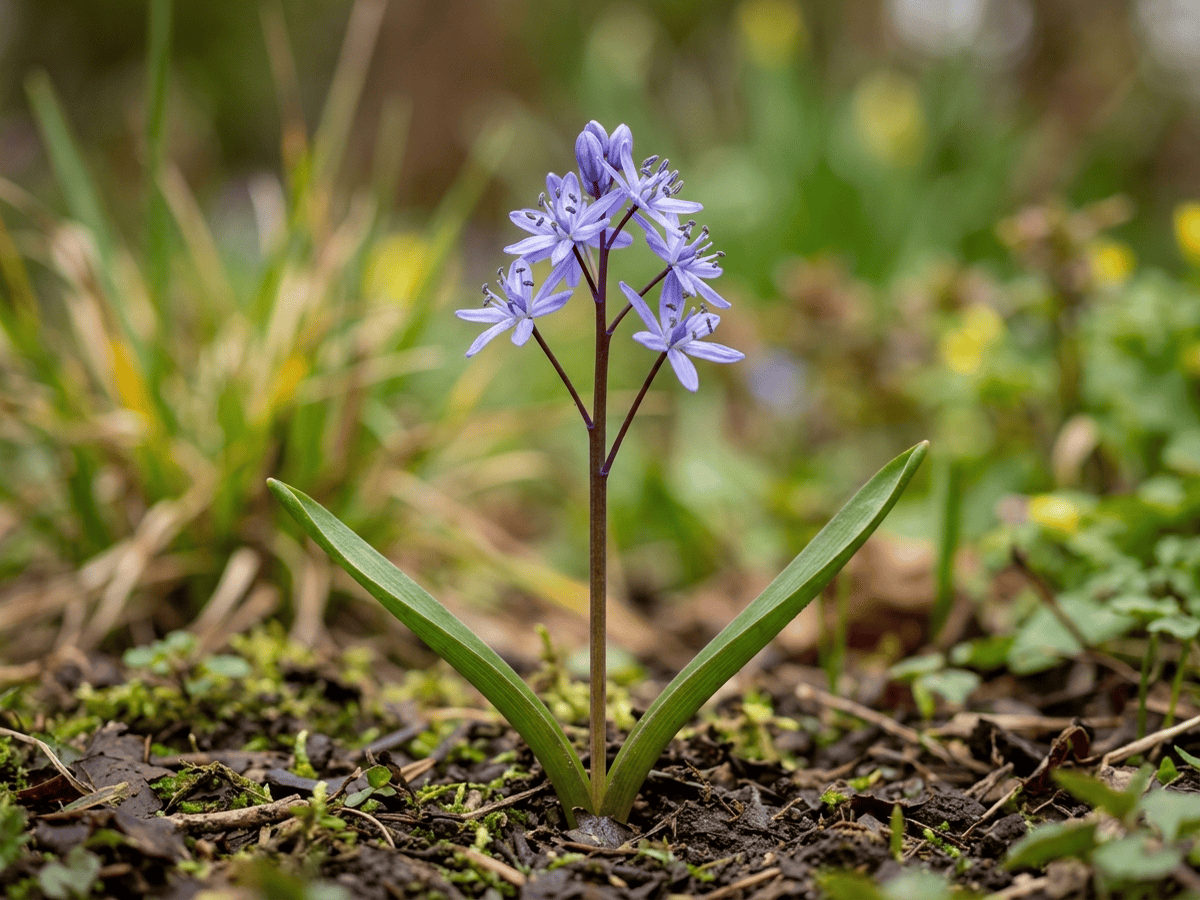
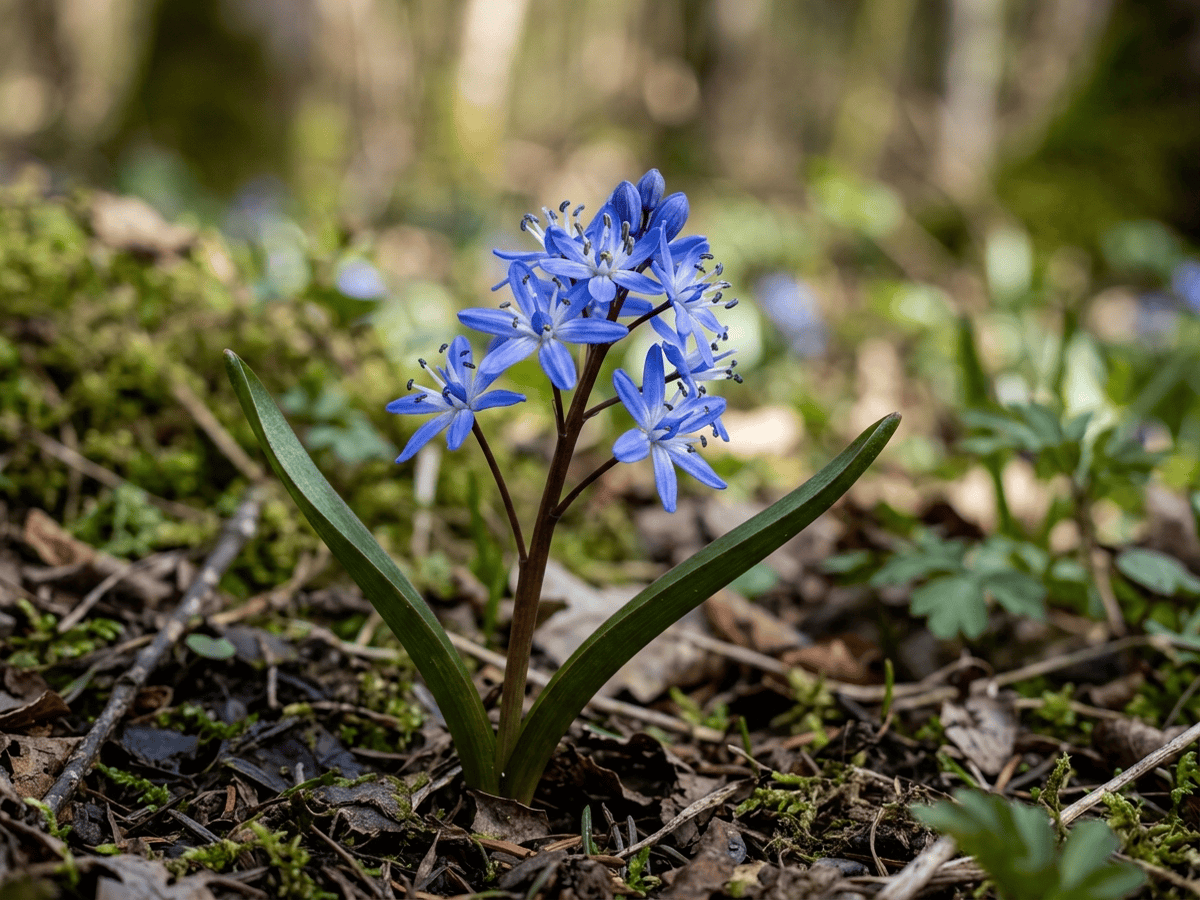
Two-Leaf Squill is a small southern European woodland bulb hardy in USDA zones 4-8, producing loose spikes of 6 to 12 star-shaped blue flowers on 4 to 6 inch stems in very early spring, often alongside snowdrops. Each bulb produces just two strap-like leaves, giving the species its name. A collector's bulb in American woodland and rock gardens, less common than Siberian squill but a welcome early-spring gem.
- Deer-resistant
- Shade-tolerant
How to care for Alpine Squill
Watering
- Springevery 5 days
- Summerpause watering
- Fallevery 10 days
- Winterevery 14 days
Soil · Well-draining
- Main mixLoam + coarse sand 3:175%
- DrainageGravel25%
Sharp drainage matters most — bulbs rot in wet soil while dormant.
FERTILIZER
Balanced Feed 14-14-14
An even feed covers all three needs at once, keeping leaves, roots and blooms moving together with nothing pushed out of balance.
- Nitrogen · Leaves
- Phosphorus · Roots + Blooms
- Potassium · Strength
- Fallevery 60 days
At a Glance
- NativeEurope, Western Asia
- Height0.3–0.5 ft (0.1–0.2 m)
- Spread0.2–0.3 ft (0.1–0.1 m)
- Flower colorBlue, Pink, White
- Foliage colorGreen
- SoilWell-drained, Loamy, Neutral
- LocationsYard
Bloom time
BLOOM CYCLE
Peak bloom
Mar–May
Loose spikes of blue stars in very early spring
Fragrance
LIGHT FRAGRANCE
The flowers have a very lightly sweet-scented scent.
Toxicity
Humans Moderate · Pets Moderate
scillaren and cardiac glycosides
Moderate
- Bulb
- Ingestion
EXPOSURE Eating bulbs.
EFFECT Nausea and vomiting.
NOTE Bulbs contain cardiac glycosides.
Moderate
- Bulb
- Ingestion
EXPOSURE Eating bulbs.
EFFECT Vomiting and drooling.
NOTE Bulbs contain cardiac glycosides.
Moderate
- Bulb
- Ingestion
EXPOSURE Eating bulbs.
EFFECT Vomiting and drooling.
NOTE Bulbs contain cardiac glycosides.
Educational information, not medical or veterinary advice. If exposure is suspected, contact a doctor or veterinarian.
DISTRIBUTION

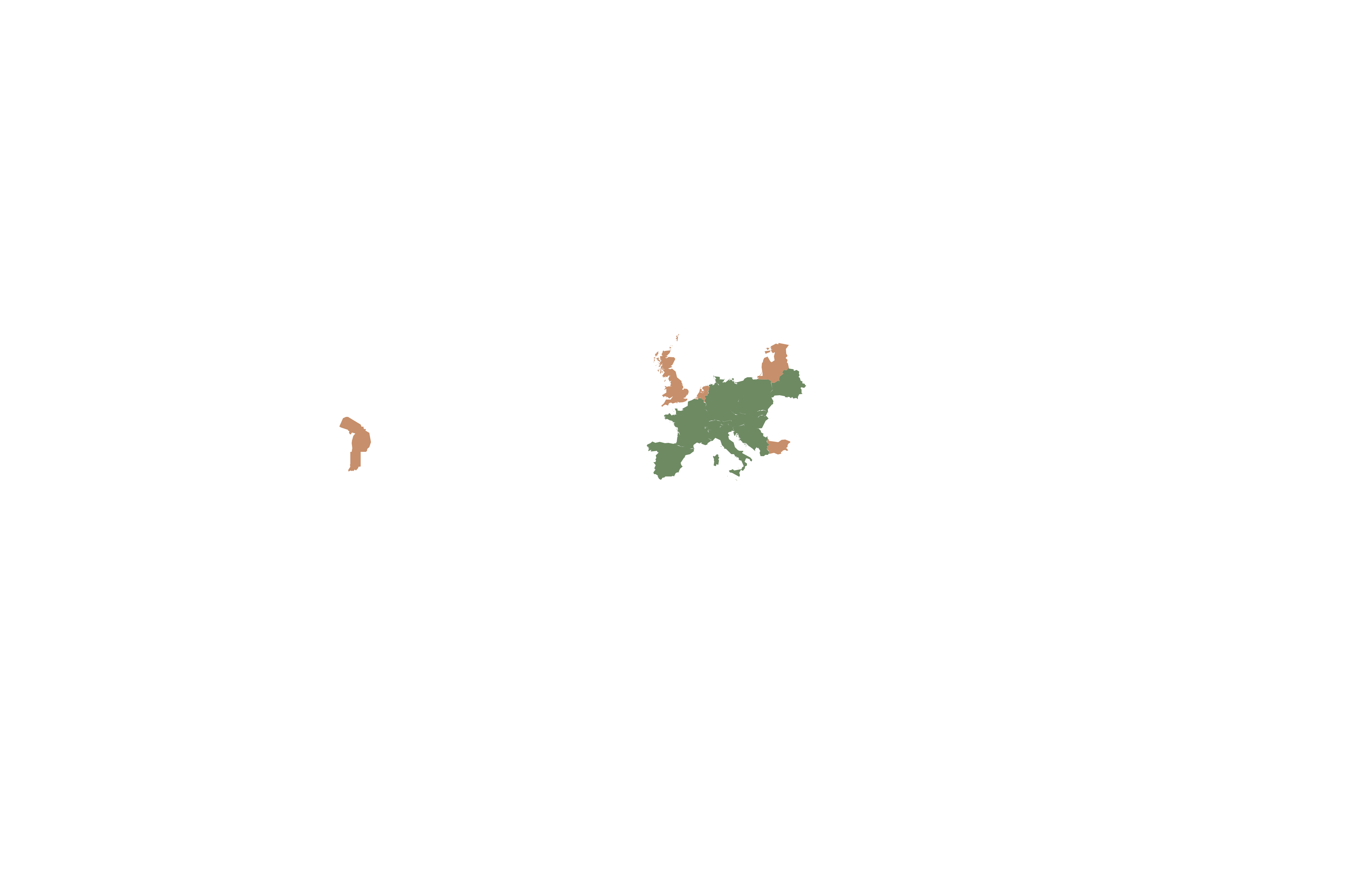
- Native
- Introduced
- Europe
- Western Asia
History
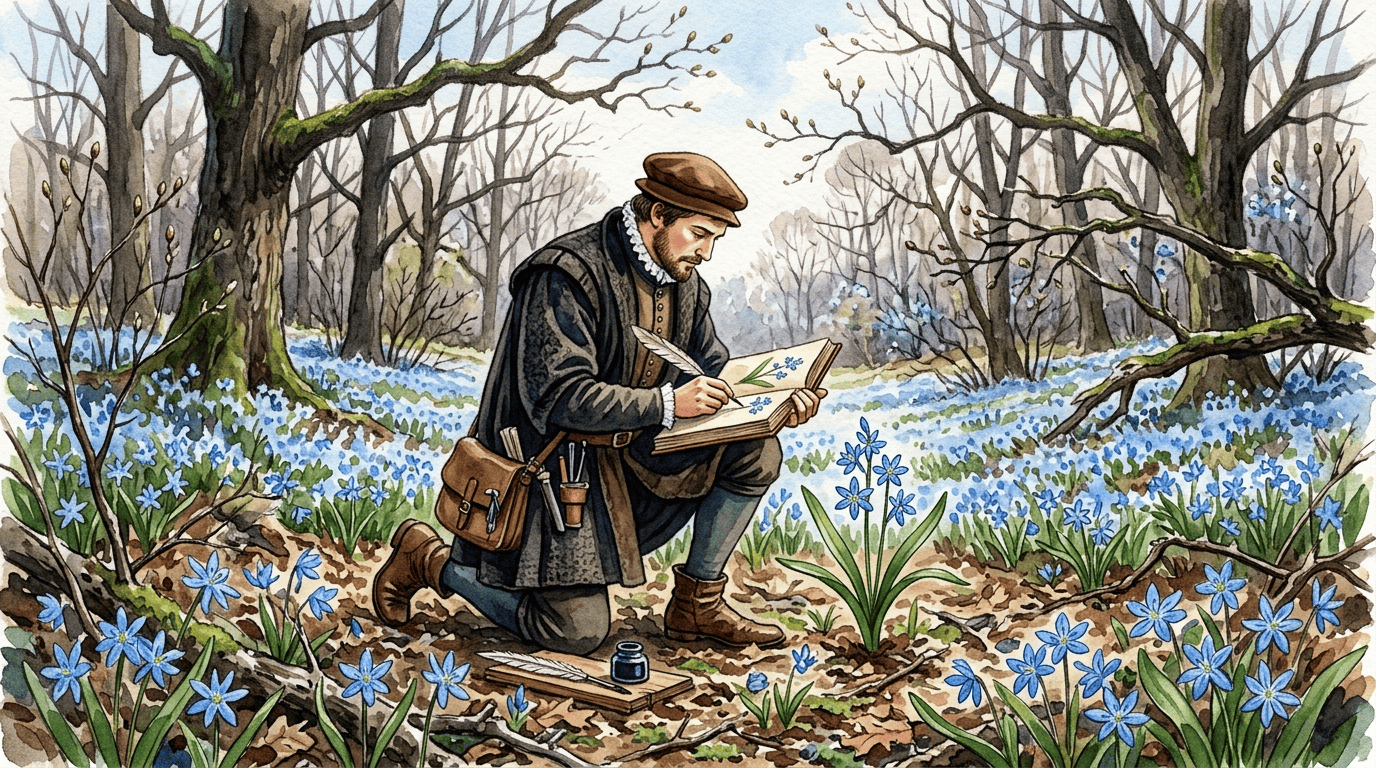
Scilla bifolia grows across much of Europe from France through the Balkans to the Caucasus in deciduous forests and mountain meadows. Linnaeus described it in Species Plantarum (1753); the name refers to the typical pair of strap-like leaves per bulb, which distinguish it from S. siberica. It has been grown in European gardens for at least five centuries; the Flemish herbalist Rembert Dodoens figured it in 1583.
Its clear sky-blue star-shaped flowers — sometimes white or pink — open just as tree canopy remains bare, making it ideal for ephemeral spring carpets under oaks and beeches. Variants include 'Alba' (white) and 'Rosea' (pink), grown since the 17th century. Contemporary designers including Piet Oudolf use it in drift plantings alongside snowdrops and crocus.
Native to southern Europe, Turkey, and the Caucasus, cultivated since the 1600s. Introduced to American horticulture in the 1800s as a specialty bulb. Remains a collector's favorite offered by specialty bulb merchants for its very early bloom time alongside snowdrops.
Symbolism & meaning
What It Symbolizes
Alpine Squill offers Quiet joy — modest blue stars opening among melting snow, easy to walk past if one is not paying attention. To gardeners who notice it, it is a Collector's gem, an uncommon specialty bulb prized by those who tend small alpine and woodland beds. A flower that rewards the same kind of patient observation it asks for.
- Quiet joy — modest blue stars herald spring
- Collector's gem — uncommon specialty bulb for enthusiasts
Where the Name Comes From
The name Alpine Squill points to mountain habitats. 'bifolia' from Latin means two-leaved, accurately describing the pair of leaves produced by each bulb.
Uses & Fun Facts
- Starry blue flowers carpet woodland floors in early spring
- Naturalizes into spreading bulb drifts under trees
- Provides essential early nectar for bees
Related plants
More Scilla plants
Plants with similar care
 Red BuckeyeAesculus pavia
 Blue BugleAjuga genevensis
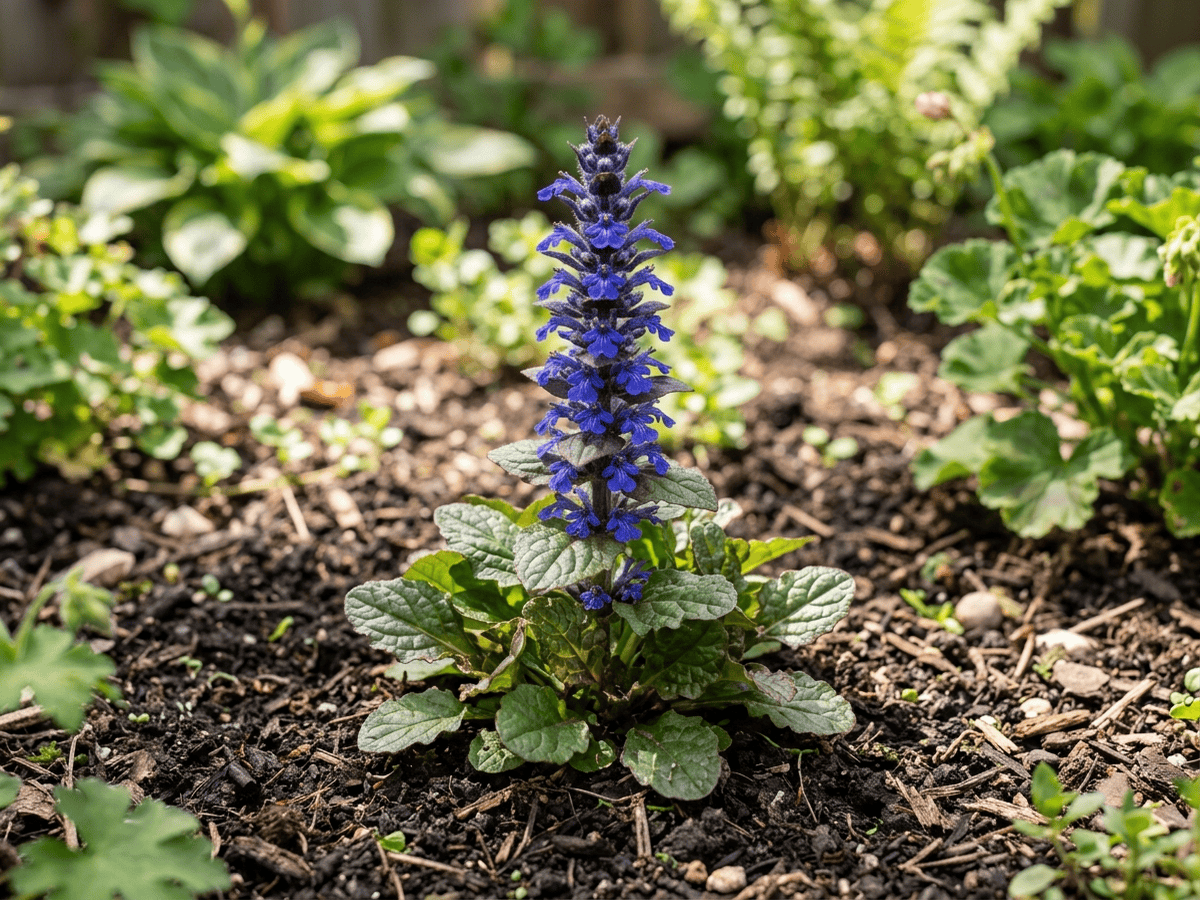 Pyramidal BugleAjuga pyramidalis
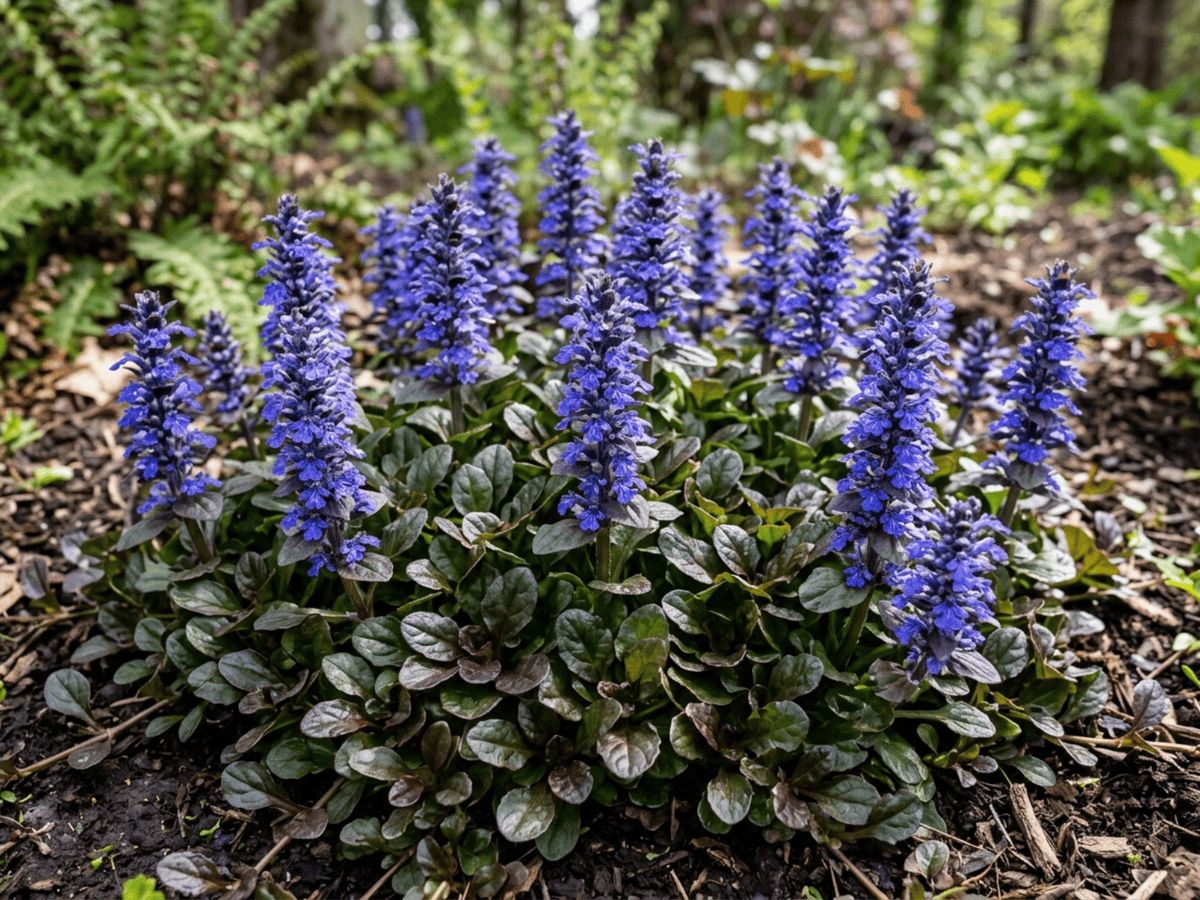 Carpet BugleAjuga reptans
Frequently asked questions
How often should I water Alpine Squill?
Water about every 5 days during the growing season, and always let excess water drain away.
How much light does Alpine Squill need?
Part shade: 2–4 hrs direct. Watch the leaves — scorching or stretching means the light needs adjusting.
Is Alpine Squill toxic to cats or dogs?
Pets Moderate (Dogs Moderate · Cats Moderate) Educational information, not medical or veterinary advice. If exposure is suspected, contact a doctor or veterinarian.
Is Alpine Squill easy to grow?
Yes — it is considered an easy, beginner-friendly plant.
When does Alpine Squill bloom?
It typically blooms Mar–May in the Northern Hemisphere.
YardMate
Identify any plant in seconds
Snap a photo — YardMate names the plant, diagnoses problems, and reminds you when to water.
Download on the App Store