 YardMate


Siberian Squill
Scilla siberica
Easy · Beginner friendlyAbout Siberian Squill
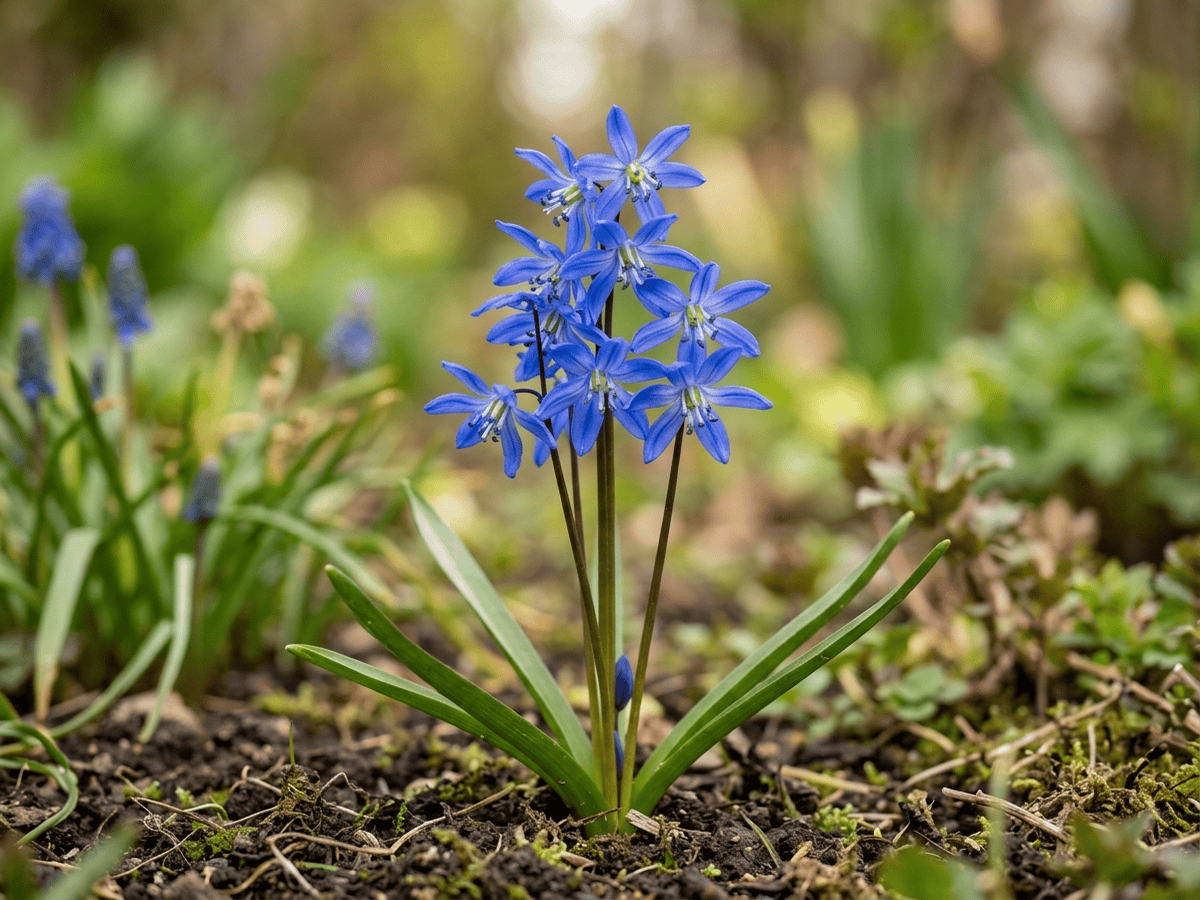
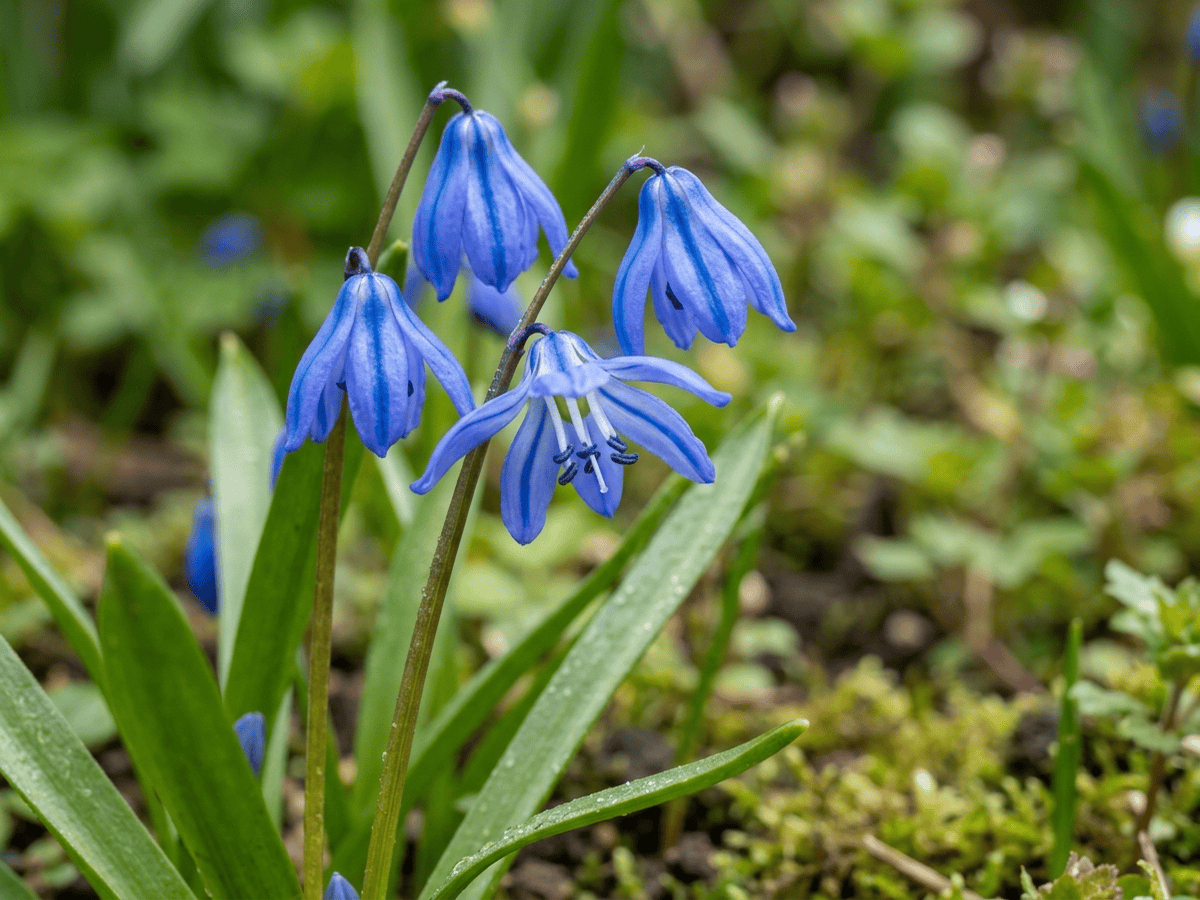
Siberian Squill is a tiny Russian and Turkish bulb hardy in USDA zones 2-8, producing nodding electric-blue star-shaped flowers on 4 to 6 inch stems in early spring. Planted by the hundreds for naturalizing into lawns, woodland edges, and under deciduous shrubs, the bulbs multiply rapidly into sheets of intense blue. One of the most popular and foolproof naturalizing bulbs in American gardens, loved for its vibrant color unlike any other early bulb.
- Deer-resistant
How to care for Siberian Squill
Watering
- Springevery 5 days
- Summerpause watering
- Fallevery 10 days
- Winterevery 14 days
Soil · Well-draining
- Main mixLoam + coarse sand 3:175%
- DrainageGravel25%
Sharp drainage matters most — bulbs rot in wet soil while dormant.
FERTILIZER
Balanced Feed 14-14-14
An even feed covers all three needs at once, keeping leaves, roots and blooms moving together with nothing pushed out of balance.
- Nitrogen · Leaves
- Phosphorus · Roots + Blooms
- Potassium · Strength
- Fallevery 60 days
At a Glance
- NativeEurope, Western Asia
- Height0.3–0.5 ft (0.1–0.2 m)
- Spread0.2–0.3 ft (0.1–0.1 m)
- Flower colorBlue
- Foliage colorGreen
- SoilLoamy, Well-drained
- LocationsYard
Bloom time
BLOOM CYCLE
Peak bloom
Mar–Apr
Electric-blue nodding stars blanket ground in early spring
Fragrance
LIGHT FRAGRANCE
The flowers have a very lightly sweet-scented scent.
Toxicity
Humans Moderate · Pets Moderate
scillaren and cardiac glycosides
Moderate
- Bulb
- Ingestion
EXPOSURE Eating bulbs.
EFFECT Nausea, vomiting, and cardiac effects in quantity.
NOTE Bulbs contain cardiac glycosides similar to digitalis; significant ingestion can cause heart effects.
Moderate
- Bulb
- Ingestion
EXPOSURE Eating bulbs.
EFFECT Vomiting, drooling, and arrhythmia.
NOTE Bulbs contain cardiac glycosides similar to digitalis; significant ingestion can cause heart effects.
Moderate
- Bulb
- Ingestion
EXPOSURE Eating bulbs.
EFFECT Vomiting, drooling, and arrhythmia.
NOTE Bulbs contain cardiac glycosides similar to digitalis; significant ingestion can cause heart effects.
Educational information, not medical or veterinary advice. If exposure is suspected, contact a doctor or veterinarian.
DISTRIBUTION

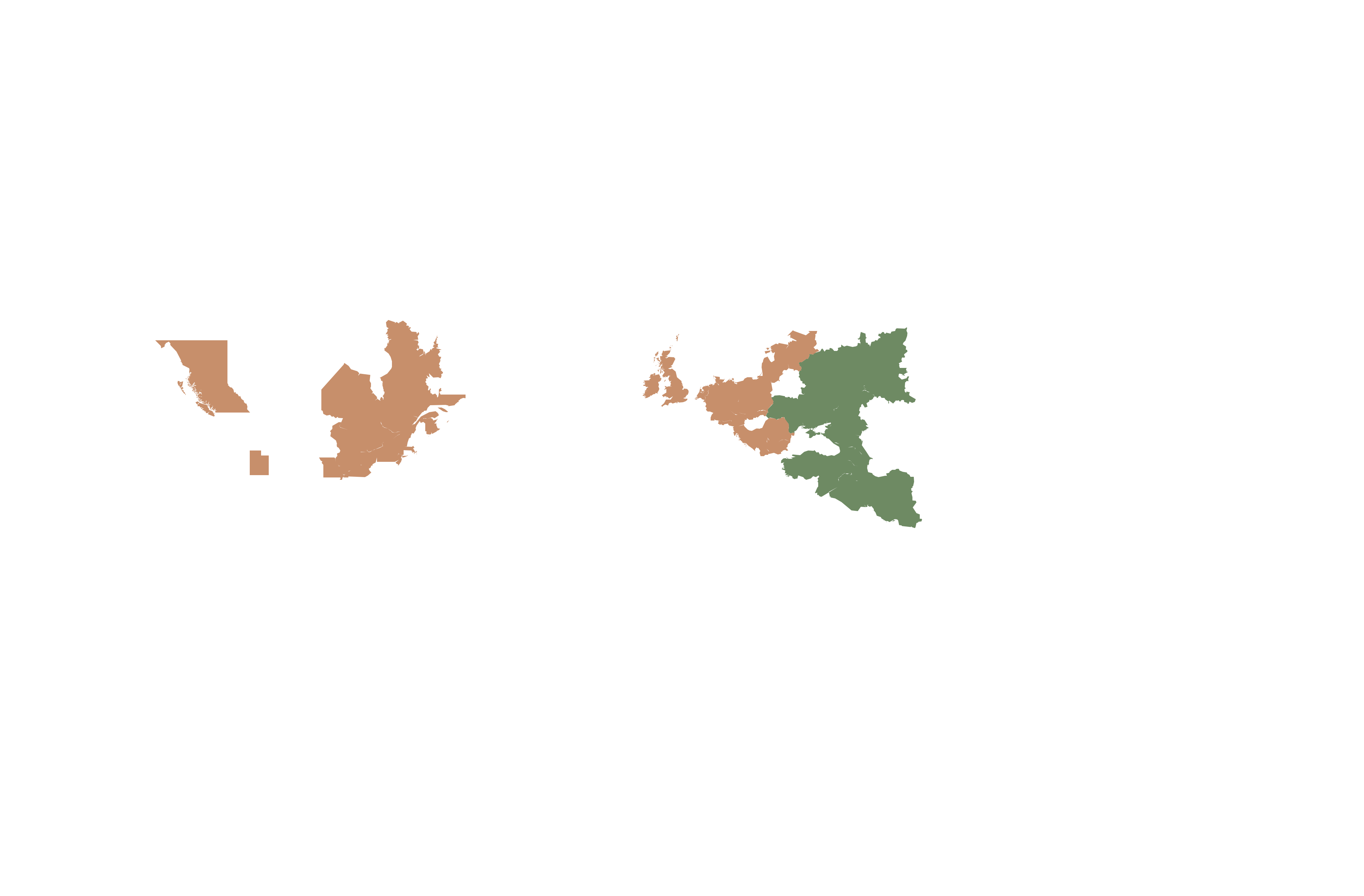
- Native
- Introduced
- Europe
- Western Asia
History
Scilla siberica inhabits open woodlands and meadows from southern Russia and Ukraine through the Caucasus and into northern Turkey and Iran — despite its name, it does not occur in Siberia proper. Adrian Hardy Haworth described it in 1804 from bulbs in British cultivation. It reached English gardens in the 1790s via Russian imperial botanical exchanges.
Its vivid cobalt-blue nodding bells earned it rapid popularity across cold-climate gardens in Europe, Canada, and the US Upper Midwest, where it naturalizes in lawns and woodland edges, often blooming before the daffodils. Dutch bulb houses distributed it worldwide from the late 19th century. The white-flowered 'Alba' is grown since the early 1900s.
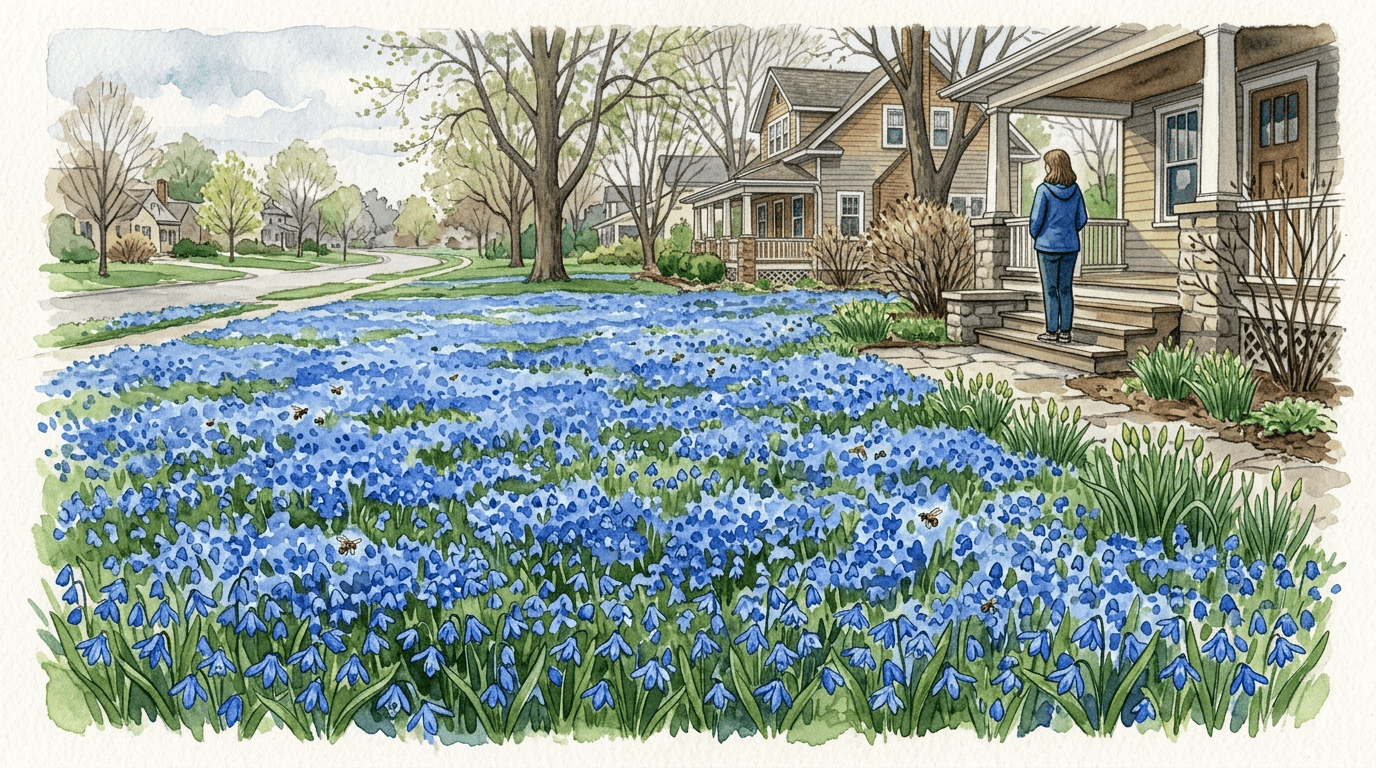
Unlike many bulbs, it divides prolifically and is a major early pollinator for native bees. Became a Midwestern naturalizing staple in the mid-20th century, famous for creating carpets of blue across millions of American yards. Some conservationists note it can escape into woodlands in the Northeast.
Symbolism & meaning
What It Symbolizes
Siberian Squill can symbolize constancy, returning and multiplying reliably every spring until small drifts become great rivers of flower in old gardens. Another layer is electric blue, for its color is among the most vivid in any spring bulb, a saturated cobalt that shows even at a distance. In the language of early bulbs, scilla siberica is the loyal small-scale bloom, a species whose meaning is enacted simply by showing up, year after year, in greater numbers than the year before.
- Constancy — returns and multiplies reliably every spring
- Electric blue — one of the most vivid blues in garden bulbs
Where the Name Comes From
The name Siberian Squill points to Siberia or cold northern Asia. 'Scilla' derived from Greek 'skilla' an ancient plant name; 'siberica' refers to Russian native range near Siberia.
Uses & Fun Facts
- Siberian squill carpets lawns in early-spring blue
Related plants
More Scilla plants
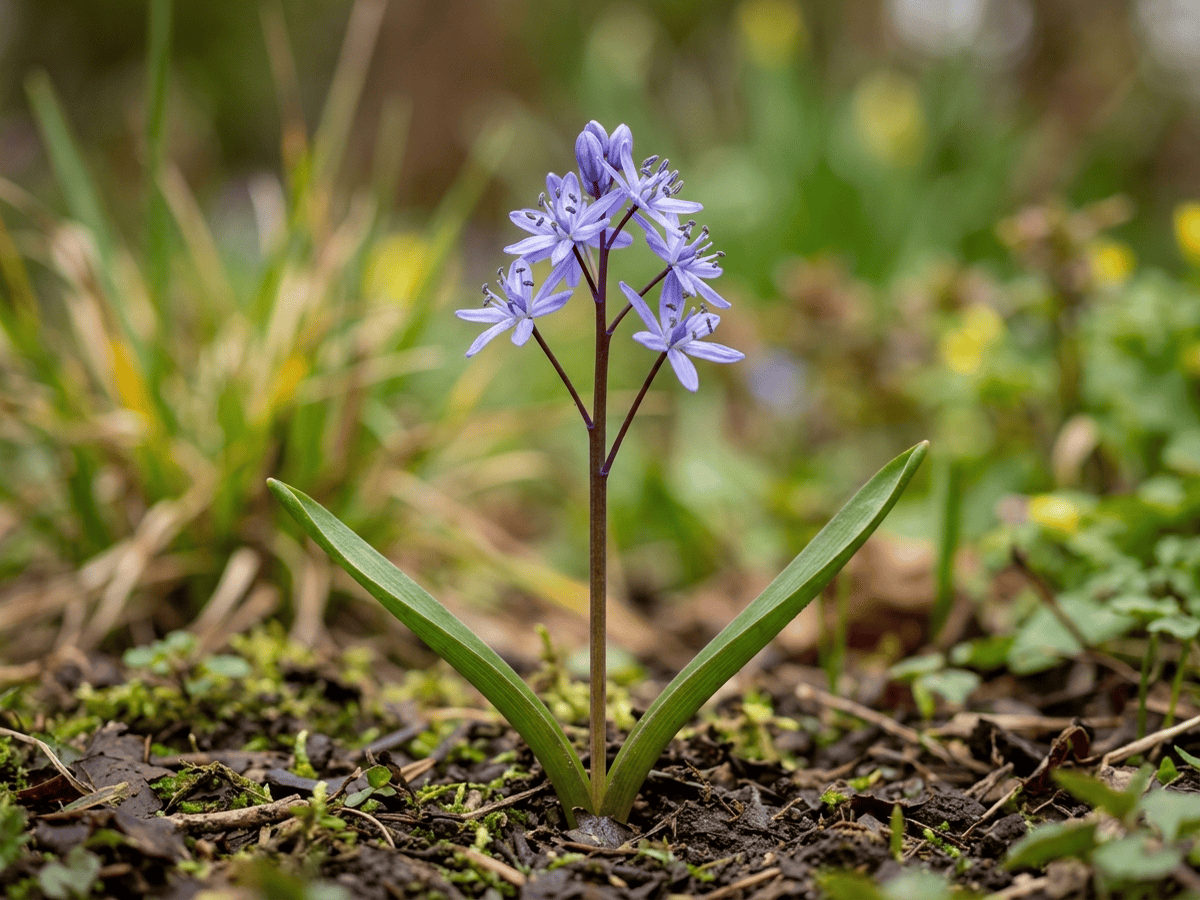
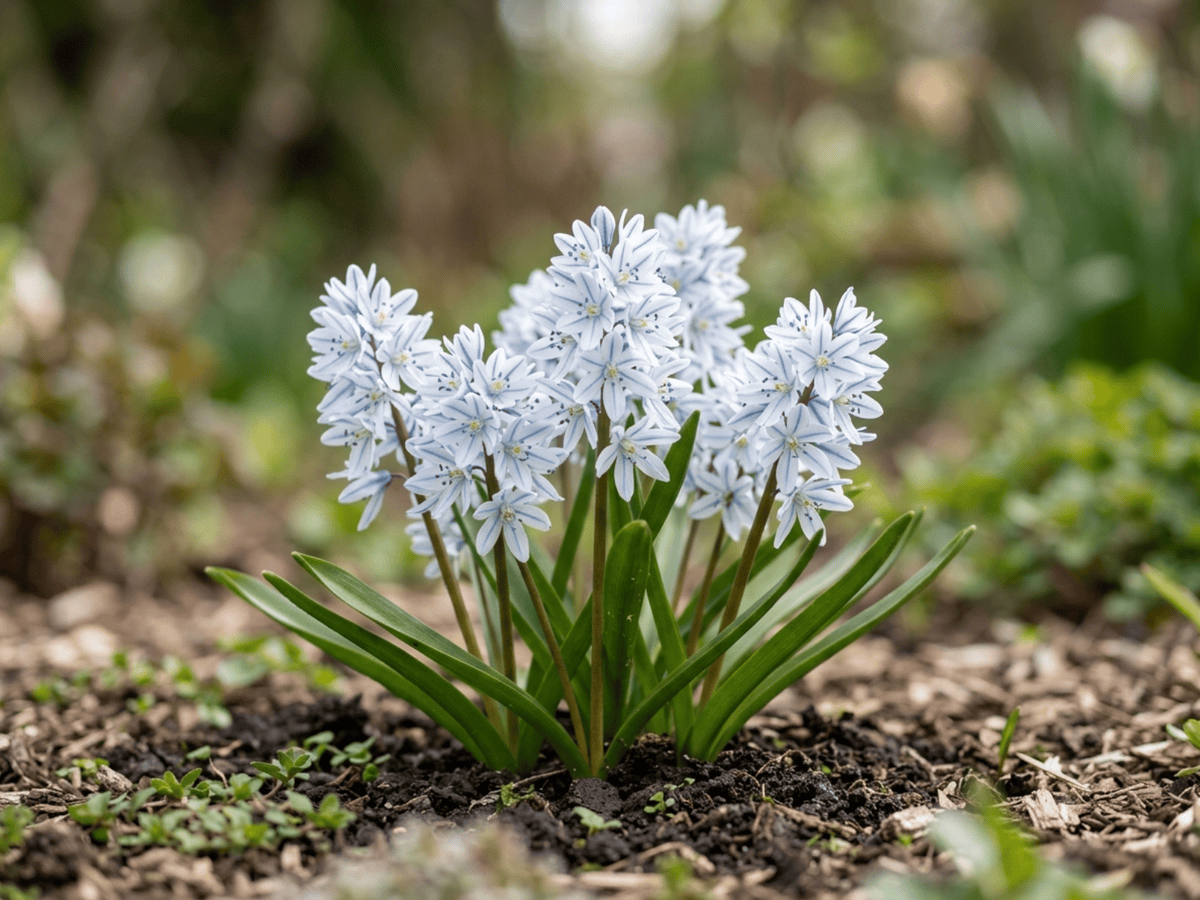
Plants with similar care
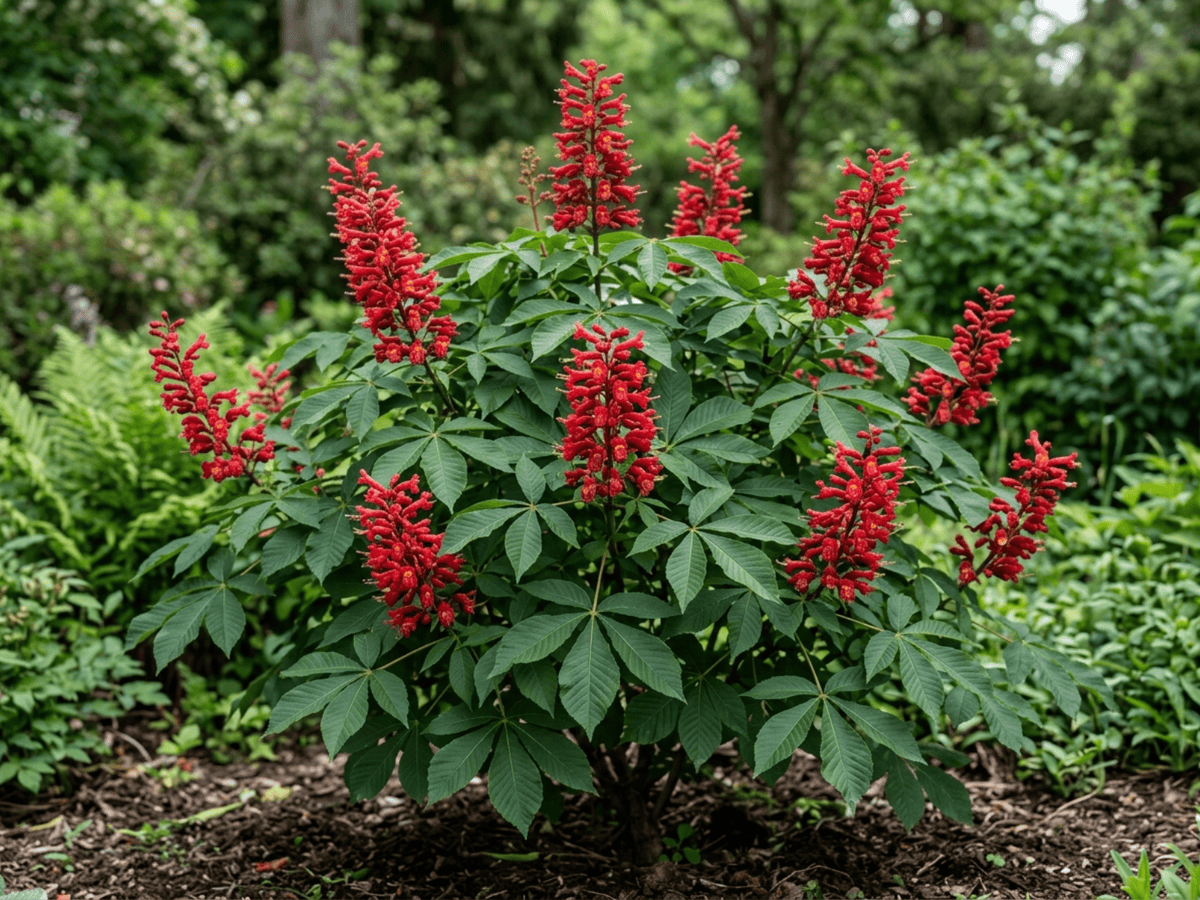 Red BuckeyeAesculus pavia
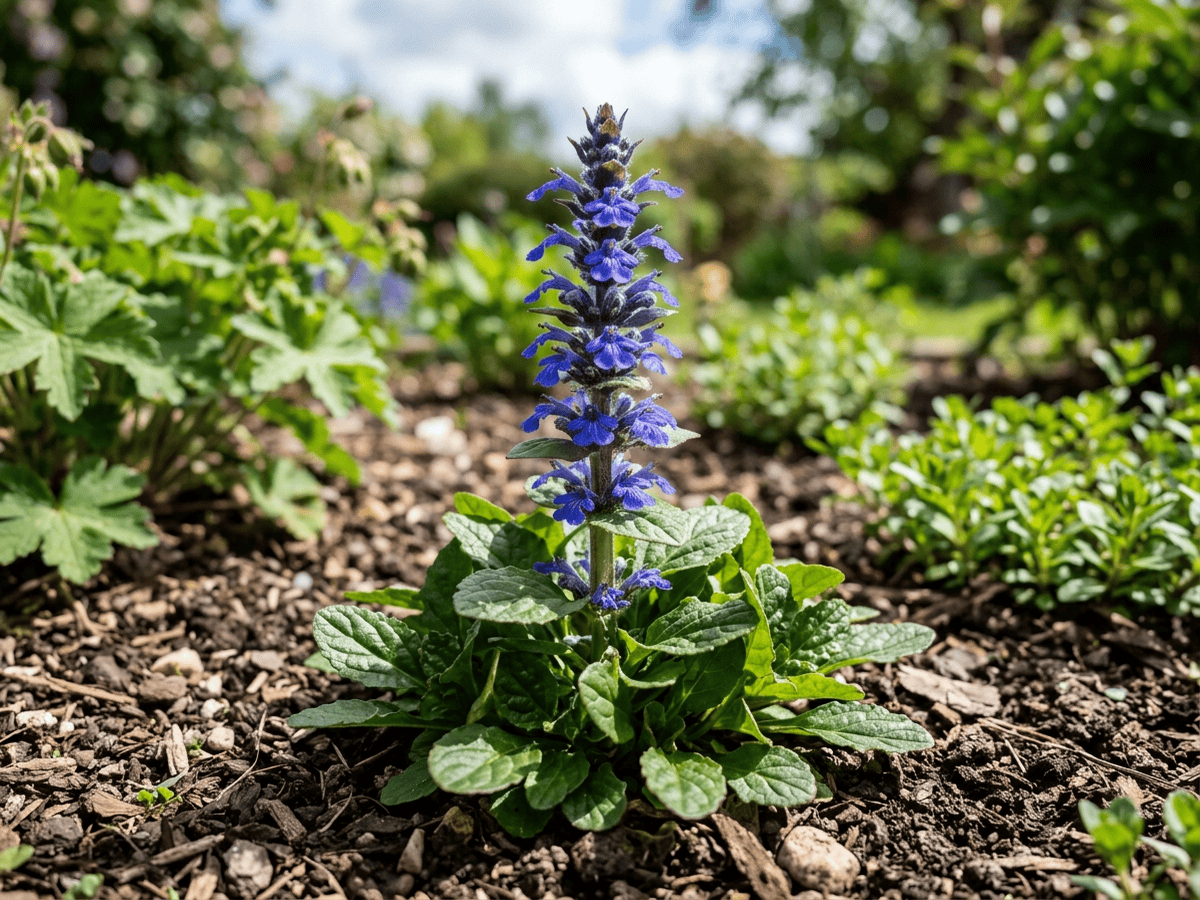 Blue BugleAjuga genevensis
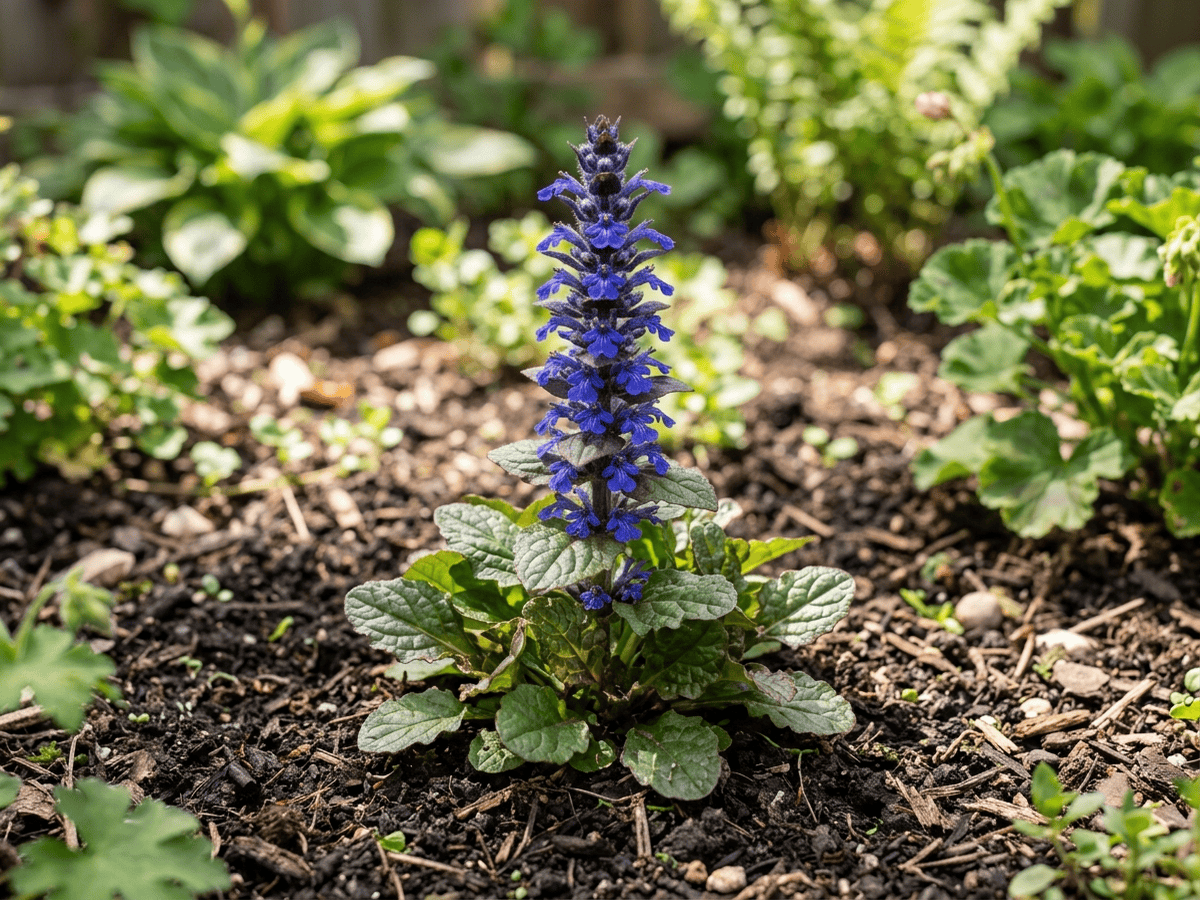 Pyramidal BugleAjuga pyramidalis
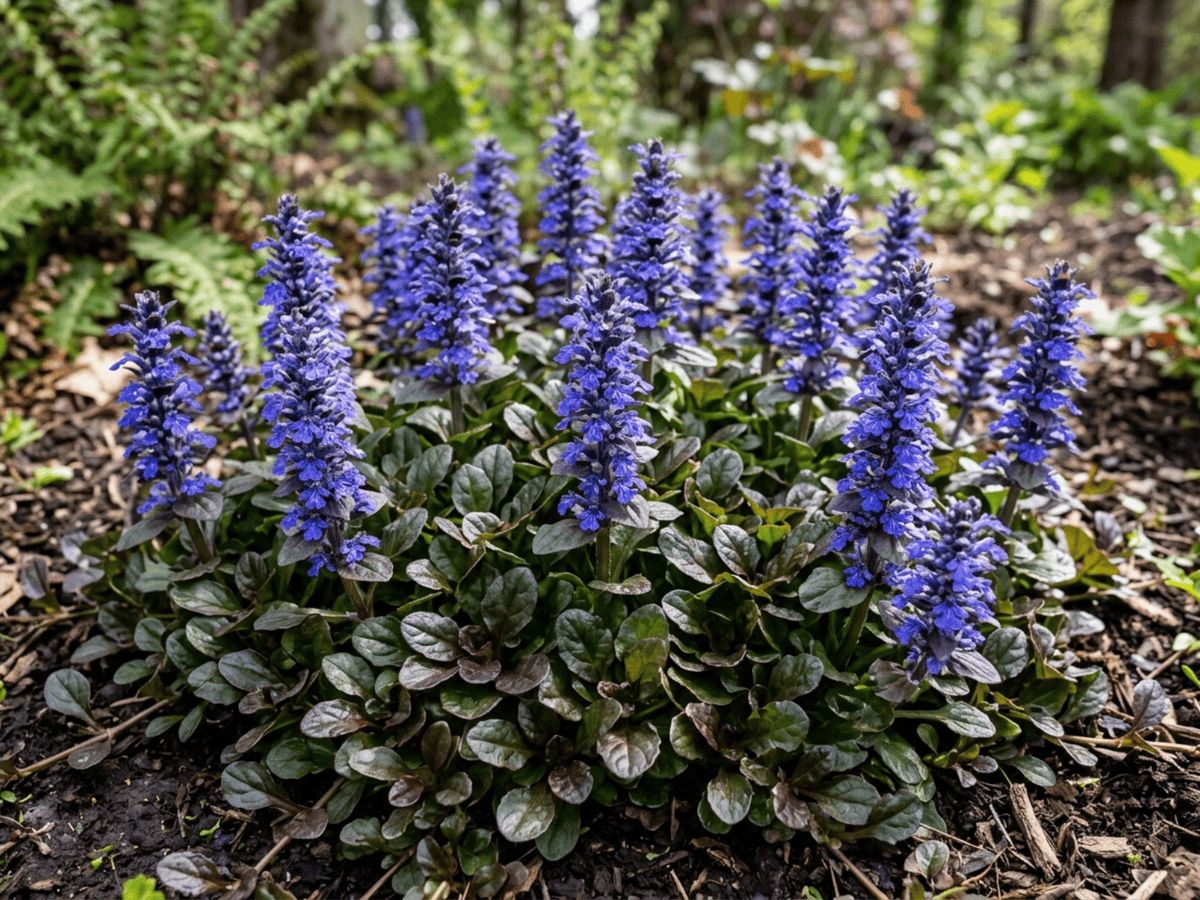 Carpet BugleAjuga reptans
Frequently asked questions
How often should I water Siberian Squill?
Water about every 5 days during the growing season, and always let excess water drain away.
How much light does Siberian Squill need?
Part shade: 2–4 hrs direct. Watch the leaves — scorching or stretching means the light needs adjusting.
Is Siberian Squill toxic to cats or dogs?
Pets Moderate (Dogs Moderate · Cats Moderate) Educational information, not medical or veterinary advice. If exposure is suspected, contact a doctor or veterinarian.
Is Siberian Squill easy to grow?
Yes — it is considered an easy, beginner-friendly plant.
When does Siberian Squill bloom?
It typically blooms Mar–Apr in the Northern Hemisphere.
YardMate
Identify any plant in seconds
Snap a photo — YardMate names the plant, diagnoses problems, and reminds you when to water.
Download on the App Store