 YardMate


Mishchenko Squill
Scilla mischtschenkoana
Easy · Beginner friendlyAbout Mishchenko Squill
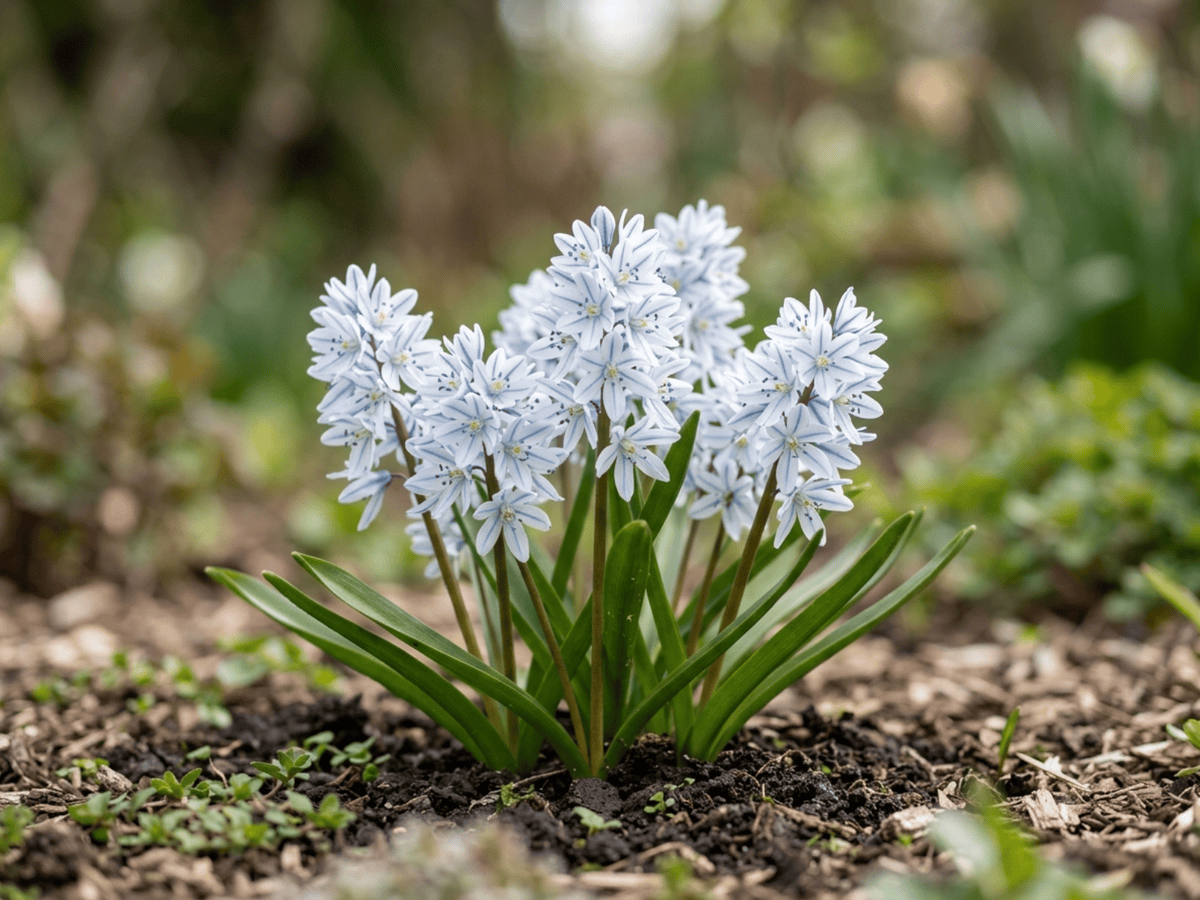
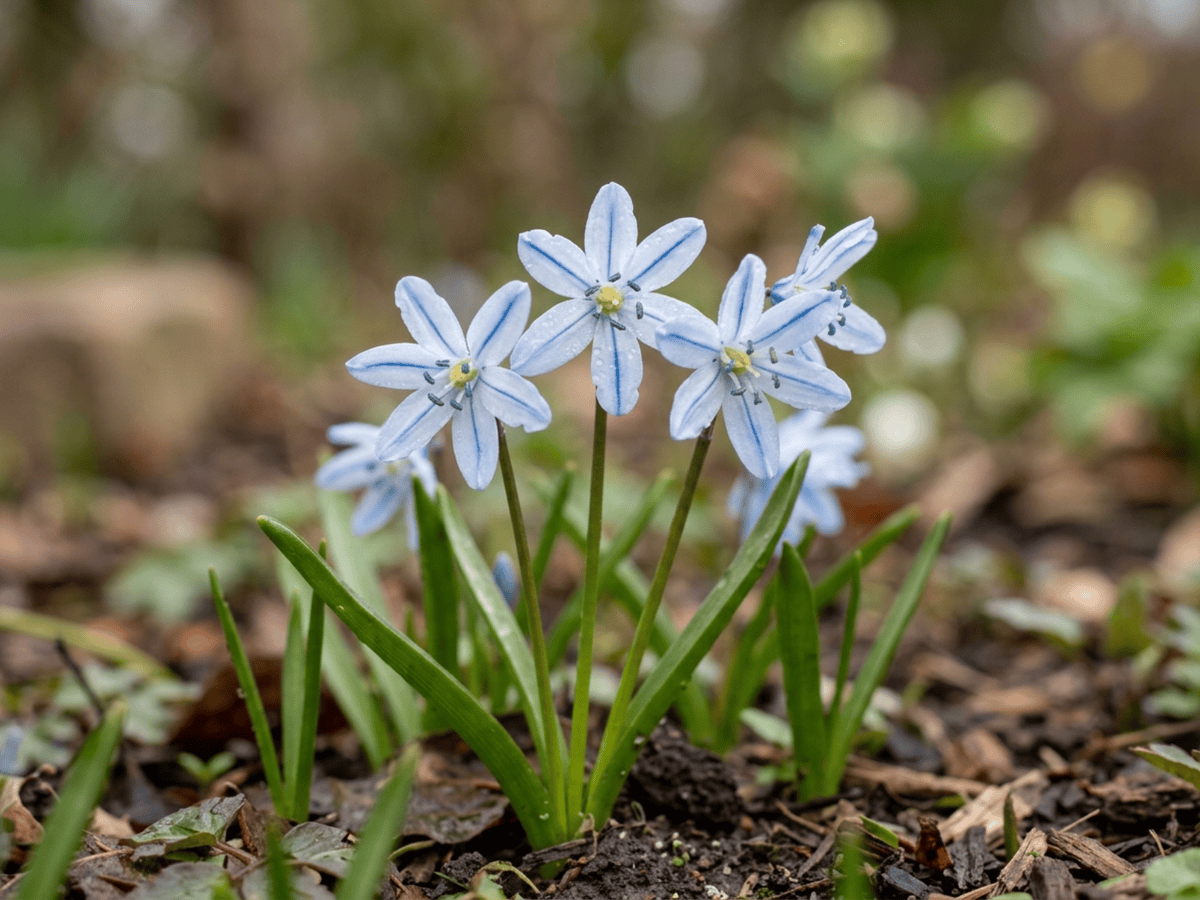
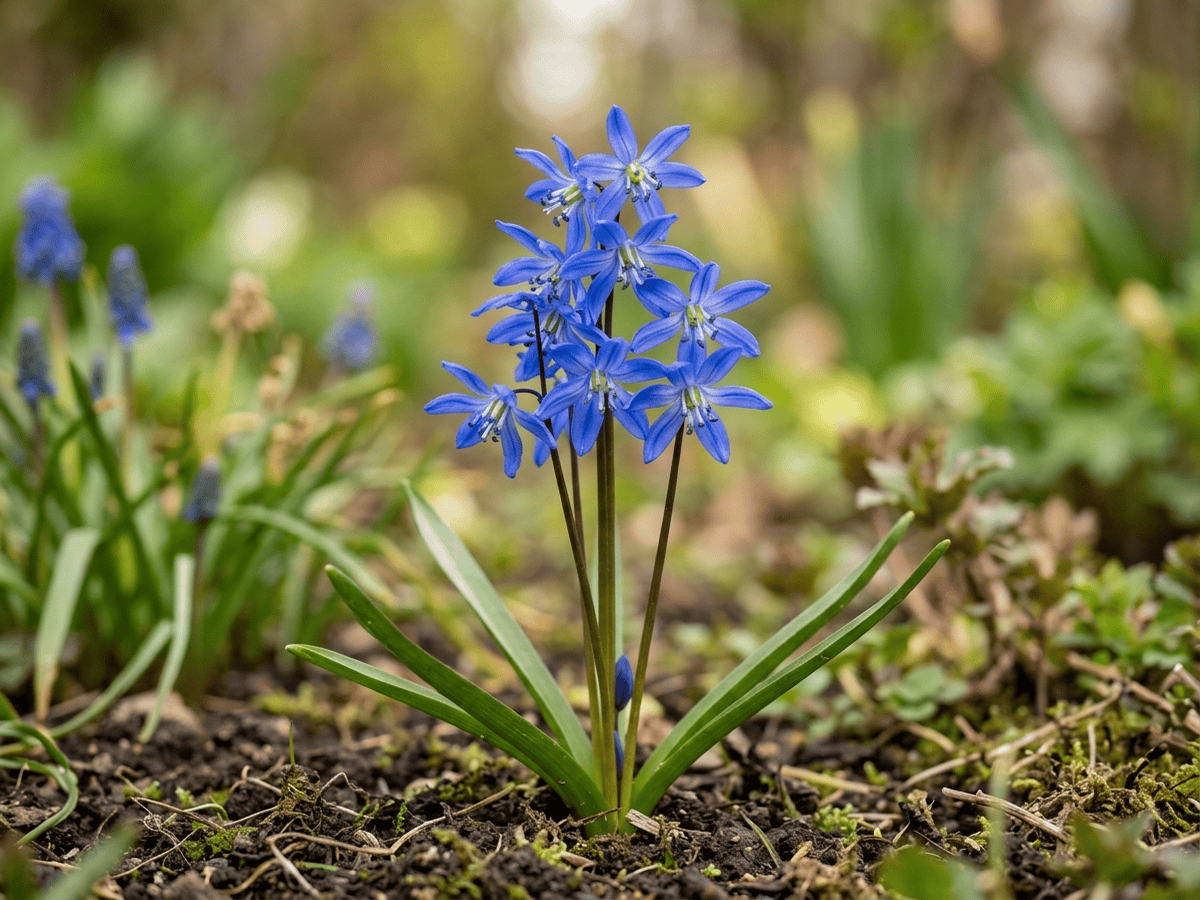
Mishtschenko Squill is an exquisite very early-blooming bulb from the Caucasus and Iran, producing clusters of pale ice-blue, almost translucent star-shaped flowers with darker midveins. Just 3-6 inches tall, it blooms even earlier than the more common Siberian squill—often as snow melts. Naturalizes well in American lawns and woodland edges, creating a delicate icy-blue haze in late winter.
- Cold-hardy
- Deer-resistant
- Compact
How to care for Mishchenko Squill
Watering
- Springevery 5 days
- Summerpause watering
- Fallevery 10 days
- Winterpause watering
Soil · Well-draining
- Main mixLoam + coarse sand 3:175%
- DrainageGravel25%
Sharp drainage matters most — bulbs rot in wet soil while dormant.
FERTILIZER
- Springevery 30 days
- Fallevery 60 days
At a Glance
- NativeWestern Asia
- Height0.3–0.5 ft (0.1–0.2 m)
- Spread0.3–0.5 ft (0.1–0.2 m)
- Flower colorWhite, Blue
- Foliage colorGreen
- SoilLoamy, Well-drained
- LocationsYard
Bloom time
BLOOM CYCLE
Peak bloom
Feb–Mar
Pale ice-blue flowers February to March
Fragrance
LIGHT FRAGRANCE
The flowers have a mild honey-like scent.
Toxicity
Humans Slight · Pets Moderate
scillaren glycosides
Slight
- Bulb
- Ingestion
EXPOSURE Eating bulbs.
EFFECT GI upset.
NOTE Bulbs contain cardiac glycosides; toxic to pets if ingested.
Moderate
- Bulb
- Ingestion
EXPOSURE Eating bulbs.
EFFECT Vomiting and diarrhea.
NOTE Bulbs contain cardiac glycosides; toxic to pets if ingested.
Moderate
- Bulb
- Ingestion
EXPOSURE Eating bulbs.
EFFECT Vomiting and diarrhea.
NOTE Bulbs contain cardiac glycosides; toxic to pets if ingested.
Educational information, not medical or veterinary advice. If exposure is suspected, contact a doctor or veterinarian.
DISTRIBUTION


- Native
- Introduced
- Western Asia
History
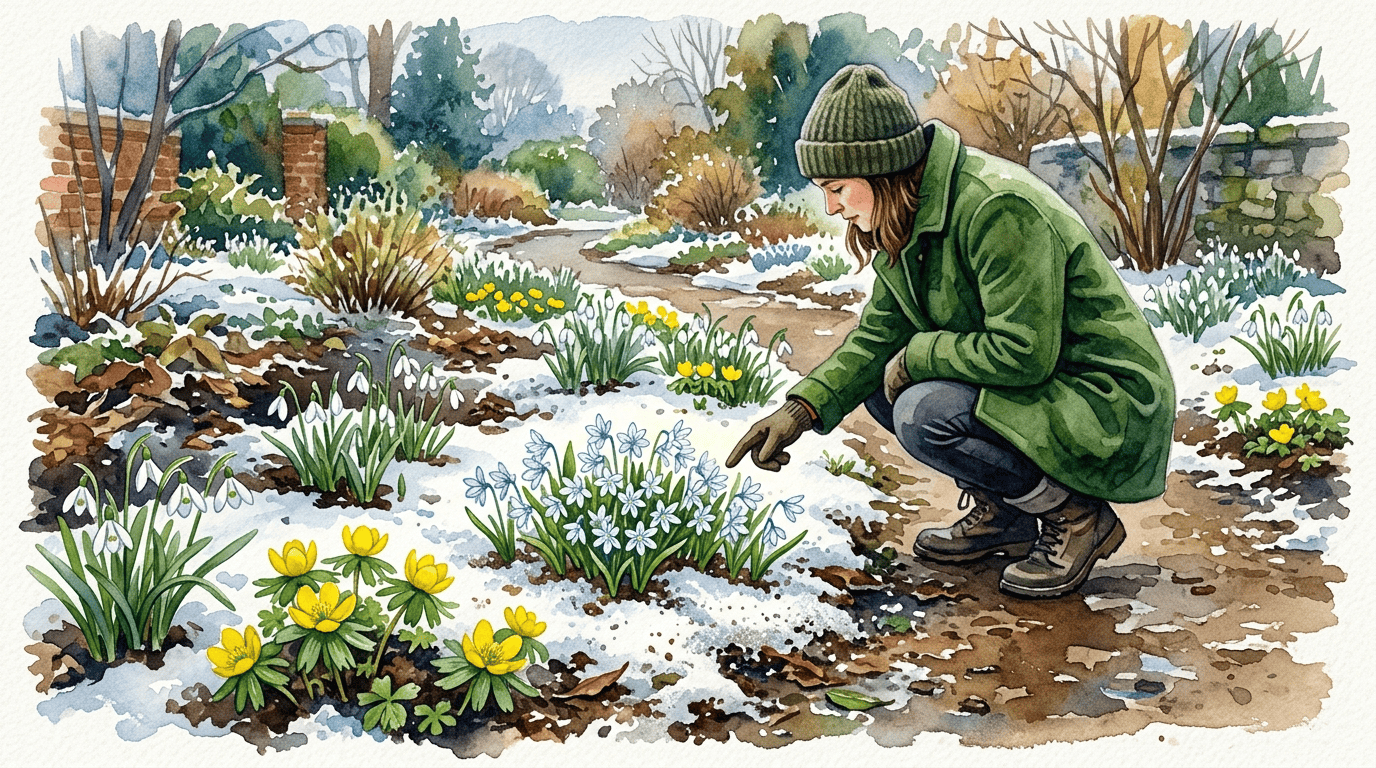
Scilla mischtschenkoana (sometimes spelled mishtschenkoana) is native to northern Iran, Azerbaijan, and adjacent Caucasian regions. Soviet Azerbaijani botanist Alexander Grossheim published the species in 1928 honoring Russian botanist Pavel Mishchenko, a contemporary who worked on Caucasian flora. The plant reaches only 4-6 inches with pale silvery-blue flowers, almost white with deeper blue central stripes, opening as snow melts in late winter.
Unlike Siberian squill (S. siberica) which is intensely blue, this species offers a much more delicate ghostly color that pairs well with early crocuses. The selection 'Tubergeniana' (the former species name, now synonym) from Van Tubergen nursery in the Netherlands received the RHS Award of Garden Merit. It naturalizes reliably and has become a connoisseur's small bulb.
Described in 1933 and named after Soviet botanist Pavel Mishchenko. Also sold as Scilla tubergeniana. Among the very first bulbs to bloom in American gardens each year, sometimes pushing up through thin snow. Excellent companion to snowdrops (Galanthus) and winter aconites (Eranthis).
Symbolism & meaning
What It Symbolizes
Mishchenko Squill is hope in pale ice-blue, its star-like flowers pushing up through the last patches of snow at winter's end. Its purity of color matches the season's longing for a clean new beginning. In its small early carpets, the year quietly admits that spring has, at last, begun.
- Hope — blooms at winter's end
- Purity — pristine ice-blue flowers
Where the Name Comes From
'Mischtschenkoana' honors Pavel Mishchenko (1869–1938), Soviet botanist.
Uses & Fun Facts
- Ice-blue stars open as snow melts in earliest spring
- Naturalizes through lawns, drifts, and woodland edges
- Earliest blooms feed emerging bees on warm days
Related plants
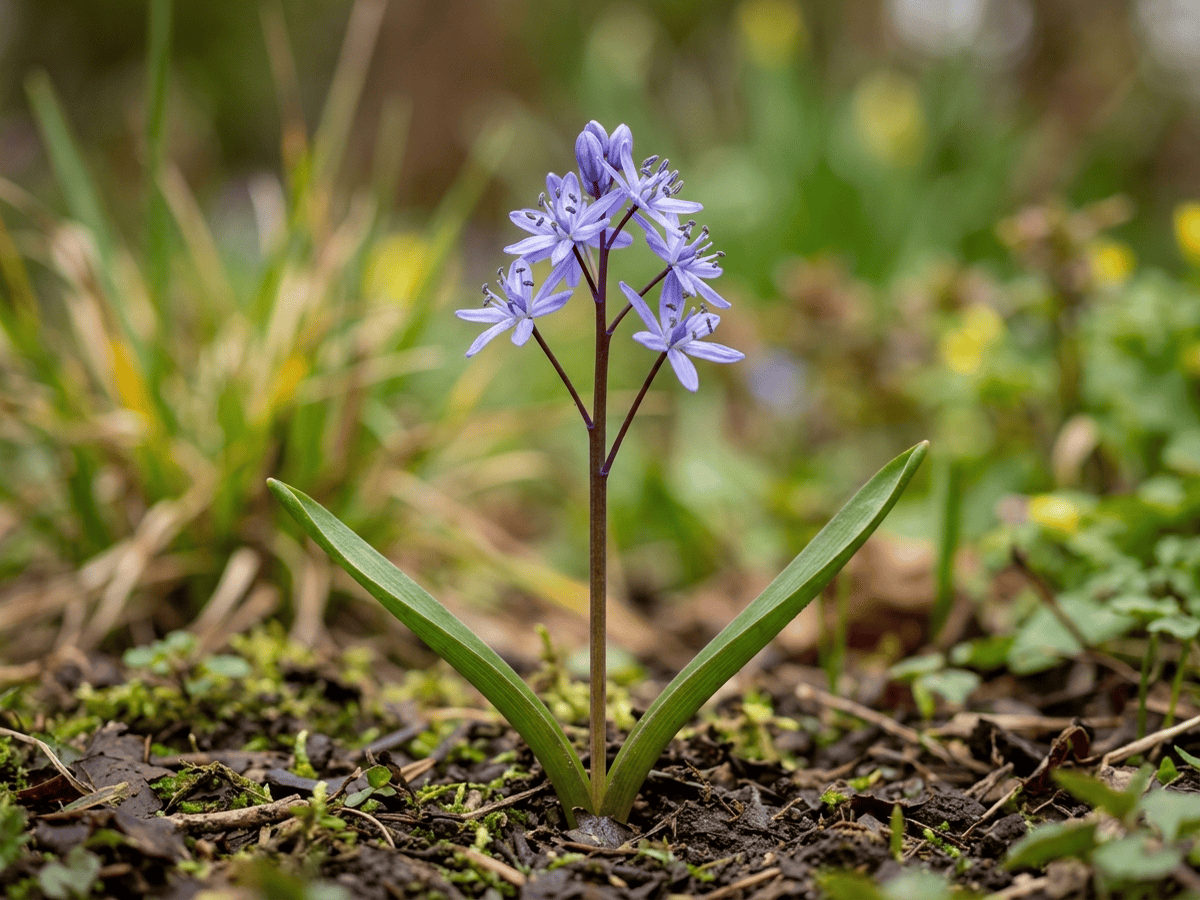
More Scilla plants
Plants with similar care
 Chinese AbeliaAbelia chinensis
 Fragrant AbeliaAbelia mosanensis
 Large-Flowered AbeliaAbelia uniflora
 Glossy AbeliaAbelia x grandiflora
Frequently asked questions
How often should I water Mishchenko Squill?
Water about every 5 days during the growing season, and always let excess water drain away.
How much light does Mishchenko Squill need?
Full sun: 6+ hrs direct. Watch the leaves — scorching or stretching means the light needs adjusting.
Is Mishchenko Squill toxic to cats or dogs?
Pets Moderate (Dogs Moderate · Cats Moderate) Educational information, not medical or veterinary advice. If exposure is suspected, contact a doctor or veterinarian.
Is Mishchenko Squill easy to grow?
Yes — it is considered an easy, beginner-friendly plant.
When does Mishchenko Squill bloom?
It typically blooms Feb–Mar in the Northern Hemisphere.
YardMate
Identify any plant in seconds
Snap a photo — YardMate names the plant, diagnoses problems, and reminds you when to water.
Download on the App Store