 YardMate

Green Bristle Grass
Setaria viridis
Easy · Beginner friendlyAbout Green Bristle Grass
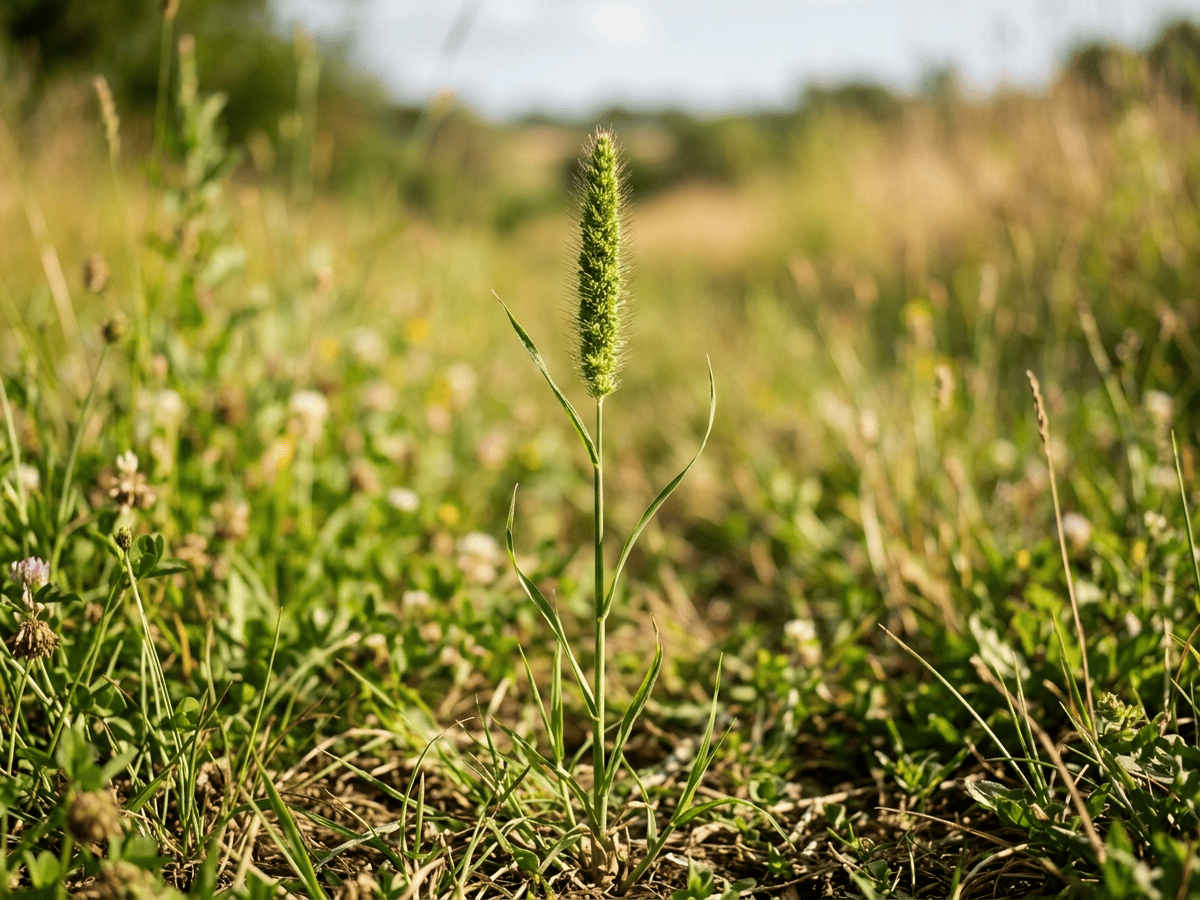
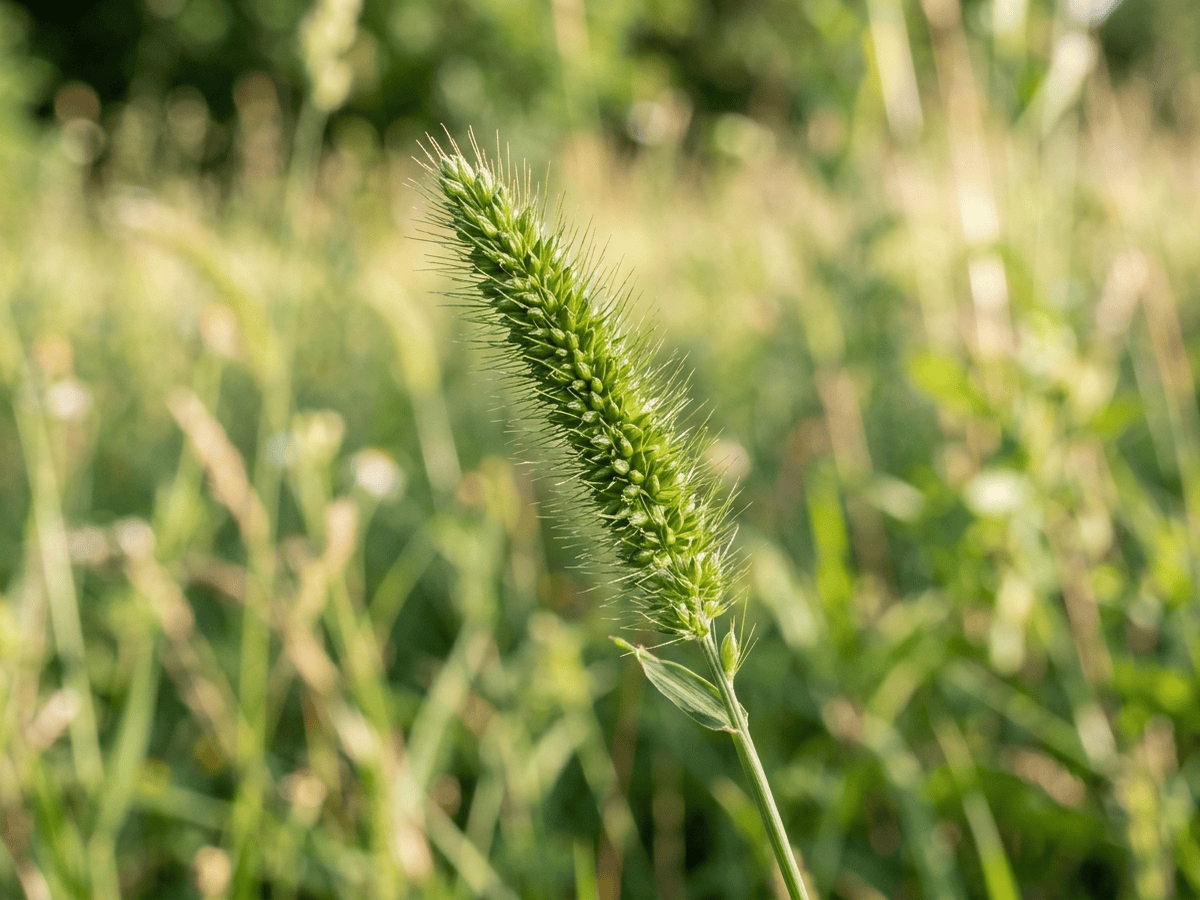
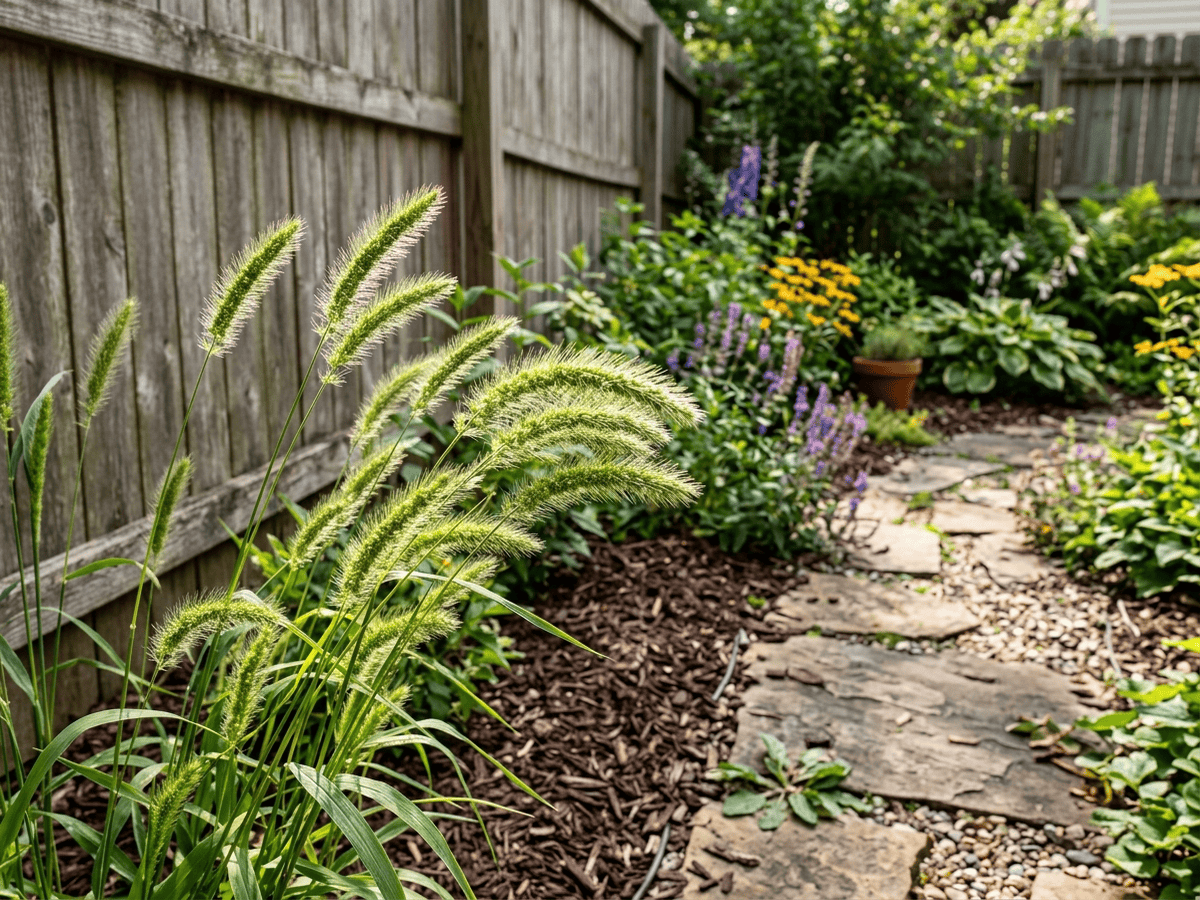
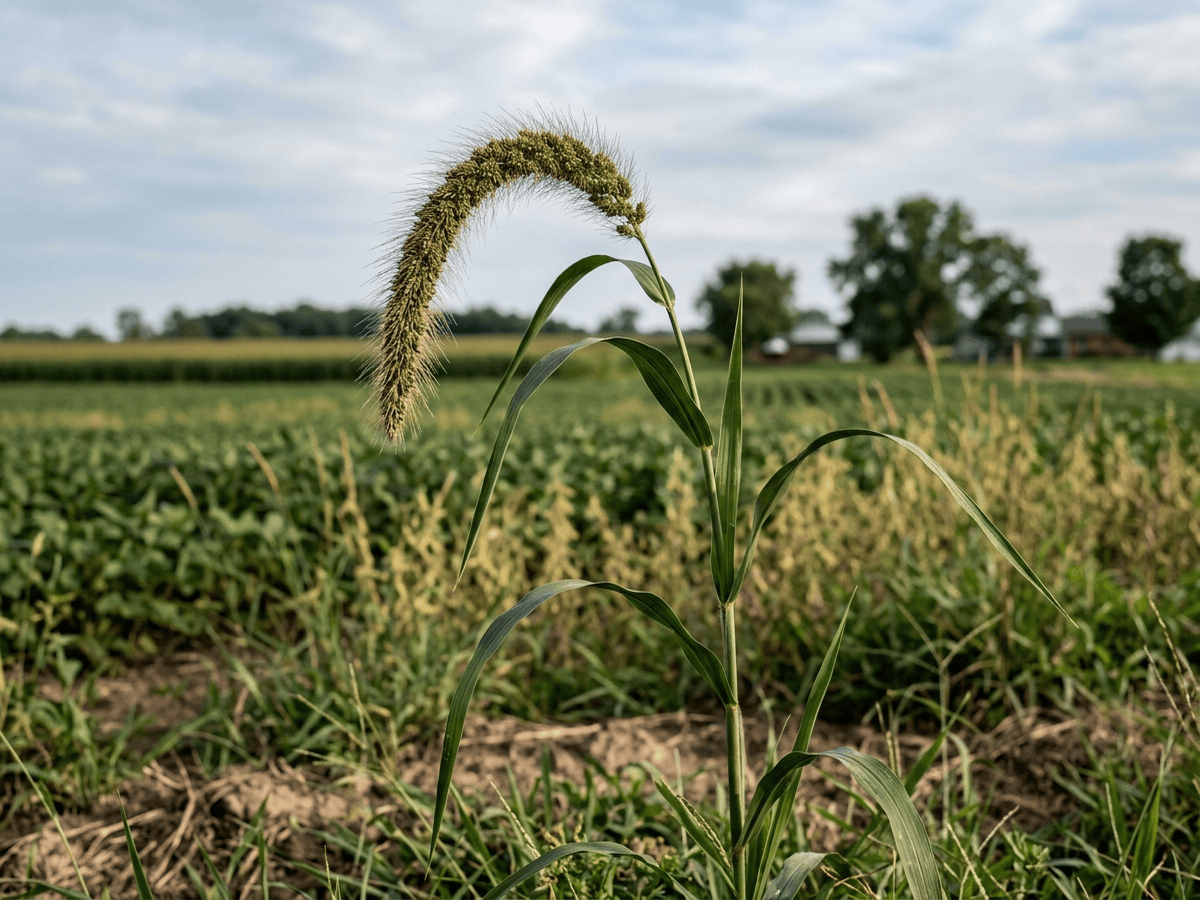
Green Foxtail is a European warm-season annual grass naturalized throughout the US, producing upright 1 to 4 foot stems topped with dense bristly green cylindrical seed heads resembling fox tails. Invades lawns, crop fields, gardens, and roadsides everywhere summer-disturbed soil provides a chance. A major agricultural weed in corn and soybean fields and a nuisance in American yards, with seed heads that persist through fall feeding small birds.
- Heat-tolerant
How to care for Green Bristle Grass
Watering
- Springevery 14 days
- Summerevery 7 days
- Fallevery 14 days
- Winterpause watering
Soil · Well-draining
- Top dressingPine bark mulch10%
- Main mixPotting soil + perlite 2:170%
- DrainageLECA / gravel20%
Never skip the drainage layer — standing water is the top cause of root rot.
FERTILIZER
This plant needs little to no feeding.
At a Glance
- NativeEast Asia
- Height1–3 ft (0.3–0.9 m)
- Spread0.5–1 ft (0.2–0.3 m)
- Flower colorGreen
- Foliage colorGreen
- Fruit colorGreen, Brown
- SoilLoamy, Well-drained
- LocationsYard
Bloom time
BLOOM CYCLE
Peak bloom
Jul–Nov
Bristly green fox-tail seed heads July through frost
Toxicity
Pets Slight
Unknown toxic principle
Not reported
EXPOSURE No exposure route is reported.
EFFECT No toxic effect is reported.
NOTE No toxicity is reported for humans in this catalog; this is not evidence that the plant is edible or harmless.
Slight
- Seed
- Contact
EXPOSURE Touching seeds.
EFFECT Foxtail awns can lodge in paws, ears, and nostrils causing infections.
NOTE Barbed seed heads can embed in pet fur and migrate into tissue — a veterinary emergency. Not chemically toxic.
Slight
- Seed
- Contact
EXPOSURE Touching seeds.
EFFECT Foxtail awns can lodge in paws, ears causing infections.
NOTE Barbed seed heads can embed in pet fur and migrate into tissue — a veterinary emergency. Not chemically toxic.
Educational information, not medical or veterinary advice. If exposure is suspected, contact a doctor or veterinarian.
DISTRIBUTION

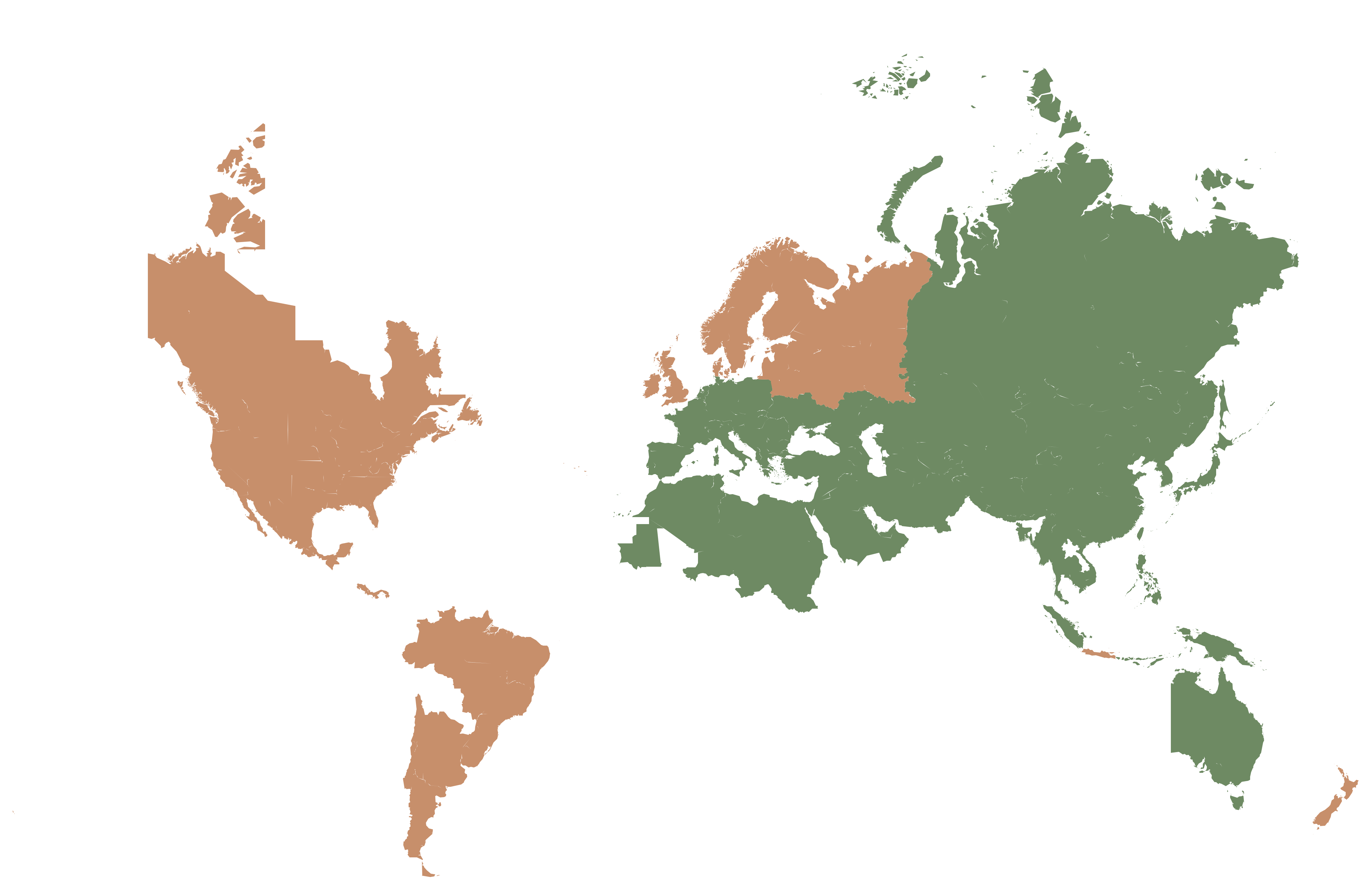
- Native
- Introduced
- East Asia
History

Setaria viridis is native to Europe and Eurasia. Linnaeus described it as Panicum viride in 1753; Palisot de Beauvois transferred it to Setaria in 1812. It is the wild ancestor of foxtail millet (Setaria italica), domesticated in the Yellow River valley of northern China approximately 8,000 years ago — predating rice domestication in the same region.
Foxtail millet (xiao mi) was the principal staple grain of northern China before wheat and rice displaced it in the common era, and it remains a subsistence crop across arid northern China, Korea, and parts of India today. Wild S. viridis has become a major summer-annual weed in corn, soybean, and sorghum fields globally.
Its small genome (~515 Mb) and C4 photosynthesis have made it an important model organism for photosynthesis research, sometimes called the 'grass Arabidopsis'. Native to Europe and temperate Asia, brought to North America with crop seed and is now a major warm-season weed across the US. Closely related to cultivated foxtail millet (Setaria italica), a 7,000-year-old Chinese crop.
Symbolism & meaning
What It Symbolizes
Green Bristle Grass is aggressive summer made grassy, dominating disturbed soils across temperate continents during the late, dusty weeks of August. Its bristly seed heads have earned it the affectionate folk name 'fox tail,' bushy and unmistakable on roadsides and field edges. This is the patron weed of the late season — a grass that asserts itself most strongly precisely when gardeners and farmers are tired of pulling weeds.
- Aggressive summer — dominates disturbed soil in late summer
- Fox tail — distinctive bristly tail-shaped seed head
Where the Name Comes From
'Setaria' from Latin 'seta' meaning bristle, for the bristly seed heads; 'viridis' means green.
Uses & Fun Facts
- Green Bristle Grass berries and cover sustain songbirds through autumn
Related plants
More Setaria plants
Plants with similar care
 Chinese AbeliaAbelia chinensis
 Fragrant AbeliaAbelia mosanensis
 Large-Flowered AbeliaAbelia uniflora
 Glossy AbeliaAbelia x grandiflora
Frequently asked questions
How often should I water Green Bristle Grass?
Water about every 14 days during the growing season, and always let excess water drain away.
How much light does Green Bristle Grass need?
Full sun: 6+ hrs direct. Watch the leaves — scorching or stretching means the light needs adjusting.
Is Green Bristle Grass toxic to cats or dogs?
Pets Slight (Dogs Slight · Cats Slight) Educational information, not medical or veterinary advice. If exposure is suspected, contact a doctor or veterinarian.
Is Green Bristle Grass easy to grow?
Yes — it is considered an easy, beginner-friendly plant.
When does Green Bristle Grass bloom?
It typically blooms Jul–Nov in the Northern Hemisphere.
YardMate
Identify any plant in seconds
Snap a photo — YardMate names the plant, diagnoses problems, and reminds you when to water.
Download on the App Store