 YardMate
Campion
Silene banksia
Hard · Experienced growersAbout Campion
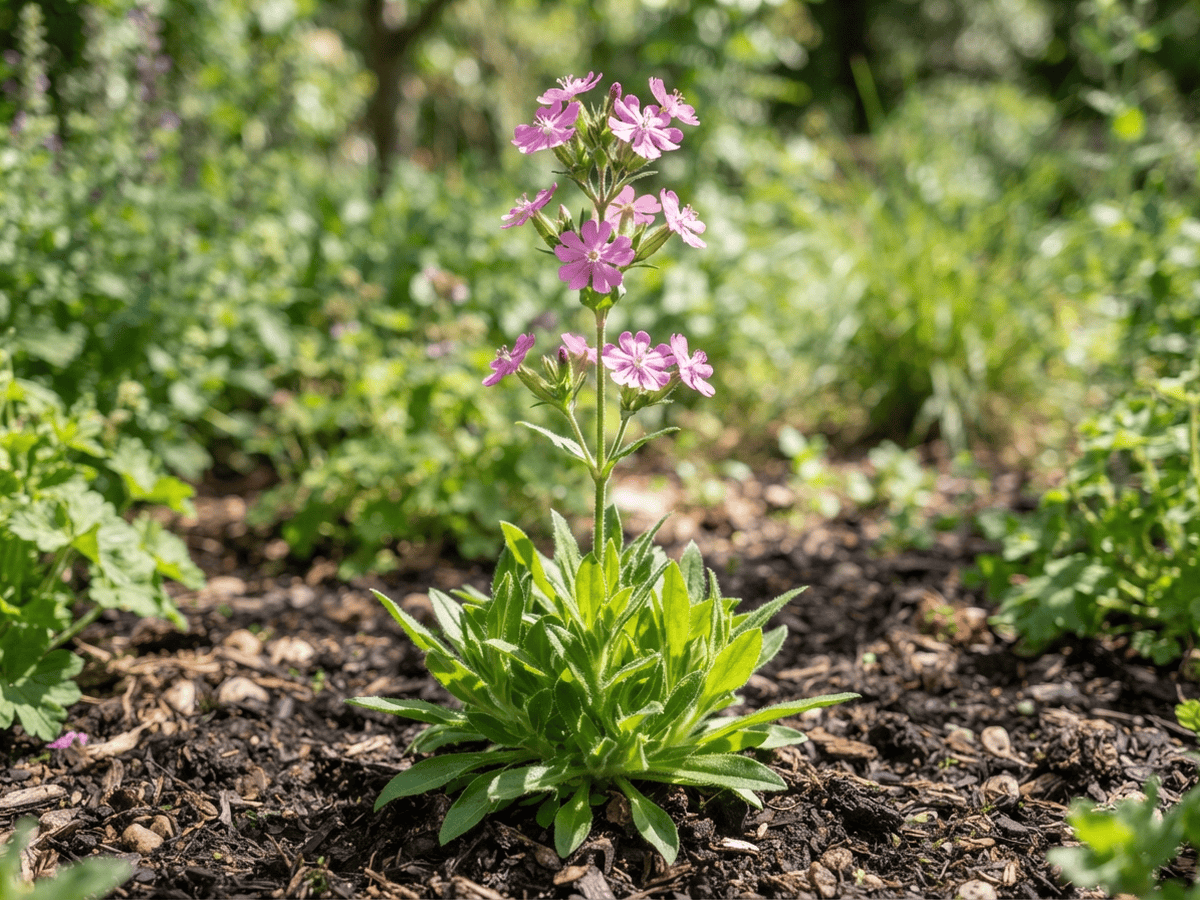
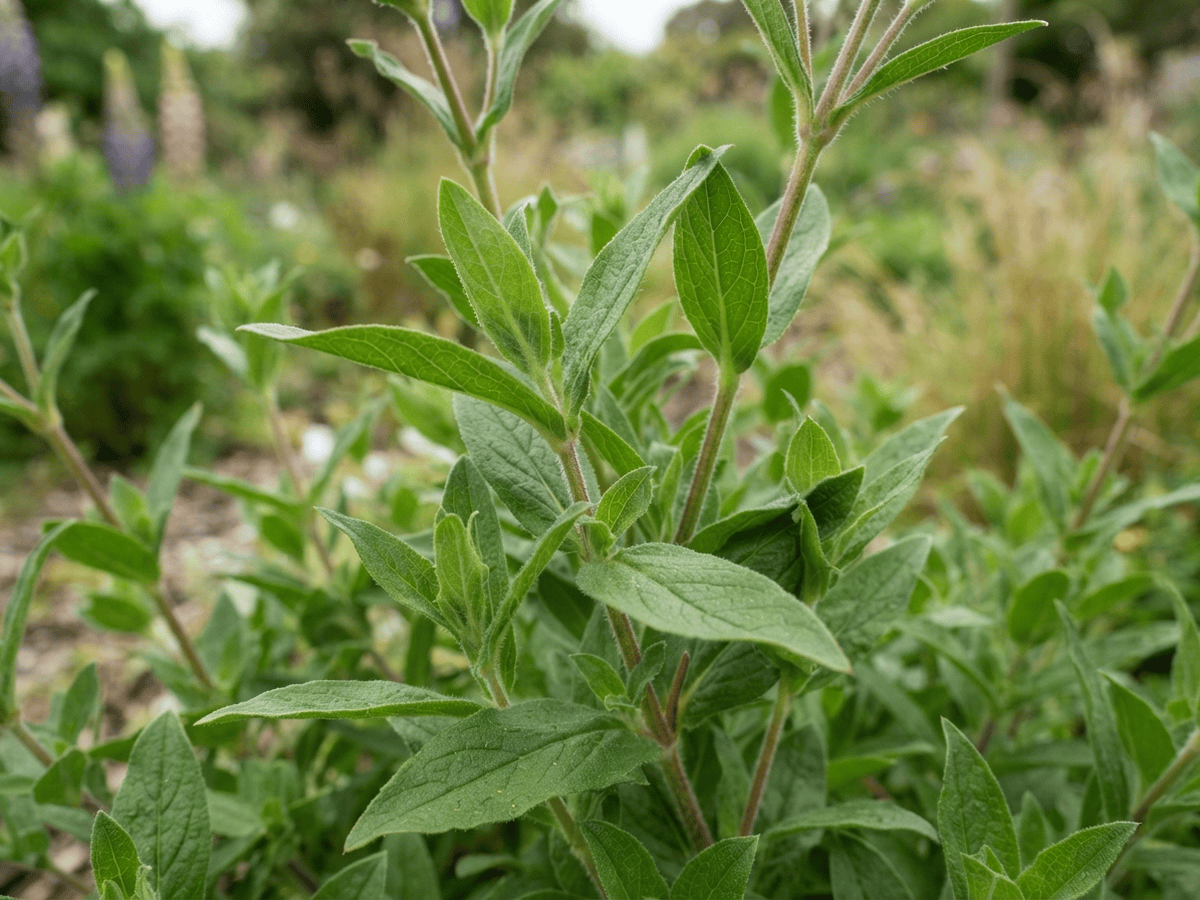
Campion is a compact, clump-forming perennial from the genus Silene, a large group of roughly 700 species spread across temperate regions of the Northern Hemisphere and parts of the Southern Hemisphere. This low, tidy plant reaches only about half a foot to a foot tall, with a slightly wider spread of one to two feet, making it well suited to rock gardens, border edges, and containers on a sunny patio. Narrow green foliage forms a neat rosette, from which slender stems rise with a faintly sticky texture found across the genus, a trait that earned many campions their old folk name, 'catchfly.' Given full sun and sharply well-drained soil, it shrugs off dry spells and lean ground with ease.
- Drought-tolerant
- Compact
- Pollinator-friendly
- Container-friendly
- Fragrant
How to care for Campion
Watering
- Springevery 10 days
- Summerevery 5 days
- Fallevery 10 days
- Winterevery 20 days
Soil · Well-draining
- Top dressingPine bark mulch10%
- Main mixPotting soil + perlite 2:170%
- DrainageLECA / gravel20%
Never skip the drainage layer — standing water is the top cause of root rot.
FERTILIZER
Balanced Feed 14-14-14
An even feed covers all three needs at once, keeping leaves, roots and blooms moving together with nothing pushed out of balance.
- Nitrogen · Leaves
- Phosphorus · Roots + Blooms
- Potassium · Strength
- Springevery 30 days
- Summerevery 30 days
- Fallevery 30 days
- Winterevery 30 days
At a Glance
- NativeAustralia
- Height0.5–1 ft (0.2–0.3 m)
- Spread1–2 ft (0.3–0.6 m)
- Foliage colorGreen
- SoilWell-drained
- LocationsYard · Patio
Fragrance
LIGHT FRAGRANCE
A faint, sweet scent from the flowers, common across many campion species and often strongest in the evening when it helps draw in night-flying moths.
Toxicity
No toxicity has been reported for this plant. Still, it is wise to keep pets from chewing on any houseplant.
Educational information, not medical or veterinary advice. If exposure is suspected, contact a doctor or veterinarian.
DISTRIBUTION


- Native
- Introduced
- Australia
History

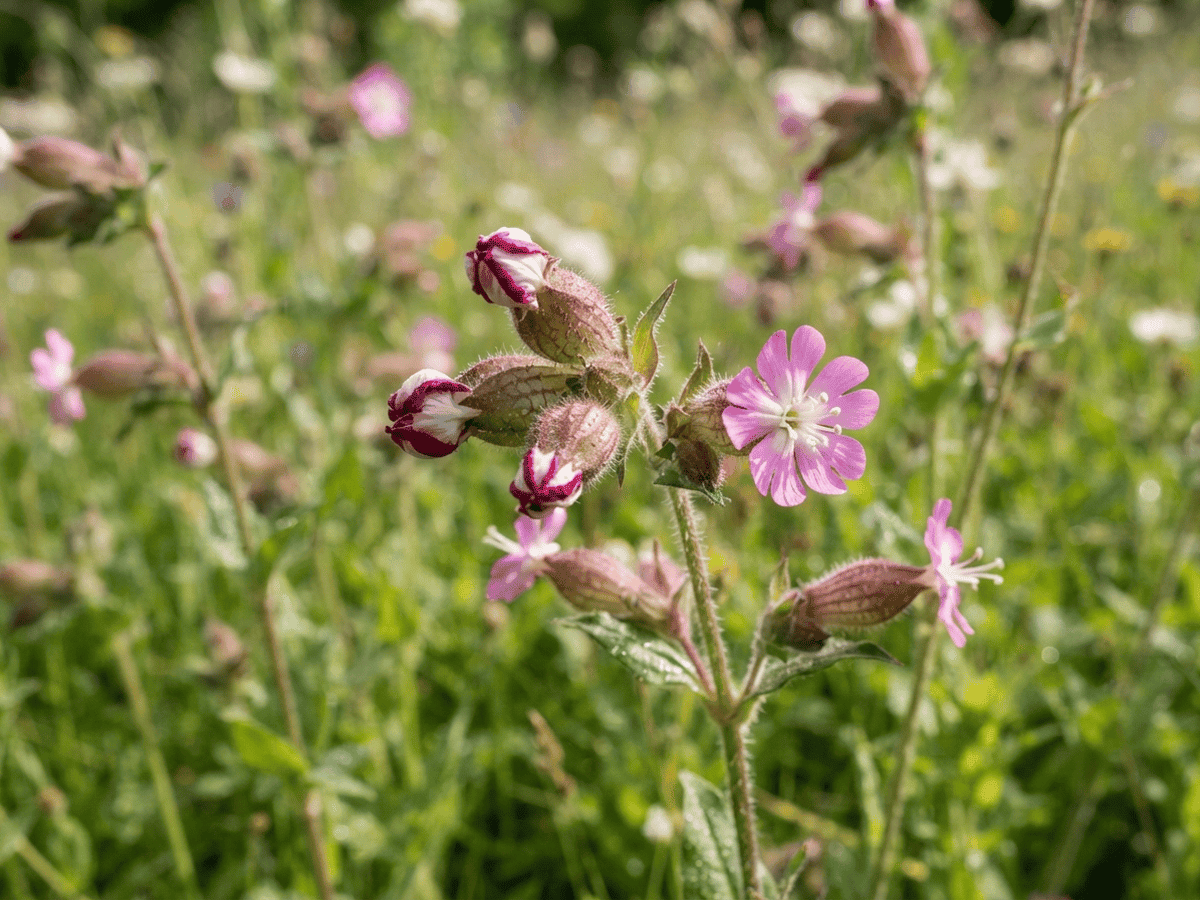
Long before campions were garden favorites, they were simply a fact of the meadow and roadside across Europe and temperate Asia, where their five-petaled, often notched or fringed flowers and curiously sticky stems made them impossible to overlook. Field naturalists of the sixteenth and seventeenth centuries were among the first to write down what country children had likely known for generations: that the upper stems of many campions are coated in a clear, glandular secretion strong enough to trap ants, gnats, and other small insects that attempt to climb past the flowers to reach the nectar. This built-in flypaper is thought to be a simple defense that keeps nectar-robbing crawlers away from the blossoms, leaving the reward for flying pollinators instead. That single quirk was memorable enough to fix the plant's English common name, 'catchfly,' firmly in folk speech, and it earned a place, however minor, in the herbals of writers like Nicholas Culpeper, who catalogued campions among the countryside's lesser medicinal plants. By the Victorian era, campions had also become cottage-garden staples, prized for their airy, long-lasting blooms and easy nature in poor, dry soil where showier plants struggled. Several species in the genus, notably white-flowered campions, are night-scented and open or brighten toward dusk, timed to the flight of moths that pollinate them after dark, a rhythm naturalists have documented for well over a century and one that still draws pollinator gardeners to plant campions today.
Symbolism & meaning
What It Symbolizes
Rooted in lean, sun-baked ground where richer soil is scarce, campion has always managed to bloom anyway, earning it a quiet reputation for resilience among gardeners who grow it. Yet the same plant holds a small, sly secret: its sticky upper stems, evolved simply to keep crawling insects from robbing its nectar, have made it a plant of gentle allure, a pretty flower with a trap built into its own stem, discovered by curious hands for centuries.
- Resilience — Thriving in poor, dry soils where many showier plants struggle, campion has come to symbolize quiet resilience and the ability to flourish on very little.
- Allure — The sticky 'catchfly' stems that snare small insects have long lent campion an air of playful, almost mischievous allure, beauty that conceals a subtle trap.
Where the Name Comes From
The genus name Silene has puzzled botanists for centuries. Many trace it to the Greek sialon, meaning 'saliva,' a reference to the sticky, foam-like secretion many species exude along their upper stems; others link it to Silenus, the wine-loving woodland companion of the god Bacchus in Greek myth, who was traditionally pictured drenched in froth and greenery. Both roots point to the same real trait: the glandular stickiness that gives campions their common nickname, 'catchfly,' since small insects are so often found stuck fast to the stems.
Uses & Fun Facts
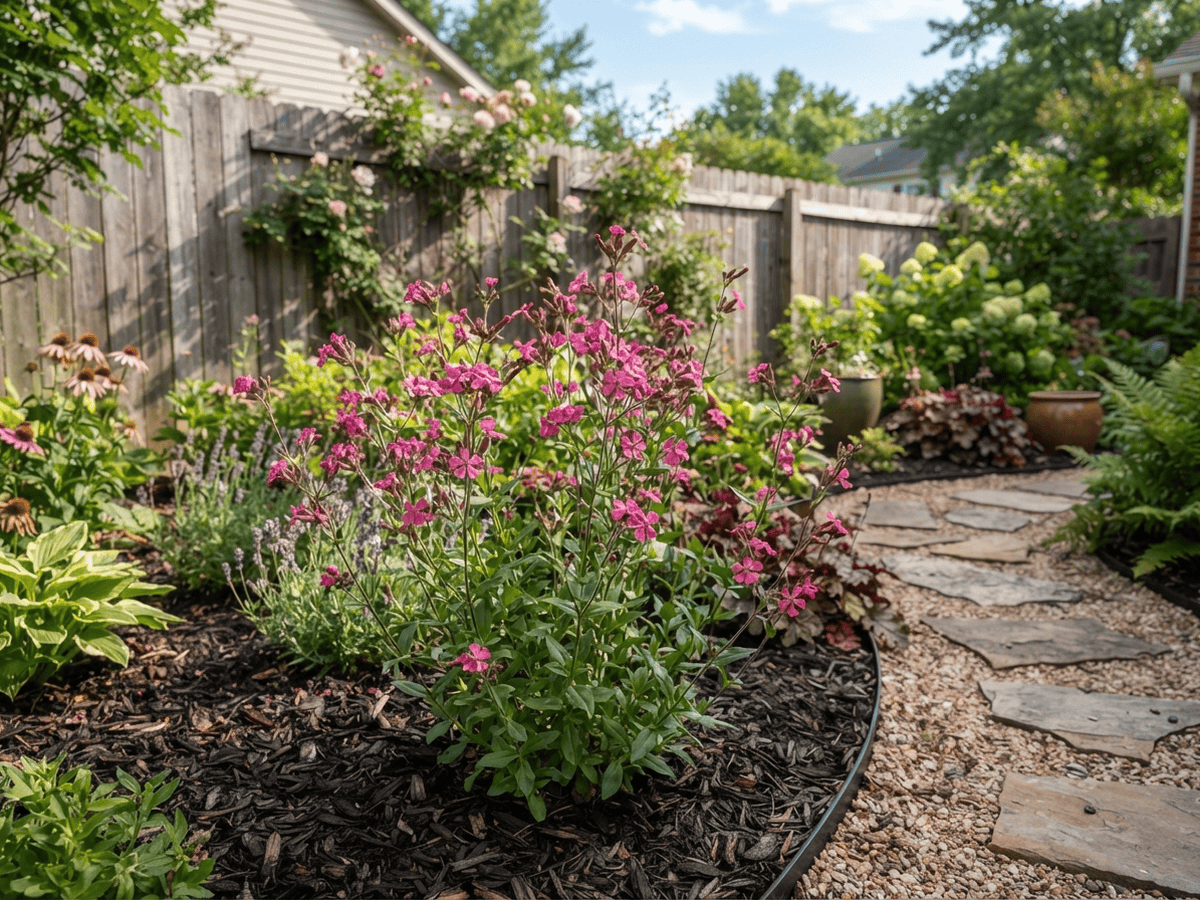
- Its compact, mounding habit and airy, star-shaped blooms make campion a versatile edging, rock-garden, or container plant for sunny spots.
- Many Silene species offer nectar to moths, bees, and other pollinators, with some scenting and opening most strongly at dusk.
- European folk herbalists once listed campions among minor countryside remedies noted in early herbals, though such uses have long fallen out of common practice.
Related plants
Plants with similar care
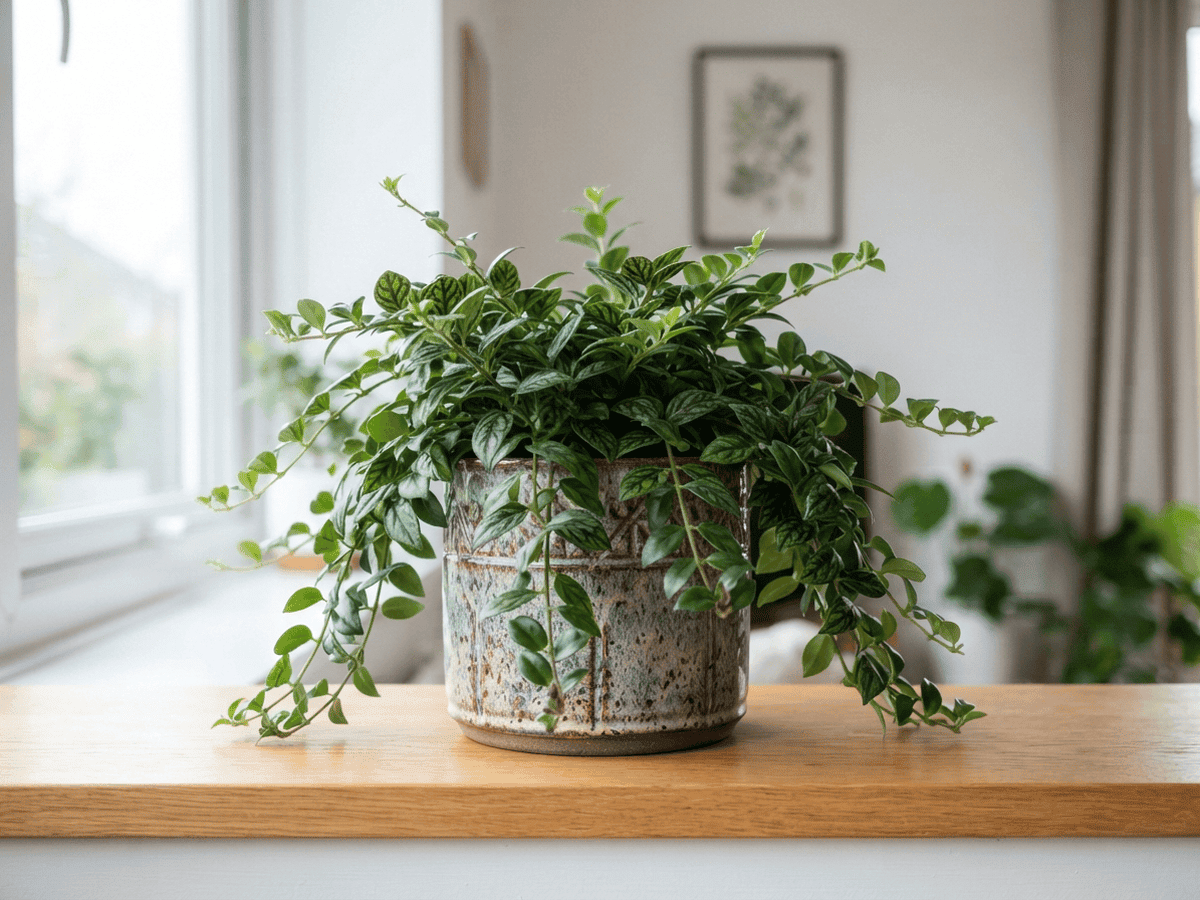 Lipstick PlantAeschynanthus longicaulis
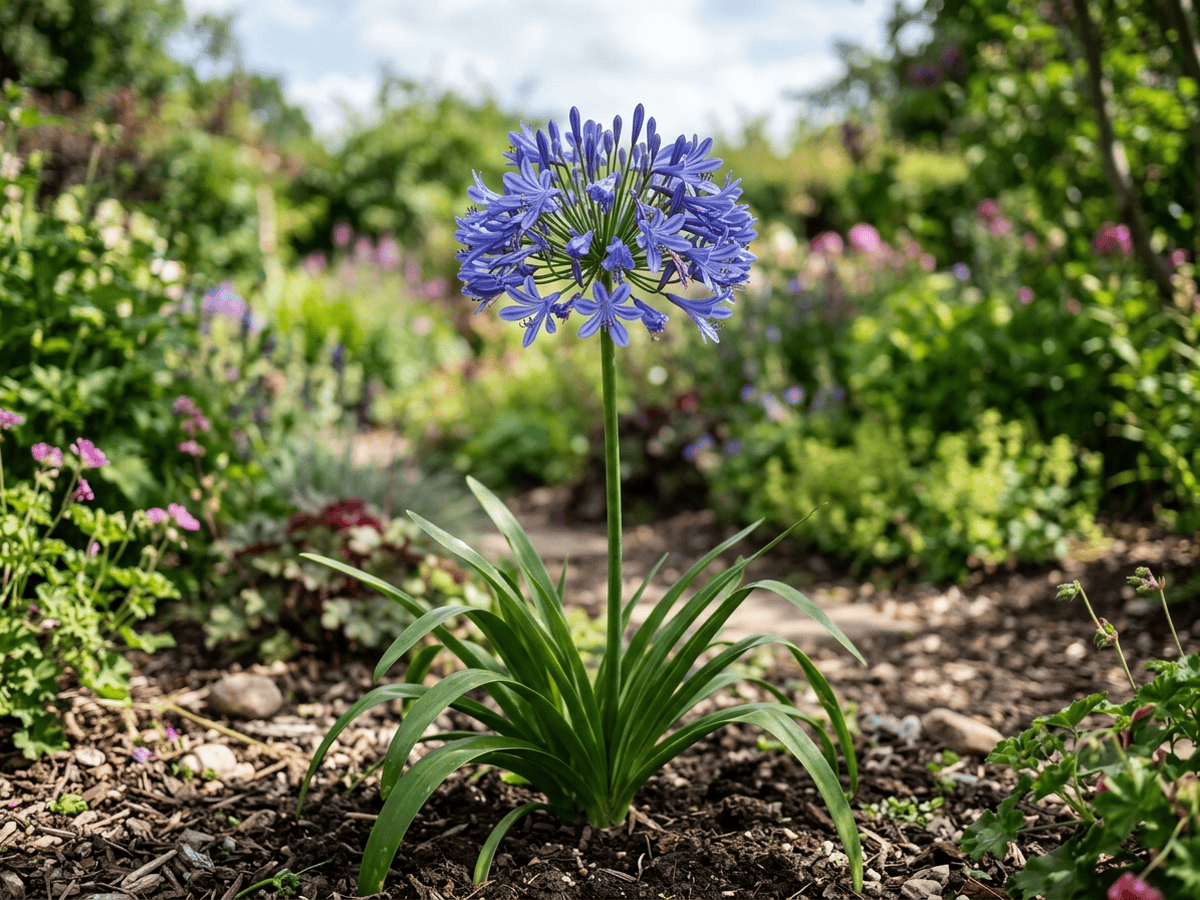 African LilyAgapanthus africanus
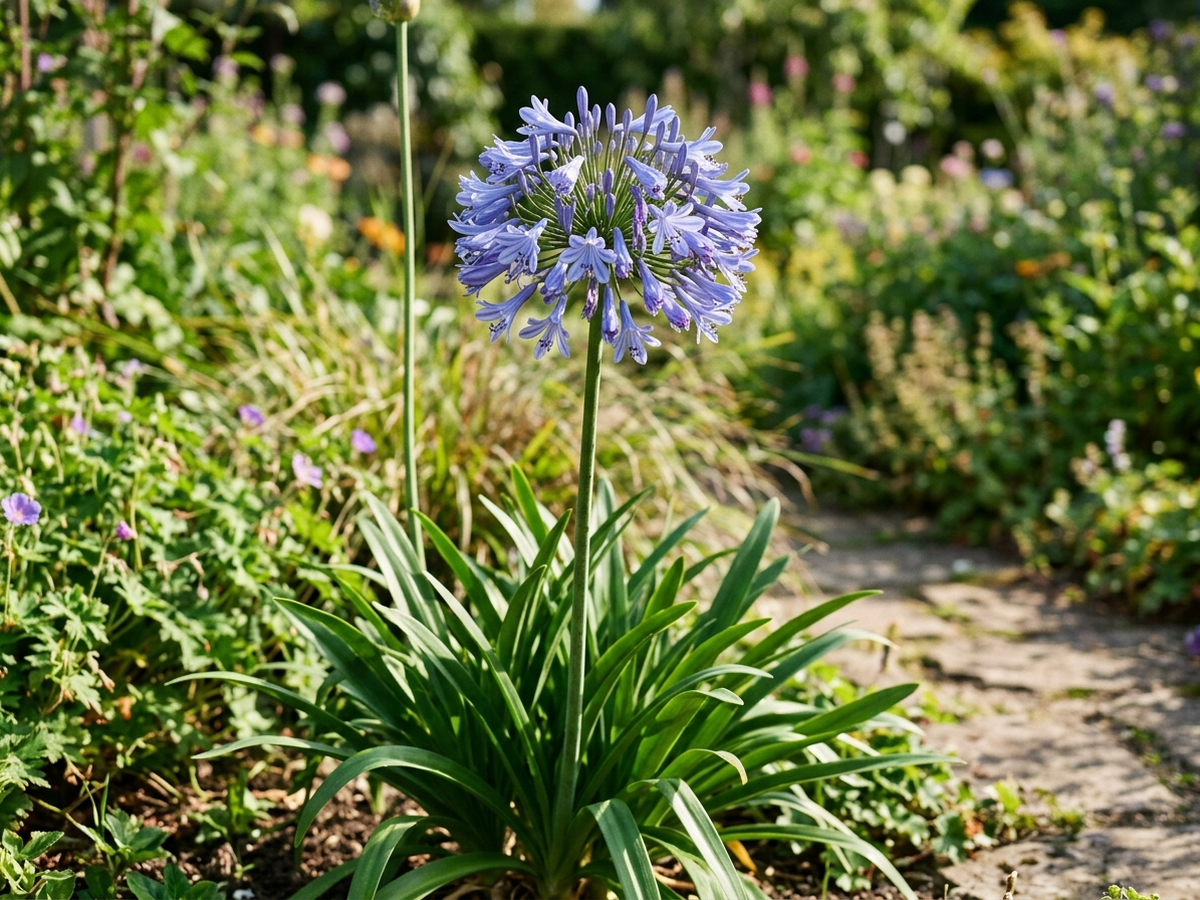 Bell AgapanthusAgapanthus campanulatus
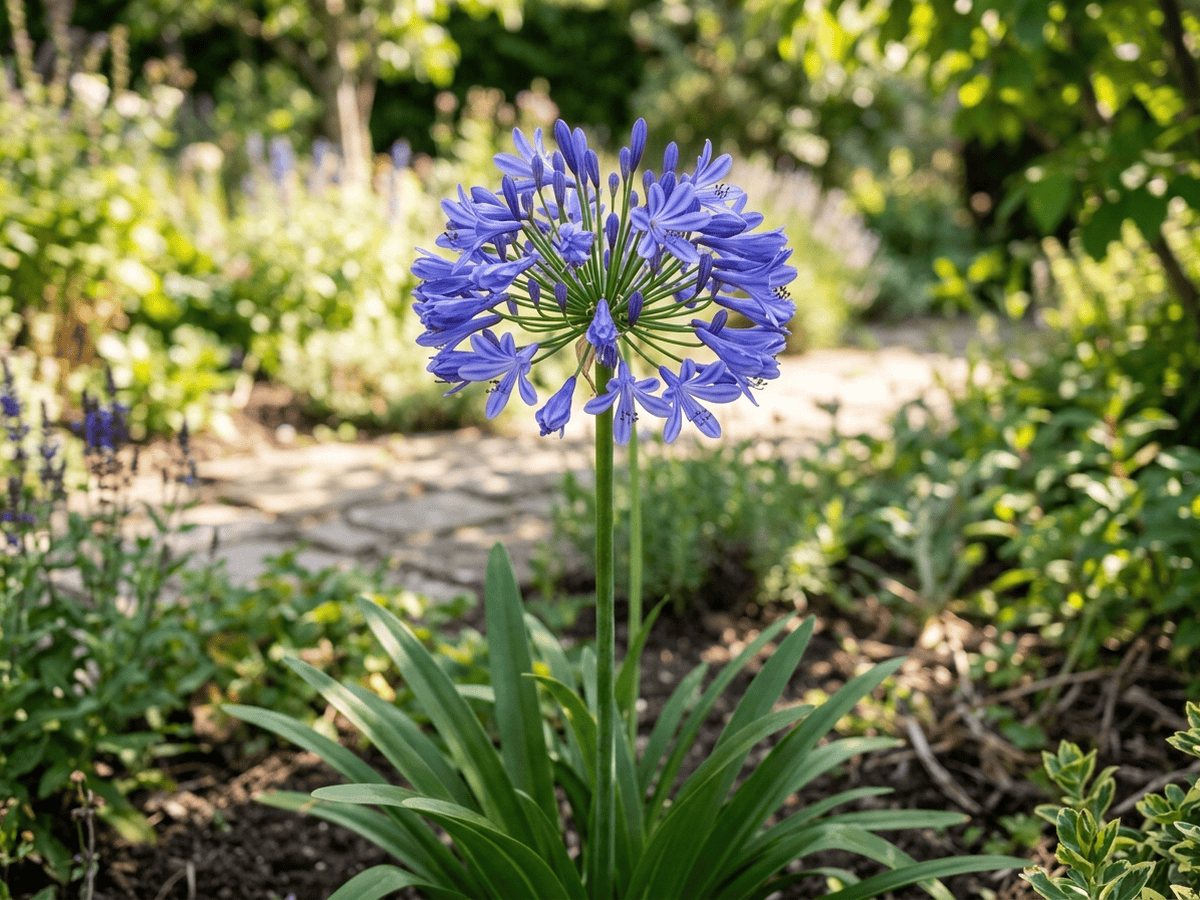 Common AgapanthusAgapanthus praecox
Frequently asked questions
How often should I water Campion?
In summer, water about every 5 days; in winter, about every 20 days. Adjust for heat, pot size and drainage.
How much light does Campion need?
Part sun: 4–6 hrs direct. Watch the leaves — scorching or stretching means the light needs adjusting.
Is Campion toxic to cats or dogs?
No toxicity has been reported for this plant. Still, it is wise to keep pets from chewing on any houseplant. Educational information, not medical or veterinary advice. If exposure is suspected, contact a doctor or veterinarian.
Is Campion easy to grow?
It is considered challenging and rewards experienced growers.
YardMate
Identify any plant in seconds
Snap a photo — YardMate names the plant, diagnoses problems, and reminds you when to water.
Download on the App Store