 YardMate

Common Hedge-Nettle
Stachys officinalis
Easy · Beginner friendlyAbout Common Hedge-Nettle
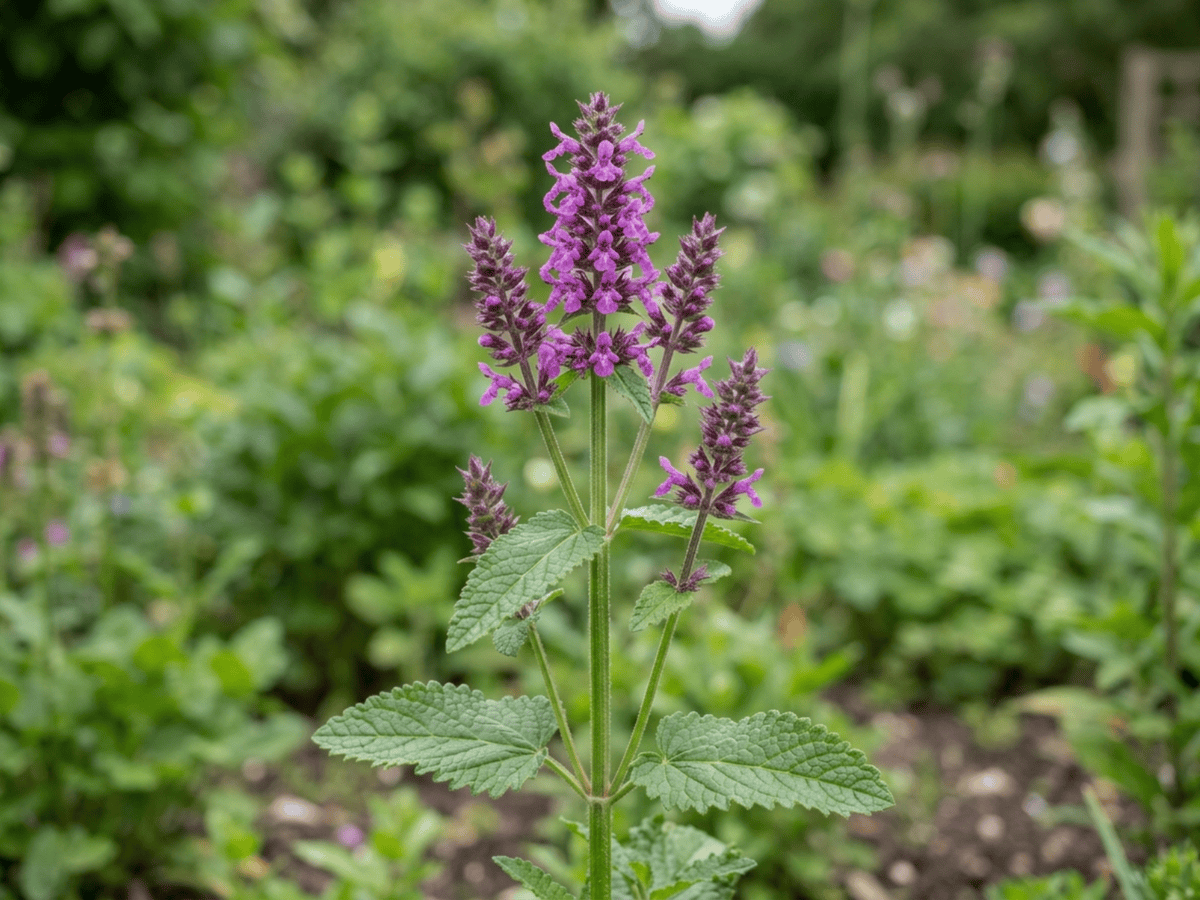
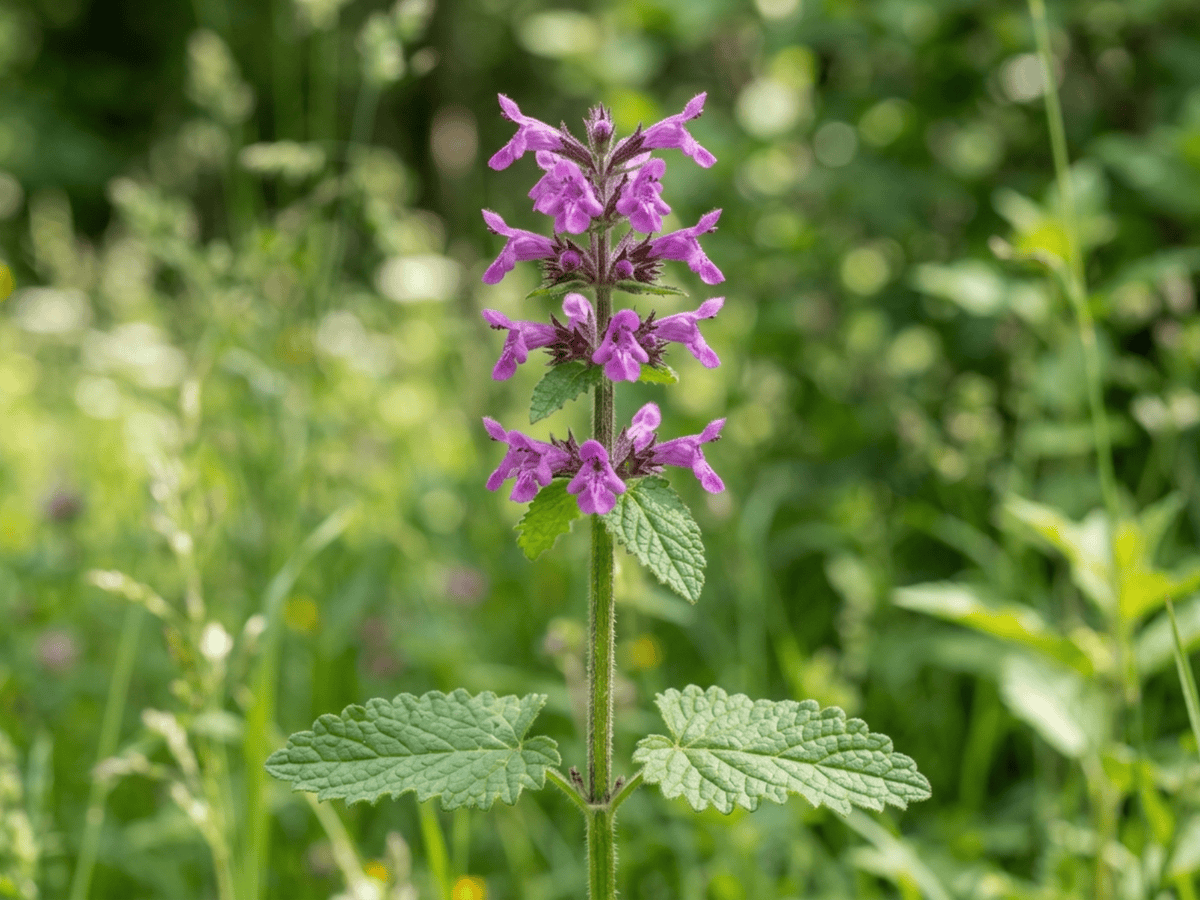
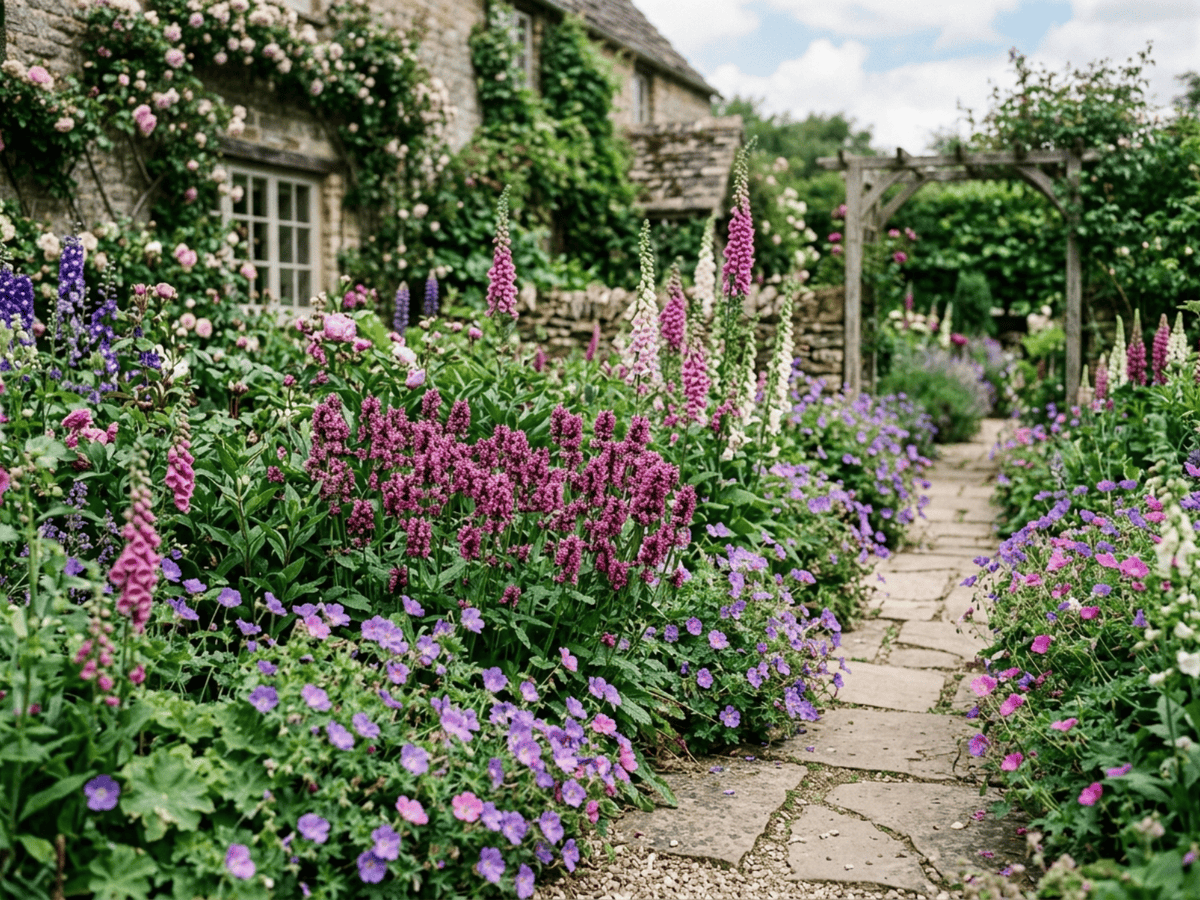
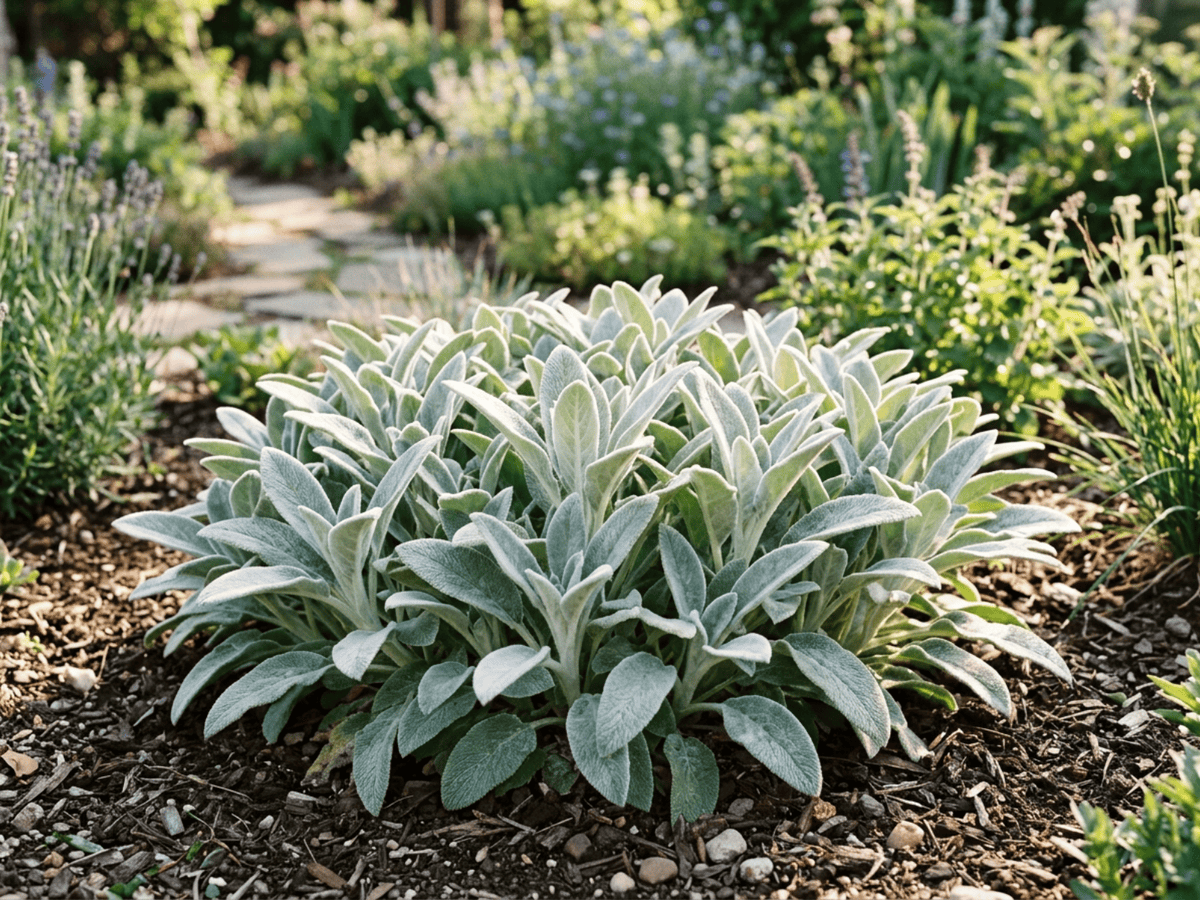
Stachys officinalis, betony or common hedge-nettle, is a European perennial long associated with monastery gardens, old herbals, and cottage borders. It forms tidy basal rosettes of crinkled green leaves, then sends up dense spikes of rose-purple flowers in early to midsummer. Bees love the blooms, and the plant's upright rhythm makes it valuable in modern naturalistic planting. At 30-60 cm tall, it threads well among grasses, salvias, catmints, and other perennials without overwhelming them. Betony prefers sun to light shade and well-drained soil, with enough moisture to keep foliage fresh. Its reputation used to be almost magical; today its quiet power is structure, pollinator value, and a long season of good manners.
- Medicinal
- Cold-hardy
- Deer-resistant
- Pollinator-friendly
How to care for Common Hedge-Nettle
Watering
- Springevery 5 days
- Summerevery 4 days
- Fallevery 7 days
- Winterpause watering
Soil · Well-draining
- Top dressingPine bark mulch10%
- Main mixPotting soil + perlite 2:170%
- DrainageLECA / gravel20%
Never skip the drainage layer — standing water is the top cause of root rot.
FERTILIZER
- Springevery 30 days
- Summerevery 30 days
At a Glance
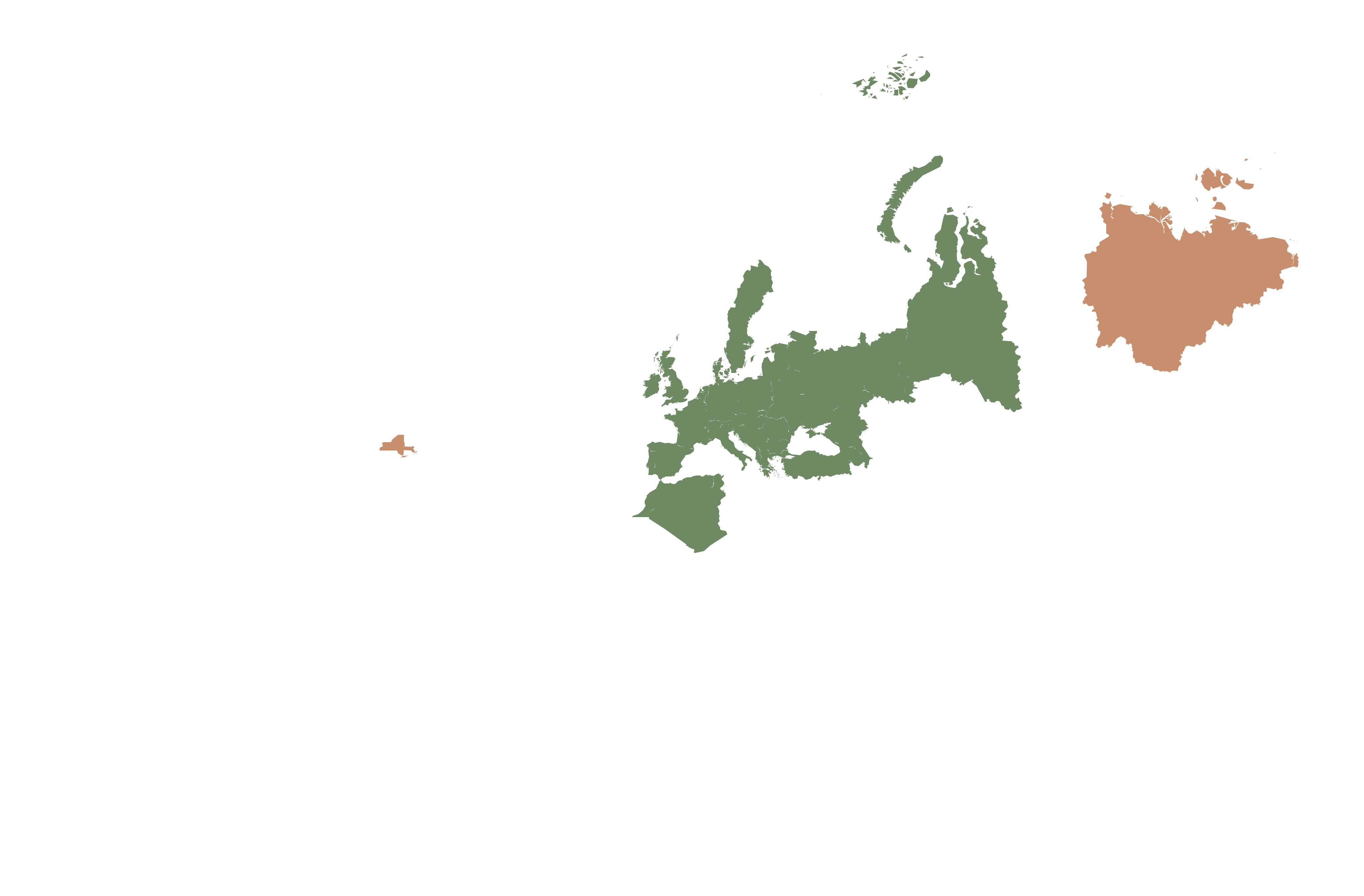
- NativeEurope, Western Asia
- Height1–2 ft (0.3–0.6 m)
- Spread1–1.5 ft (0.3–0.5 m)
- Flower colorPurple, Pink, White
- Foliage colorGreen
- SoilLoamy, Well-drained
- LocationsYard
Bloom time
BLOOM CYCLE
Peak bloom
Jun–Aug
Rose-purple spikes June to August
Fragrance
LIGHT FRAGRANCE
The foliage has a mild herbaceous scent.
Toxicity
No toxicity has been reported for this plant. Still, it is wise to keep pets from chewing on any houseplant.
Educational information, not medical or veterinary advice. If exposure is suspected, contact a doctor or veterinarian.
DISTRIBUTION

- Native
- Introduced
- Europe
- Western Asia
History

Stachys officinalis grows across European meadows and open woods. The species held extraordinary importance in Roman and medieval European medicine—Antonius Musa, personal physician to Emperor Augustus, reportedly authored a treatise listing 47 medicinal applications. Medieval Christian monastics cultivated it as a universal remedy; an Italian proverb advised you have more virtues than betony.
Anglo-Saxon herbals recommended it for amulets warding off evil. As modern pharmacology supplanted traditional remedies, it declined medicinally but the ornamental cultivar 'Hummelo', selected by Ernst Pagels in Germany, became a signature plant of Piet Oudolf's naturalistic designs including New York's High Line. 'Hummelo' won Perennial Plant of the Year in 2019. Revered as a cure-all in medieval Europe—an Anglo-Saxon herbal listed 29 uses. Antonius Musa, physician to Emperor Augustus, wrote a treatise claiming 47 diseases it could cure.
Symbolism & meaning
What It Symbolizes
Common Hedge-Nettle once carried almost extravagant praise in old European herbals, but the modern garden can admire it without exaggeration. Crinkled leaves and rose-purple spikes make tidy rhythm for bees and borders. Its symbolism is restored dignity: a once-famous herb becoming simply a very good perennial.
- Protection — medieval belief it guarded against evil spirits
- Healing — celebrated Old World cure-all
Where the Name Comes From
'Officinalis' means of the workshop or apothecary, marking traditional apothecary use.
Uses & Fun Facts
- Historic European herb for headaches and nervous tension
- Magenta flower spikes attract bumblebees and butterflies
- Compact wood betony for sunny meadow and herb gardens
Related plants
More Stachys plants
Plants with similar care
 Chinese AbeliaAbelia chinensis
 Fragrant AbeliaAbelia mosanensis
 Large-Flowered AbeliaAbelia uniflora
 Glossy AbeliaAbelia x grandiflora
Frequently asked questions
How often should I water Common Hedge-Nettle?
Water about every 5 days during the growing season, and always let excess water drain away.
How much light does Common Hedge-Nettle need?
Full sun: 6+ hrs direct. Watch the leaves — scorching or stretching means the light needs adjusting.
Is Common Hedge-Nettle toxic to cats or dogs?
No toxicity has been reported for this plant. Still, it is wise to keep pets from chewing on any houseplant. Educational information, not medical or veterinary advice. If exposure is suspected, contact a doctor or veterinarian.
Is Common Hedge-Nettle easy to grow?
Yes — it is considered an easy, beginner-friendly plant.
When does Common Hedge-Nettle bloom?
It typically blooms Jun–Aug in the Northern Hemisphere.
YardMate
Identify any plant in seconds
Snap a photo — YardMate names the plant, diagnoses problems, and reminds you when to water.
Download on the App Store