 YardMate
Woolly Hedgenettle
Stachys byzantina
Easy · Beginner friendlyAbout Woolly Hedgenettle
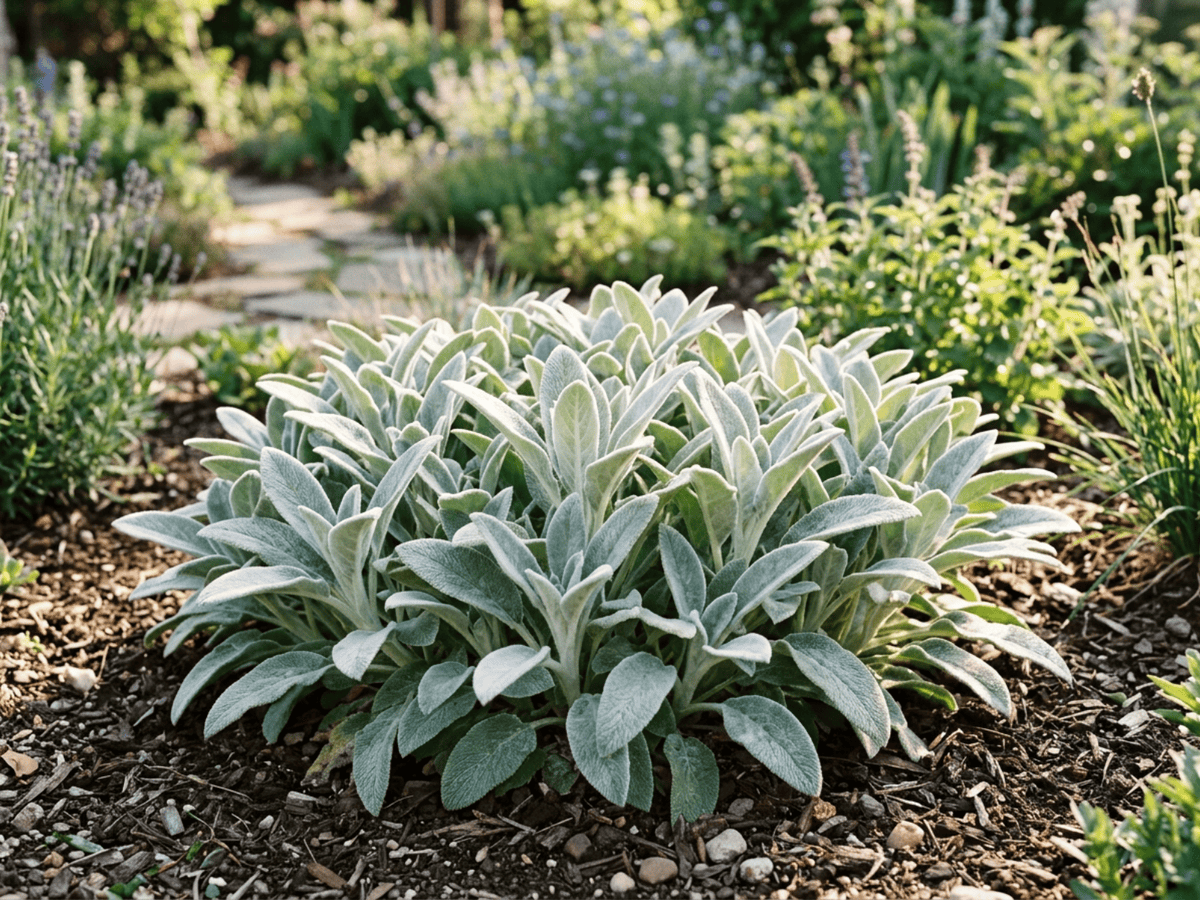
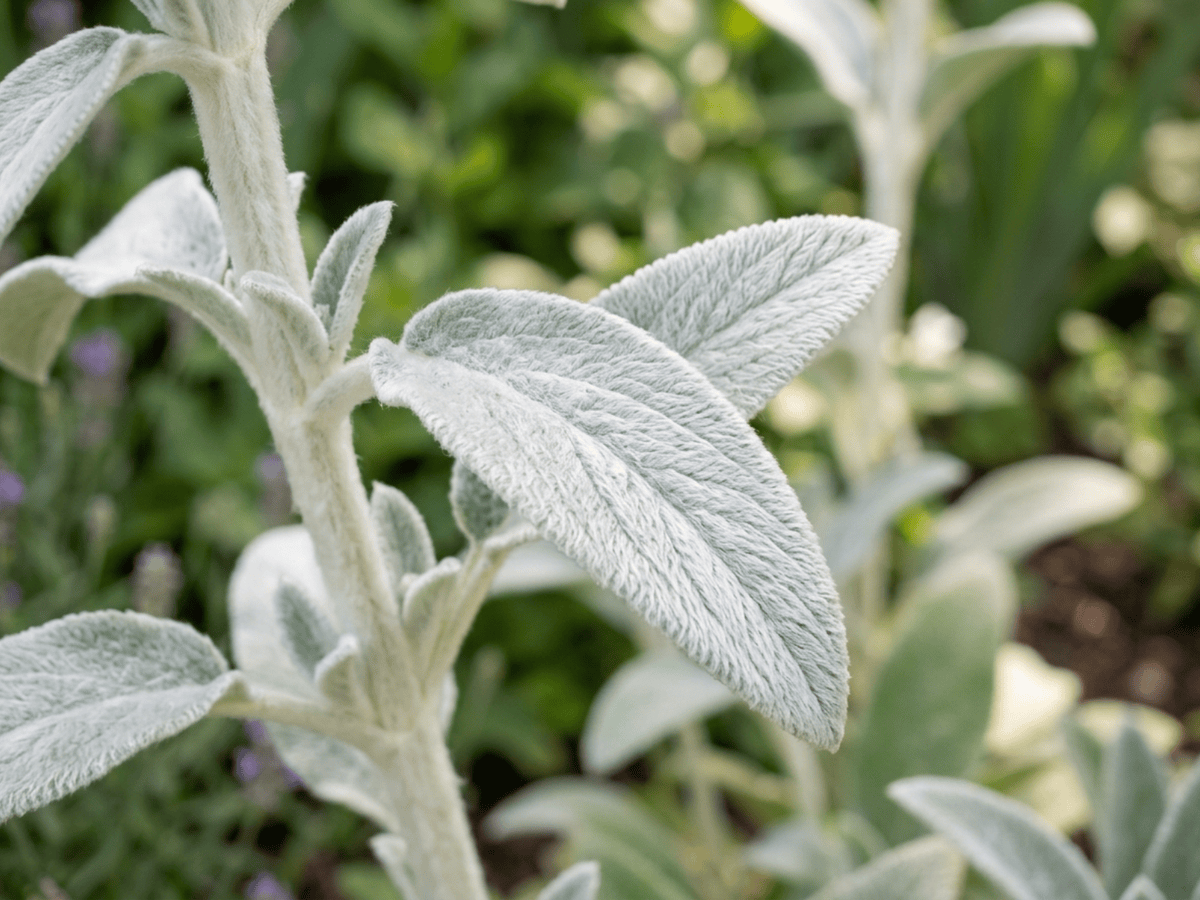
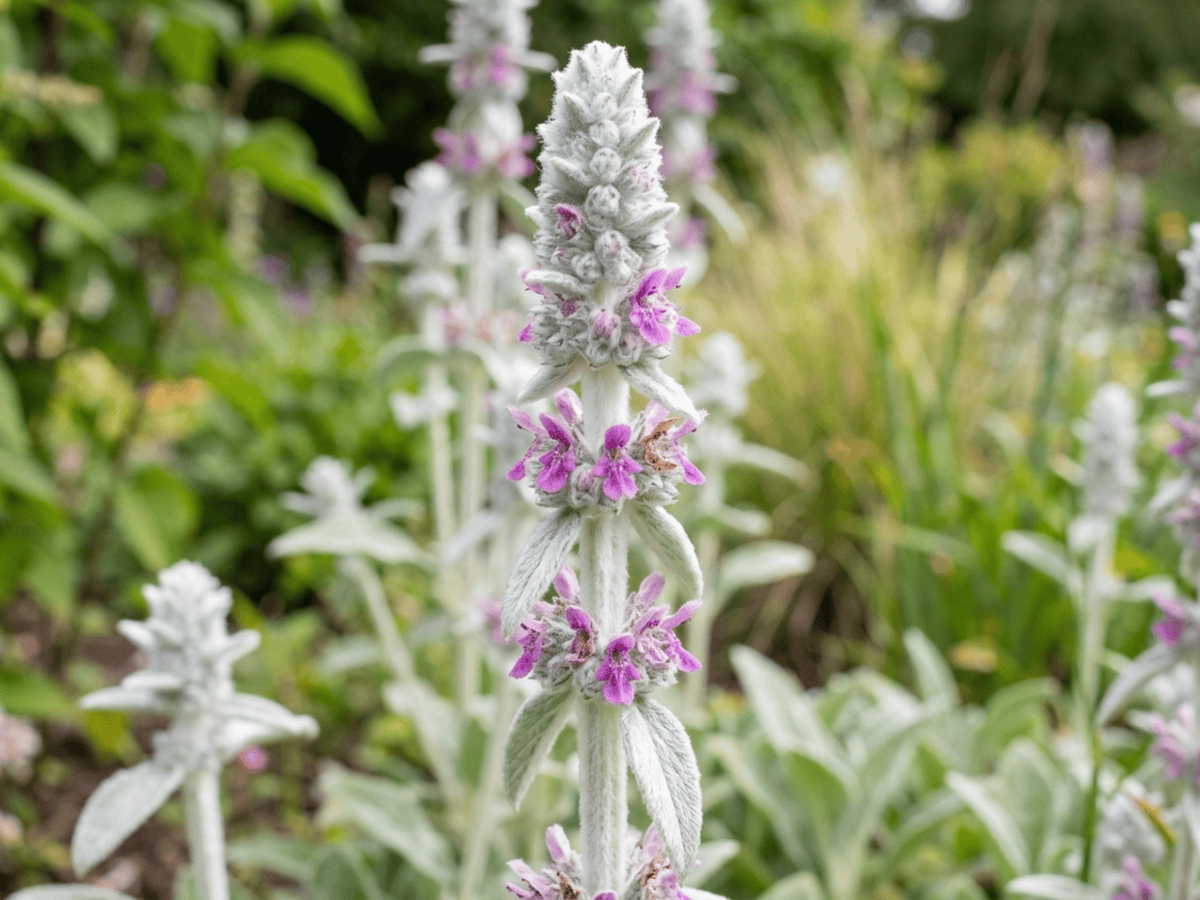
Lamb's Ear is a beloved groundcover perennial from Turkey, Armenia, and Iran, grown across America for its irresistibly soft silvery-white woolly leaves that feel like lamb's fur. Forming spreading mats 8-18 inches tall, it sends up fuzzy purple-pink flower spikes in summer. Drought-tolerant, deer-resistant, and child-friendly, it is a tactile favorite in sensory gardens and a reliable edger in sunny American borders.
- Drought-tolerant
- Deer-resistant
- Groundcover
How to care for Woolly Hedgenettle
Watering
- Springevery 7 days
- Summerevery 5 days
- Fallevery 10 days
- Winterpause watering
Soil · Well-draining
- Top dressingPine bark mulch10%
- Main mixPotting soil + perlite 2:170%
- DrainageLECA / gravel20%
Never skip the drainage layer — standing water is the top cause of root rot.
FERTILIZER
- Springevery 30 days
- Summerevery 30 days
At a Glance
- NativeWestern Asia
- Height1–1.5 ft (0.3–0.5 m)
- Spread1–2 ft (0.3–0.6 m)
- Flower colorPink, Purple
- Foliage colorSilver, Green, Variegated
- SoilSandy, Well-drained
- LocationsYard
Bloom time
BLOOM CYCLE
Peak bloom
Jun–Jul
Fuzzy purple-pink spikes June to July
Fragrance
LIGHT FRAGRANCE
The foliage has a mild herbaceous scent.
Toxicity
No toxicity has been reported for this plant. Still, it is wise to keep pets from chewing on any houseplant.
Educational information, not medical or veterinary advice. If exposure is suspected, contact a doctor or veterinarian.
DISTRIBUTION

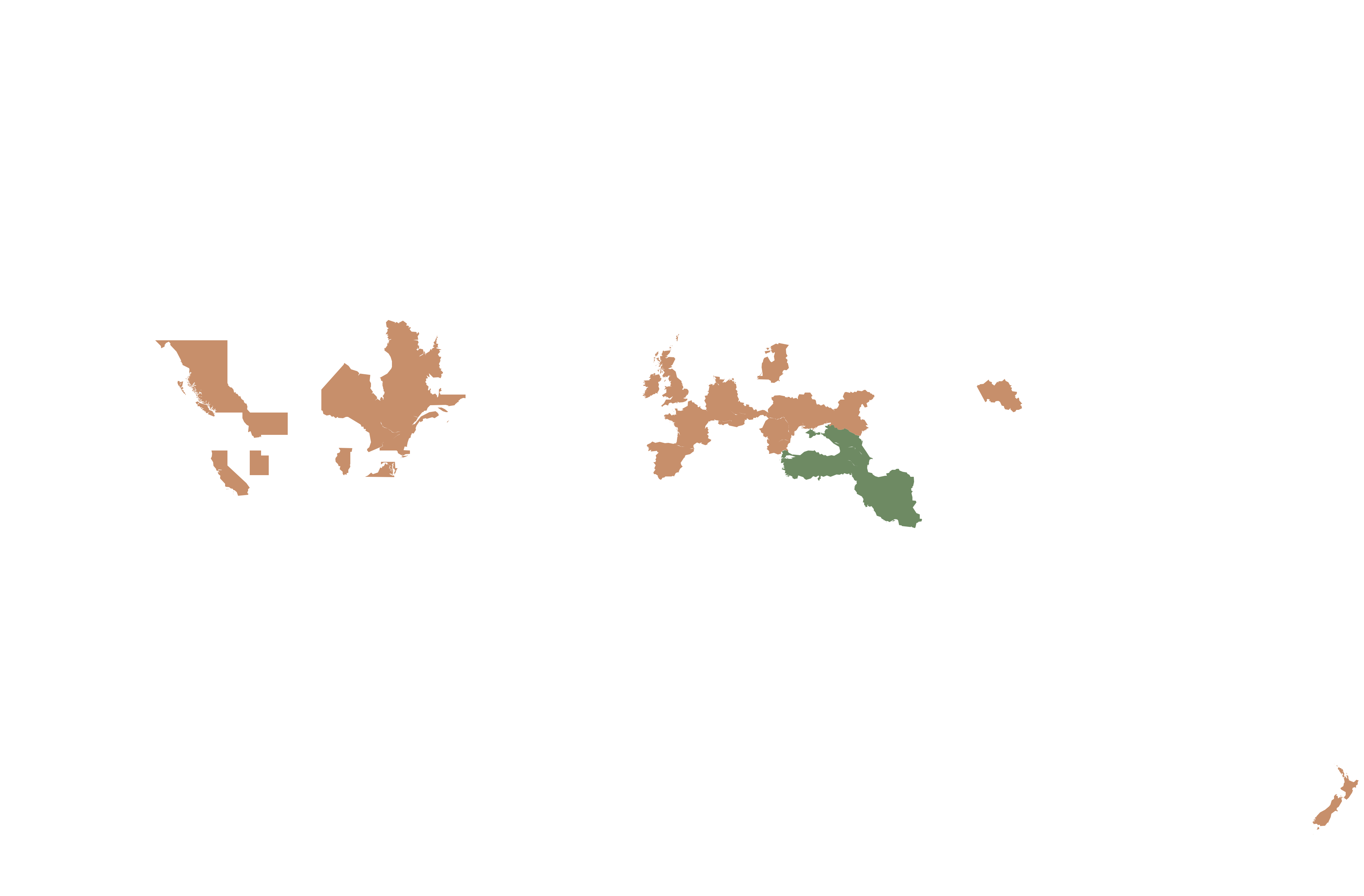
- Native
- Introduced
- Western Asia
History
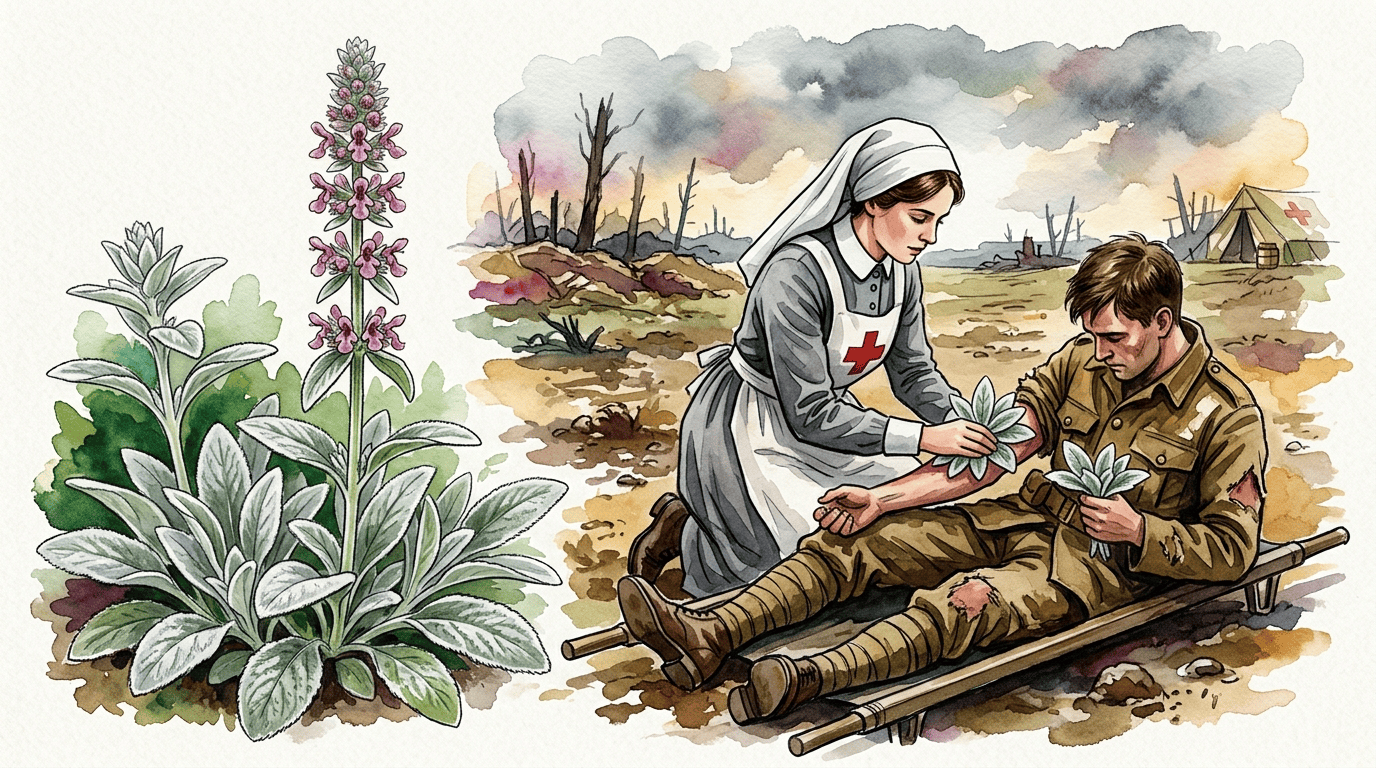
Stachys byzantina (formerly S. lanata or S. olympica) is native to the mountains of Turkey, the Caucasus, and Iran. The specific epithet byzantina references Byzantium (Constantinople), from where botanical specimens reached 18th-century European cultivation. Its woolly silver-white leaves covered in dense trichomes inspired numerous common names—lamb's ear, woolly betony, donkey's ear—across languages.
Victorian carpet-bedding schemes used it extensively, and Gertrude Jekyll featured it in silver borders at the turn of the 20th century. Historical folk medicine employed the leaves as field bandages due to absorbent fibers. The non-flowering clone 'Silver Carpet' and the large-leaved 'Big Ears' are the most commonly grown cultivars, valued for foliar effect without the tall mauve flower stalks that disrupt the uniform silvery mat.
Cultivated in Europe since the Middle Ages. Soft leaves historically served as field bandages during wartime and menstrual pads—earning folk names like 'woundwort' and 'woolly betony'. The non-flowering cultivar 'Silver Carpet' is prized for tidy groundcover use; 'Helen von Stein' is mildew-resistant.
Symbolism & meaning
What It Symbolizes
Woolly Hedgenettle makes visible tenderness, its soft velvety silver leaves famously called lamb's ears for the irresistibly gentle texture they share with a young sheep. Its meaning of comfort runs deeper still, drawn from it historical use as a wound dressing in pre-modern times when softness and absorbency together could save a life. It is often read as a flower of practical gentleness, a herb whose meaning is the ancient relief of finding something soft pressed against pain.
- Tenderness — soft velvety texture evoking gentleness
- Comfort — historical use as wound dressing
Where the Name Comes From
'Stachys' is Greek for 'ear of grain', referencing the flower spike; 'byzantina' refers to Byzantium (modern Turkey).
Uses & Fun Facts
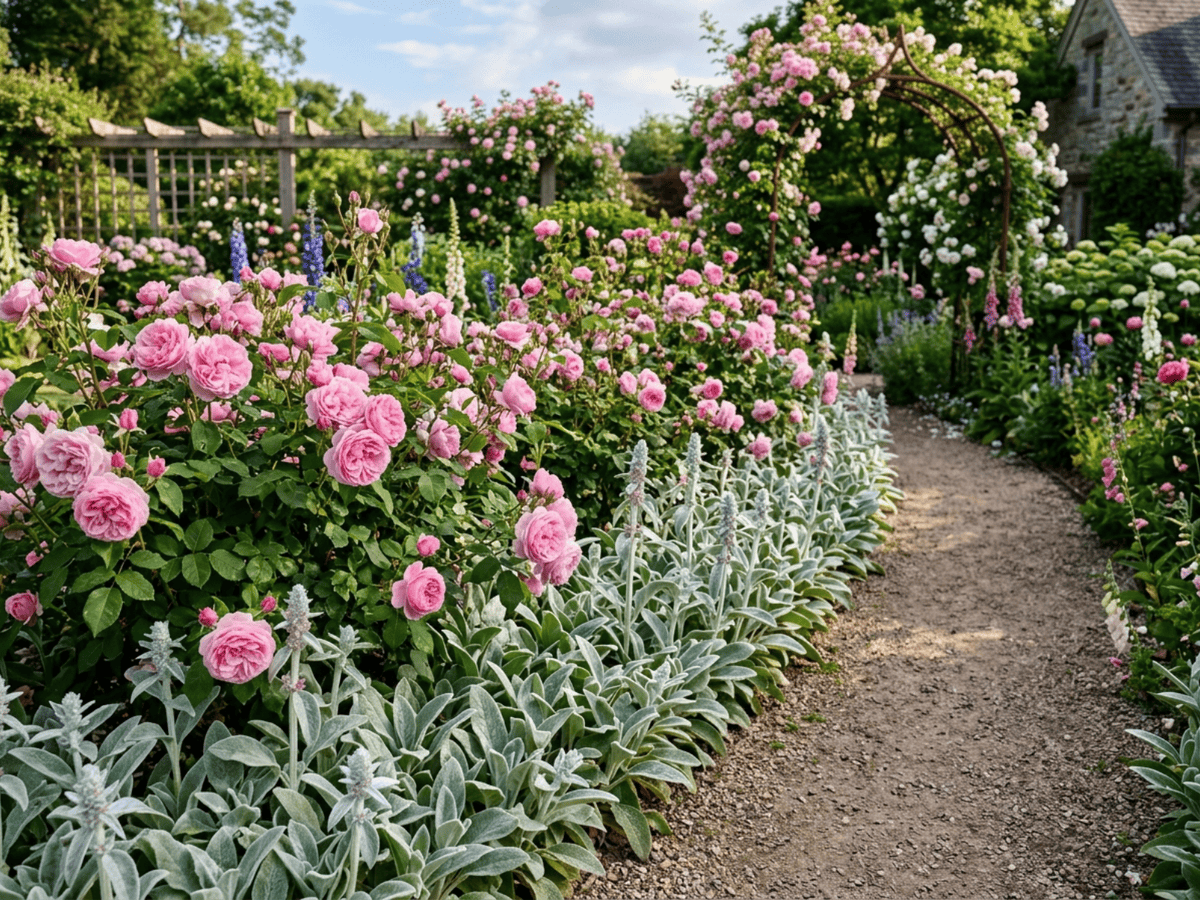
- Soft silver woolly mat carpets sunny border edges
- Tactile lamb's-fur foliage in sensory gardens
- Fuzzy flower spikes attract bumblebees and wool-carder bees
Related plants
More Stachys plants
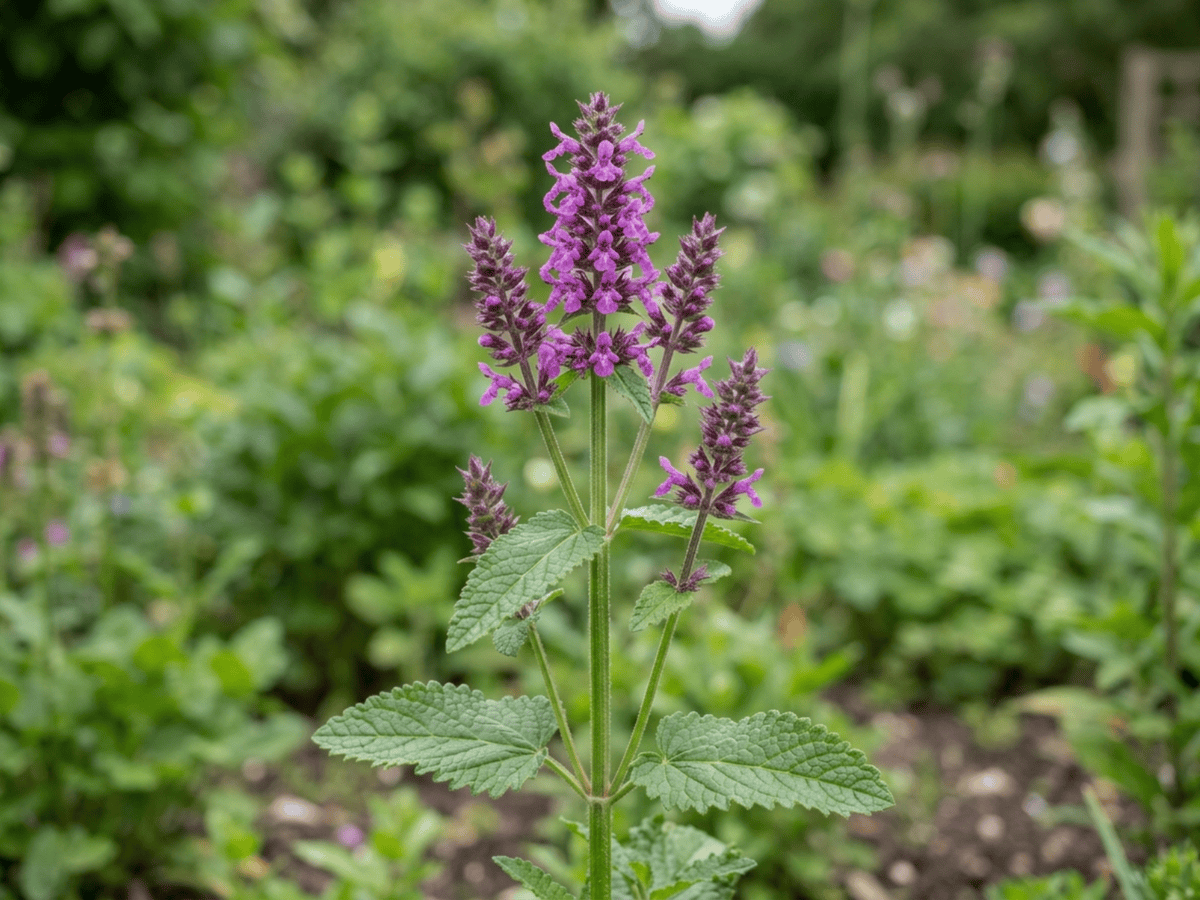
Plants with similar care
 Chinese AbeliaAbelia chinensis
 Fragrant AbeliaAbelia mosanensis
 Large-Flowered AbeliaAbelia uniflora
 Glossy AbeliaAbelia x grandiflora
Frequently asked questions
How often should I water Woolly Hedgenettle?
Water about every 7 days during the growing season, and always let excess water drain away.
How much light does Woolly Hedgenettle need?
Full sun: 6+ hrs direct. Watch the leaves — scorching or stretching means the light needs adjusting.
Is Woolly Hedgenettle toxic to cats or dogs?
No toxicity has been reported for this plant. Still, it is wise to keep pets from chewing on any houseplant. Educational information, not medical or veterinary advice. If exposure is suspected, contact a doctor or veterinarian.
Is Woolly Hedgenettle easy to grow?
Yes — it is considered an easy, beginner-friendly plant.
When does Woolly Hedgenettle bloom?
It typically blooms Jun–Jul in the Northern Hemisphere.
YardMate
Identify any plant in seconds
Snap a photo — YardMate names the plant, diagnoses problems, and reminds you when to water.
Download on the App Store