 YardMate
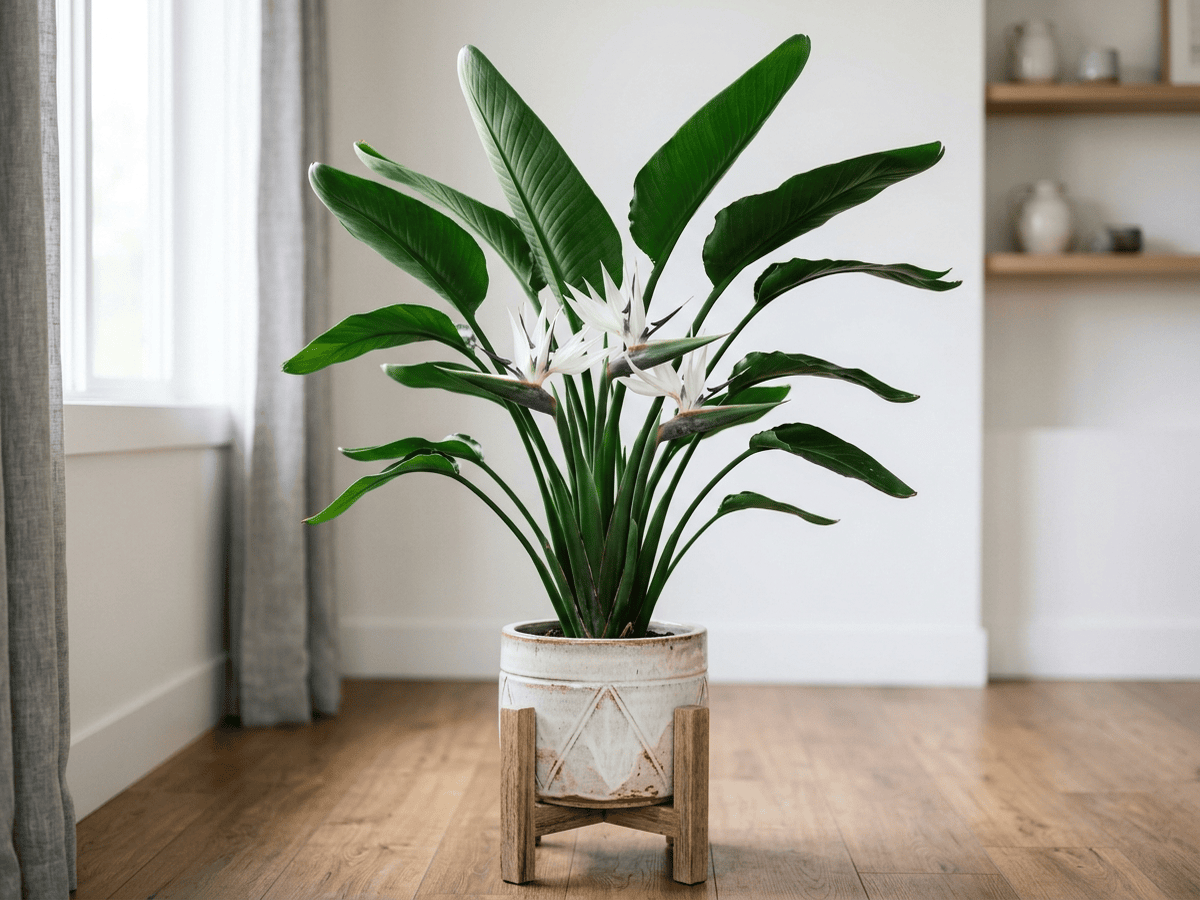


Giant Bird-Of-Paradise Flower
Strelitzia nicolai
Medium · Some experienceAbout Giant Bird-Of-Paradise Flower
Strelitzia nicolai, the giant white bird of paradise, is a dramatic tropical plant that can reach 3–4 meters indoors with enormous banana-like leaves on tall grey-green stems. Native to South Africa, it is much larger than its cousin S. reginae, with leaves that can span over a meter. The spectacular blue-and-white flower (resembling a bird's head) appears only on mature outdoor specimens. Indoors, it is grown as a bold architectural foliage plant. The large leaves naturally split in wind, giving mature plants a wild, tropical character. It needs bright light and space.
- Architectural
- Tropical
How to care for Giant Bird-Of-Paradise Flower
Watering
- Springevery 7 days
- Summerevery 5 days
- Fallevery 10 days
- Winterevery 14 days
Soil · Well-draining
- Main mixLoam + bark + perlite 2:1:175%
- DrainageLECA25%
Bark keeps the mix from compacting under a heavy root ball.
FERTILIZER
Balanced Feed 14-14-14
An even feed covers all three needs at once, keeping leaves, roots and blooms moving together with nothing pushed out of balance.
- Nitrogen · Leaves
- Phosphorus · Roots + Blooms
- Potassium · Strength
- Springevery 30 days
- Summerevery 30 days
- Fallevery 60 days
At a Glance
- NativeAfrica
- Height15–25 ft (4.6–7.6 m)
- Spread8–12 ft (2.4–3.7 m)
- Flower colorWhite, Blue
- Foliage colorGreen
- SoilLoamy, Well-drained, Rich
- LocationsIndoor
Bloom time
BLOOM CYCLE
Peak bloom
Jun–Aug
Blue-and-white bird-shaped flowers; only outdoors on mature plants
Fragrance
NO FRAGRANCE
Not fragrant.
Toxicity
Humans Slight · Pets Slight
tannins and hydrocyanic acid (trace, in seeds)
Slight
- Seed
- Flower
- Ingestion
EXPOSURE Eating seeds and flowers.
EFFECT GI upset, nausea and seeds contain small amounts of tannins.
NOTE Flowers and seeds are the toxic parts; leaves are not generally hazardous.
Slight
- Flower
- Fruit
- Seed
- Ingestion
EXPOSURE Eating flowers, fruit, and seeds.
EFFECT Nausea, vomiting, drowsiness and per ASPCA Strelitzia listing.
NOTE Flowers and seeds are the toxic parts; leaves are not generally hazardous.
Slight
- Flower
- Fruit
- Seed
- Ingestion
EXPOSURE Eating flowers, fruit, and seeds.
EFFECT Nausea, vomiting, drowsiness and per ASPCA Strelitzia listing.
NOTE Flowers and seeds are the toxic parts; leaves are not generally hazardous.
Educational information, not medical or veterinary advice. If exposure is suspected, contact a doctor or veterinarian.
DISTRIBUTION

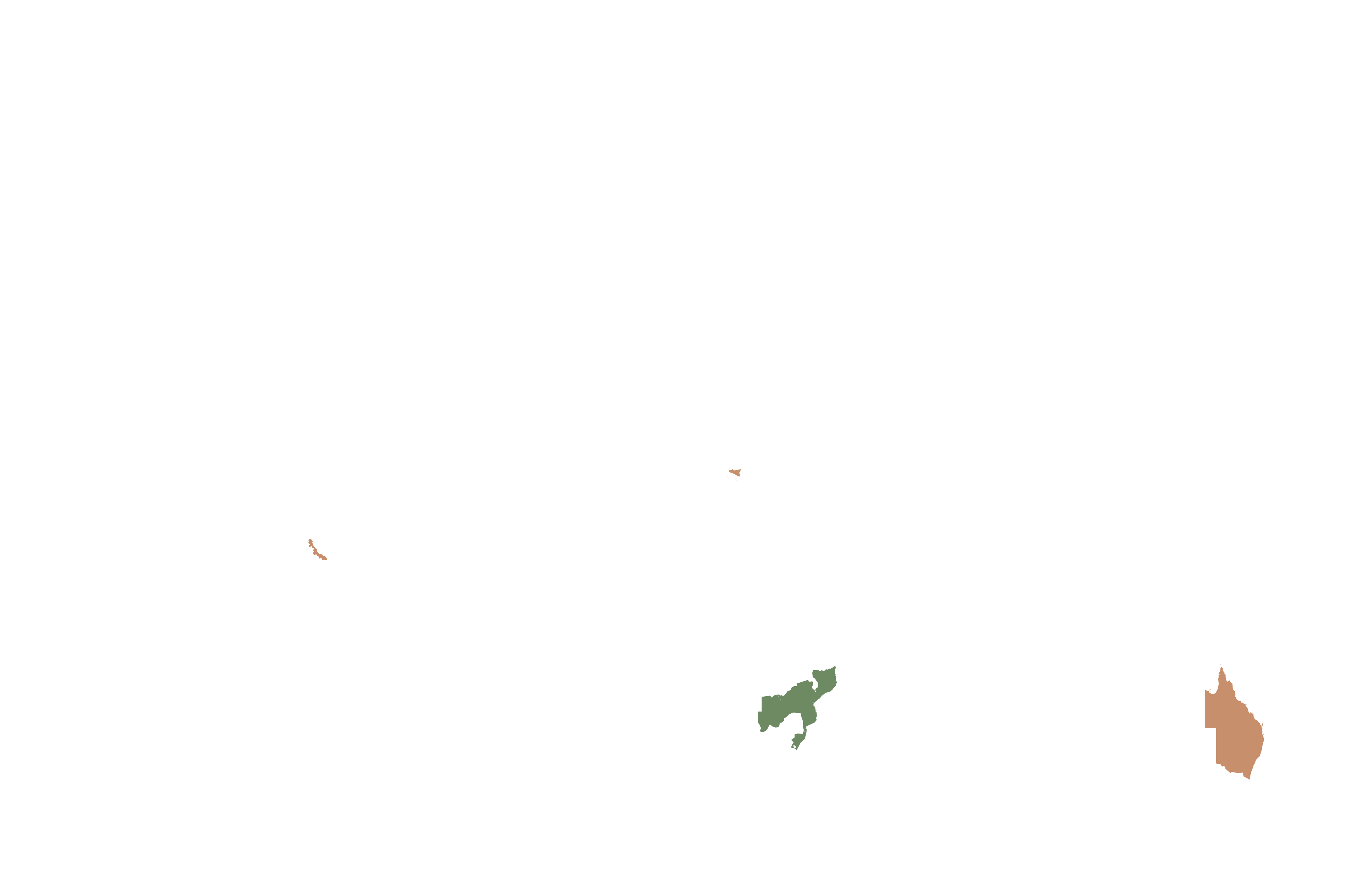
- Native
- Introduced
- Africa
History
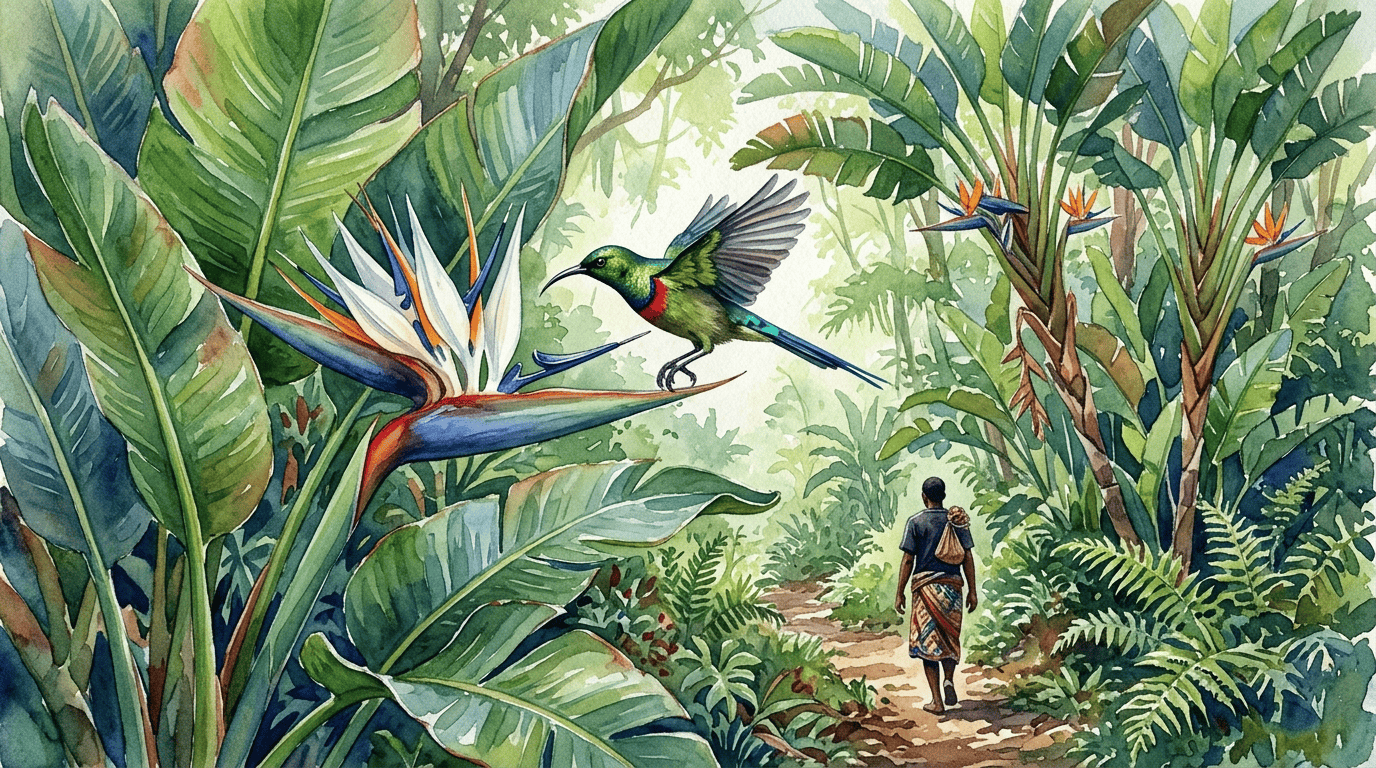
Strelitzia nicolai is native to the humid coastal forest and subtropical riverine habitats of South Africa's KwaZulu-Natal and Eastern Cape, extending into Mozambique, where it forms tree-like clumps up to 10 meters tall. The genus was named in 1773 after Queen Charlotte of Mecklenburg-Strelitz (wife of George III of Britain); the species 'nicolai' was added in 1858 in honor of Tsar Nicholas I of Russia. It has been a signature landscape plant in tropical and subtropical gardens for over 150 years, and its recent use as a statement indoor plant in bright-lit spaces has made it a dominant architectural choice of 2010s–2020s commercial interior design.
The flowers — large boat-shaped blue-and-white 'beaks' — are pollinated by sunbirds in the wild, which perch on the stiff blue bract to feed. Strelitzia nicolai is named after Tsar Nicholas I of Russia, a patron of the Saint Petersburg Imperial Botanical Garden where the plant was first flowered in cultivation in the 1850s.
In its native KwaZulu-Natal, South Africa, the large seeds are surrounded by a tuft of bright orange fibers that attract birds for dispersal. The plant has become the defining 'Instagram interior plant' of the 2020s — its bold, banana-leaf silhouette appears in virtually every curated home design feed.
Symbolism & meaning
What It Symbolizes
The Giant Bird-Of-Paradise Flower embodies freedom, its soaring banana-like leaves and ship's-prow blooms reaching far into the air with unmistakable confidence. Native to South Africa, it has come to represent unbounded growth and the limitless aspiration of the tropical imagination. Few houseplants or landscape statements so clearly suggest the sheer ambition of vertical reach — a plant that seems determined to outgrow whatever ceiling, literal or otherwise, it finds itself beneath.
- Freedom — Its soaring, expansive form represents unbounded growth and limitless aspiration
Where the Name Comes From
Strelitzia honors Charlotte of Mecklenburg-Strelitz, Queen consort of George III. Nicolai honors Tsar Nicholas I of Russia.
Uses & Fun Facts
- Towering leaves frame pools, atriums, and frost-free courtyards
- Huge banana-like leaves create a tropical indoor statement
- Bold foliage anchors atriums where height and frost-free conditions allow scale
Related plants
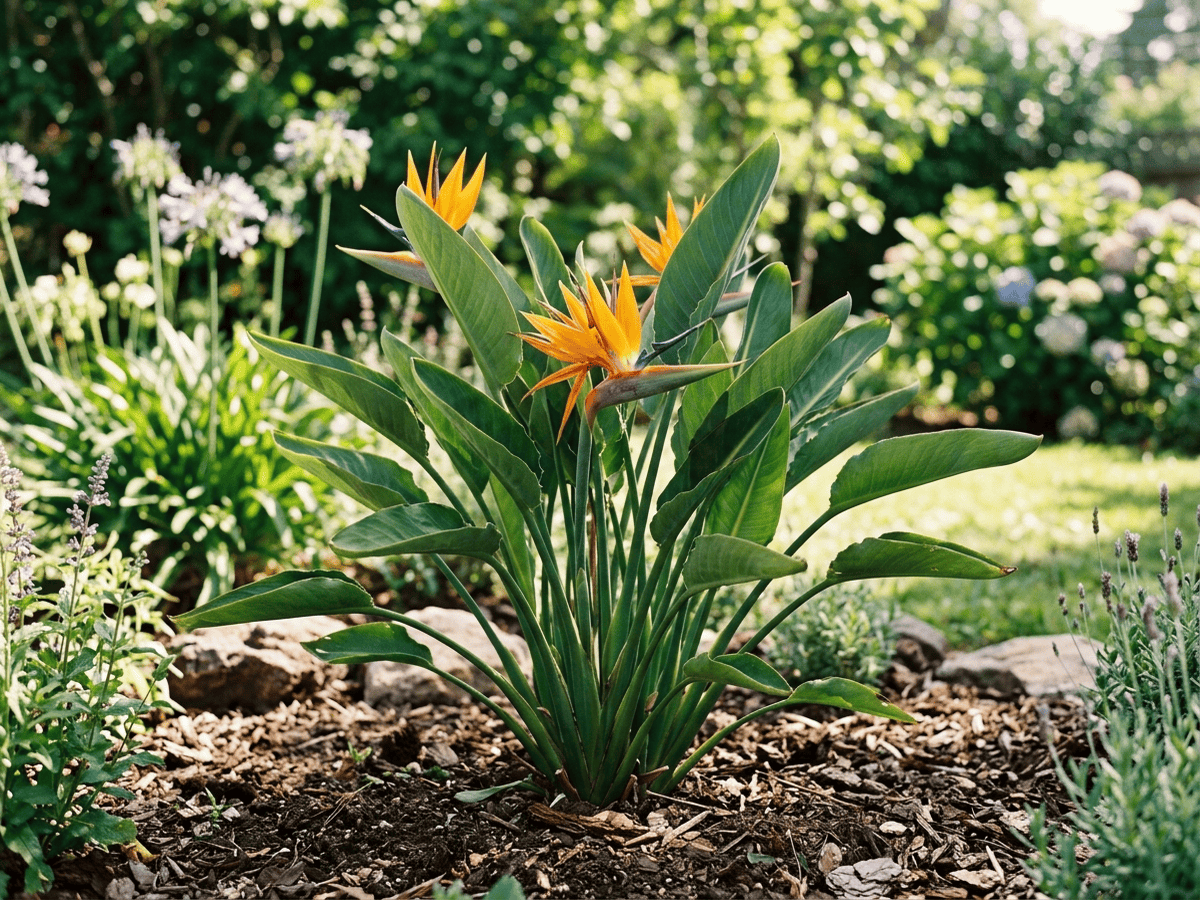
More Strelitzia plants
Plants with similar care
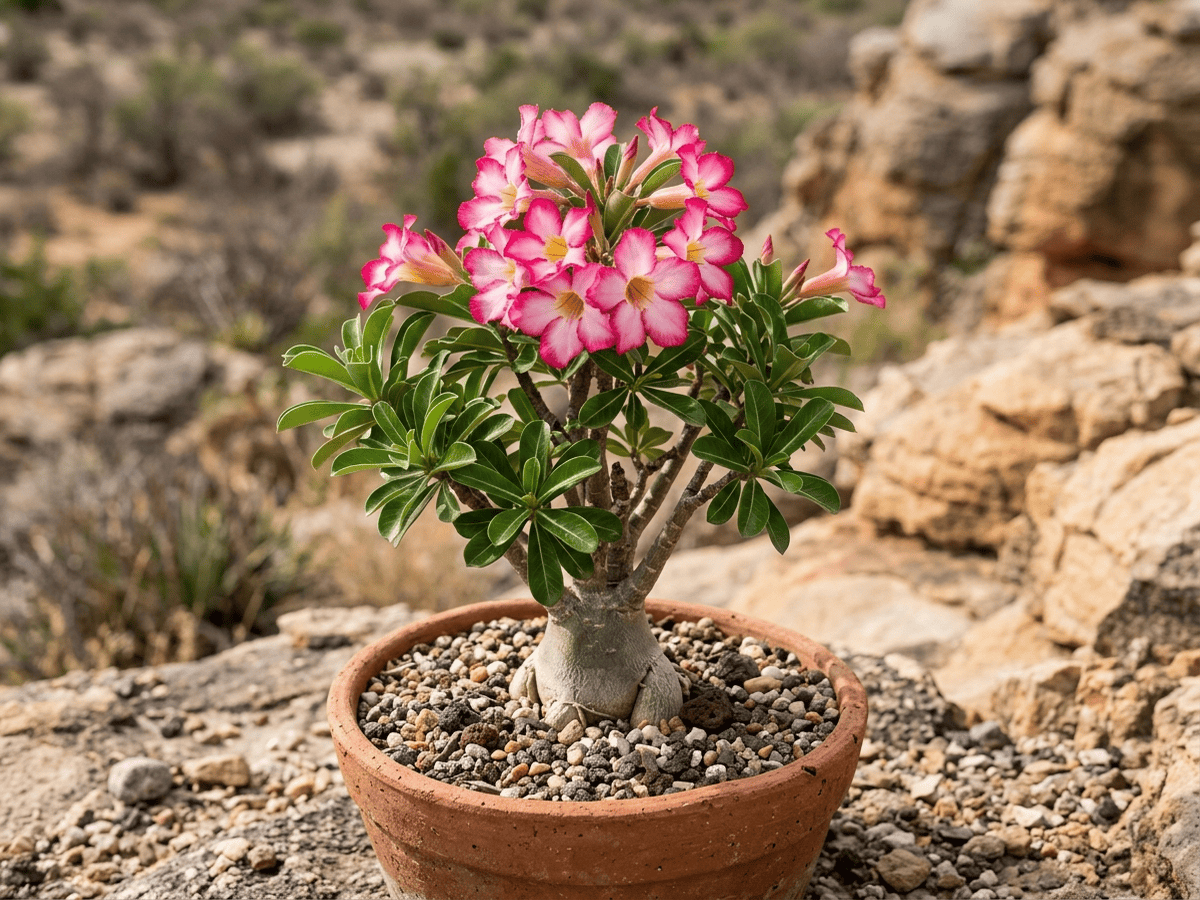 Desert RoseAdenium obesum
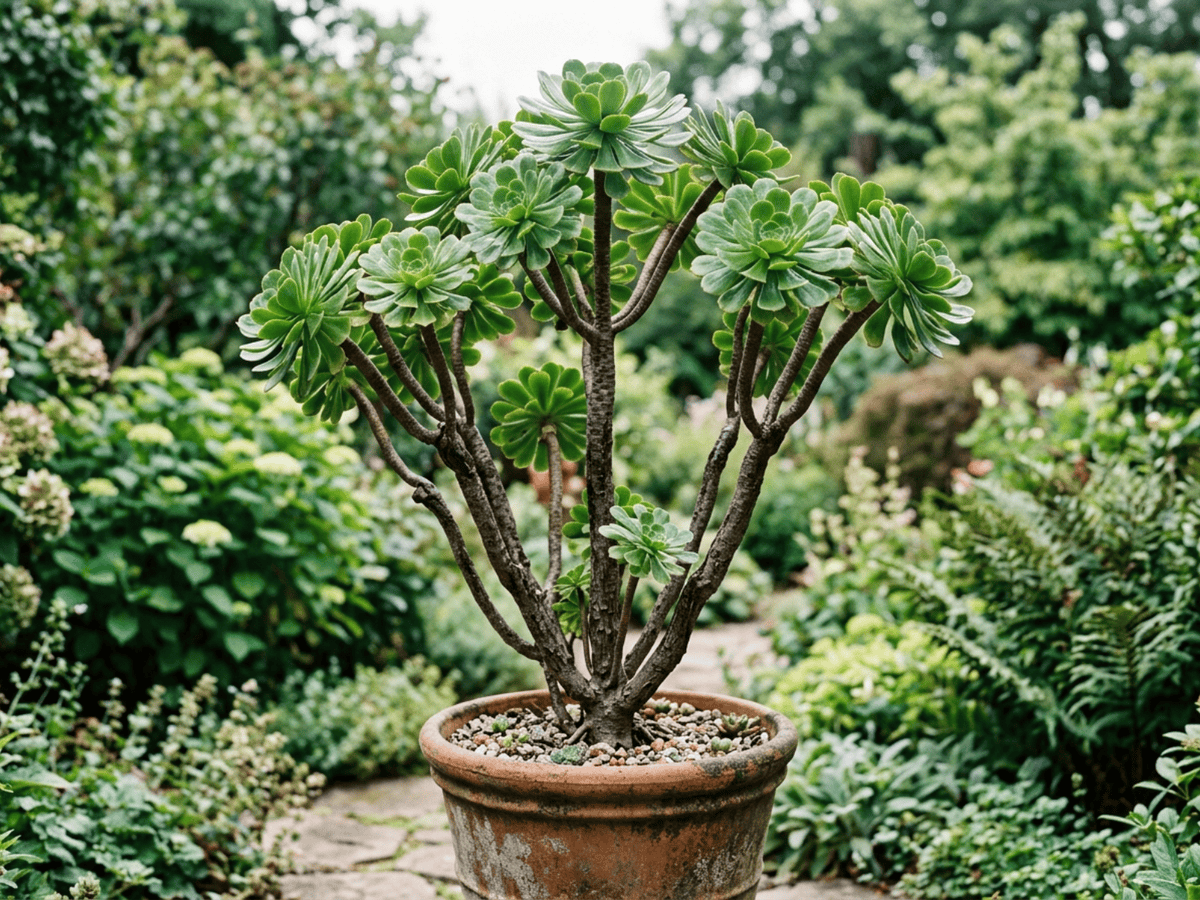 Tree AeoniumAeonium arboreum
 Queen Victoria AgaveAgave victoriae-reginae
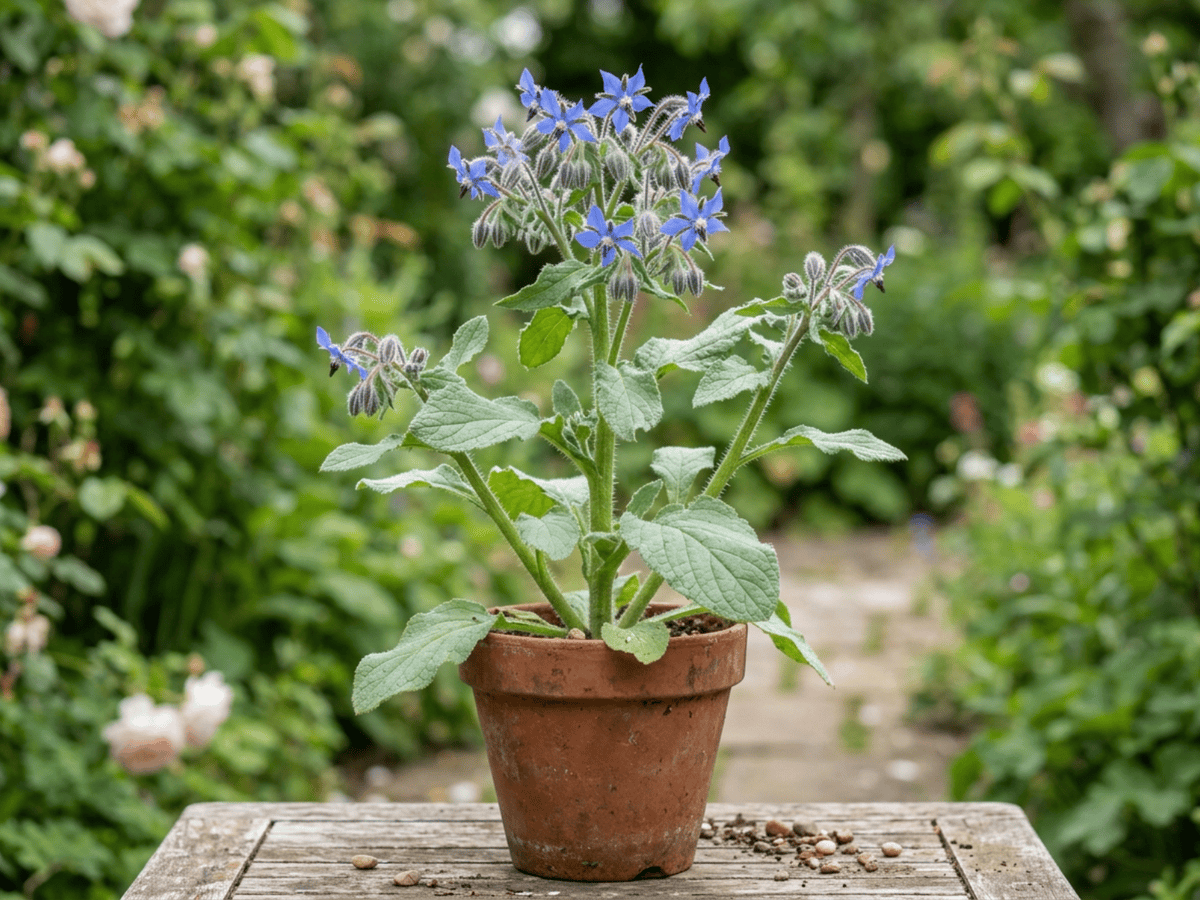 Lemon VerbenaAloysia citriodora
Frequently asked questions
How often should I water Giant Bird-Of-Paradise Flower?
In summer, water about every 5 days; in winter, about every 14 days. Adjust for heat, pot size and drainage.
How much light does Giant Bird-Of-Paradise Flower need?
Full sun: 6+ hrs direct. Watch the leaves — scorching or stretching means the light needs adjusting.
Is Giant Bird-Of-Paradise Flower toxic to cats or dogs?
Pets Slight (Dogs Slight · Cats Slight) Educational information, not medical or veterinary advice. If exposure is suspected, contact a doctor or veterinarian.
Is Giant Bird-Of-Paradise Flower easy to grow?
It is moderately demanding: a good choice once you have a little experience.
Can Giant Bird-Of-Paradise Flower be grown indoors?
Yes, it adapts well to indoor growing given the right light.
When does Giant Bird-Of-Paradise Flower bloom?
It typically blooms Jun–Aug in the Northern Hemisphere.
YardMate
Identify any plant in seconds
Snap a photo — YardMate names the plant, diagnoses problems, and reminds you when to water.
Download on the App Store