 YardMate

Korean Lilac
Syringa meyeri
Easy · Beginner friendlyAbout Korean Lilac
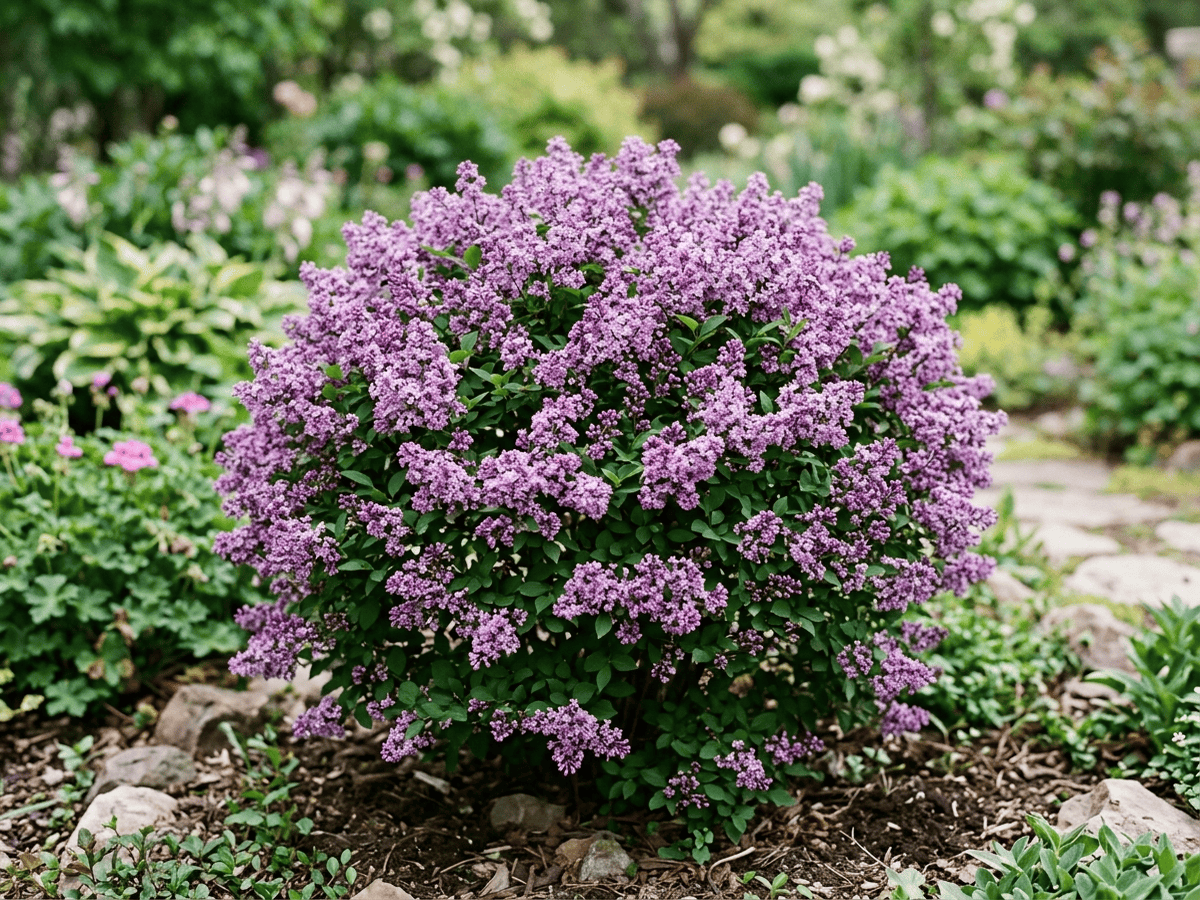
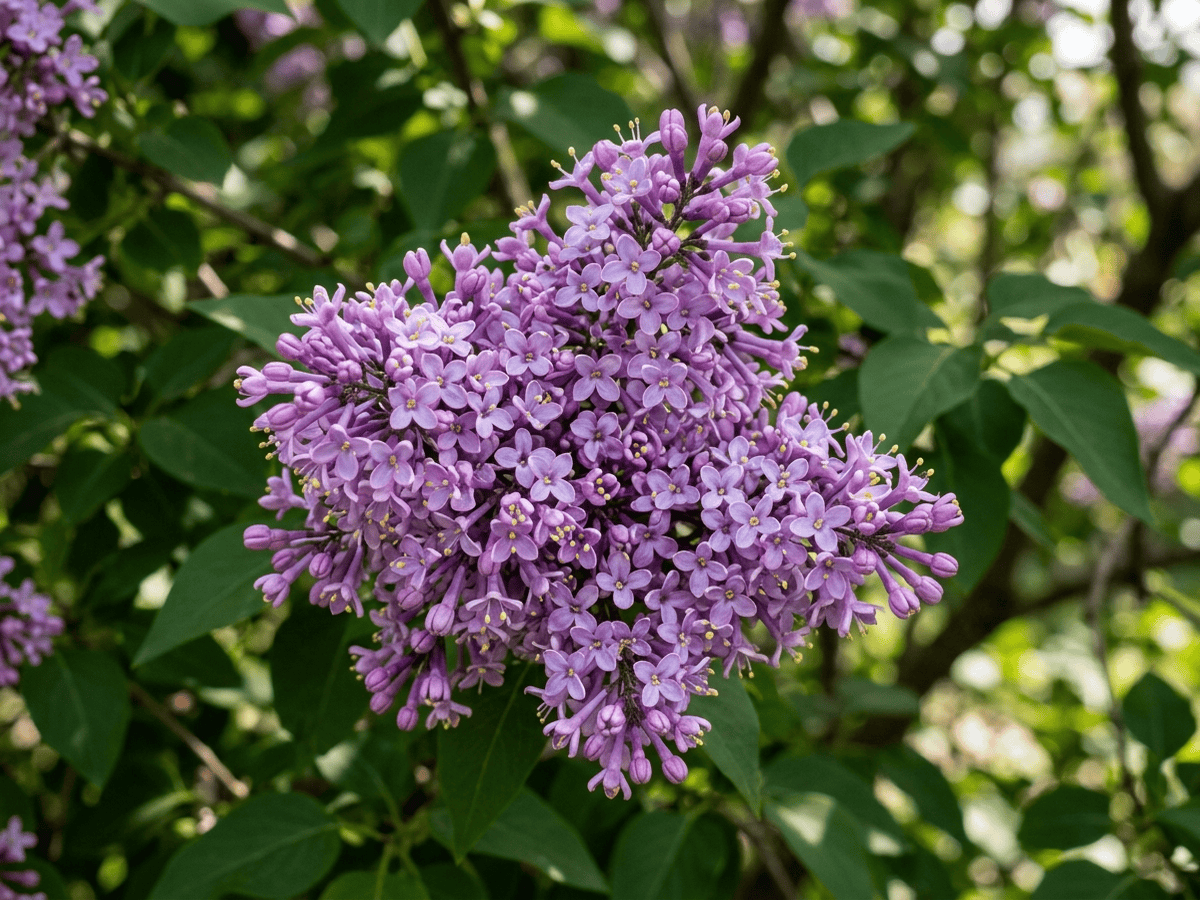
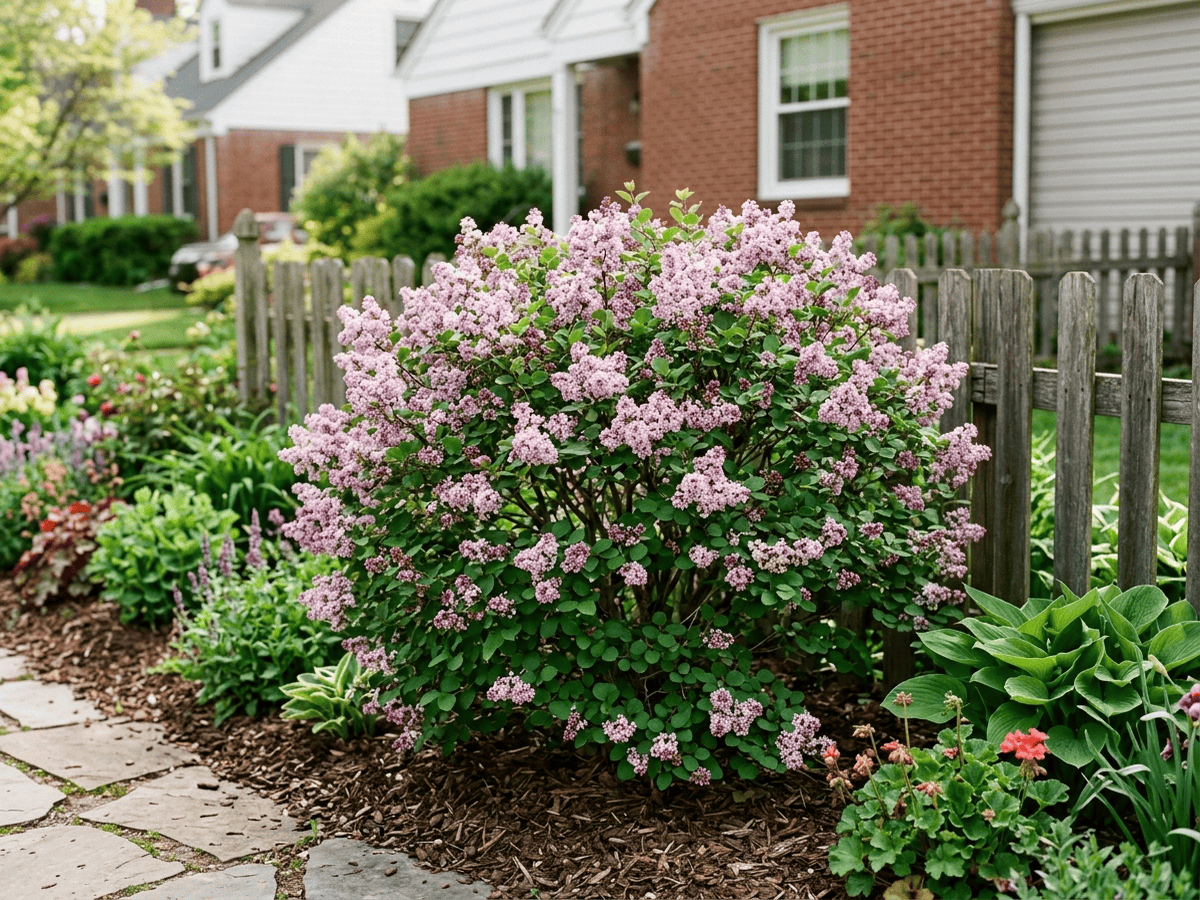
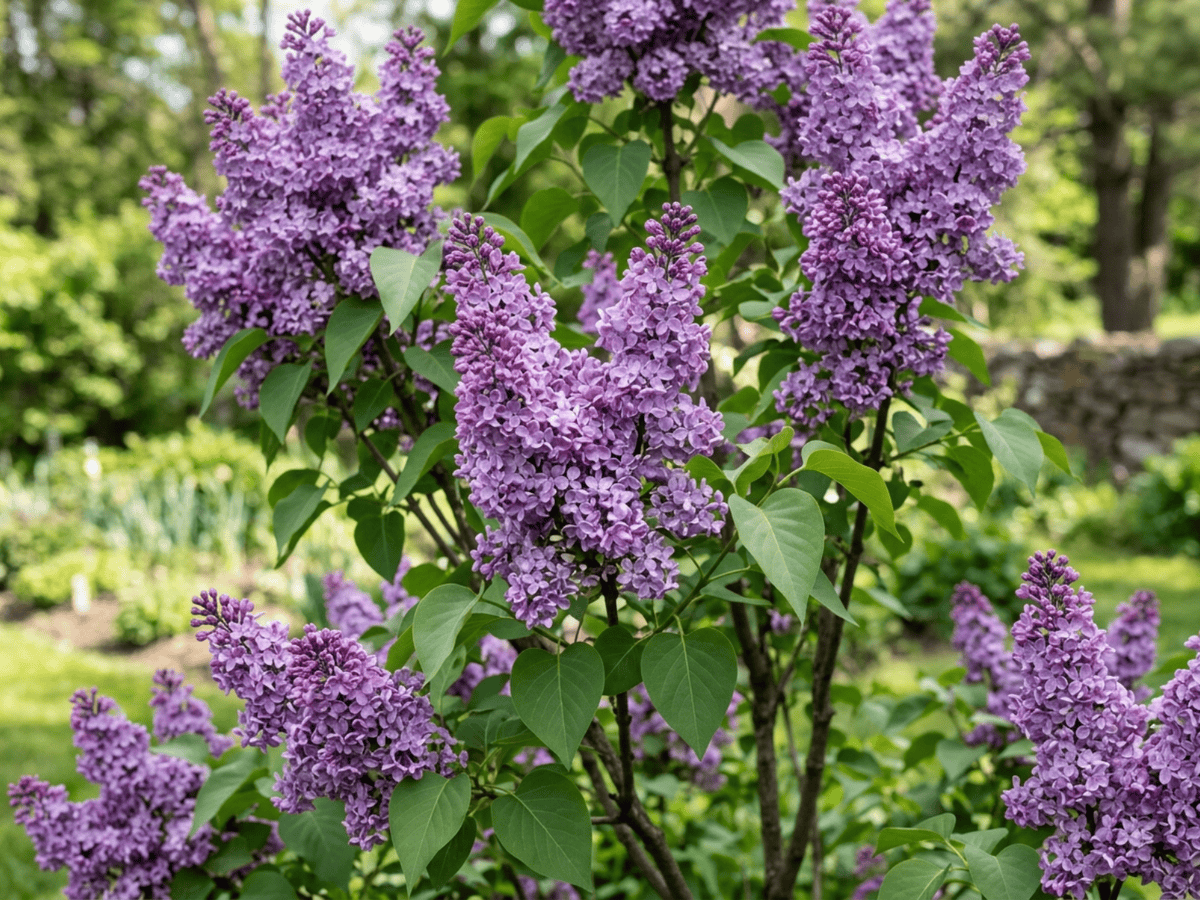
Meyer Lilac or Korean Lilac is a compact Chinese deciduous shrub growing 4 to 6 feet tall, notable for blooming at a young age and in warmer climates where other lilacs fail. Produces dense clusters of fragrant violet-purple flowers in late spring. The 'Palibin' cultivar is a dwarf form ideal for American small-space gardens and a favorite for modern foundation plantings.
- Fragrant
- Heat-tolerant
- Deer-resistant
- Compact
How to care for Korean Lilac
Watering
- Springevery 7 days
- Summerevery 5 days
- Fallevery 10 days
- Winterevery 21 days
Soil · Rich & loamy
- Top dressingBark mulch15%
- Main mixRich loam + compost 3:170%
- DrainageGravel15%
Use fully finished compost — fresh compost burns roots.
FERTILIZER
Balanced Feed 14-14-14
An even feed covers all three needs at once, keeping leaves, roots and blooms moving together with nothing pushed out of balance.
- Nitrogen · Leaves
- Phosphorus · Roots + Blooms
- Potassium · Strength
- Springevery 60 days
- Summerevery 90 days
At a Glance
- NativeEast Asia
- Height4–8 ft (1.2–2.4 m)
- Spread5–10 ft (1.5–3 m)
- Flower colorPurple, Pink
- Foliage colorGreen
- SoilLoamy, Well-drained, Alkaline
- LocationsYard
Bloom time
BLOOM CYCLE
Peak bloom
May
Fragrant violet-purple clusters in late spring
Fragrance
MODERATE FRAGRANCE
Flowers classic lilac-sweet, lighter than S. vulgaris.
Toxicity
No toxicity has been reported for this plant. Still, it is wise to keep pets from chewing on any houseplant.
Educational information, not medical or veterinary advice. If exposure is suspected, contact a doctor or veterinarian.
DISTRIBUTION


- Native
- Introduced
- East Asia
History
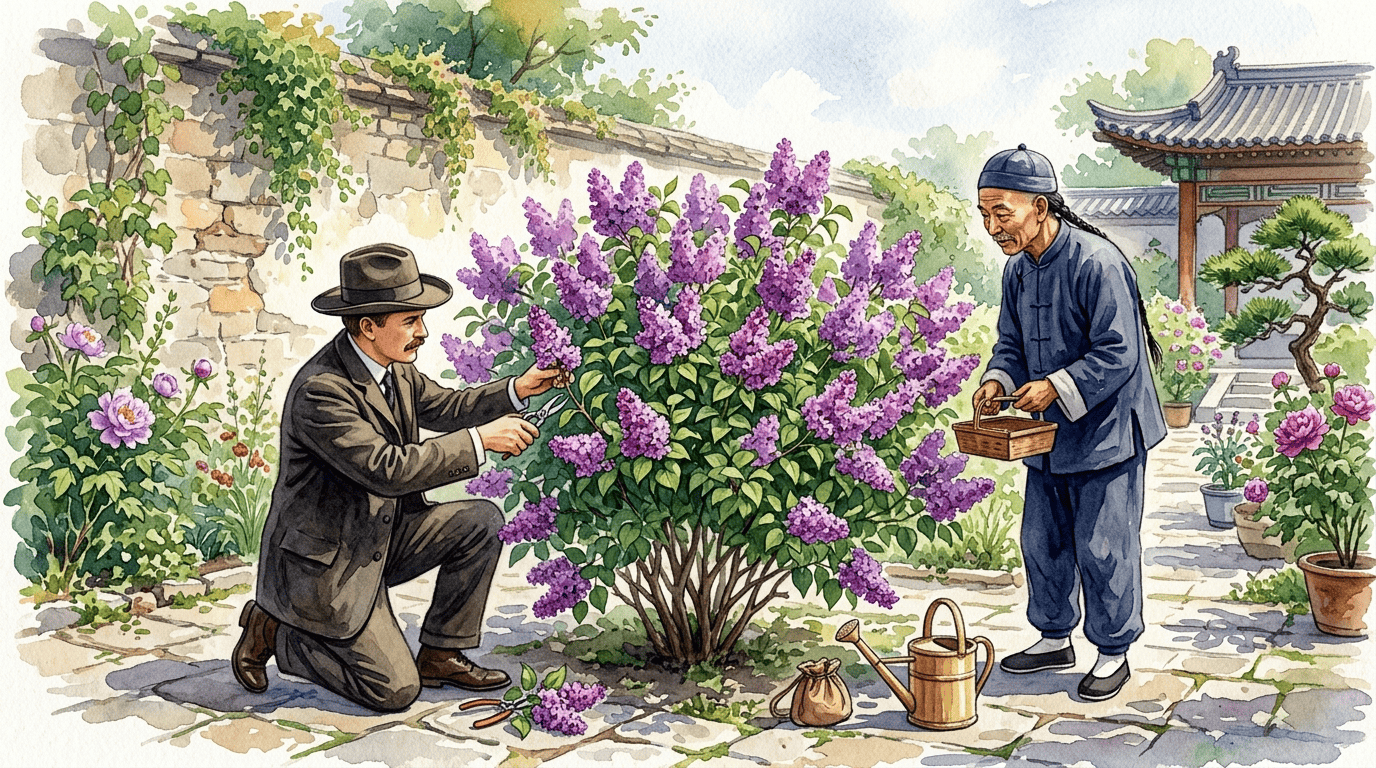
Syringa meyeri is known only from a single specimen that the US Department of Agriculture plant explorer Frank Meyer found in a private garden in Fengtai near Beijing in 1908 and sent home. Alfred Rehder of the Arnold Arboretum formally described it in 1913. No wild population has ever been found, leading most botanists to believe it is a long-cultivated Chinese hybrid or selection.
Its compact habit (1.2-1.5 m), dense branching, and extremely reliable heavy bloom of lavender-violet flowers earned it quick popularity. The cultivar 'Palibin' was selected from seedlings at the Royal Palace garden in Seoul in the early 20th century and introduced widely after WWII. It received the 1992 Pennsylvania Horticultural Society's Gold Medal and a 1993 RHS Award of Garden Merit.
'Josee' and 'Tinkerbelle' are modern rebloomer hybrids involving this species. Discovered in a Beijing garden in 1908 by Frank Meyer, USDA plant explorer, and introduced to American horticulture. The 'Palibin' dwarf cultivar selected from the species became the standard compact lilac for American small gardens in the late 20th century, solving the space and heat-tolerance problems of common lilacs.
Symbolism & meaning
What It Symbolizes
Korean Lilac embodies compact devotion, delivering classic lilac fragrance in a small-garden scale that fits modern courtyards and patio beds. It also signals an explorer's find — collected by USDA plant explorer Frank Meyer near Beijing in 1908, a 20th-century introduction that quickly became a beloved heirloom. A lilac whose perfume crossed continents in a notebook.
- Compact devotion — lilac fragrance in small-garden scale
- Explorer's find — Frank Meyer's 1908 Beijing discovery
Where the Name Comes From
The name Korean Lilac points to Korea. 'Syringa' from Greek 'syrinx' meaning pipe, for hollow stems; 'meyeri' honors Frank Nicholas Meyer (1875-1918), Dutch-American USDA plant explorer.
Uses & Fun Facts
- Lilac panicles release classic sweet spring lilac perfume
- Compact dense growth trimmed into low flowering hedges
- Dwarf Korean lilac suits large patio and balcony pots
- Fragrant flower clusters attract butterflies and early bees
Related plants
More Syringa plants
Plants with similar care
 Chinese AbeliaAbelia chinensis
 Fragrant AbeliaAbelia mosanensis
 Large-Flowered AbeliaAbelia uniflora
 Glossy AbeliaAbelia x grandiflora
Frequently asked questions
How often should I water Korean Lilac?
In summer, water about every 5 days; in winter, about every 21 days. Adjust for heat, pot size and drainage.
How much light does Korean Lilac need?
Full sun: 6+ hrs direct. Watch the leaves — scorching or stretching means the light needs adjusting.
Is Korean Lilac toxic to cats or dogs?
No toxicity has been reported for this plant. Still, it is wise to keep pets from chewing on any houseplant. Educational information, not medical or veterinary advice. If exposure is suspected, contact a doctor or veterinarian.
Is Korean Lilac easy to grow?
Yes — it is considered an easy, beginner-friendly plant.
When does Korean Lilac bloom?
It typically blooms May in the Northern Hemisphere.
YardMate
Identify any plant in seconds
Snap a photo — YardMate names the plant, diagnoses problems, and reminds you when to water.
Download on the App Store