 YardMate

Common Lilac
Syringa vulgaris
Easy · Beginner friendlyAbout Common Lilac
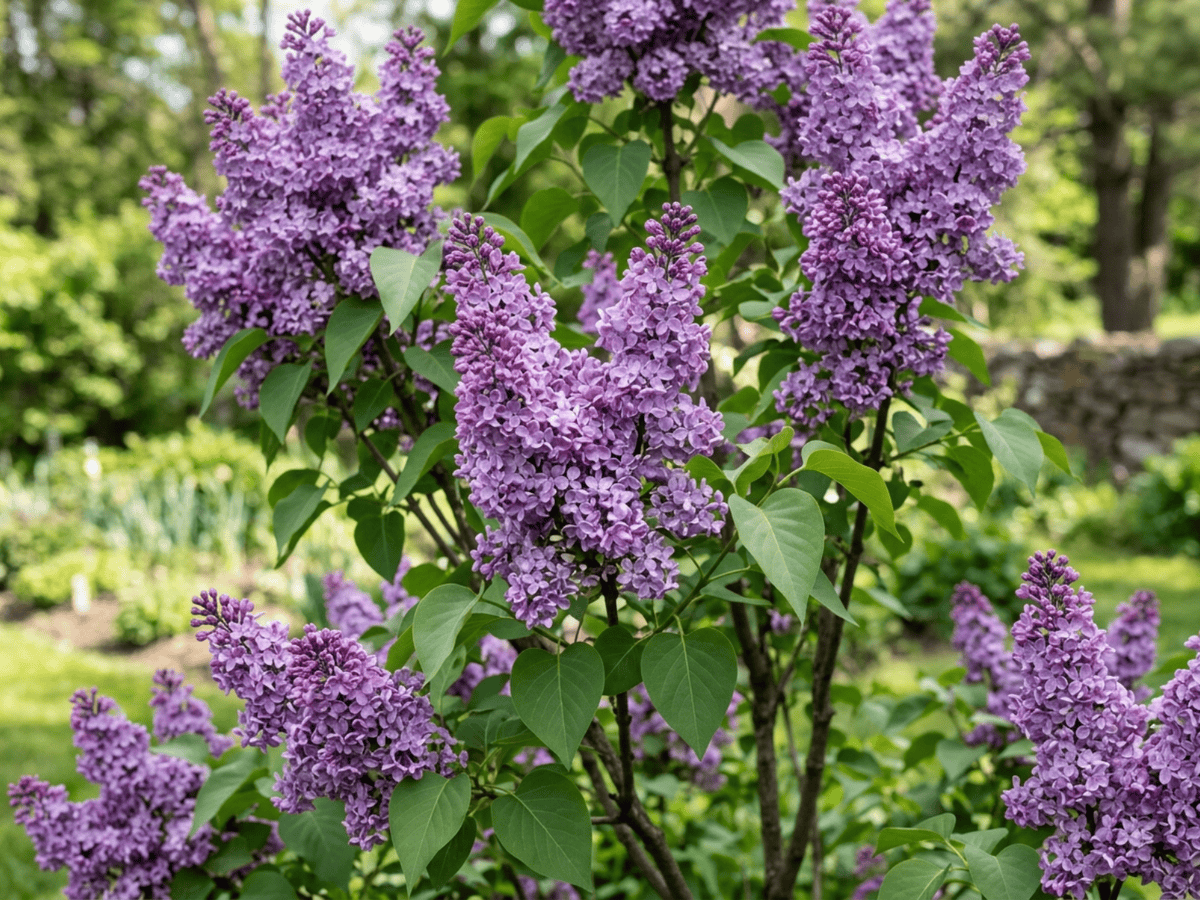
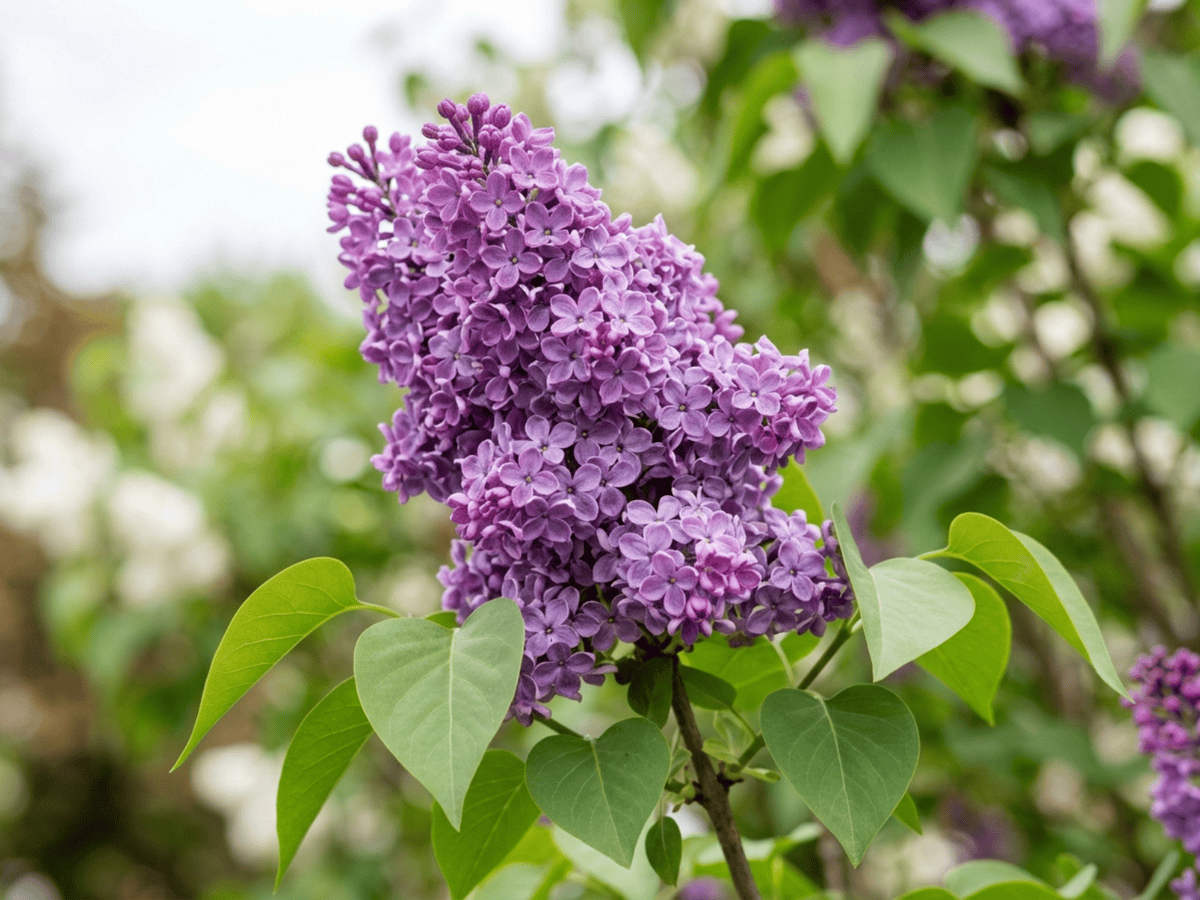
Syringa vulgaris, the common lilac, is a deciduous shrub or small tree native to the Balkans that has become one of the most beloved flowering plants in temperate gardens worldwide. Growing 8 to 15 feet tall, it produces dense panicles of intensely fragrant flowers in shades of purple, lavender, pink, white, and even yellow in late spring. The heady perfume of lilac in bloom is one of the most recognized and nostalgic floral scents, evoking memories of grandmothers' gardens and country lanes. Lilacs prefer full sun, good air circulation, and alkaline to neutral, well-drained soil. They require a period of winter chill to bloom well, making them poorly suited to mild-winter climates. Old-fashioned varieties can become leggy without renewal pruning — removing the oldest stems at ground level every few years rejuvenates the plant. The French hybridizer Victor Lemoine and his family created hundreds of cultivars in the late 19th and early 20th centuries, many of which are still considered the finest lilacs available.
- Fragrant
How to care for Common Lilac
Watering
- Springevery 5 days
- Summerevery 4 days
- Fallevery 10 days
- Winterevery 30 days
Soil · Rich & loamy
- Top dressingBark mulch15%
- Main mixRich loam + compost 3:170%
- DrainageGravel15%
Use fully finished compost — fresh compost burns roots.
FERTILIZER
Acid-Loving Feed 4-3-4
One bag does both jobs. An acid feed carries the usual nitrogen, phosphorus and potassium, plus the sulfur and iron that keep the soil sour enough for the roots to take them up at all.
- Nitrogen · Leaves
- Phosphorus · Roots + Blooms
- Potassium · Strength
- Springevery 45 days
At a Glance
- NativeNorth America
- Height8–16 ft (2.4–4.9 m)
- Spread6–12 ft (1.8–3.7 m)
- Flower colorPurple, White, Pink
- Foliage colorGreen
- SoilAlkaline, Well-drained, Loamy
- LocationsYard
Bloom time
BLOOM CYCLE
Peak bloom
Mar–May
Fragrant panicles in late spring; deadhead spent blooms and prune immediately after flowering since buds set on old wood
Fragrance
STRONG FRAGRANCE
Iconic, powerfully sweet spring scent — the defining fragrance of northern-hemisphere late spring.
Toxicity
Pets Safe
None reported
Not reported
EXPOSURE No exposure route is reported.
EFFECT No significant toxicity.
NOTE No human toxicity is reported in this catalog; avoid eating ornamental plants unless confirmed edible.
Safe
EXPOSURE No exposure route is reported.
EFFECT Not listed as toxic by ASPCA.
NOTE Listed as non-toxic for dogs; avoid eating ornamental plants unless confirmed edible.
Safe
EXPOSURE No exposure route is reported.
EFFECT Not listed as toxic by ASPCA.
NOTE Listed as non-toxic for cats; avoid eating ornamental plants unless confirmed edible.
Educational information, not medical or veterinary advice. If exposure is suspected, contact a doctor or veterinarian.
DISTRIBUTION

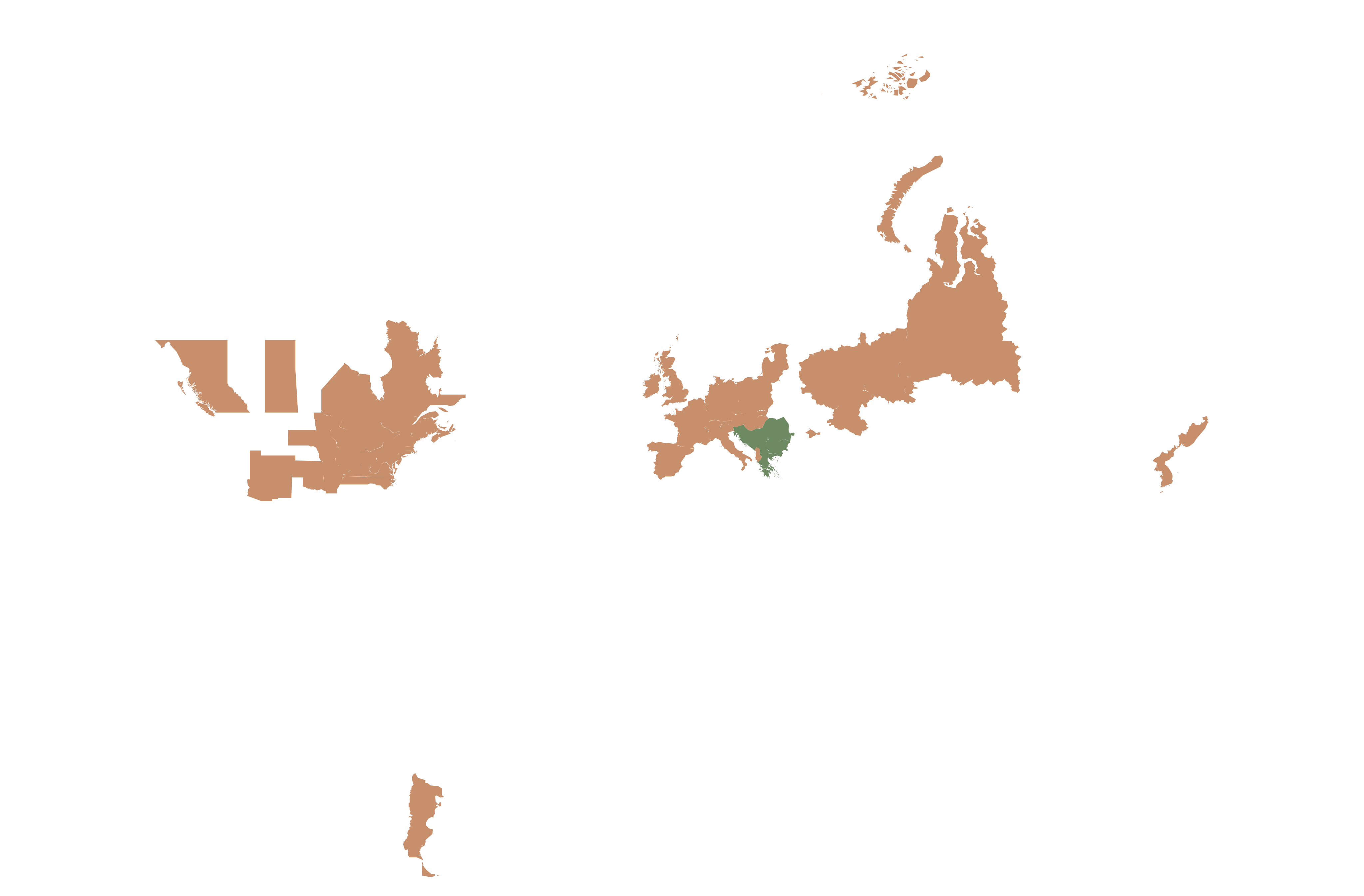
- Native
- Introduced
- North America
History
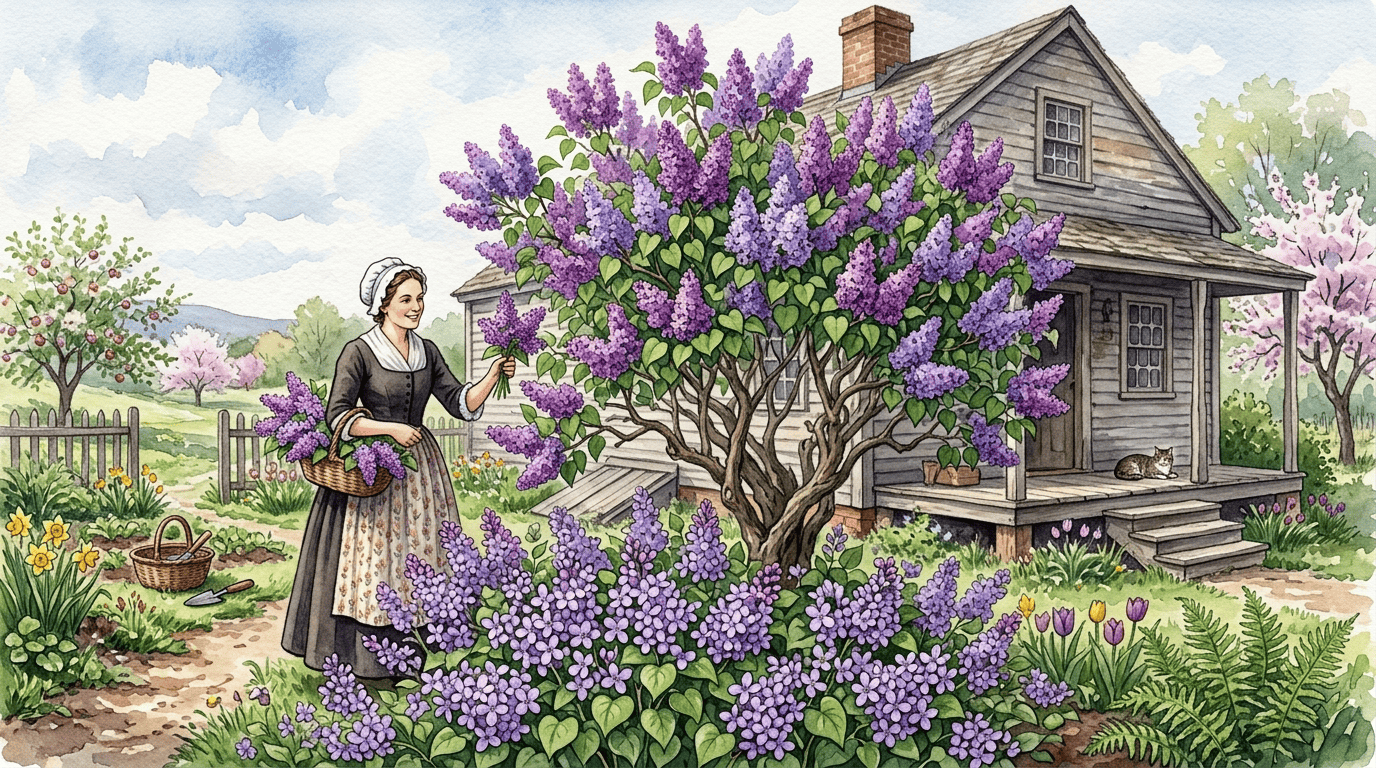
Syringa vulgaris is native to the rocky hills of the Balkans — Bulgaria, Romania, Serbia, North Macedonia, and Albania. The plant reached western Europe in the 16th century via the Ottoman imperial gardens: Holy Roman Empire ambassador Ogier Ghiselin de Busbecq brought lilacs (and tulips) back from Istanbul to Vienna and thence to Holland around 1563. French nurseryman Victor Lemoine of Nancy produced the foundational wave of modern double and large-flowered cultivars from the 1870s to 1910s — the "French hybrids," including "Madame Lemoine," "Président Grévy," and over 200 others, still anchor modern commercial offerings.
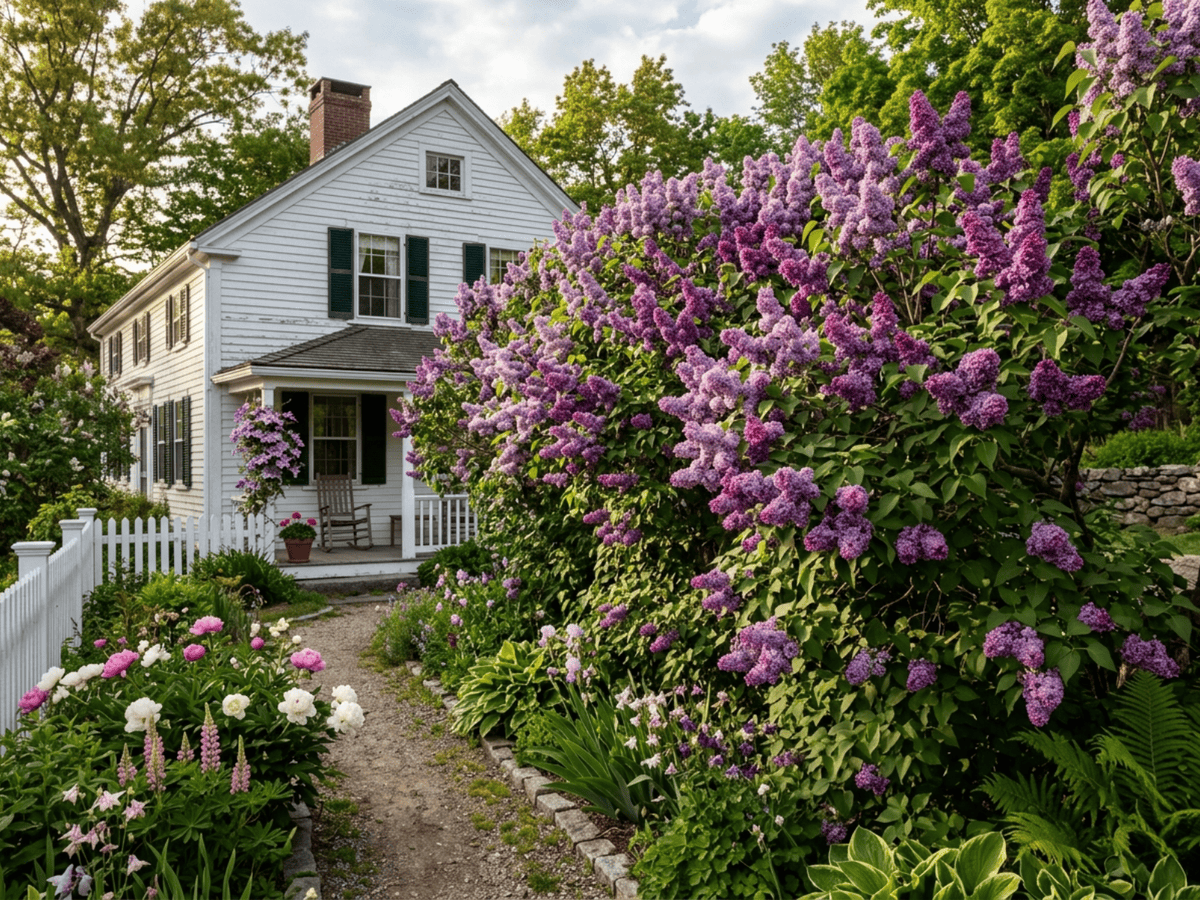
Lilacs arrived in North America with European colonists by the mid-18th century; George Washington and Thomas Jefferson both grew lilacs at their estates, and the species quickly naturalized around old New England farmhouses where the tough, long-lived shrubs outlive the houses themselves. Walt Whitman's 1865 elegy "When Lilacs Last in the Dooryard Bloom'd," mourning the assassination of Abraham Lincoln, tied the lilac permanently to American memorial and spring imagery.
French nurseryman Victor Lemoine and his son Émile bred over 200 cultivars between 1876 and 1953, establishing the 'French lilac' tradition. Early American settlers planted lilacs at homesteads, and abandoned lilac bushes still mark old farmstead locations centuries later across New England.
Symbolism & meaning
What It Symbolizes
Common Lilac suggests first love — purple lilacs traditionally representing the earliest emotions of romance, the kind that smell impossibly sweet and pass impossibly fast. Memory is woven through it as well: that distinctive May fragrance evokes powerful nostalgia for childhood yards, grandmothers' fences, and Mother's Day bouquets. Its meaning is both tender beginnings and the long, fragrant remembering they later become.
- First love — Purple lilacs traditionally represent the first emotions of romantic love
- Memory — The distinctive fragrance evokes powerful nostalgia and cherished memories
Where the Name Comes From
'Syringa' from Greek 'syrinx' (pipe or tube), referring to the hollow stems. 'Vulgaris' means 'common' in Latin.
Uses & Fun Facts
- Purple panicles release iconic sweet spring fragrance
- Long-stemmed flower clusters prized in spring bouquets
- Vigorous shrub trained as fragrant flowering hedge
- Classic heirloom shrub of New England dooryard gardens
Related plants
More Syringa plants
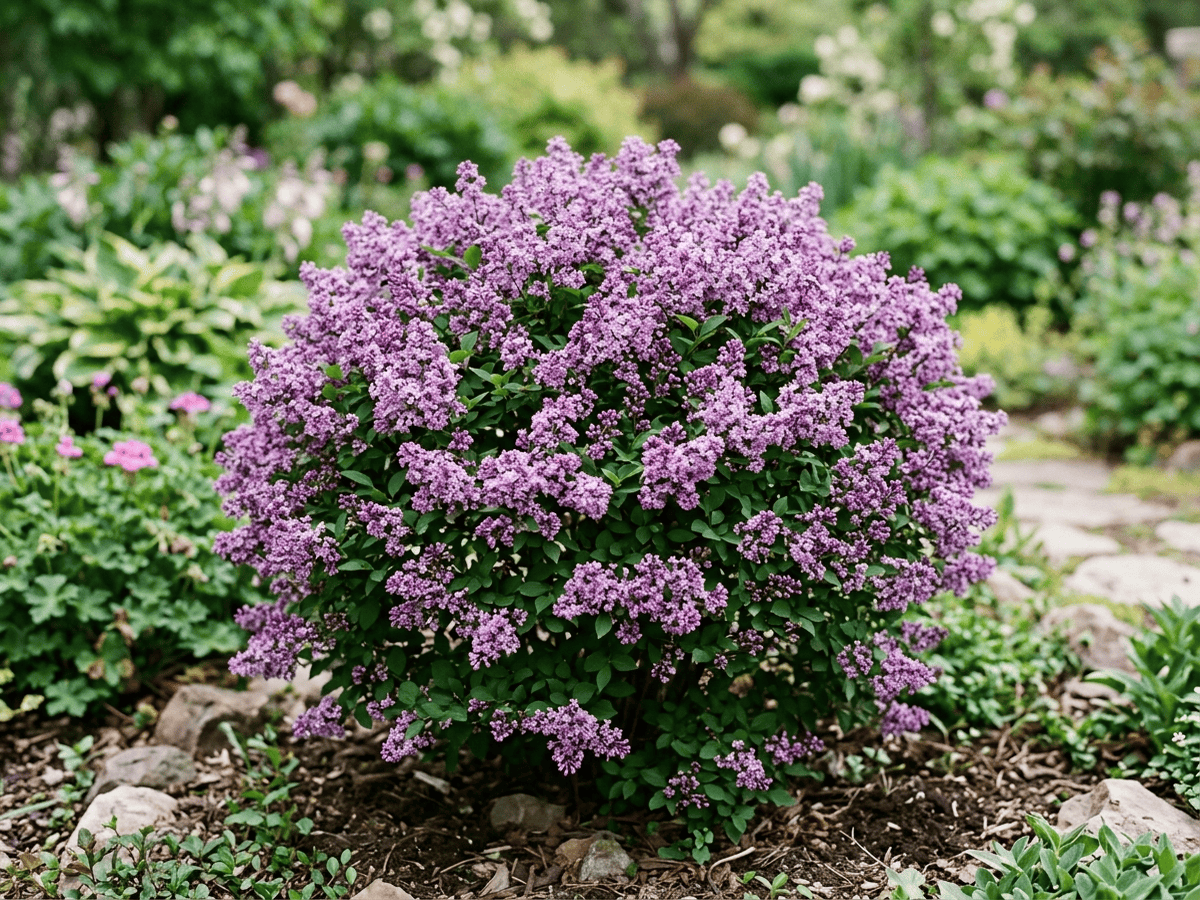
Plants with similar care
 Chinese AbeliaAbelia chinensis
 Fragrant AbeliaAbelia mosanensis
 Large-Flowered AbeliaAbelia uniflora
 Glossy AbeliaAbelia x grandiflora
Frequently asked questions
How often should I water Common Lilac?
In summer, water about every 4 days; in winter, about every 30 days. Adjust for heat, pot size and drainage.
How much light does Common Lilac need?
Full sun: 6+ hrs direct. Watch the leaves — scorching or stretching means the light needs adjusting.
Is Common Lilac toxic to cats or dogs?
Pets Safe (Dogs Safe · Cats Safe) Educational information, not medical or veterinary advice. If exposure is suspected, contact a doctor or veterinarian.
Is Common Lilac easy to grow?
Yes — it is considered an easy, beginner-friendly plant.
When does Common Lilac bloom?
It typically blooms Mar–May in the Northern Hemisphere.
YardMate
Identify any plant in seconds
Snap a photo — YardMate names the plant, diagnoses problems, and reminds you when to water.
Download on the App Store