 YardMate

Feverfew
Tanacetum parthenium
Easy · Beginner friendlyAbout Feverfew
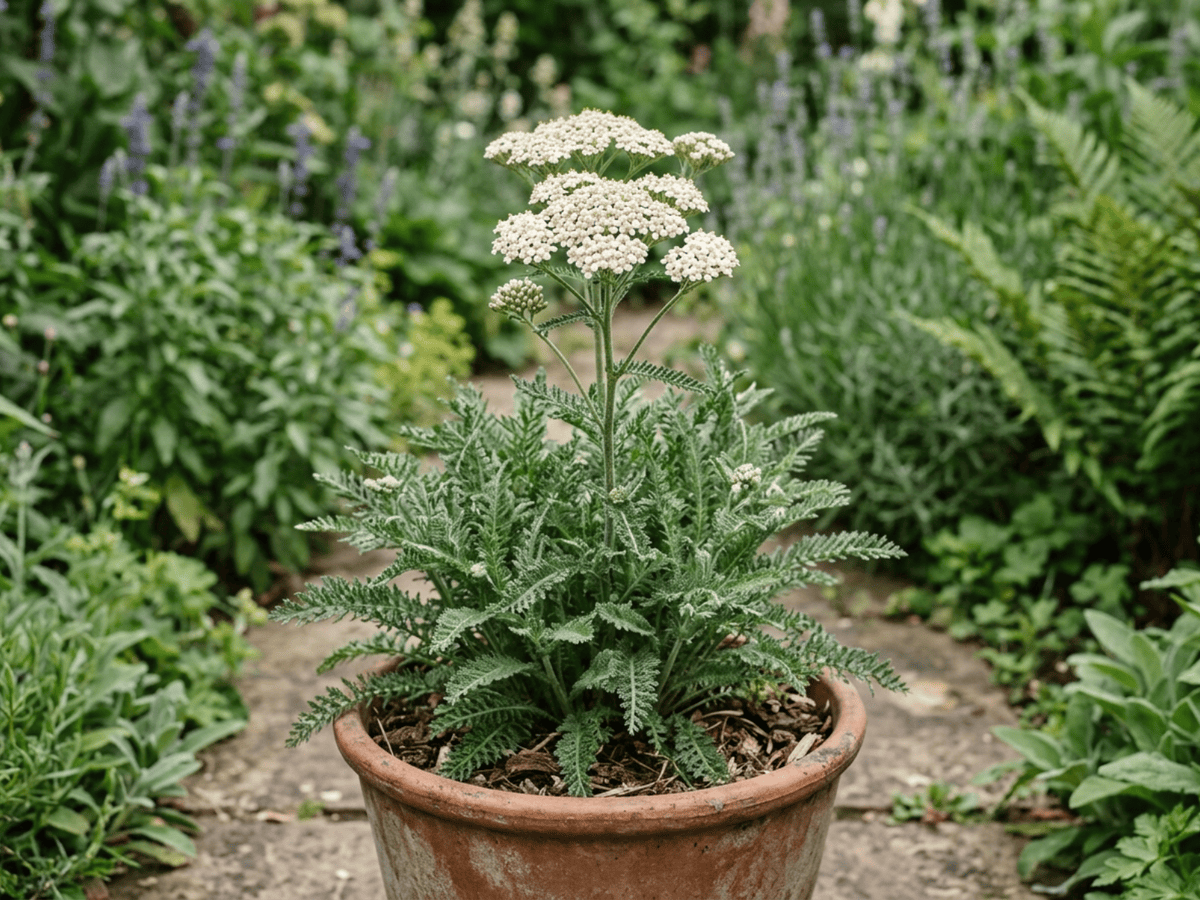
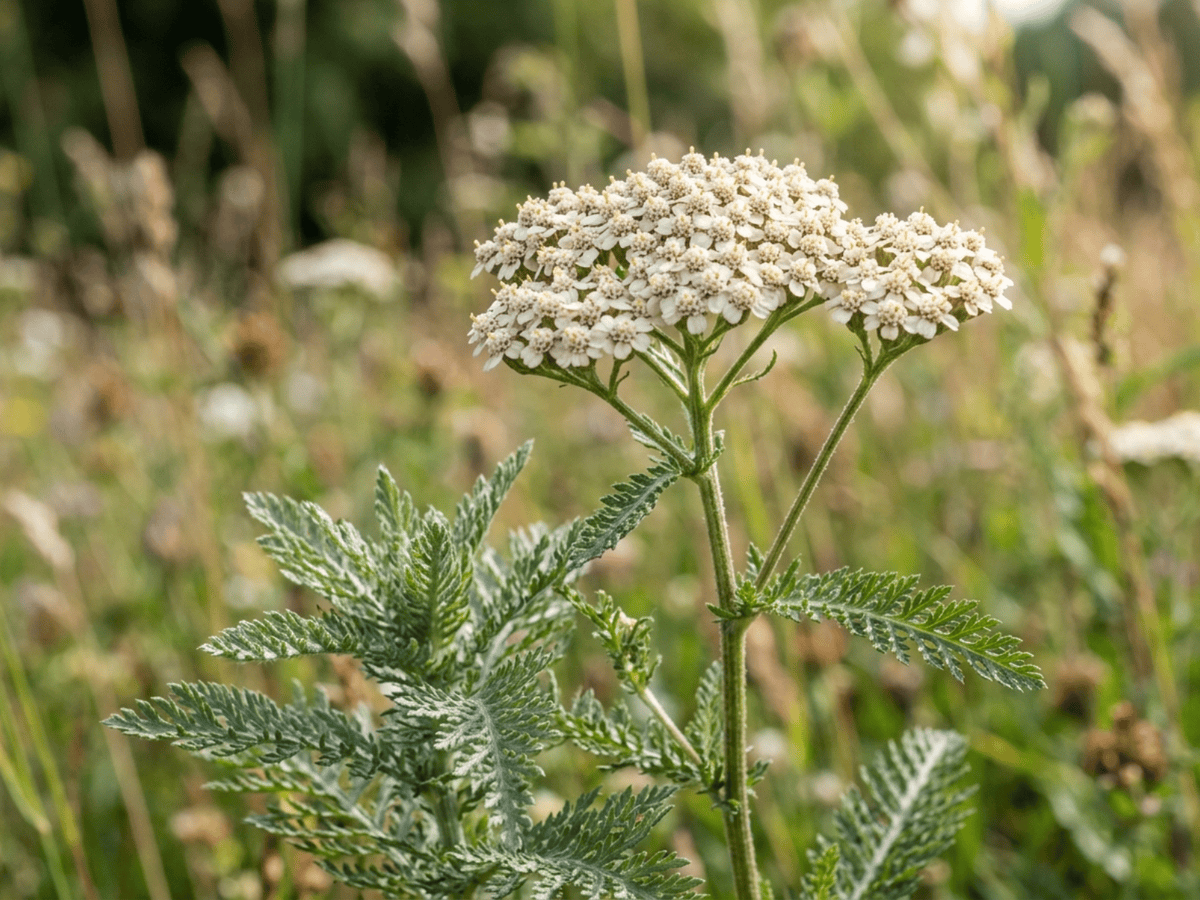
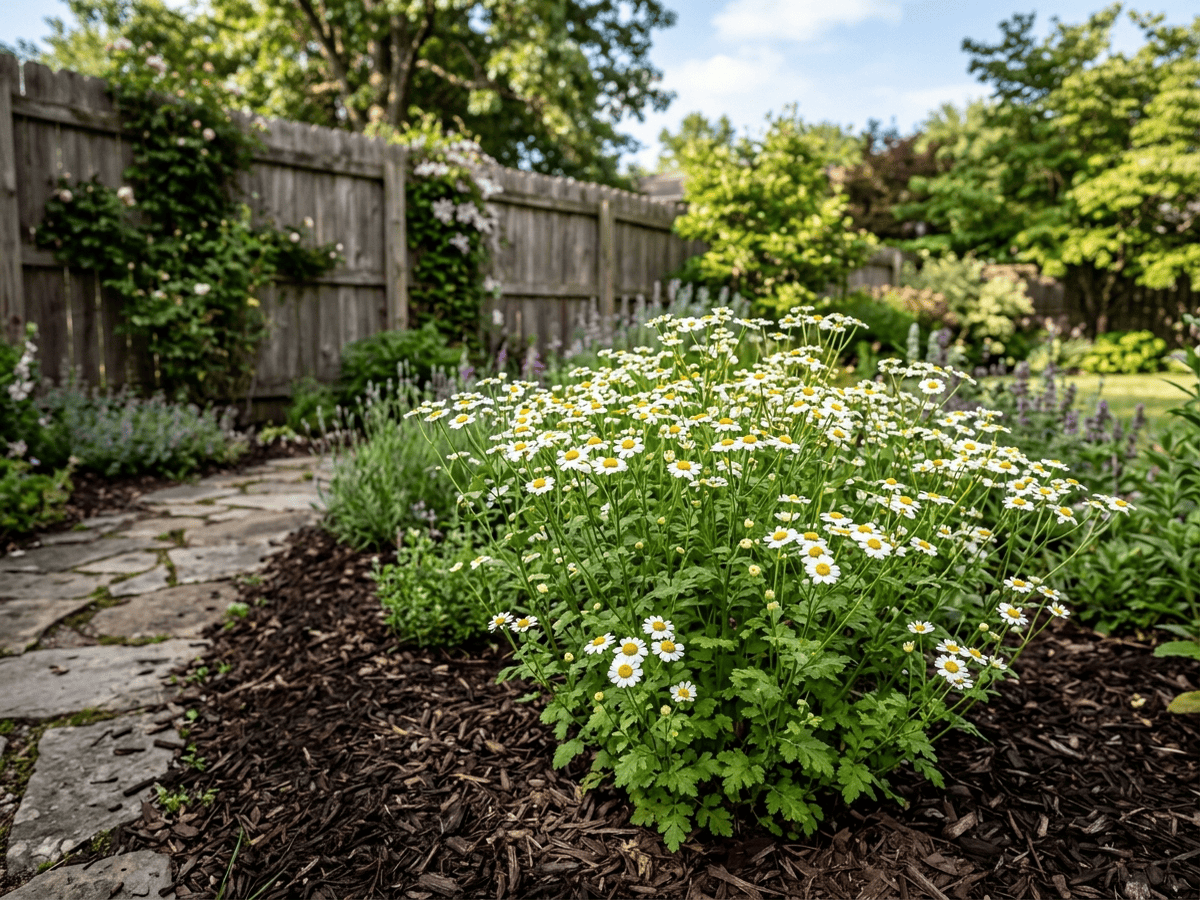
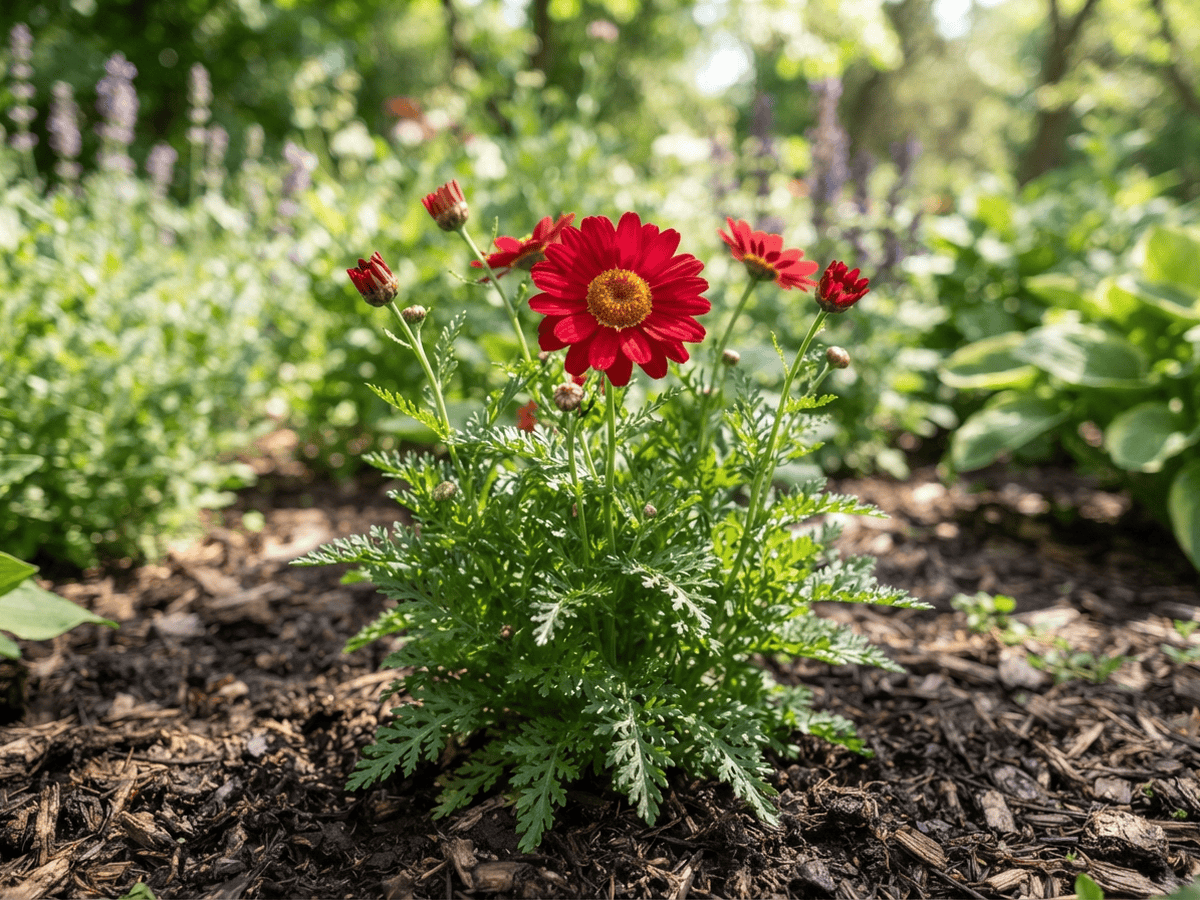
Tanacetum parthenium, feverfew, is a short-lived perennial or biennial from the Balkans, now naturalized widely. It grows 30-60 cm tall with bitter, aromatic, yellow-green leaves and small white daisy flowers with yellow centers. Robust and easy in sun to partial shade, it self-sows freely and suits cottage borders, herb gardens, and informal plantings. The double form 'Flore Pleno' and golden-leaved 'Aureum' are ornamental selections. Feverfew's reputation comes from European herbal tradition and modern research interest in parthenolide, a compound studied in relation to migraines and inflammation. Raw leaves can irritate the mouth, and using the plant as medicine is not casual; in the garden, its stronger everyday gifts are charm, resilience, and insect-repelling scent.
- Medicinal
- Fragrant
How to care for Feverfew
Watering
- Springevery 4 days
- Summerevery 3 days
- Fallevery 5 days
- Winterevery 10 days
Soil · Well-draining
- Top dressingPine bark mulch10%
- Main mixPotting soil + perlite 2:170%
- DrainageLECA / gravel20%
Never skip the drainage layer — standing water is the top cause of root rot.
FERTILIZER
Balanced Feed 14-14-14
An even feed covers all three needs at once, keeping leaves, roots and blooms moving together with nothing pushed out of balance.
- Nitrogen · Leaves
- Phosphorus · Roots + Blooms
- Potassium · Strength
- Springevery 30 days
- Summerevery 30 days
- Fallevery 45 days
At a Glance
- NativeEurope, Western Asia
- Height1–3 ft (0.3–0.9 m)
- Spread1–2 ft (0.3–0.6 m)
- Flower colorWhite, Yellow
- Foliage colorGreen, Yellow
- SoilLoamy, Well-drained
- LocationsYard
Bloom time
BLOOM CYCLE
Peak bloom
Sep–Nov
Deadhead to prevent excessive self-sowing and extend the flowering period into autumn.
Fragrance
MODERATE FRAGRANCE
The foliage has a bitter camphorous-citrus aroma.
Toxicity
Humans Slight · Pets Slight
parthenolide and sesquiterpene lactones
Slight
- Leaf
- Contact
- Ingestion
EXPOSURE Touching leaves. Eating leaves.
EFFECT Fresh leaves cause oral ulcers in sensitive individuals, asteraceae contact dermatitis, and sudden cessation may cause rebound migraine.
NOTE Human oral ulcers are a common side effect of fresh-leaf chewing; standardized extracts avoid this.
Slight
- All
- Ingestion
EXPOSURE Eating any part of the plant.
EFFECT Mild GI upset.
NOTE Human oral ulcers are a common side effect of fresh-leaf chewing; standardized extracts avoid this.
Slight
- All
- Ingestion
EXPOSURE Eating any part of the plant.
EFFECT Mild GI upset.
NOTE Human oral ulcers are a common side effect of fresh-leaf chewing; standardized extracts avoid this.
Educational information, not medical or veterinary advice. If exposure is suspected, contact a doctor or veterinarian.
DISTRIBUTION

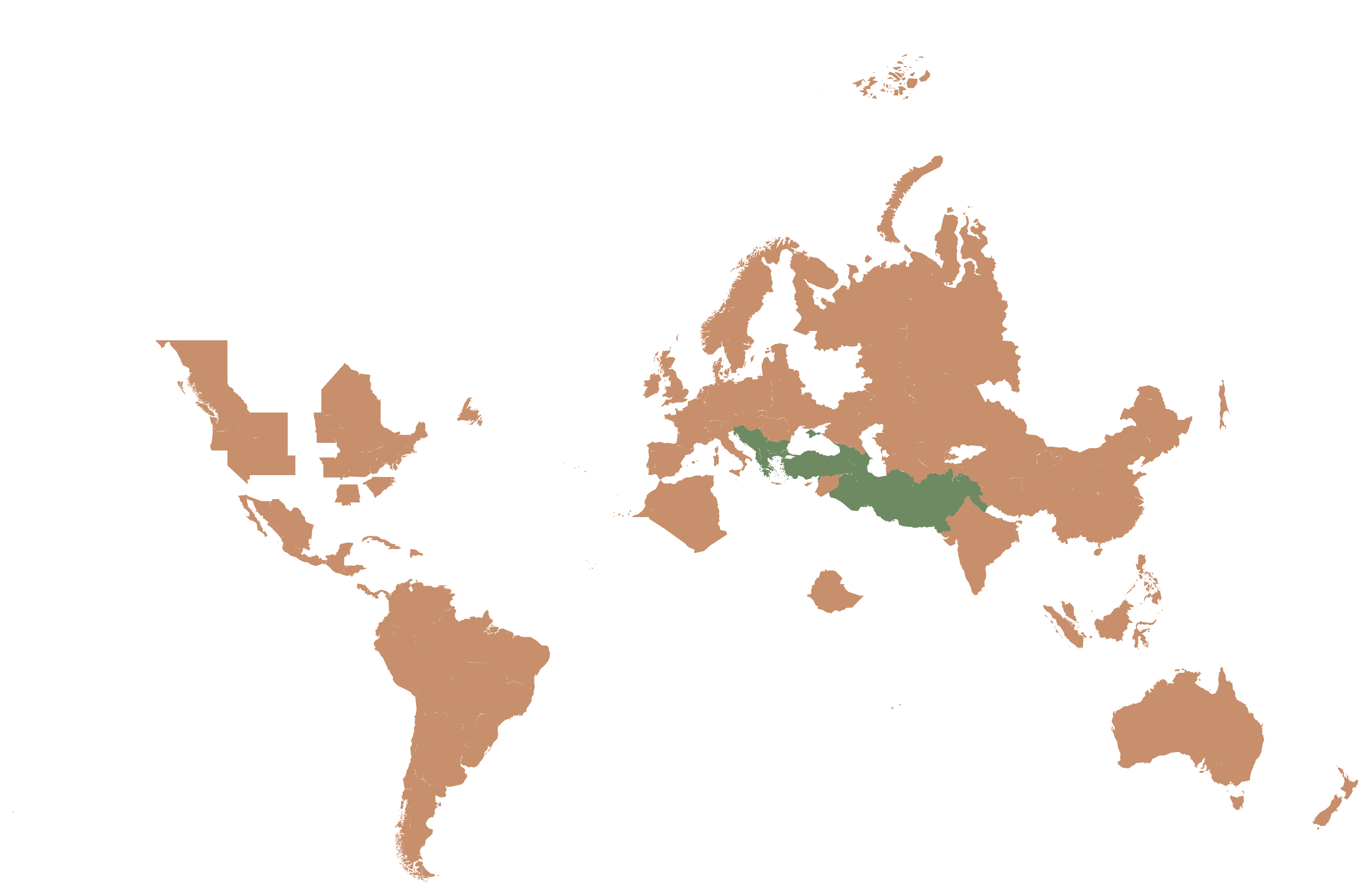
- Native
- Introduced
- Europe
- Western Asia
History

Tanacetum parthenium is native to southeastern Europe, particularly the Balkans and Caucasus. The English name "feverfew" derives from Latin "febrifugia" (fever-driver), and classical Greeks and Romans used it to reduce fever and headache — the traditional reputation that the plant's modern name and modern use both ultimately trace to. The epithet "parthenium" refers to the maidens ("parthenos") of the Parthenon — legend holds it saved the life of a worker who fell from the temple during construction.
Feverfew's reputation as an anti-migraine herb was documented in medieval English herbals by John Gerard (1597) and Nicholas Culpeper (1652). Modern clinical validation began in 1985 with a Lancet placebo-controlled trial by Johnson at London Migraine Clinic, and further trials confirmed efficacy for migraine prophylaxis. Active compounds include parthenolide, which inhibits serotonin release and platelet aggregation.
The bitter leaves are traditionally eaten fresh on bread — users develop tolerance — and modern standardized extract capsules are widely sold as OTC migraine preventatives. First-century Greek physician Dioscorides prescribed it for inflammation. Gerard's Herbal (1597) recommended it for 'all paines of the head.' A landmark 1985 British Medical Journal study validated its use for migraine prevention, reviving widespread interest.
Symbolism & meaning
What It Symbolizes
Feverfew is the herb of relief — for nearly two thousand years its bitter daisies have been chewed against headaches and brewed against fevers, modern studies confirming what medieval herbalists already knew about migraines. Protection is its second role: planted around farmhouse doors to repel insects and disease, a small green guardian. Few cottage herbs carry so much practical comfort into so unassuming a flower.
- Relief — Centuries of use against headaches and fevers make feverfew a symbol of comfort from suffering
- Protection — Planted around homes to repel insects and illness, it represents a guardian presence
Where the Name Comes From
Tanacetum comes from medieval Latin 'tanazita', possibly from Greek 'athanasia' (immortality); 'parthenium' comes from Greek 'parthenos' (virgin), after its use in women's herbal traditions.
Uses & Fun Facts
- Leaves traditionally chewed or steeped to prevent migraine headaches
- Crushed foliage releases sharp camphor-chrysanthemum scent
- Daisy-like flower clusters feed hoverflies and small native bees
Related plants
More Tanacetum plants
Plants with similar care
 Chinese AbeliaAbelia chinensis
 Fragrant AbeliaAbelia mosanensis
 Large-Flowered AbeliaAbelia uniflora
 Glossy AbeliaAbelia x grandiflora
Frequently asked questions
How often should I water Feverfew?
In summer, water about every 3 days; in winter, about every 10 days. Adjust for heat, pot size and drainage.
How much light does Feverfew need?
Full sun: 6+ hrs direct. Watch the leaves — scorching or stretching means the light needs adjusting.
Is Feverfew toxic to cats or dogs?
Pets Slight (Dogs Slight · Cats Slight) Educational information, not medical or veterinary advice. If exposure is suspected, contact a doctor or veterinarian.
Is Feverfew easy to grow?
Yes — it is considered an easy, beginner-friendly plant.
When does Feverfew bloom?
It typically blooms Sep–Nov in the Northern Hemisphere.
YardMate
Identify any plant in seconds
Snap a photo — YardMate names the plant, diagnoses problems, and reminds you when to water.
Download on the App Store