 YardMate
Painted Daisy
Tanacetum coccineum
Hard · Experienced growersAbout Painted Daisy
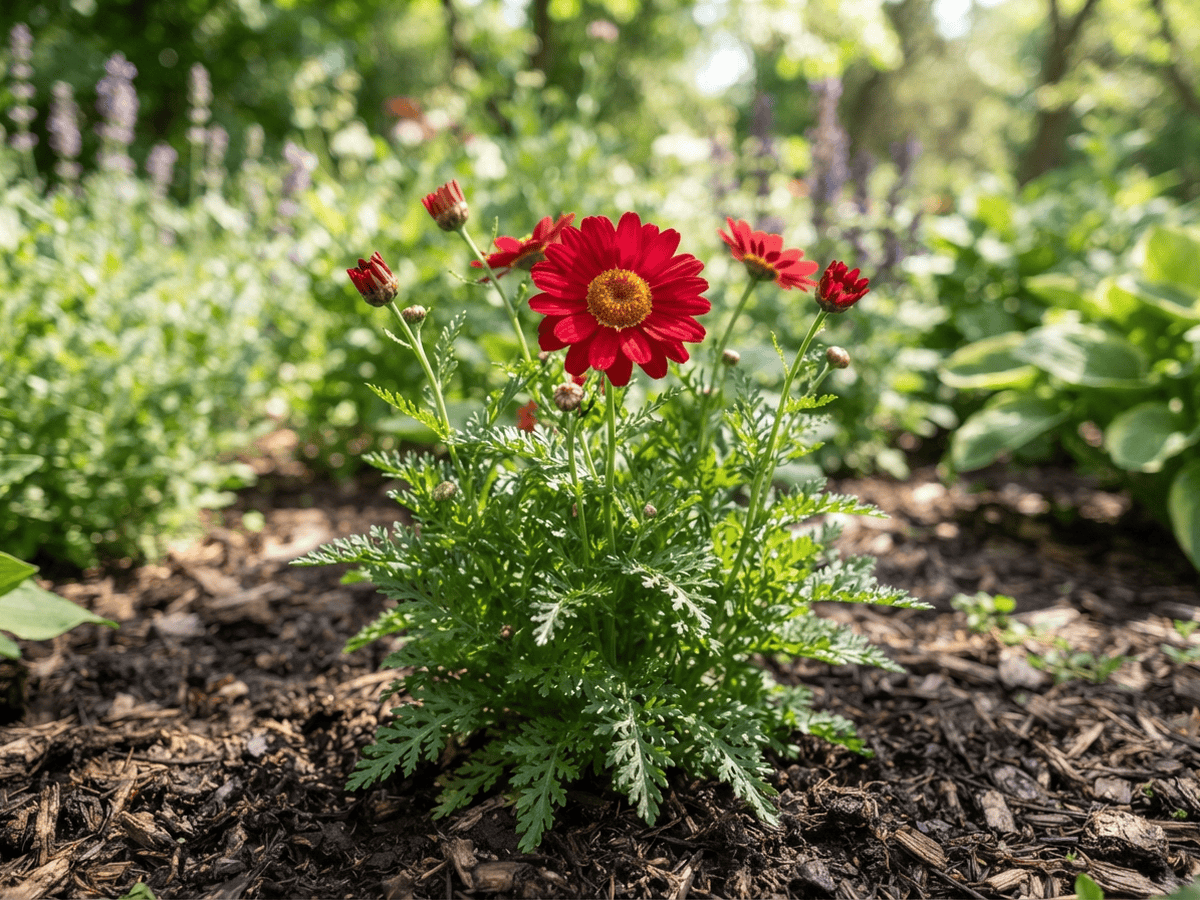
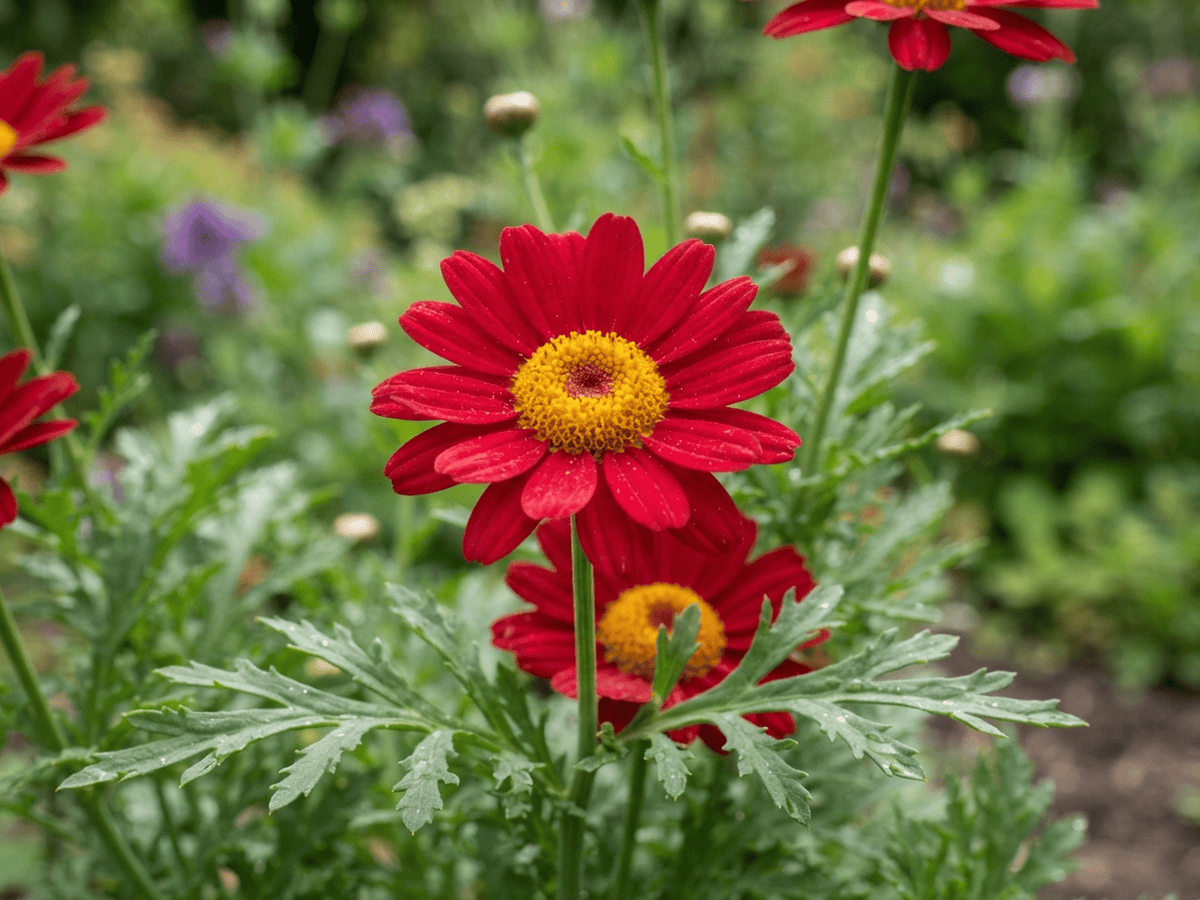
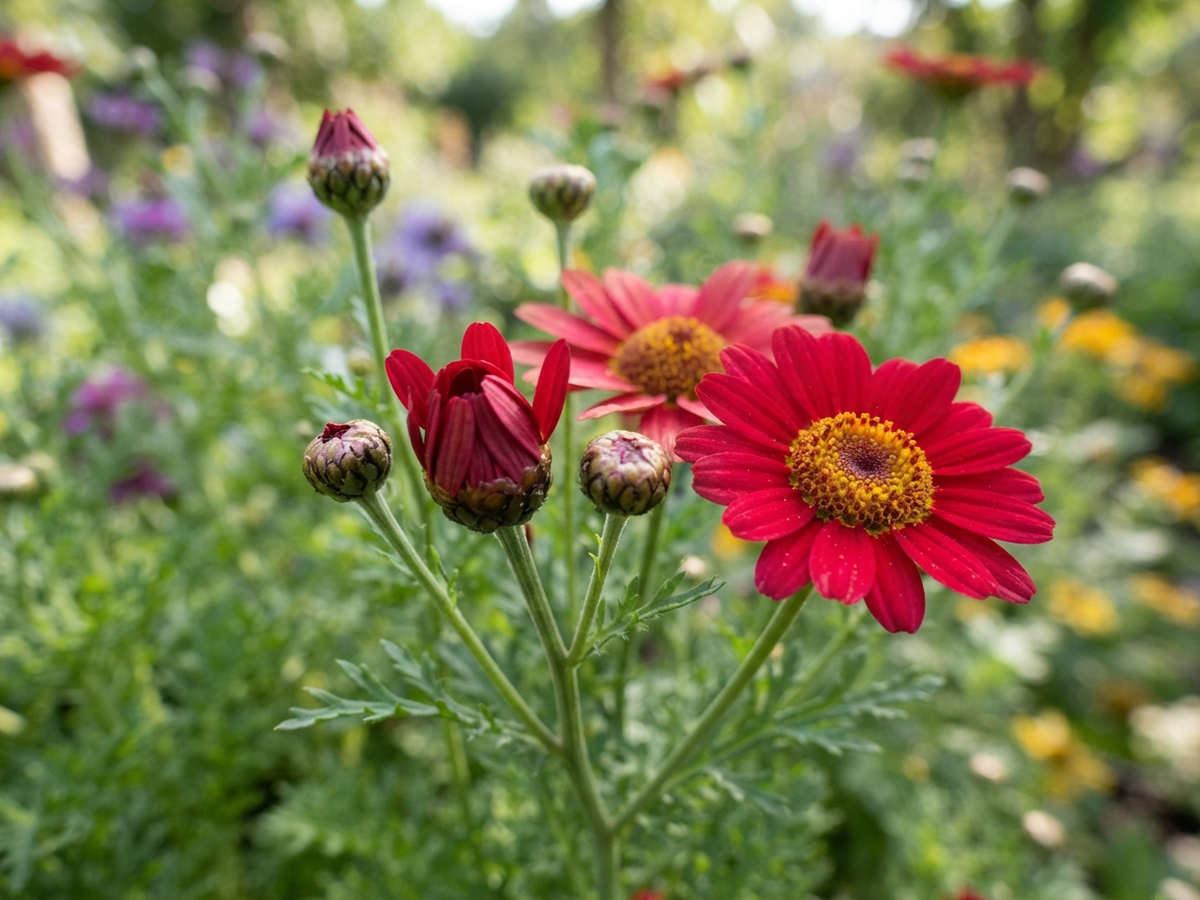
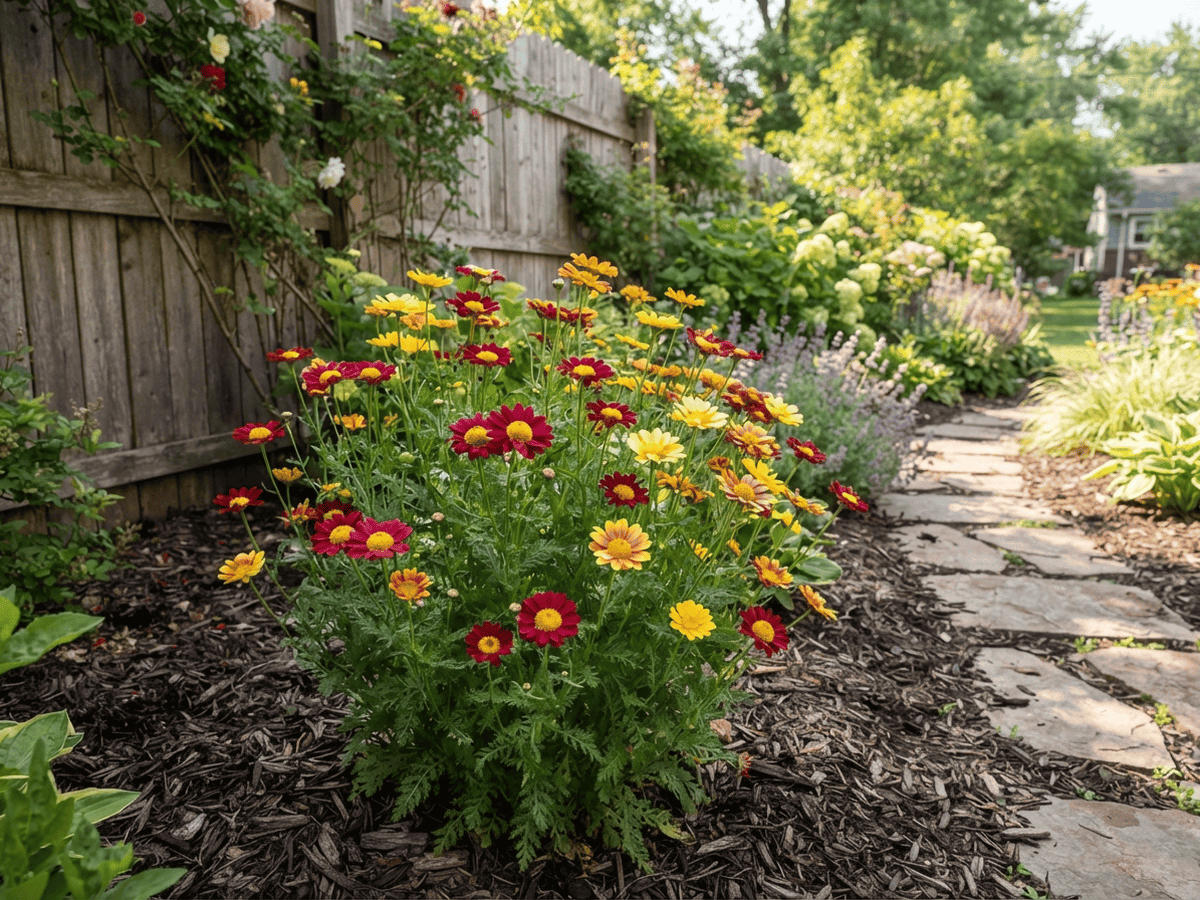
The Painted Daisy (Tanacetum coccineum) is an upright perennial prized for its cheerful, three-inch daisy blooms in shades of pink, red, purple, and white, each centered with a bright yellow disc. Soft, fern-like foliage forms a tidy mound beneath wiry stems that sway through early summer. Native to the mountains of the Caucasus, northern Iran, and Central Asia, it thrives in well-drained soil and full sun, drawing butterflies to the garden. Long valued as a cut flower, it also resists browsing deer, making it a reliable choice for borders and cottage gardens.
- Fragrant
- Deciduous
- Pollinator-friendly
- Cold-hardy
How to care for Painted Daisy
Watering
- Springevery 10 days
- Summerevery 7 days
- Fallevery 15 days
- Winterevery 30 days
Soil · Well-draining
- Top dressingPine bark mulch10%
- Main mixPotting soil + perlite 2:170%
- DrainageLECA / gravel20%
Never skip the drainage layer — standing water is the top cause of root rot.
FERTILIZER
Balanced Feed 14-14-14
An even feed covers all three needs at once, keeping leaves, roots and blooms moving together with nothing pushed out of balance.
- Nitrogen · Leaves
- Phosphorus · Roots + Blooms
- Potassium · Strength
- Springevery 30 days
- Summerevery 30 days
- Fallevery 30 days
At a Glance
- NativeEurope, Asia
- Height2–3 ft (0.6–0.9 m)
- Spread2–3 ft (0.6–0.9 m)
- Flower colorRed, Yellow
- Foliage colorGreen
- SoilWell-drained, Moist
- LocationsYard · Patio
Bloom time
BLOOM CYCLE
Peak bloom
May–Aug
This plant blooms in spring and summer.
Fragrance
LIGHT FRAGRANCE
Foliage carries a faint, slightly pungent herbal scent when crushed, typical of the tansy family.
Toxicity
Toxicity unknown
None reported
Unknown
EXPOSURE No exposure route is reported.
EFFECT No toxic effect is reported.
NOTE Toxicity for humans is not well documented; use caution until verified.
Unknown
EXPOSURE No exposure route is reported.
EFFECT No toxic effect is reported.
NOTE Toxicity for dogs is not well documented; use caution until verified.
Unknown
EXPOSURE No exposure route is reported.
EFFECT No toxic effect is reported.
NOTE Toxicity for cats is not well documented; use caution until verified.
Educational information, not medical or veterinary advice. If exposure is suspected, contact a doctor or veterinarian.
DISTRIBUTION

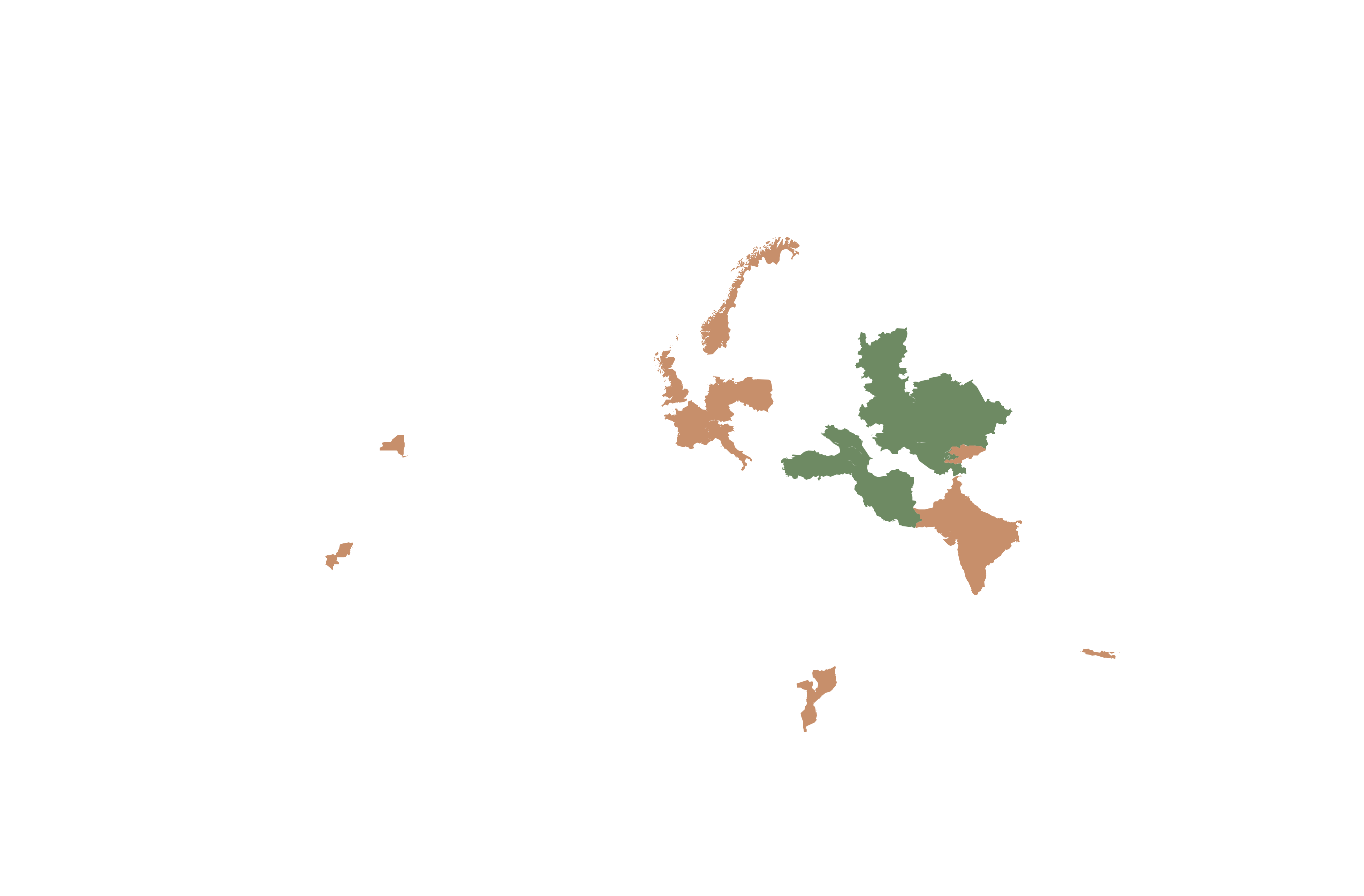
- Native
- Introduced
- Europe
- Asia
History
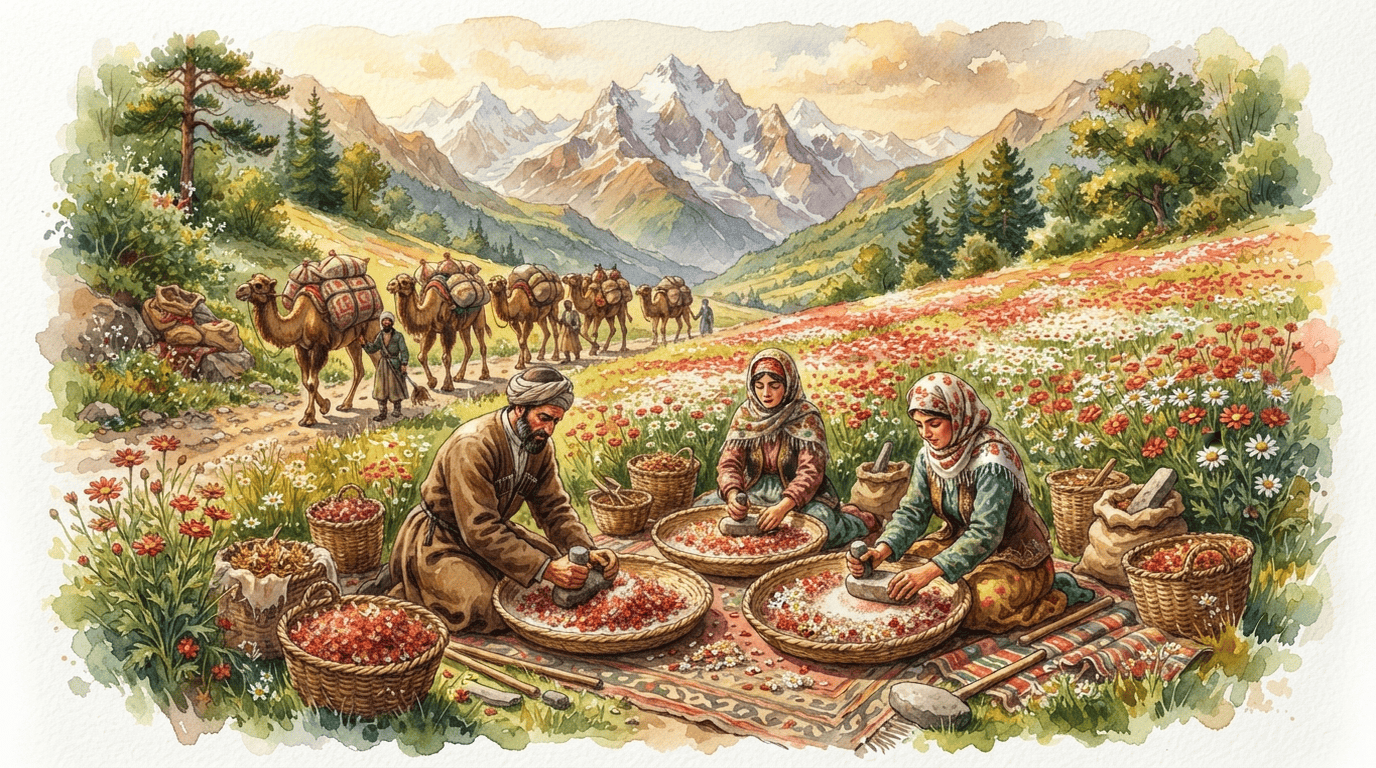
Long before the Painted Daisy became a garden favorite, mountain communities of the Caucasus and northwestern Persia had already discovered its hidden power: the dried, crushed flowerheads killed fleas, lice, and other pests on contact, yet were mild enough to dust onto bedding and clothing. By the eighteenth century, this Persian powder was carried by camel caravan out of the mountains and sold across the region, its exact plant source kept as a closely guarded trade secret by the merchants who controlled it. Demand in Europe grew faster than supply, and for decades buyers paid dearly without ever learning what they were buying. The secret finally broke in 1828, when an Armenian trader traced the powder back to the Painted Daisy fields of the Caucasus and began manufacturing it on an industrial scale. Within a generation, shipments of the ground flower reached Central Europe, where the Munich-born merchant Johann Zacherl turned it into a commercial sensation, marketing it across Vienna as an insect-killing tincture. Only later did growers in the Adriatic mountains of Croatia begin cultivating a related, even more potent daisy, gradually displacing the original Caucasian source. Yet the Painted Daisy remains the plant whose flowers first taught the world that a garden bloom could double as a weapon against pests, a legacy still visible in every pyrethrin-based insecticide sold today.
Symbolism & meaning
What It Symbolizes
With its bold rings of color radiating from a golden center, the Painted Daisy has become a cottage-garden emblem of cheerfulness, brightening borders and bouquets with an uncomplicated, sunny charm.
- Cheerfulness — The Painted Daisy's bright, sunny blooms have long made it a garden symbol of cheerfulness and simple joy.
Where the Name Comes From
Tanacetum derives from the Greek 'athanasia,' meaning 'immortal,' a nod to the plant's long-lasting cut flowers; coccineum comes from the Latin 'coccineus,' meaning 'scarlet,' describing its vivid red blooms.
Uses & Fun Facts
- Popular in fresh-cut arrangements for its long-lasting, colorful blooms.
- Attracts butterflies and other pollinators to the garden.
- Grown in borders, rock gardens, and cottage gardens for its cheerful daisy flowers.
Related plants
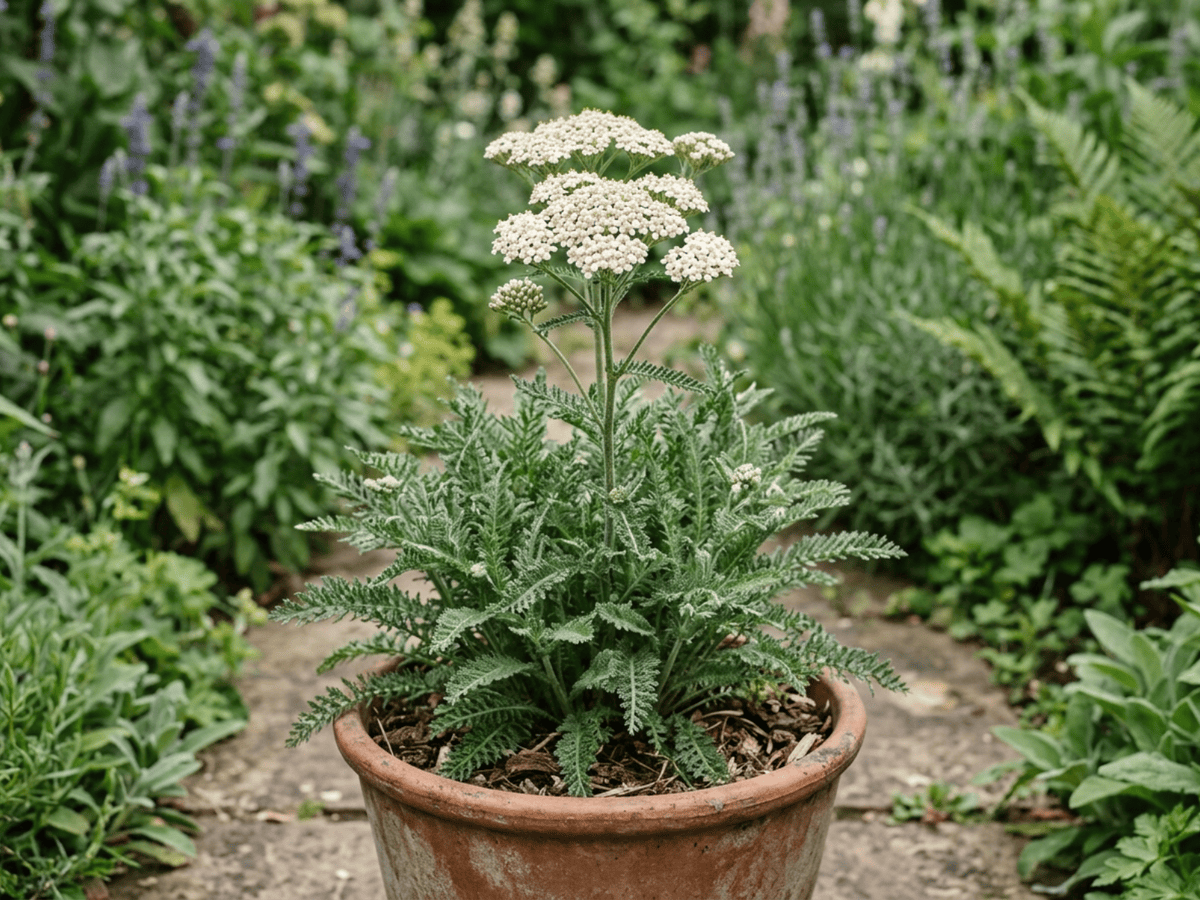
More Tanacetum plants
Plants with similar care
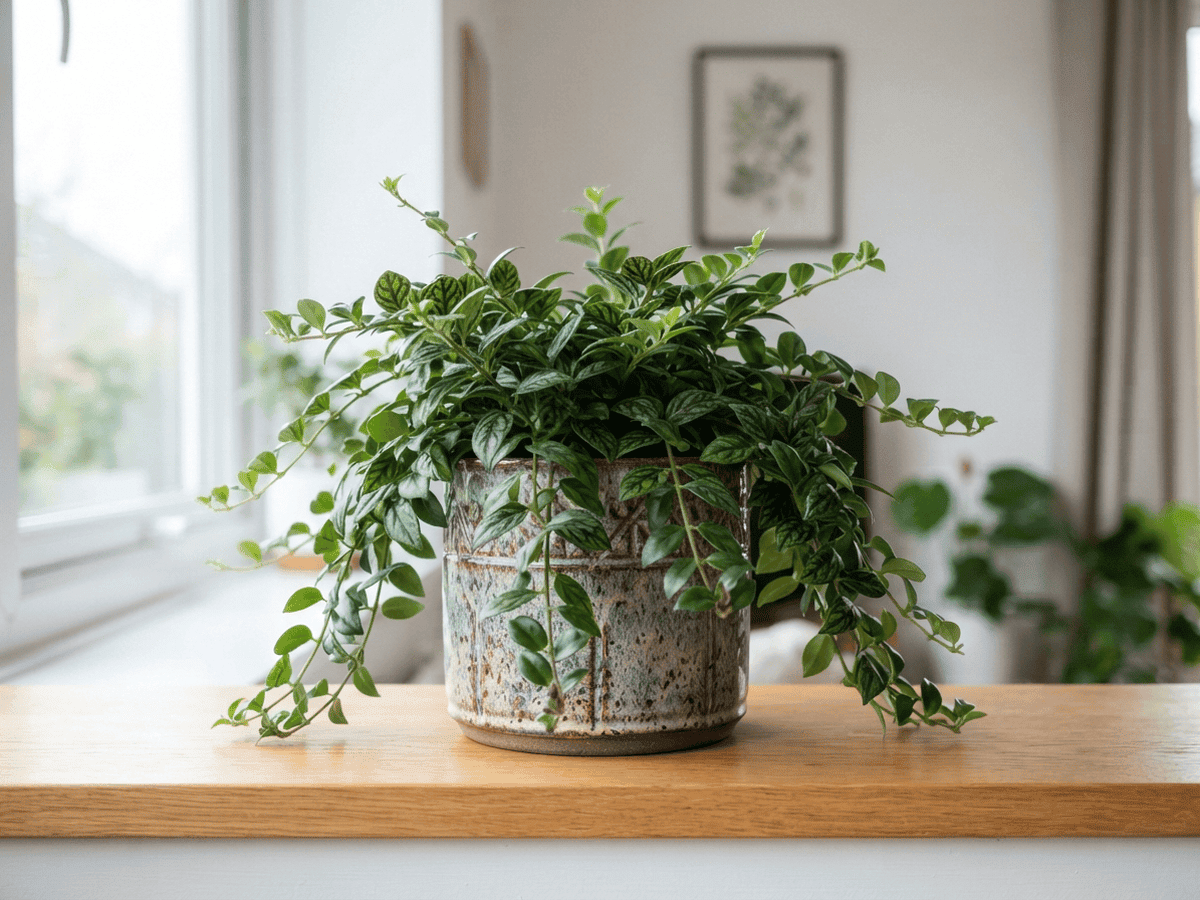 Lipstick PlantAeschynanthus longicaulis
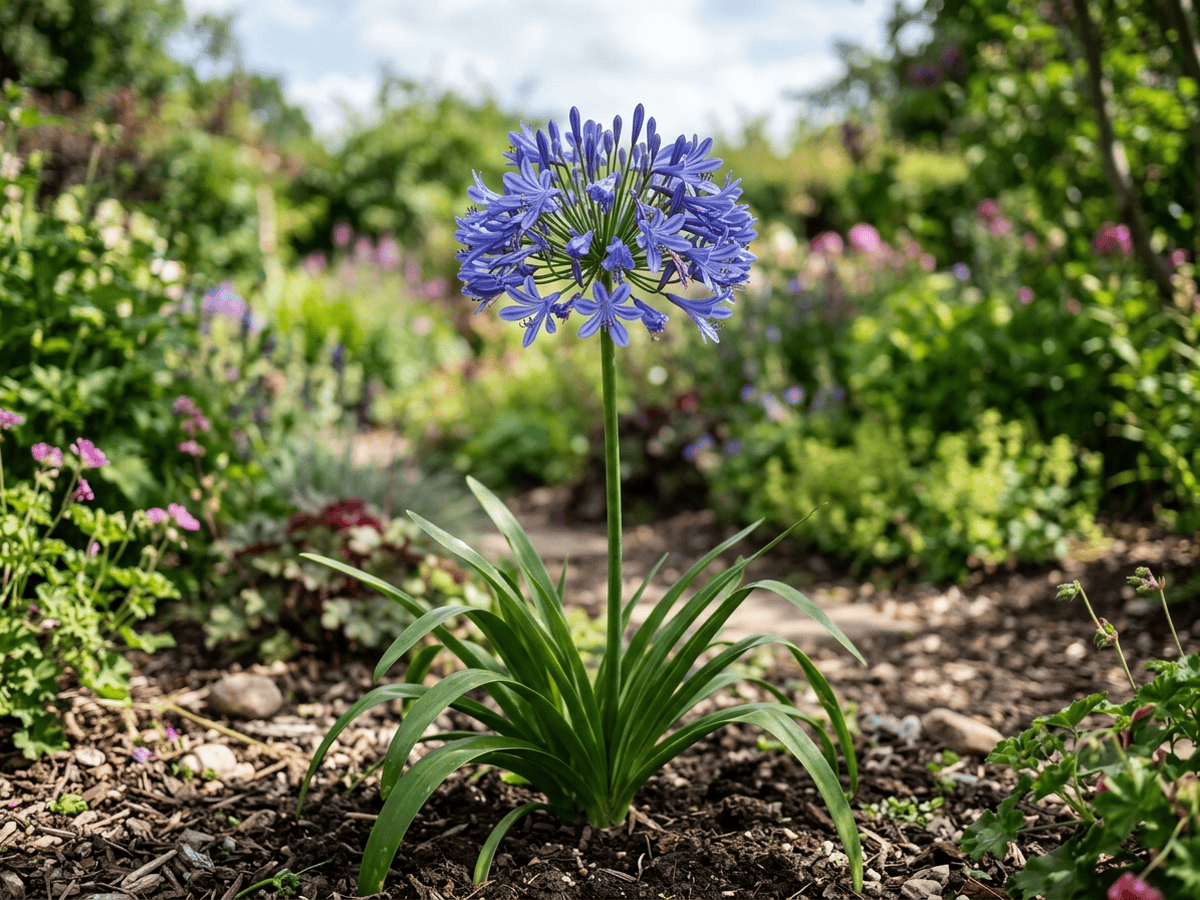 African LilyAgapanthus africanus
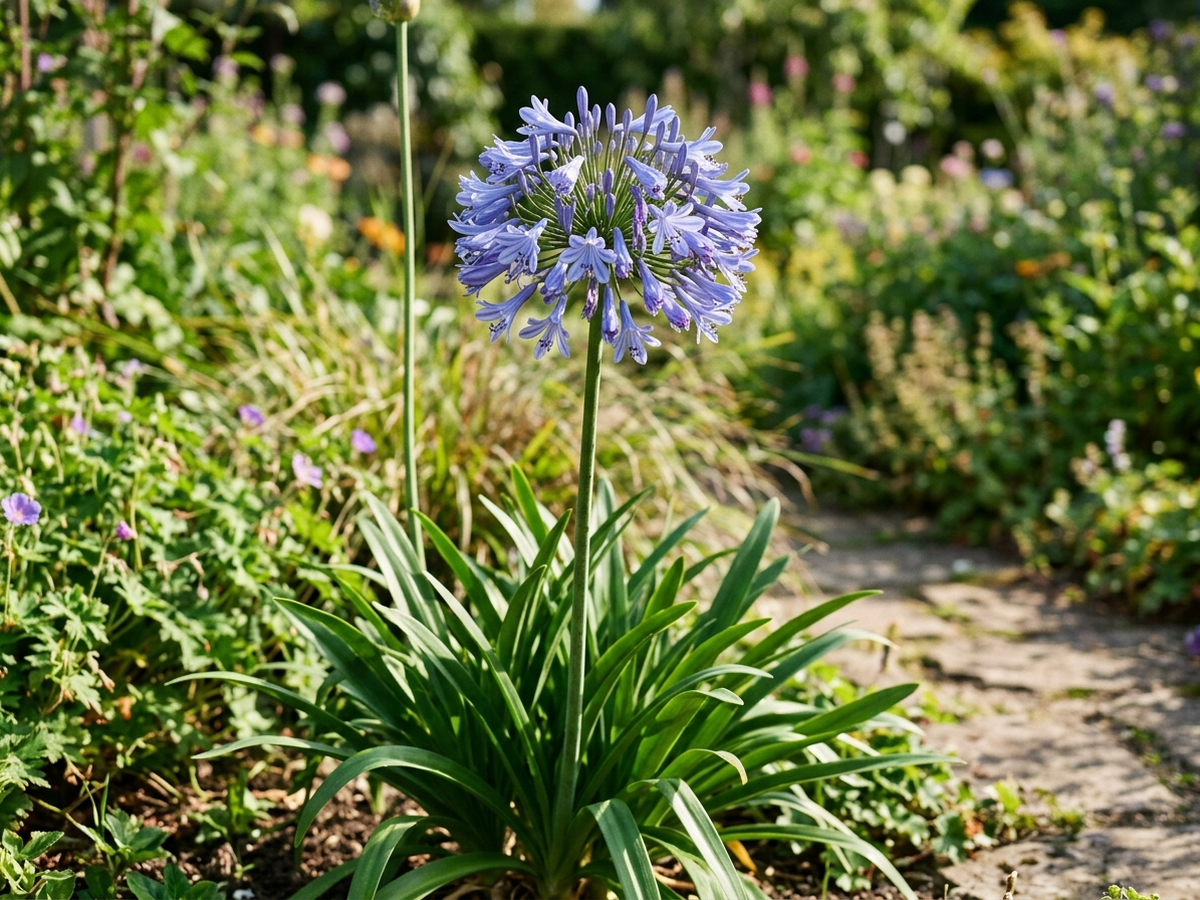 Bell AgapanthusAgapanthus campanulatus
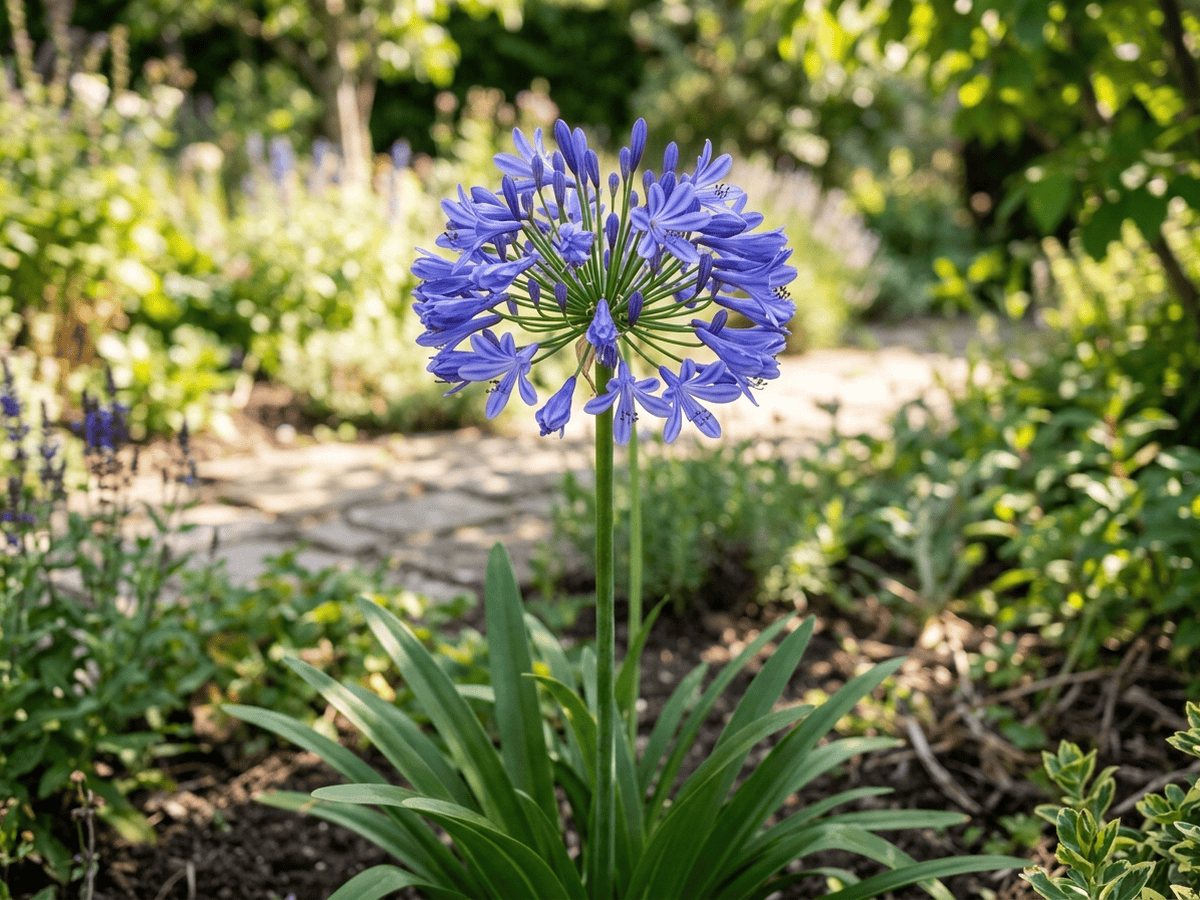 Common AgapanthusAgapanthus praecox
Frequently asked questions
How often should I water Painted Daisy?
In summer, water about every 7 days; in winter, about every 30 days. Adjust for heat, pot size and drainage.
How much light does Painted Daisy need?
Part sun: 4–6 hrs direct. Watch the leaves — scorching or stretching means the light needs adjusting.
Is Painted Daisy toxic to cats or dogs?
Pets Unknown (Dogs Unknown · Cats Unknown) Educational information, not medical or veterinary advice. If exposure is suspected, contact a doctor or veterinarian.
Is Painted Daisy easy to grow?
It is considered challenging and rewards experienced growers.
When does Painted Daisy bloom?
It typically blooms May–Aug in the Northern Hemisphere.
YardMate
Identify any plant in seconds
Snap a photo — YardMate names the plant, diagnoses problems, and reminds you when to water.
Download on the App Store