 YardMate


Common Dandelion
Taraxacum officinale
Easy · Beginner friendlyAbout Common Dandelion
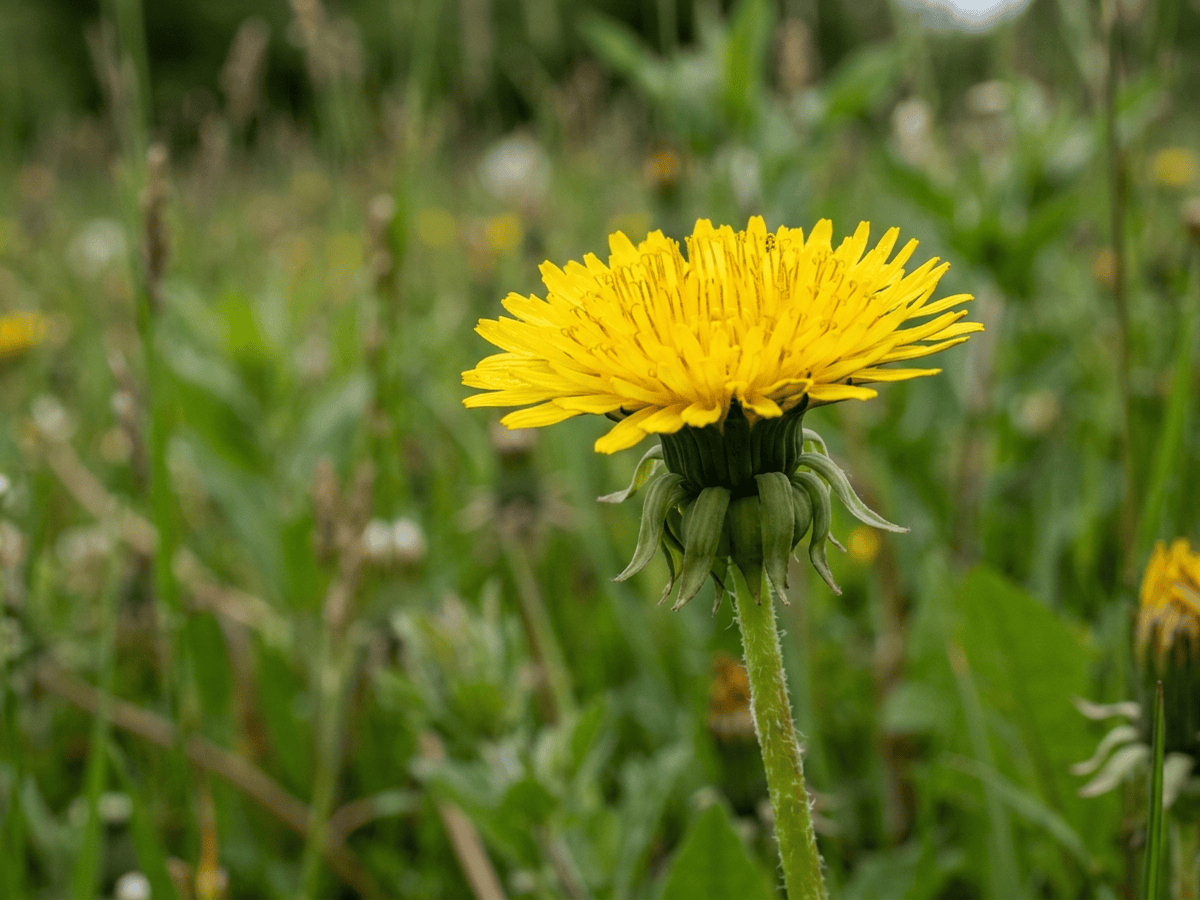
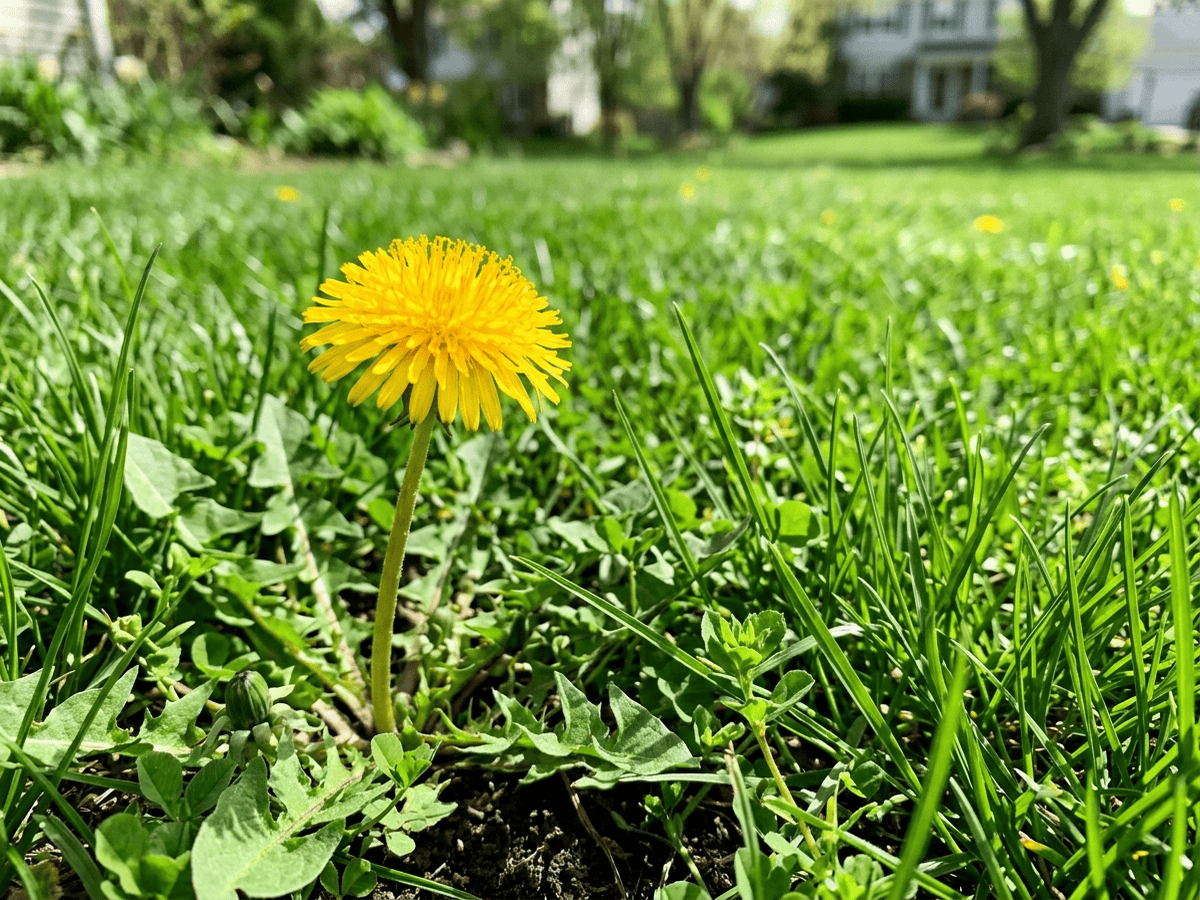
Common Dandelion is the ubiquitous yellow-flowered lawn weed of Eurasian origin now naturalized across every US state and Canadian province. Producing a rosette of toothed basal leaves from a deep taproot, it sends up 2 to 18 inch hollow stems topped with bright yellow composite flowers that become the iconic white puff-ball seed heads. Invades lawns, gardens, pavement cracks, and disturbed soil everywhere humans live, but is also edible and nutritionally valuable.
- Edible
- Medicinal
- Pollinator-friendly
How to care for Common Dandelion
Watering
- Springevery 7 days
- Summerevery 5 days
- Fallevery 10 days
- Winterevery 21 days
Soil · Well-draining
- Top dressingPine bark mulch10%
- Main mixPotting soil + perlite 2:170%
- DrainageLECA / gravel20%
Never skip the drainage layer — standing water is the top cause of root rot.
FERTILIZER
This plant needs little to no feeding.
At a Glance
- NativeEast Asia
- Height0.5–1.5 ft (0.2–0.5 m)
- Spread0.5–1 ft (0.2–0.3 m)
- Flower colorYellow
- Foliage colorGreen
- Fruit colorWhite
- SoilLoamy, Well-drained
- LocationsYard
Bloom time
BLOOM CYCLE
Peak bloom
Jan–Dec
Yellow flowers nearly year-round, heaviest in spring
Fragrance
LIGHT FRAGRANCE
The flowers have a lightly honey-scented scent.
Toxicity
No toxicity has been reported for this plant. Still, it is wise to keep pets from chewing on any houseplant.
Educational information, not medical or veterinary advice. If exposure is suspected, contact a doctor or veterinarian.
DISTRIBUTION

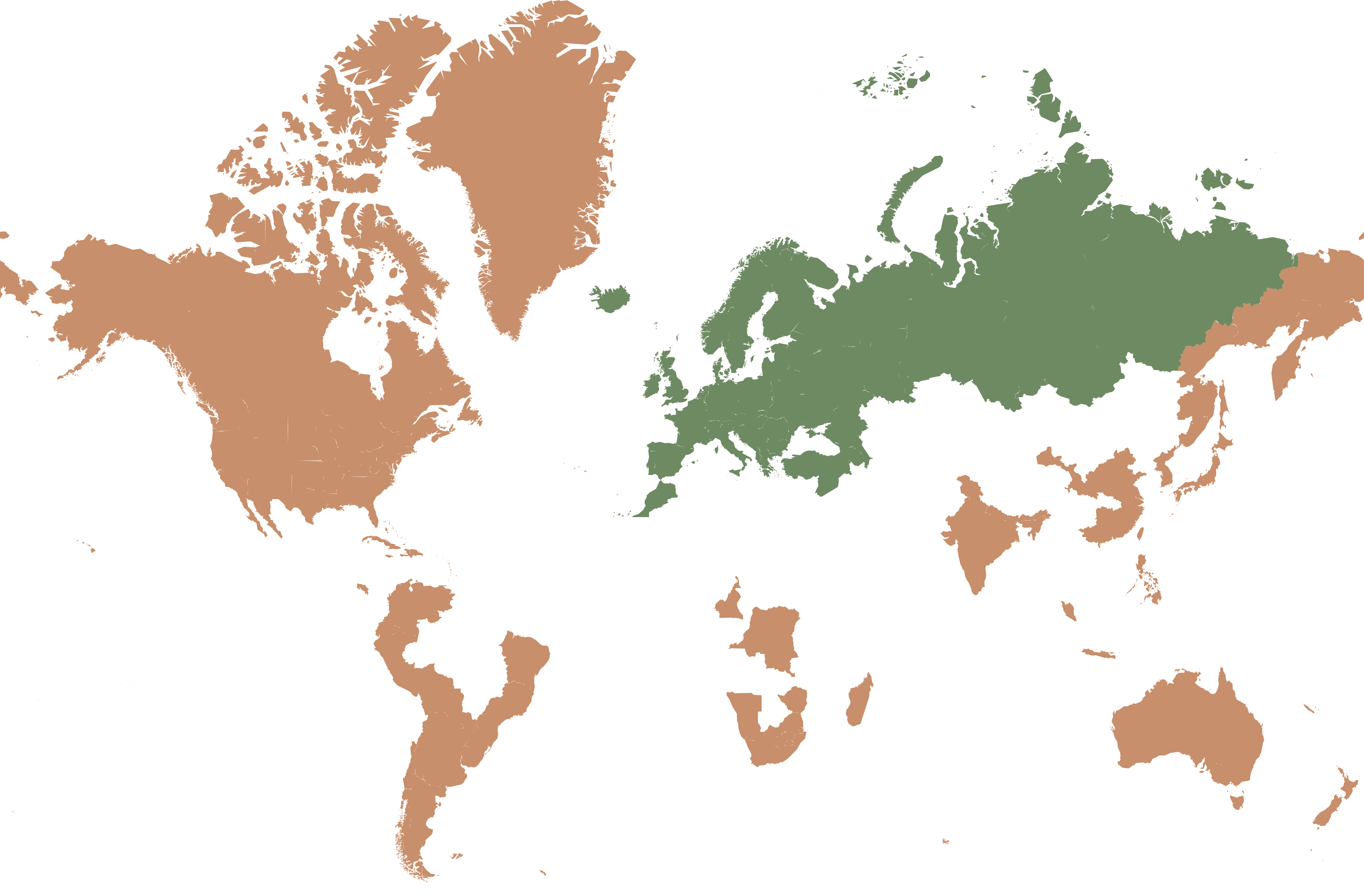
- Native
- Introduced
- East Asia
History
Taraxacum officinale originated in temperate Eurasia and spread globally with European colonization, reaching North America by the mid-1600s and now naturalized on every inhabited continent. Its taxonomy is unusually complex: the familiar lawn dandelion belongs to an apomictic microspecies aggregate with more than 2,000 described forms.
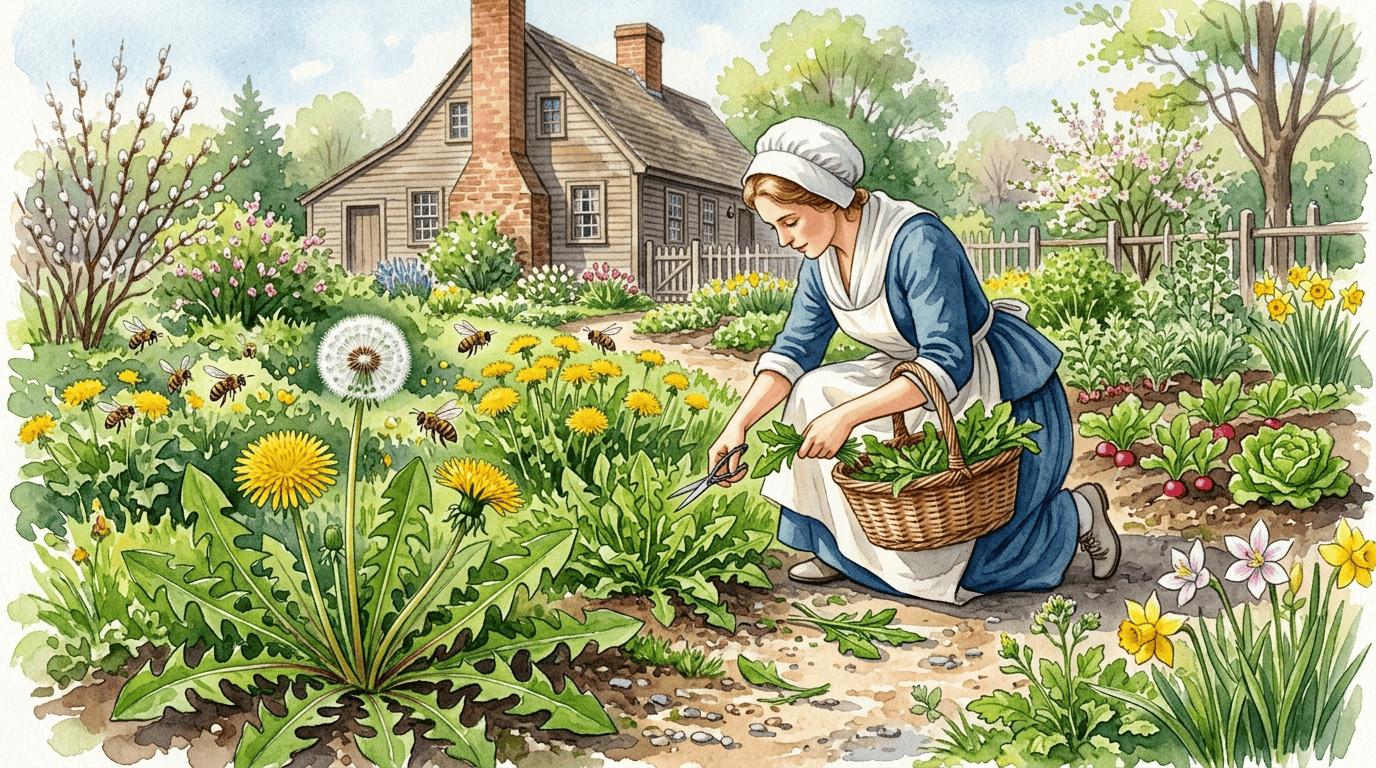
Medicinal and culinary use spans continents. Traditional Chinese medicine uses the whole plant, European herbalists prized the roots for liver and digestive complaints, and early American households ate dandelion greens as one of the first fresh spring foods.
Modern uses include salad greens, roasted-root coffee substitute, wine, and commercial inulin extraction. Despite its reputation as a lawn weed, dandelion remains a major early-spring nectar source for bees and a reminder that a plant can be both nuisance and resource.
Symbolism & meaning
What It Symbolizes
The Common Dandelion embodies persistence, regrowing reliably from a deep taproot no matter how often it is mown, dug, or sprayed. Yet beyond its weed reputation lives a meaning far older — the small magic of children blowing seed heads while making wishes, scattering both seeds and hopes on the same breath. This is the wildflower of stubbornness and small enchantments, both unkillable and beloved.
- Persistence — regrows from deep taproot no matter how often cut
- Wish magic — children blow seed heads making wishes
Where the Name Comes From
'Taraxacum' comes from Arabic 'tarakhshaqun' for the plant; 'officinale' means of the apothecary shop. Common name comes from French 'dent de lion', lion's tooth, for the leaf shape.
Uses & Fun Facts
- Common Dandelion flowers nourish foraging bees and pollinators
Related plants
Plants with similar care
 Chinese AbeliaAbelia chinensis
 Fragrant AbeliaAbelia mosanensis
 Large-Flowered AbeliaAbelia uniflora
 Glossy AbeliaAbelia x grandiflora
Frequently asked questions
How often should I water Common Dandelion?
In summer, water about every 5 days; in winter, about every 21 days. Adjust for heat, pot size and drainage.
How much light does Common Dandelion need?
Full sun: 6+ hrs direct. Watch the leaves — scorching or stretching means the light needs adjusting.
Is Common Dandelion toxic to cats or dogs?
No toxicity has been reported for this plant. Still, it is wise to keep pets from chewing on any houseplant. Educational information, not medical or veterinary advice. If exposure is suspected, contact a doctor or veterinarian.
Is Common Dandelion easy to grow?
Yes — it is considered an easy, beginner-friendly plant.
When does Common Dandelion bloom?
It typically blooms Jan–Dec in the Northern Hemisphere.
YardMate
Identify any plant in seconds
Snap a photo — YardMate names the plant, diagnoses problems, and reminds you when to water.
Download on the App Store