 YardMate


French Meadow-Rue
Thalictrum aquilegiifolium
Easy · Beginner friendlyAbout French Meadow-Rue
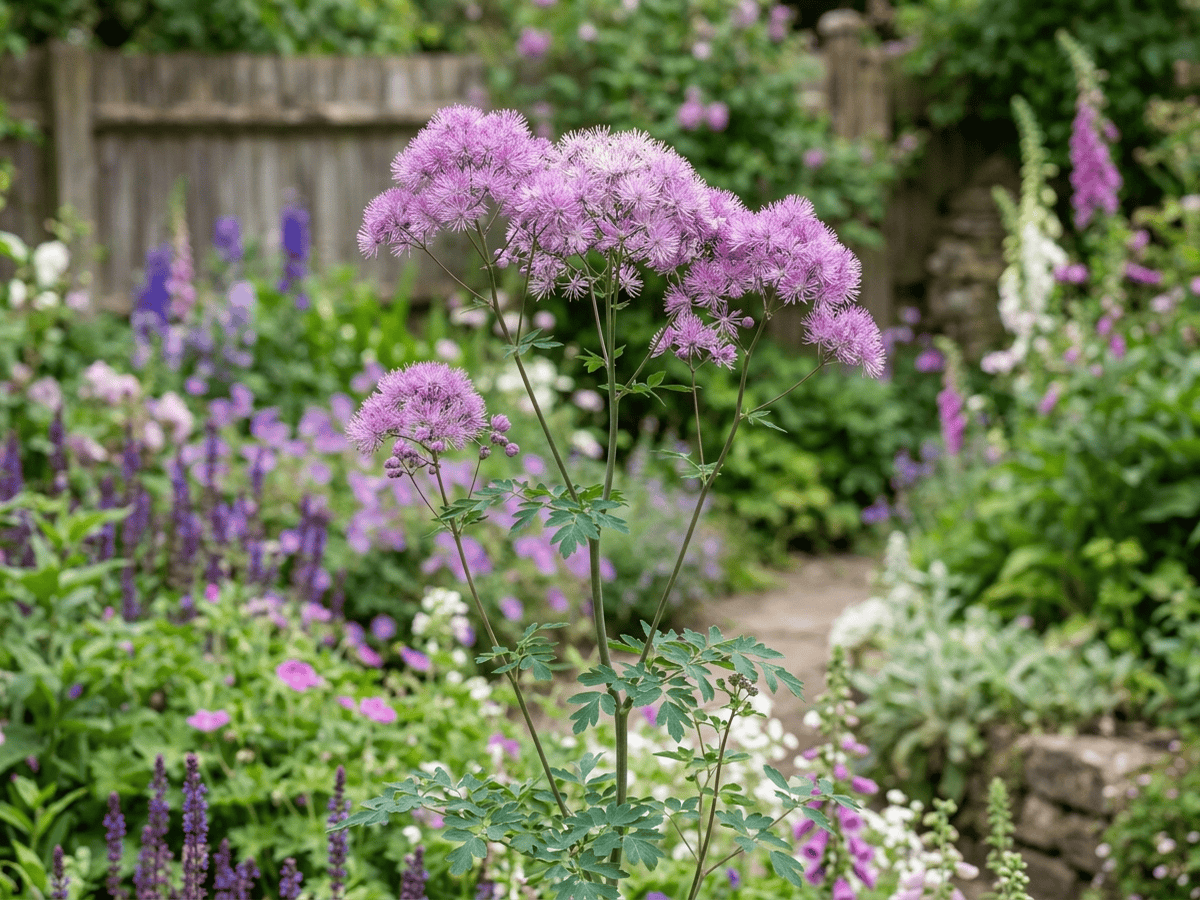
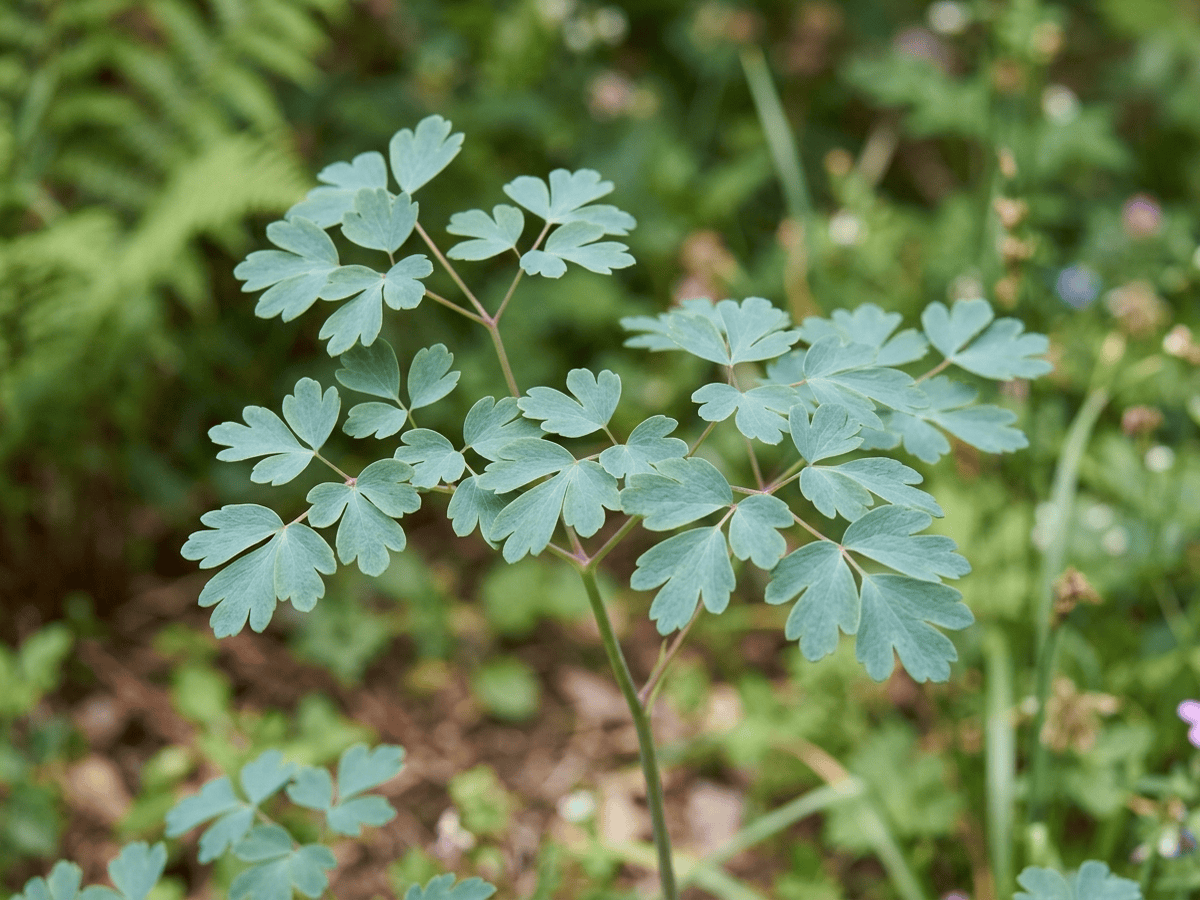
Columbine Meadow-rue is a European and western Asian perennial with delicate columbine-like blue-green foliage and fluffy pink-purple flower clusters on tall airy stems. Growing 2 to 3 feet tall, it provides an ethereal lavender haze above the border in late spring and early summer. A classic cottage garden and shade border plant across American gardens, beloved for its combination of bold height and gossamer texture.
- Shade-tolerant
- Deer-resistant
- Pollinator-friendly
How to care for French Meadow-Rue
Watering
- Springevery 5 days
- Summerevery 3 days
- Fallevery 7 days
- Winterevery 14 days
Soil · Well-draining
- Top dressingPine bark mulch10%
- Main mixPotting soil + perlite 2:170%
- DrainageLECA / gravel20%
Never skip the drainage layer — standing water is the top cause of root rot.
FERTILIZER
Balanced Feed 14-14-14
An even feed covers all three needs at once, keeping leaves, roots and blooms moving together with nothing pushed out of balance.
- Nitrogen · Leaves
- Phosphorus · Roots + Blooms
- Potassium · Strength
- Springevery 45 days
- Summerevery 60 days
At a Glance
- NativeEurope, Western Asia
- Height2–4 ft (0.6–1.2 m)
- Spread1.5–2 ft (0.5–0.6 m)
- Flower colorPink, Purple, White
- Foliage colorBlue-green, Green
- SoilLoamy, Moisture-retentive
- LocationsYard
Bloom time
BLOOM CYCLE
Peak bloom
Mar–Aug
Fluffy pink-purple clouds late spring to early summer
Toxicity
Humans Slight · Pets Slight
protoanemonin and alkaloids
Slight
- All
- Contact
- Ingestion
EXPOSURE Touching any part of the plant. Eating any part of the plant.
EFFECT Skin irritation from sap and mild GI upset.
NOTE Ranunculaceae family; fresh sap irritating. Dry plant largely inert.
Slight
- All
- Ingestion
EXPOSURE Eating any part of the plant.
EFFECT Vomiting, drooling, and diarrhea.
NOTE Ranunculaceae family; fresh sap irritating. Dry plant largely inert.
Slight
- All
- Ingestion
EXPOSURE Eating any part of the plant.
EFFECT Vomiting, drooling, and diarrhea.
NOTE Ranunculaceae family; fresh sap irritating. Dry plant largely inert.
Educational information, not medical or veterinary advice. If exposure is suspected, contact a doctor or veterinarian.
DISTRIBUTION


- Native
- Introduced
- Europe
- Western Asia
History

Thalictrum aquilegiifolium grows on moist mountain meadows and open woodlands across much of Europe, from the Pyrenees to the Caucasus. Linnaeus described it in Species Plantarum (1753), giving the epithet aquilegiifolium (columbine-leaved) for its delicate blue-green compound foliage resembling Aquilegia. It appears in 16th-century herbals; the Flemish botanist Rembert Dodoens figured it in 1554.
It was cultivated in English gardens by the 1600s. Unlike most meadow-rues, its showy flowers have brightly colored stamens rather than petals, forming fluffy pink or violet puffs in early summer. Modern cultivars include 'Thundercloud' (deep purple), 'Black Stockings', and 'Album' (white).
It remains a staple of cottage-style and woodland-edge plantings. Native to central and eastern Europe and western Asia, introduced to American gardens in the 1800s and popularized by Gertrude Jekyll in her classic English border designs. Remains a top cottage-garden perennial for adding height and airy texture to American shade borders.
Symbolism & meaning
What It Symbolizes
French meadow-rue is airy loftiness — its lavender-purple powderpuff flowers hang on stems six feet tall, floating above the perennial border like colored mist that has not yet decided to settle. Its delicate strength is the second gift: it stands tall without needing staking, the fine foliage hiding genuinely sturdy stems. A plant that combines apparent weightlessness with quiet structural confidence.
- Airy loftiness — floats above the border like colored mist
- Delicate strength — tall but fine-textured
Where the Name Comes From
The name French Meadow-Rue points to France or French horticultural tradition. 'Thalictrum' from Greek 'thaliktron' used by Dioscorides for a similar plant; 'aquilegiifolium' means columbine-leaved, for foliage resembling Aquilegia columbine.
Uses & Fun Facts
- Fluffy lilac flower clouds add airy texture to bouquets
- Pollen-rich flowers attract bees and beneficial flies
- Columbine-like blue-green foliage with airy purple flower heads
Related plants
More Thalictrum plants

Plants with similar care
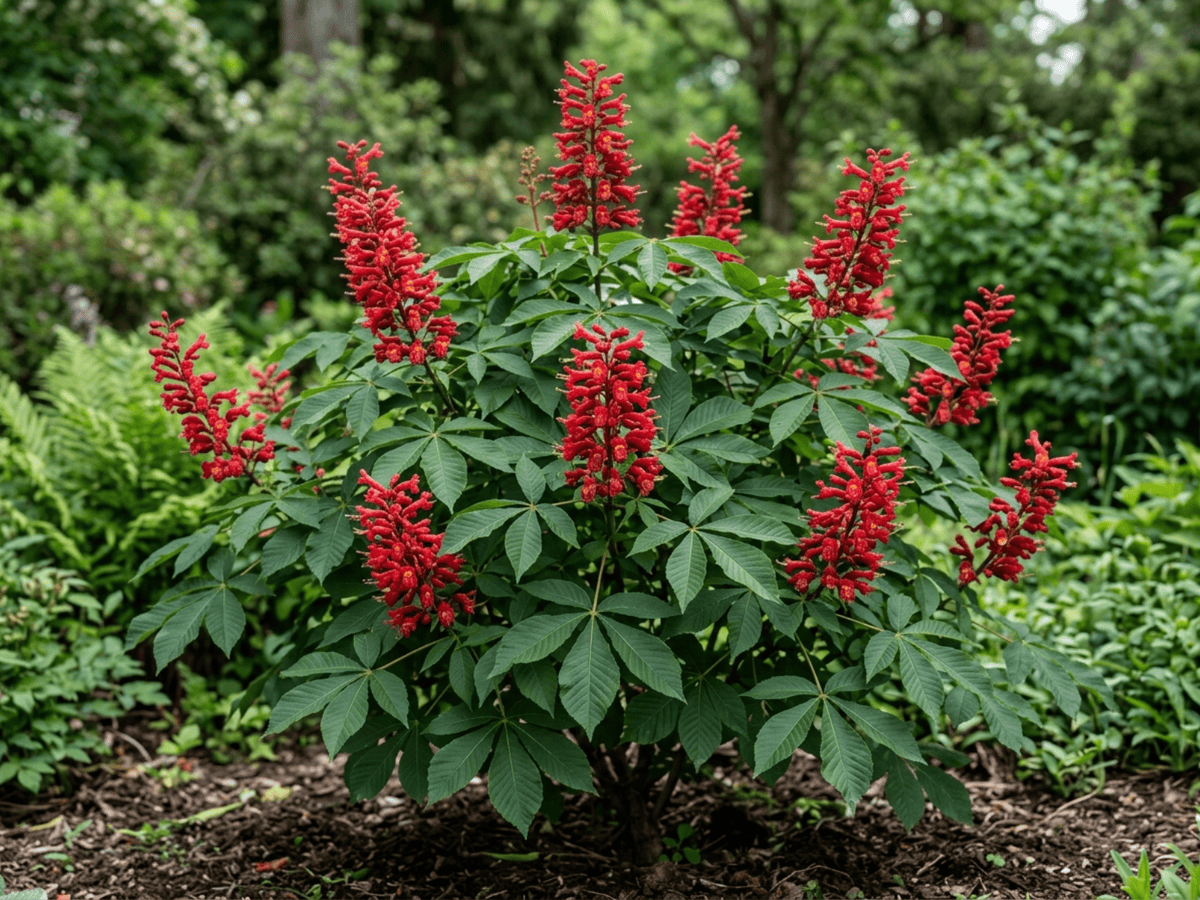 Red BuckeyeAesculus pavia
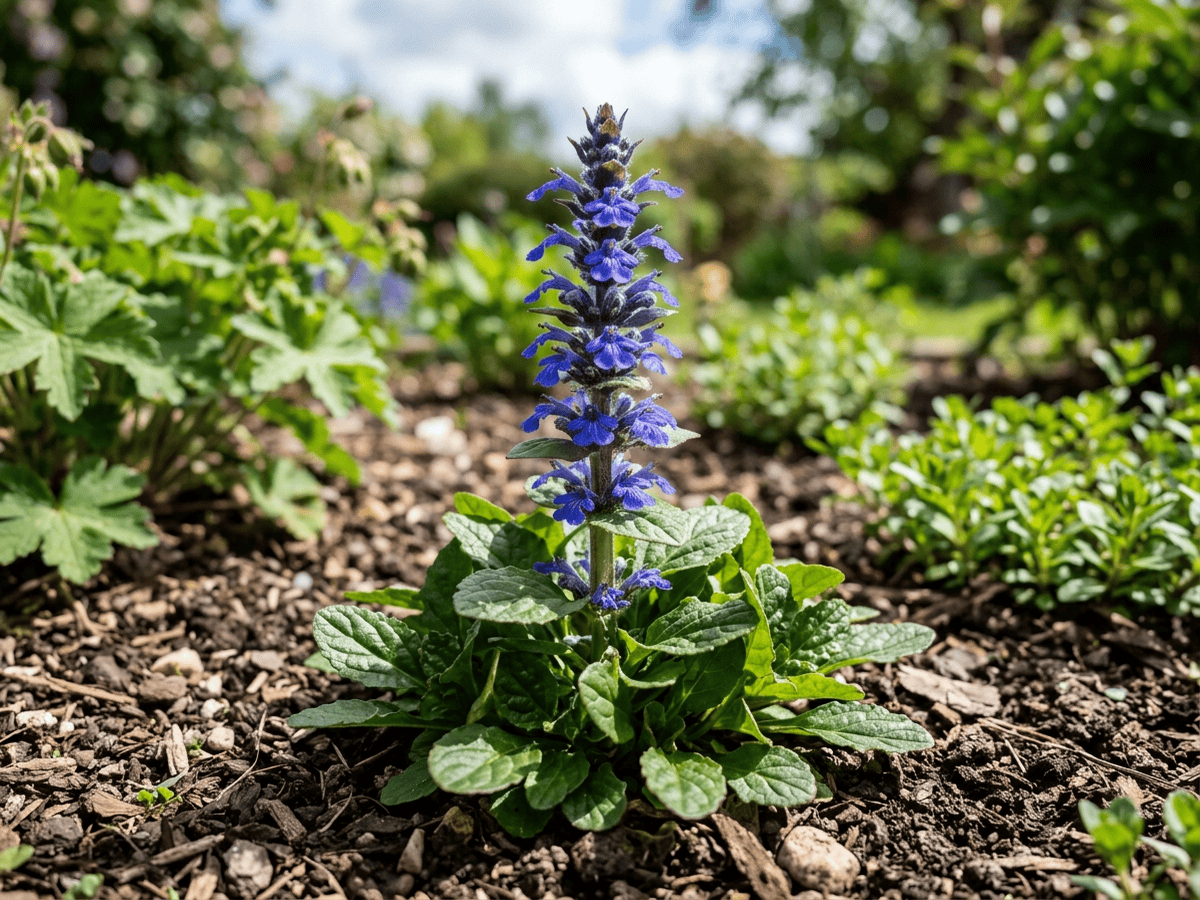 Blue BugleAjuga genevensis
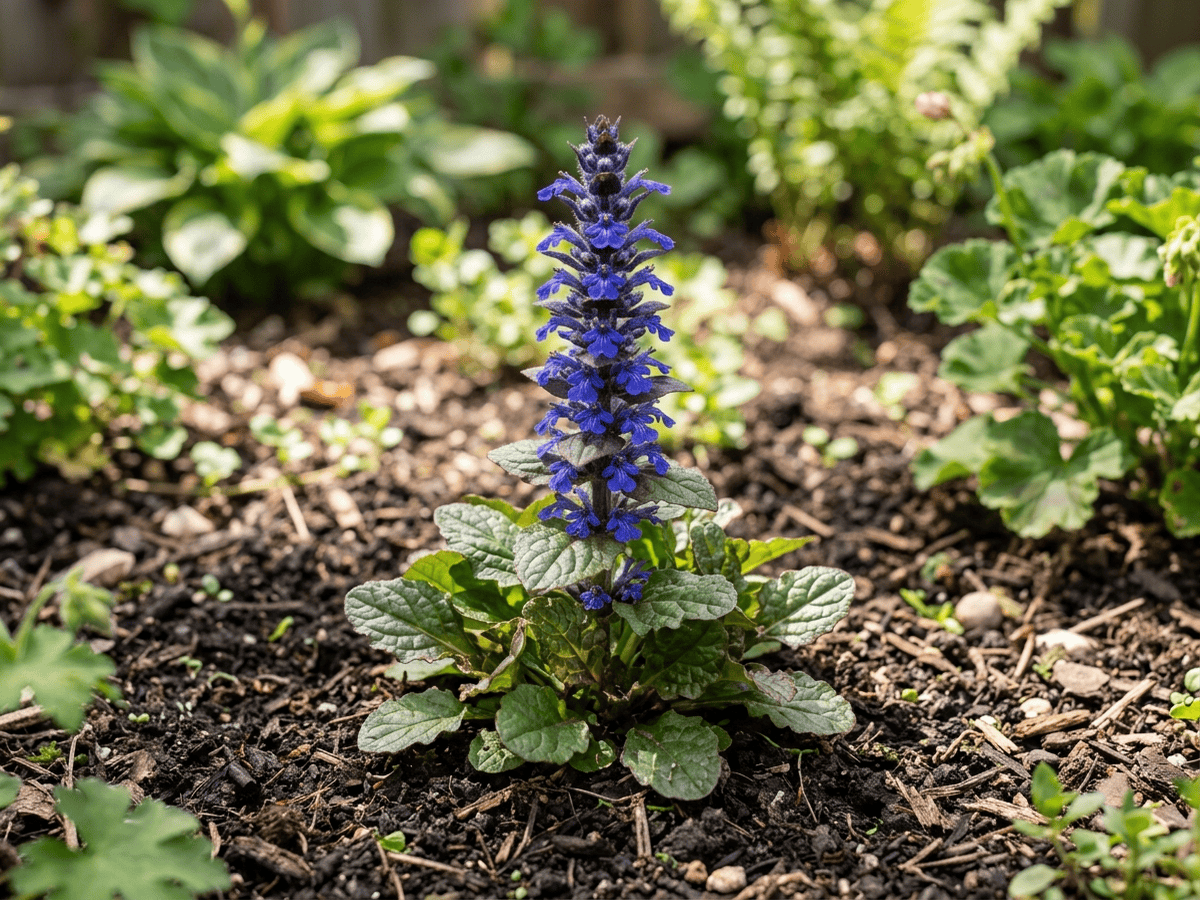 Pyramidal BugleAjuga pyramidalis
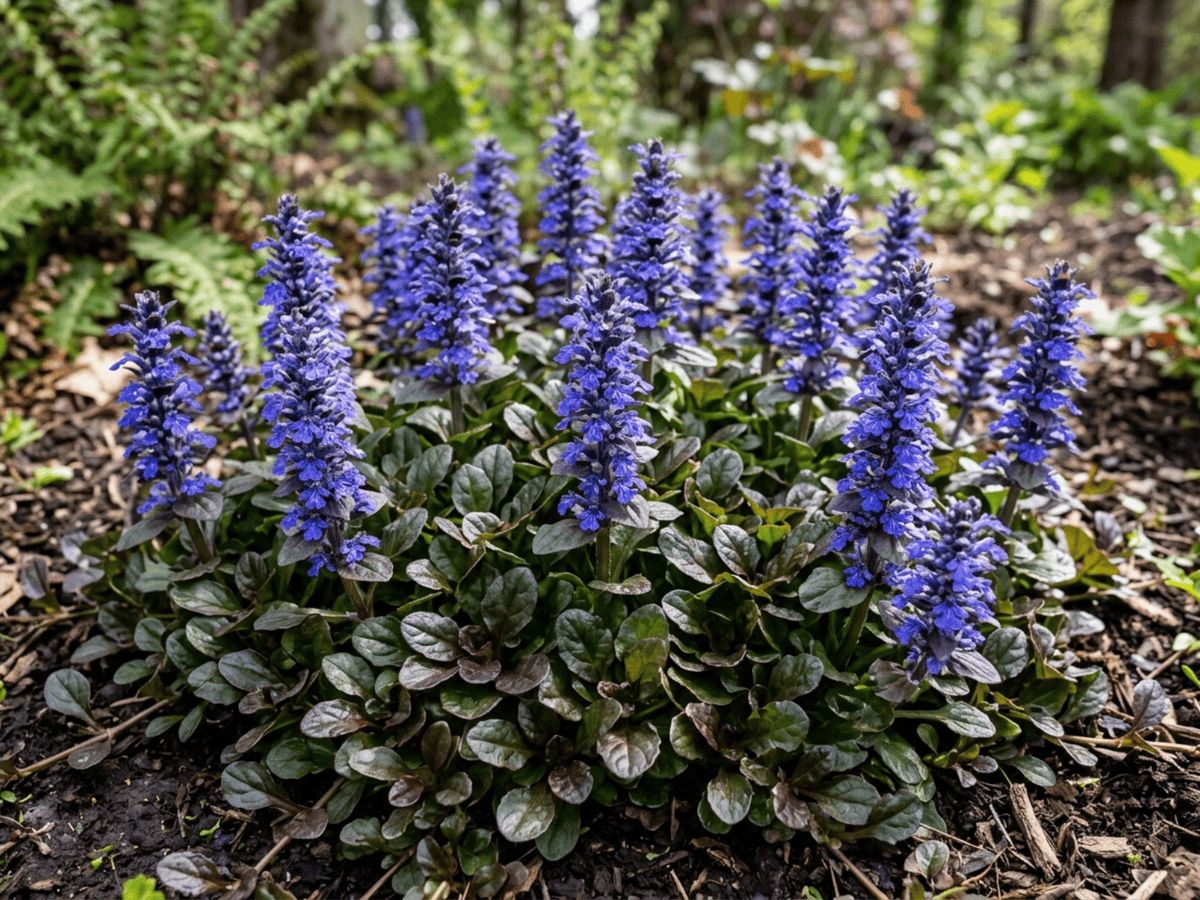 Carpet BugleAjuga reptans
Frequently asked questions
How often should I water French Meadow-Rue?
In summer, water about every 3 days; in winter, about every 14 days. Adjust for heat, pot size and drainage.
How much light does French Meadow-Rue need?
Part shade: 2–4 hrs direct. Watch the leaves — scorching or stretching means the light needs adjusting.
Is French Meadow-Rue toxic to cats or dogs?
Pets Slight (Dogs Slight · Cats Slight) Educational information, not medical or veterinary advice. If exposure is suspected, contact a doctor or veterinarian.
Is French Meadow-Rue easy to grow?
Yes — it is considered an easy, beginner-friendly plant.
When does French Meadow-Rue bloom?
It typically blooms Mar–Aug in the Northern Hemisphere.
YardMate
Identify any plant in seconds
Snap a photo — YardMate names the plant, diagnoses problems, and reminds you when to water.
Download on the App Store