 YardMate


Chinese Meadow-Rue
Thalictrum delavayi
Medium · Some experienceAbout Chinese Meadow-Rue
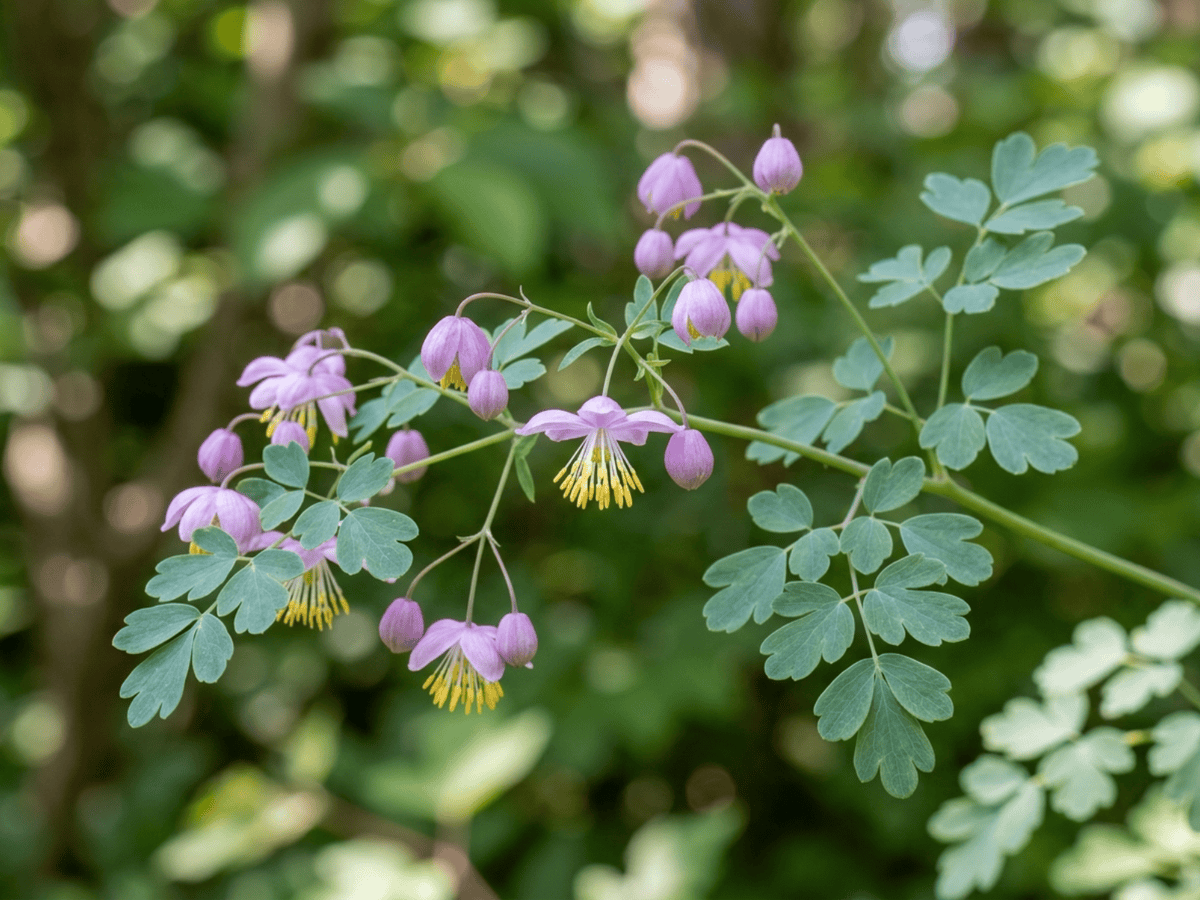
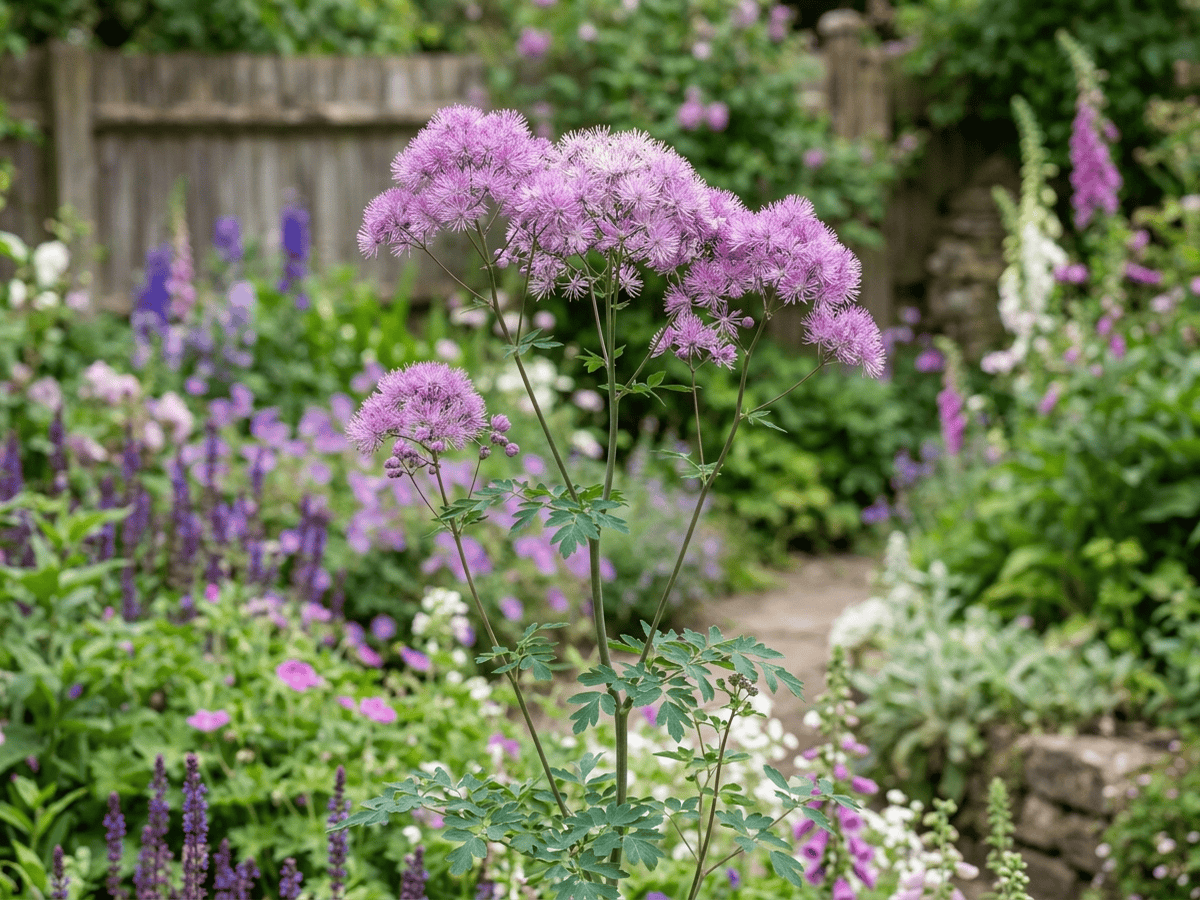
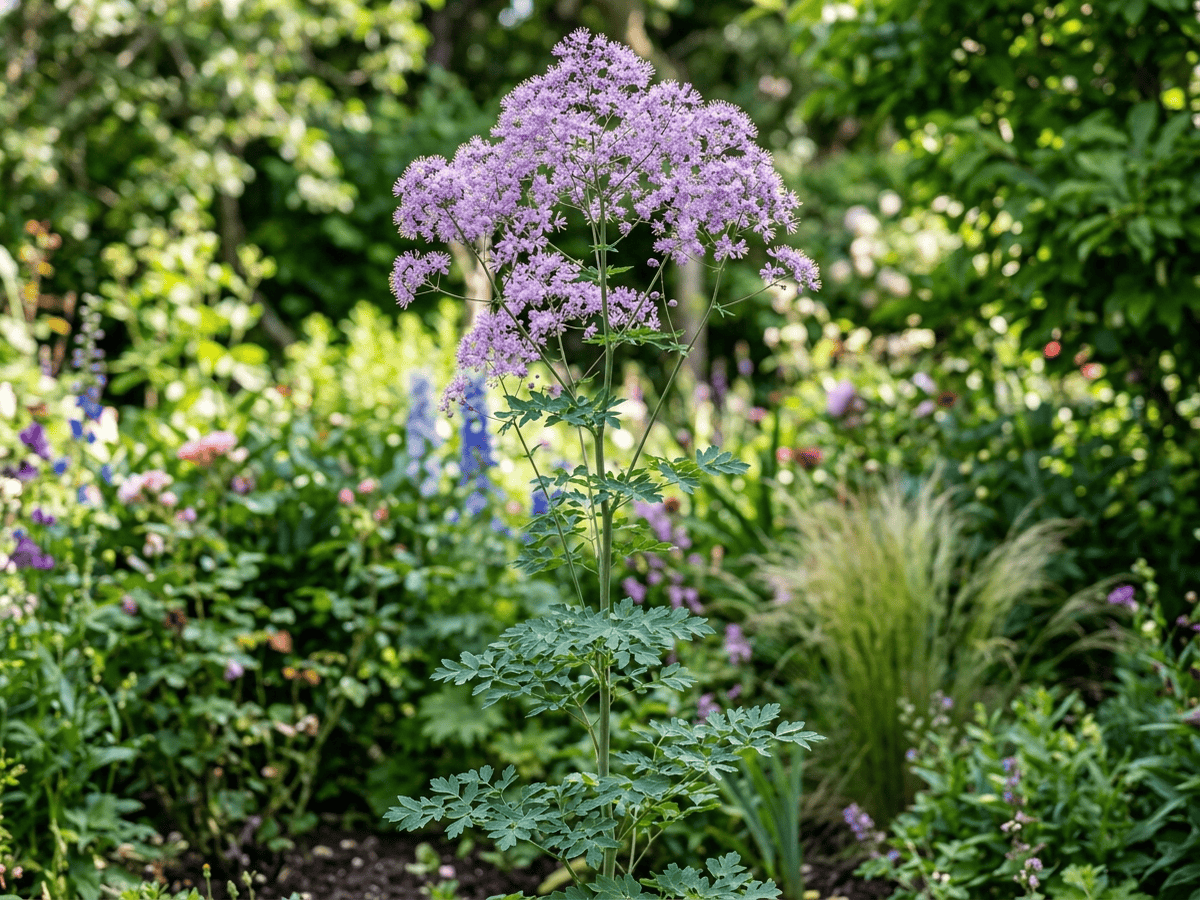
Chinese Meadow Rue is an elegant tall perennial from western China bearing airy panicles of nodding lavender-purple flowers with contrasting yellow stamens above delicate columbine-like foliage. Growing 4-6 feet tall, it blooms from midsummer into autumn and adds a gauzy see-through quality to shade borders. Hardy in USDA zones 4-7, it is a refined choice for woodland edges and naturalistic American gardens.
- Shade-tolerant
- Cold-hardy
- Deer-resistant
- Architectural
How to care for Chinese Meadow-Rue
Watering
- Springevery 5 days
- Summerevery 4 days
- Fallevery 7 days
- Winterpause watering
Soil · Well-draining
- Top dressingPine bark mulch10%
- Main mixPotting soil + perlite 2:170%
- DrainageLECA / gravel20%
Never skip the drainage layer — standing water is the top cause of root rot.
FERTILIZER
Balanced Feed 14-14-14
An even feed covers all three needs at once, keeping leaves, roots and blooms moving together with nothing pushed out of balance.
- Nitrogen · Leaves
- Phosphorus · Roots + Blooms
- Potassium · Strength
- Springevery 30 days
- Summerevery 30 days
At a Glance
- NativeEast Asia
- Height4–6 ft (1.2–1.8 m)
- Spread2–3 ft (0.6–0.9 m)
- Flower colorPurple, White
- Foliage colorGreen, Blue-green
- SoilLoamy, Moisture-retentive, Rich
- LocationsYard
Bloom time
BLOOM CYCLE
Peak bloom
Jul–Sep
Lavender-purple airy panicles July to September
Toxicity
Humans Moderate · Pets Moderate
protoanemonin and alkaloids
Moderate
- All
- Contact
- Ingestion
EXPOSURE Touching any part of the plant. Eating any part of the plant.
EFFECT Skin irritation, nausea, and vomiting.
NOTE Like other Ranunculaceae, contains irritant protoanemonin; handle with gloves.
Moderate
- All
- Ingestion
EXPOSURE Eating any part of the plant.
EFFECT Vomiting, diarrhea, and irritation.
NOTE Like other Ranunculaceae, contains irritant protoanemonin; handle with gloves.
Moderate
- All
- Ingestion
EXPOSURE Eating any part of the plant.
EFFECT Vomiting, diarrhea, and irritation.
NOTE Like other Ranunculaceae, contains irritant protoanemonin; handle with gloves.
Educational information, not medical or veterinary advice. If exposure is suspected, contact a doctor or veterinarian.
DISTRIBUTION


- Native
- Introduced
- East Asia
History

Thalictrum delavayi grows in moist woodland margins and mountain meadows of Yunnan and Sichuan provinces in southwestern China at 1800-3400m. French Jesuit missionary-botanist Jean-Marie Delavay collected thousands of specimens from Yunnan between 1882-1895; Adrien Franchet in Paris described this species in 1886 and named it in Delavay's honor. The plant reached European horticulture through Kew and rapidly became a favorite of Edwardian shade gardens for its cloud-like airy panicles of lavender flowers with contrasting cream stamens.
The double-flowered sterile cultivar 'Hewitt's Double', dating from around 1900, became especially prized. Later selections including 'Album' and 'Splendide' extended the range.
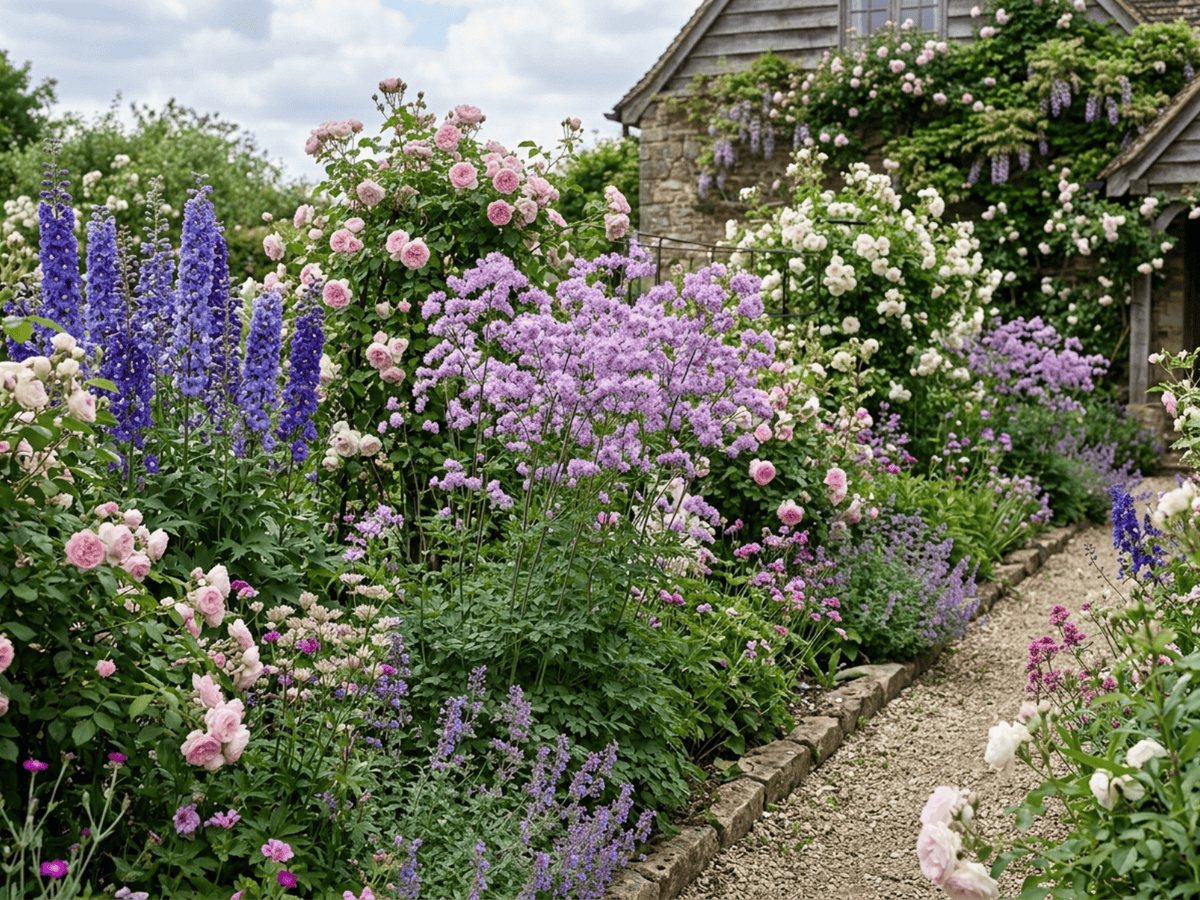
The plant is now a staple of naturalistic plantings by Piet Oudolf and other designers valuing texture. The cultivar 'Hewitt's Double' with fully double lavender flowers is a garden classic. A signature plant of Gertrude Jekyll's cottage border designs and contemporary American woodland gardens.
Symbolism & meaning
What It Symbolizes
Chinese Meadow-Rue embodies elegance, its delicate airy blooms held high above ferny foliage on tall, almost transparent stems. Refinement defines its presence — understated grace that softens the back of any perennial border without demanding the viewer's full attention. This is the meadow-rue for connoisseurs of restraint, a plant whose beauty lies precisely in its lightness, in flowers that seem to hover rather than insist on themselves.
- Elegance — delicate airy beauty in tall form
- Refinement — understated grace in the border
Where the Name Comes From
The name Chinese Meadow-Rue points to China. 'Thalictrum' is an ancient Greek name used by Dioscorides; 'delavayi' honors Père Delavay.
Uses & Fun Facts
- Chinese Meadow-Rue perennial used in cottage and naturalistic borders
Related plants
More Thalictrum plants
Plants with similar care
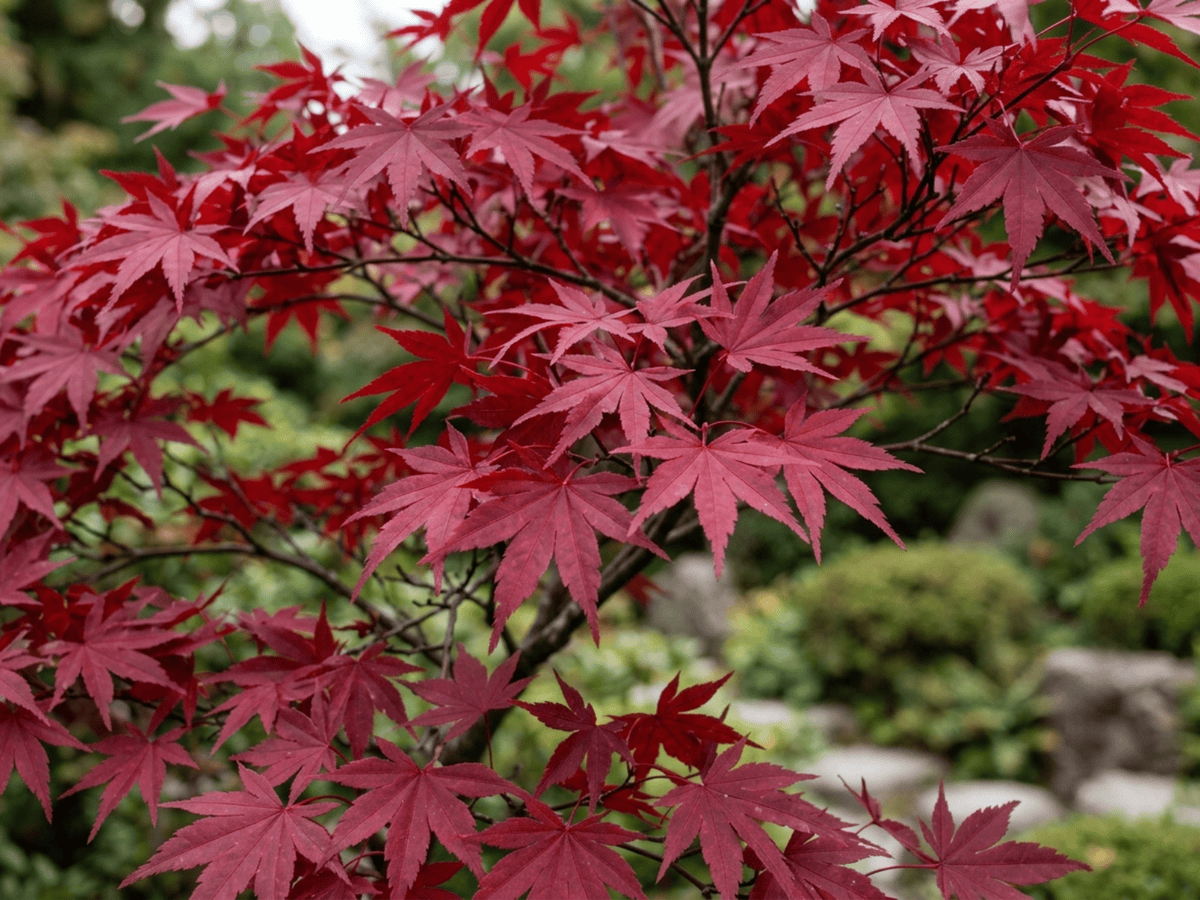 Japanese MapleAcer palmatum
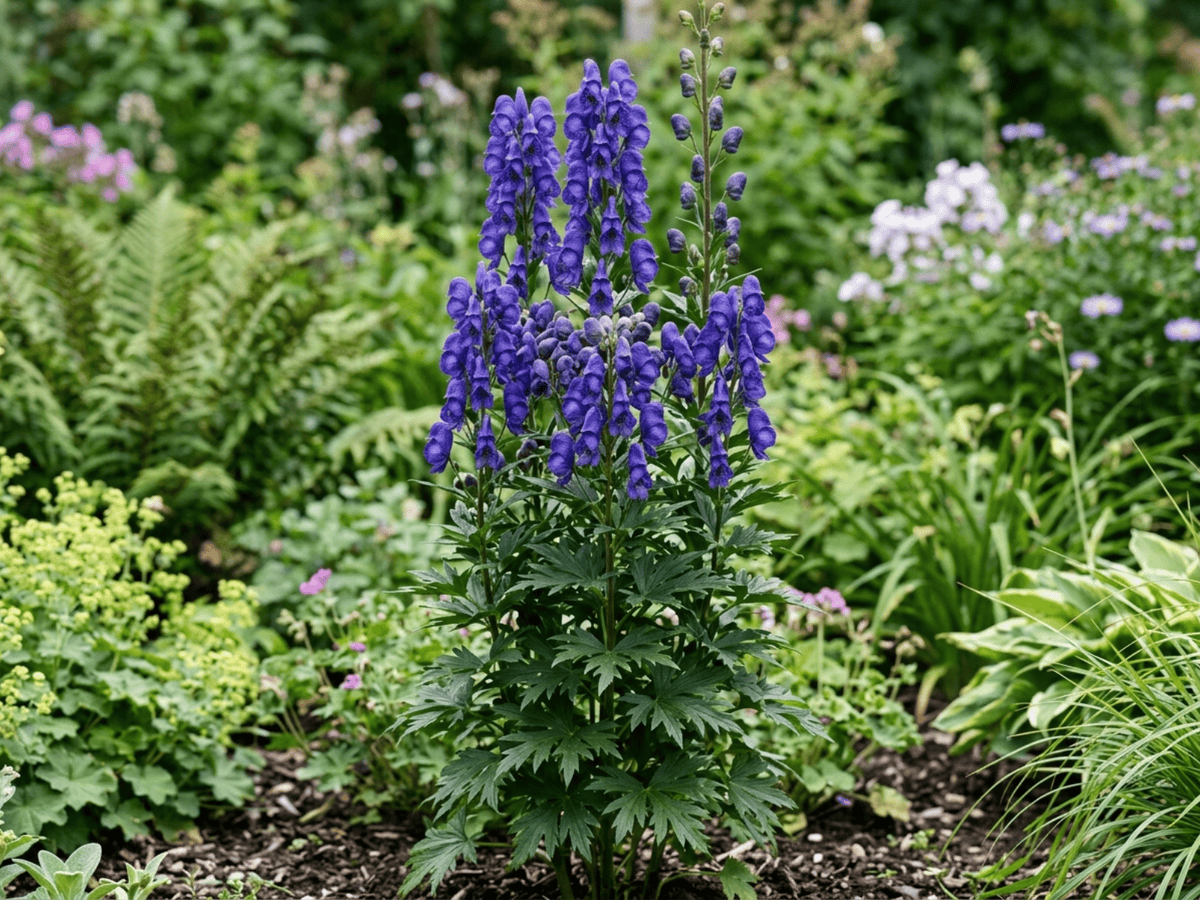 Azure MonkshoodAconitum carmichaelii
 Florida HobblebushAgarista populifolia
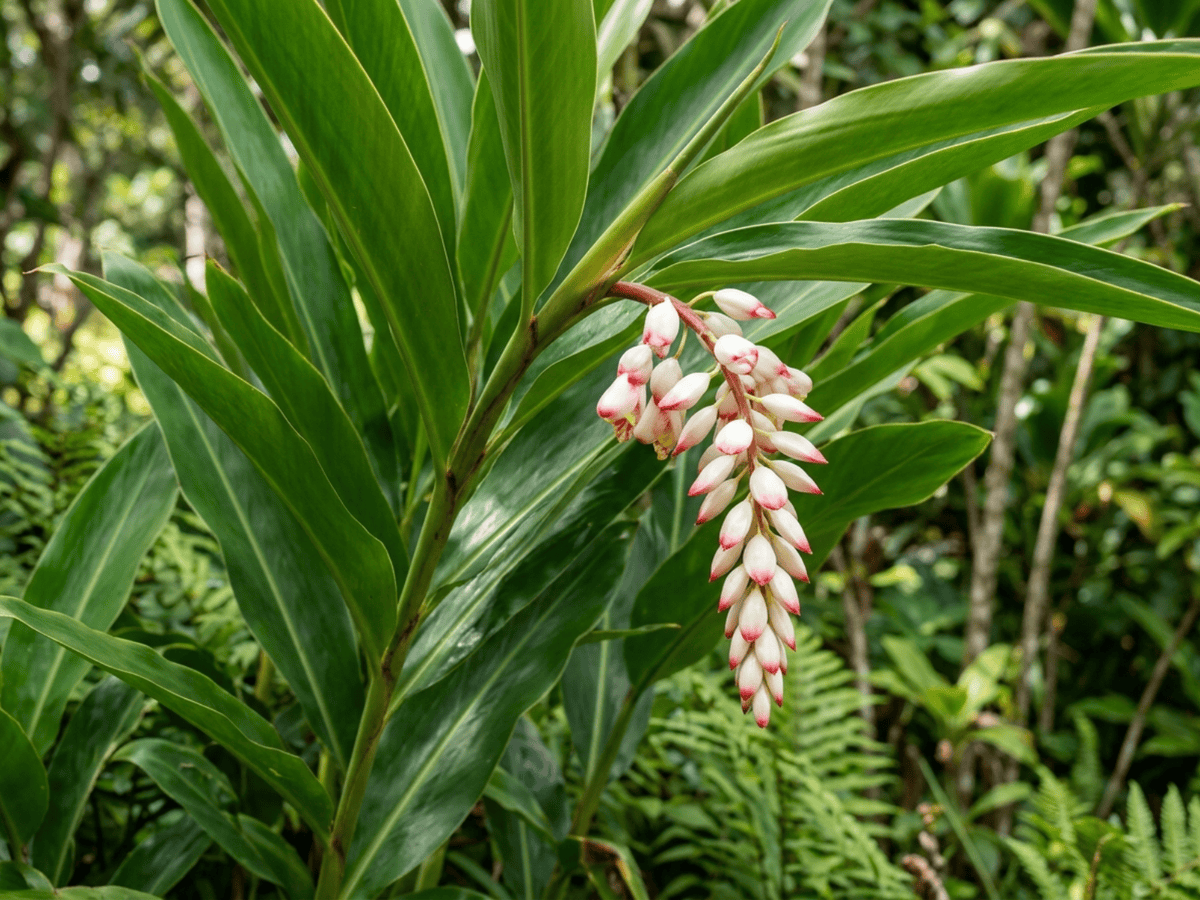 Shell GingerAlpinia zerumbet
Frequently asked questions
How often should I water Chinese Meadow-Rue?
Water about every 5 days during the growing season, and always let excess water drain away.
How much light does Chinese Meadow-Rue need?
Part shade: 2–4 hrs direct. Watch the leaves — scorching or stretching means the light needs adjusting.
Is Chinese Meadow-Rue toxic to cats or dogs?
Pets Moderate (Dogs Moderate · Cats Moderate) Educational information, not medical or veterinary advice. If exposure is suspected, contact a doctor or veterinarian.
Is Chinese Meadow-Rue easy to grow?
It is moderately demanding: a good choice once you have a little experience.
When does Chinese Meadow-Rue bloom?
It typically blooms Jul–Sep in the Northern Hemisphere.
YardMate
Identify any plant in seconds
Snap a photo — YardMate names the plant, diagnoses problems, and reminds you when to water.
Download on the App Store