 YardMate


Blushing Bride Airplant
Tillandsia ionantha
Easy · Beginner friendlyAbout Blushing Bride Airplant
Tillandsia ionantha, the sky plant, is a tiny air plant that needs no soil — it absorbs water and nutrients through specialized scales (trichomes) on its leaves. Native to Central America and Mexico, it forms rosettes just 5–8 cm across. Before blooming, the inner leaves flush brilliant red or pink, creating a stunning color display. The purple tubular flowers last only a few days. After flowering, the mother plant slowly dies but produces offsets (pups) at its base. It needs regular misting or soaking and bright indirect light. Displayed on driftwood, shells, or in glass orbs.
- Compact
How to care for Blushing Bride Airplant
Watering
- Springevery 5 days
- Summerevery 3 days
- Fallevery 7 days
- Winterevery 10 days
Soil · Airy & open
- Single layerOrchid bark + charcoal100%
No soil at all — orchid roots need air moving around them.
FERTILIZER
Balanced Feed 14-14-14
An even feed covers all three needs at once, keeping leaves, roots and blooms moving together with nothing pushed out of balance.
- Nitrogen · Leaves
- Phosphorus · Roots + Blooms
- Potassium · Strength
- Springevery 30 days
- Summerevery 30 days
- Fallevery 60 days
At a Glance
- NativeNorth America, Central America
- Height0.2–0.3 ft (0.1–0.1 m)
- Spread0.2–0.3 ft (0.1–0.1 m)
- Flower colorPurple
- Foliage colorGreen, Red, Silver
- SoilWell-drained
- LocationsIndoor
Bloom time
BLOOM CYCLE
Peak bloom
Jun–Aug
Inner leaves turn red/pink before purple flowers emerge; blooms once
Fragrance
NO FRAGRANCE
Flowers are typically not fragrant.
Toxicity
No toxicity has been reported for this plant. Still, it is wise to keep pets from chewing on any houseplant.
Educational information, not medical or veterinary advice. If exposure is suspected, contact a doctor or veterinarian.
DISTRIBUTION


- Native
- Introduced
- North America
- Central America
History

Tillandsia ionantha is native to Mexico and much of Central America, where it grows as a small rootless epiphyte on tree branches in humid forest. Like all Tillandsias, it absorbs water and nutrients through specialized silvery scales (trichomes) on its leaves and uses its roots only for anchoring. Before flowering — which happens once in each plant's lifetime — the central leaves flush dramatically red, signaling to pollinators that the small violet tubular flowers are about to emerge. After flowering, the plant produces offsets ('pups') and slowly dies, with the pups continuing the colony.
The global air-plant craze of the 2000s and 2010s, and more recent concerns about unsustainable wild collection from Mexican and Guatemalan cloud forests, led to a rise in tissue-cultured and farm-grown supply. Non-toxic to pets. Air plants belong to the bromeliad family and have evolved a remarkable survival strategy — their trichomes (silver scales) absorb moisture directly from air, rain, and fog, eliminating the need for roots in soil.
There are over 650 Tillandsia species, making it the largest genus in the bromeliad family. They are named after Elias Tillands, a 17th-century Finnish botanist who was so afraid of water that he walked 1,600 km around the Gulf of Bothnia rather than cross it by boat — an ironic tribute for plants that depend on water mist. T. ionantha's compact size and dramatic bloom color change made it the most commercially successful air plant.
Symbolism & meaning
What It Symbolizes
The blushing bride airplant is creativity in living form — growing without soil, anchored on bark, telephone wires, or driftwood, it stands for unconventional thinking and a kind of botanical freedom. Its compact rosette flushes red as it prepares to bloom, then opens vivid purple flowers that seem too bright for a plant living on air. A small monument to thriving outside the usual containers.
- Creativity — Growing without soil in impossible places represents unconventional thinking and freedom
Where the Name Comes From
Tillandsia honors Elias Tillands (1640–1693), Finnish-Swedish botanist. Ionantha means 'violet-flowered' from Greek 'ion' (violet) and 'anthos' (flower).
Uses & Fun Facts
- Tiny rootless air plant grown on driftwood, shells, and glass
- Silver rosettes blush red with small violet flowers at bloom
Related plants
More Tillandsia plants
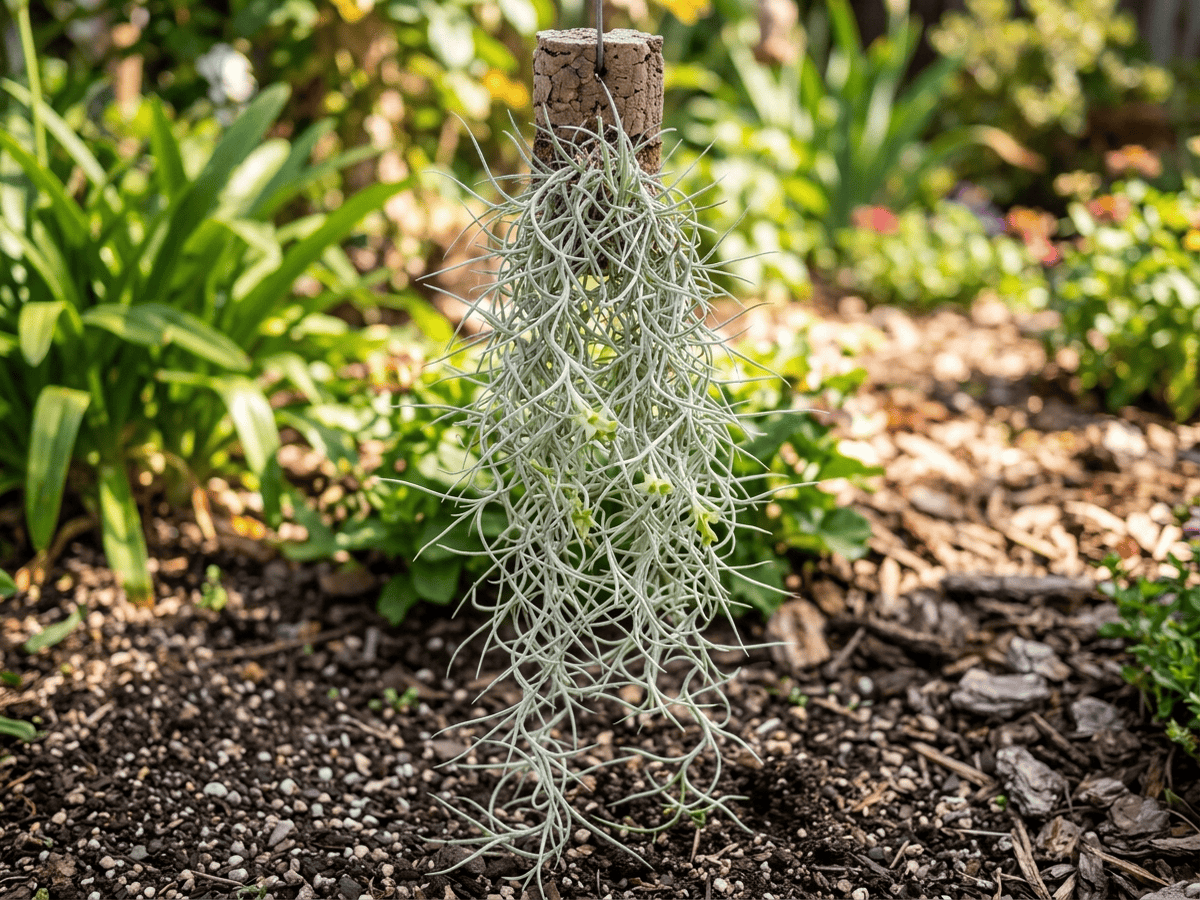
Plants with similar care
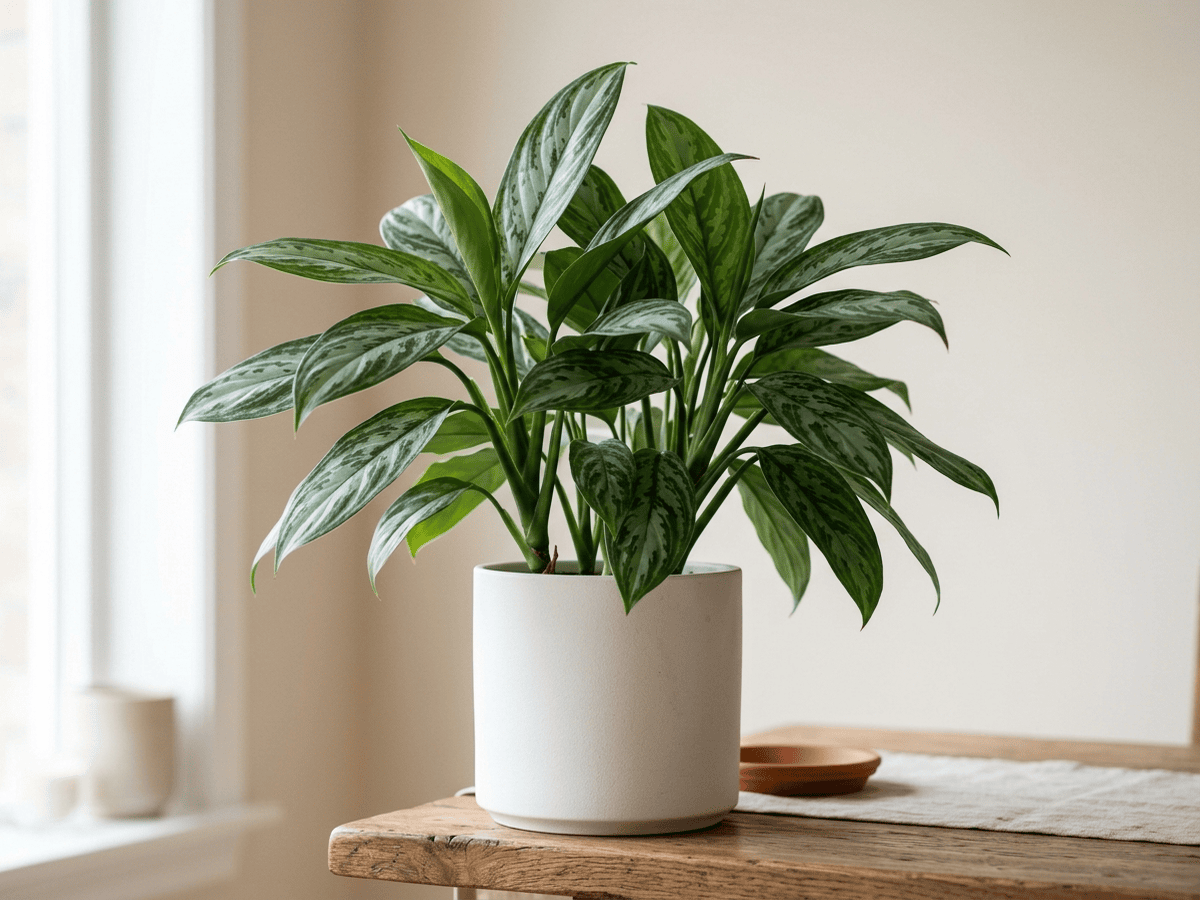 Philippine EvergreenAglaonema commutatum
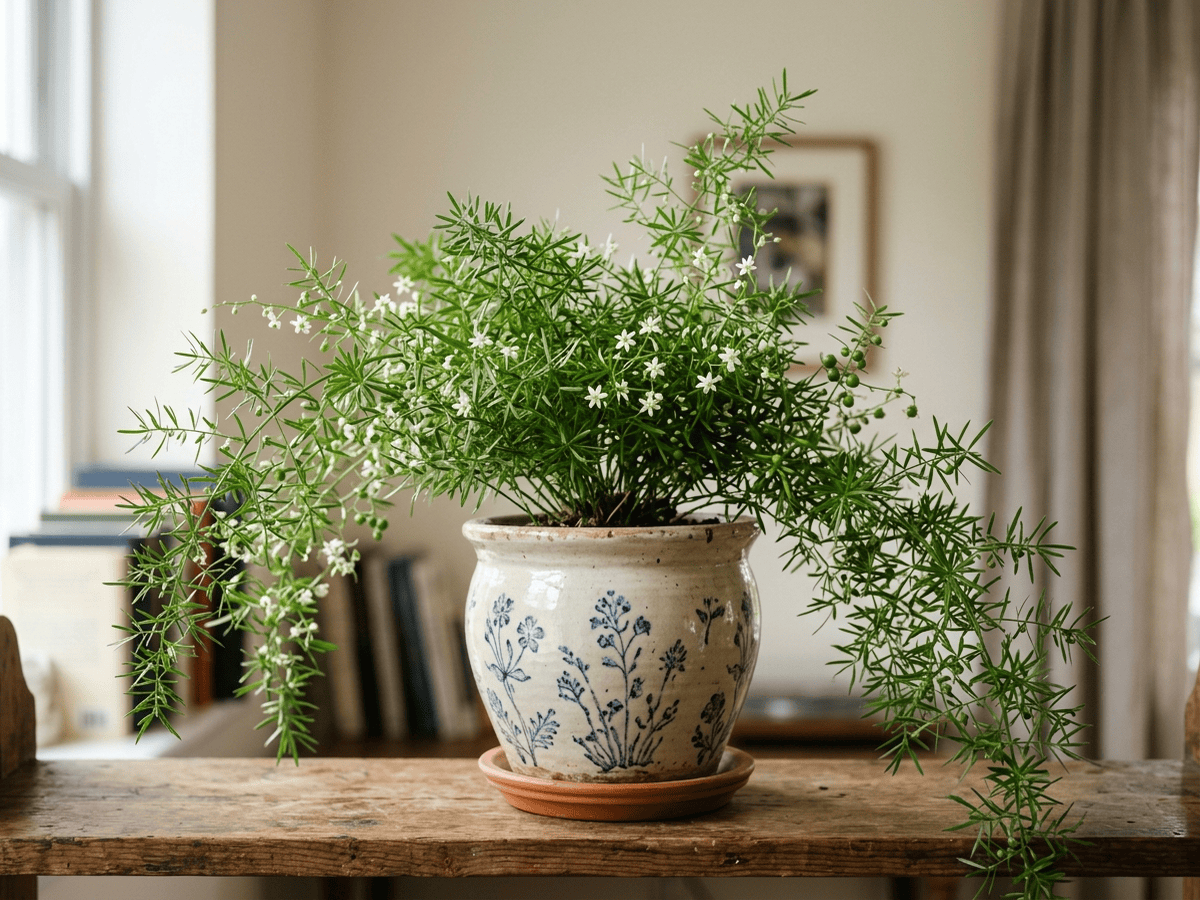 Sprenger's AsparagusAsparagus densiflorus
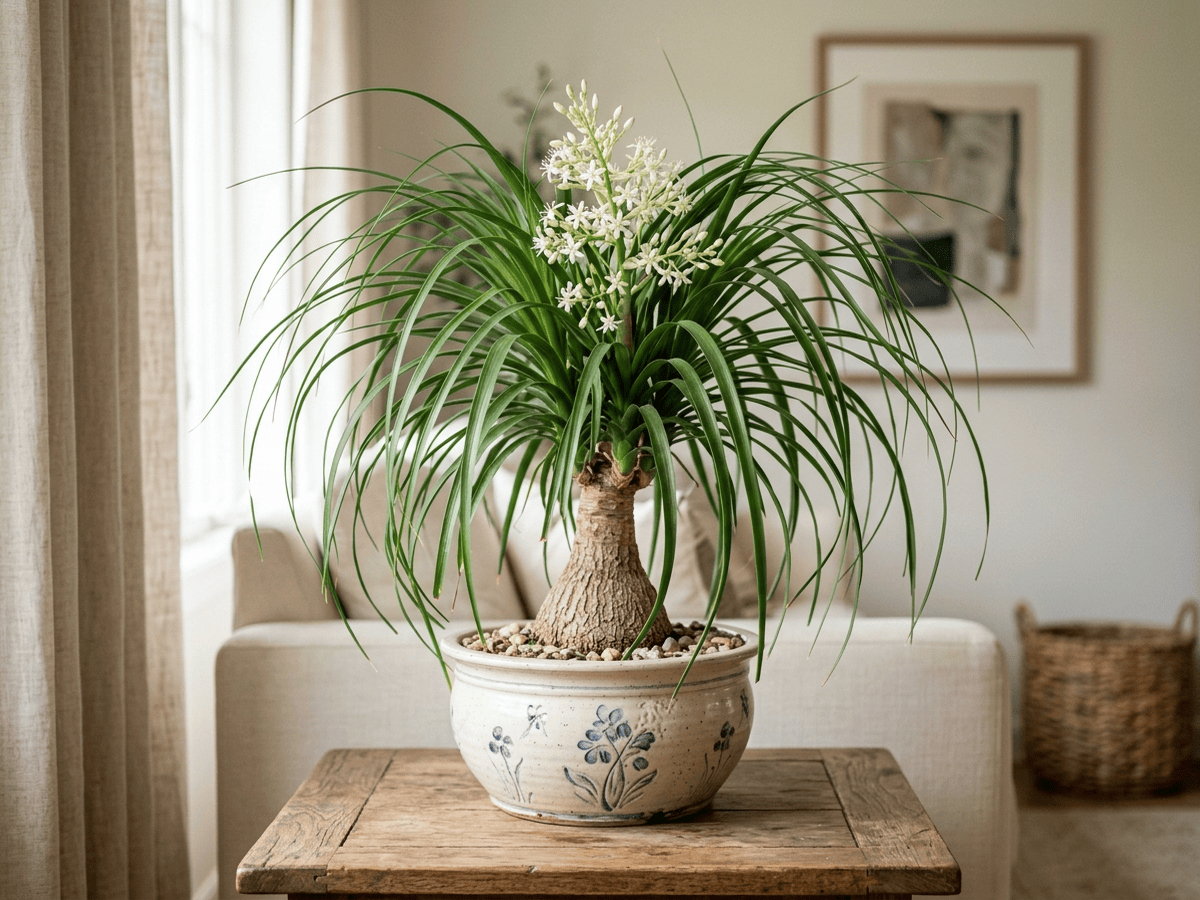 Ponytail PalmBeaucarnea recurvata
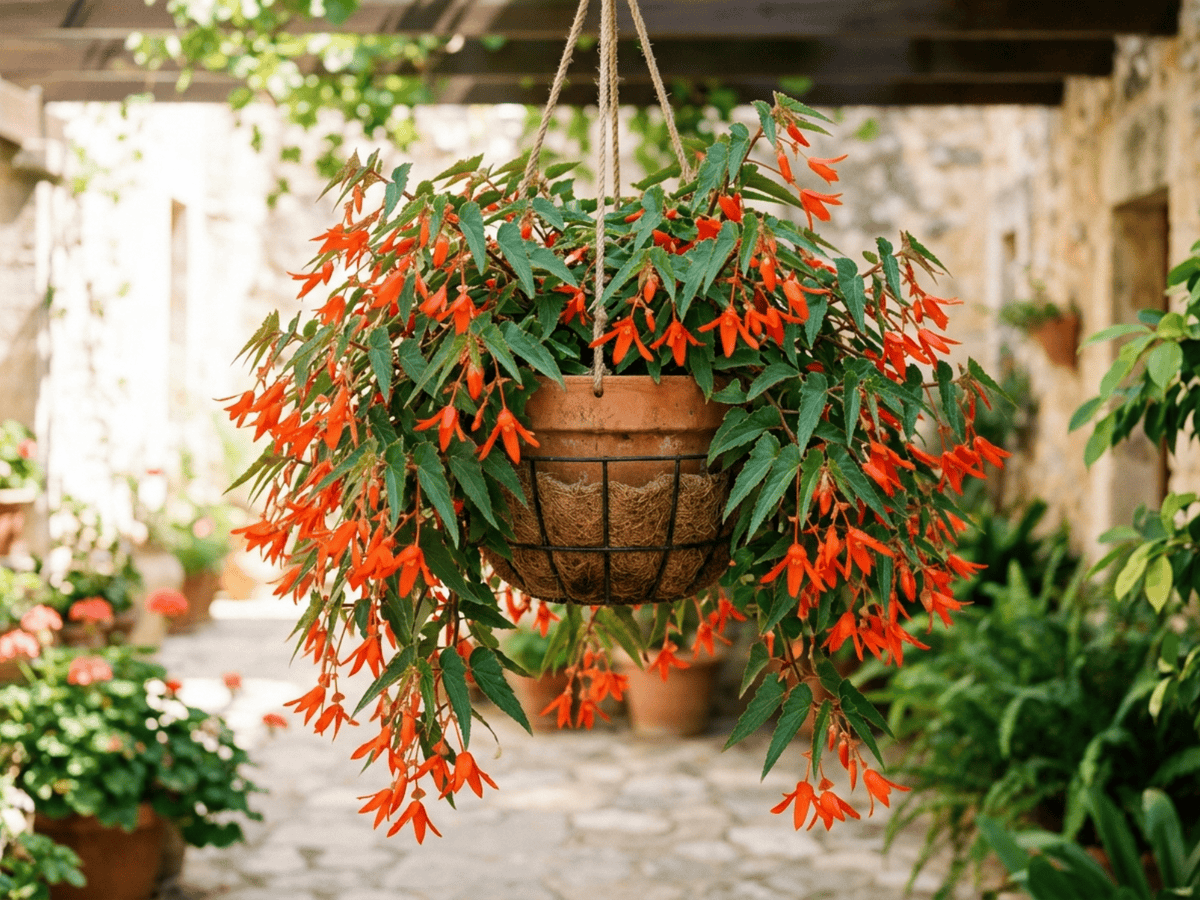 Tuberous BegoniaBegonia boliviensis
Frequently asked questions
How often should I water Blushing Bride Airplant?
In summer, water about every 3 days; in winter, about every 10 days. Adjust for heat, pot size and drainage.
How much light does Blushing Bride Airplant need?
Part shade: 2–4 hrs direct. Watch the leaves — scorching or stretching means the light needs adjusting.
Is Blushing Bride Airplant toxic to cats or dogs?
No toxicity has been reported for this plant. Still, it is wise to keep pets from chewing on any houseplant. Educational information, not medical or veterinary advice. If exposure is suspected, contact a doctor or veterinarian.
Is Blushing Bride Airplant easy to grow?
Yes — it is considered an easy, beginner-friendly plant.
Can Blushing Bride Airplant be grown indoors?
Yes, it adapts well to indoor growing given the right light.
When does Blushing Bride Airplant bloom?
It typically blooms Jun–Aug in the Northern Hemisphere.
YardMate
Identify any plant in seconds
Snap a photo — YardMate names the plant, diagnoses problems, and reminds you when to water.
Download on the App Store