 YardMate

Spanish Moss
Tillandsia usneoides
Medium · Some experienceAbout Spanish Moss
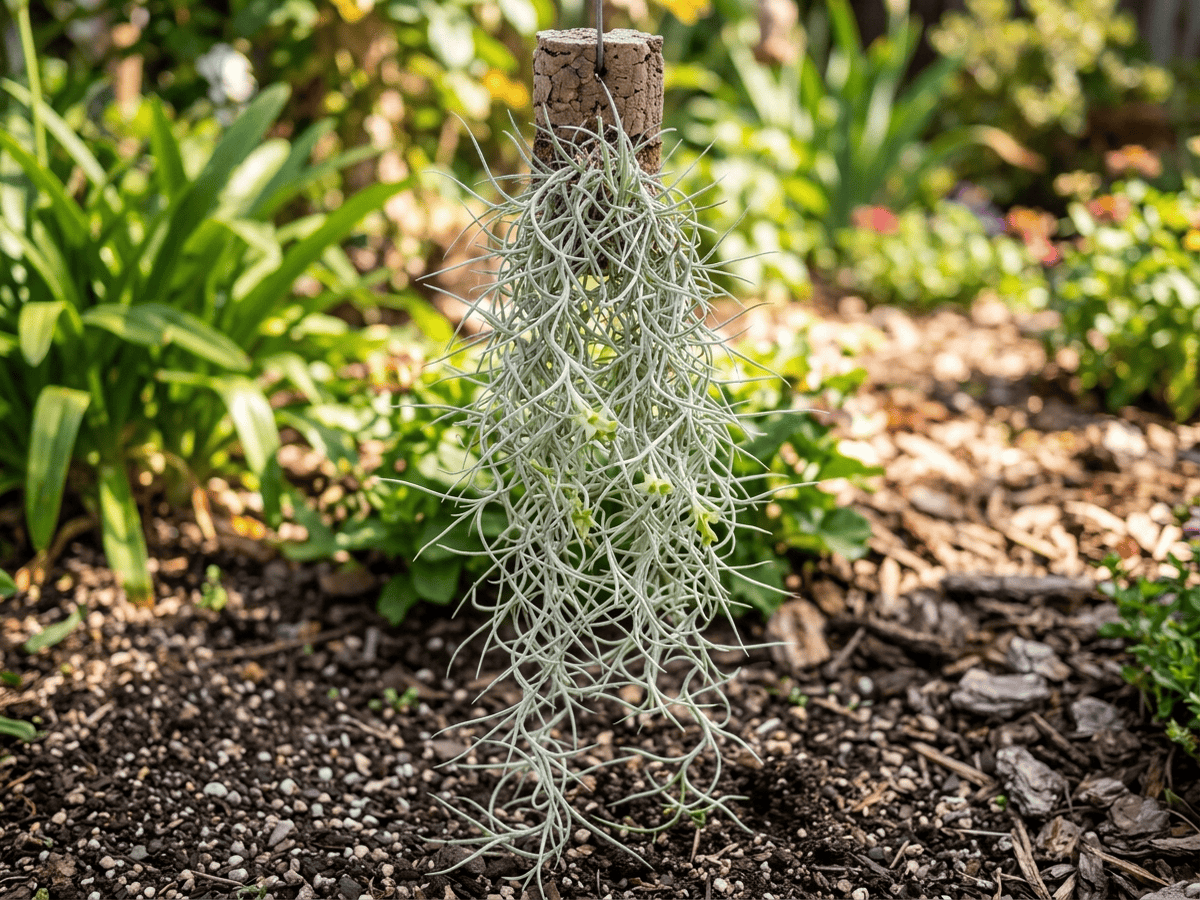
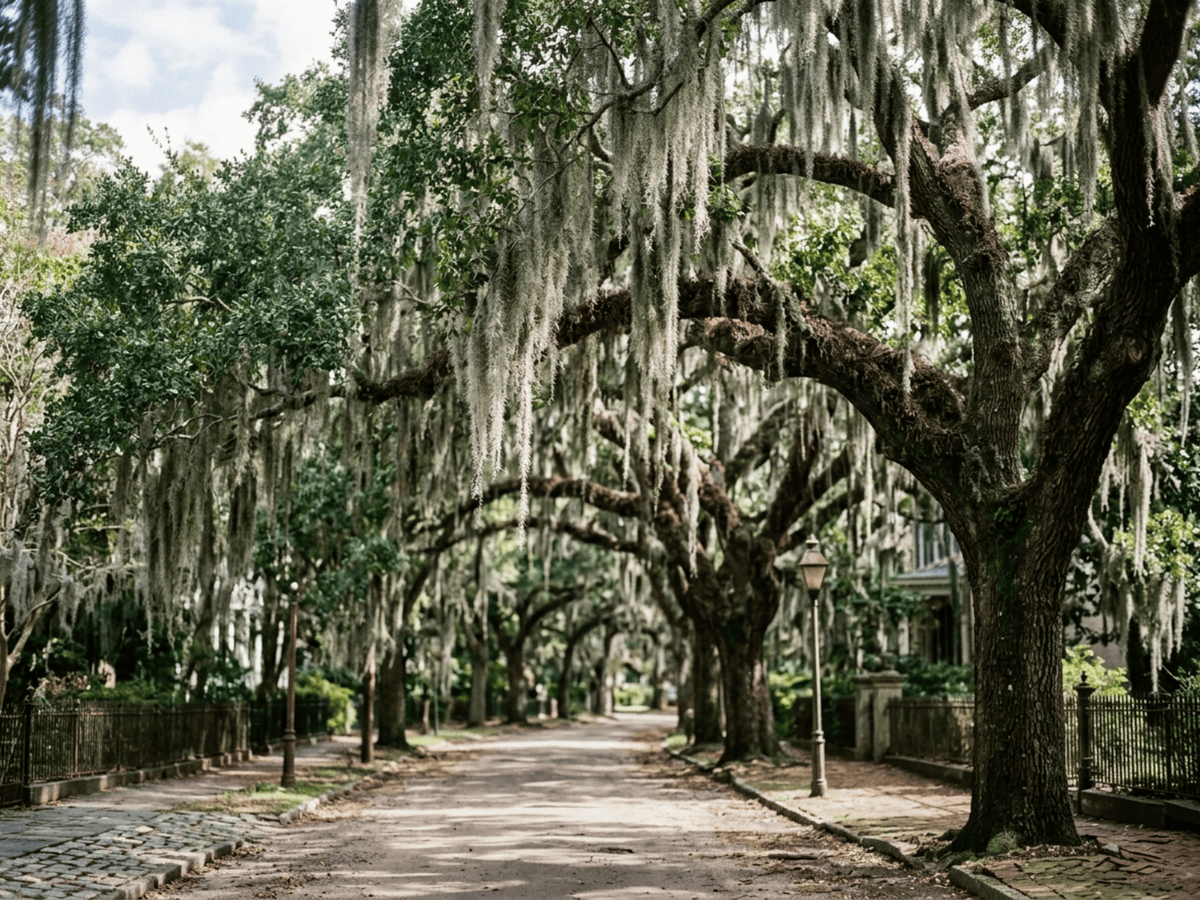
Tillandsia usneoides, Spanish moss, is an iconic air plant that drapes from trees in long silvery-grey curtains across the American South. Despite its name, it is neither Spanish nor moss — it is a bromeliad, closely related to pineapples. Each strand consists of chains of tiny scale-covered stems and leaves that absorb moisture from humid air. It has no roots at all. It merely hangs on branches, fences, and power lines, using them as support while photosynthesizing independently. It prefers humid conditions with air circulation and grows slowly but can form dramatic 6-meter curtains.
- Trailing
How to care for Spanish Moss
Watering
- Springevery 5 days
- Summerevery 3 days
- Fallevery 7 days
- Winterevery 10 days
Soil · Airy & open
- Single layerOrchid bark + charcoal100%
No soil at all — orchid roots need air moving around them.
FERTILIZER
Balanced Feed 14-14-14
An even feed covers all three needs at once, keeping leaves, roots and blooms moving together with nothing pushed out of balance.
- Nitrogen · Leaves
- Phosphorus · Roots + Blooms
- Potassium · Strength
- Springevery 30 days
- Summerevery 30 days
- Fallevery 60 days
At a Glance
- NativeNorth America, Central America, South America
- Height3–8 ft (0.9–2.4 m)
- Spread1–3 ft (0.3–0.9 m)
- Flower colorGreen, Yellow
- Foliage colorSilver, Green
- SoilWell-drained
- LocationsIndoor · Yard
Bloom time
BLOOM CYCLE
Peak bloom
Jun–Aug
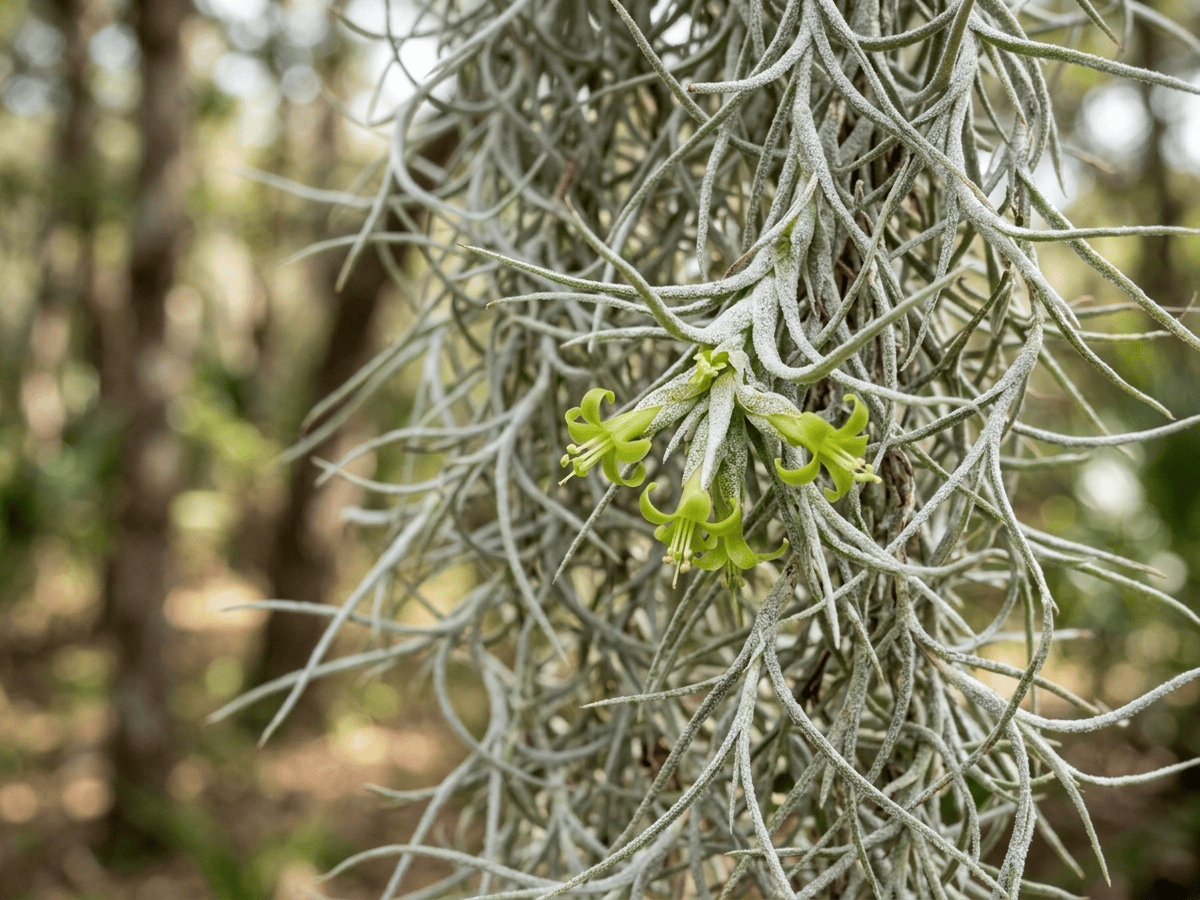
Tiny green flowers; inconspicuous but fragrant at night
Fragrance
LIGHT FRAGRANCE
Tiny flowers have a light sweet scent most noticeable at night.
Toxicity
No toxicity has been reported for this plant. Still, it is wise to keep pets from chewing on any houseplant.
Educational information, not medical or veterinary advice. If exposure is suspected, contact a doctor or veterinarian.
DISTRIBUTION


- Native
- Introduced
- North America
- Central America
- South America
History
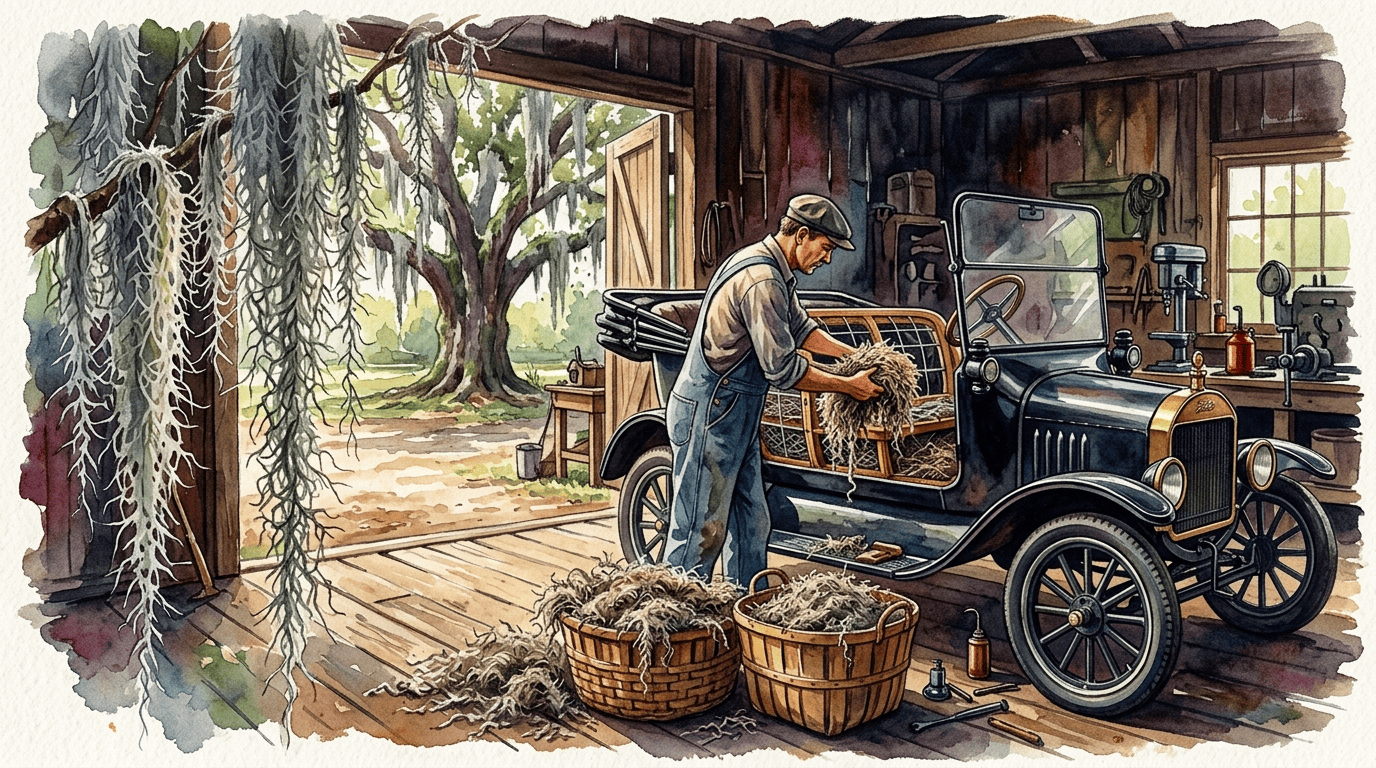
Tillandsia usneoides has one of the largest native ranges of any bromeliad, extending from Virginia south through the Gulf Coast and the Caribbean to northern Argentina, where it drapes from trees in humid subtropical and tropical forest. Its common name is a 17th-century joke: French explorers in Louisiana thought it looked like the long beards of Spanish conquistadors and called it 'Barbe Espagnole'. It is neither a moss nor actually Spanish. Indigenous peoples of the American South used it as stuffing for moccasins, bedding, and pottery tempers; industrial demand in the 1880s–1950s used it to stuff car seats and furniture until synthetic fibers replaced it.
It grows without any attachment to soil or host nutrition, obtaining everything through its covering of silvery water-absorbing trichomes. Non-toxic. Spanish moss shaped Southern culture.
It was used by Native Americans for baby cradles, rope, and insulation. French colonists called it 'barbe espagnole' (Spanish beard) as an insult to the Spanish; the Spanish retaliated by calling it 'French hair.' Henry Ford stuffed the seats of early Model T cars with processed Spanish moss, and it was the standard furniture stuffing material in the South before synthetic foam. A single tree can support over 300 kg of Spanish moss. Despite appearances, it does not harm host trees — it is not parasitic, merely using branches as an anchor point while feeding entirely from rain and air.
Symbolism & meaning
What It Symbolizes
Spanish Moss makes visible mystery, its ghostly gray curtains draping live oaks across the American South and creating a landscape that feels at once ancient and enchanted. Hanging in long, soft veils above black-water swamps and antebellum gardens, it has become inseparable from the haunted imagination of the region. This is the patron plant of southern atmosphere — botanical fog made permanent, lending every tree it inhabits a whispered air of the unknown.
- Mystery — Its ghostly curtains in Southern swamps evoke enchantment and the unknown
Where the Name Comes From
'Spanish moss' is a colonial-era common name for the long gray strands draping Southern trees; it is not a true moss. Tillandsia honors Elias Tillands, and 'usneoides' means resembling Usnea, a lichen genus.
Uses & Fun Facts
- Dried strands were historically used as stuffing, packing fiber, and rustic craft material
- Draping curtains add atmosphere to live oaks, courtyards, and humid gardens
- Hanging mats shelter insects, birds, and small animals
Related plants
More Tillandsia plants

Plants with similar care
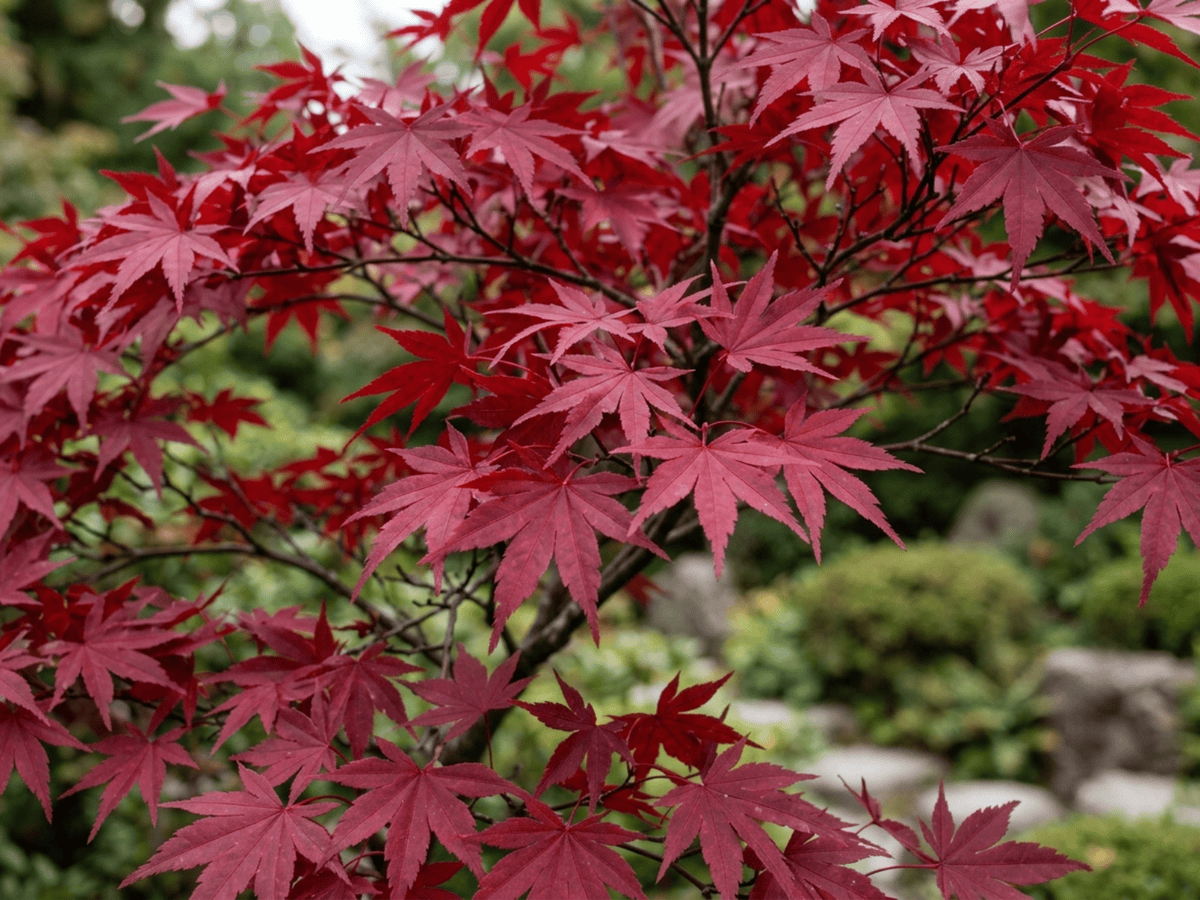 Japanese MapleAcer palmatum
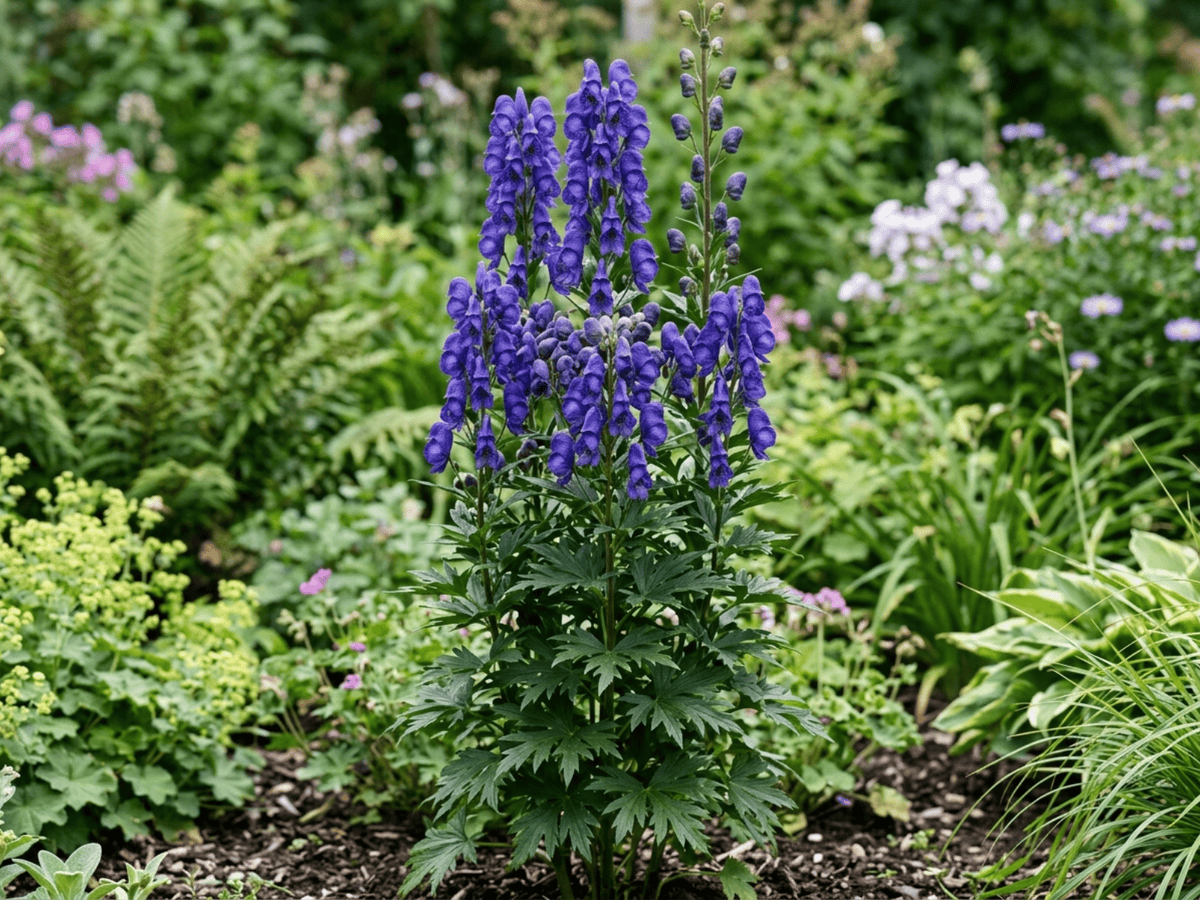 Azure MonkshoodAconitum carmichaelii
 Florida HobblebushAgarista populifolia
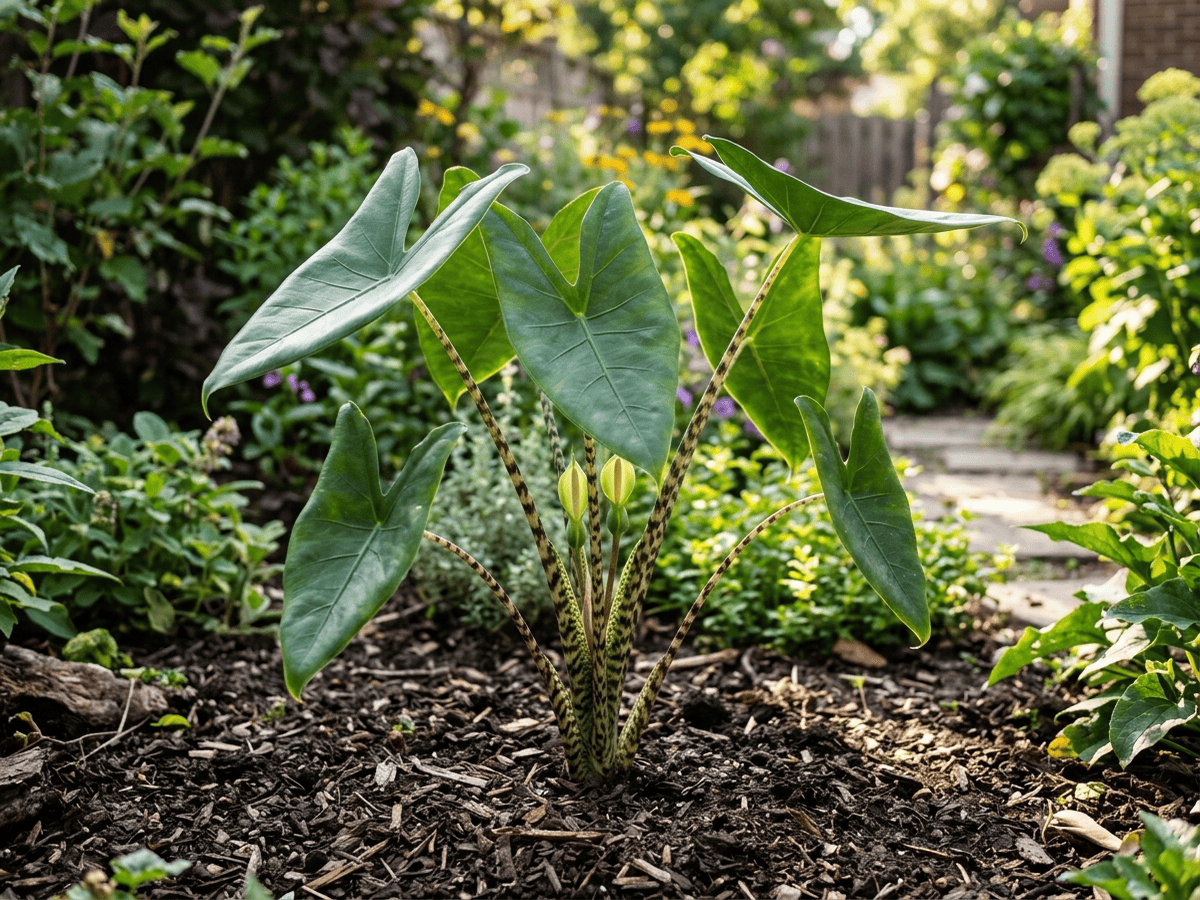 Alocasia zebrinaAlocasia zebrina
Frequently asked questions
How often should I water Spanish Moss?
In summer, water about every 3 days; in winter, about every 10 days. Adjust for heat, pot size and drainage.
How much light does Spanish Moss need?
Part shade: 2–4 hrs direct. Watch the leaves — scorching or stretching means the light needs adjusting.
Is Spanish Moss toxic to cats or dogs?
No toxicity has been reported for this plant. Still, it is wise to keep pets from chewing on any houseplant. Educational information, not medical or veterinary advice. If exposure is suspected, contact a doctor or veterinarian.
Is Spanish Moss easy to grow?
It is moderately demanding: a good choice once you have a little experience.
Can Spanish Moss be grown indoors?
Yes, it adapts well to indoor growing given the right light.
When does Spanish Moss bloom?
It typically blooms Jun–Aug in the Northern Hemisphere.
YardMate
Identify any plant in seconds
Snap a photo — YardMate names the plant, diagnoses problems, and reminds you when to water.
Download on the App Store