 YardMate

Yellow Wakerobin
Trillium luteum
Medium · Some experienceAbout Yellow Wakerobin
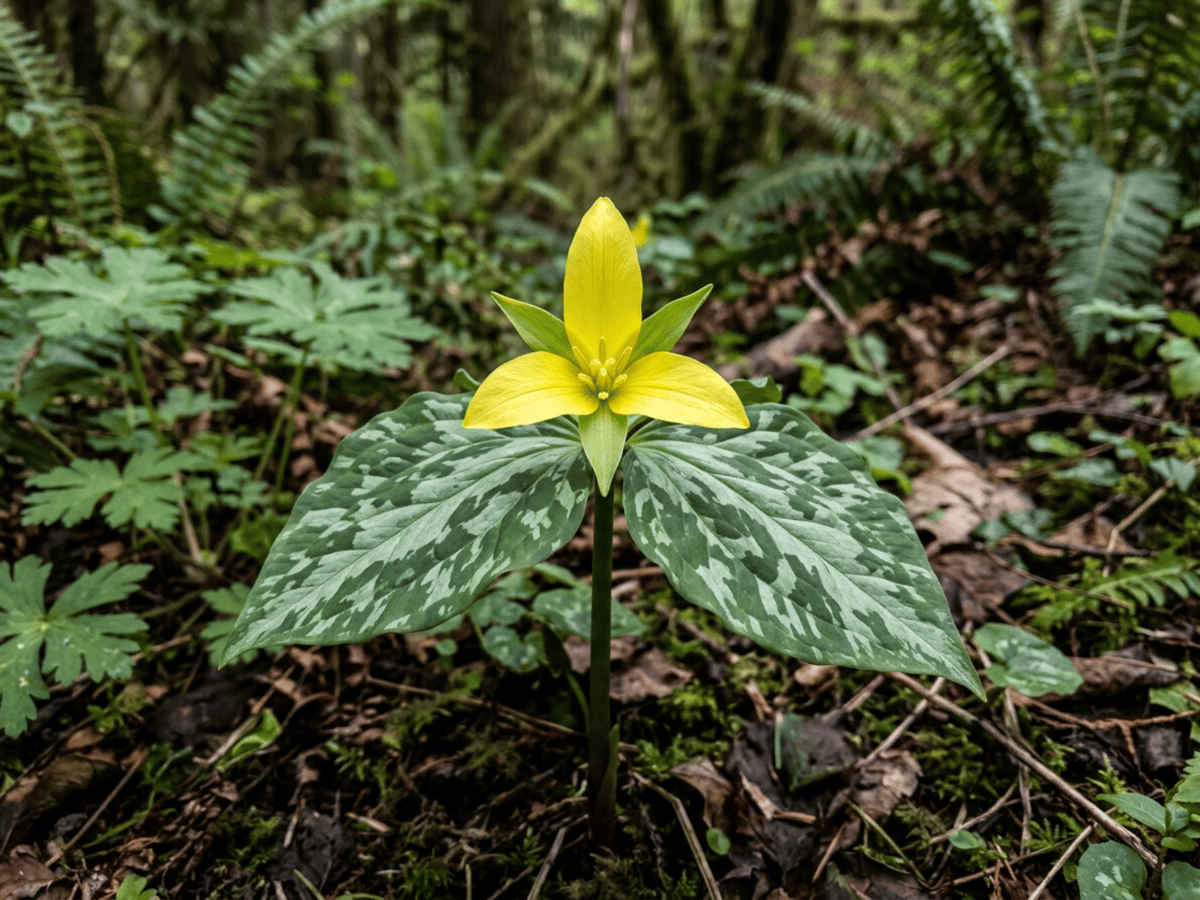
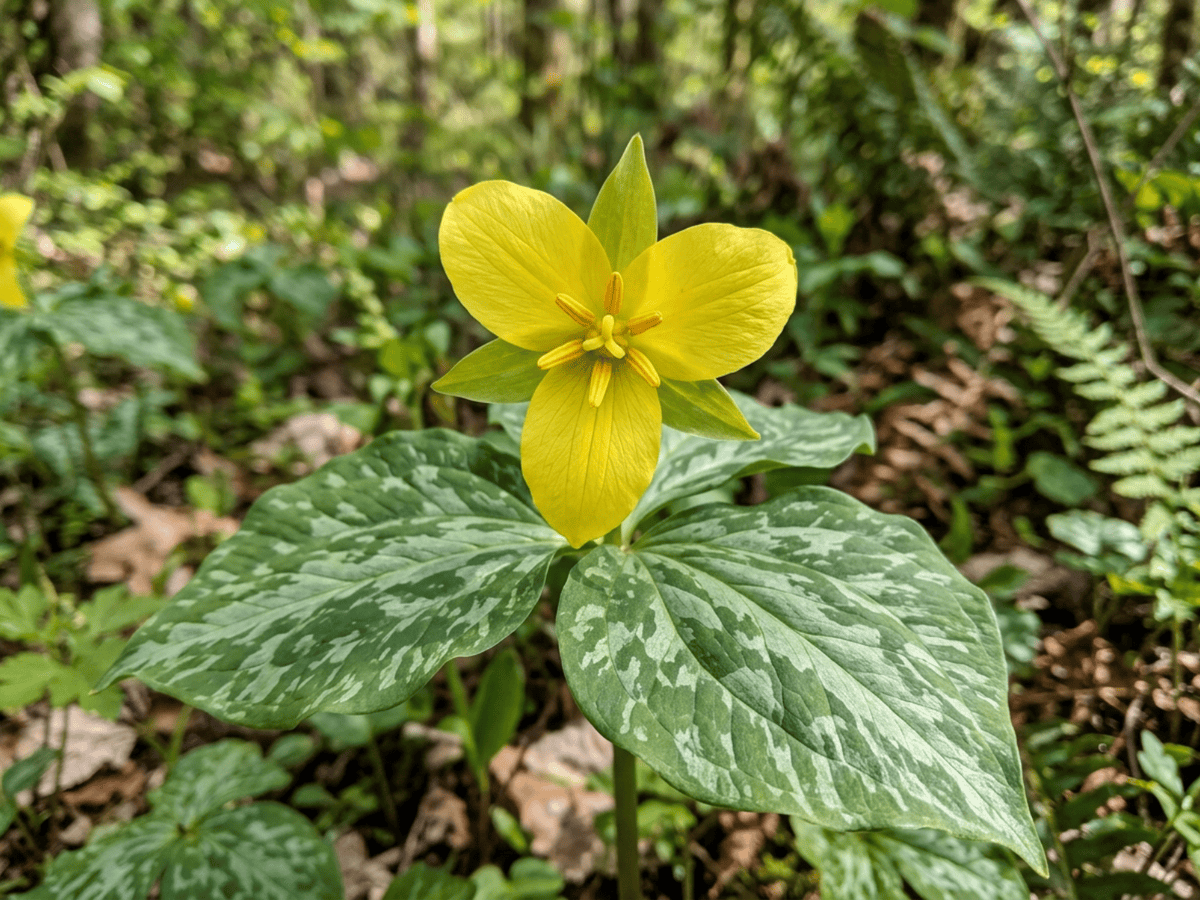
Yellow Trillium is a distinguished native wildflower of the Southern Appalachians, producing whorls of three large silver-mottled leaves topped with an upright lemon-yellow flower carrying a pleasant citrus scent. Growing 12-18 inches tall, it blooms in mid spring in rich deciduous forests. A garden jewel for American shade plantings from USDA zones 5-8, pairing beautifully with native ferns and woodland wildflowers.
- Fragrant
- Shade-tolerant
- Deer-resistant
- Native
How to care for Yellow Wakerobin
Watering
- Springevery 4 days
- Summerpause watering
- Fallevery 7 days
- Winterpause watering
Soil · Well-draining
- Top dressingPine bark mulch10%
- Main mixPotting soil + perlite 2:170%
- DrainageLECA / gravel20%
Never skip the drainage layer — standing water is the top cause of root rot.
FERTILIZER
Balanced Feed 14-14-14
An even feed covers all three needs at once, keeping leaves, roots and blooms moving together with nothing pushed out of balance.
- Nitrogen · Leaves
- Phosphorus · Roots + Blooms
- Potassium · Strength
- Springevery 30 days
At a Glance
- NativeNorth America
- Height1–1.5 ft (0.3–0.5 m)
- Spread0.8–1.2 ft (0.2–0.4 m)
- Flower colorYellow, Green
- Foliage colorGreen, Variegated
- SoilLoamy, Moisture-retentive, Rich
- LocationsYard
Bloom time
BLOOM CYCLE
Peak bloom
Apr–May
Lemon-yellow upright flowers April to May
Fragrance
MODERATE FRAGRANCE
The flowers have a lemon, citrus scent.
Toxicity
Humans Slight · Pets Slight
trillin and saponins
Slight
- Rhizome
- Ingestion
EXPOSURE Eating rhizome.
EFFECT Emetic, mild GI.
NOTE Mild toxicity; protected by state laws in some regions—do not dig wild.
Slight
- Rhizome
- Ingestion
EXPOSURE Eating rhizome.
EFFECT Mild vomiting.
NOTE Mild toxicity; protected by state laws in some regions—do not dig wild.
Slight
- Rhizome
- Ingestion
EXPOSURE Eating rhizome.
EFFECT Mild vomiting.
NOTE Mild toxicity; protected by state laws in some regions—do not dig wild.
Educational information, not medical or veterinary advice. If exposure is suspected, contact a doctor or veterinarian.
DISTRIBUTION


- Native
- Introduced
- North America
History

Trillium luteum is native to rich cove forests of the southern Appalachians, concentrated in Tennessee, Georgia, North Carolina, and Alabama. American botanist Henry Muhlenberg described it in 1813, though taxonomic debate about its distinctness from T. cuneatum continued into the 20th century before molecular evidence confirmed species status. Among the approximately 50 trillium species worldwide, T. luteum is uniquely lemon-yellow with a distinct lemon scent—unusual among trilliums which are generally either unscented or carrion-scented.
The silver-mottled leaves echo other sessile trilliums. It received the RHS Award of Garden Merit and is popular in specialist woodland gardens across the temperate world. Collection from wild populations has pressured some stands, making nursery-propagated stock important for conservation.
Native to rich coves of the Great Smoky Mountains and surrounding Appalachian forests. One of only a few yellow-flowered trilliums. Often grown with T. Protected in many states—only nursery-propagated plants should be purchased, never wild-dug.
Symbolism & meaning
What It Symbolizes
Yellow Trillium is brightness in the woodland's deep shade — a rare sunny color among predominantly white and red trilliums, glowing on the forest floor like dropped lemon light. Its purity stands for the pristine Appalachian forest ecosystems where it still grows, a place becoming rarer year by year. It is the spring ephemeral for those who think yellow only belongs in meadows.
- Brightness — rare sunny color in woodland
- Purity — represents the pristine Appalachian forest
Where the Name Comes From
'Luteum' means 'yellow' in Latin.
Uses & Fun Facts
- Lemon-yellow upright flowers release pleasant citrus scent
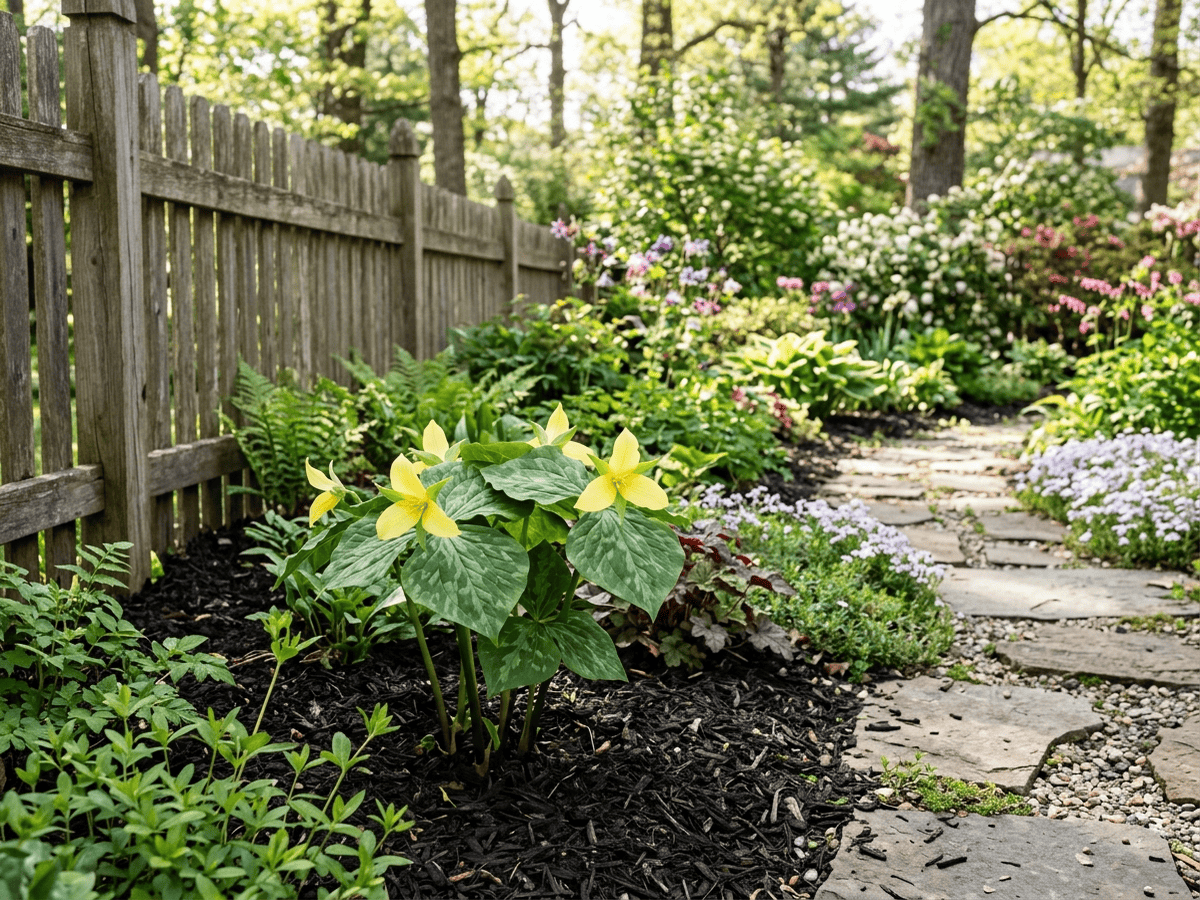
- Silver-mottled leaves and yellow flowers for shaded native borders
Related plants
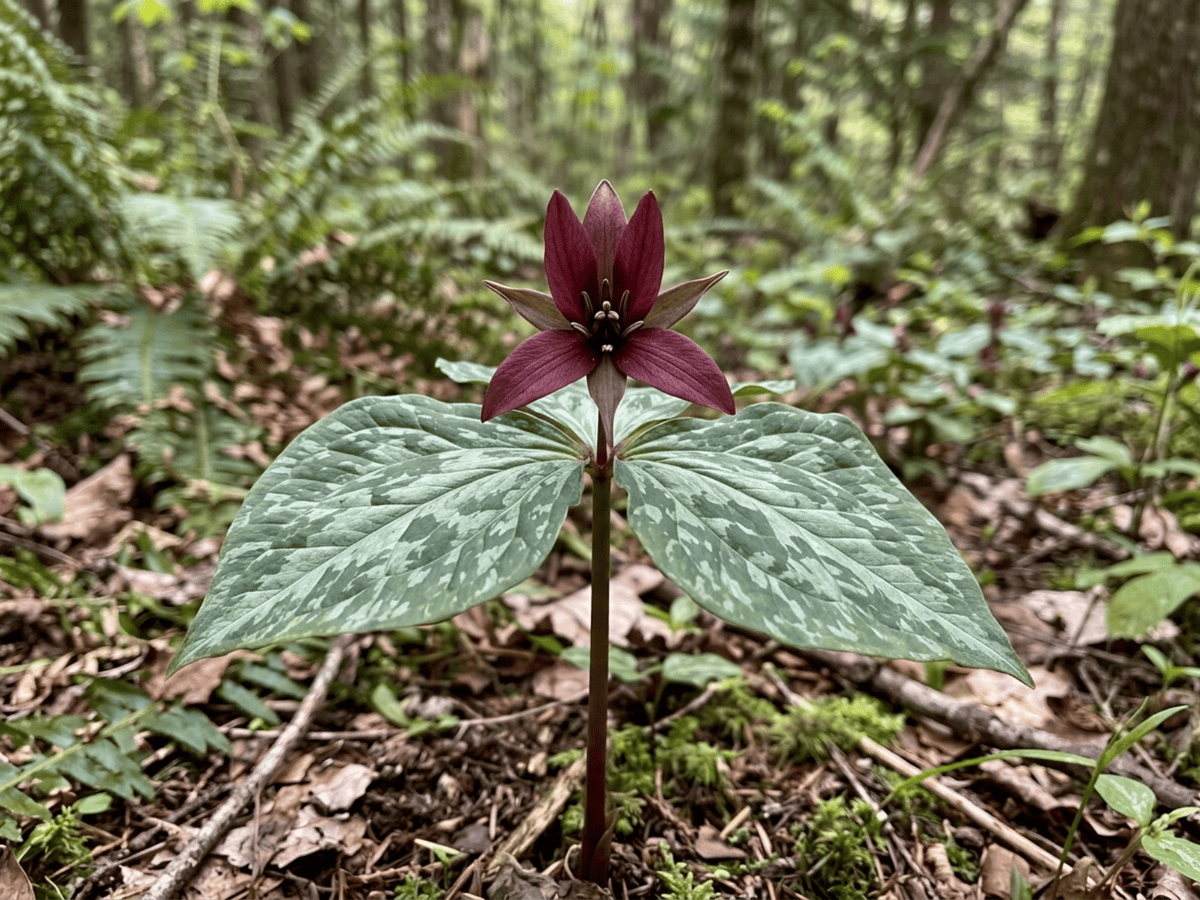
More Trillium plants
Plants with similar care
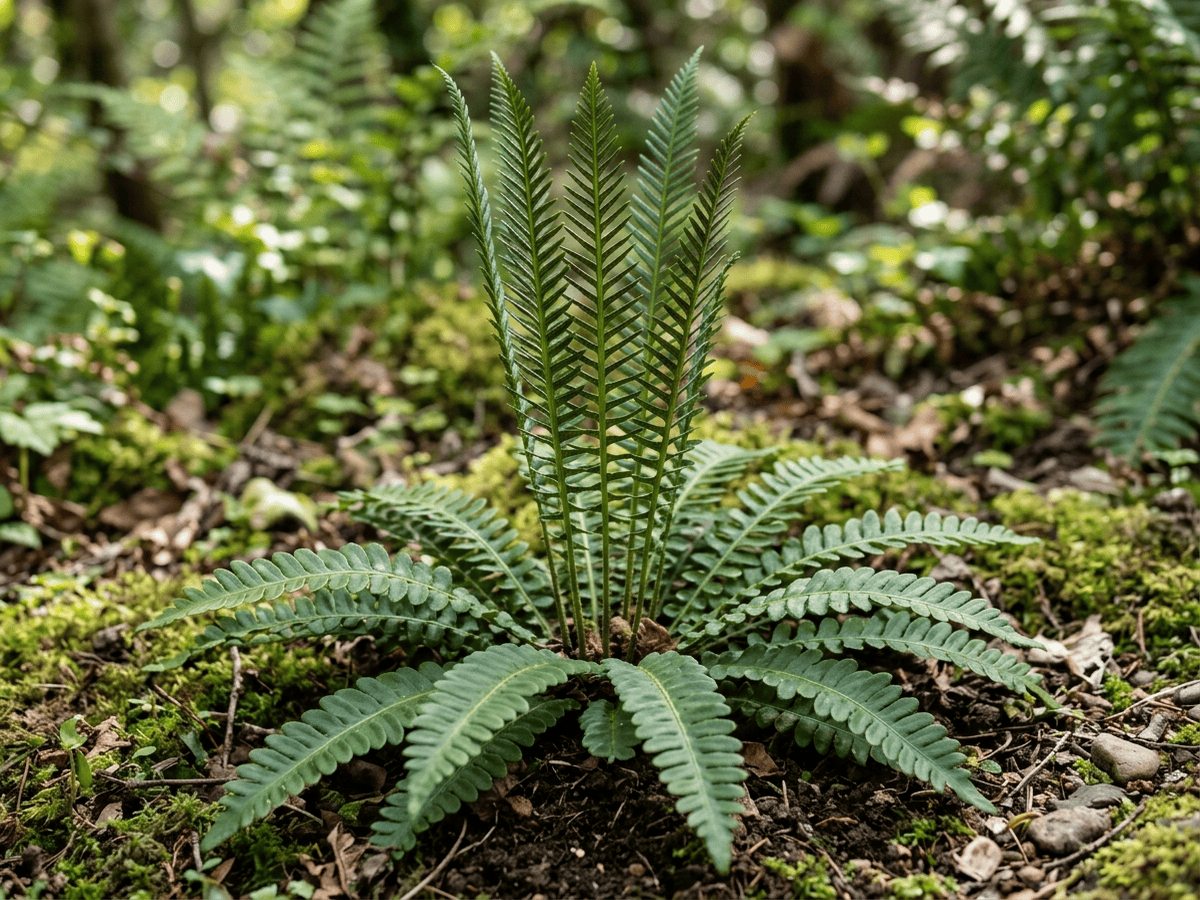 Deer FernBlechnum spicant
 Dutchman's BreechesDicentra cucullaria
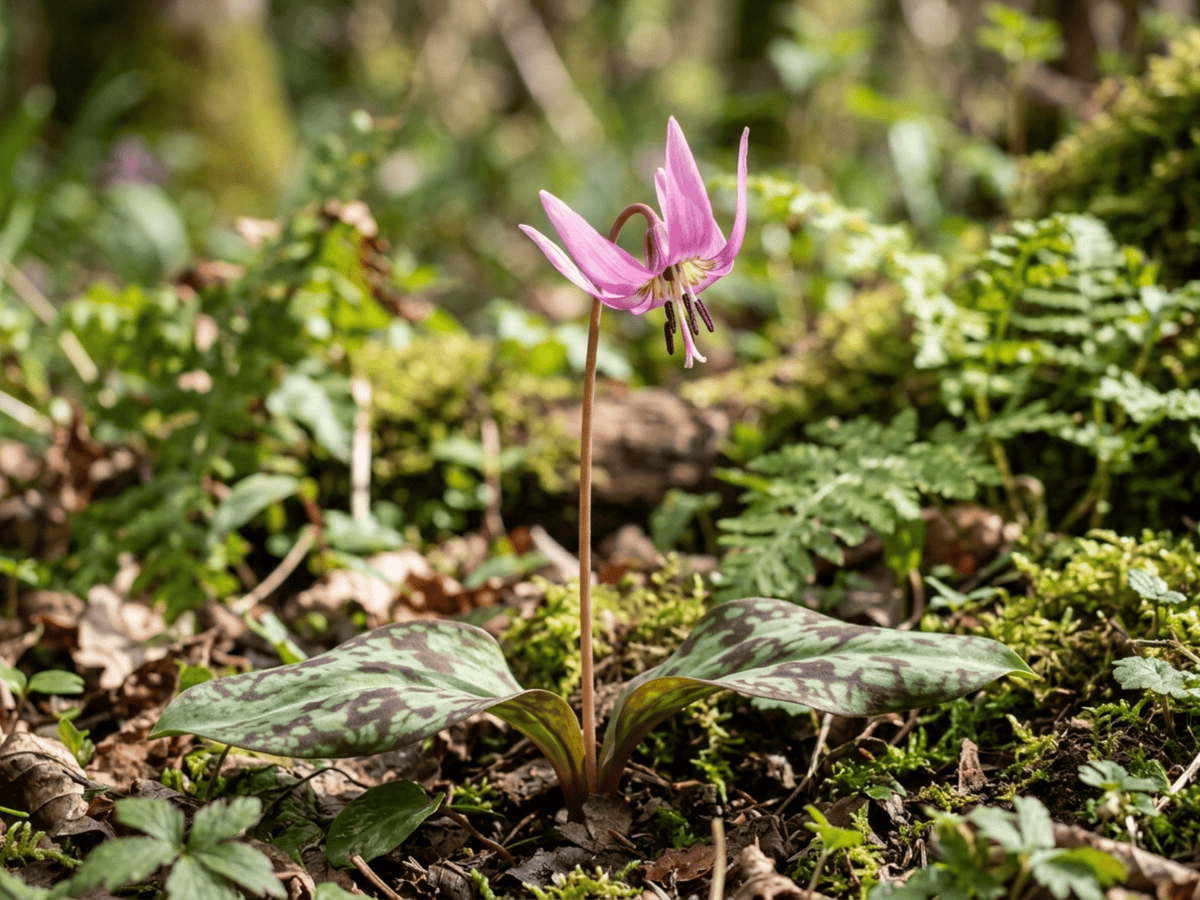 Dog's-Tooth-VioletErythronium dens-canis
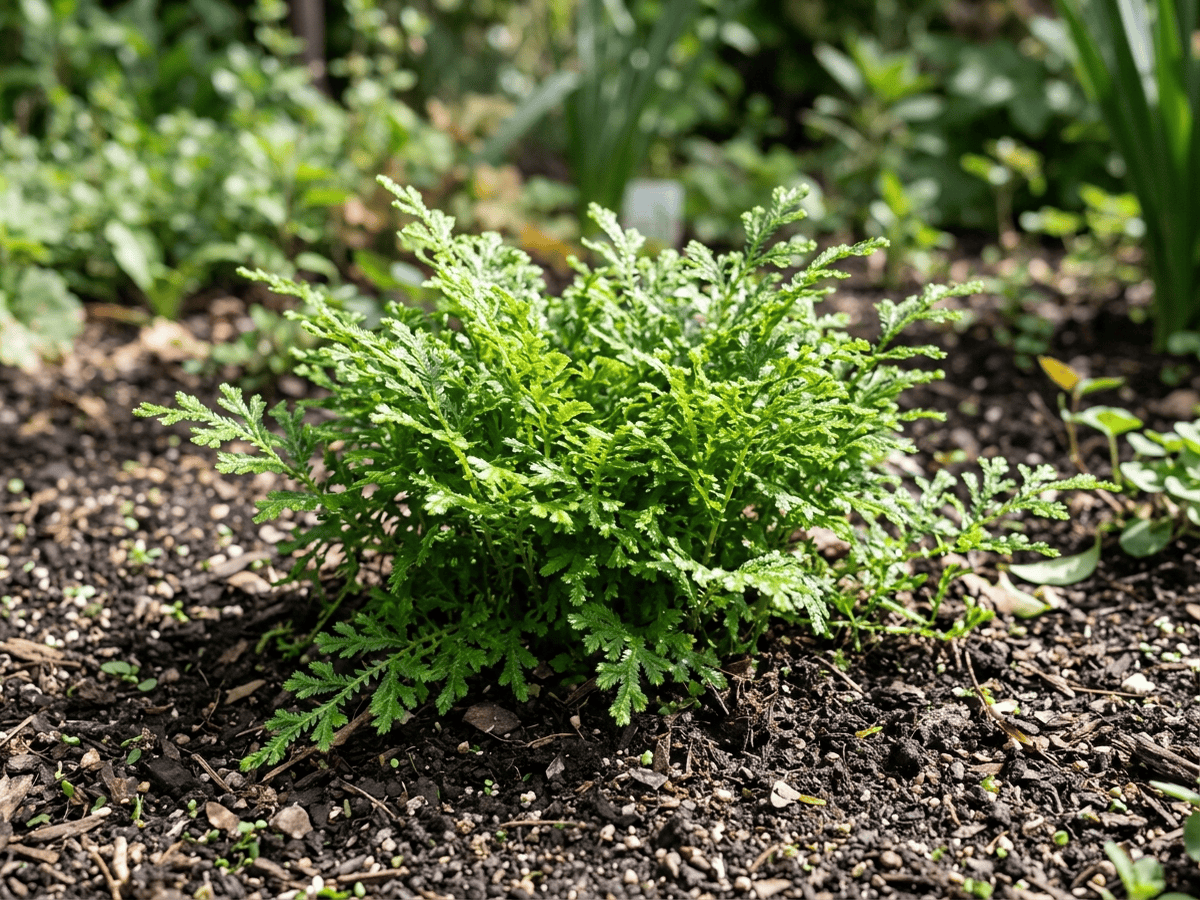 Krauss's ClubmossSelaginella kraussiana
Frequently asked questions
How often should I water Yellow Wakerobin?
Water about every 4 days during the growing season, and always let excess water drain away.
How much light does Yellow Wakerobin need?
Full shade: <2 hrs direct. Watch the leaves — scorching or stretching means the light needs adjusting.
Is Yellow Wakerobin toxic to cats or dogs?
Pets Slight (Dogs Slight · Cats Slight) Educational information, not medical or veterinary advice. If exposure is suspected, contact a doctor or veterinarian.
Is Yellow Wakerobin easy to grow?
It is moderately demanding: a good choice once you have a little experience.
When does Yellow Wakerobin bloom?
It typically blooms Apr–May in the Northern Hemisphere.
YardMate
Identify any plant in seconds
Snap a photo — YardMate names the plant, diagnoses problems, and reminds you when to water.
Download on the App Store