 YardMate

Chinese Wisteria
Wisteria sinensis
Medium · Some experienceAbout Chinese Wisteria
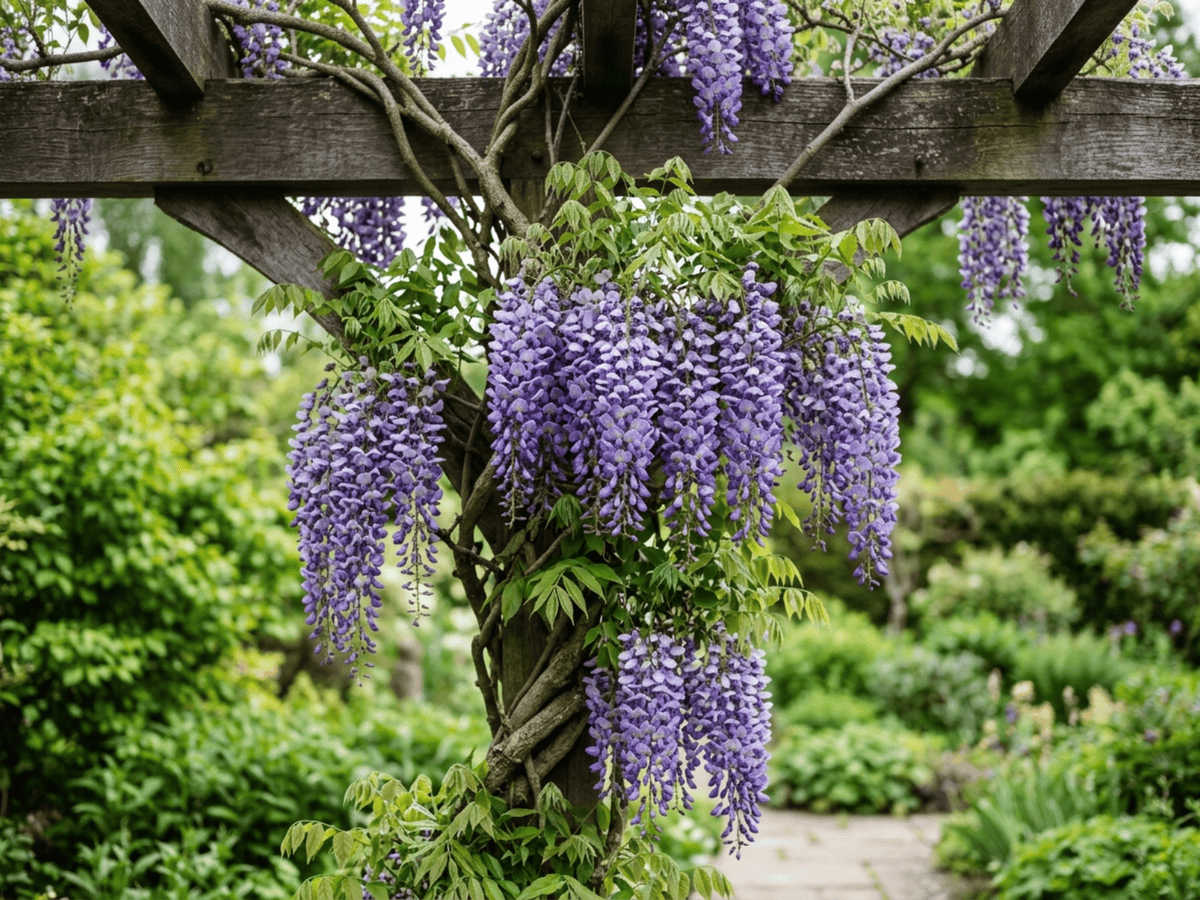
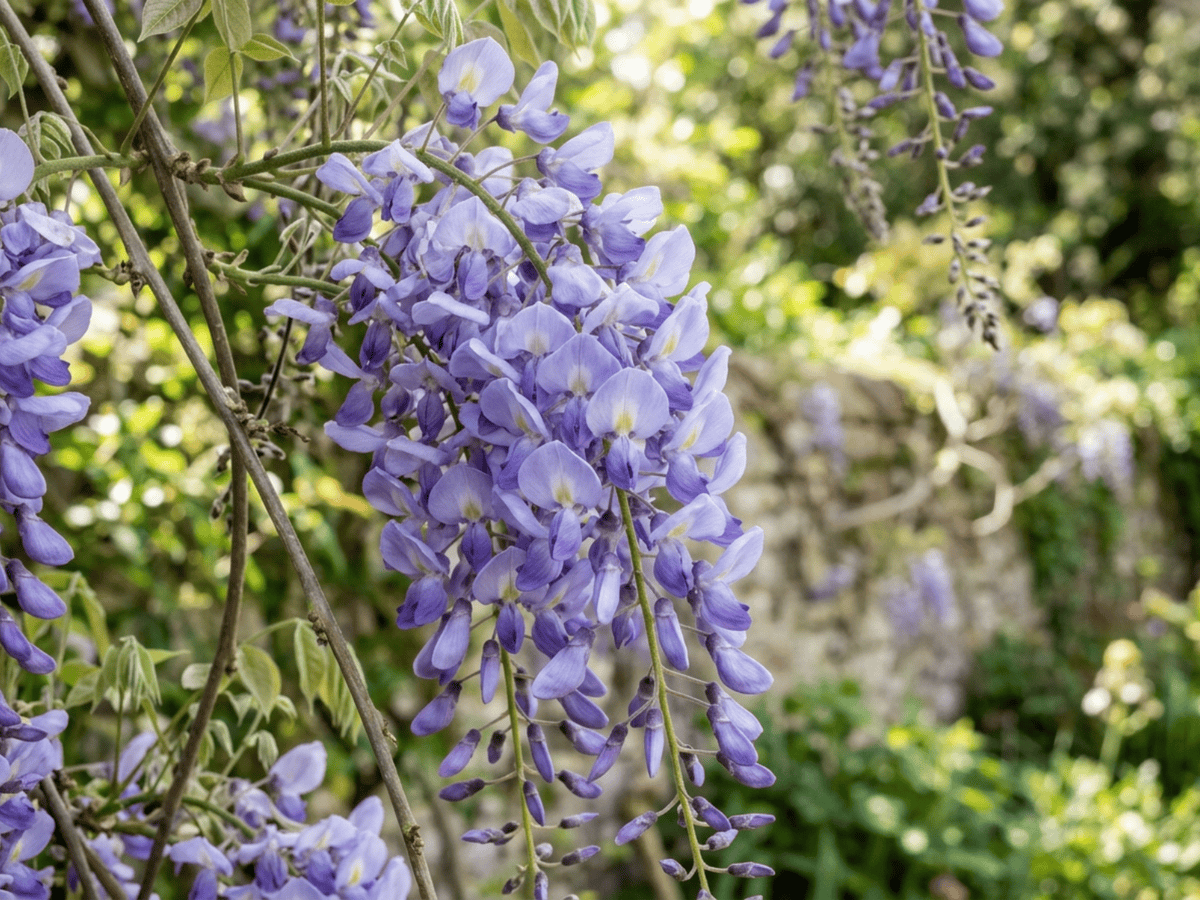
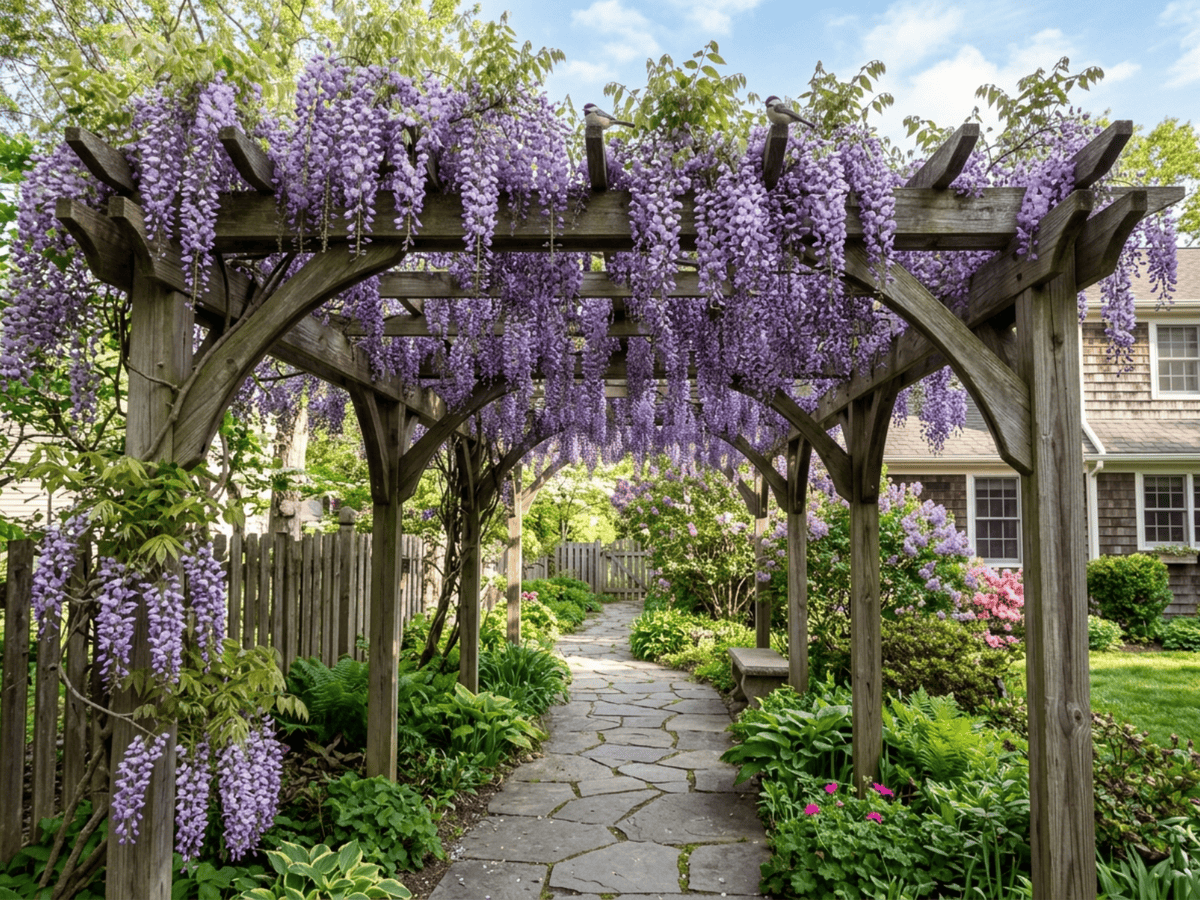
Wisteria sinensis, the Chinese wisteria, is one of the most spectacular flowering vines on Earth, producing cascading racemes of fragrant violet-blue to white flowers up to 30 cm long in mid-spring. Native to China, this vigorous deciduous woody vine can climb 20–30 meters, twining counterclockwise around supports with remarkable strength — mature specimens have been known to crush pergolas and bend iron railings. The compound pinnate leaves provide elegant dappled shade in summer. While breathtakingly beautiful, it is classified as invasive in the eastern United States, where it can smother native trees and form impenetrable thickets. It requires strong structural support, regular pruning, and patience — grafted plants may take 3–5 years to first bloom, while seedlings can take a decade or more. When properly managed, few plants match its dramatic floral display.
- Fragrant
- Climbing
How to care for Chinese Wisteria
Watering
- Springevery 5 days
- Summerevery 4 days
- Fallevery 10 days
- Winterevery 30 days
Soil · Well-draining
- Top dressingPine bark mulch10%
- Main mixPotting soil + perlite 2:170%
- DrainageLECA / gravel20%
Never skip the drainage layer — standing water is the top cause of root rot.
FERTILIZER
Balanced Feed 14-14-14
An even feed covers all three needs at once, keeping leaves, roots and blooms moving together with nothing pushed out of balance.
- Nitrogen · Leaves
- Phosphorus · Roots + Blooms
- Potassium · Strength
- Springevery 45 days
At a Glance
- NativeEast Asia
- Height20–30 ft (6.1–9.1 m)
- Spread10–30 ft (3–9.1 m)
- Flower colorPurple, White, Pink
- Foliage colorGreen
- Fruit colorBrown
- SoilLoamy, Well-drained, Neutral
- LocationsYard
Bloom time
BLOOM CYCLE
Peak bloom
Apr–May
Fragrant violet racemes appear in spring before leaves; prune twice yearly (summer and winter) to control growth and promote blooming
Fragrance
STRONG FRAGRANCE
Intensely sweet grape-like fragrance on warm late-spring afternoons.
Toxicity
Humans Moderate · Pets Moderate
wisterin (glycoside) and lectins
Moderate
- Seed
- Pod
- Ingestion
EXPOSURE Eating seeds and pod.
EFFECT Nausea, vomiting, abdominal pain, diarrhea and fatalities historically rare but children have required hospitalization from seed ingestion.
NOTE Documented concern for humans: Nausea, vomiting, abdominal pain, diarrhea and fatalities historically rare but children have required hospitalization from seed ingestion.
Moderate
- Seed
- Pod
- Ingestion
EXPOSURE Eating seeds and pod.
EFFECT Vomiting, diarrhea, dehydration, depression.
NOTE ASPCA lists Wisteria as toxic to dogs, cats, horses. Seeds and pods most toxic — keep away from children and pets.
Moderate
- Seed
- Pod
- Ingestion
EXPOSURE Eating seeds and pod.
EFFECT Vomiting, diarrhea, dehydration, depression.
NOTE ASPCA lists Wisteria as toxic to dogs, cats, horses. Seeds and pods most toxic — keep away from children and pets.
Educational information, not medical or veterinary advice. If exposure is suspected, contact a doctor or veterinarian.
DISTRIBUTION


- Native
- Introduced
- East Asia
History
Wisteria sinensis is native to central and eastern China, particularly the mountains of Hubei, Henan, Jiangsu, and Guizhou Provinces, where it climbs over trees and cliffs in temperate forests. It was cultivated in Chinese gardens for centuries before Western contact — the poet Li Bai (8th century Tang Dynasty) described wisteria flowers as "falling like purple rain from a canopy." It reached Western horticulture in 1816 when John Reeves, an East India Company tea inspector working in Guangzhou (Canton), sent plants to the Royal Horticultural Society in London; by the 1820s it was a fashionable veranda and pergola vine in English gardens and spread rapidly to American estates.
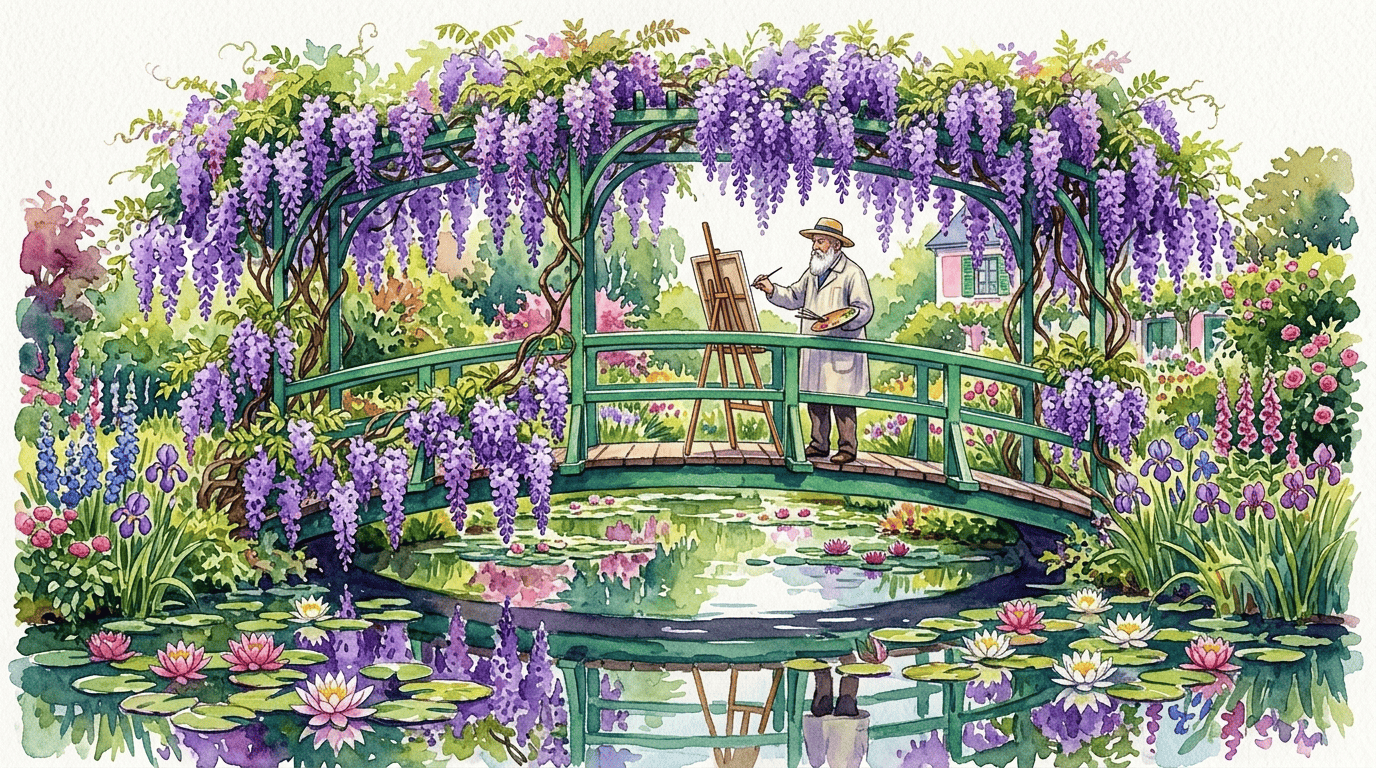
The Victorian and Edwardian horticultural fashion for elaborate wisteria pergolas and trained tree-form standards defined the species' cultural place in Western garden history — Monet's wisteria-draped Japanese bridge at Giverny (painted from 1899) is the most iconic image. Counter-clockwise twining distinguishes W. sinensis from the clockwise-twining W. floribunda (Japanese wisteria).
In the 20th century the species became a serious invasive in the southeastern United States, where it escapes cultivation and smothers native forest canopy — state and federal invasive weed listings now apply in multiple states. Native alternatives Wisteria frutescens and W. macrostachya are increasingly recommended. The plant is long-lived — many Japanese and English specimens are over 200 years old.
Symbolism & meaning
What It Symbolizes
Chinese Wisteria embodies devotion, its long-lived clinging growth representing steadfast love and the kind of attachment that does not let go across decades. Specimens living for centuries give it a second meaning of immortality, an endurance that exceeds any single human lifetime. Its gnarled old vines bearing exquisite cascades of flower also speak to beauty in age, the grace that arrives only with weathered wood. It is often read as a flower of long marriage.
- Devotion — its long-lived, clinging growth represents steadfast love and attachment
- Immortality — specimens living for centuries symbolize endurance beyond a single lifetime
- Beauty in Age — gnarled old vines with exquisite flowers represent grace in aging
Where the Name Comes From
'Wisteria' named (with a spelling change) after Caspar Wistar (1761–1818), American anatomist and physician. 'Sinensis' means 'from China.'
Uses & Fun Facts
- Cascading racemes release sweet vanilla-grape perfume
- Vigorous woody vine for sturdy pergolas and arbors
- Trained pergolas create deep dappled shade structures
- Spectacular violet-blue flower curtains drape spring pergolas
Related plants
More Wisteria plants

Plants with similar care
 Mexican AbeliaAbelia floribunda
 Fraser FirAbies fraseri
 Paperbark MapleAcer griseum
 Sugar MapleAcer saccharum
Frequently asked questions
How often should I water Chinese Wisteria?
In summer, water about every 4 days; in winter, about every 30 days. Adjust for heat, pot size and drainage.
How much light does Chinese Wisteria need?
Full sun: 6+ hrs direct. Watch the leaves — scorching or stretching means the light needs adjusting.
Is Chinese Wisteria toxic to cats or dogs?
Pets Moderate (Dogs Moderate · Cats Moderate) Educational information, not medical or veterinary advice. If exposure is suspected, contact a doctor or veterinarian.
Is Chinese Wisteria easy to grow?
It is moderately demanding: a good choice once you have a little experience.
When does Chinese Wisteria bloom?
It typically blooms Apr–May in the Northern Hemisphere.
YardMate
Identify any plant in seconds
Snap a photo — YardMate names the plant, diagnoses problems, and reminds you when to water.
Download on the App Store