 YardMate
Weak-leaf Yucca
Yucca flaccida
Hard · Experienced growersAbout Weak-leaf Yucca
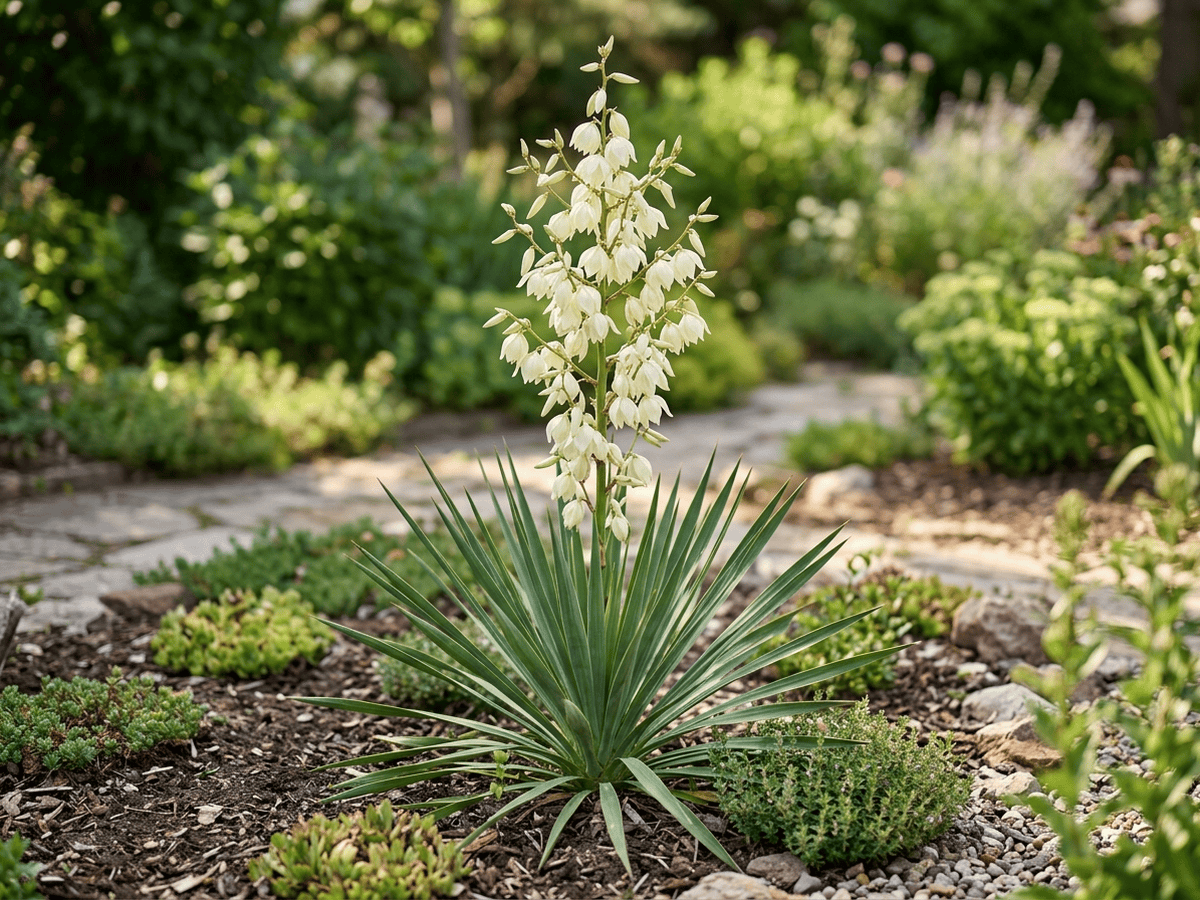
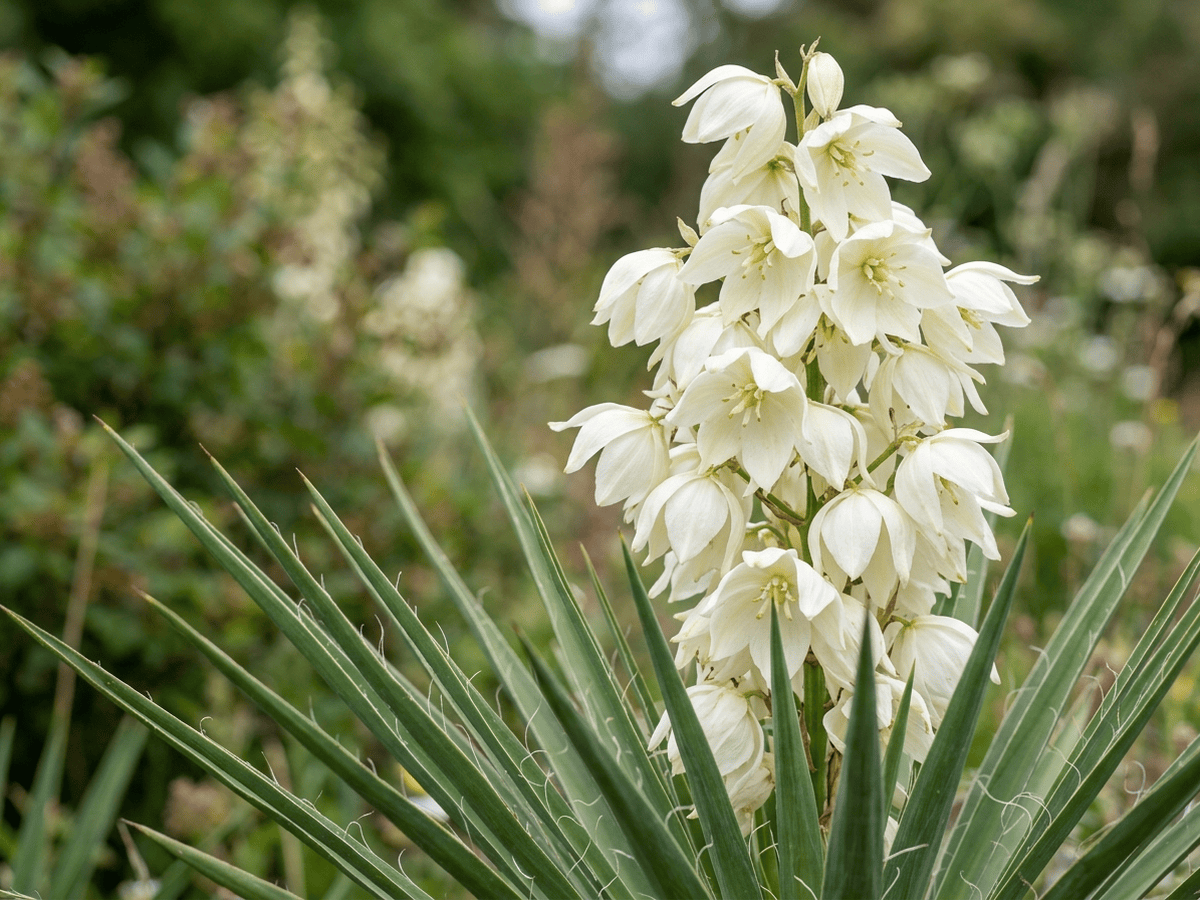
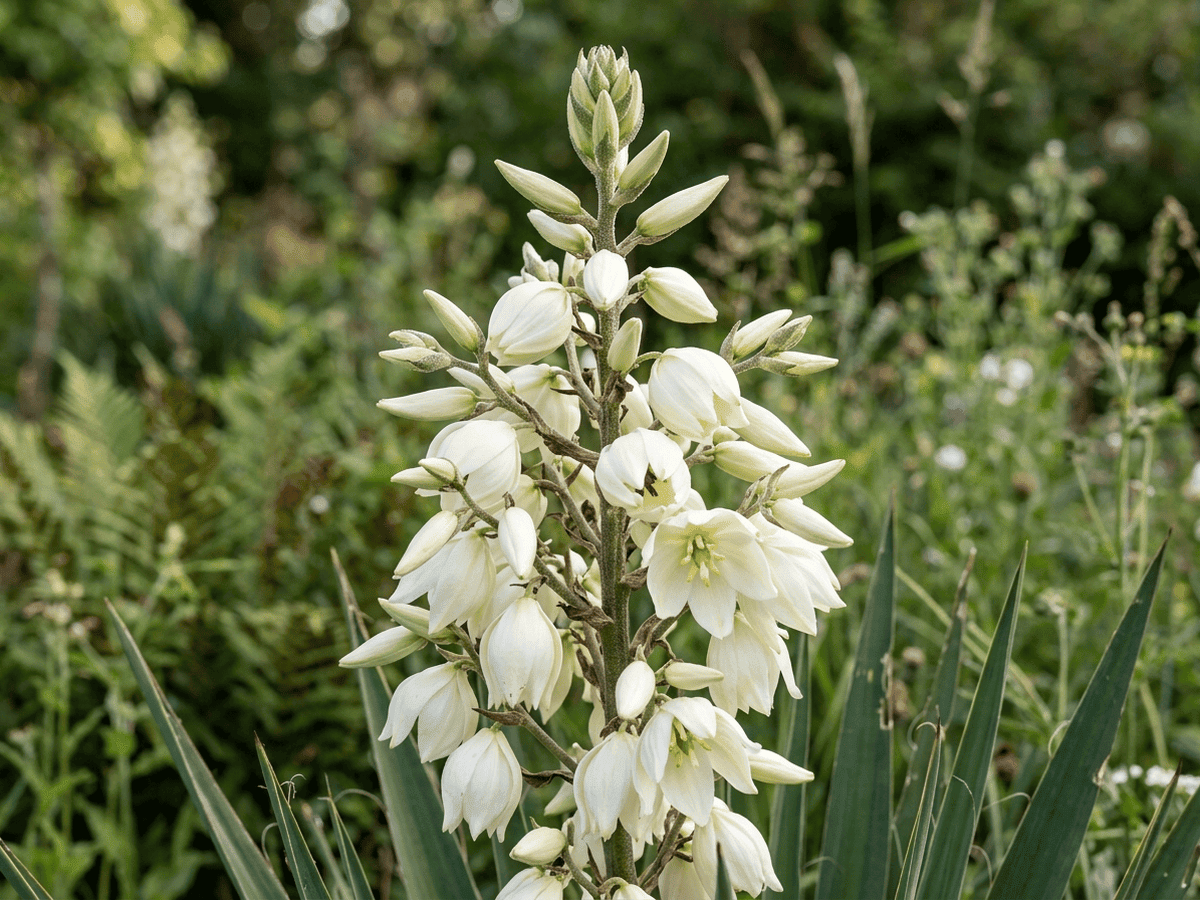
Weakleaf yucca is a low, clump-forming evergreen native to the dry, sandy soils and open woodlands of the southeastern United States. Rosettes of stiff, blue-green, sword-shaped leaves droop softly at their tips — the trait that gives the species its name — and carry pale, curling threads that fray from the leaf margins. In early summer, tall flower spikes rise well above the foliage, carrying nodding clusters of creamy white, bell-shaped blooms that open at dusk for night-flying moths. By autumn, the spent flower stalks bear dry, three-chambered seed capsules that persist into winter. Compact and drought-tolerant, rarely exceeding three feet tall, it thrives in full sun and sharply drained soil, making it a reliable choice for rock gardens, dry slopes, and xeriscape borders.
- Drought-tolerant
- Evergreen
- Cold-hardy
- Compact
- Showy-fruit
How to care for Weak-leaf Yucca
Watering
- Springevery 14 days
- Summerevery 7 days
- Fallevery 30 days
- Winterpause watering
Soil · Fast-draining
- Main mixSand + pumice + soil 1:1:150%
- DrainagePumice / gravel50%
Keep grit at half the mix or more — this soil is meant to dry out fast.
FERTILIZER
- Springevery 30 days
- Summerevery 30 days
- Fallevery 30 days
At a Glance
- NativeNorth America
- Height1.5–3 ft (0.5–0.9 m)
- Spread3–4 ft (0.9–1.2 m)
- Flower colorWhite
- Foliage colorGreen
- Fruit colorBrown
- SoilWell-drained, Loamy, Sandy
- LocationsYard · Patio
Bloom time
BLOOM CYCLE
Peak bloom
Jun–Aug
Flowers appear in summer, rising above the foliage, with creamy white blooms.
Fragrance
LIGHT FRAGRANCE
The nodding white flowers release a faint, sweet scent at dusk to draw in night-flying yucca moths.
Toxicity
Humans Slight · Pets Moderate
steroidal saponins
Slight
- Leaf
- Sap
- Ingestion
- Contact
EXPOSURE Eating leaves and sap. Touching leaves and sap.
EFFECT Mild stomach upset if ingested in large amounts and skin or eye irritation from contact with sap.
NOTE Contains steroidal saponins; ingestion of leaves or root can cause gastrointestinal upset in pets, and sap may mildly irritate skin or eyes.
Moderate
- Leaf
- Root
- Fruit
- Ingestion
EXPOSURE Eating leaves, roots, and fruit.
EFFECT Vomiting, diarrhea, depression, and excess salivation.
NOTE Contains steroidal saponins; ingestion of leaves or root can cause gastrointestinal upset in pets, and sap may mildly irritate skin or eyes.
Moderate
- Leaf
- Root
- Fruit
- Ingestion
EXPOSURE Eating leaves, roots, and fruit.
EFFECT Vomiting, diarrhea, and loss of appetite.
NOTE Contains steroidal saponins; ingestion of leaves or root can cause gastrointestinal upset in pets, and sap may mildly irritate skin or eyes.
Educational information, not medical or veterinary advice. If exposure is suspected, contact a doctor or veterinarian.
DISTRIBUTION


- Native
- Introduced
- North America
History
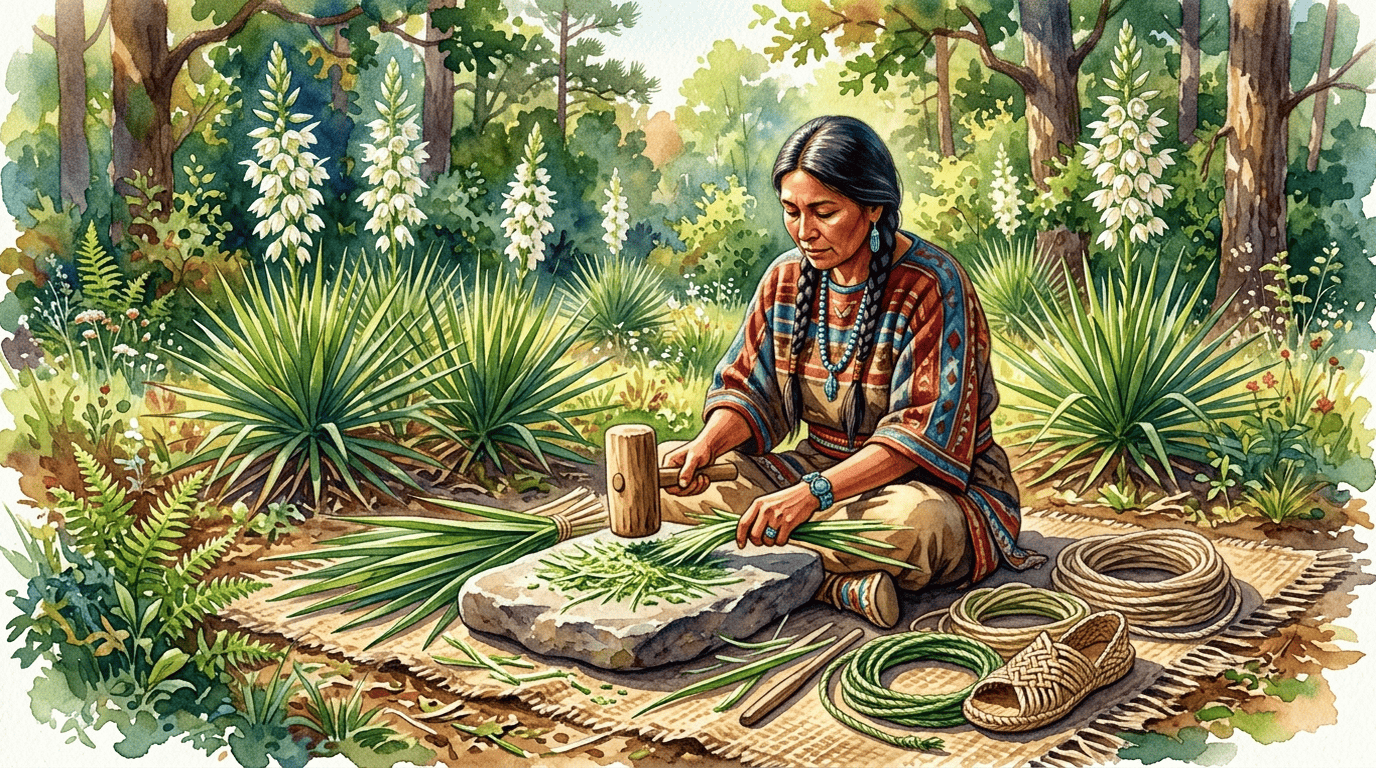
For generations, Native peoples across the southeastern United States turned to weakleaf yucca as a working plant rather than an ornamental one. Its long, fibrous leaves were harvested, pounded, and stripped of their green pulp to expose tough, silky fibers that could be twisted into strong cordage, woven into mats and baskets, or plaited into sandals sturdy enough for rocky ground. Because the fiber resisted rot and held a knot well, it was prized for bowstrings, fishing lines, and net-making. Just as important was the plant's root, which is rich in natural saponins: pounded and agitated in water, it produces a foamy, soap-like lather that was used to wash hair, clean woven textiles, and prepare ceremonial regalia, giving the plant one of its enduring folk names, 'soapweed.' The species also depends on an equally dedicated partner for its own survival: female yucca moths deliberately gather pollen into a ball, carry it to another flower, and pack it onto the stigma before laying their eggs inside the developing seed pod — a precise, mutual exchange in which the moth's larvae eat only a portion of the seeds, leaving enough behind for the plant to reproduce. Neither species can complete its life cycle without the other, making weakleaf yucca one of the clearest living examples of coevolution in the North American flora.
Symbolism & meaning
What It Symbolizes
Armed with stiff, pointed leaves yet generous with fiber, rope, and soap, weakleaf yucca has come to embody both protection and resourcefulness — a plant that defends its ground while quietly supplying the raw materials for daily life. Its intimate, one-to-one partnership with the yucca moth adds a further layer of meaning: a reminder that even the toughest-looking survivor depends on cooperation to endure.
- Protection — Its rigid, spine-tipped leaves made yucca a natural symbol of protection and defense in southeastern folklore and garden tradition alike.
- Resourcefulness — As a plant that provided cordage, sandals, and soap from a single set of leaves and roots, it has long stood for resourcefulness and self-sufficiency.
Where the Name Comes From
The genus name Yucca comes from the Taíno word for cassava, a different and unrelated plant, mistakenly applied to this group by early European botanists; the species name flaccida is Latin for 'flabby' or 'drooping,' referring to its leaf tips, which bend downward unlike the stiffly upright leaves of closely related yuccas.
Uses & Fun Facts
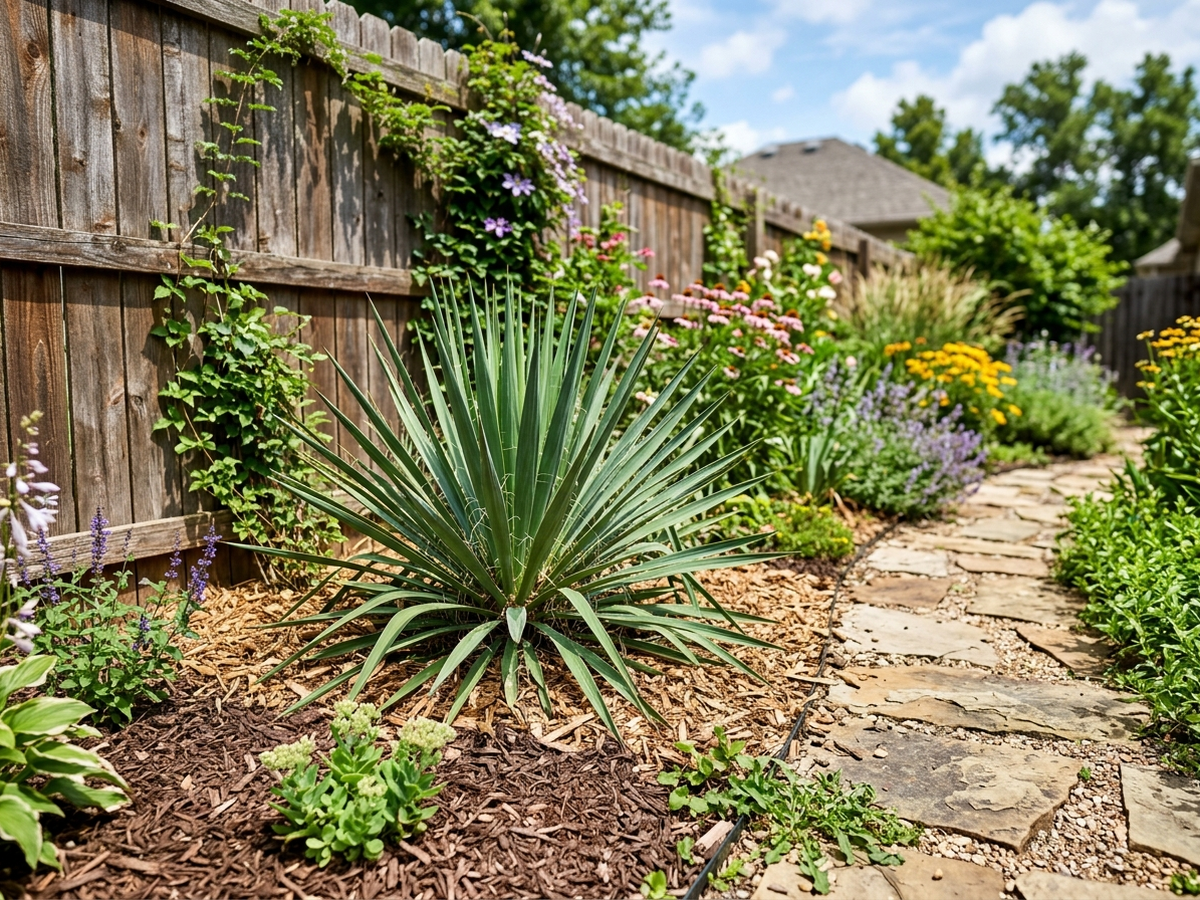
- A dependable architectural accent for rock gardens, dry borders, and xeriscape plantings, valued for its evergreen rosettes and tall summer flower spikes.
- Its tough leaf fibers were traditionally stripped, twisted, and woven into cordage, mats, and sandals by southeastern Native peoples.
- Night-blooming flowers are pollinated almost exclusively by yucca moths in one of nature's most precise plant-insect partnerships.
Related plants
More Yucca plants
Plants with similar care
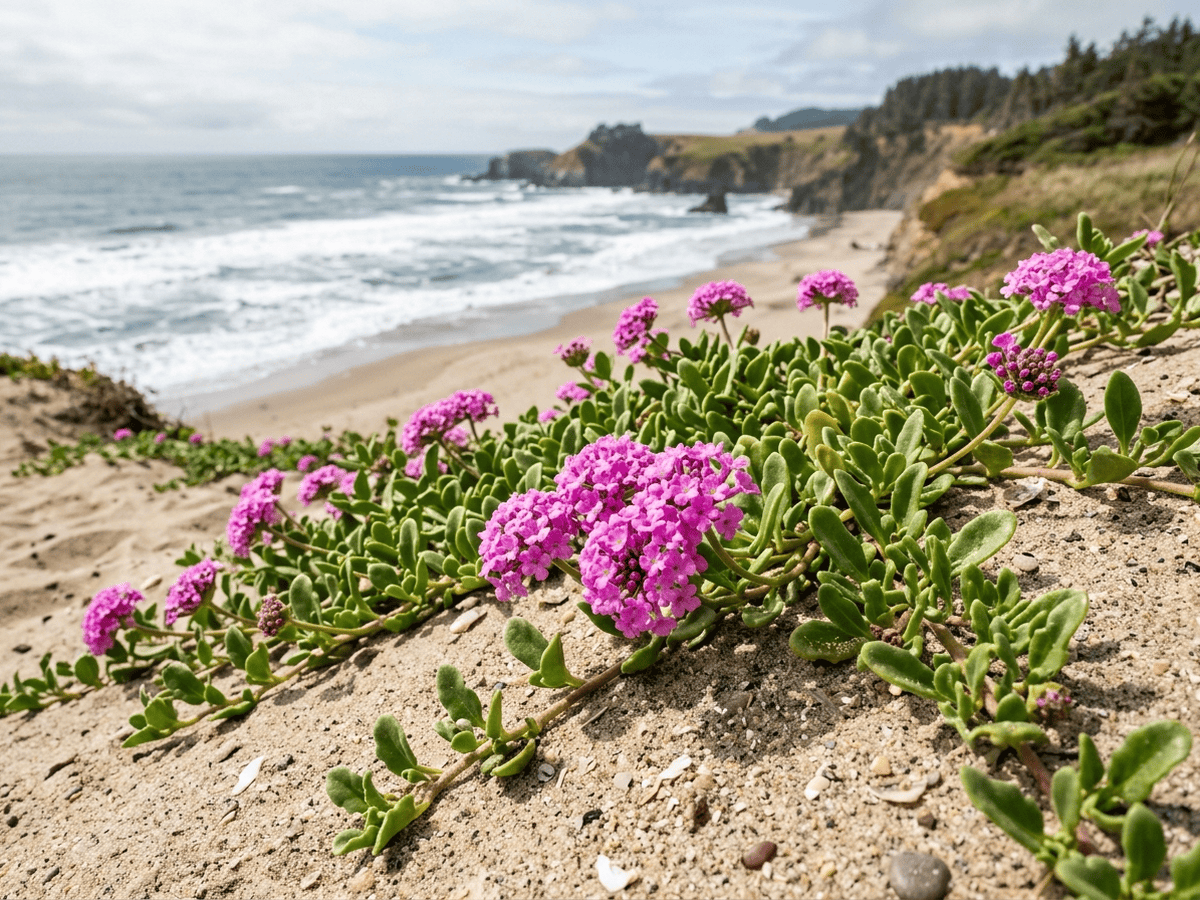 Pink Sand VerbenaAbronia umbellata
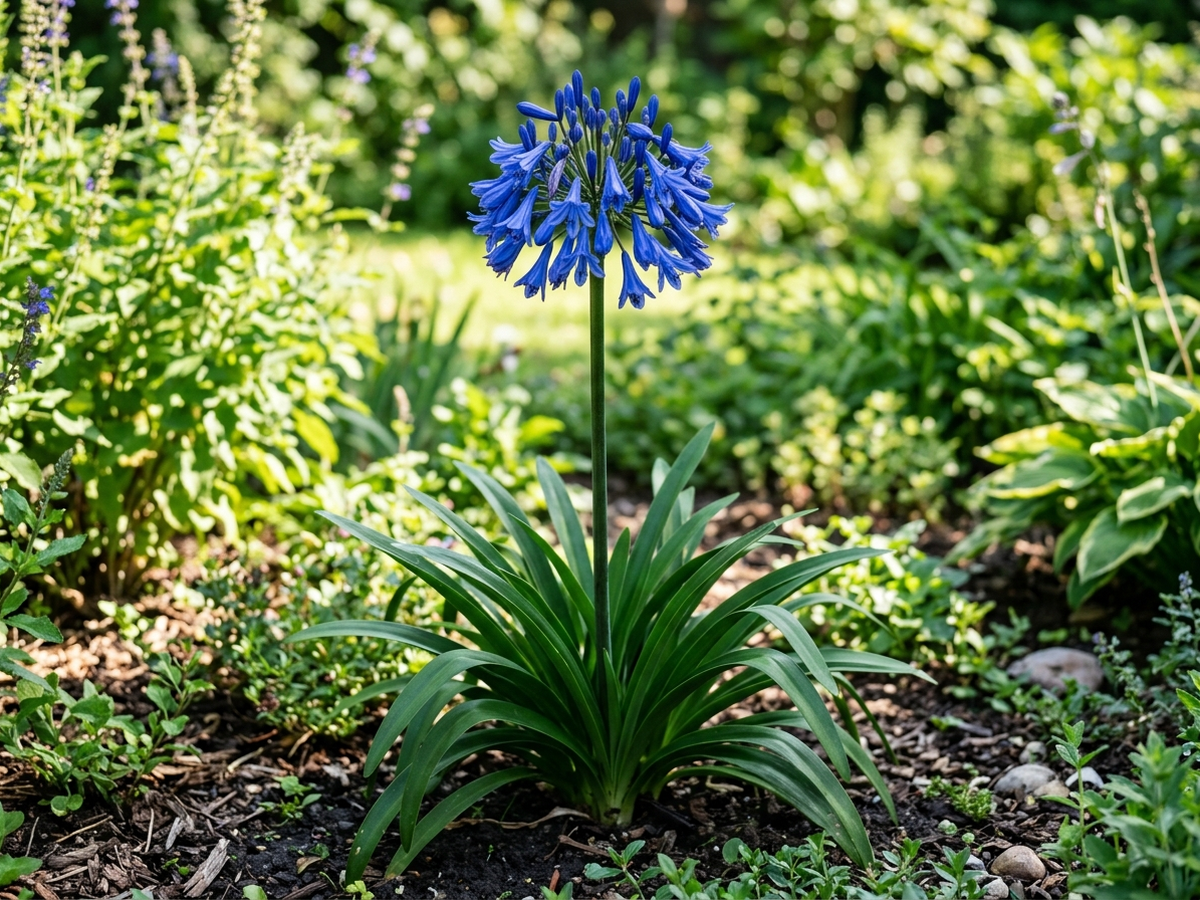 Drooping AgapanthusAgapanthus inapertus
 Tall Kangaroo PawAnigozanthos flavidus
 Narrowleaf MilkweedAsclepias fascicularis
Frequently asked questions
How often should I water Weak-leaf Yucca?
Water about every 14 days during the growing season, and always let excess water drain away.
How much light does Weak-leaf Yucca need?
Full sun: 6+ hrs direct. Watch the leaves — scorching or stretching means the light needs adjusting.
Is Weak-leaf Yucca toxic to cats or dogs?
Pets Moderate (Dogs Moderate · Cats Moderate) Educational information, not medical or veterinary advice. If exposure is suspected, contact a doctor or veterinarian.
Is Weak-leaf Yucca easy to grow?
It is considered challenging and rewards experienced growers.
When does Weak-leaf Yucca bloom?
It typically blooms Jun–Aug in the Northern Hemisphere.
YardMate
Identify any plant in seconds
Snap a photo — YardMate names the plant, diagnoses problems, and reminds you when to water.
Download on the App Store