 YardMate


White Fir
Abies concolor
Easy · Beginner friendlyAbout White Fir
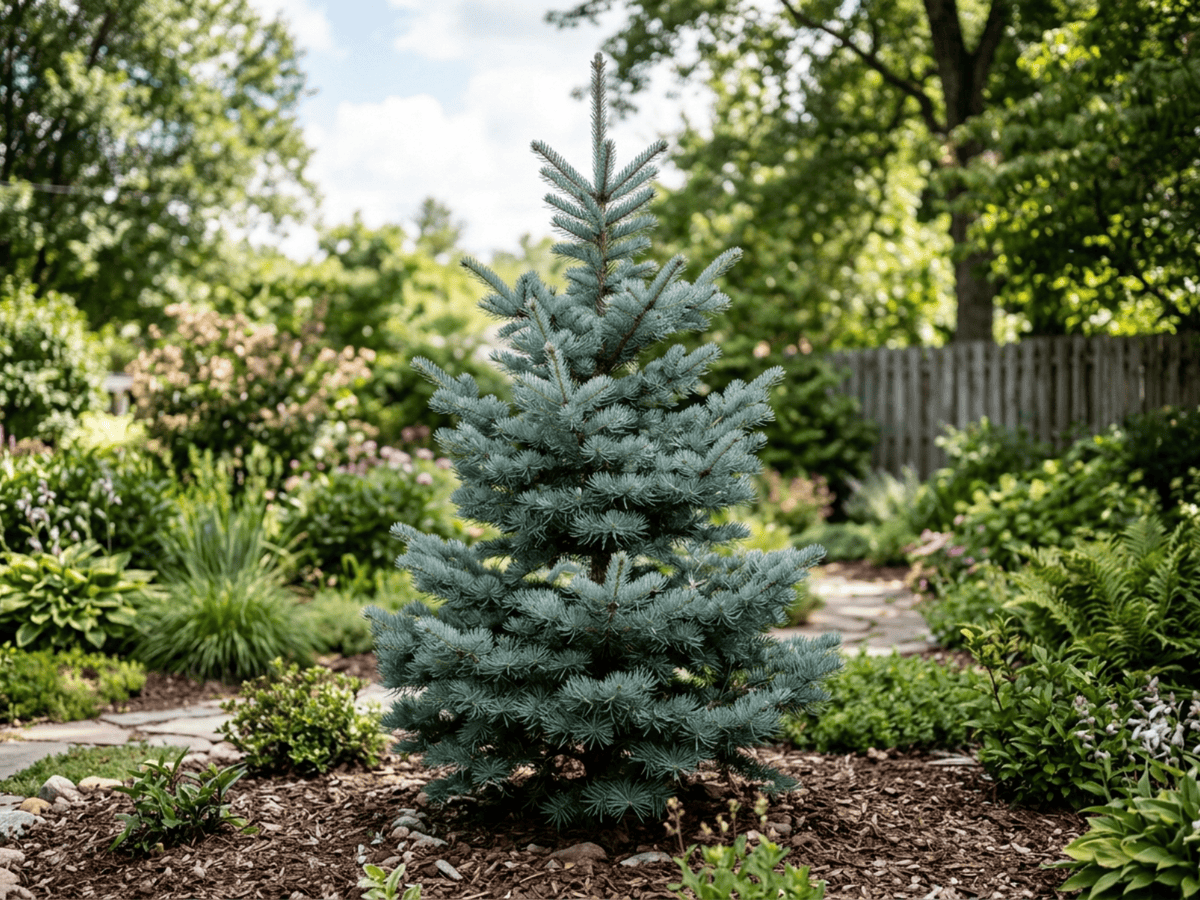
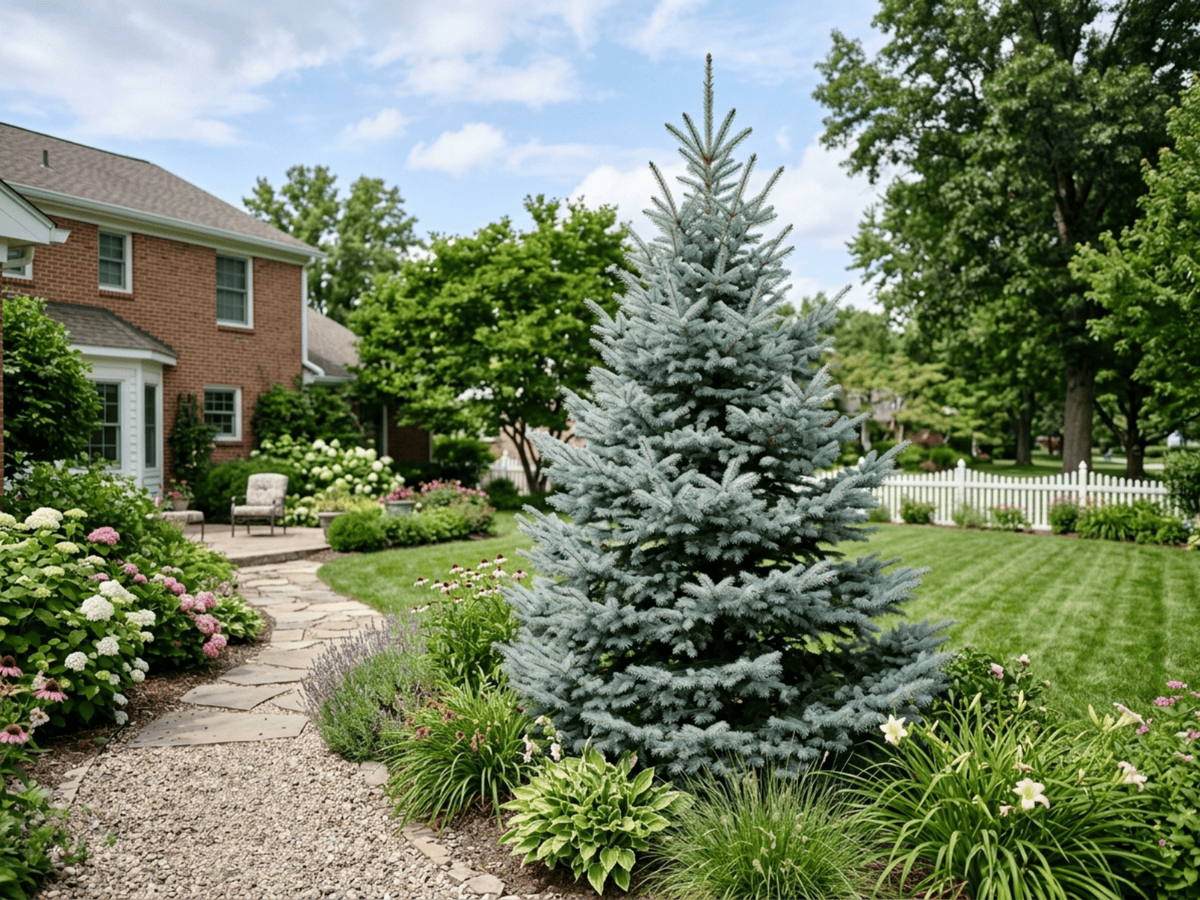
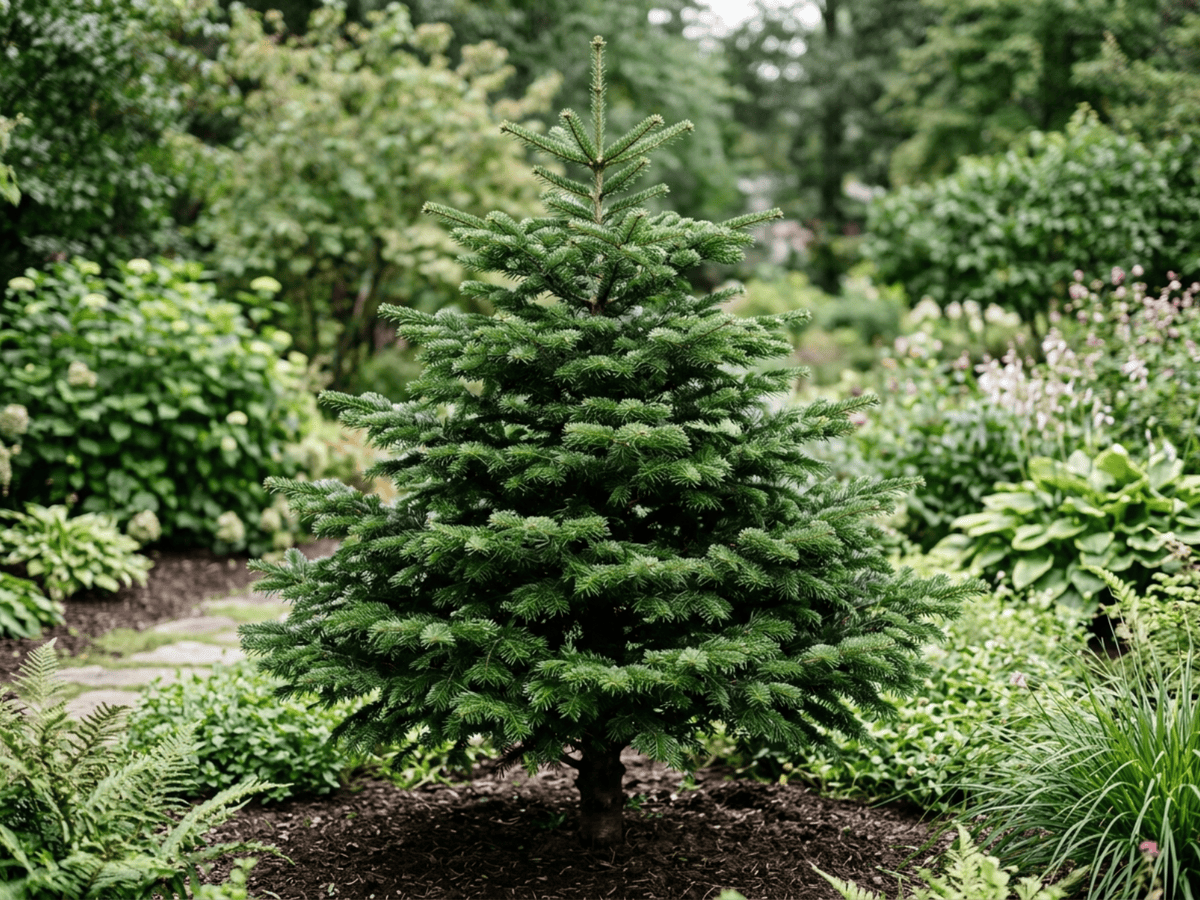
White Fir is a graceful conifer native to the mountains of the western US from Oregon and California to Colorado and New Mexico, reaching 50-80 feet in cultivation. Long, soft, flat, blue-gray needles give a distinctive appearance unmatched among firs. Tolerates heat, drought, and urban conditions better than most firs, making it one of the most successful native conifers for US gardens outside its range.
- Drought-tolerant
- Cold-hardy
- Evergreen
- Native
How to care for White Fir
Watering
- Springevery 14 days
- Summerevery 10 days
- Fallevery 14 days
- Winterevery 30 days
Soil · Well-draining
- Top dressingPine bark mulch10%
- Main mixPotting soil + perlite 2:170%
- DrainageLECA / gravel20%
Never skip the drainage layer — standing water is the top cause of root rot.
FERTILIZER
Balanced Feed 14-14-14
An even feed covers all three needs at once, keeping leaves, roots and blooms moving together with nothing pushed out of balance.
- Nitrogen · Leaves
- Phosphorus · Roots + Blooms
- Potassium · Strength
- Springevery 60 days
At a Glance
- NativeNorth America
- Height50–80 ft (15.2–24.4 m)
- Spread15–30 ft (4.6–9.1 m)
- Foliage colorBlue-green, Silver, Green
- Fruit colorGreen, Purple
- SoilWell-drained, Loamy, Acidic
- LocationsYard
Fragrance
MODERATE FRAGRANCE
Fresh citrus-resin scent when needles are crushed.
Toxicity
No toxicity has been reported for this plant. Still, it is wise to keep pets from chewing on any houseplant.
Educational information, not medical or veterinary advice. If exposure is suspected, contact a doctor or veterinarian.
DISTRIBUTION


- Native
- Introduced
- North America
History
Abies concolor occurs naturally across the mountains of western North America from southern Oregon and Idaho through California, Nevada, Utah, Colorado, Arizona, New Mexico, and into northern Mexico, typically between 900 and 3400 meters. British horticulturist George Gordon described the species in 1858 from material collected in California, the epithet concolor meaning same-color referring to the nearly identical blue-green color of both needle surfaces—a useful distinguishing feature. Two geographic varieties are recognized: the coastal/Sierran var. lowiana with longer narrower needles and the Rocky Mountain var. concolor with shorter, bluer, more upswept needles; taxonomists increasingly treat lowiana as a separate species.
Resin blisters on smooth gray young bark were tapped by indigenous peoples and early pharmacists as Canada balsam substitute. The species has proven remarkably heat- and drought-tolerant compared with other firs and has become popular in Eastern US and European gardens where most firs struggle. Popular blue cultivars include 'Candicans' and 'Violacea'.
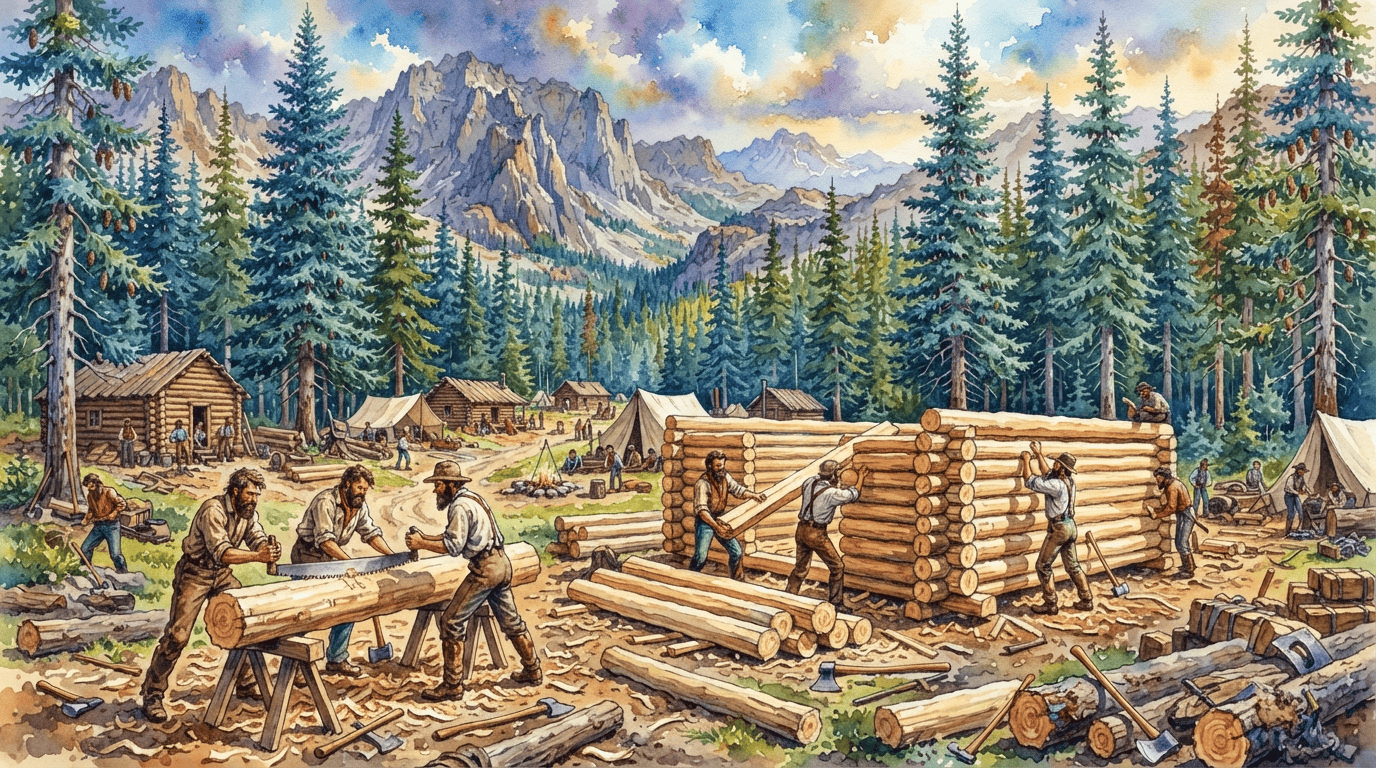
It is widely grown as a premium Christmas tree. A premier Christmas tree in the western US due to excellent needle retention and pleasant citrus fragrance. The cultivar 'Candicans' has exceptionally blue needles. White fir in the Sierra Nevada was a key building timber for California mining camps and early railroads.
Symbolism & meaning
What It Symbolizes
The Balsam Fir evokes elevation — not ambition, but the quiet act of rising. Thriving where mountain air thins and stones outnumber soil, it carries the soft blue-gray of high serenity in every needle. To stand near one is to feel altitude as a state of mind, a calm earned by reaching upward without hurry.
- Elevation — thrives at mountain altitudes
- Serenity — soft blue-gray foliage
Where the Name Comes From
'Abies' is Latin for fir; 'concolor' means 'uniform color' referring to both needle surfaces being similarly pale.
Uses & Fun Facts
- Stately blue-gray conifer focal point in large landscapes
- Soft silvery needles brighten evergreen plantings year-round
- Popular Christmas tree with excellent needle retention
- Dense branches shelter songbirds and small mammals
Related plants
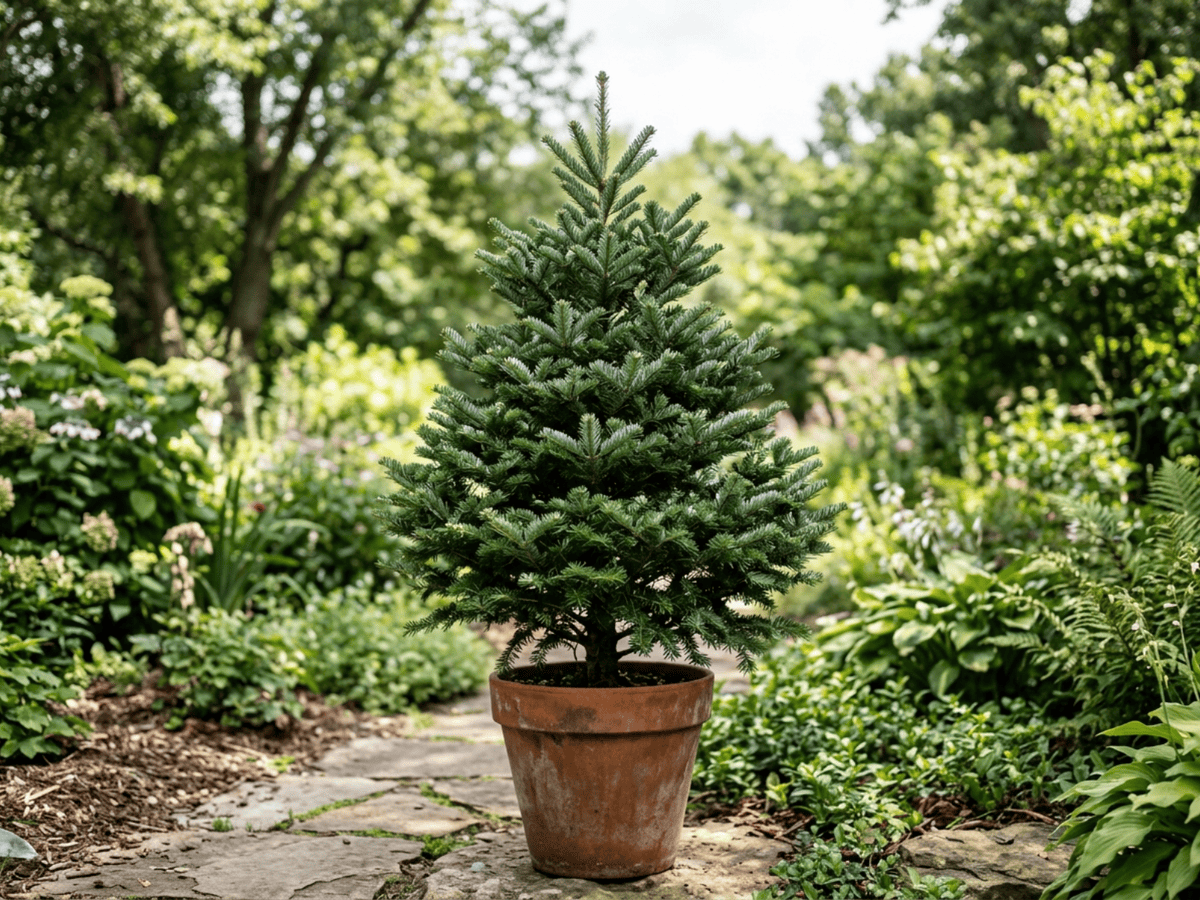
More Abies plants
Plants with similar care
 Chinese AbeliaAbelia chinensis
 Fragrant AbeliaAbelia mosanensis
 Large-Flowered AbeliaAbelia uniflora
 Glossy AbeliaAbelia x grandiflora
Frequently asked questions
How often should I water White Fir?
In summer, water about every 10 days; in winter, about every 30 days. Adjust for heat, pot size and drainage.
How much light does White Fir need?
Full sun: 6+ hrs direct. Watch the leaves — scorching or stretching means the light needs adjusting.
Is White Fir toxic to cats or dogs?
No toxicity has been reported for this plant. Still, it is wise to keep pets from chewing on any houseplant. Educational information, not medical or veterinary advice. If exposure is suspected, contact a doctor or veterinarian.
Is White Fir easy to grow?
Yes — it is considered an easy, beginner-friendly plant.
YardMate
Identify any plant in seconds
Snap a photo — YardMate names the plant, diagnoses problems, and reminds you when to water.
Download on the App Store