 YardMate


Caucasian Fir
Abies nordmanniana
Easy · Beginner friendlyAbout Caucasian Fir
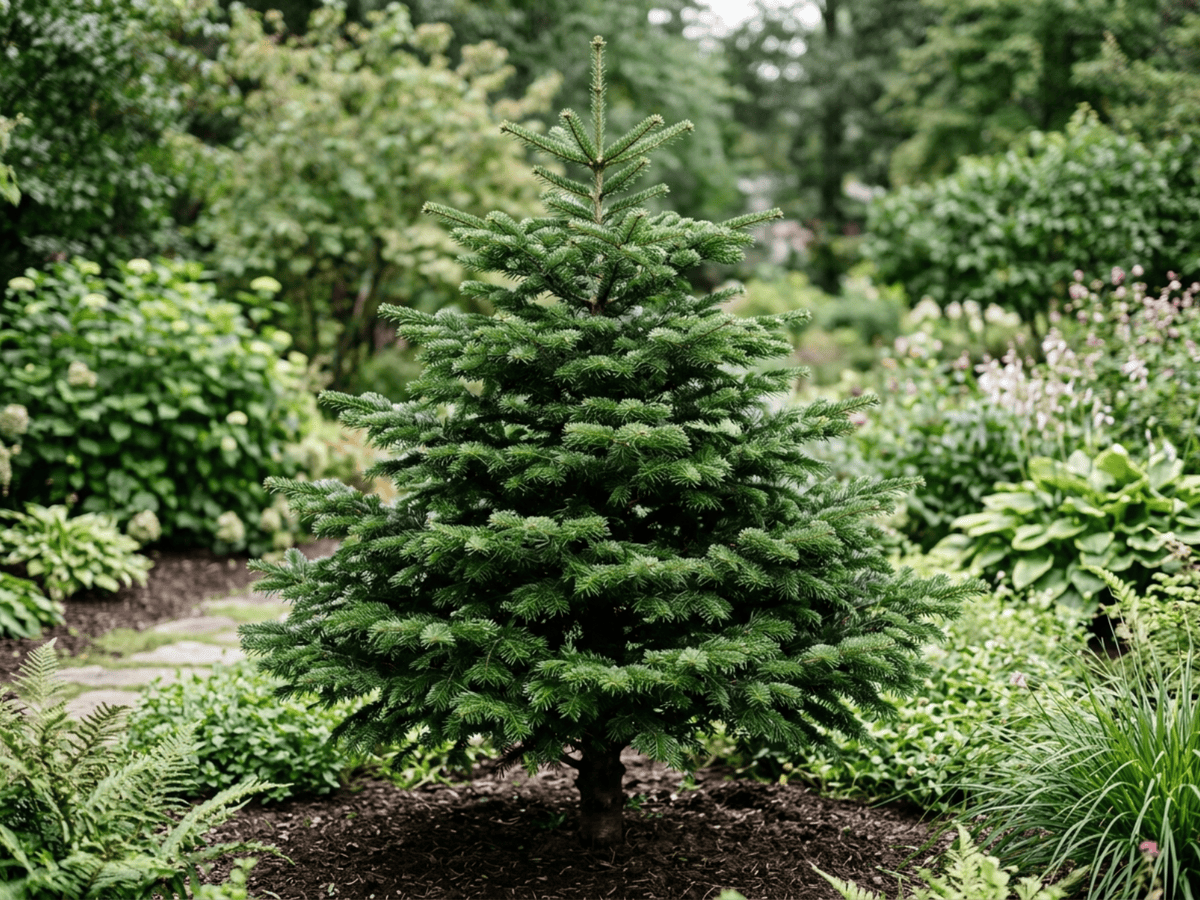
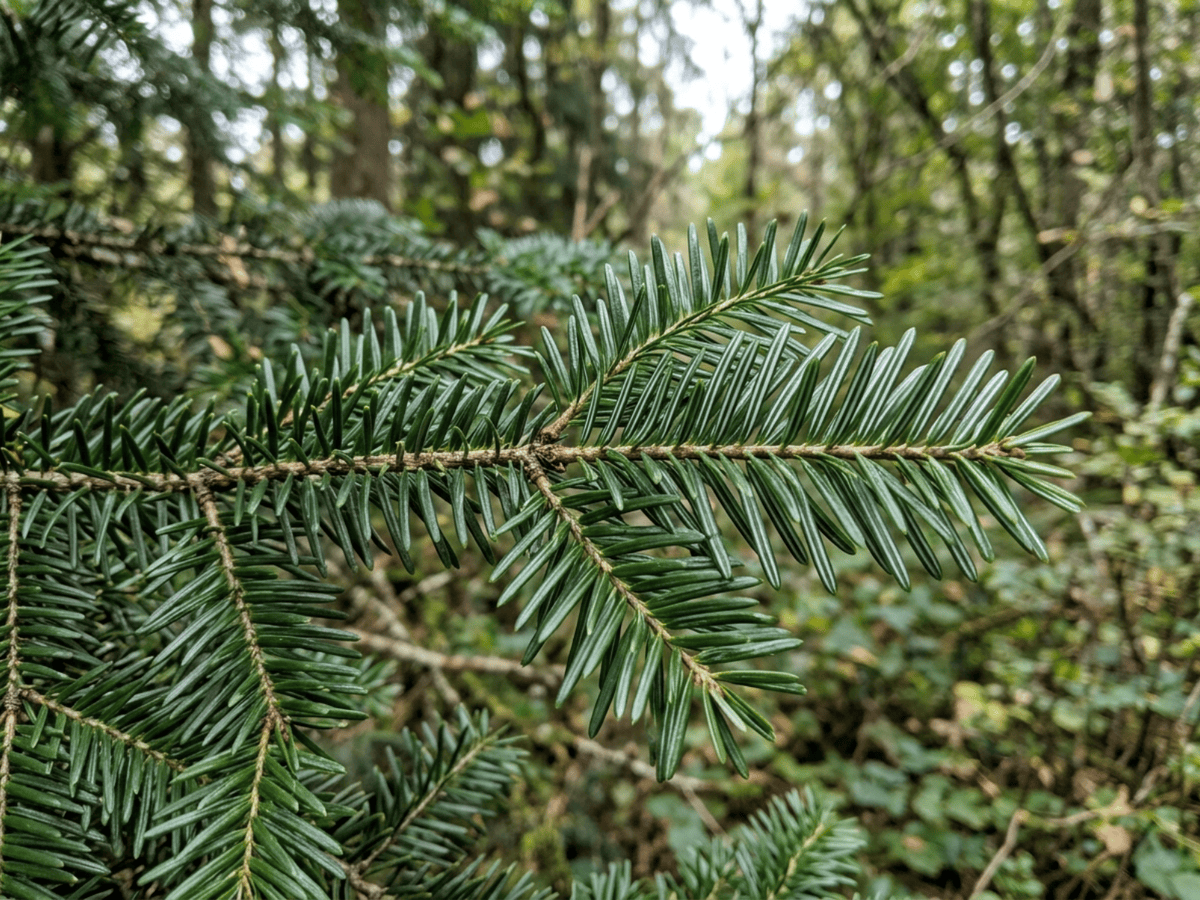
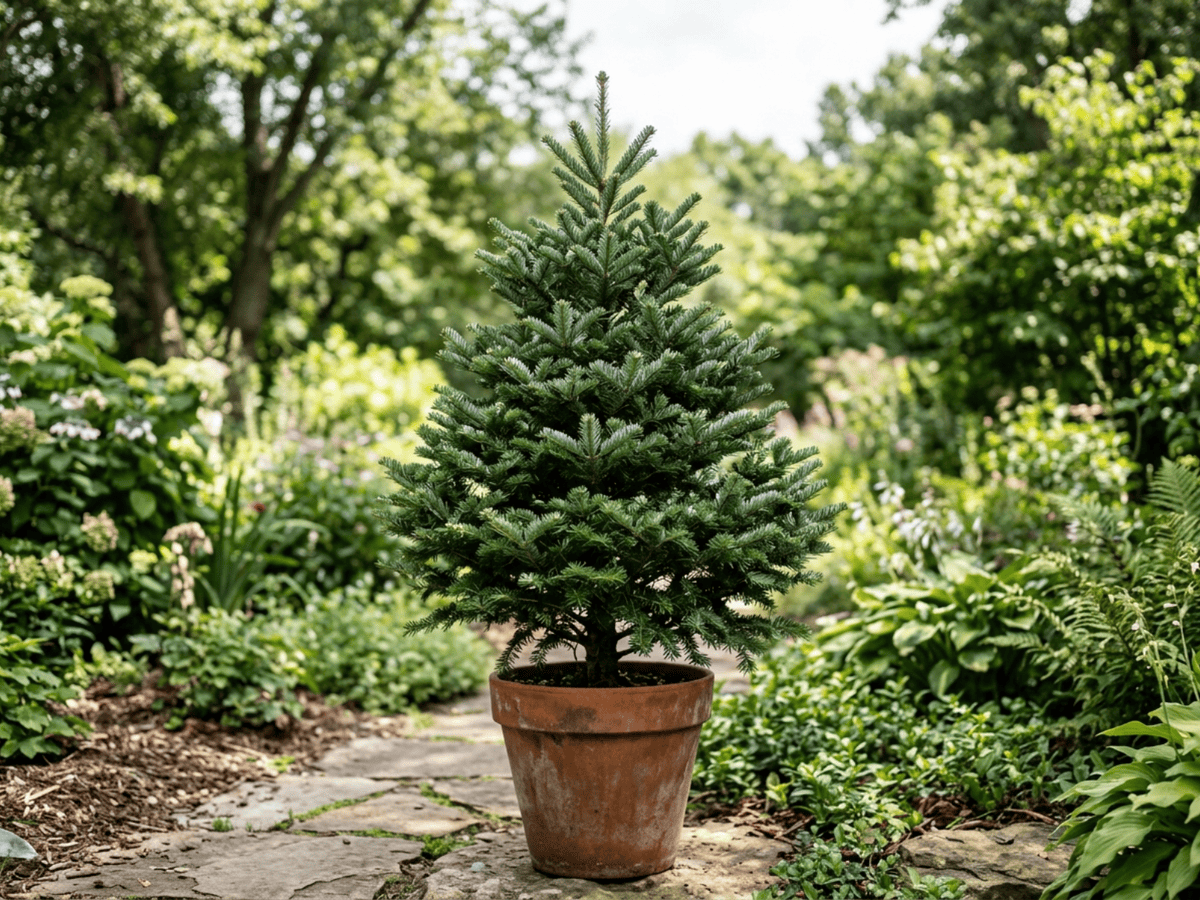
Nordmann Fir is a majestic conifer native to the Caucasus Mountains and northeastern Turkey, reaching 50-80 feet in cultivation. Lustrous dark green needles, excellent needle retention, and perfectly symmetrical form make it the dominant Christmas tree of Europe. In US gardens it offers outstanding ornamental value as a stately long-lived specimen conifer with softer, denser foliage than most firs.
- Evergreen
How to care for Caucasian Fir
Watering
- Springevery 14 days
- Summerevery 10 days
- Fallevery 14 days
- Winterevery 30 days
Soil · Well-draining
- Top dressingPine bark mulch10%
- Main mixPotting soil + perlite 2:170%
- DrainageLECA / gravel20%
Never skip the drainage layer — standing water is the top cause of root rot.
FERTILIZER
Balanced Feed 14-14-14
An even feed covers all three needs at once, keeping leaves, roots and blooms moving together with nothing pushed out of balance.
- Nitrogen · Leaves
- Phosphorus · Roots + Blooms
- Potassium · Strength
- Springevery 60 days
At a Glance
- NativeWestern Asia
- Height50–80 ft (15.2–24.4 m)
- Spread20–30 ft (6.1–9.1 m)
- Foliage colorGreen, Silver
- Fruit colorPurple, Brown
- SoilLoamy, Well-drained, Acidic
- LocationsYard
Fragrance
LIGHT FRAGRANCE
Mild balsam-citrus scent, milder than Fraser fir.
Toxicity
Humans Safe · Pets Safe
None reported
Safe
EXPOSURE No exposure route is reported.
EFFECT No toxic effect is reported.
NOTE Listed as non-toxic for humans; avoid eating ornamental plants unless confirmed edible.
Safe
EXPOSURE No exposure route is reported.
EFFECT No toxic effect is reported.
NOTE Listed as non-toxic for dogs; avoid eating ornamental plants unless confirmed edible.
Safe
EXPOSURE No exposure route is reported.
EFFECT No toxic effect is reported.
NOTE Listed as non-toxic for cats; avoid eating ornamental plants unless confirmed edible.
Educational information, not medical or veterinary advice. If exposure is suspected, contact a doctor or veterinarian.
DISTRIBUTION


- Native
- Introduced
- Western Asia
History
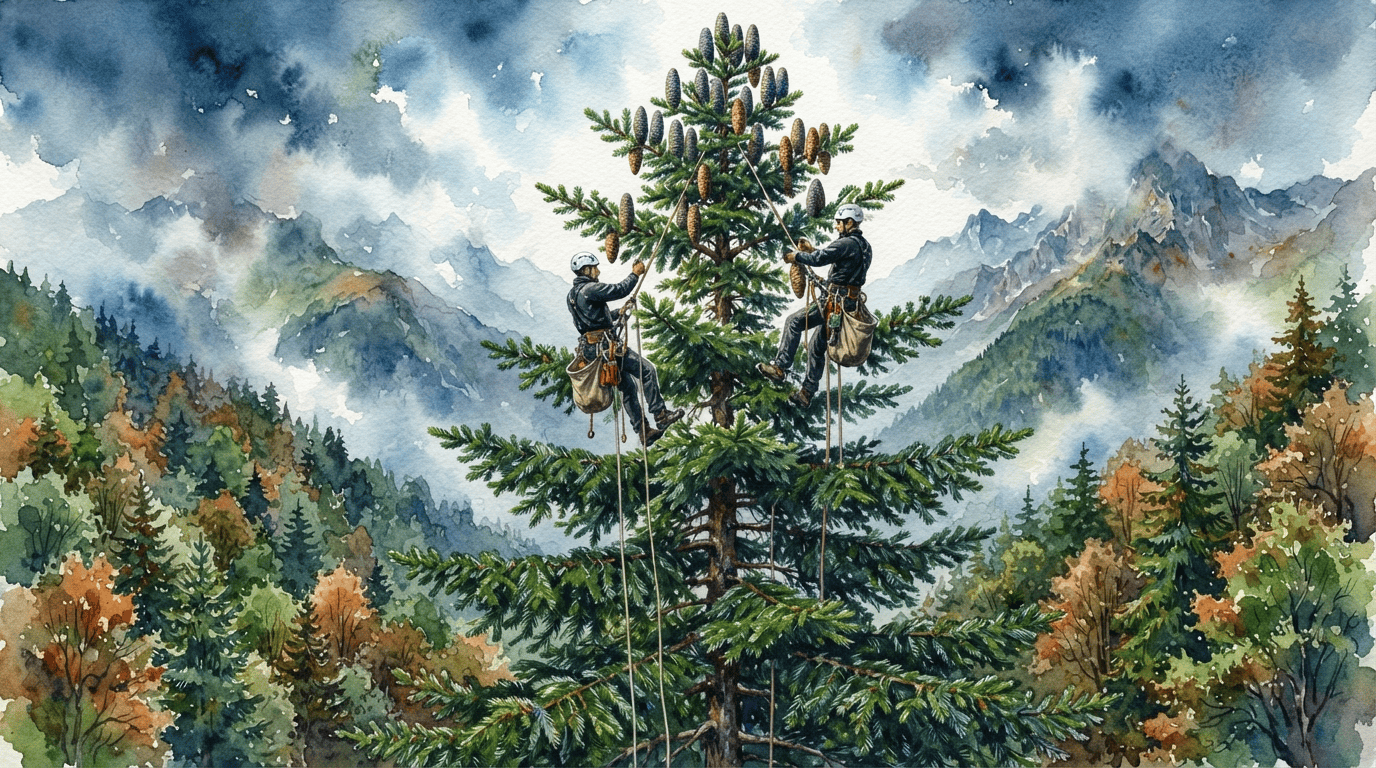
Abies nordmanniana grows naturally in the western Caucasus Mountains of Georgia, Russia, and Armenia, and in the Pontic Mountains of northeastern Turkey, typically between 1000 and 2200 meters in mixed stands with Picea orientalis. Finnish zoologist and botanist Alexander von Nordmann collected it in the 1830s while based in Odessa, and French botanist Édouard Spach formally described the species in 1841, honoring Nordmann in the epithet. The species can reach 60 meters and live over 500 years in the wild.
In cultivation since the mid-19th century, its symmetrical conical form, glossy dark green needles held densely on horizontal tiers, and silver undersides have made it prized as a specimen tree. Since the 1980s it has come to dominate the European Christmas tree market—particularly in the UK, Germany, France, and Denmark—because of its exceptional needle retention (needles hold for weeks after cutting), soft non-prickly foliage, and pleasant mild fragrance.
Much of the commercial seed originates from Georgian cone-collection operations. Dominates the Caucasian Christmas tree industry, with Georgia being the world's leading exporter of Nordmann fir seeds.
Symbolism & meaning
What It Symbolizes
The Caucasian Fir wears its meaning of stateliness in every dark-green branch, rising in flawless pyramidal symmetry like a living cathedral spire. For generations of European households, this tree has been the signature Christmas tree, carrying tradition into the heart of winter celebrations. Its needles do not drop, its silhouette does not falter, and so it has come to represent dignity that endures the longest, darkest night of the year.
- Stateliness — elegant dark-green pyramid
- Tradition — Europe's signature Christmas tree
Where the Name Comes From
The name Caucasian Fir points to the Caucasus region. Named for Alexander von Nordmann (1803-1866), Finnish biologist.
Uses & Fun Facts
- Classic Christmas tree prized for symmetry and needle retention
- Stately conical evergreen anchors large lawn settings
- Lustrous dark green needles give year-round structure
Related plants
More Abies plants
Plants with similar care
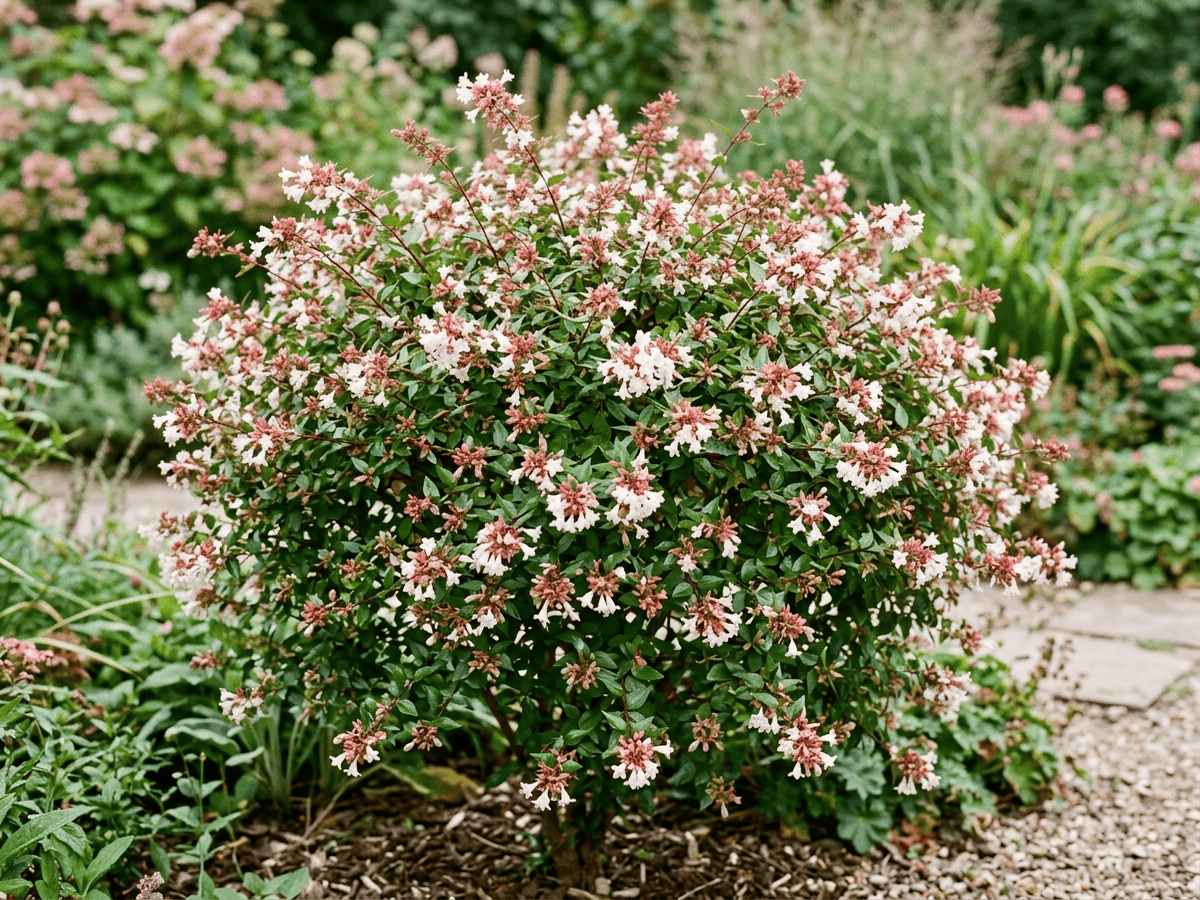 Chinese AbeliaAbelia chinensis
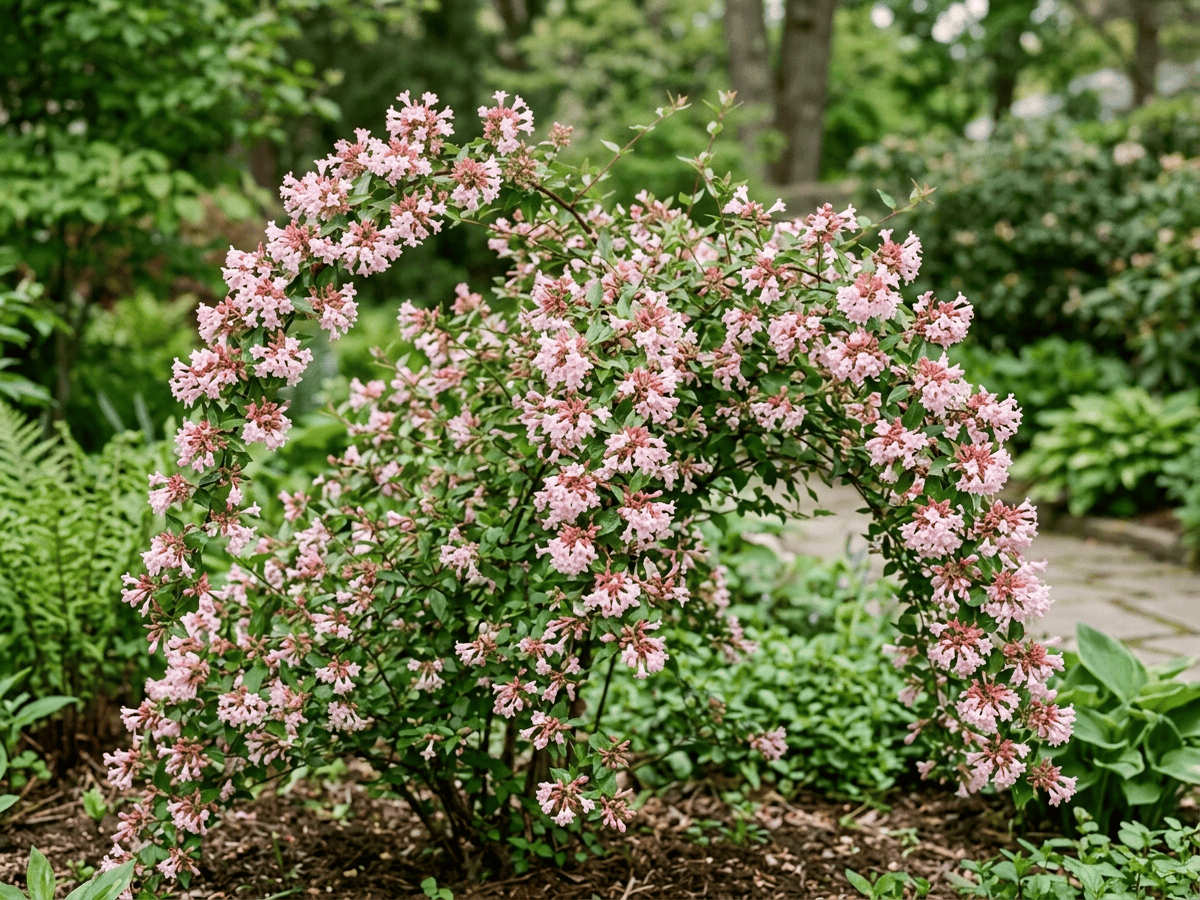 Fragrant AbeliaAbelia mosanensis
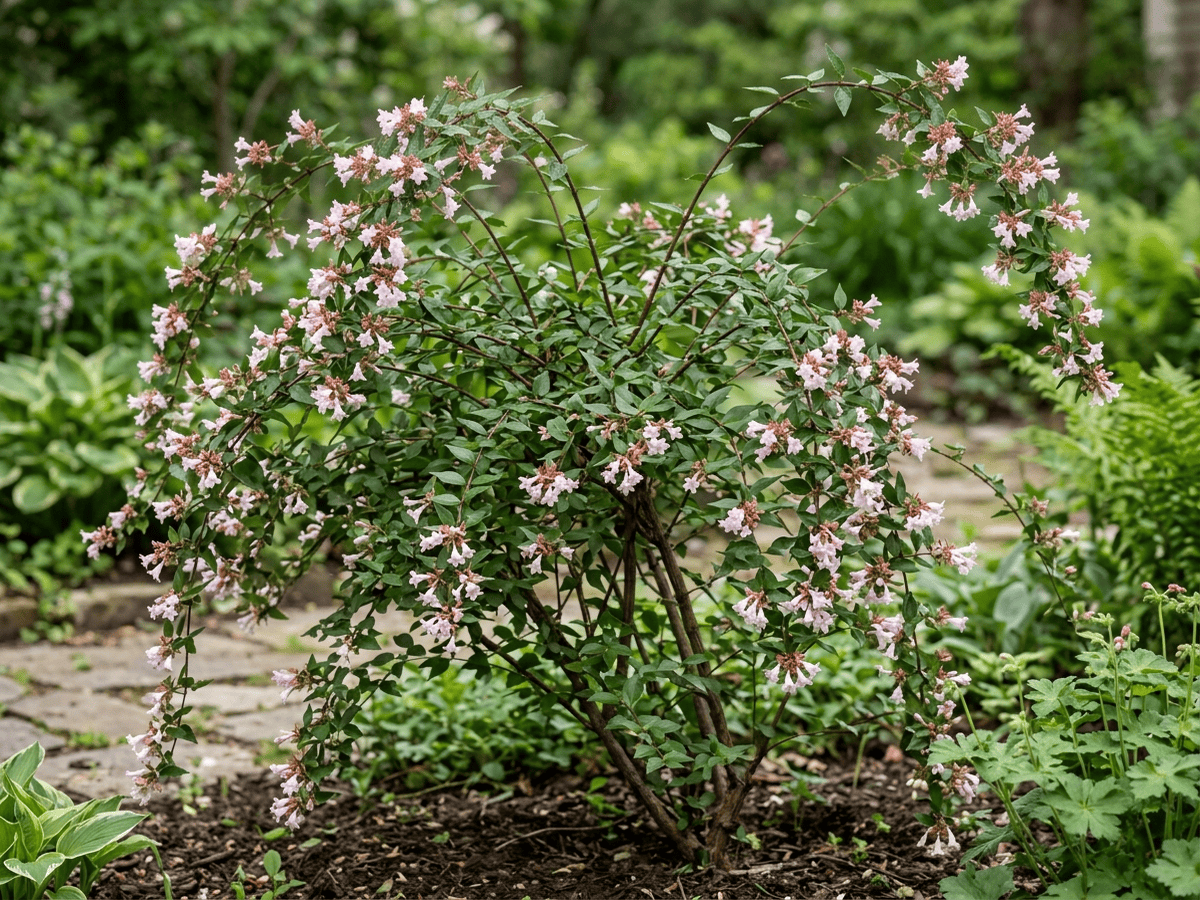 Large-Flowered AbeliaAbelia uniflora
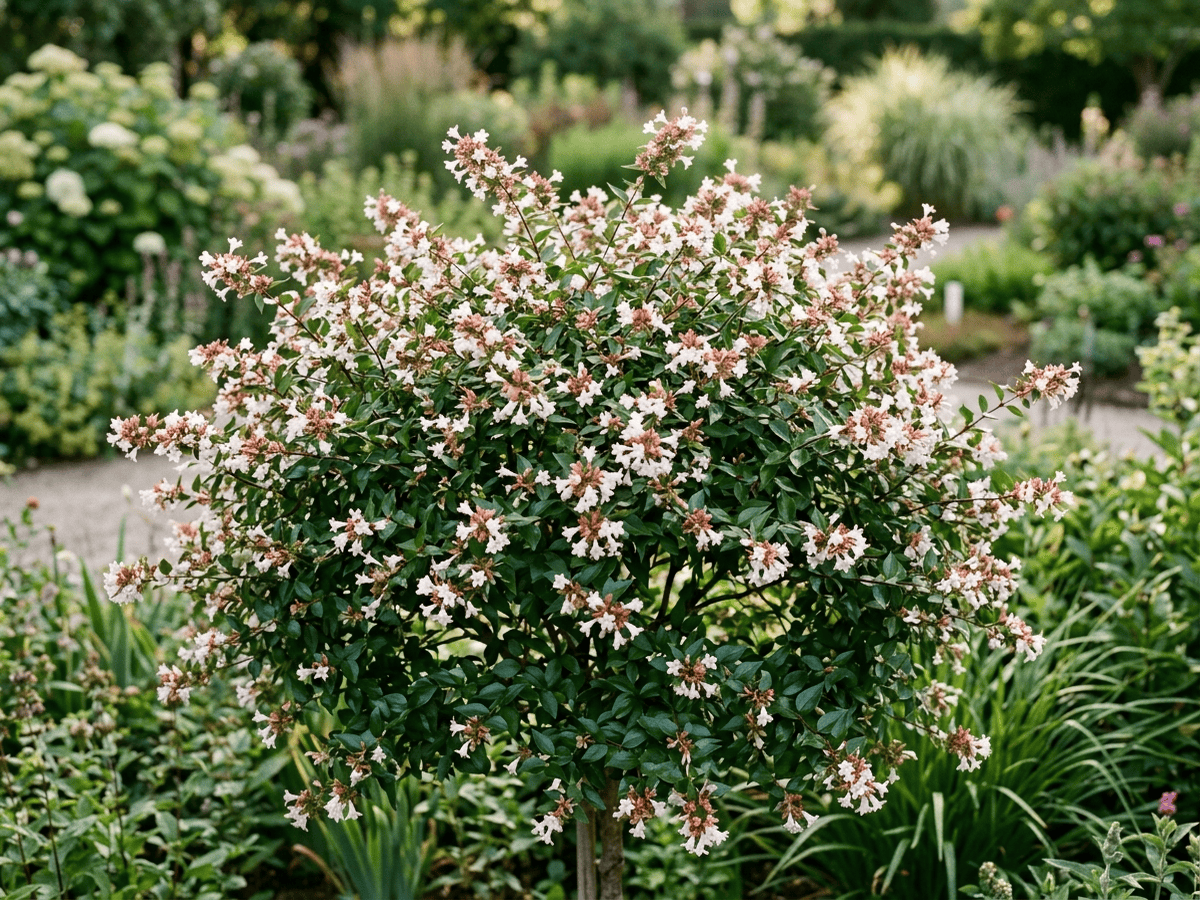 Glossy AbeliaAbelia x grandiflora
Frequently asked questions
How often should I water Caucasian Fir?
In summer, water about every 10 days; in winter, about every 30 days. Adjust for heat, pot size and drainage.
How much light does Caucasian Fir need?
Full sun: 6+ hrs direct. Watch the leaves — scorching or stretching means the light needs adjusting.
Is Caucasian Fir toxic to cats or dogs?
Pets Safe (Dogs Safe · Cats Safe) Educational information, not medical or veterinary advice. If exposure is suspected, contact a doctor or veterinarian.
Is Caucasian Fir easy to grow?
Yes — it is considered an easy, beginner-friendly plant.
YardMate
Identify any plant in seconds
Snap a photo — YardMate names the plant, diagnoses problems, and reminds you when to water.
Download on the App Store