 YardMate
Field Maple
Acer campestre
Easy · Beginner friendlyAbout Field Maple
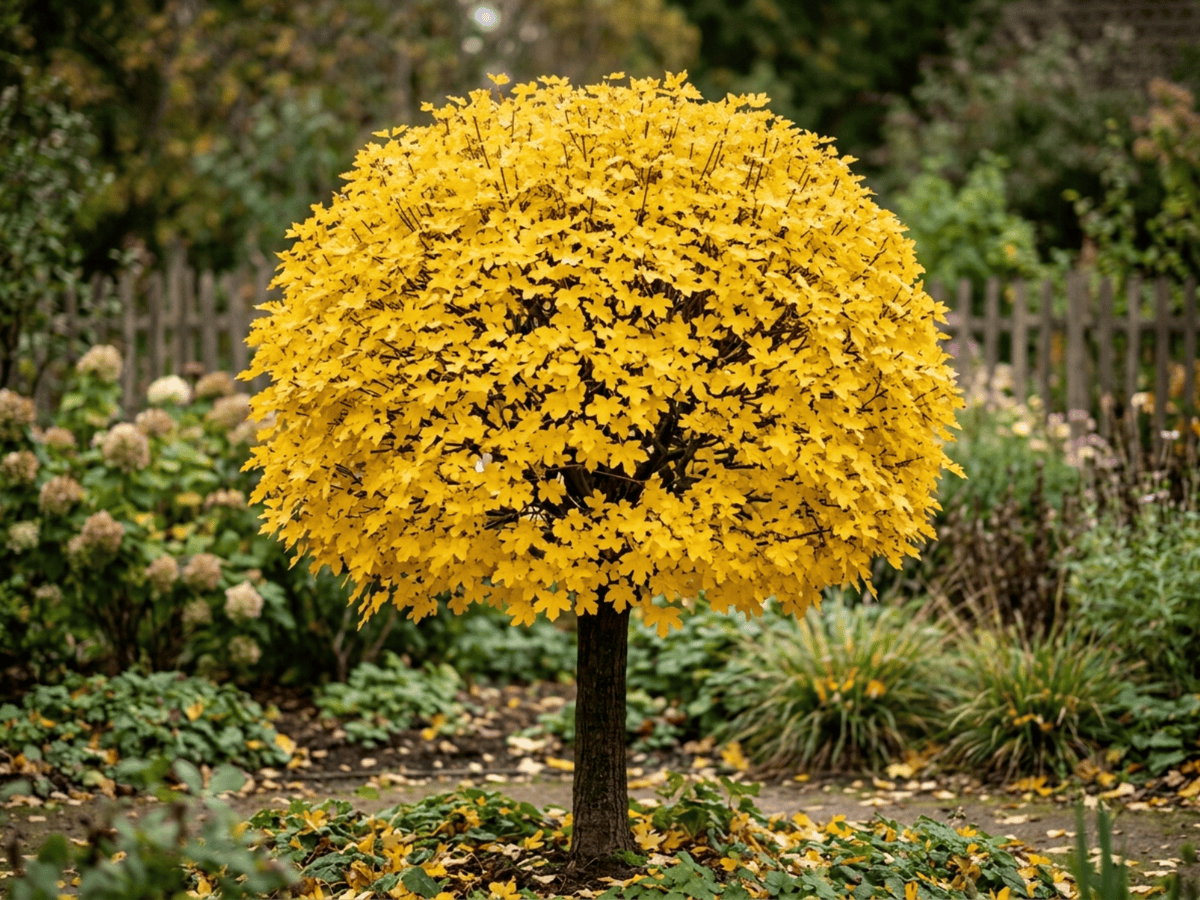
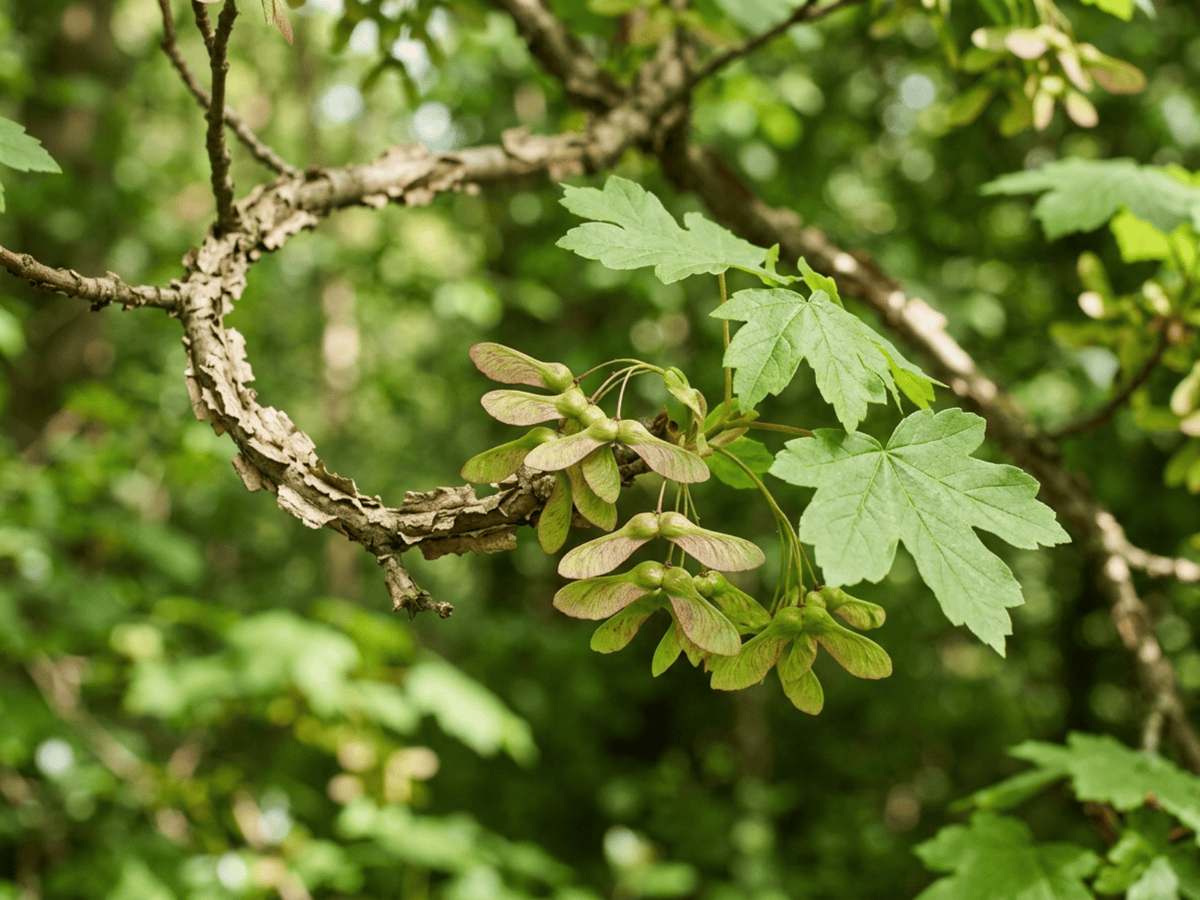
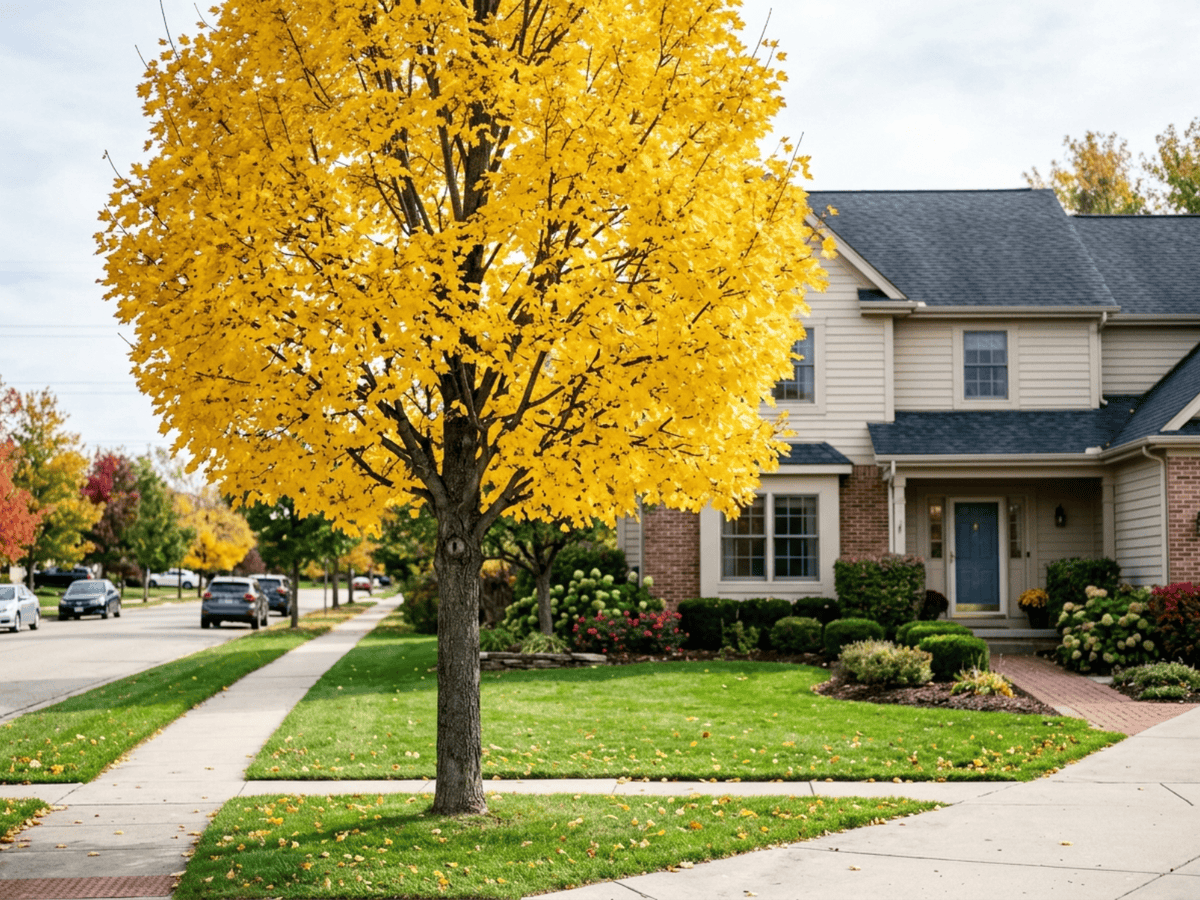
Hedge Maple is a small to medium deciduous tree native to Europe and western Asia, reaching 25-35 feet. Its dense, tidy canopy of small five-lobed leaves makes it ideal for clipped hedges, screens, and urban streetscapes. Bright yellow fall color. Extremely tolerant of pollution, drought, and alkaline soils, it has become a favored small shade tree and hedge species across the northern and midwestern US.
- Drought-tolerant
- Fall-color
How to care for Field Maple
Watering
- Springevery 7 days
- Summerevery 5 days
- Fallevery 10 days
- Winterpause watering
Soil · Well-draining
- Top dressingPine bark mulch10%
- Main mixPotting soil + perlite 2:170%
- DrainageLECA / gravel20%
Never skip the drainage layer — standing water is the top cause of root rot.
FERTILIZER
Balanced Feed 14-14-14
An even feed covers all three needs at once, keeping leaves, roots and blooms moving together with nothing pushed out of balance.
- Nitrogen · Leaves
- Phosphorus · Roots + Blooms
- Potassium · Strength
- Springevery 60 days
- Summerevery 60 days
At a Glance
- NativeEurope, Western Asia
- Height25–35 ft (7.6–10.7 m)
- Spread25–35 ft (7.6–10.7 m)
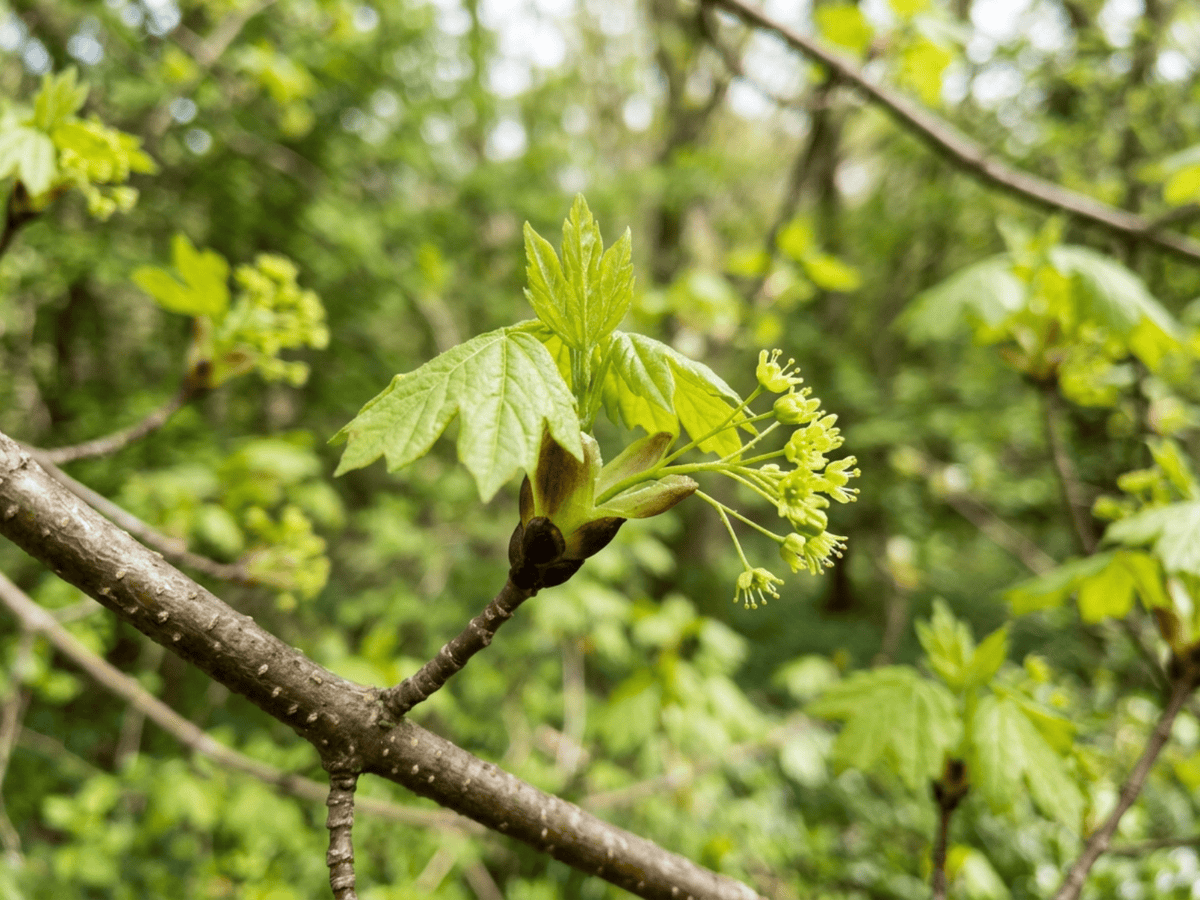
- Flower colorGreen
- Foliage colorGreen, Yellow
- Fruit colorBrown
- SoilLoamy, Well-drained, Alkaline
- LocationsYard
Bloom time
BLOOM CYCLE
Peak bloom
May
Yellow-green flowers in May
Toxicity
No toxicity has been reported for this plant. Still, it is wise to keep pets from chewing on any houseplant.
Educational information, not medical or veterinary advice. If exposure is suspected, contact a doctor or veterinarian.
DISTRIBUTION

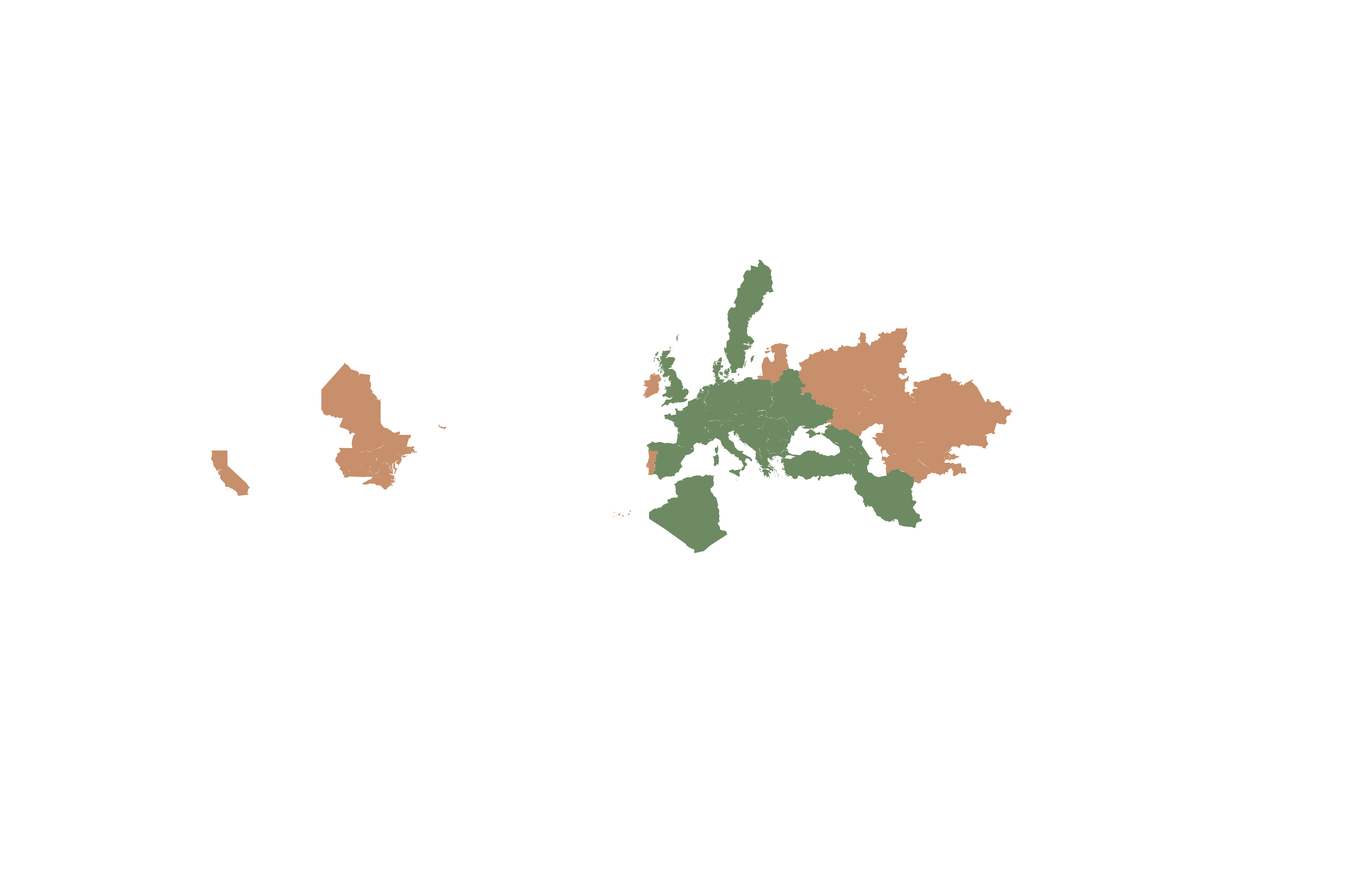
- Native
- Introduced
- Europe
- Western Asia
History
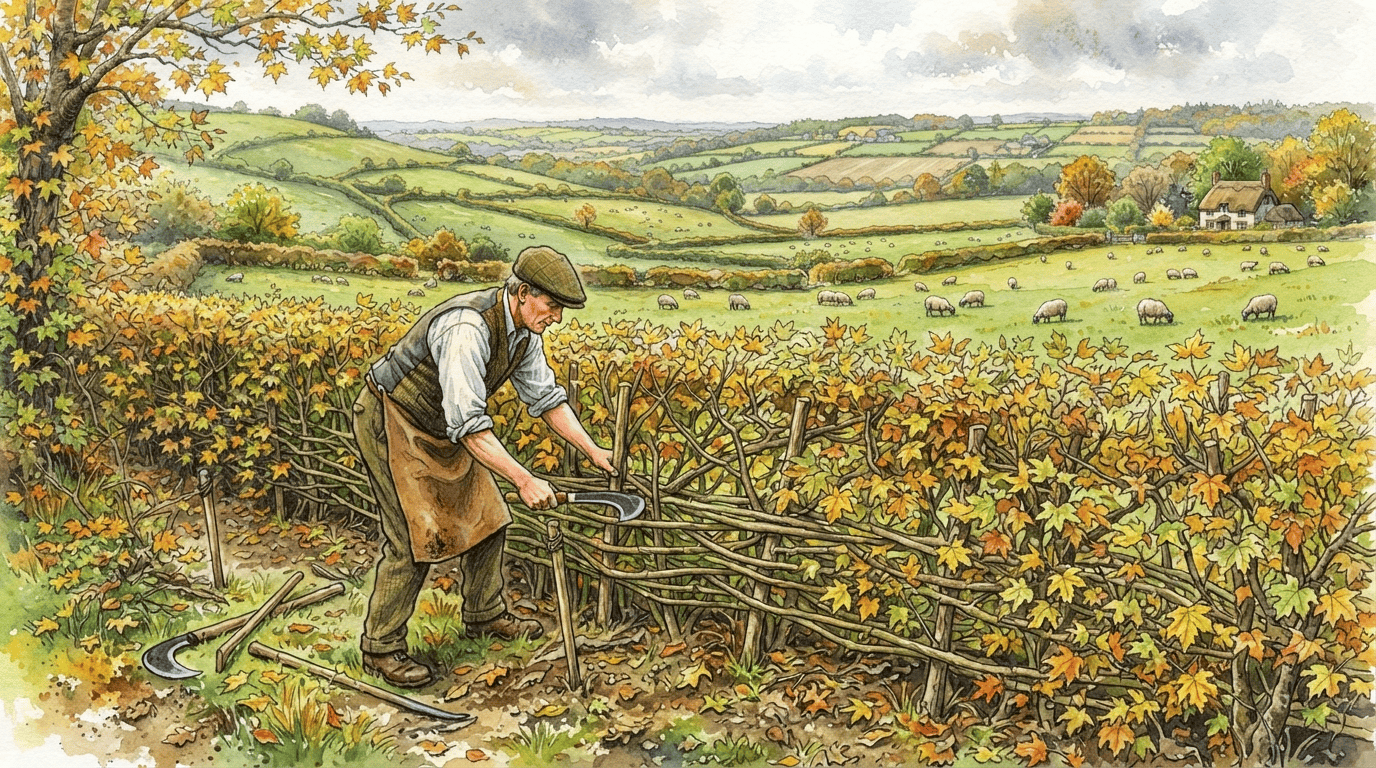
Acer campestre grows wild across Europe from Britain and the Iberian Peninsula east to the Caucasus and southwestern Asia. It has been a cornerstone of European hedgerows since Roman times—the compact habit, small leaves, and tolerance of hard pruning make it ideal for farm boundaries. The specific epithet campestre (of fields) reflects this agricultural association.
Linnaeus described it in 1753. The tight-grained pale wood was historically highly valued: medieval English mazers (communal drinking bowls often decorated with silver rims) were typically turned from field maple, and Welsh harps were often made from it. It reaches only 20-35 feet—smaller than most maples—making it suitable for small urban gardens.
Bright yellow autumn foliage and tolerance of alkaline soils, pollution, and drought made it a popular 20th-century street tree in the UK. Cultivars include 'Queen Elizabeth' (upright, US street tree) and 'Evelyn' (Royal Ruby, purple-tinged). Has been used in European hedgerows for over a thousand years, traditionally coppiced and laid to form stockproof field boundaries. Valued for its fine-grained wood in turning and harp-making. Widely adopted as a tough urban tree in American cities since the 20th century.
Symbolism & meaning
What It Symbolizes
The Field Maple embodies reserve, that quiet Victorian virtue of presence without insistence. For centuries it has served as a hedgerow boundary tree across English countryside, marking quiet edges between fields rather than dominating them. Modest in stature and golden only in autumn, the field maple stands for the dignity of restraint and the beauty found in unassuming, patient companionship.
- Reserve — quiet, modest garden presence
- Boundary — traditional hedgerow tree
Where the Name Comes From
'Campestre' means 'of the field', referring to its common occurrence in hedgerows and field margins.
Uses & Fun Facts
- Field Maple canopy casts dappled summer shade over patios
- Field Maple sheared into clipped hedges and privacy screens
Related plants
More Acer plants
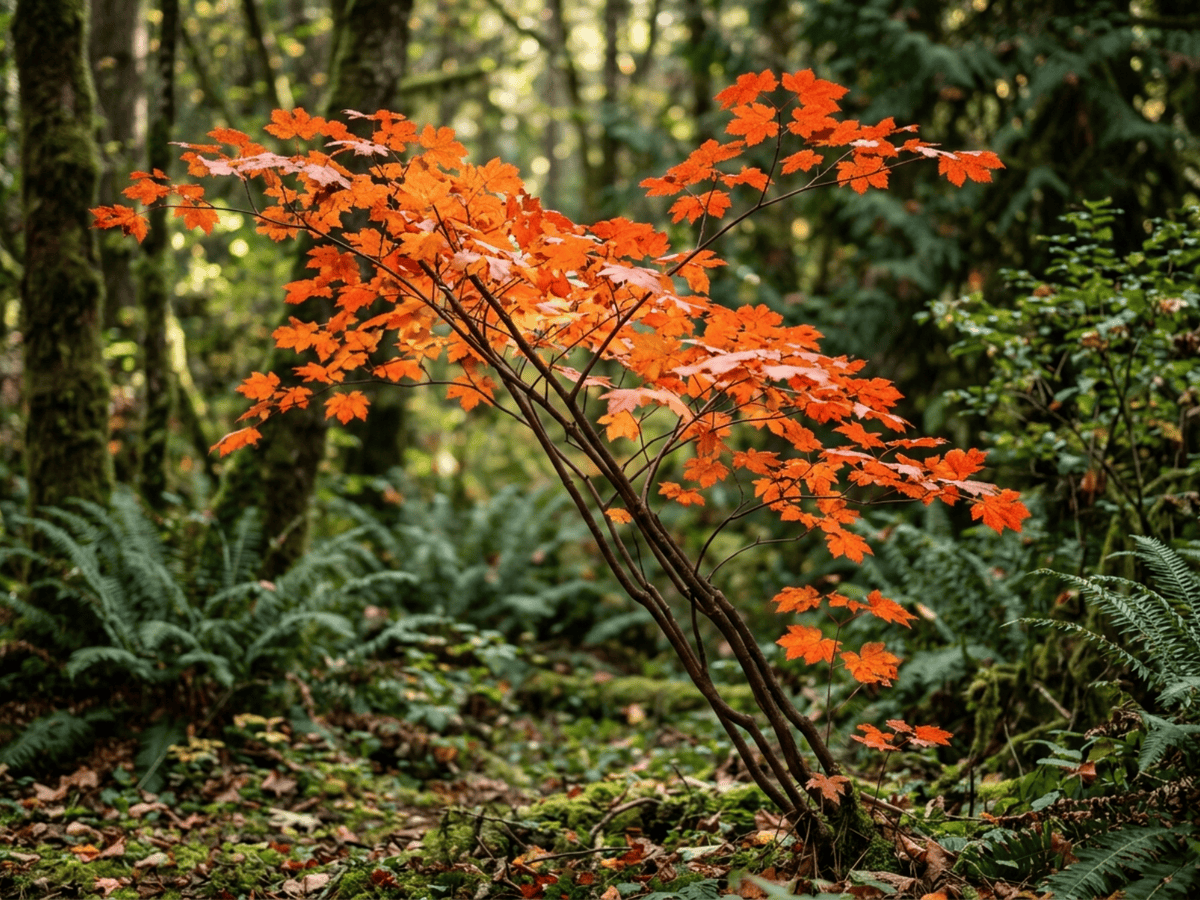 Vine MapleAcer circinatum
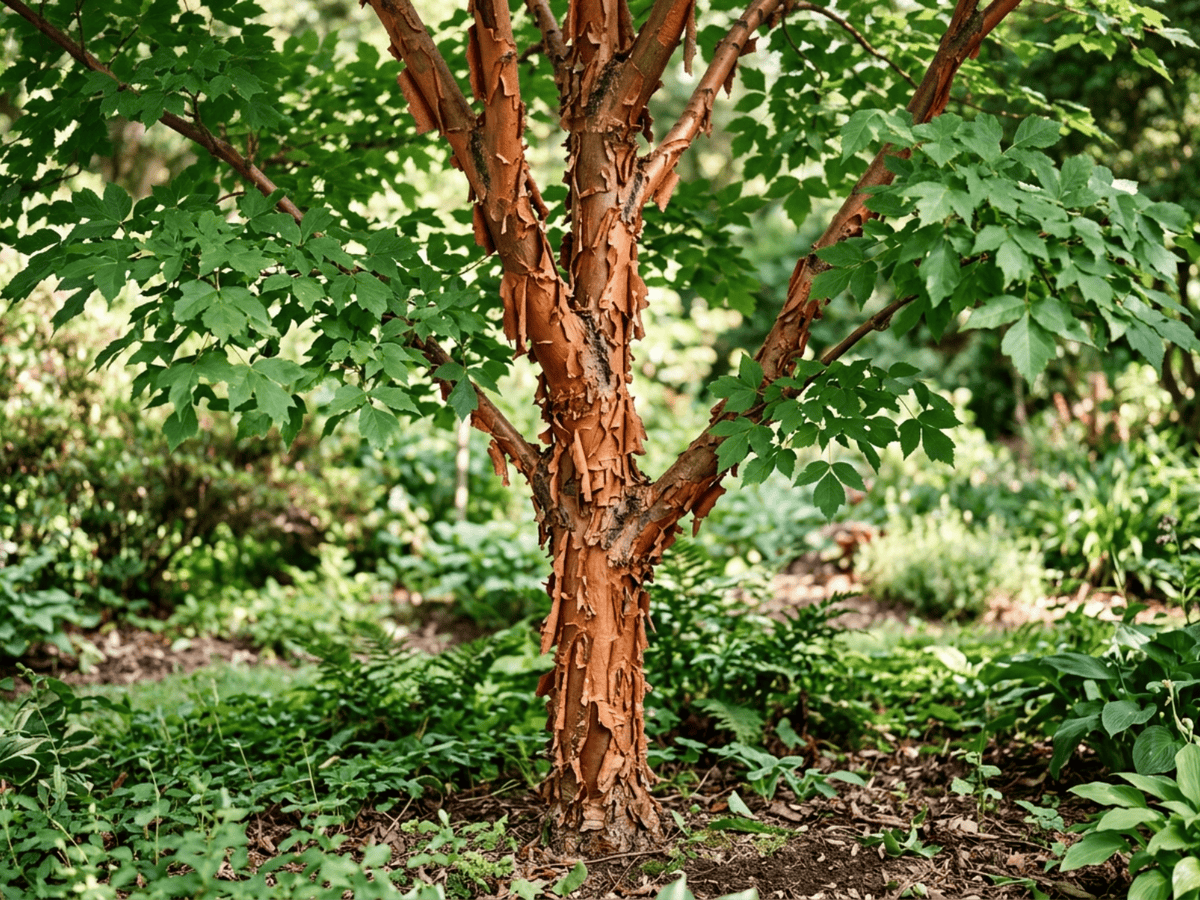 Paperbark MapleAcer griseum
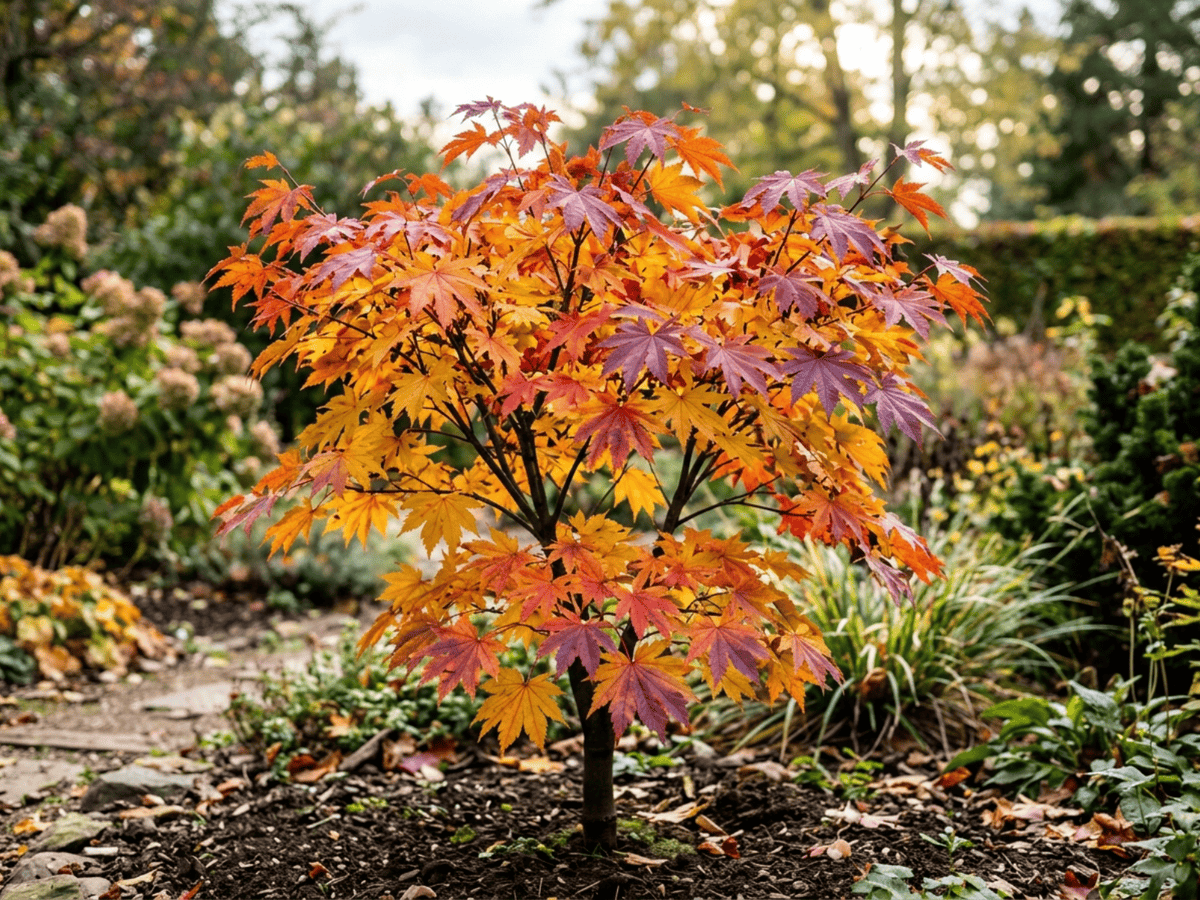 Downy Japanese MapleAcer japonicum
 Box ElderAcer negundo
Plants with similar care
 Chinese AbeliaAbelia chinensis
 Fragrant AbeliaAbelia mosanensis
 Large-Flowered AbeliaAbelia uniflora
 Glossy AbeliaAbelia x grandiflora
Frequently asked questions
How often should I water Field Maple?
Water about every 7 days during the growing season, and always let excess water drain away.
How much light does Field Maple need?
Full sun: 6+ hrs direct. Watch the leaves — scorching or stretching means the light needs adjusting.
Is Field Maple toxic to cats or dogs?
No toxicity has been reported for this plant. Still, it is wise to keep pets from chewing on any houseplant. Educational information, not medical or veterinary advice. If exposure is suspected, contact a doctor or veterinarian.
Is Field Maple easy to grow?
Yes — it is considered an easy, beginner-friendly plant.
When does Field Maple bloom?
It typically blooms May in the Northern Hemisphere.
YardMate
Identify any plant in seconds
Snap a photo — YardMate names the plant, diagnoses problems, and reminds you when to water.
Download on the App Store