 YardMate


Box Elder
Acer negundo
Easy · Beginner friendlyAbout Box Elder
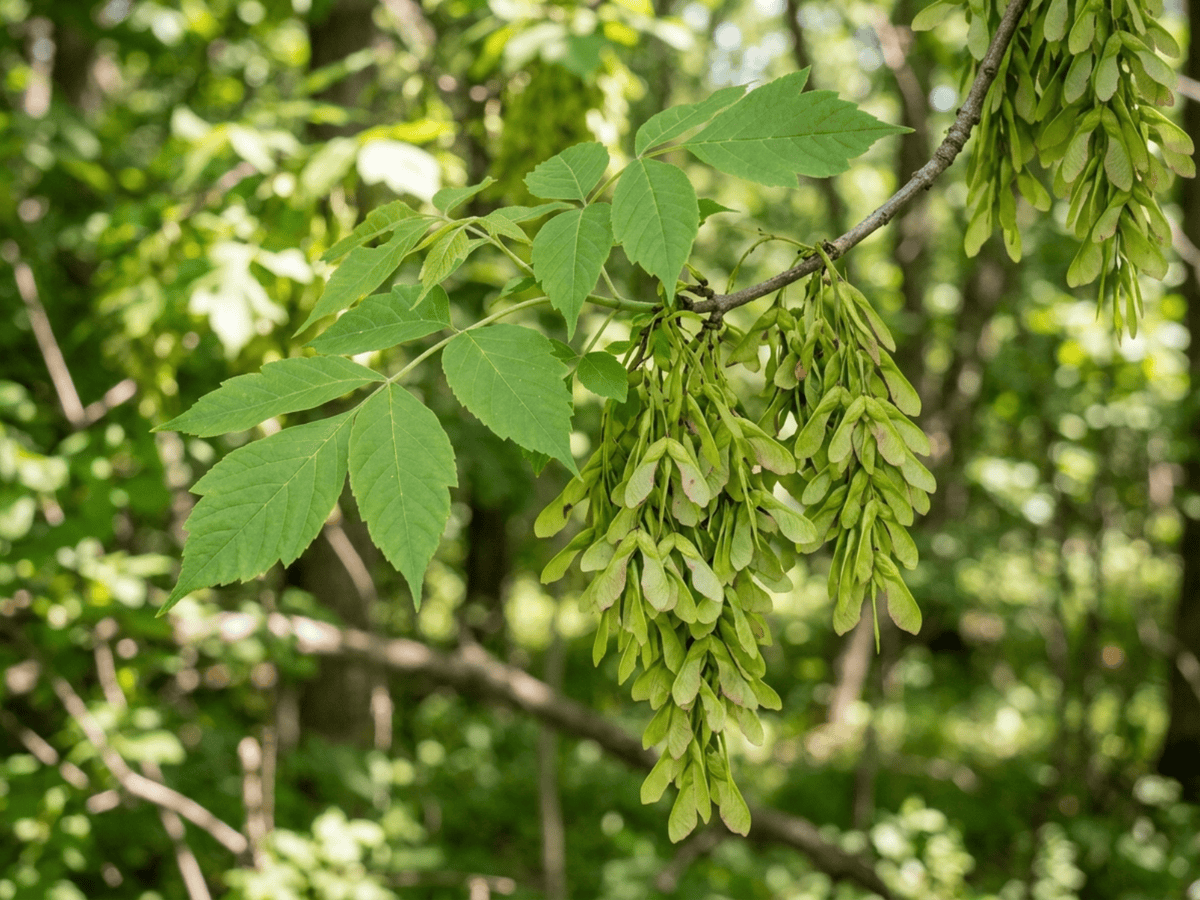
Box Elder is a fast-growing native maple found throughout North America, reaching 35-60 feet. Unusual among maples for its compound leaves resembling ash or poison ivy, it is one of the most adaptable and widespread trees in the US, thriving along streams, in disturbed ground, and across the Plains. Though considered weedy in gardens, it provides crucial shade and wildlife food, and its sap is sweet enough to tap for syrup.
- Drought-tolerant
- Fast-growing
- Native
- Wildlife-friendly
How to care for Box Elder
Watering
- Springevery 7 days
- Summerevery 5 days
- Fallevery 10 days
- Winterpause watering
Soil · Well-draining
- Top dressingPine bark mulch10%
- Main mixPotting soil + perlite 2:170%
- DrainageLECA / gravel20%
Never skip the drainage layer — standing water is the top cause of root rot.
FERTILIZER
- Springevery 60 days
- Summerevery 60 days
At a Glance
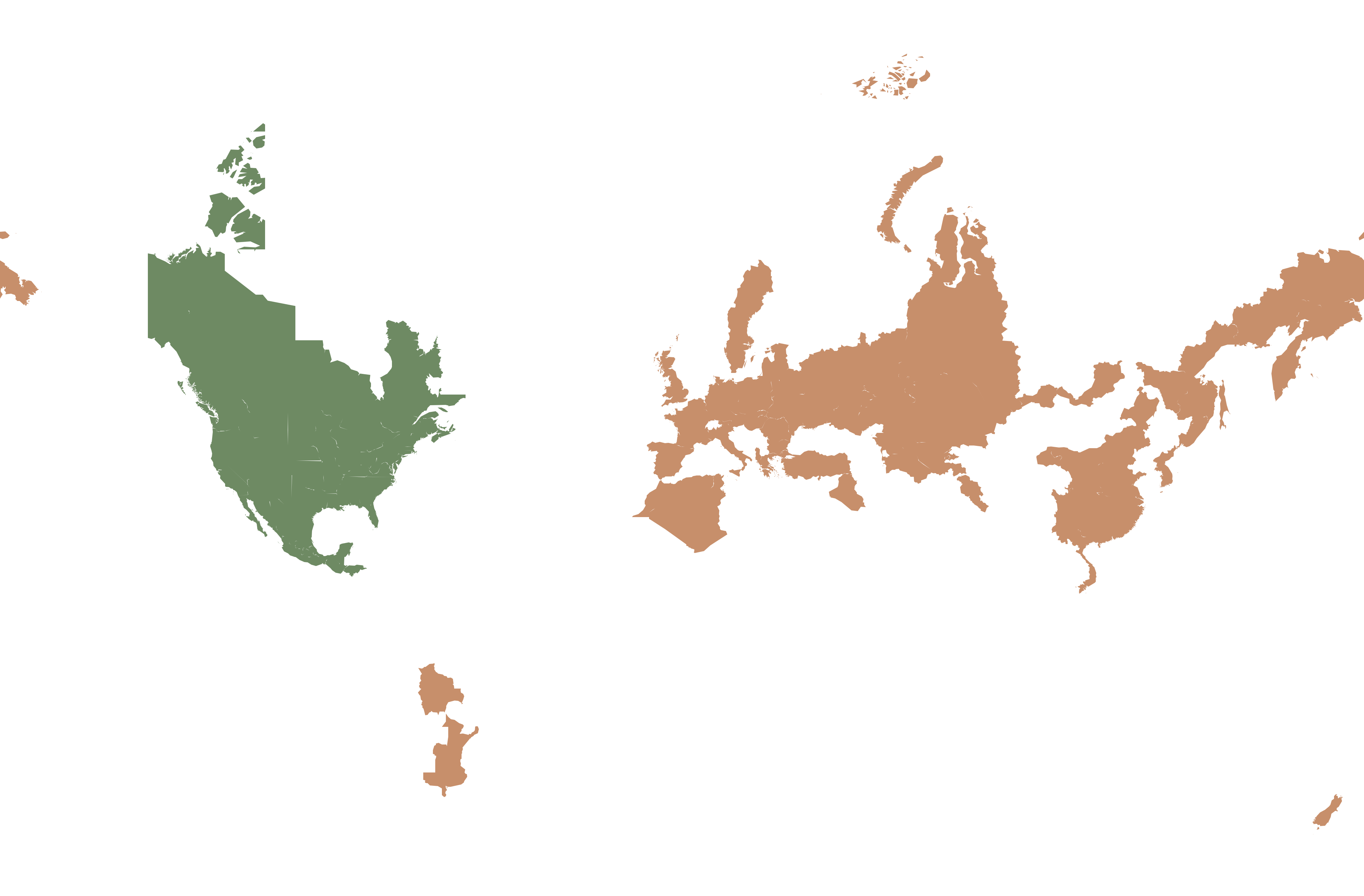
- NativeNorth America
- Height30–60 ft (9.1–18.3 m)
- Spread30–50 ft (9.1–15.2 m)
- Flower colorGreen
- Foliage colorGreen, Variegated, Yellow
- Fruit colorBrown
- SoilWell-drained, Loamy
- LocationsYard
Bloom time
BLOOM CYCLE
Peak bloom
Mar–May
Yellow-green drooping flowers in spring
Toxicity
Humans Slight · Pets Moderate
hypoglycin A
Slight
- Seed
- Ingestion
EXPOSURE Eating seeds.
EFFECT Mild GI.
NOTE Seeds cause Seasonal Pasture Myopathy in horses (often fatal). Small risk to pets.
Moderate
- Seed
- Seedling
- Ingestion
EXPOSURE Eating seeds and seedling.
EFFECT Muscle weakness.
NOTE Seeds cause Seasonal Pasture Myopathy in horses (often fatal). Small risk to pets.
Moderate
- Seed
- Seedling
- Ingestion
EXPOSURE Eating seeds and seedling.
EFFECT Muscle weakness.
NOTE Seeds cause Seasonal Pasture Myopathy in horses (often fatal). Small risk to pets.
Educational information, not medical or veterinary advice. If exposure is suspected, contact a doctor or veterinarian.
DISTRIBUTION

- Native
- Introduced
- North America
History
Acer negundo has the broadest native range of any North American maple, extending across most of the continent from coast to coast. Linnaeus described it in 1753. Unique among maples, it has compound pinnate leaves with 3-9 leaflets rather than simple lobed leaves—the only North American maple with this trait.
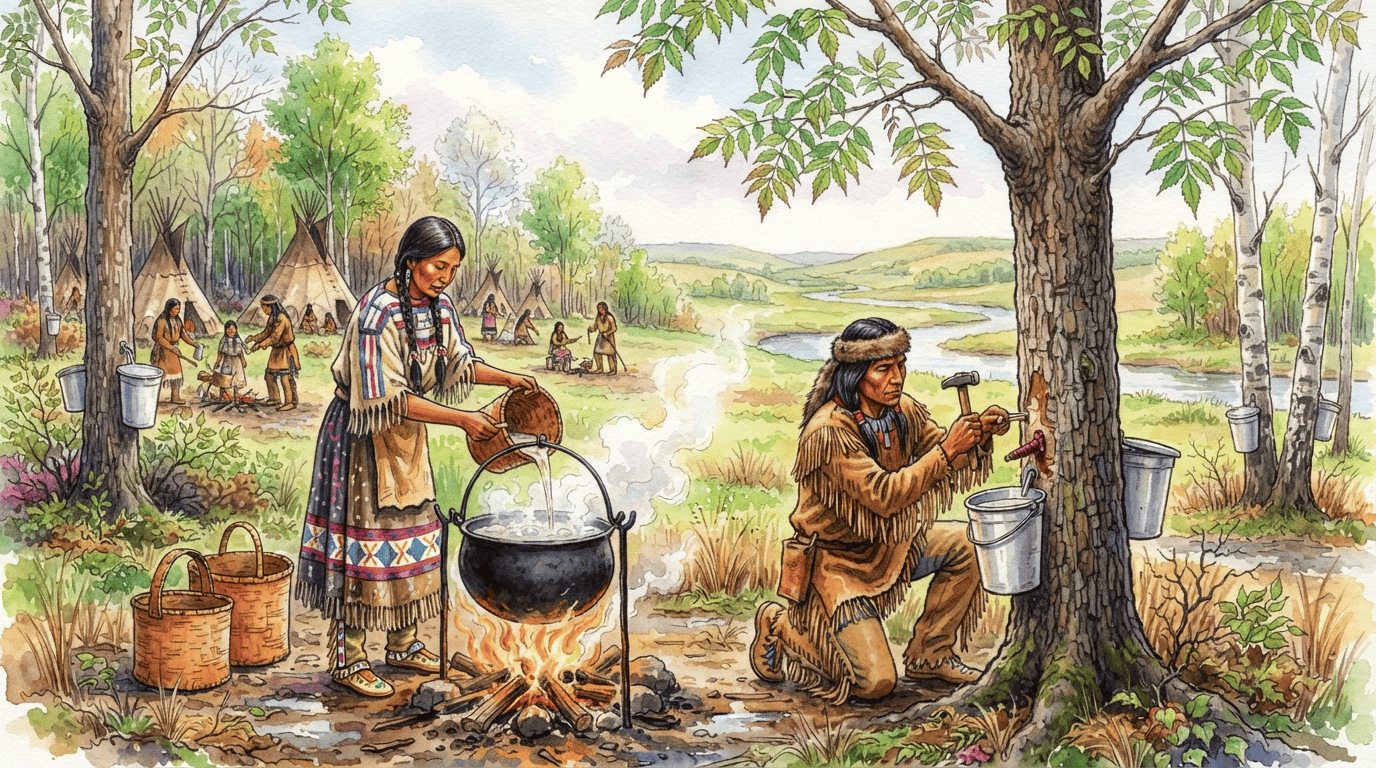
Indigenous peoples including the Lakota, Ojibwe, and Navajo used the soft wood for wooden bowls, drums, pipe stems, and fire-making equipment, and the sap was boxelder sugar. The English name box elder combines a reference to the compound elder-like foliage with the box-like softwood quality. Despite wide native range the species is considered a weed tree by most landscapers—short-lived, brittle, and hosting boxelder bugs that invade nearby houses in fall.
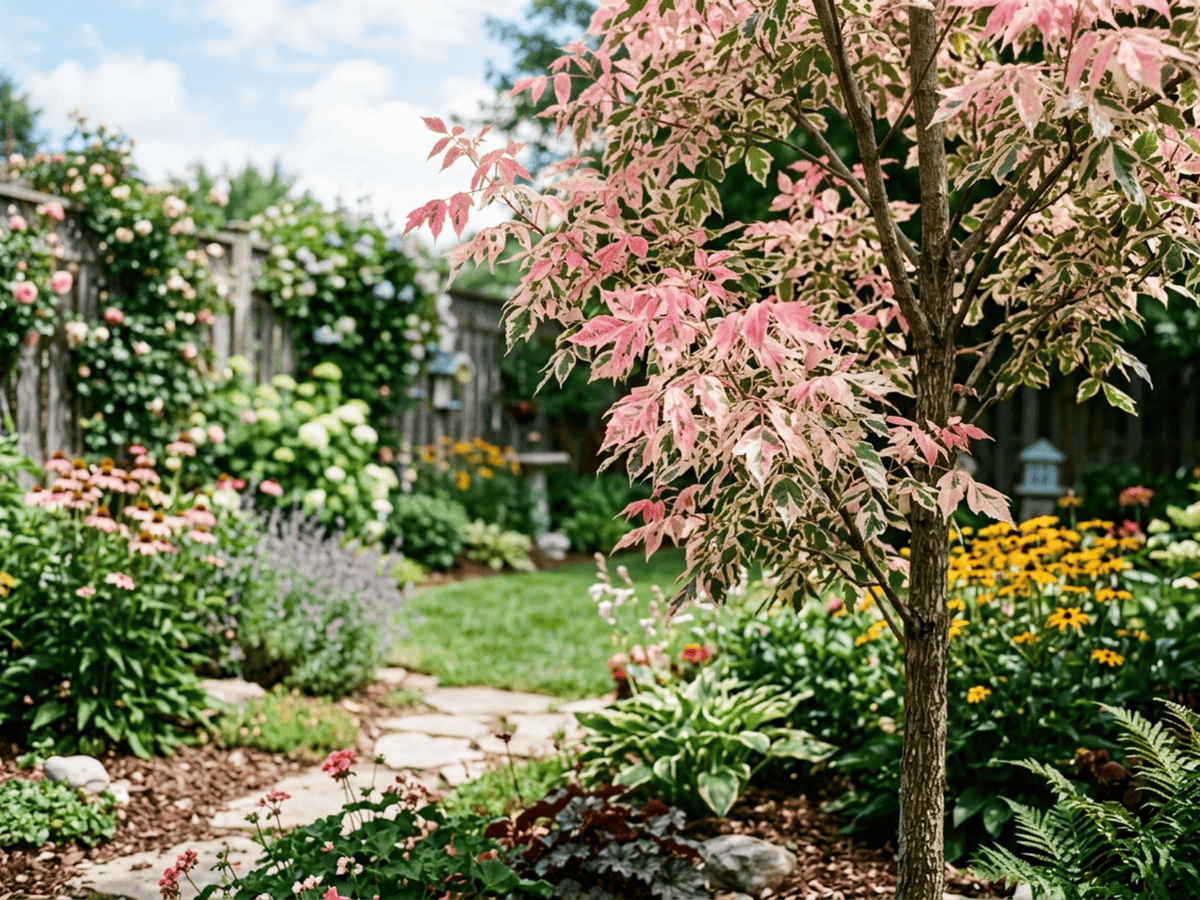
Variegated cultivars 'Flamingo' and 'Kelly's Gold' found ornamental niches. It is invasive in Europe and Asia. Native Americans tapped Box Elder for sweet sap to make sugar and syrup, a tradition documented from the Dakota and Ojibwe peoples. Early settlers planted it widely on the treeless prairies as a fast shade tree. It became naturalized in disturbed urban lots and along waterways throughout the continent.
Symbolism & meaning
What It Symbolizes
Box Elder is the maple of disturbed ground, the pioneer that settles where finer trees refuse to root. Its meaning is adaptability — colonizing riverbanks, vacant lots, and broken fencerows with cheerful indifference to hardship. Where soils are scoured or shaded, this scrappy maple finds a foothold, reminding us that grace under difficult conditions is its own kind of nobility.
- Adaptability — thrives in challenging disturbed habitats
- Pioneer — settles on bare ground quickly
Where the Name Comes From
'Negundo' comes from a Sanskrit name applied to a similarly compound-leaved tree; 'Box Elder' refers to the whitish wood resembling boxwood.
Uses & Fun Facts
- Seeds and cavities feed birds and small mammals
- Fast-growing canopy provides quick shade in tough sites
Related plants
More Acer plants
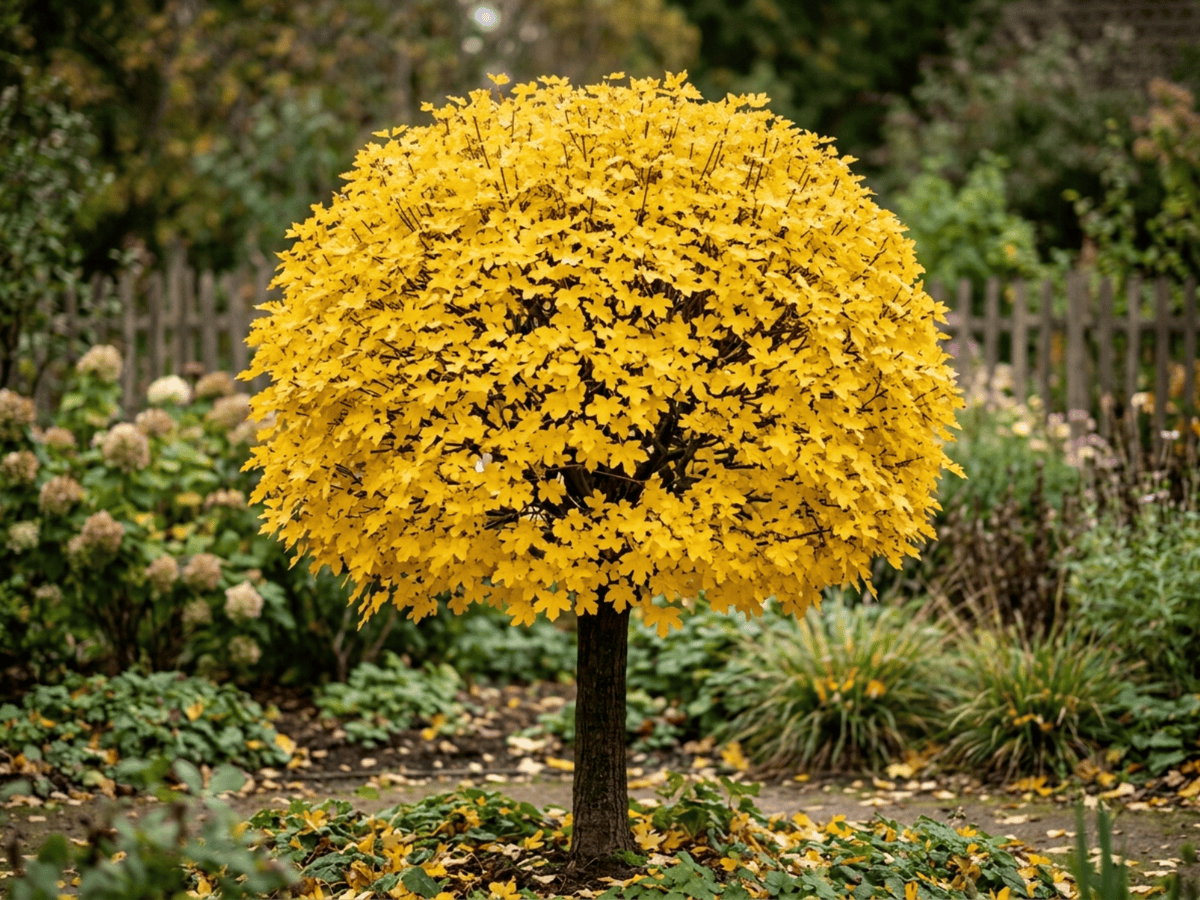 Field MapleAcer campestre
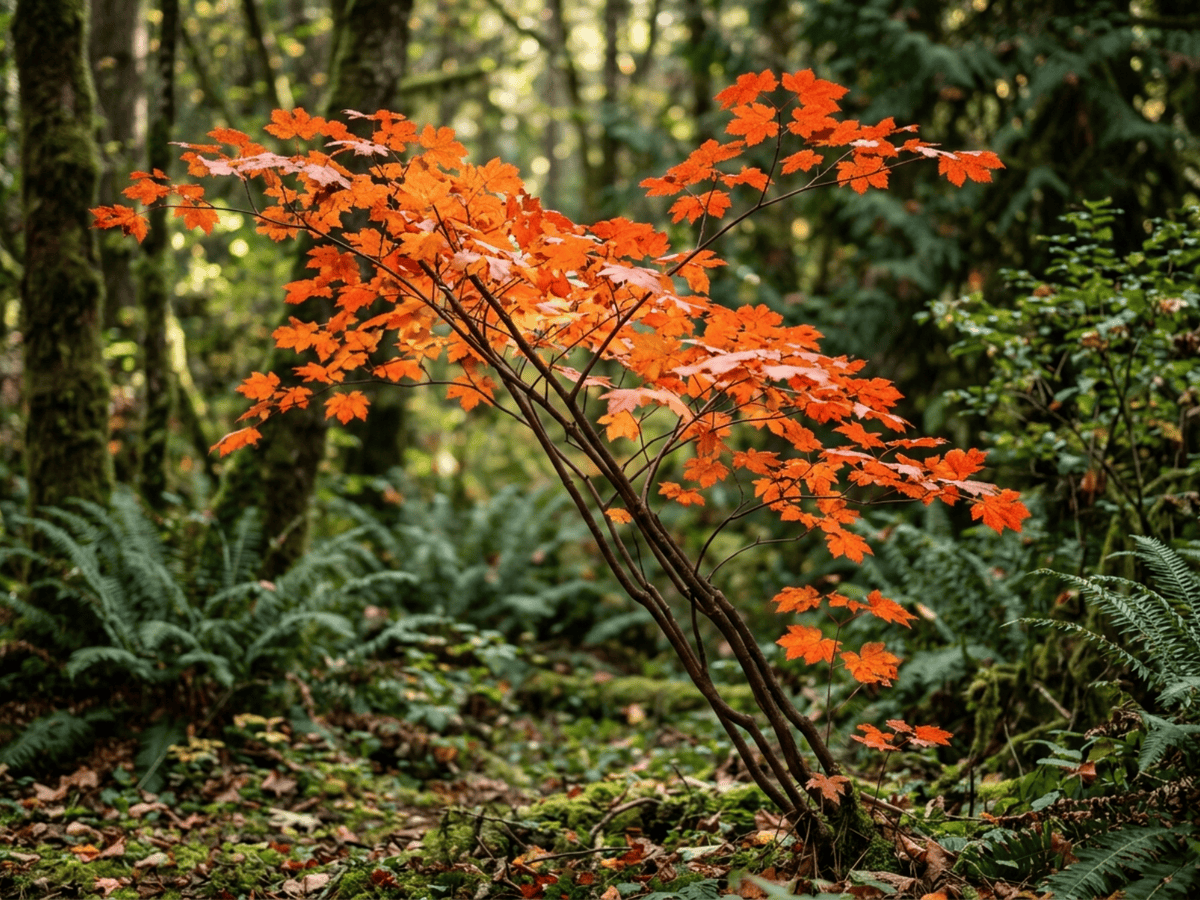 Vine MapleAcer circinatum
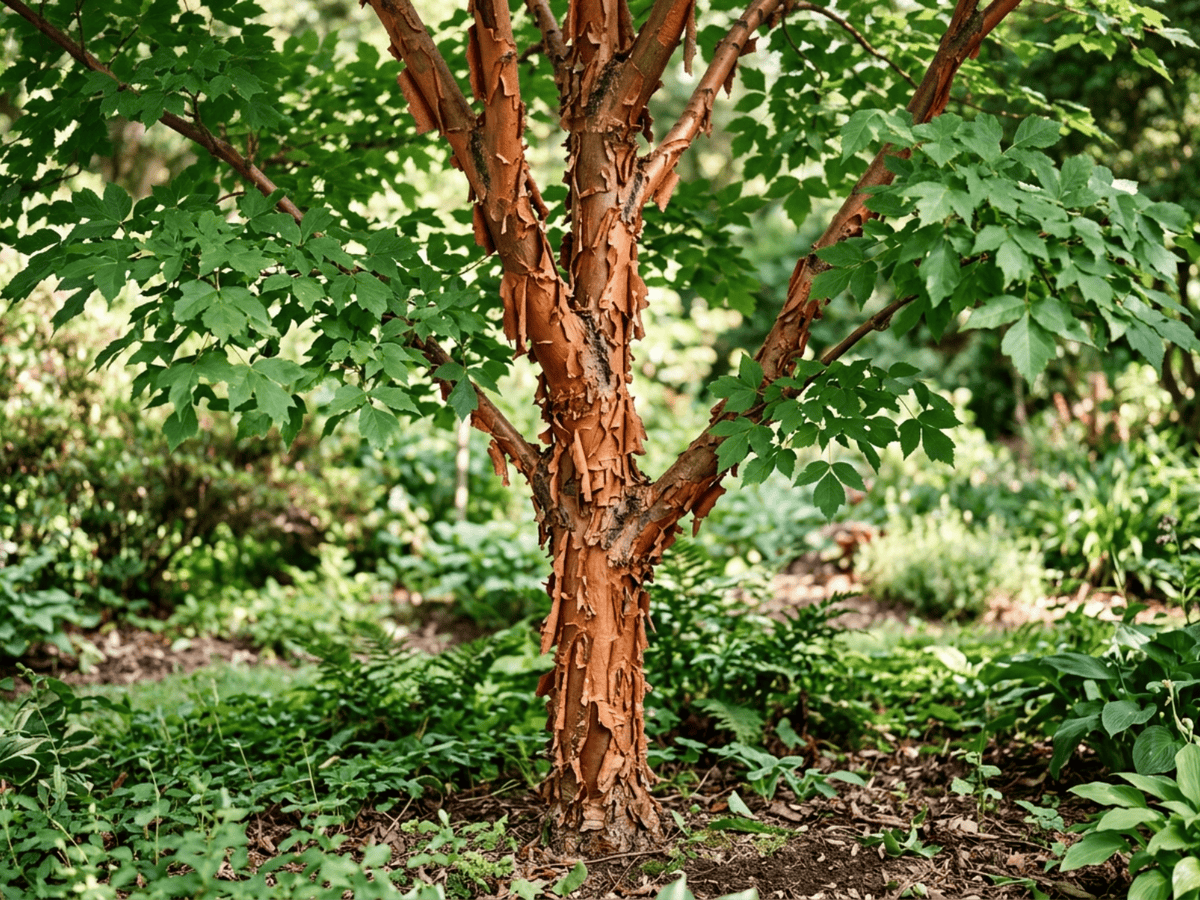 Paperbark MapleAcer griseum
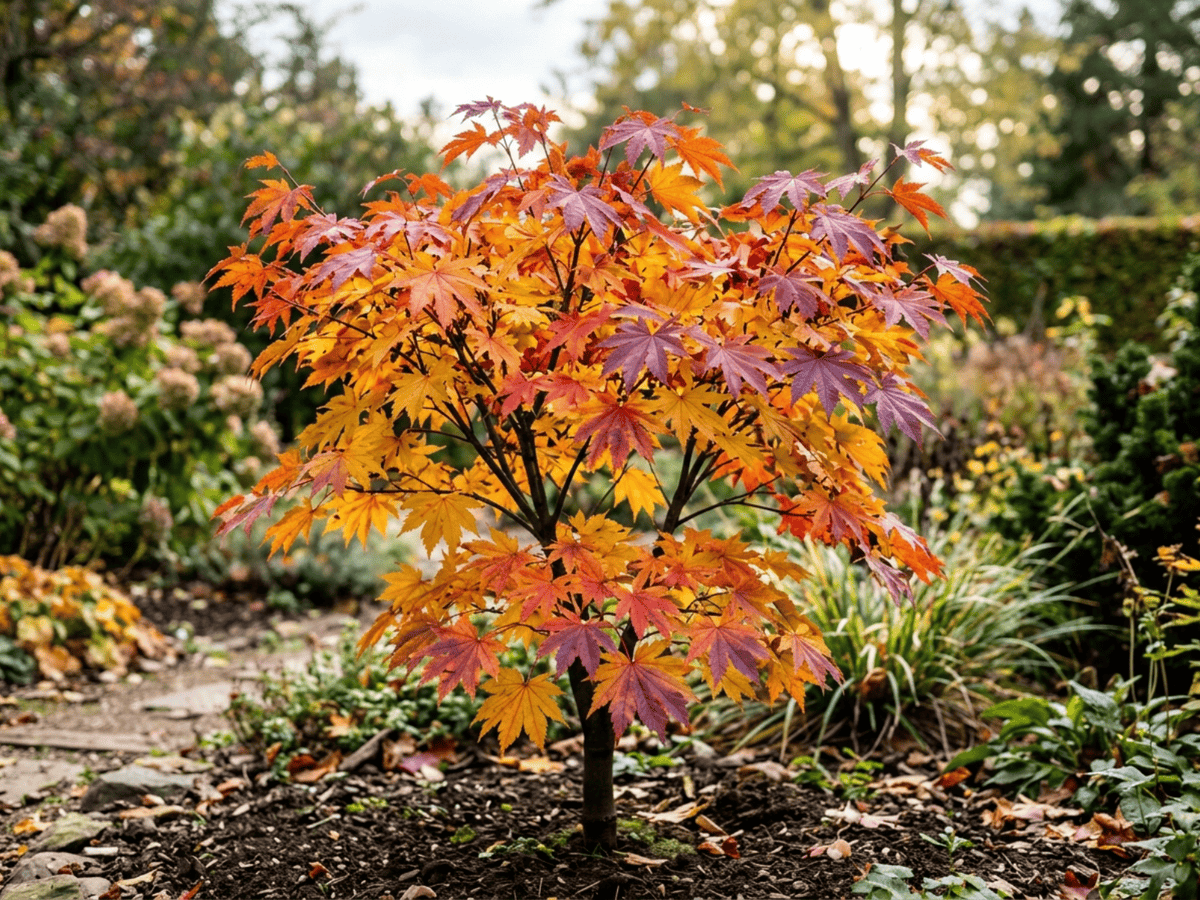 Downy Japanese MapleAcer japonicum
Plants with similar care
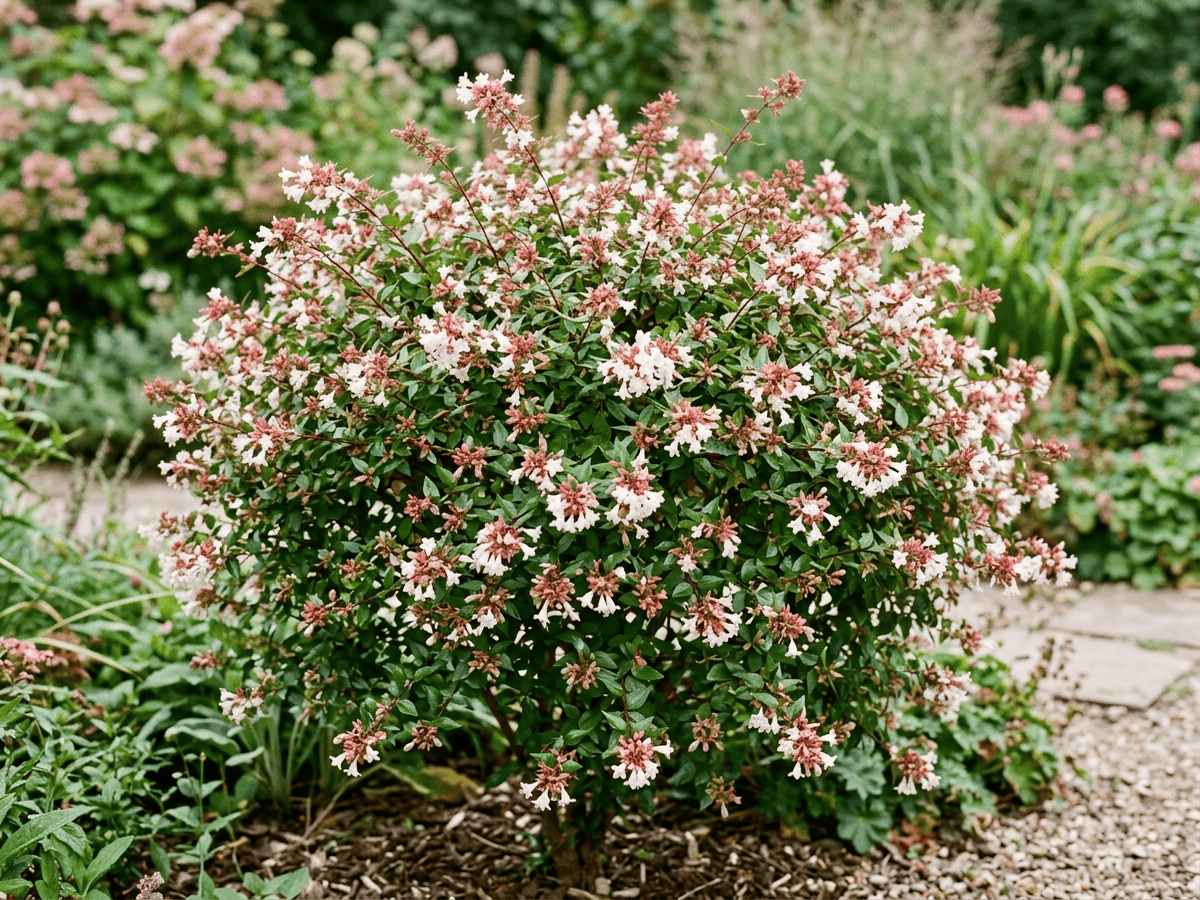 Chinese AbeliaAbelia chinensis
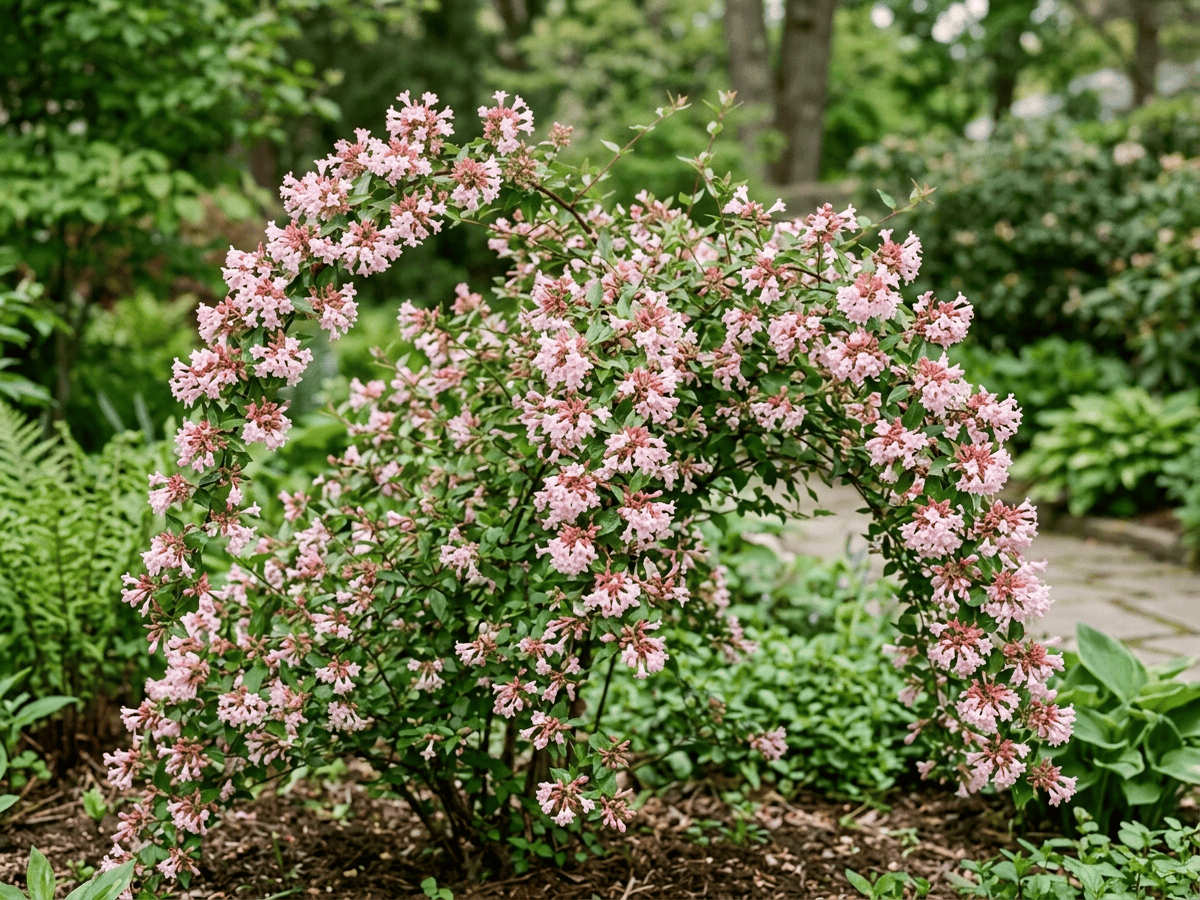 Fragrant AbeliaAbelia mosanensis
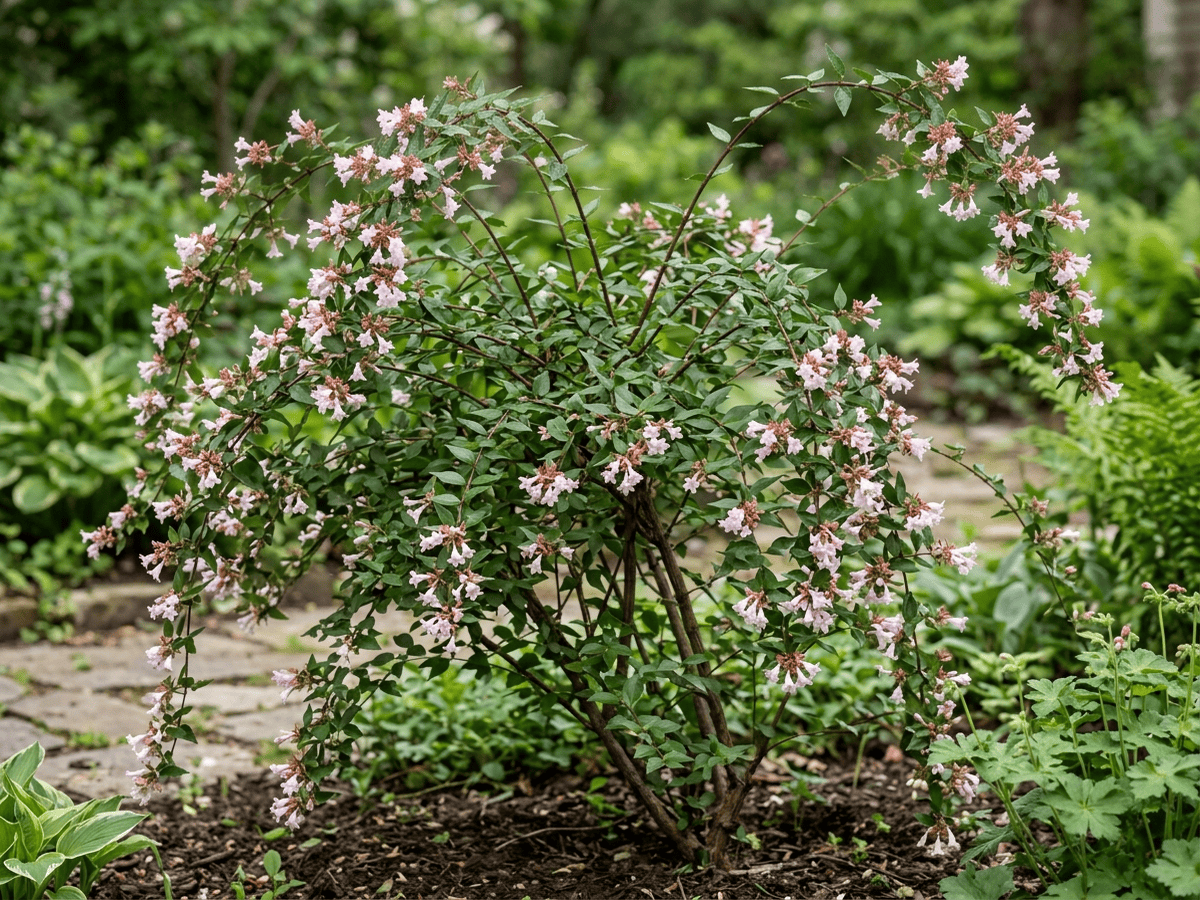 Large-Flowered AbeliaAbelia uniflora
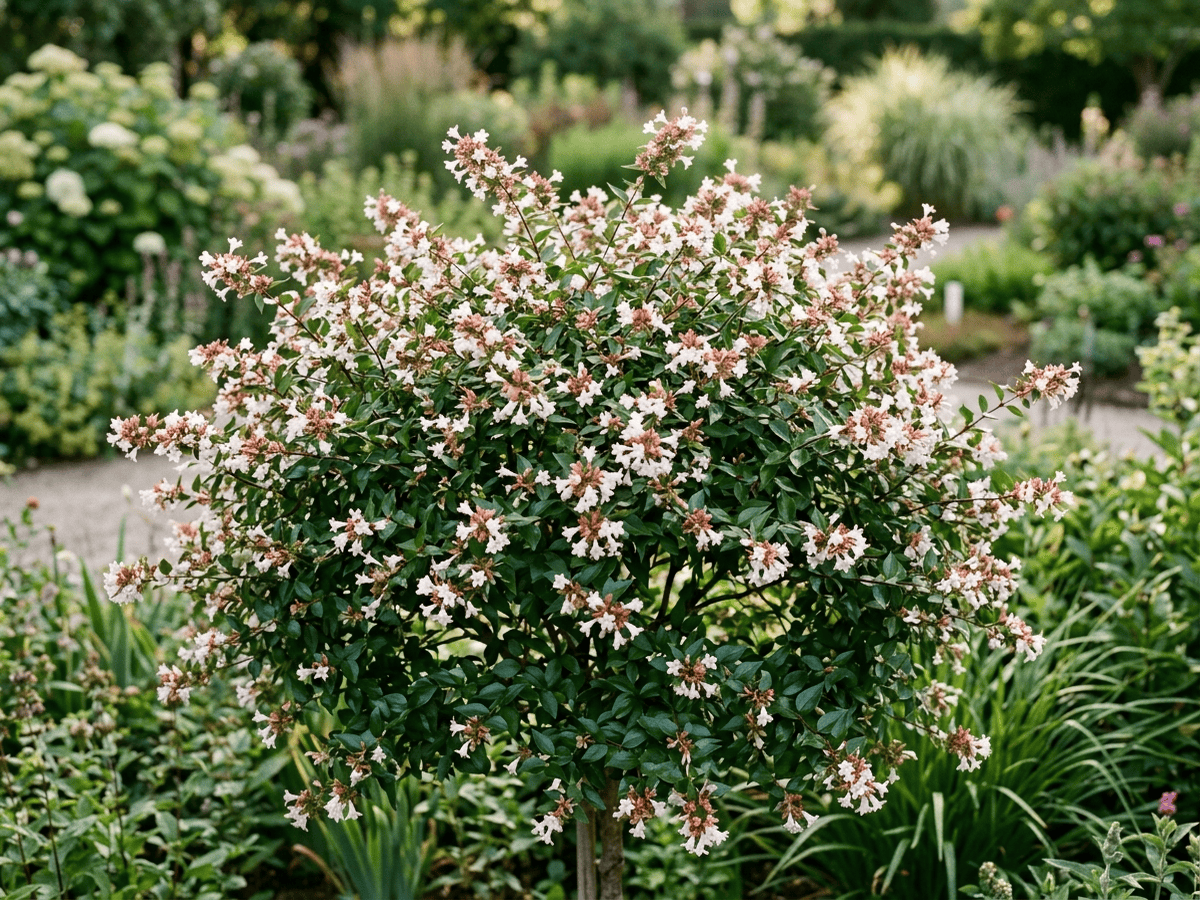 Glossy AbeliaAbelia x grandiflora
Frequently asked questions
How often should I water Box Elder?
Water about every 7 days during the growing season, and always let excess water drain away.
How much light does Box Elder need?
Full sun: 6+ hrs direct. Watch the leaves — scorching or stretching means the light needs adjusting.
Is Box Elder toxic to cats or dogs?
Pets Moderate (Dogs Moderate · Cats Moderate) Educational information, not medical or veterinary advice. If exposure is suspected, contact a doctor or veterinarian.
Is Box Elder easy to grow?
Yes — it is considered an easy, beginner-friendly plant.
When does Box Elder bloom?
It typically blooms Mar–May in the Northern Hemisphere.
YardMate
Identify any plant in seconds
Snap a photo — YardMate names the plant, diagnoses problems, and reminds you when to water.
Download on the App Store