 YardMate


Norway Maple
Acer platanoides
Easy · Beginner friendlyAbout Norway Maple
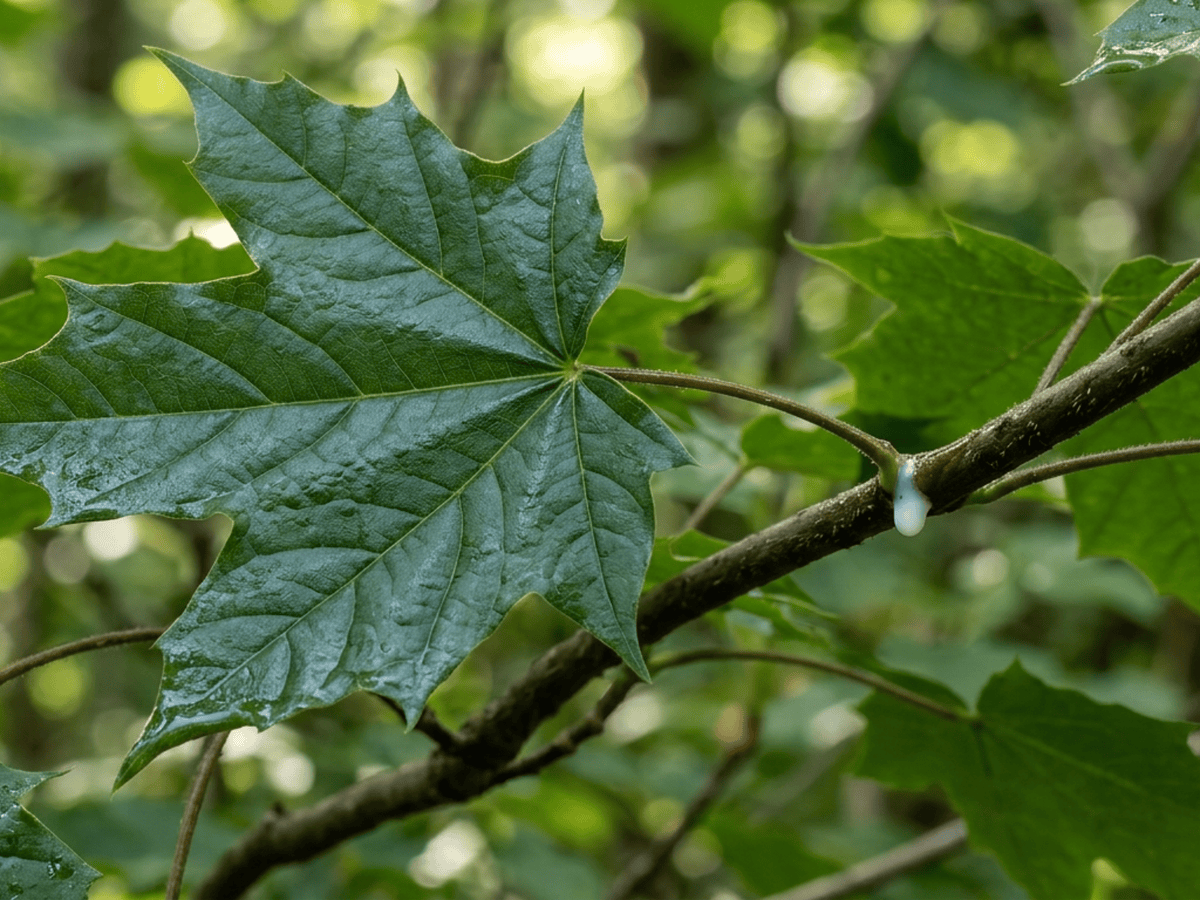
Acer platanoides, the Norway maple, is a large deciduous tree in the Sapindaceae family native to Europe from Scandinavia to Iran. Growing 20–30 m tall with a dense, rounded crown and distinctive broad, five-lobed leaves, it is one of the toughest and most pollution-tolerant shade trees available. The leaves exude milky sap when broken — a diagnostic feature distinguishing it from other maples.
Norway maple thrives in USDA zones 3–7 across a wide range of soils, tolerating compaction, pollution, drought, and alkalinity better than most large trees. Purple-leaved cultivars like 'Crimson King' and 'Royal Red' are among the most widely planted coloured-foliage trees. The species' autumn colour is typically clean yellow, less spectacular than sugar or red maple but still attractive.
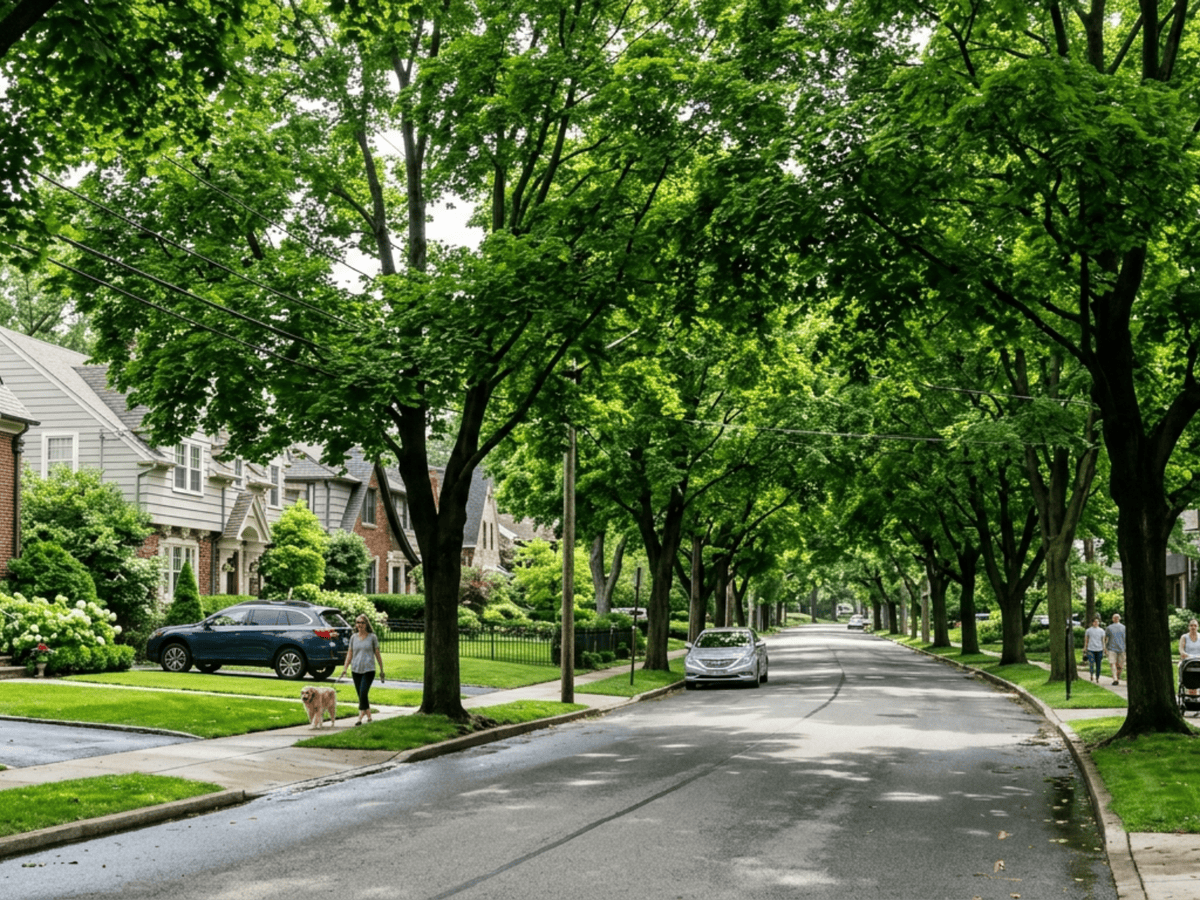
Norway maple has a dual reputation: it is valued as one of the hardiest urban shade trees in Europe, but in North America it is considered invasive in many states. Its dense shade, shallow roots, and prolific seed production suppress native understory plants. Despite this, it remains widely planted for its toughness and the deep purple foliage of ornamental cultivars. Environmental awareness is shifting preferences toward native alternatives in North America.
- Cold-hardy
- Drought-tolerant
How to care for Norway Maple
Watering
- Springevery 7 days
- Summerevery 5 days
- Fallevery 10 days
- Winterevery 30 days
Soil · Well-draining
- Top dressingPine bark mulch10%
- Main mixPotting soil + perlite 2:170%
- DrainageLECA / gravel20%
Never skip the drainage layer — standing water is the top cause of root rot.
FERTILIZER
Balanced Feed 14-14-14
An even feed covers all three needs at once, keeping leaves, roots and blooms moving together with nothing pushed out of balance.
- Nitrogen · Leaves
- Phosphorus · Roots + Blooms
- Potassium · Strength
- Springevery 60 days
At a Glance
- NativeEurope, East Asia
- Height40–60 ft (12.2–18.3 m)
- Spread30–50 ft (9.1–15.2 m)
- Foliage colorGreen, Purple, Yellow
- SoilWell-drained, Loamy, Neutral
- LocationsYard
Fragrance
NO FRAGRANCE
No notable fragrance.
Toxicity
No toxicity has been reported for this plant. Still, it is wise to keep pets from chewing on any houseplant.
Educational information, not medical or veterinary advice. If exposure is suspected, contact a doctor or veterinarian.
DISTRIBUTION

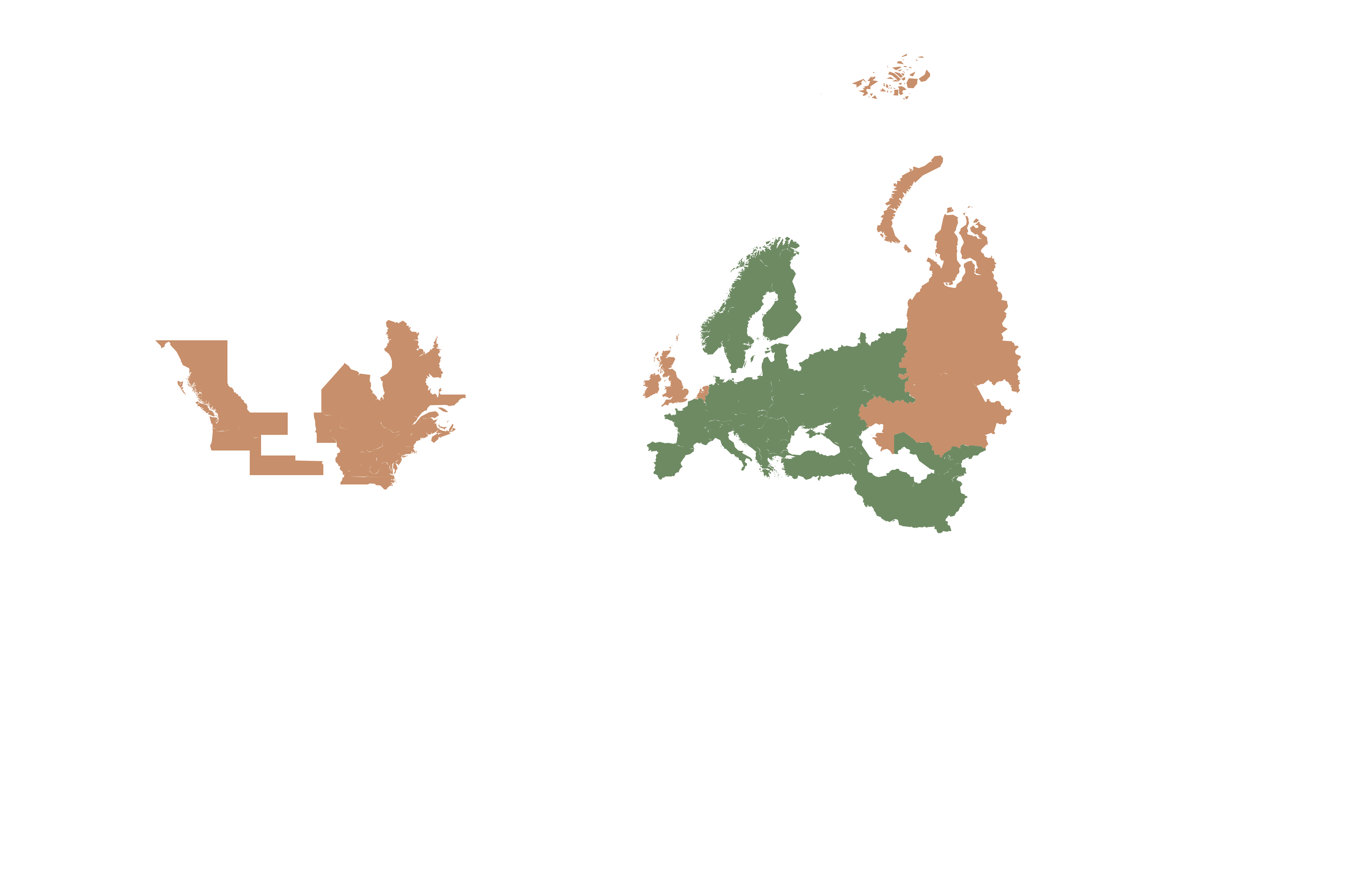
- Native
- Introduced
- Europe
- East Asia
History

Acer platanoides is native to central and eastern Europe, from France to Iran, where it is a common forest tree. It was introduced to North American horticulture in 1756 via John Bartram, who imported it from England. Through the 20th century it was widely planted as a street tree in American cities because it tolerates urban pollution, compacted soil, and road salt better than most native maples — the cultivar "Crimson King," a purple-leafed selection, became particularly popular.
However, from the late 20th century onward, Norway maple became a significant invasive species in northeastern US forests: its prolific seed production, shade tolerance, and allelopathic chemistry allow it to outcompete native sugar maples, oaks, and other hardwoods, and its dense canopy creates such deep shade that almost nothing regenerates beneath it. Several US states (including New Hampshire, Massachusetts, Connecticut) and Canadian jurisdictions now restrict or ban its sale.
European natural forests have co-evolved with the tree and do not see it as problematic. Native across Europe, Norway maple was introduced to North America in the mid-1700s as a street tree. Its tolerance of urban conditions made it a popular replacement after Dutch Elm Disease.
Symbolism & meaning
What It Symbolizes
The Norway Maple expresses Strength of an unsentimental kind — the kind that thrives where gentler trees fail, casting dense shade over compacted soil and forgotten lots. Yet its story carries a quiet caution: the same vigor that makes it survive lets it overrun native woodlands. It stands as a reminder that resilience, unchecked, can become a kind of harm.
- Strength — Thriving where few other large trees survive, the Norway maple symbolizes toughness and resilience in adversity
- Caution — Its invasive tendencies in non-native habitats remind us that strength unchecked can become harmful
Where the Name Comes From
Acer is Latin for maple; 'platanoides' means resembling Platanus (plane tree), referring to the broad, similarly shaped leaves.
Uses & Fun Facts
- Broad rounded canopy shades streets and parking lots
- Bright yellow autumn color and dense summer foliage
- Hard pale wood used in furniture and turnery
Related plants
More Acer plants
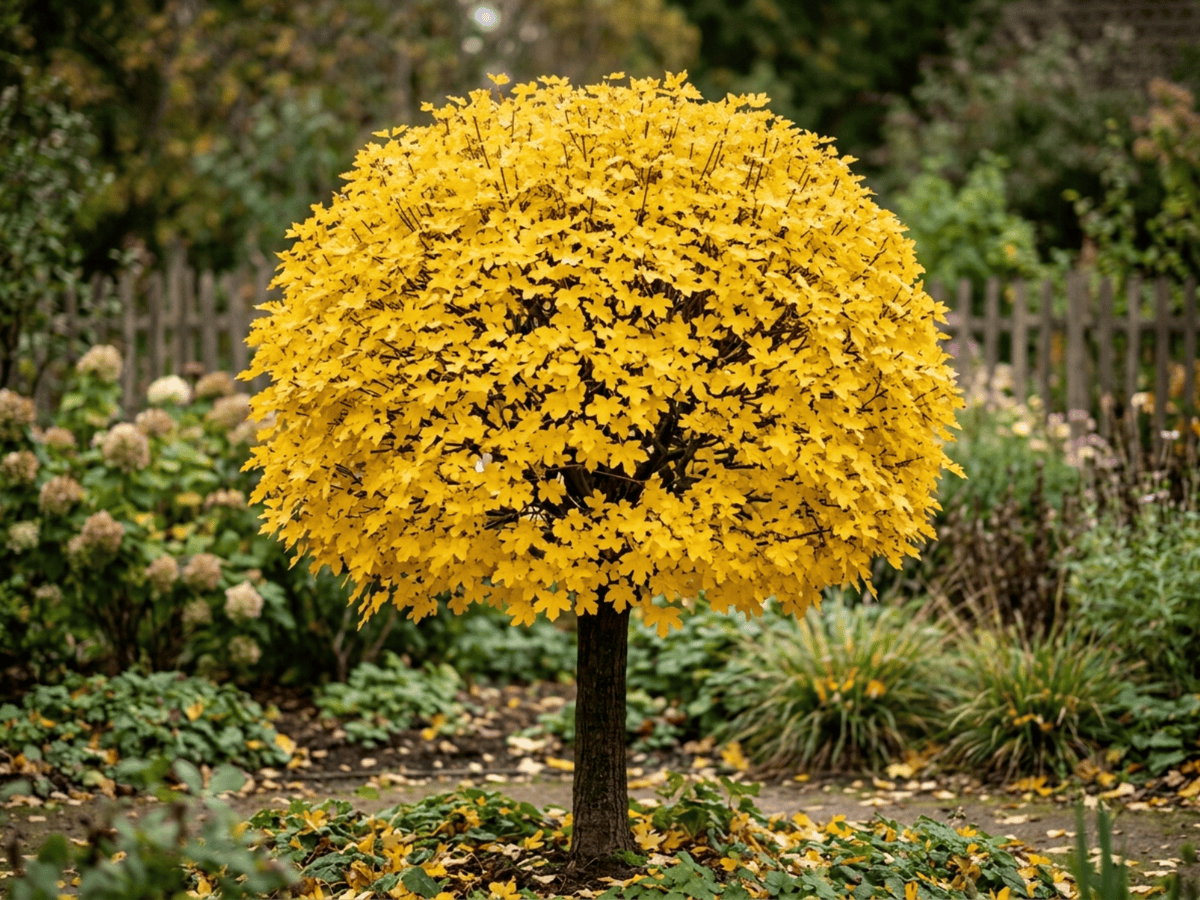 Field MapleAcer campestre
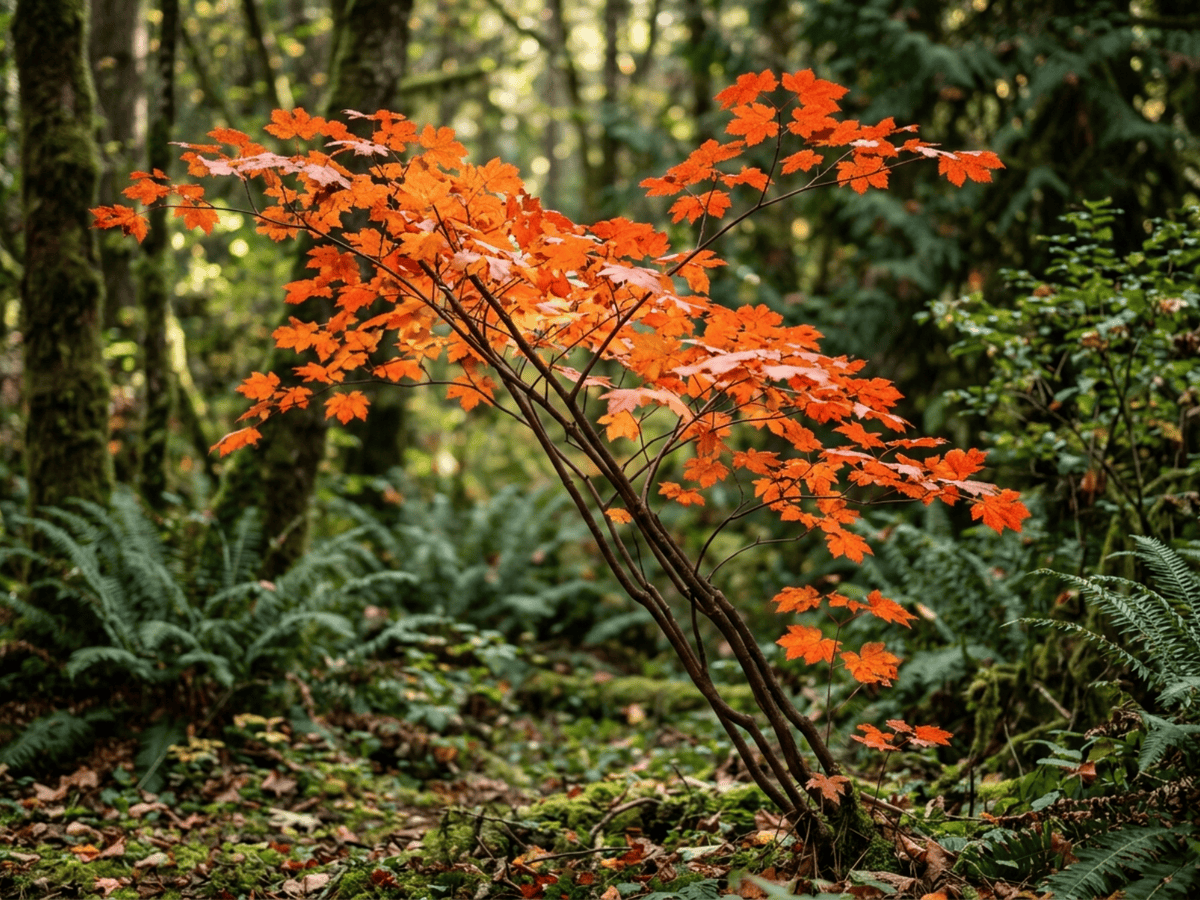 Vine MapleAcer circinatum
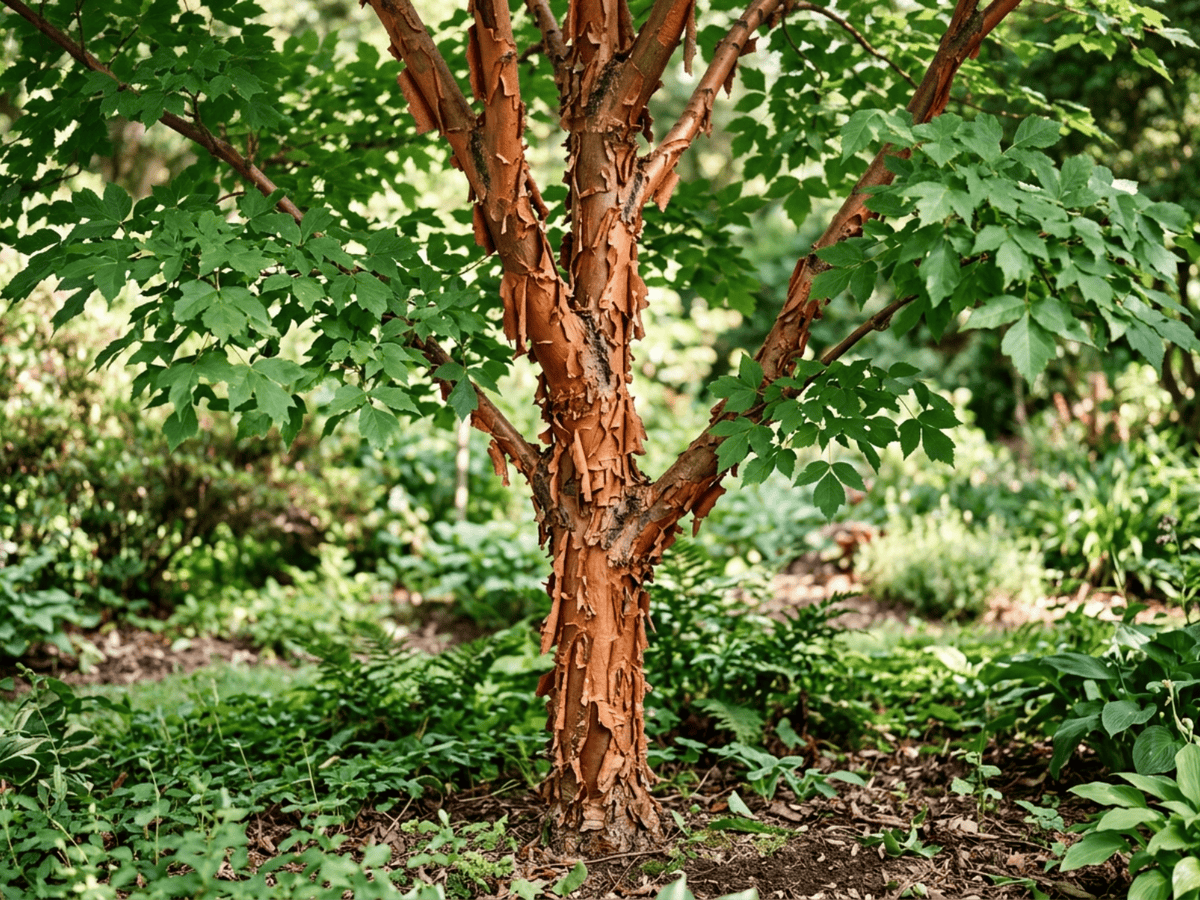 Paperbark MapleAcer griseum
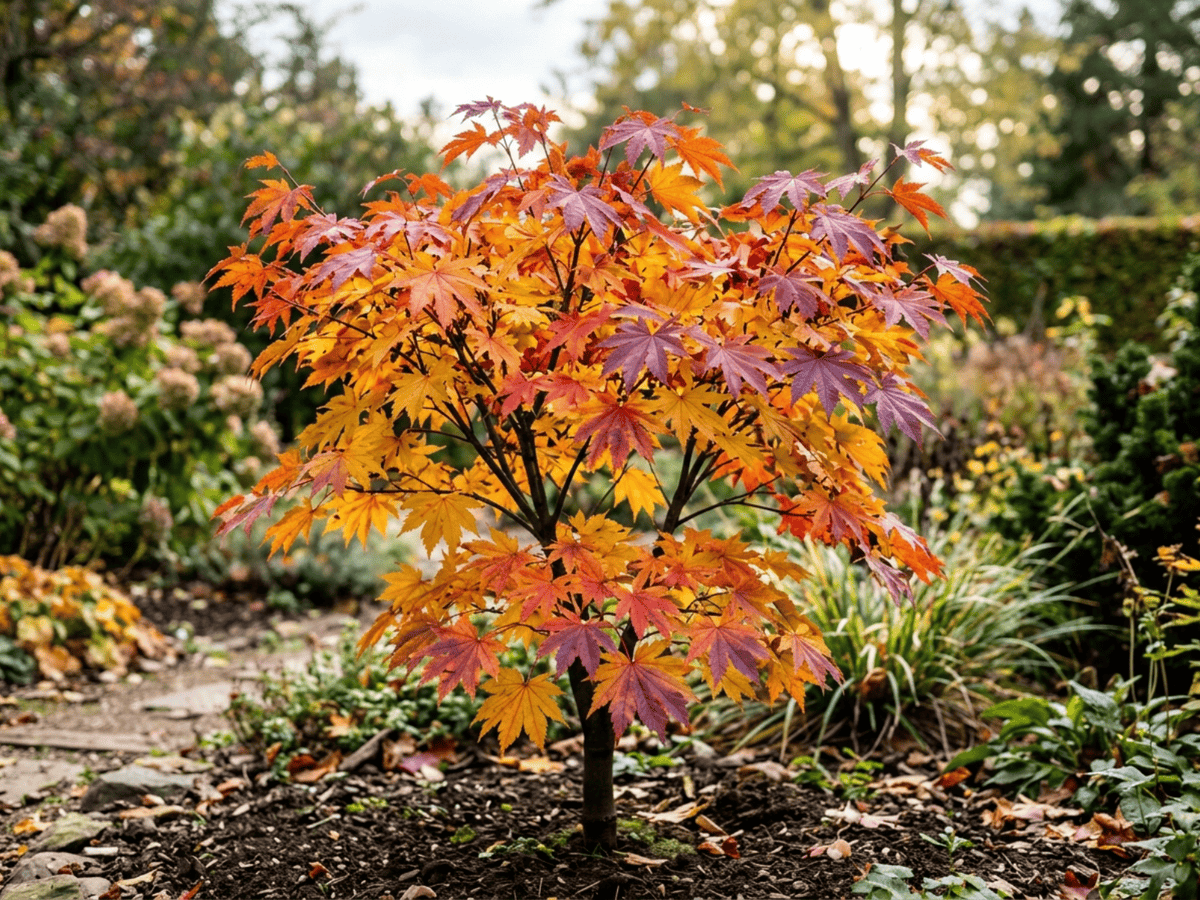 Downy Japanese MapleAcer japonicum
Plants with similar care
 Chinese AbeliaAbelia chinensis
 Fragrant AbeliaAbelia mosanensis
 Large-Flowered AbeliaAbelia uniflora
 Glossy AbeliaAbelia x grandiflora
Frequently asked questions
How often should I water Norway Maple?
In summer, water about every 5 days; in winter, about every 30 days. Adjust for heat, pot size and drainage.
How much light does Norway Maple need?
Full sun: 6+ hrs direct. Watch the leaves — scorching or stretching means the light needs adjusting.
Is Norway Maple toxic to cats or dogs?
No toxicity has been reported for this plant. Still, it is wise to keep pets from chewing on any houseplant. Educational information, not medical or veterinary advice. If exposure is suspected, contact a doctor or veterinarian.
Is Norway Maple easy to grow?
Yes — it is considered an easy, beginner-friendly plant.
YardMate
Identify any plant in seconds
Snap a photo — YardMate names the plant, diagnoses problems, and reminds you when to water.
Download on the App Store