 YardMate


Sycamore Maple
Acer pseudoplatanus
Easy · Beginner friendlyAbout Sycamore Maple
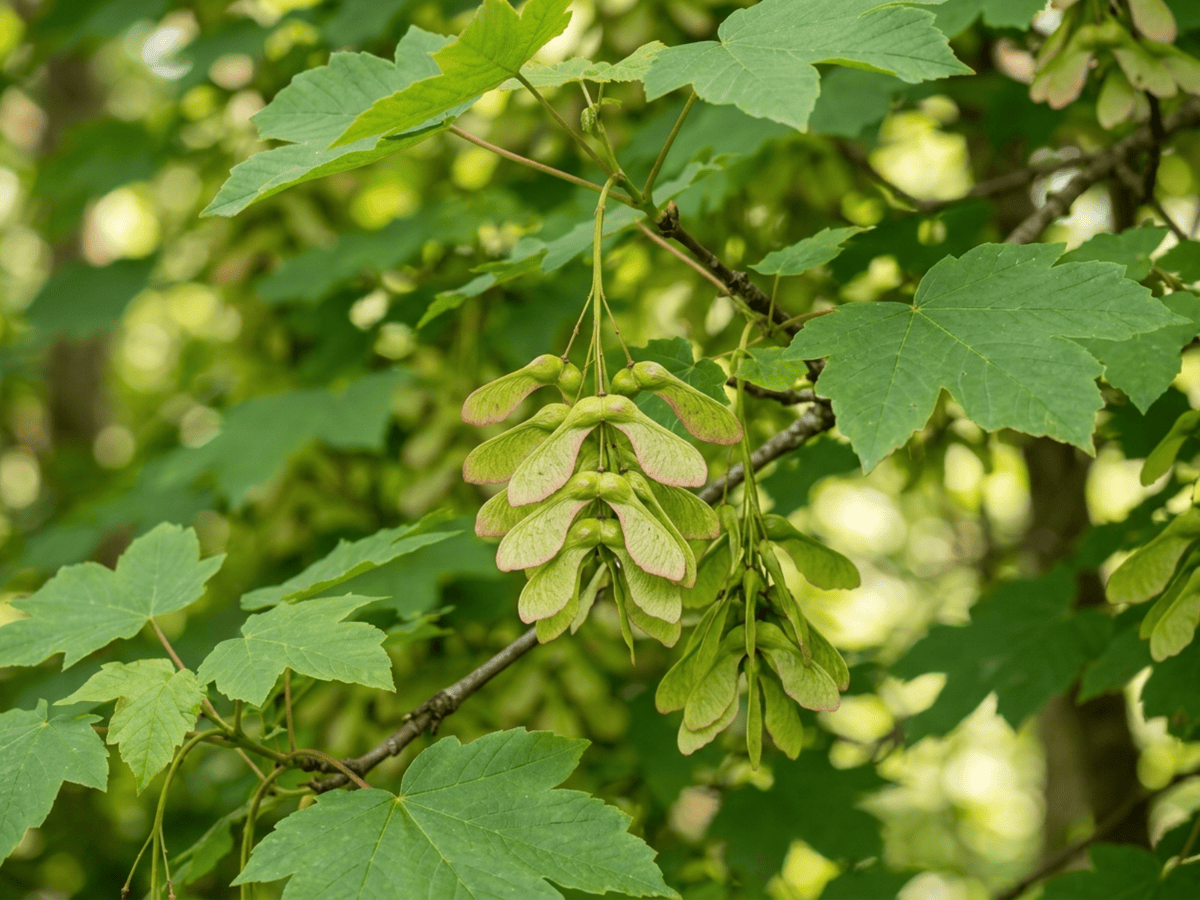
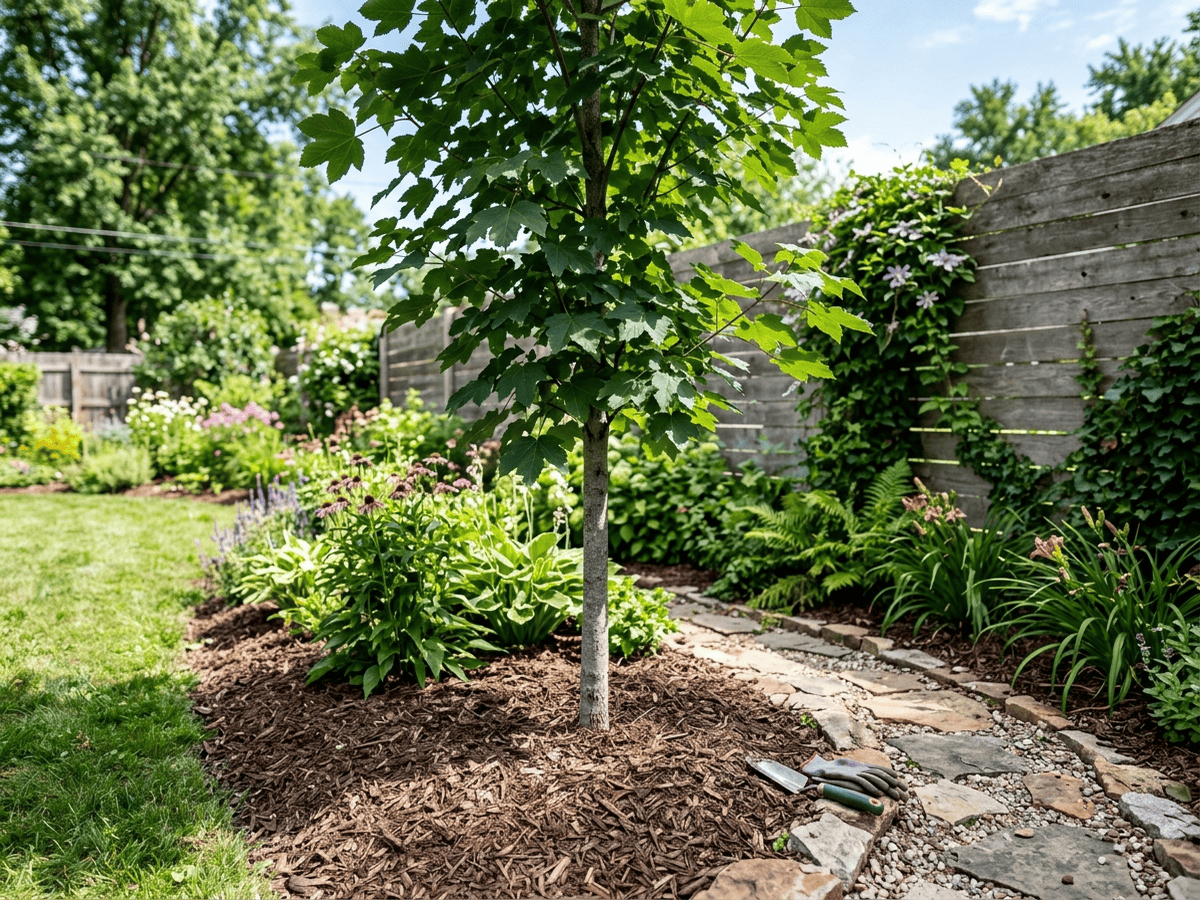
Sycamore Maple is a large vigorous deciduous tree native to central Europe and western Asia, reaching 60-80 feet. Widely planted across the northeastern US as a shade and street tree for its tolerance of urban conditions, salt, and coastal winds. Palmate five-lobed leaves create dense shade, and drooping clusters of greenish-yellow flowers in spring give way to paired winged seeds. A tough, long-lived shade tree valued in parks and avenues.
- Fast-growing
How to care for Sycamore Maple
Watering
- Springevery 7 days
- Summerevery 5 days
- Fallevery 10 days
- Winterpause watering
Soil · Well-draining
- Top dressingPine bark mulch10%
- Main mixPotting soil + perlite 2:170%
- DrainageLECA / gravel20%
Never skip the drainage layer — standing water is the top cause of root rot.
FERTILIZER
Balanced Feed 14-14-14
An even feed covers all three needs at once, keeping leaves, roots and blooms moving together with nothing pushed out of balance.
- Nitrogen · Leaves
- Phosphorus · Roots + Blooms
- Potassium · Strength
- Springevery 60 days
- Summerevery 60 days
At a Glance
- NativeEurope, Western Asia
- Height60–100 ft (18.3–30.5 m)
- Spread40–60 ft (12.2–18.3 m)
- Flower colorGreen
- Foliage colorGreen, Purple, Variegated, Yellow
- Fruit colorBrown, Green
- SoilLoamy, Well-drained, Neutral
- LocationsYard
Bloom time
BLOOM CYCLE
Peak bloom
Apr–May
Greenish-yellow flower clusters April to May
Toxicity
Pets Slight
hypoglycin A
Not reported
EXPOSURE No exposure route is reported.
EFFECT No toxic effect is reported.
NOTE No toxicity is reported for humans in this catalog; this is not evidence that the plant is edible or harmless.
Slight
- Seed
- Seedling
- Ingestion
EXPOSURE Eating seeds and seedling.
EFFECT Muscle weakness.
NOTE Seeds and seedlings cause Atypical Myopathy (sometimes fatal) in horses and ruminants; small risk to pets.
Slight
- Seed
- Seedling
- Ingestion
EXPOSURE Eating seeds and seedling.
EFFECT Muscle weakness.
NOTE Seeds and seedlings cause Atypical Myopathy (sometimes fatal) in horses and ruminants; small risk to pets.
Educational information, not medical or veterinary advice. If exposure is suspected, contact a doctor or veterinarian.
DISTRIBUTION

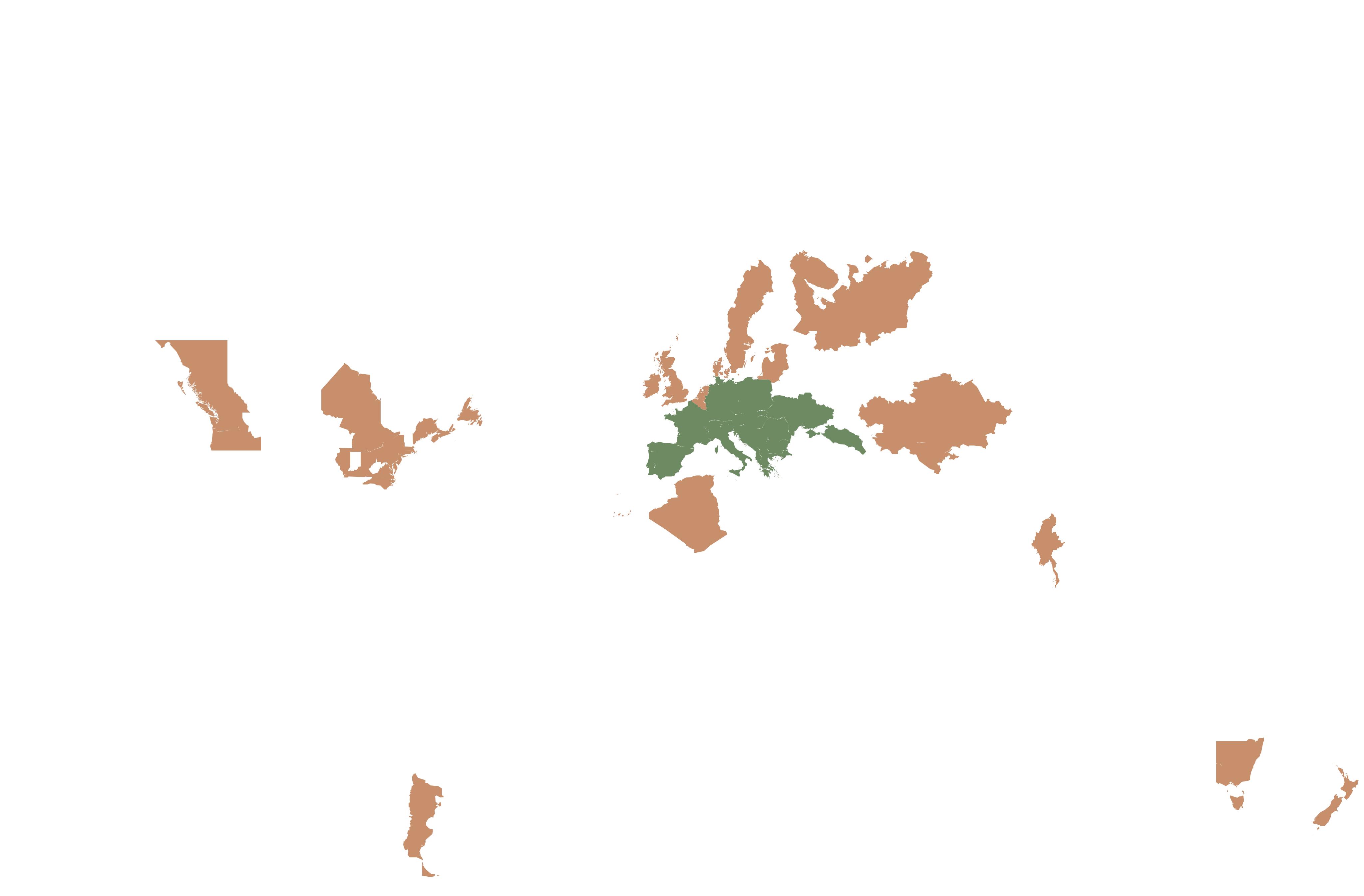
- Native
- Introduced
- Europe
- Western Asia
History
Acer pseudoplatanus grows wild across central Europe from the Pyrenees and Alps east to the Caucasus, naturalizing widely elsewhere. Roman writers including Pliny documented it, and the species naturalized in Britain after introduction around the 15th century, where it is sometimes controversially considered invasive in ancient woodlands. Linnaeus described it in 1753.
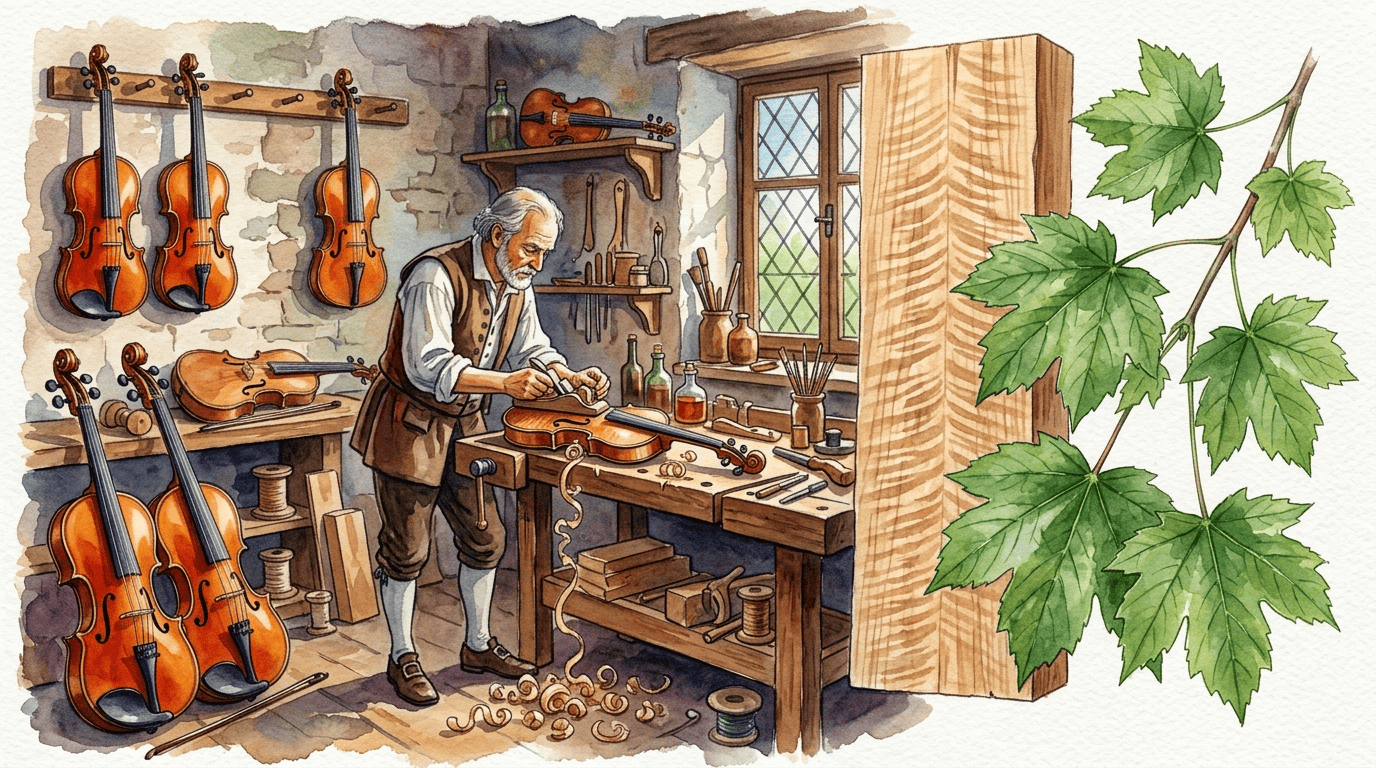
The specific epithet pseudoplatanus (false plane tree) reflects its superficial resemblance to Platanus. The pale dense fine-grained wood has been the preferred material for violin backs, necks, and ribs since the 16th century—Stradivari, Guarneri, and Amati all used maple, often with striking flame figure that enhances instrument appearance and acoustics. In Britain it is called sycamore, confusingly (the American sycamore is Platanus occidentalis).
The purple-leaved cultivar 'Atropurpureum' and variegated 'Leopoldii' and 'Brilliantissimum' remain popular specimen forms. Introduced to Britain in the late Middle Ages, planted for timber valued in furniture and musical instruments—particularly violin backs. Naturalized widely in Europe and locally in the northeastern US. The wood has been used for Stradivarius violins and traditional Welsh love spoons.
Symbolism & meaning
What It Symbolizes
The Sycamore Maple evokes strength weathered into wisdom — a sturdy, long-lived tree that has shaded European parks, churchyards, and avenues for centuries. Its broad crown and patient bulk make it a living monument, an heirloom of the Old World's landscape tradition. To plant one is to accept an inheritance of slow time, a steadfast presence meant to outlast its keeper.
- Strength — sturdy long-lived tree for parks
- Heritage — historic European shade tree
Where the Name Comes From
'Pseudoplatanus' means 'false plane tree', referring to its superficial resemblance to plane trees.
Uses & Fun Facts
- Dense palmate canopy shades streets, lawns, and coastal parks
- Pale tonewood timber prized for furniture, flooring, and violins
- Tough urban tree tolerating salt spray and pollution
Related plants
More Acer plants
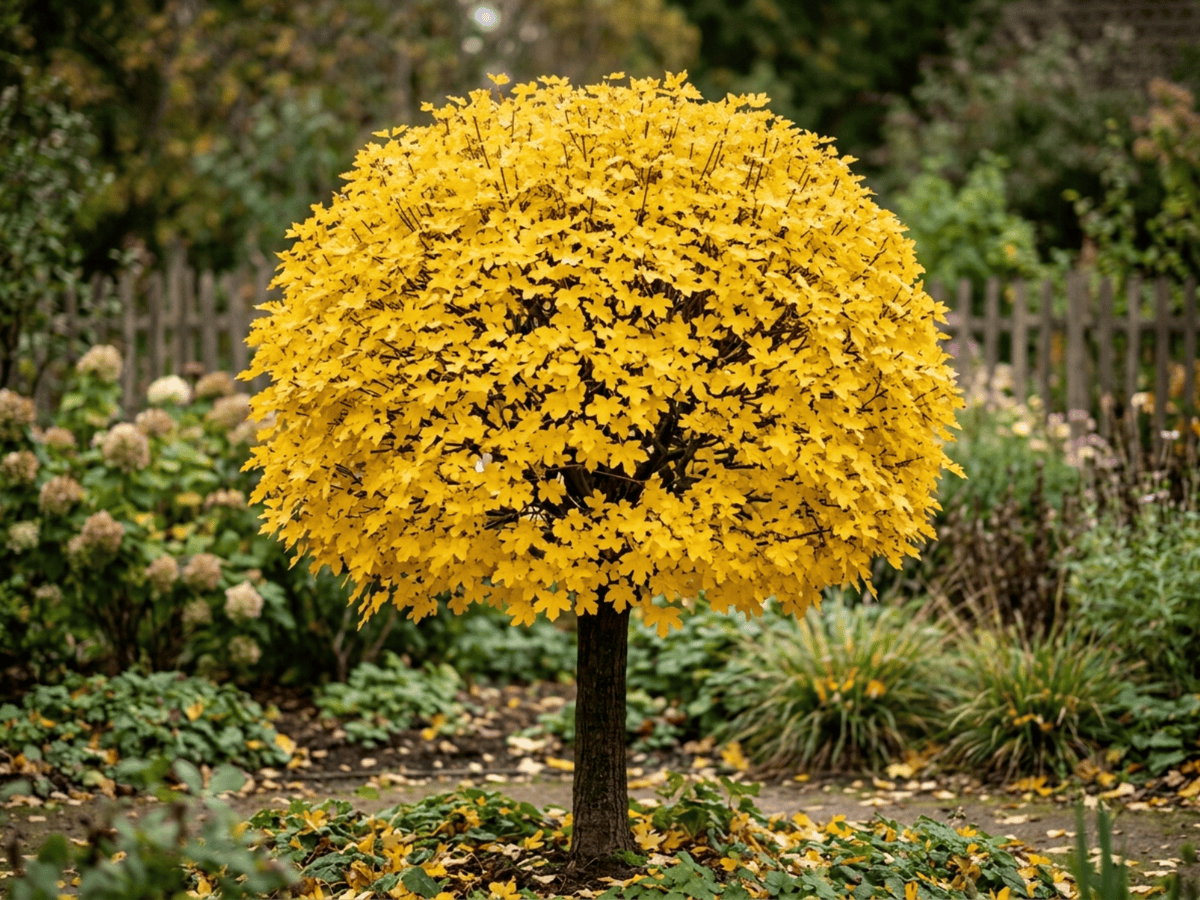 Field MapleAcer campestre
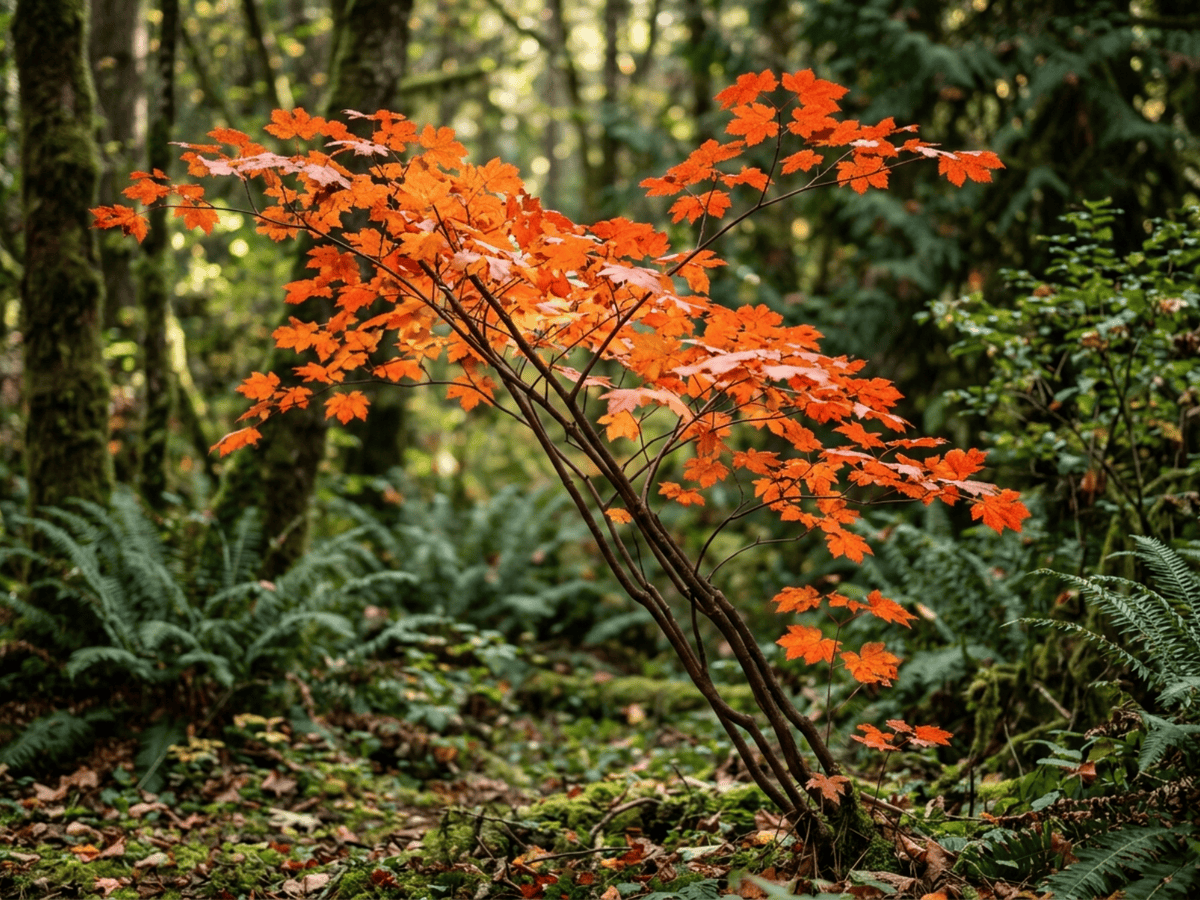 Vine MapleAcer circinatum
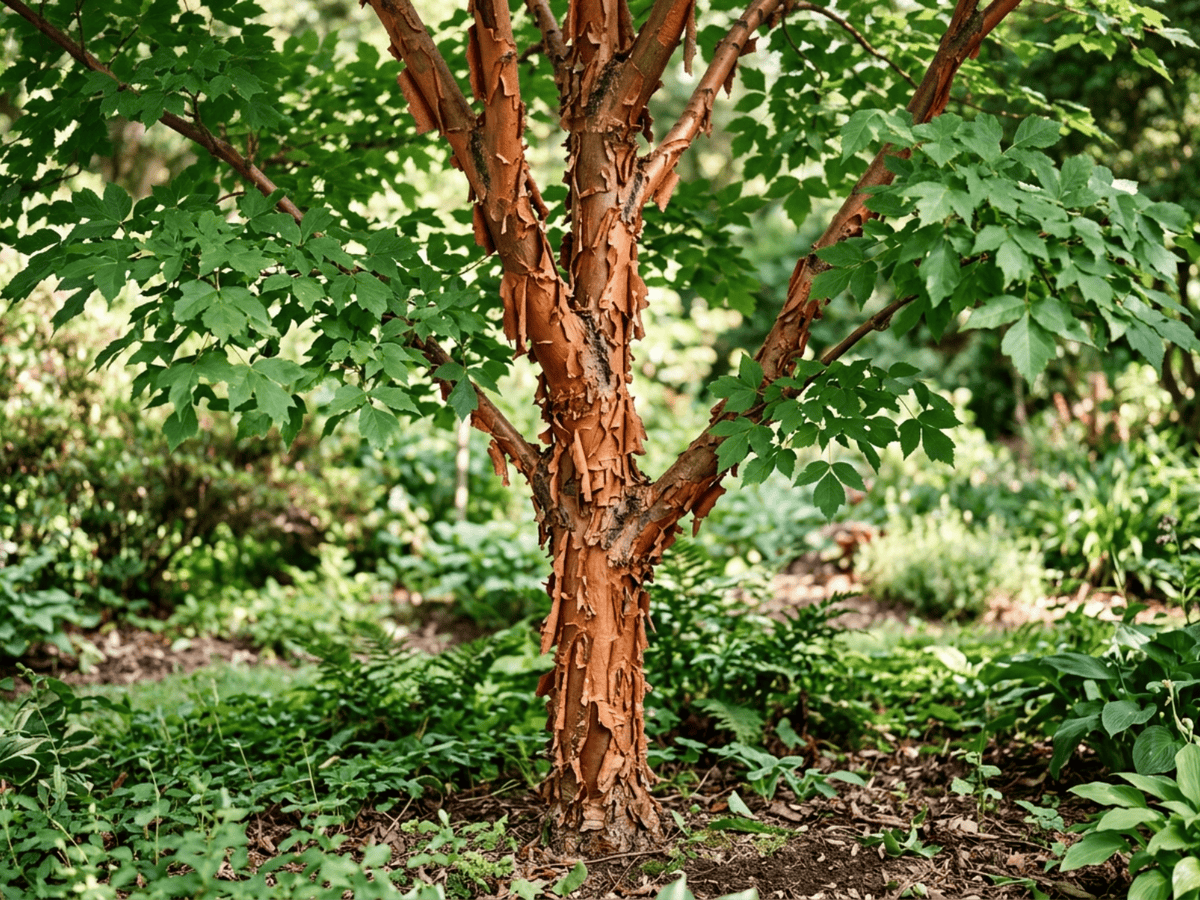 Paperbark MapleAcer griseum
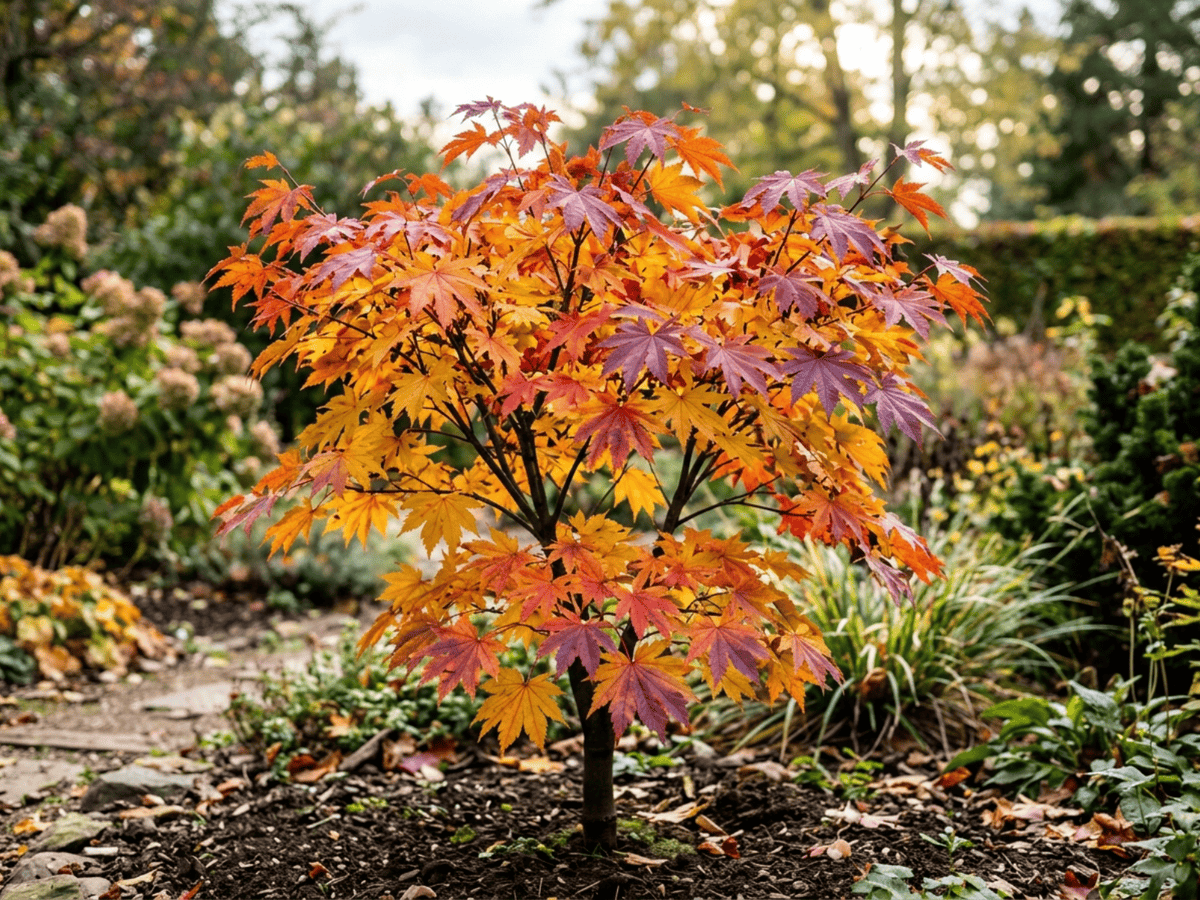 Downy Japanese MapleAcer japonicum
Plants with similar care
 Chinese AbeliaAbelia chinensis
 Fragrant AbeliaAbelia mosanensis
 Large-Flowered AbeliaAbelia uniflora
 Glossy AbeliaAbelia x grandiflora
Frequently asked questions
How often should I water Sycamore Maple?
Water about every 7 days during the growing season, and always let excess water drain away.
How much light does Sycamore Maple need?
Full sun: 6+ hrs direct. Watch the leaves — scorching or stretching means the light needs adjusting.
Is Sycamore Maple toxic to cats or dogs?
Pets Slight (Dogs Slight · Cats Slight) Educational information, not medical or veterinary advice. If exposure is suspected, contact a doctor or veterinarian.
Is Sycamore Maple easy to grow?
Yes — it is considered an easy, beginner-friendly plant.
When does Sycamore Maple bloom?
It typically blooms Apr–May in the Northern Hemisphere.
YardMate
Identify any plant in seconds
Snap a photo — YardMate names the plant, diagnoses problems, and reminds you when to water.
Download on the App Store