 YardMate


Common Yarrow
Achillea millefolium
Easy · Beginner friendlyAbout Common Yarrow
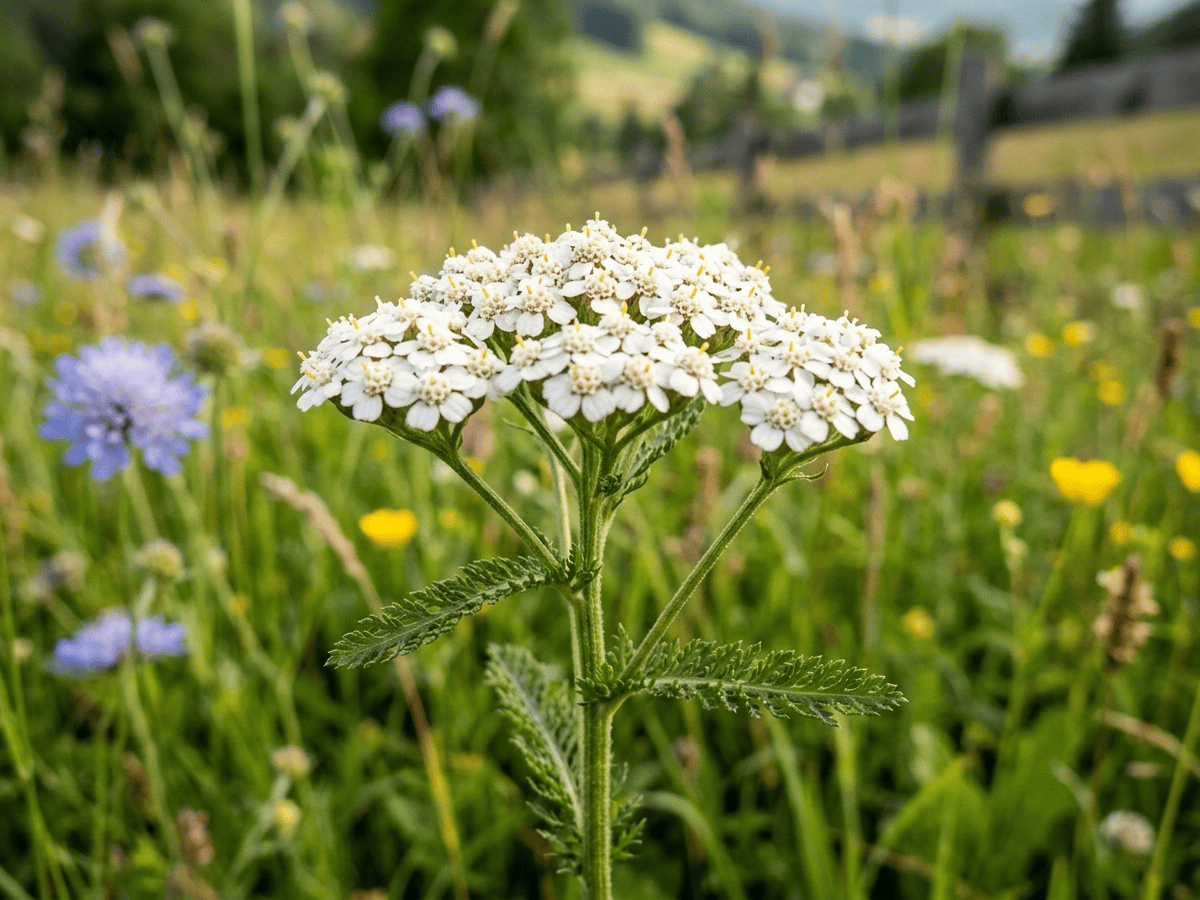
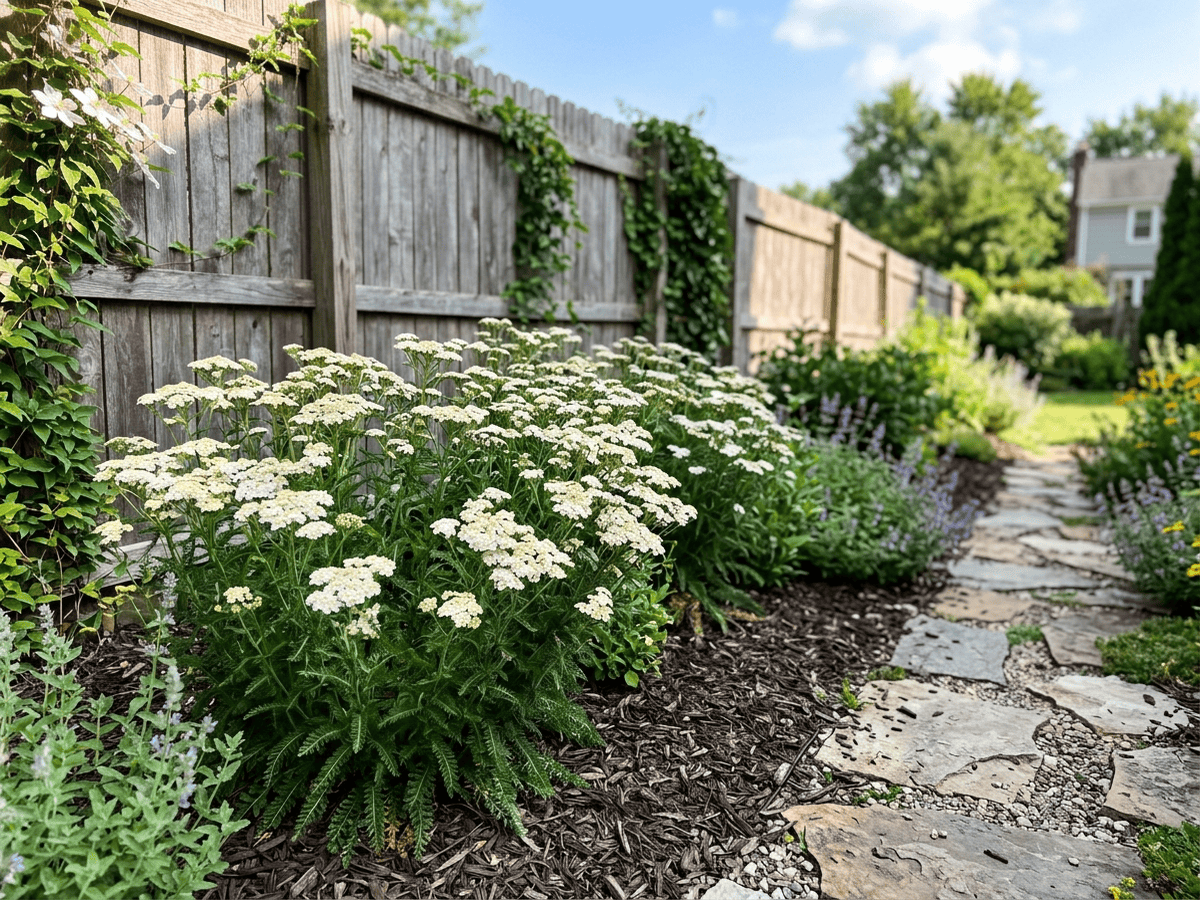
Achillea millefolium, yarrow, is a tough rhizomatous perennial of temperate regions across the Northern Hemisphere. Its finely cut, feathery leaves and flat-topped flower clusters give it both wildflower ease and border polish, with garden forms in white, pink, red, yellow, and apricot. It thrives in full sun, lean well-drained soil, drought, heat, and cold, sometimes spreading into dense mats. Yarrow's long herbal reputation is reflected in its name: Achilles was said to use the plant on battlefield wounds. Today gardeners value it just as much for ecological work, because the flowers feed hoverflies, lacewings, lady beetles, and other beneficial insects. It also dries beautifully for winter arrangements.
- Medicinal
- Drought-tolerant
- Cold-hardy
- Native
How to care for Common Yarrow
Watering
- Springevery 5 days
- Summerevery 4 days
- Fallevery 7 days
- Winterevery 14 days
Soil · Well-draining
- Top dressingPine bark mulch10%
- Main mixPotting soil + perlite 2:170%
- DrainageLECA / gravel20%
Never skip the drainage layer — standing water is the top cause of root rot.
FERTILIZER
Balanced Feed 14-14-14
An even feed covers all three needs at once, keeping leaves, roots and blooms moving together with nothing pushed out of balance.
- Nitrogen · Leaves
- Phosphorus · Roots + Blooms
- Potassium · Strength
- Springevery 45 days
- Summerevery 45 days
- Fallevery 60 days
At a Glance
- NativeNorth America
- Height2–3 ft (0.6–0.9 m)
- Spread2–3 ft (0.6–0.9 m)
- Flower colorWhite, Pink, Red, Yellow
- Foliage colorGreen
- SoilSandy, Well-drained
- LocationsYard
Bloom time
BLOOM CYCLE
Peak bloom
Jun–Sep
Deadhead first flush for reblooming; cut stems back to basal foliage in late autumn.
Fragrance
MODERATE FRAGRANCE
Pungent camphor-herbal aroma when crushed.
Toxicity
Humans Slight · Pets Moderate
achilleine, thujone, and sesquiterpene lactones
Slight
- Leaf
- Flower
- Contact
EXPOSURE Touching leaves and flowers.
EFFECT Contact dermatitis in Asteraceae-sensitive individuals and photosensitivity reported.
NOTE Documented concern for humans: Contact dermatitis in Asteraceae-sensitive individuals and photosensitivity reported.
Moderate
- All
- Ingestion
EXPOSURE Eating any part of the plant.
EFFECT Vomiting, diarrhea, increased urination, incoordination (per ASPCA).
NOTE ASPCA lists Achillea as toxic to dogs, cats, horses.
Moderate
- All
- Ingestion
EXPOSURE Eating any part of the plant.
EFFECT Vomiting, diarrhea, depression.
NOTE ASPCA lists Achillea as toxic to dogs, cats, horses.
Educational information, not medical or veterinary advice. If exposure is suspected, contact a doctor or veterinarian.
DISTRIBUTION


- Native
- Introduced
- North America
History

Achillea millefolium is native to the temperate northern hemisphere — Europe, Asia, and North America. The genus name commemorates the Greek hero Achilles, who according to Homer's Iliad received the plant from the centaur Chiron and used it to staunch the bleeding wounds of his soldiers at the Siege of Troy. The specific epithet "millefolium" (thousand-leaf) describes the finely divided fern-like foliage.
Yarrow has one of the longest documented medicinal histories of any plant — pollen of Achillea was found with the flower burial of Shanidar Neanderthal IV in northern Iraq, dated to approximately 60,000 BP, suggesting pre-modern human recognition of its medicinal uses. Indigenous North American peoples used it for wounds and fever independently.
The plant was the original source of the 64 yarrow stalks used in ancient Chinese I Ching divination. It contains the alkaloid achilleine, which is a documented hemostatic (bleeding-stopping) compound, validating millennia of wound-care tradition. It was a battlefield first-aid staple through the American Civil War, and the I Ching's original divination sticks were dried yarrow stalks.
Symbolism & meaning
What It Symbolizes
Common Yarrow carries the memory of Achilles and soldiers' wounds, but its garden meaning is broader than any old battlefield tale. It thrives in lean ground, shelters beneficial insects, and dries into lasting winter color. This is a plant of practical compassion: beauty that keeps working after the first flush has passed.
- Healing — From Achilles to modern herbalism, yarrow is the archetypal symbol of the healer's art
- Courage — Its battlefield history links it to bravery and the willingness to tend the wounded
Where the Name Comes From
Achillea from the Greek hero Achilles; 'millefolium' from Latin 'mille' (thousand) + 'folium' (leaf), describing the finely divided foliage.
Uses & Fun Facts
- Traditional herbal remedy for wounds and fevers
- Flat corymbs dry well for everlasting arrangements
- Beneficial insect magnet in wildflower meadows
- Drought-tolerant feathery foliage perennial for sunny borders
Related plants
More Achillea plants
 Moonshine YarrowAchillea clypeolata
 Fern-Leaf YarrowAchillea filipendulina
 SneezewortAchillea ptarmica
 Yellow MilfoilAchillea tomentosa
Plants with similar care
 Chinese AbeliaAbelia chinensis
 Fragrant AbeliaAbelia mosanensis
 Large-Flowered AbeliaAbelia uniflora
 Glossy AbeliaAbelia x grandiflora
Frequently asked questions
How often should I water Common Yarrow?
In summer, water about every 4 days; in winter, about every 14 days. Adjust for heat, pot size and drainage.
How much light does Common Yarrow need?
Full sun: 6+ hrs direct. Watch the leaves — scorching or stretching means the light needs adjusting.
Is Common Yarrow toxic to cats or dogs?
Pets Moderate (Dogs Moderate · Cats Moderate) Educational information, not medical or veterinary advice. If exposure is suspected, contact a doctor or veterinarian.
Is Common Yarrow easy to grow?
Yes — it is considered an easy, beginner-friendly plant.
When does Common Yarrow bloom?
It typically blooms Jun–Sep in the Northern Hemisphere.
YardMate
Identify any plant in seconds
Snap a photo — YardMate names the plant, diagnoses problems, and reminds you when to water.
Download on the App Store