 YardMate


Yellow Milfoil
Achillea tomentosa
Easy · Beginner friendlyAbout Yellow Milfoil
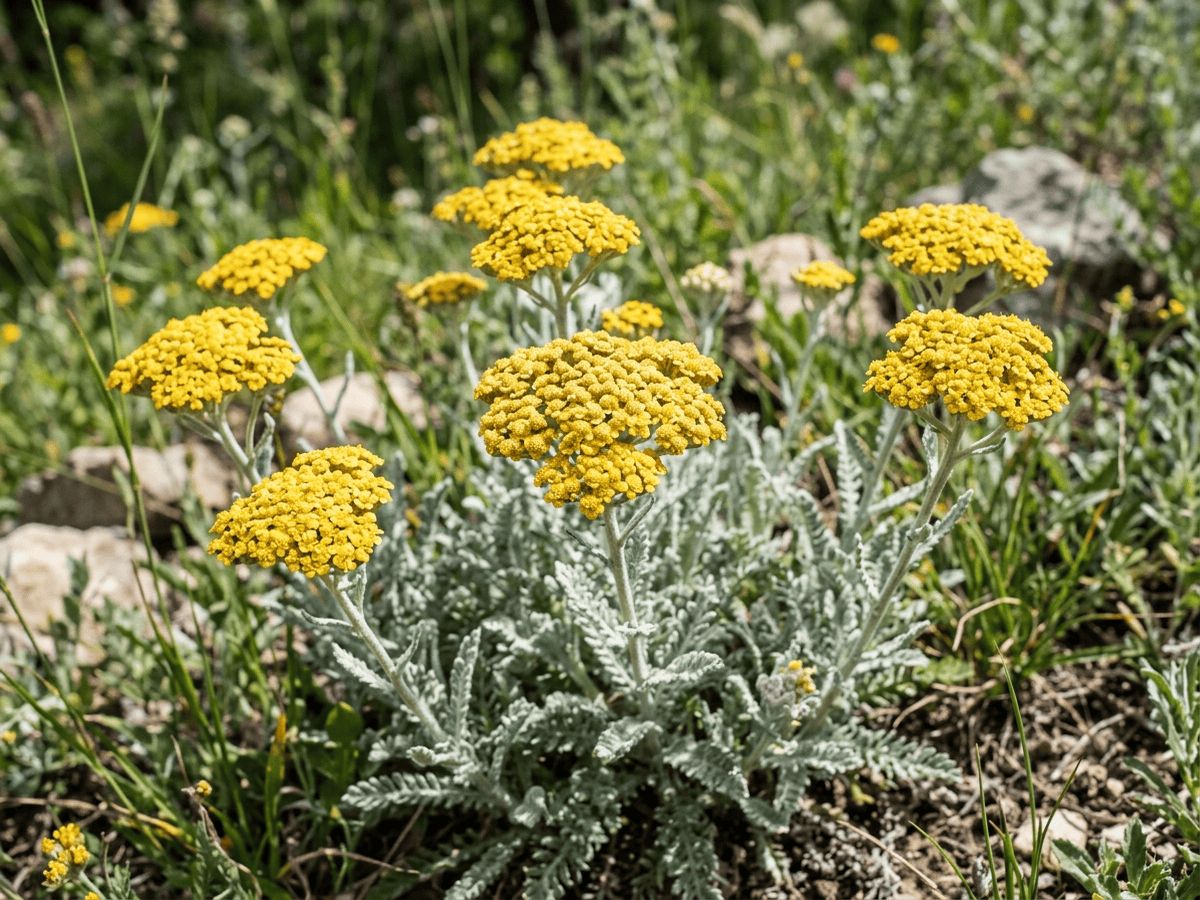
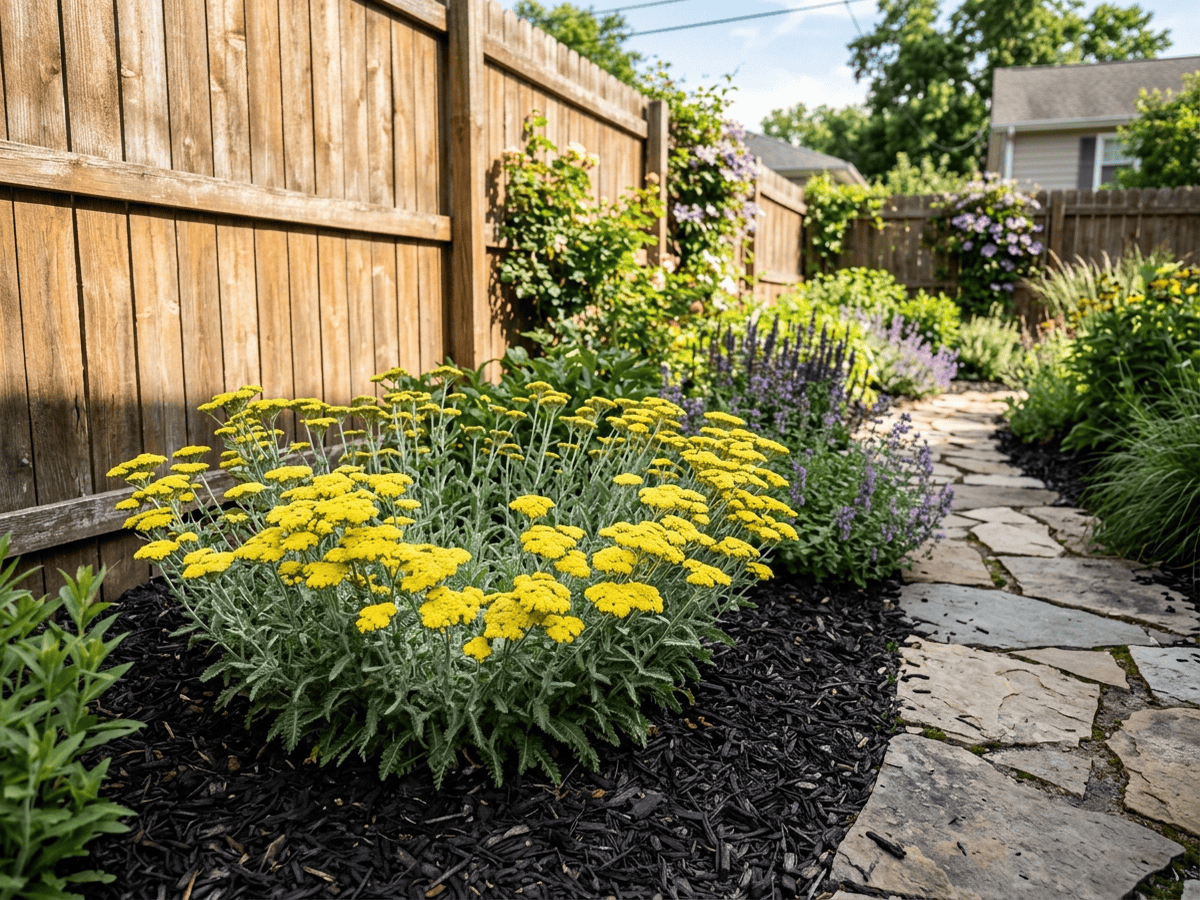
Woolly Yarrow is a European alpine perennial producing flat-topped clusters of bright yellow flowers above low mats of woolly gray-green ferny foliage. Growing only 6 to 12 inches tall and spreading 18 inches wide, it blooms from late spring into summer, forming an evergreen groundcover. A classic rock garden and dry-slope plant in American xeric and alpine-style gardens.
- Drought-tolerant
- Deer-resistant
- Groundcover
- Evergreen
How to care for Yellow Milfoil
Watering
- Springevery 7 days
- Summerevery 5 days
- Fallevery 10 days
- Winterevery 21 days
Soil · Well-draining
- Top dressingPine bark mulch10%
- Main mixPotting soil + perlite 2:170%
- DrainageLECA / gravel20%
Never skip the drainage layer — standing water is the top cause of root rot.
FERTILIZER
- Springevery 60 days
- Summerevery 90 days
At a Glance
- NativeMediterranean
- Height0.5–1 ft (0.2–0.3 m)
- Spread1–1.5 ft (0.3–0.5 m)
- Flower colorYellow
- Foliage colorGreen, Silver
- SoilSandy, Well-drained
- LocationsYard
Bloom time
BLOOM CYCLE
Peak bloom
Mar–Aug
Flat yellow flower clusters late spring to summer
Fragrance
MODERATE FRAGRANCE
Foliage sharply aromatic, camphor-and-chrysanthemum scent when rubbed.
Toxicity
Humans Slight · Pets Slight
sesquiterpene lactones and achilleine
Slight
- Leaf
- Flower
- Contact
- Ingestion
EXPOSURE Touching leaves and flowers. Eating leaves and flowers.
EFFECT Contact dermatitis in sensitive people.
NOTE Documented concern for humans: Contact dermatitis in sensitive people.
Slight
- All
- Ingestion
EXPOSURE Eating any part of the plant.
EFFECT Vomiting, diarrhea, and lethargy.
NOTE ASPCA lists Achillea millefolium (yarrow) as toxic to dogs, cats, and horses; related species assumed similar. Can cause mild GI upset.
Slight
- All
- Ingestion
EXPOSURE Eating any part of the plant.
EFFECT Vomiting and diarrhea.
NOTE ASPCA lists Achillea millefolium (yarrow) as toxic to dogs, cats, and horses; related species assumed similar. Can cause mild GI upset.
Educational information, not medical or veterinary advice. If exposure is suspected, contact a doctor or veterinarian.
DISTRIBUTION


- Native
- Introduced
- Mediterranean
History
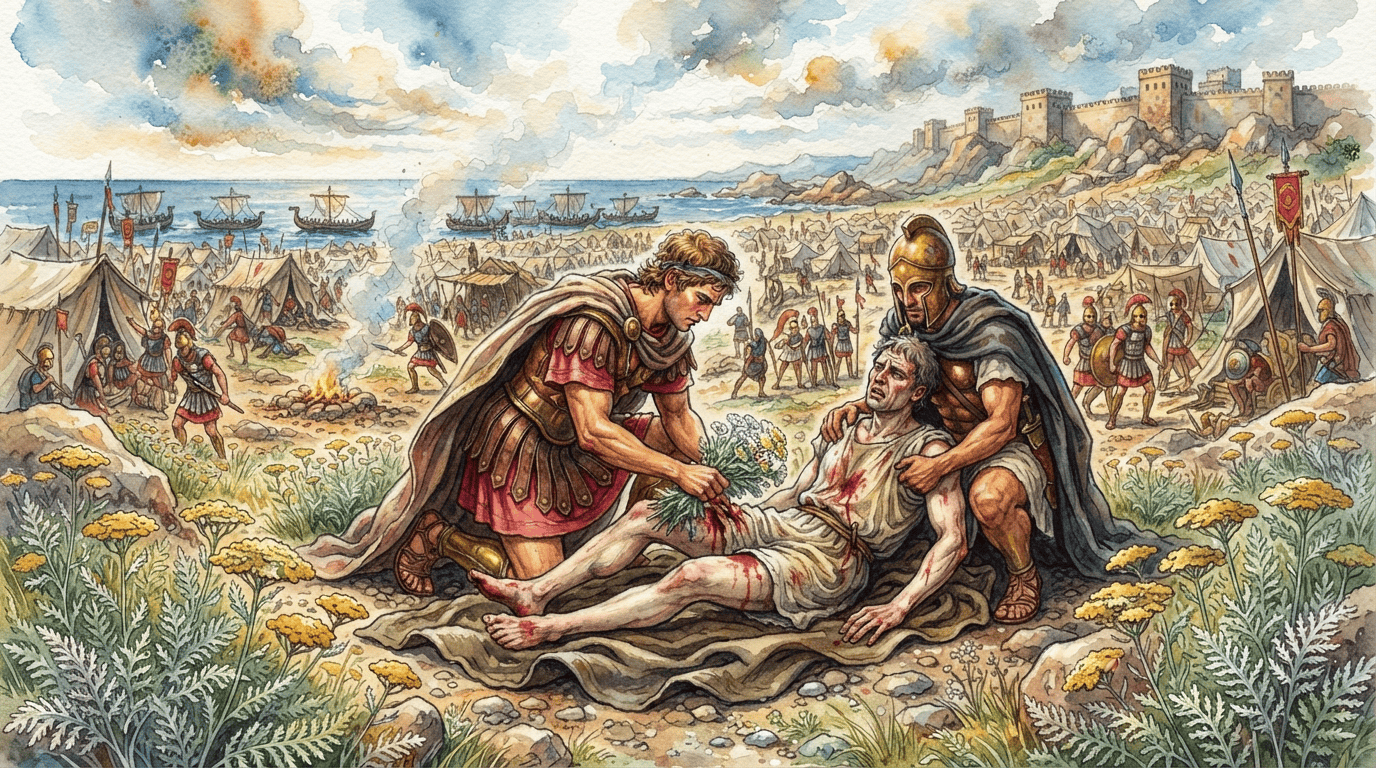
Achillea tomentosa grows on dry, rocky slopes and alpine meadows from Spain through the Alps to the Balkans. Linnaeus described it in Species Plantarum (1753). Like other yarrows, its fern-like silvery leaves were stuffed into battlefield wounds — a use reflected in the genus name honoring Achilles, who reportedly treated his soldiers with Achillea millefolium at Troy.
Mediterranean villagers prepared infusions for colds and digestive complaints. The species entered English rock gardens in the late 1700s and became a favorite at Kew and the Royal Horticultural Society's alpine displays. Compact and drought-tolerant, it is now grown as an evergreen groundcover with bright golden flat-topped flower clusters in early summer.
The Plant Select cultivar 'King Edward' is widely sold in North America. Native to European mountain regions from the Alps to the Pyrenees. Introduced to American rock garden horticulture in the early 1900s, becoming a classic evergreen alpine groundcover in US specialty collections. The cultivar 'Aurea' offers brighter gold flowers.
Symbolism & meaning
What It Symbolizes
Yellow Milfoil weaves a silver mat across stony ground, its woolly leaves persisting through frost and drought with cheerful endurance. Born of European alpine slopes, it carries a quiet mountain heritage — the grace of plants that thrive where soil is thin and weather sharp. Its sunny yellow umbels rise as small, steady affirmations that beauty can root itself in the hardest places.
- Cheerful endurance — evergreen mat of silver leaves
- Alpine grace — European mountain heritage plant
Where the Name Comes From
The common name highlights its yellow coloring. 'Achillea' honors Achilles, linked in legend with yarrow and soldiers' wounds; 'tomentosa' from Latin means woolly, for the gray-hairy foliage.
Uses & Fun Facts
- Woolly silver mat covers dry sunny banks and slopes
- Yellow flat-topped flowers attract bees and hoverflies
Related plants
More Achillea plants
 Moonshine YarrowAchillea clypeolata
 Fern-Leaf YarrowAchillea filipendulina
 Common YarrowAchillea millefolium
 SneezewortAchillea ptarmica
Plants with similar care
 Chinese AbeliaAbelia chinensis
 Fragrant AbeliaAbelia mosanensis
 Large-Flowered AbeliaAbelia uniflora
 Glossy AbeliaAbelia x grandiflora
Frequently asked questions
How often should I water Yellow Milfoil?
In summer, water about every 5 days; in winter, about every 21 days. Adjust for heat, pot size and drainage.
How much light does Yellow Milfoil need?
Full sun: 6+ hrs direct. Watch the leaves — scorching or stretching means the light needs adjusting.
Is Yellow Milfoil toxic to cats or dogs?
Pets Slight (Dogs Slight · Cats Slight) Educational information, not medical or veterinary advice. If exposure is suspected, contact a doctor or veterinarian.
Is Yellow Milfoil easy to grow?
Yes — it is considered an easy, beginner-friendly plant.
When does Yellow Milfoil bloom?
It typically blooms Mar–Aug in the Northern Hemisphere.
YardMate
Identify any plant in seconds
Snap a photo — YardMate names the plant, diagnoses problems, and reminds you when to water.
Download on the App Store