 YardMate


Sneezewort
Achillea ptarmica
Easy · Beginner friendlyAbout Sneezewort
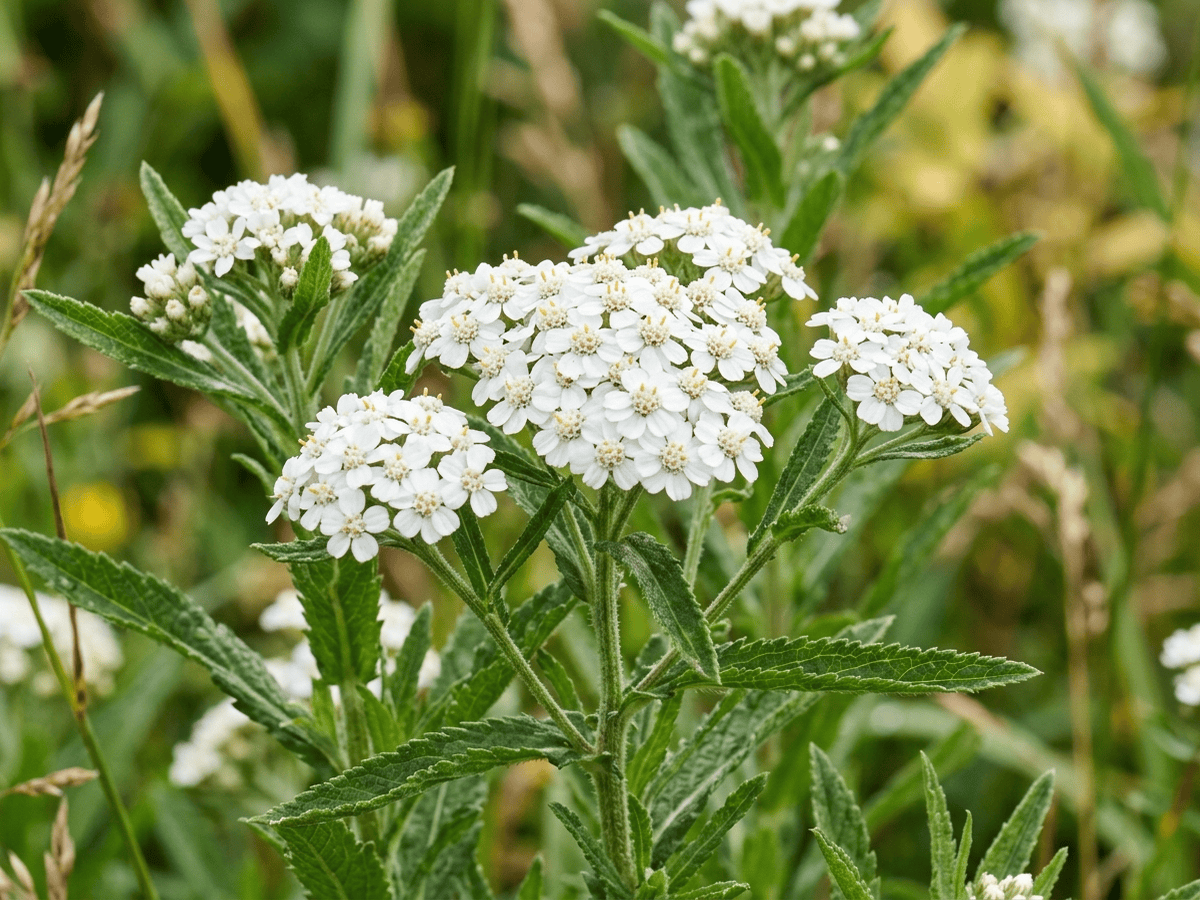
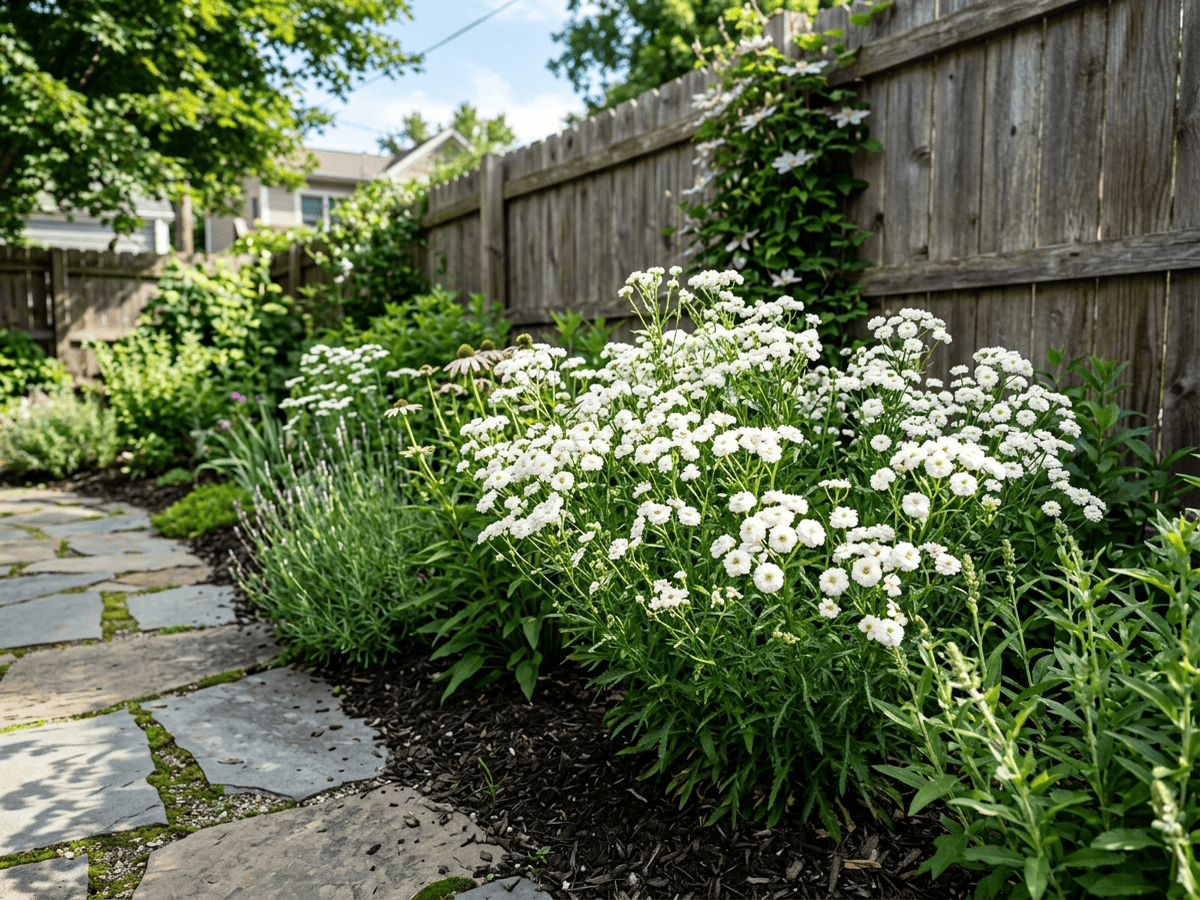
Sneezewort is a native European perennial, 18–24 inches tall, with narrow serrated dark green leaves and airy clusters of small pure-white button-like double flowers in midsummer. 'The Pearl' is the iconic heirloom double-flowered cultivar, grown since the 1600s. Excellent filler in bouquets and cottage gardens. Spreads by rhizomes in moist soils. Hardy zones 3–8.
- Cut-flower
- Pollinator-friendly
How to care for Sneezewort
Watering
- Springevery 5 days
- Summerevery 4 days
- Fallevery 7 days
- Winterpause watering
Soil · Well-draining
- Top dressingPine bark mulch10%
- Main mixPotting soil + perlite 2:170%
- DrainageLECA / gravel20%
Never skip the drainage layer — standing water is the top cause of root rot.
FERTILIZER
- Springevery 30 days
- Summerevery 30 days
At a Glance
- NativeEurope, Western Asia
- Height1.5–2 ft (0.5–0.6 m)
- Spread1.5–2 ft (0.5–0.6 m)
- Flower colorWhite
- Foliage colorGreen
- SoilLoamy, Well-drained, Neutral
- LocationsYard
Bloom time
BLOOM CYCLE
Peak bloom
Jul
White button flowers midsummer
Fragrance
MODERATE FRAGRANCE
The foliage has a pungent aromatic scent.
Toxicity
Humans Slight · Pets Moderate
achilleine and sesquiterpene lactones
Slight
- Leaf
- Flower
- Contact
- Inhalation
EXPOSURE Touching leaves and flowers. Inhaling leaves and flowers.
EFFECT Sneezing and mild dermatitis.
NOTE Documented concern for humans: Sneezing and mild dermatitis.
Moderate
- All
- Ingestion
EXPOSURE Eating any part of the plant.
EFFECT Vomiting and diarrhea.
NOTE ASPCA lists Achillea as toxic to pets.
Moderate
- All
- Ingestion
EXPOSURE Eating any part of the plant.
EFFECT Vomiting and diarrhea.
NOTE ASPCA lists Achillea as toxic to pets.
Educational information, not medical or veterinary advice. If exposure is suspected, contact a doctor or veterinarian.
DISTRIBUTION


- Native
- Introduced
- Europe
- Western Asia
History

Achillea ptarmica grows wild in damp meadows and ditches across Europe and western Asia. The Greek-derived names ptarmica and sneezewort both reference historical use of dried powdered leaves as a sternutatory snuff to induce sneezing, believed therapeutic for head colds in medieval and early modern European medicine. Linnaeus described it in 1753.
The double-flowered sterile cultivar 'The Pearl' appeared in Germany around 1880 and quickly became a florist staple for its button-like white pompons useful in bouquets and boutonnieres. It remains widely grown in cottage gardens and for cut flower production. Unlike other yarrows it prefers moist soil, making it useful for bog margins and rain gardens.
'Ballerina' is another popular double selection. Cultivated in European gardens since the 1500s; 'The Pearl' was introduced in the 1800s and reached American cottage gardens in the Victorian era. A common pass-along plant in New England and Midwestern farmsteads.
Symbolism & meaning
What It Symbolizes
Sneezewort offers consolation through gentle white blooms that seem to murmur comfort in difficult seasons. The heirloom cultivar 'The Pearl,' grown since the 1800s, carries a quiet thread of cottage-garden memory — the same flowers our great-grandmothers tucked into bouquets for grieving neighbors. In the language of flowers it remains a soft, tender gesture, the kind given when words fall short.
- Consolation — gentle white blooms evoke comfort
- Heirloom heritage — 'The Pearl' grown since the 1800s
Where the Name Comes From
Genus honors Achilles; 'ptarmica' from Greek 'ptairo' (to sneeze) for the dried leaves' effect.
Uses & Fun Facts
- Double white pompon flowers favored fresh and dried
- Flat clusters attract hoverflies and small native bees
- Historically used for toothache and as a sneezing herb
Related plants
More Achillea plants
 Moonshine YarrowAchillea clypeolata
 Fern-Leaf YarrowAchillea filipendulina
 Common YarrowAchillea millefolium
 Yellow MilfoilAchillea tomentosa
Plants with similar care
 Chinese AbeliaAbelia chinensis
 Fragrant AbeliaAbelia mosanensis
 Large-Flowered AbeliaAbelia uniflora
 Glossy AbeliaAbelia x grandiflora
Frequently asked questions
How often should I water Sneezewort?
Water about every 5 days during the growing season, and always let excess water drain away.
How much light does Sneezewort need?
Full sun: 6+ hrs direct. Watch the leaves — scorching or stretching means the light needs adjusting.
Is Sneezewort toxic to cats or dogs?
Pets Moderate (Dogs Moderate · Cats Moderate) Educational information, not medical or veterinary advice. If exposure is suspected, contact a doctor or veterinarian.
Is Sneezewort easy to grow?
Yes — it is considered an easy, beginner-friendly plant.
When does Sneezewort bloom?
It typically blooms Jul in the Northern Hemisphere.
YardMate
Identify any plant in seconds
Snap a photo — YardMate names the plant, diagnoses problems, and reminds you when to water.
Download on the App Store