 YardMate

Ramsons
Allium ursinum
Easy · Beginner friendlyAbout Ramsons
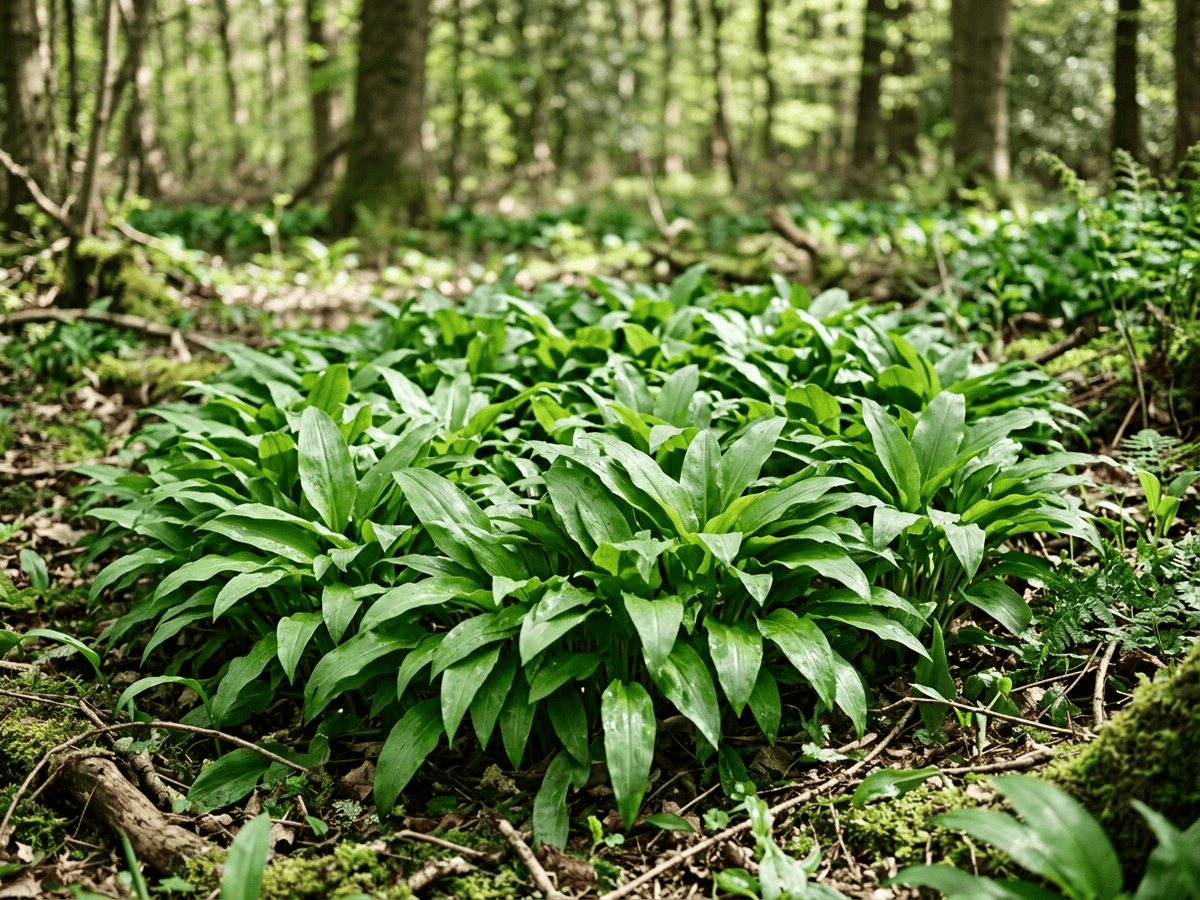
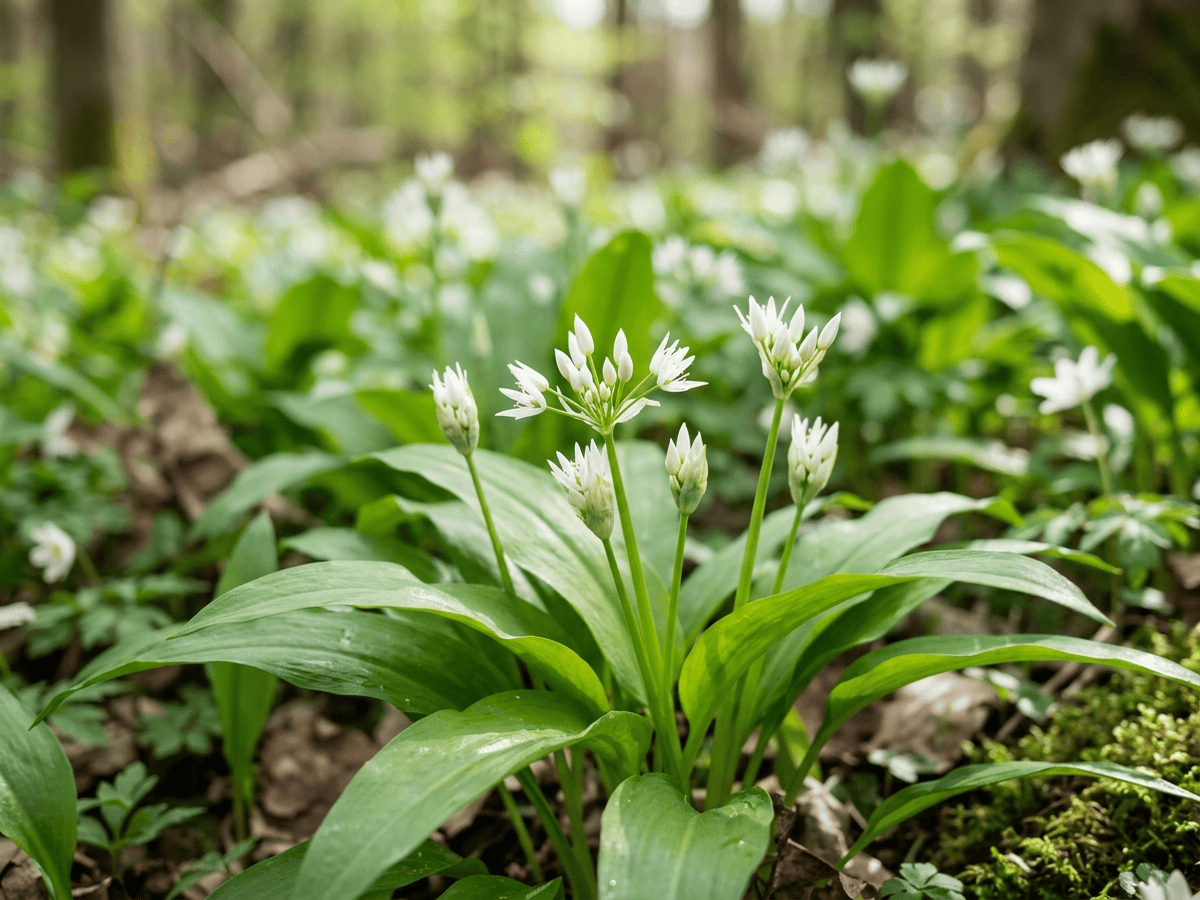
Wild Garlic or Ramsons is a European woodland perennial bulb reaching 8-18 inches tall, with broad lance-shaped bright-green leaves and pretty white star-shaped flower clusters in spring. The leaves and flowers have a mild garlic flavor used in pesto, soups, and salads. Forms spectacular naturalized carpets in moist deciduous woodlands. Increasingly popular in American foraging and woodland gardening, but often confused with toxic lily-of-the-valley—identify carefully.
- Edible
- Shade-tolerant
How to care for Ramsons
Watering
- Springevery 7 days
- Summerevery 14 days
- Fallevery 21 days
- Winterevery 30 days
Soil · Well-draining
- Main mixLoam + coarse sand 3:175%
- DrainageGravel25%
Sharp drainage matters most — bulbs rot in wet soil while dormant.
FERTILIZER
- Springevery 60 days
At a Glance
- NativeEurope, Western Asia
- Height0.8–1.5 ft (0.2–0.5 m)
- Spread0.5–1 ft (0.2–0.3 m)
- Flower colorWhite
- Foliage colorGreen
- SoilRich, Moisture-retentive, Loamy
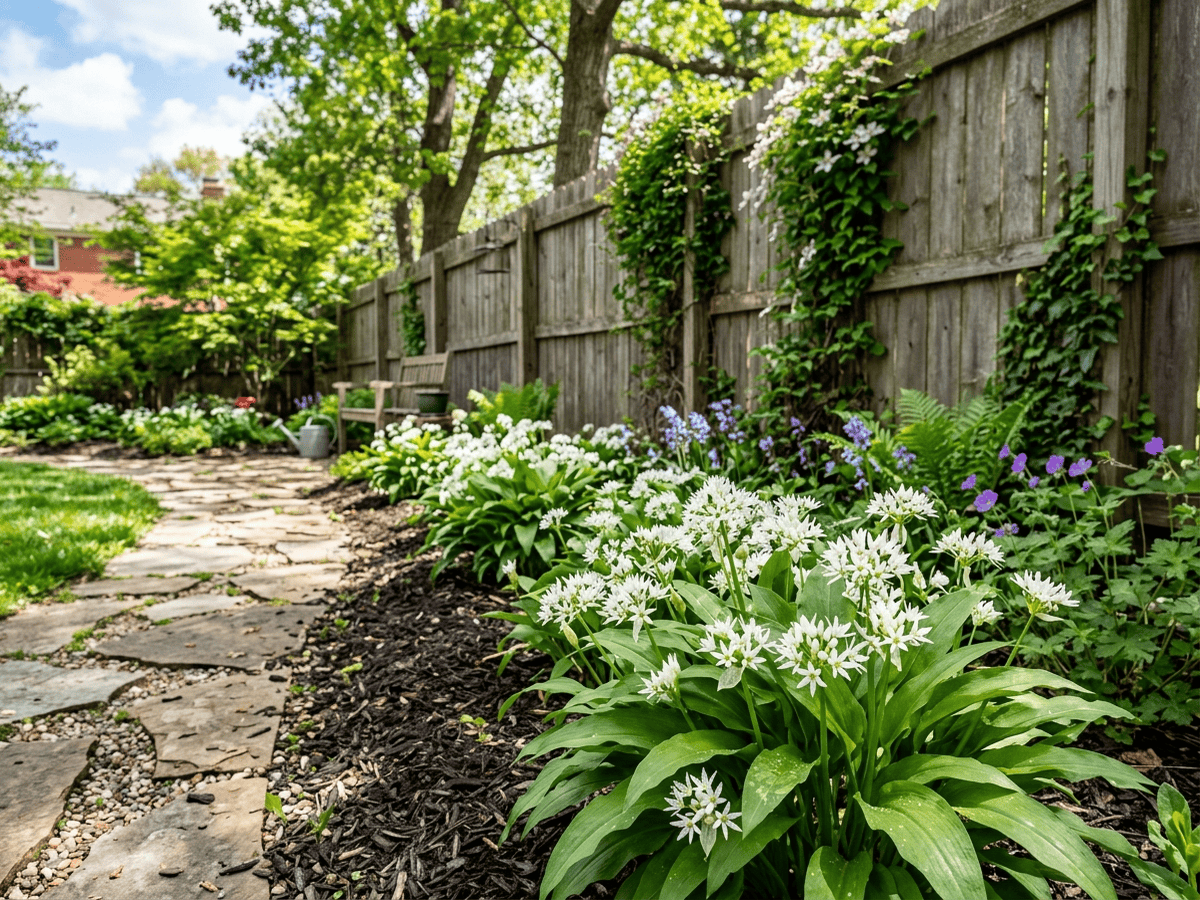
- LocationsYard
Bloom time
BLOOM CYCLE
Peak bloom
Mar–May
White star-shaped flower clusters in spring
Fragrance
STRONG FRAGRANCE
Strong garlic aroma from crushed leaves and bulbs.
Toxicity
Pets Toxic
alliin, allicin, and thiosulfates
Not reported
EXPOSURE No exposure route is reported.
EFFECT No toxic effect is reported.
NOTE No human toxicity is reported in this catalog; avoid eating ornamental plants unless confirmed edible.
Toxic
- Leaf
- Bulb
- Ingestion
EXPOSURE Eating leaves and bulbs.
EFFECT Hemolytic anemia and vomiting.
NOTE All Alliums toxic to pets per ASPCA.
Toxic
- Leaf
- Bulb
- Ingestion
EXPOSURE Eating leaves and bulbs.
EFFECT Hemolytic anemia and vomiting.
NOTE All Alliums toxic to pets per ASPCA.
Educational information, not medical or veterinary advice. If exposure is suspected, contact a doctor or veterinarian.
DISTRIBUTION


- Native
- Europe
- Western Asia
History
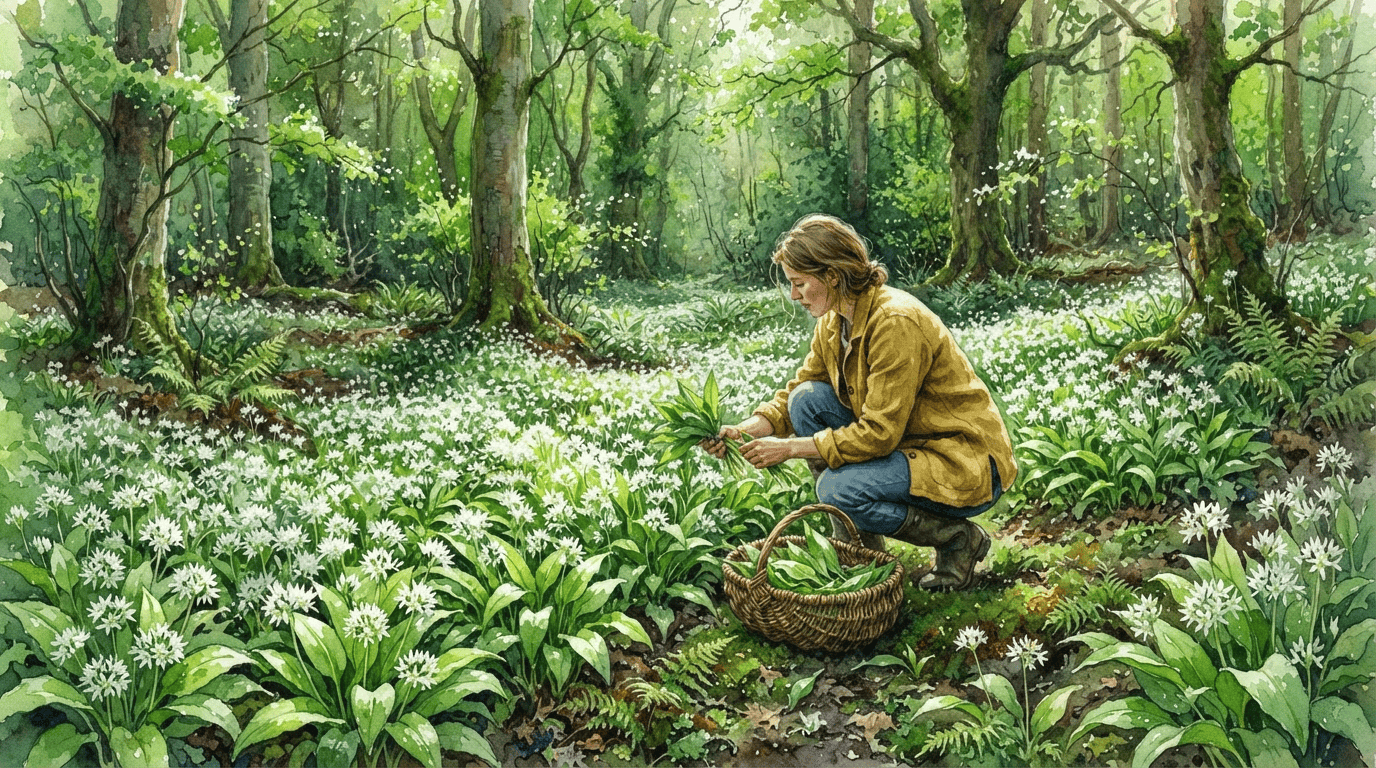
Allium ursinum, commonly called ramsons, wild garlic, bear garlic, or wood garlic, is a spring-flowering bulbous perennial in the onion subfamily (Amaryllidaceae) native to deciduous woodlands across much of Europe from Britain and Scandinavia south through Spain and east to the Caucasus and western Asia. Carl Linnaeus described it in Species Plantarum in 1753. The epithet ursinum (of bears) and common names referring to bears derive from the folk belief (recently supported by behavioral observations) that bears eat the bulbs after hibernation to restore intestinal flora.
Plants produce 20-45 cm tall upright flowering stems from slender bulbs, with 2-3 broad elliptical bright green leaves 10-25 cm long arising separately at the base, and terminal umbels of 6-20 starry pure white flowers in April-May. The leaves emit a strong garlicky aroma when crushed and are widely foraged and cultivated for use in European cuisine—pesto, soups, salads, compound butters. Forms enormous spring woodland carpets.
Toxic to pets like all Alliums. Long foraged across Europe as a spring delicacy—the leaves are a key ingredient in Eastern European spring soups and pesto. Increasingly cultivated in American woodland gardens by foraging-interested gardeners.
Symbolism & meaning
What It Symbolizes
Each spring, Ramsons carpet European woodlands in fragrant green and starry white, a renewal so generous it perfumes whole valleys. For foragers, it is the iconic herald of the wild season, gathered in armfuls for pestos, soups, and fresh salads. Its meaning lives in that yearly return — a reminder that wildness still presses up through the leaf litter, offering renewal to anyone willing to walk among the trees.
- Renewal — carpets the spring woodland with promise
- Wildness — iconic European spring foraging plant
Where the Name Comes From
'Ursinum' from Latin 'ursus' (bear), as bears were said to dig the bulbs after hibernation.
Uses & Fun Facts
- Garlic-flavored leaves harvested as wild spring green
- Forms lush deciduous carpet in moist woodland shade
Related plants
More Allium plants
 Common OnionAllium cepa
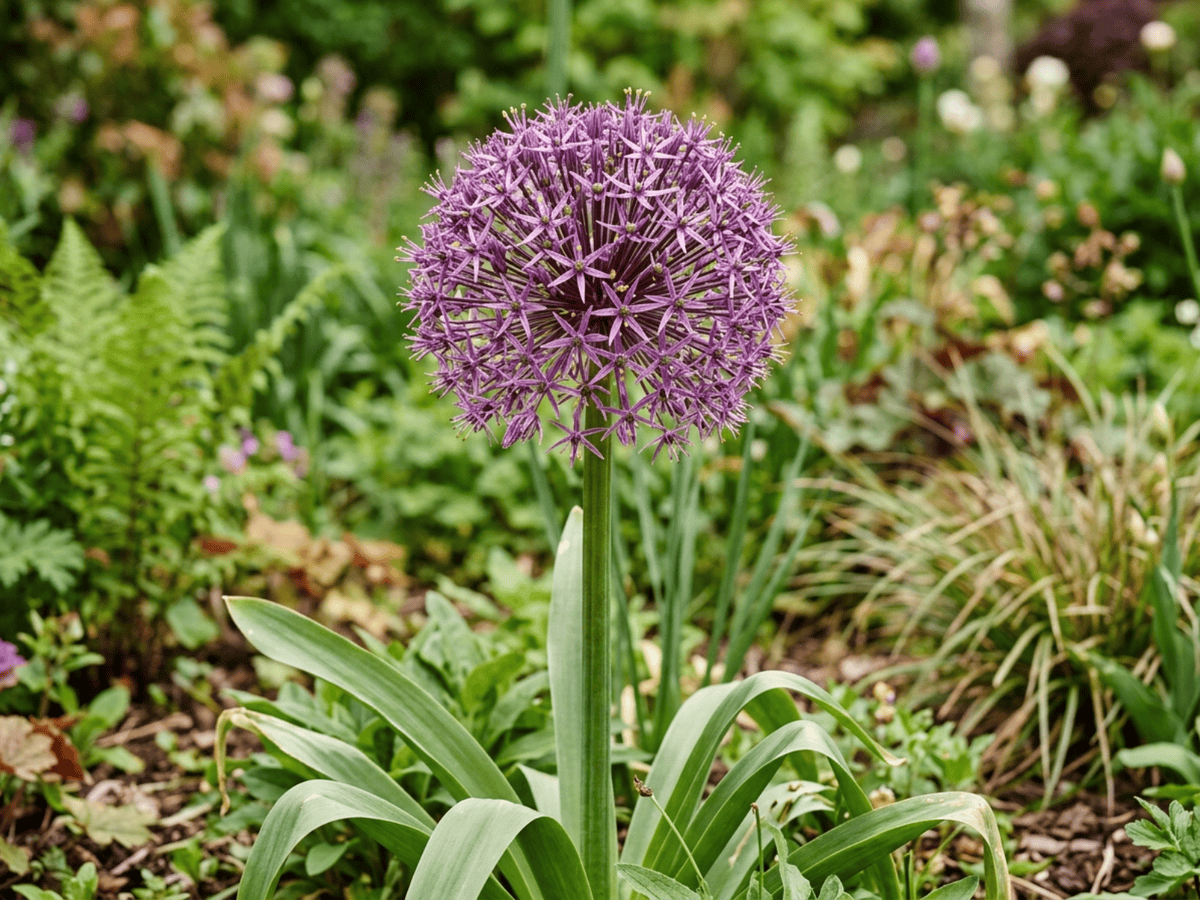 Star Of PersiaAllium christophii
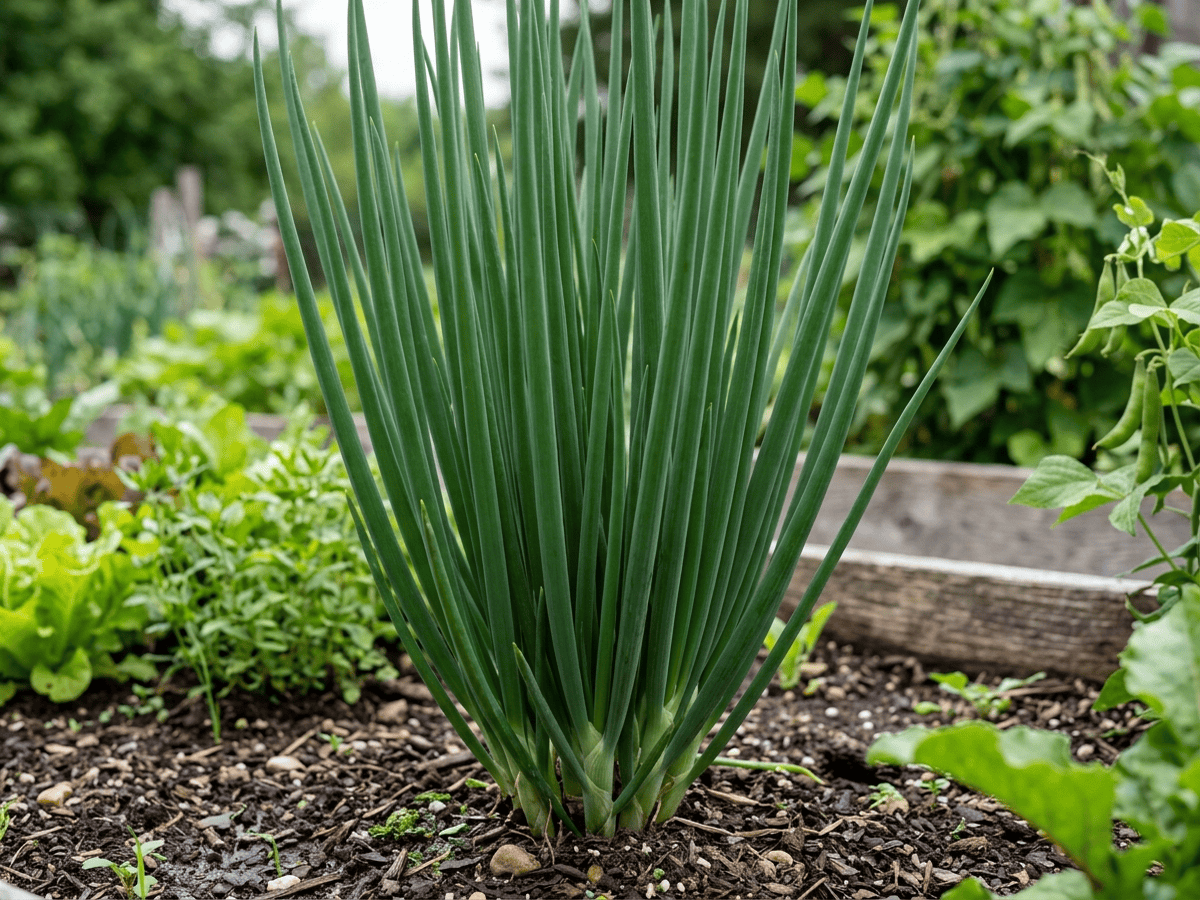 Welsh OnionAllium fistulosum
 Turkistan OnionAllium karataviense
Plants with similar care
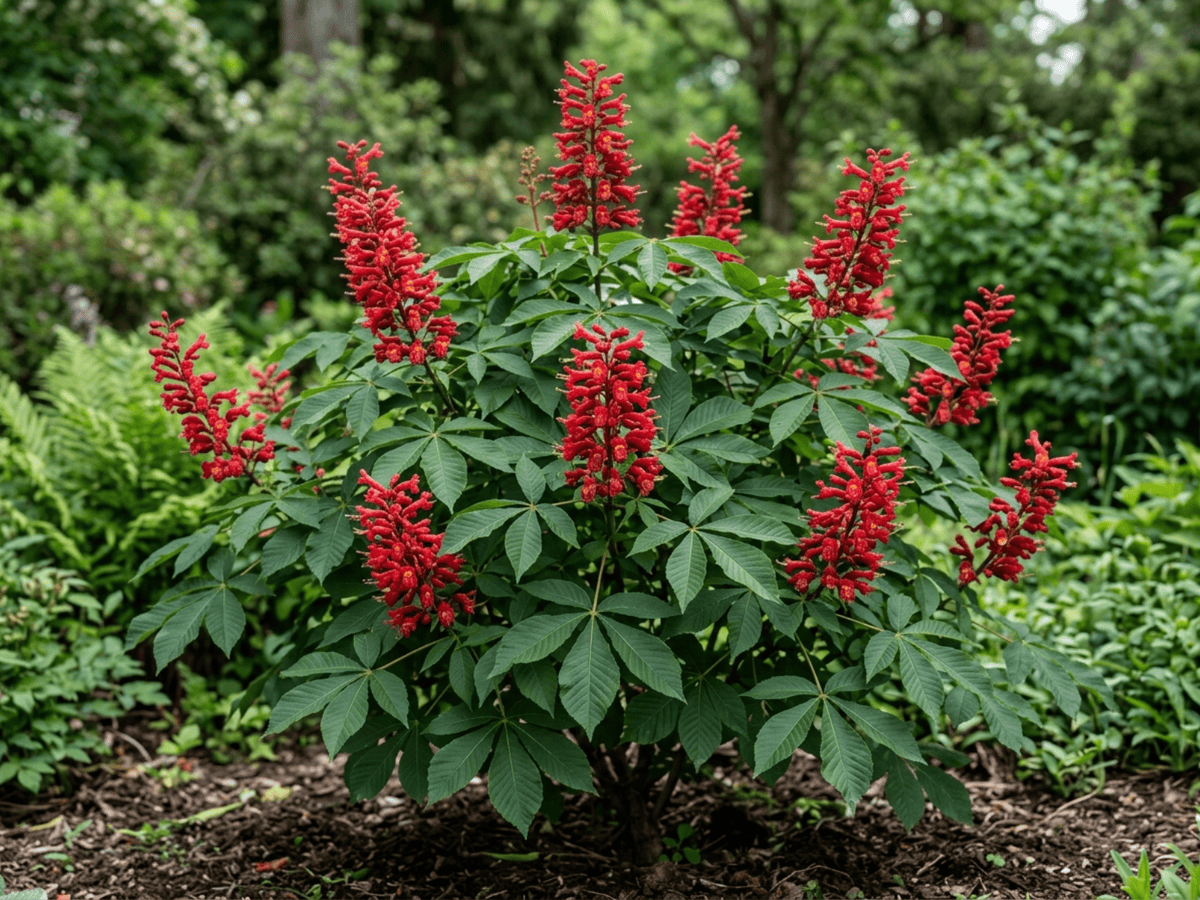 Red BuckeyeAesculus pavia
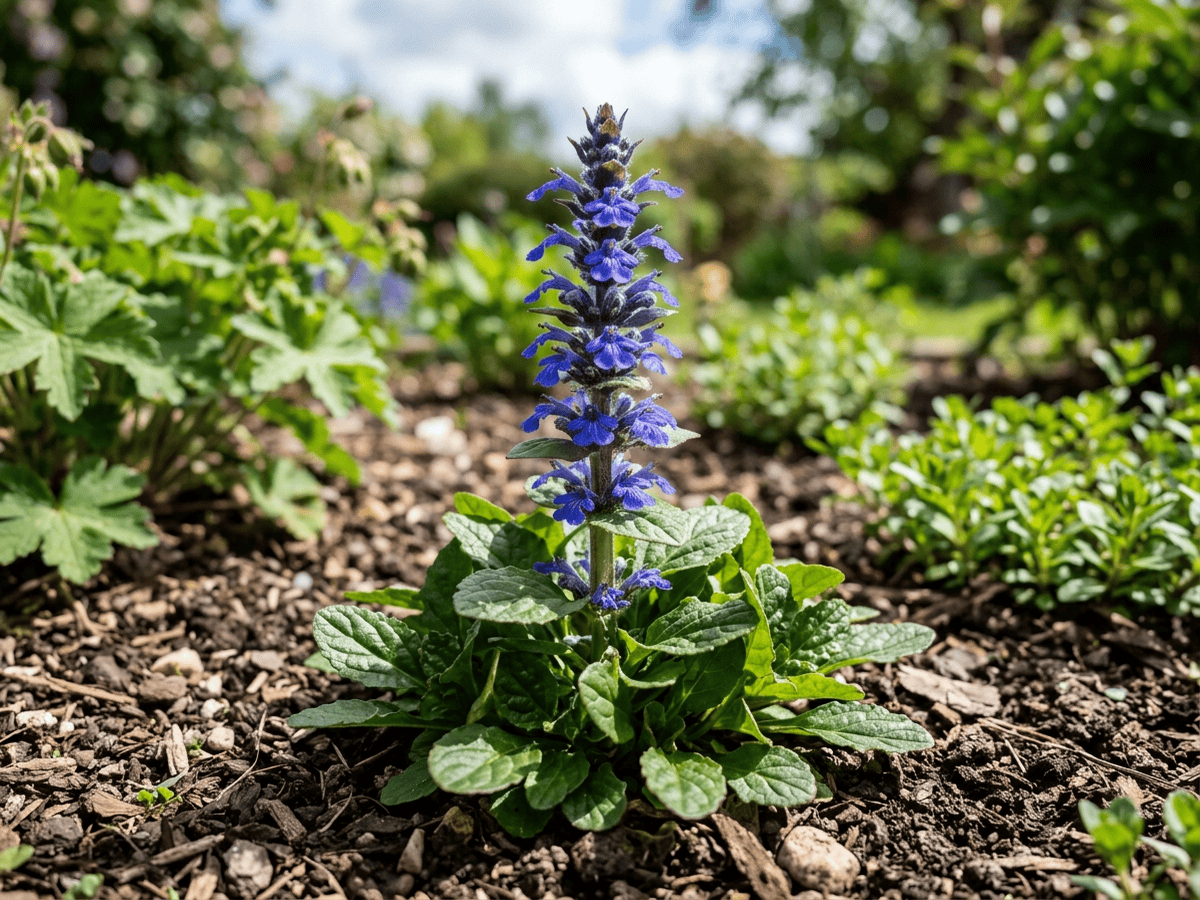 Blue BugleAjuga genevensis
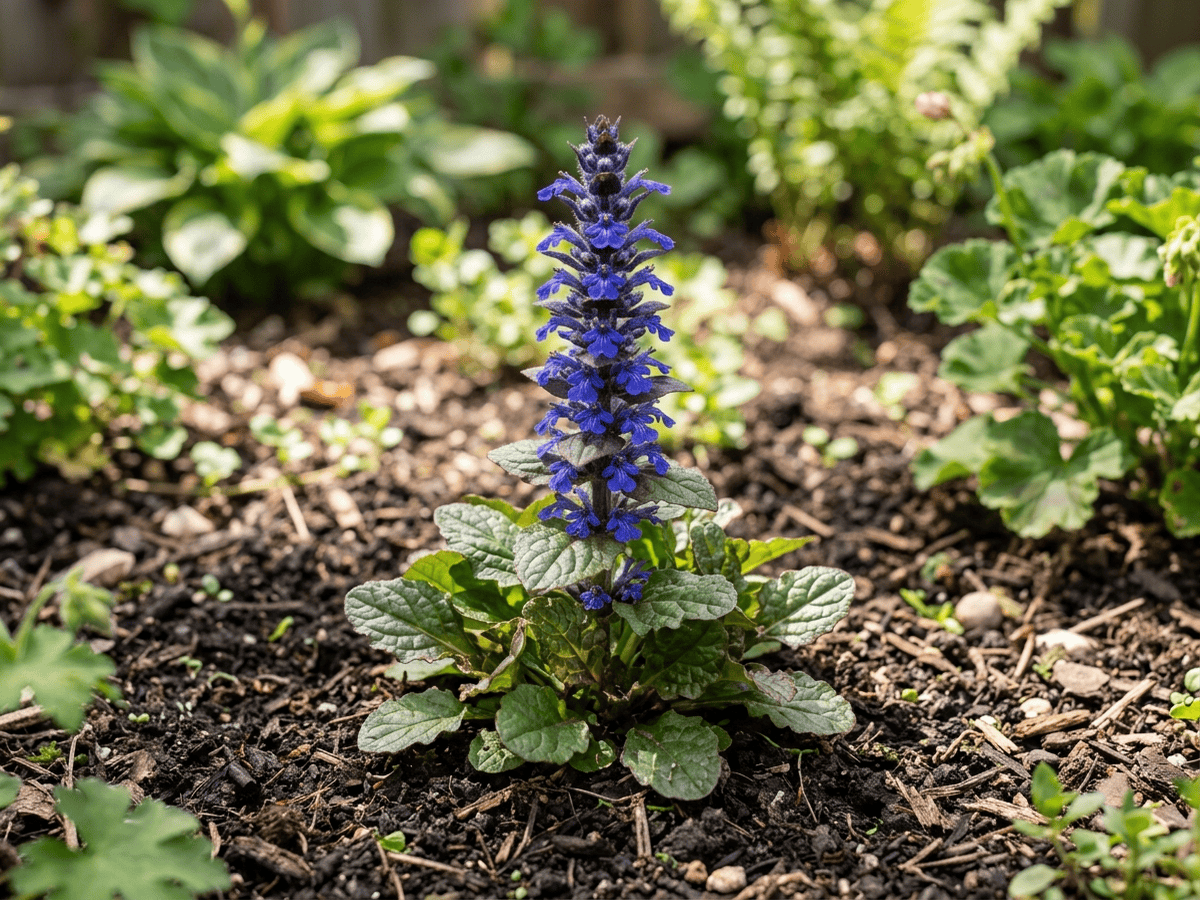 Pyramidal BugleAjuga pyramidalis
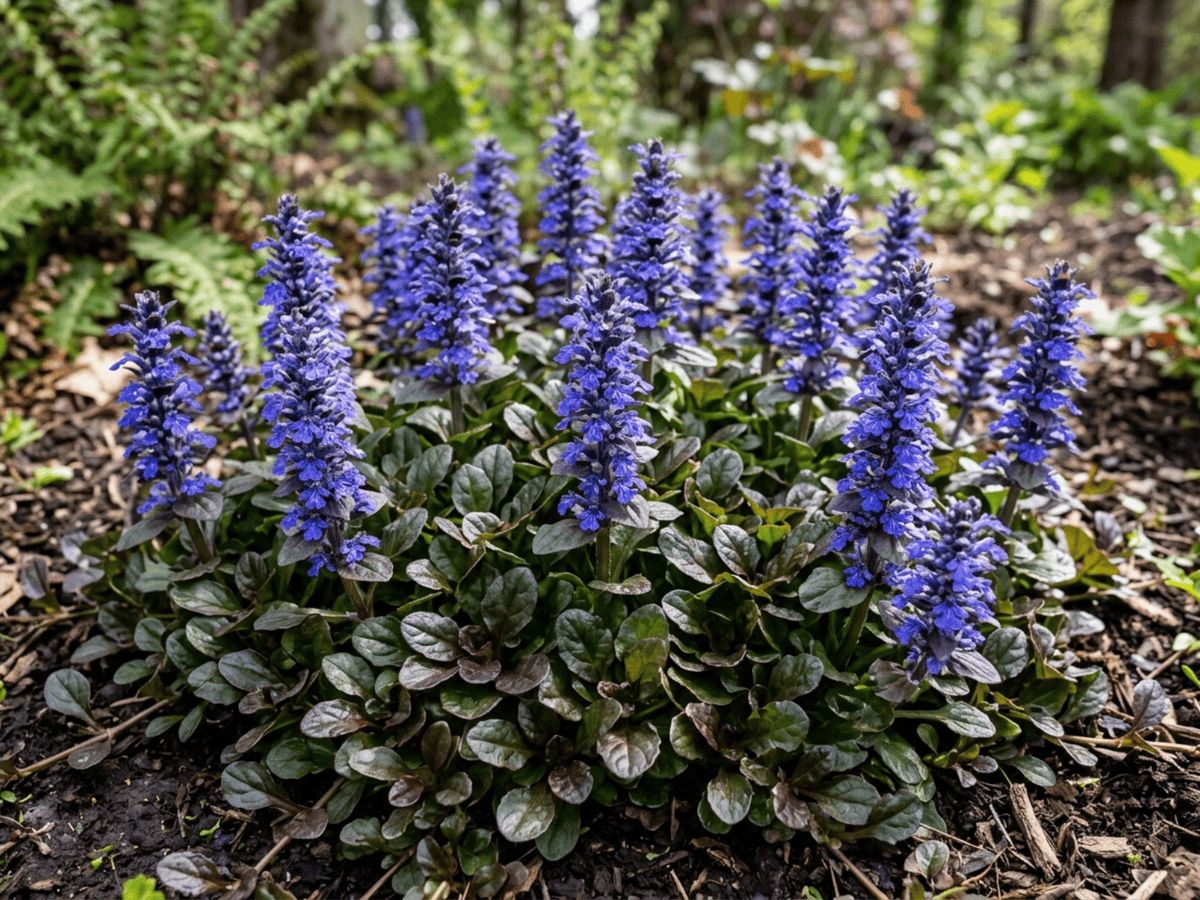 Carpet BugleAjuga reptans
Frequently asked questions
How often should I water Ramsons?
In summer, water about every 14 days; in winter, about every 30 days. Adjust for heat, pot size and drainage.
How much light does Ramsons need?
Part shade: 2–4 hrs direct. Watch the leaves — scorching or stretching means the light needs adjusting.
Is Ramsons toxic to cats or dogs?
Pets Toxic (Dogs Toxic · Cats Toxic) Educational information, not medical or veterinary advice. If exposure is suspected, contact a doctor or veterinarian.
Is Ramsons easy to grow?
Yes — it is considered an easy, beginner-friendly plant.
When does Ramsons bloom?
It typically blooms Mar–May in the Northern Hemisphere.
YardMate
Identify any plant in seconds
Snap a photo — YardMate names the plant, diagnoses problems, and reminds you when to water.
Download on the App Store