 YardMate

Garlic Mustard
Alliaria petiolata
Easy · Beginner friendlyAbout Garlic Mustard
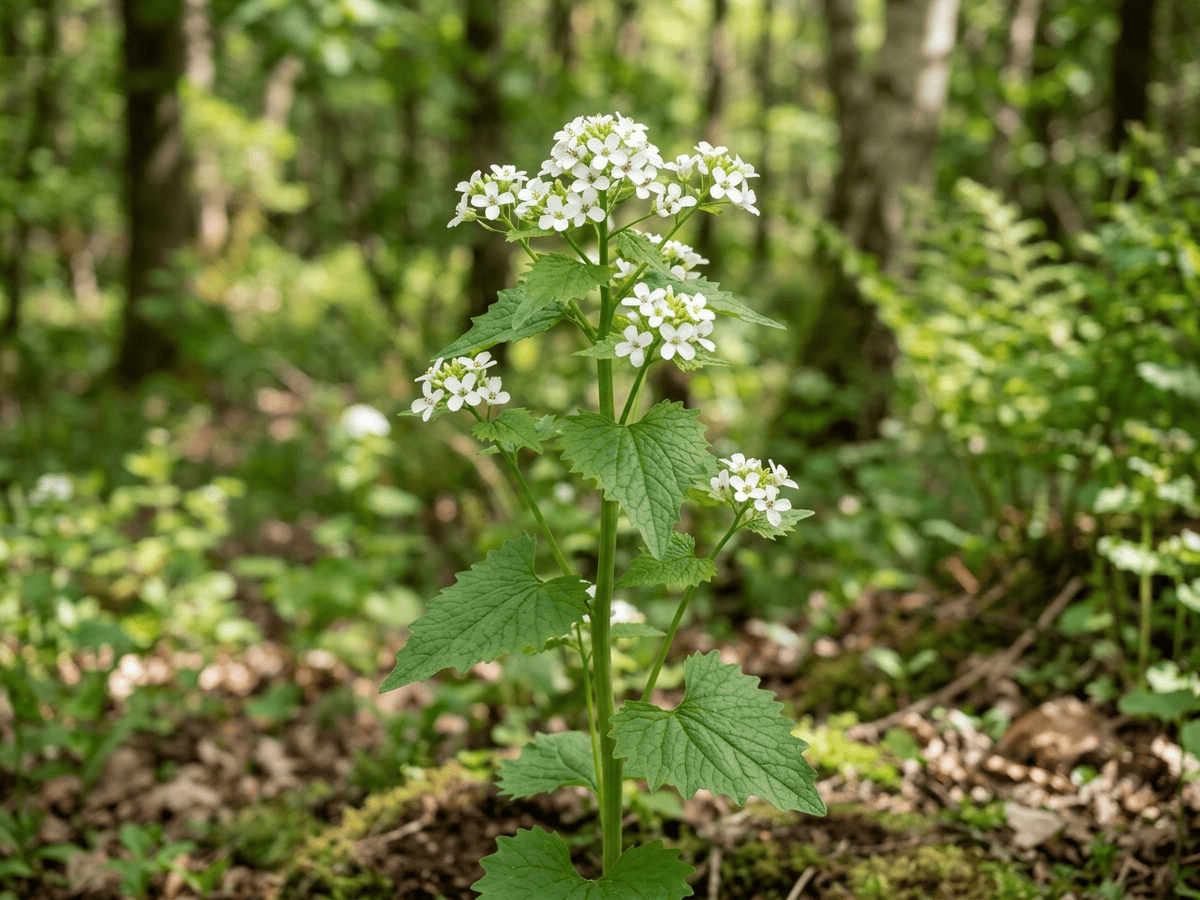
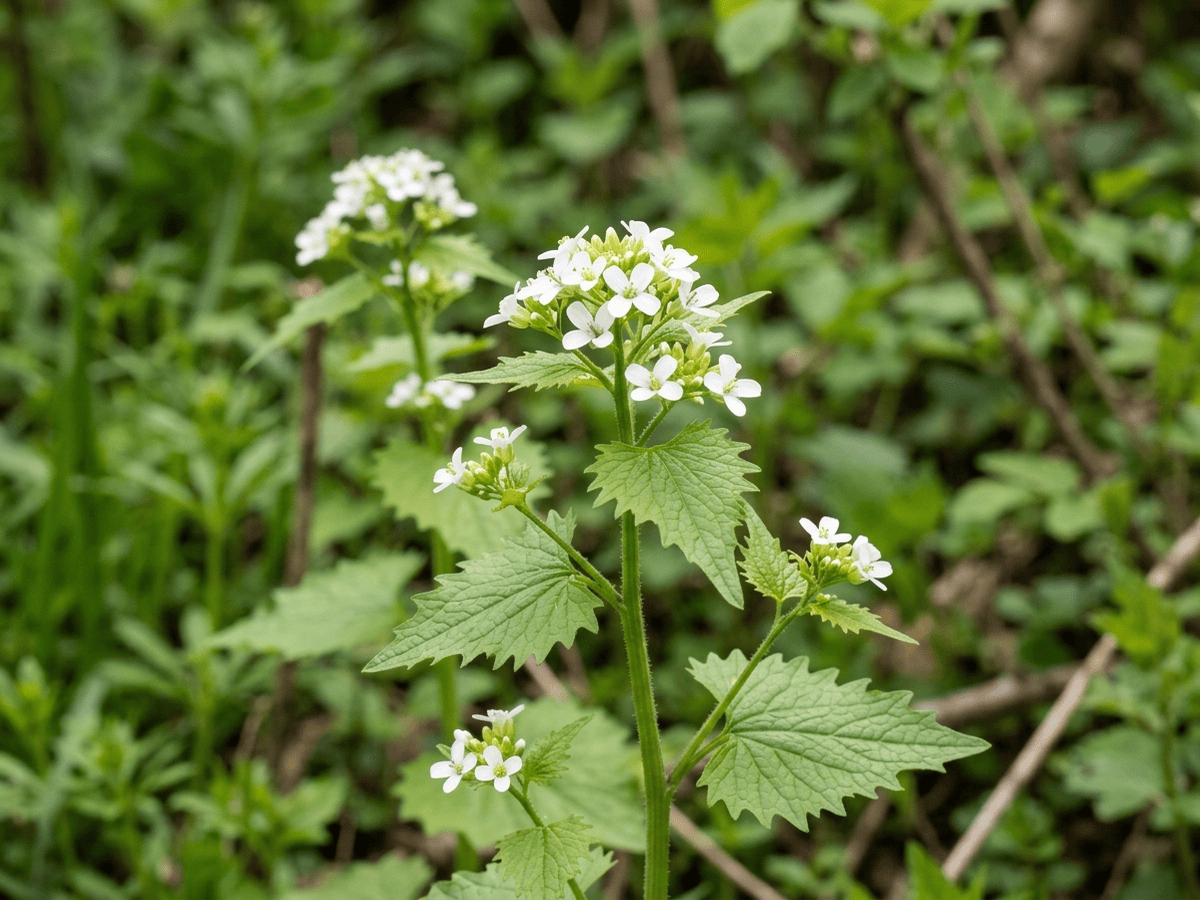
Garlic Mustard is a European biennial herb invasive across eastern and midwestern US forests, producing a basal rosette in year one and flowering stalk 2 to 4 feet tall in year two. Identified by garlic-scented crushed leaves, small white four-petal flowers in spring, and slender seedpods. Releases allelopathic chemicals that suppress mycorrhizal fungi critical to native trees, listed as noxious or invasive in many eastern and midwestern states.
- Edible
- Shade-tolerant
- Fast-growing
How to care for Garlic Mustard
Watering
- Springevery 10 days
- Summerevery 10 days
- Fallevery 14 days
- Winterevery 30 days
Soil · Well-draining
- Top dressingPine bark mulch10%
- Main mixPotting soil + perlite 2:170%
- DrainageLECA / gravel20%
Never skip the drainage layer — standing water is the top cause of root rot.
FERTILIZER
This plant needs little to no feeding.
At a Glance
- NativeEurope, Western Asia, Africa
- Height2–3 ft (0.6–0.9 m)
- Spread1 ft (0.3 m)
- Flower colorWhite
- Foliage colorGreen
- SoilLoamy, Moisture-retentive
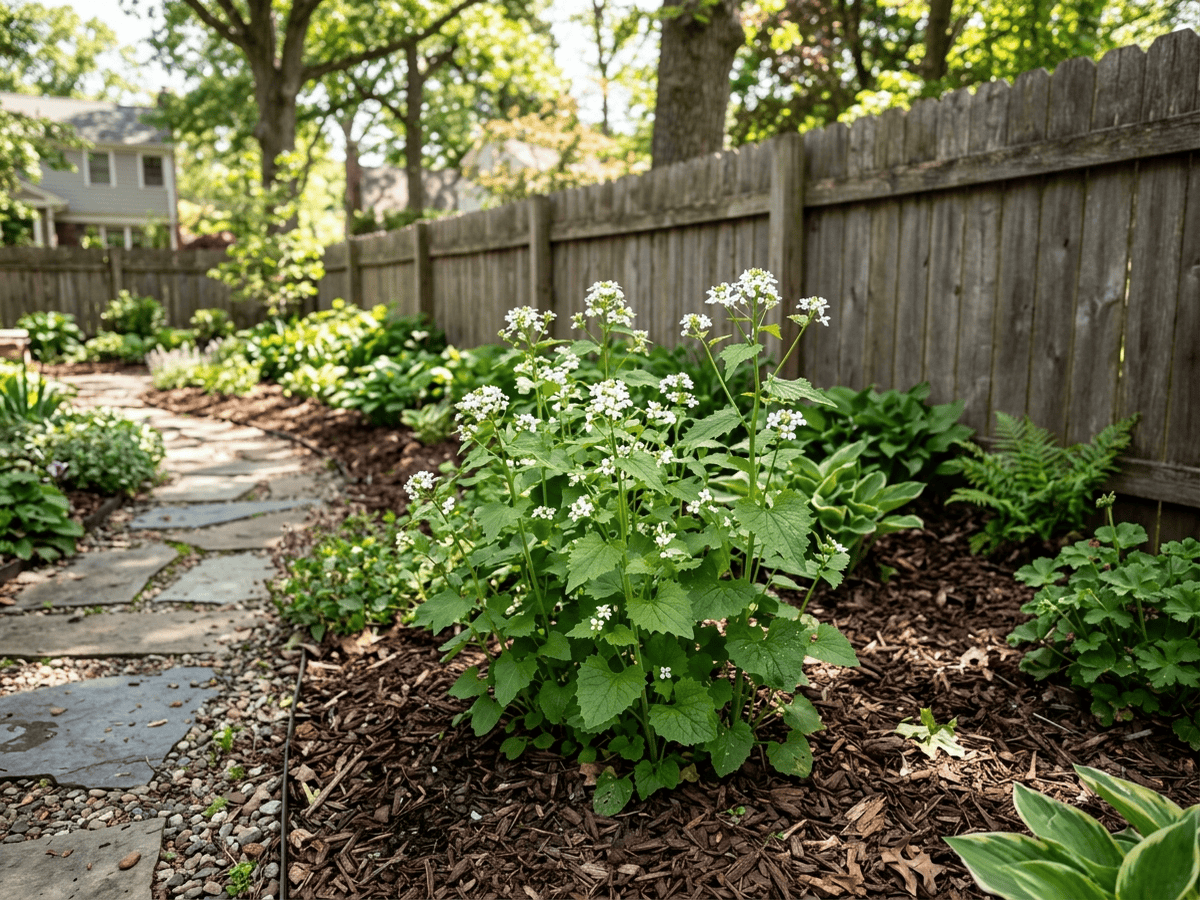
- LocationsYard
Bloom time
BLOOM CYCLE
Peak bloom
Mar–May
Small white four-petal flowers spring of second year
Fragrance
MODERATE FRAGRANCE
Crushed leaves smell of garlic.
Toxicity
Pets Slight
glucosinolates and cyanogenic glycosides (trace)
Not reported
EXPOSURE No exposure route is reported.
EFFECT No toxic effect is reported.
NOTE No toxicity is reported for humans in this catalog; this is not evidence that the plant is edible or harmless.
Slight
- Leaf
- Seed
- Ingestion
EXPOSURE Eating leaves and seeds.
EFFECT Mild stomach upset.
NOTE Edible for humans; allelopathic to soil fungi.
Slight
- Leaf
- Seed
- Ingestion
EXPOSURE Eating leaves and seeds.
EFFECT Mild stomach upset.
NOTE Edible for humans; allelopathic to soil fungi.
Educational information, not medical or veterinary advice. If exposure is suspected, contact a doctor or veterinarian.
DISTRIBUTION

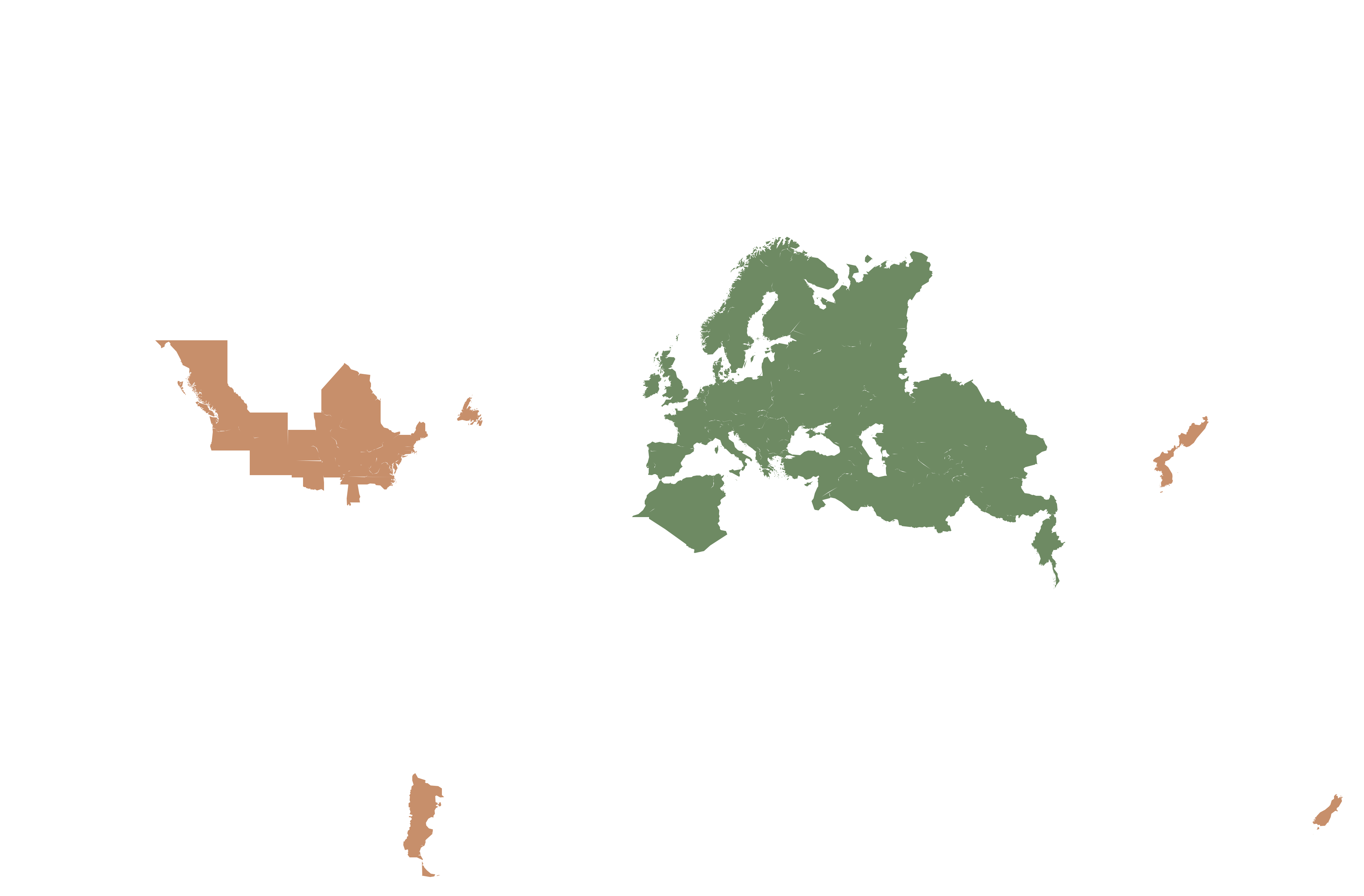
- Native
- Introduced
- Europe
- Western Asia
- Africa
History
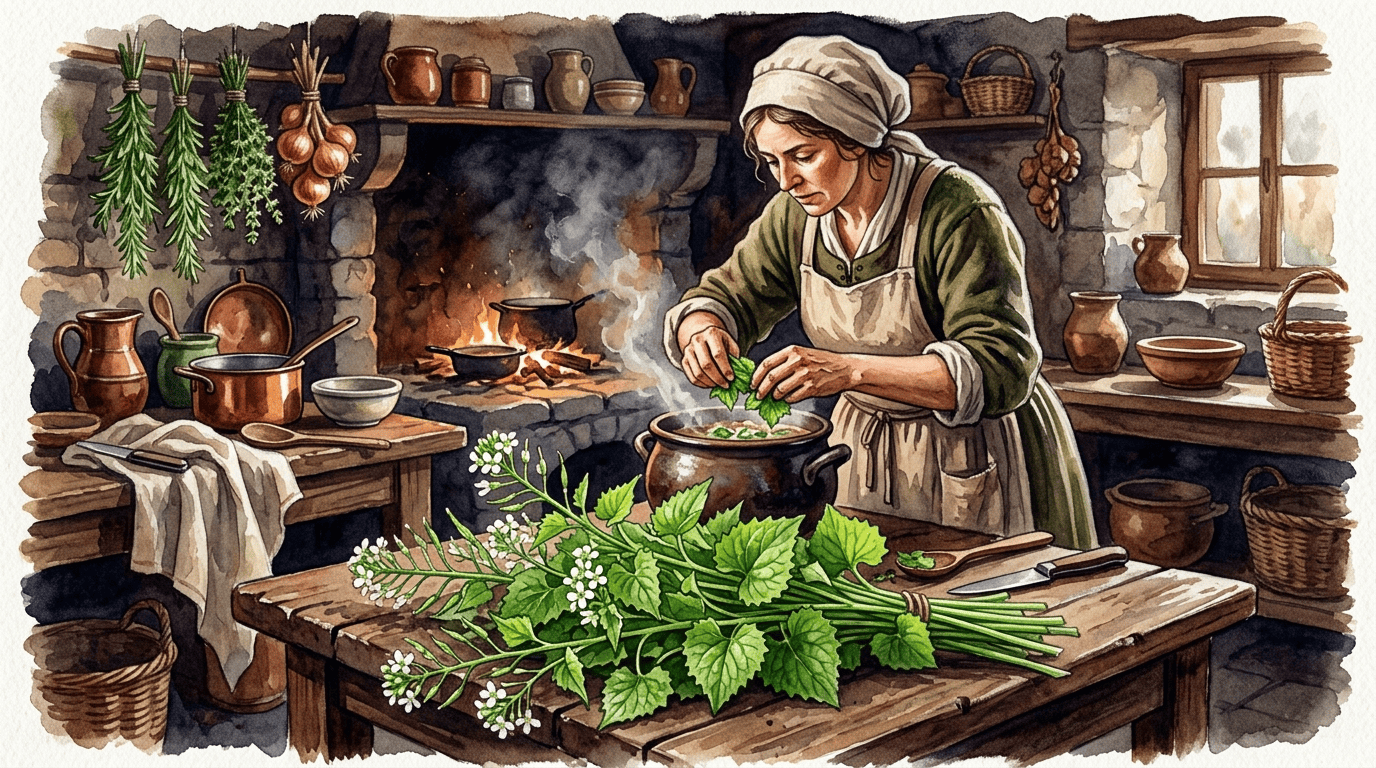
Alliaria petiolata, garlic mustard, is a biennial herb in the cabbage family native to Europe, western Asia, and northwest Africa. Archaeological residue on five-thousand-year-old pottery shards from Germany contains its characteristic mustard-oil signatures, making it one of the earliest documented culinary seasonings. Medieval European cooks used the garlic-scented leaves in sauces and pottages.
The first North American record comes from Long Island in 1868, likely an escape from a colonial herb garden. The species now infests hardwood forests across the eastern United States and Canada, where it releases glucosinolate compounds that suppress the arbuscular mycorrhizal fungi required by native tree seedlings. This disruption combined with deer browsing of natives has made garlic mustard one of the most damaging forest invaders in the region.
Native to Europe, Garlic Mustard arrived in the US around 1868 as a culinary herb and escaped into eastern forests. Now listed invasive or noxious in most eastern and midwestern states, it suppresses native tree seedlings by killing the mycorrhizal fungi they require. Foragers are encouraged to harvest it as a tasty 'eat the invasive' spring green.
Symbolism & meaning
What It Symbolizes
Garlic Mustard tells an ecological cautionary tale rather than a romantic one. Its leaves release a sharp garlic scent when crushed, betraying its kitchen-garden origins, but its true legacy is invisible: it acts as a fungal saboteur, killing the soil mycorrhizae that native trees depend on. A reminder that not every fragrant green thing belongs everywhere it lands.
- Garlic scent — leaves smell strongly of garlic when crushed
- Fungal saboteur — kills soil fungi native trees need
Where the Name Comes From
'Alliaria' from Latin 'allium' meaning garlic, for garlic scent; 'petiolata' means stalked, for long leaf petioles.
Related plants
Plants with similar care
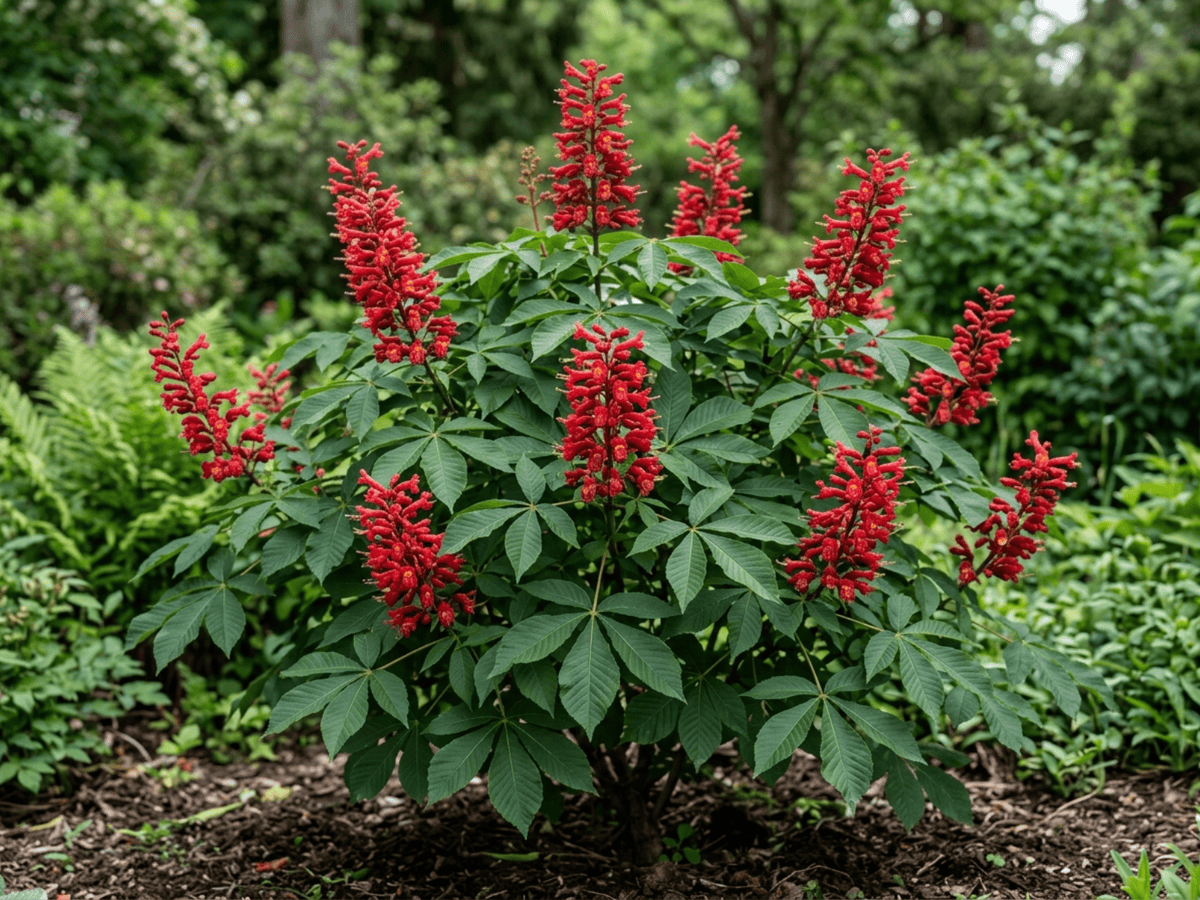 Red BuckeyeAesculus pavia
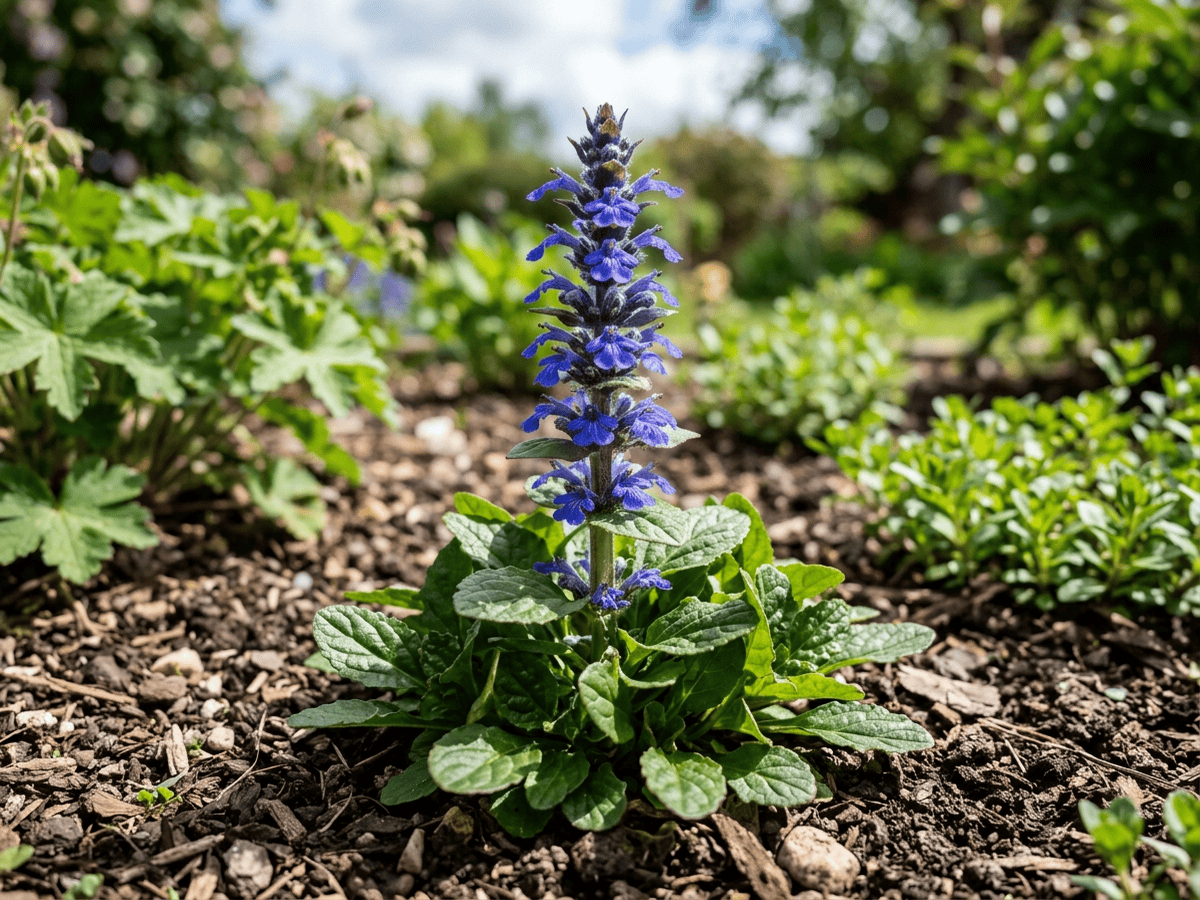 Blue BugleAjuga genevensis
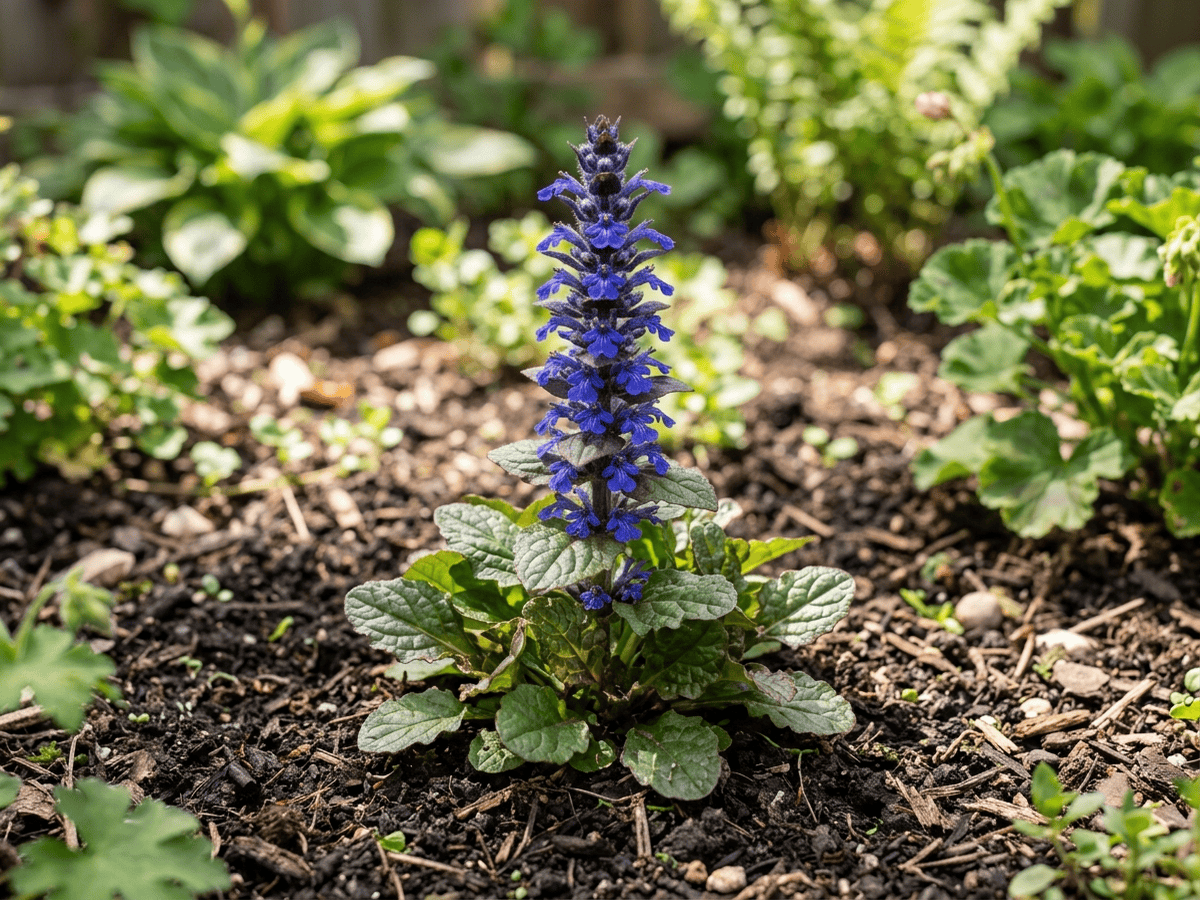 Pyramidal BugleAjuga pyramidalis
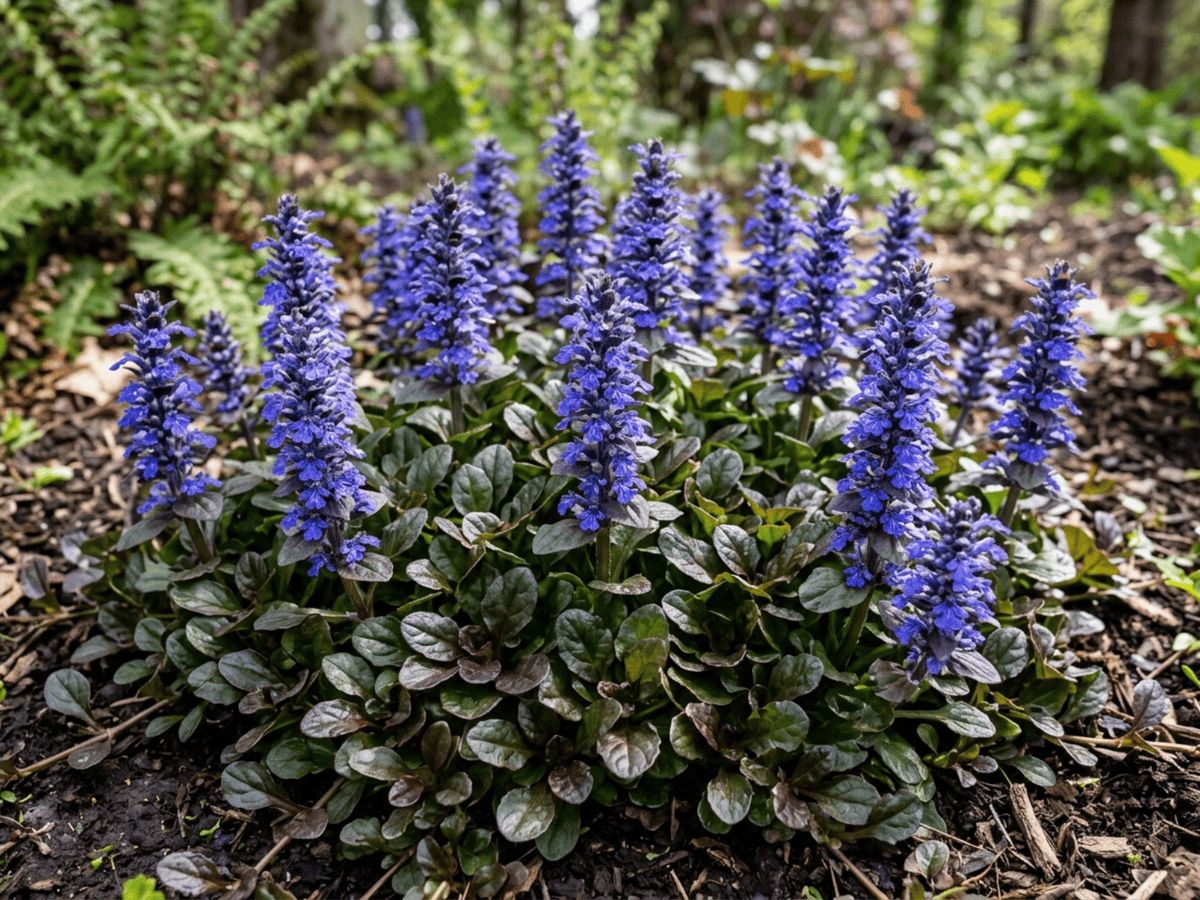 Carpet BugleAjuga reptans
Frequently asked questions
How often should I water Garlic Mustard?
In summer, water about every 10 days; in winter, about every 30 days. Adjust for heat, pot size and drainage.
How much light does Garlic Mustard need?
Part shade: 2–4 hrs direct. Watch the leaves — scorching or stretching means the light needs adjusting.
Is Garlic Mustard toxic to cats or dogs?
Pets Slight (Dogs Slight · Cats Slight) Educational information, not medical or veterinary advice. If exposure is suspected, contact a doctor or veterinarian.
Is Garlic Mustard easy to grow?
Yes — it is considered an easy, beginner-friendly plant.
When does Garlic Mustard bloom?
It typically blooms Mar–May in the Northern Hemisphere.
YardMate
Identify any plant in seconds
Snap a photo — YardMate names the plant, diagnoses problems, and reminds you when to water.
Download on the App Store