 YardMate

Korean Angelica
Angelica gigas
Medium · Some experienceAbout Korean Angelica
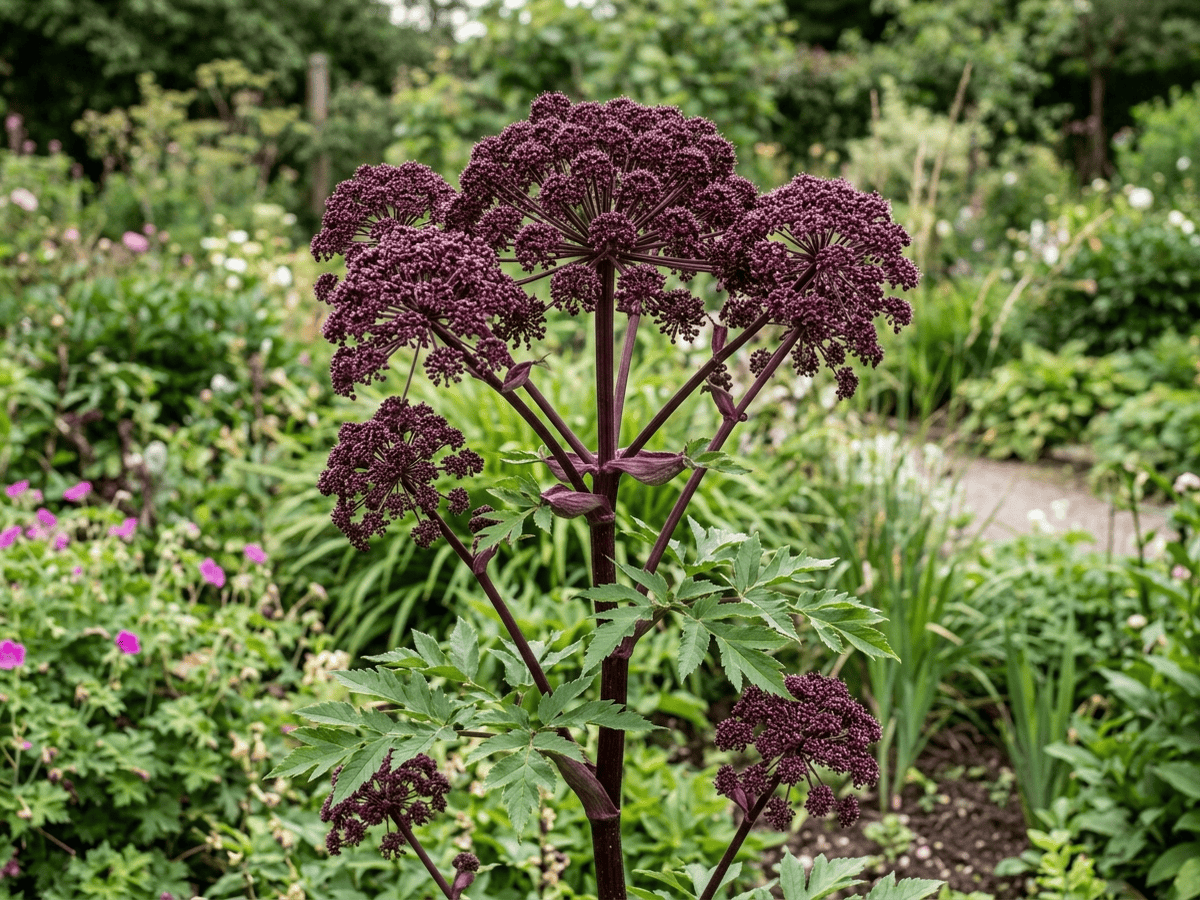
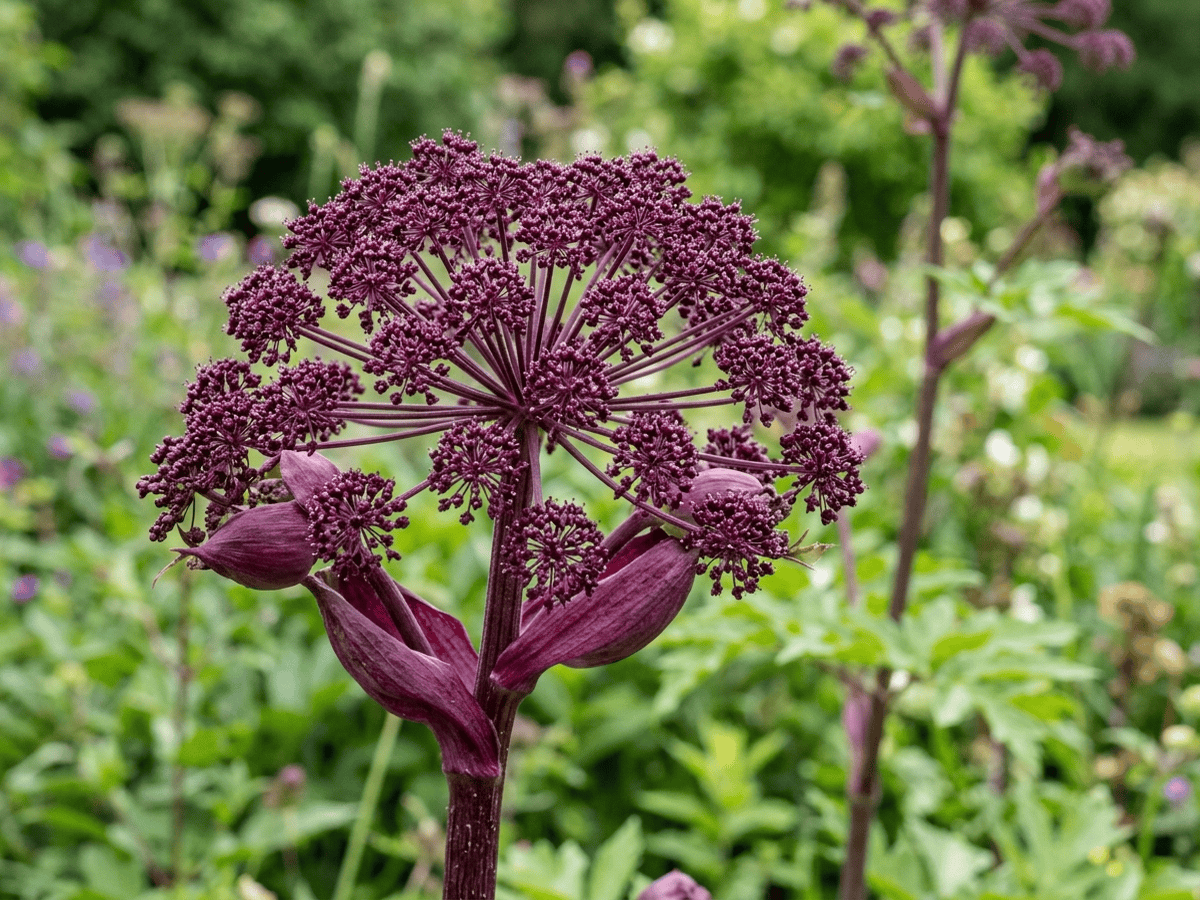
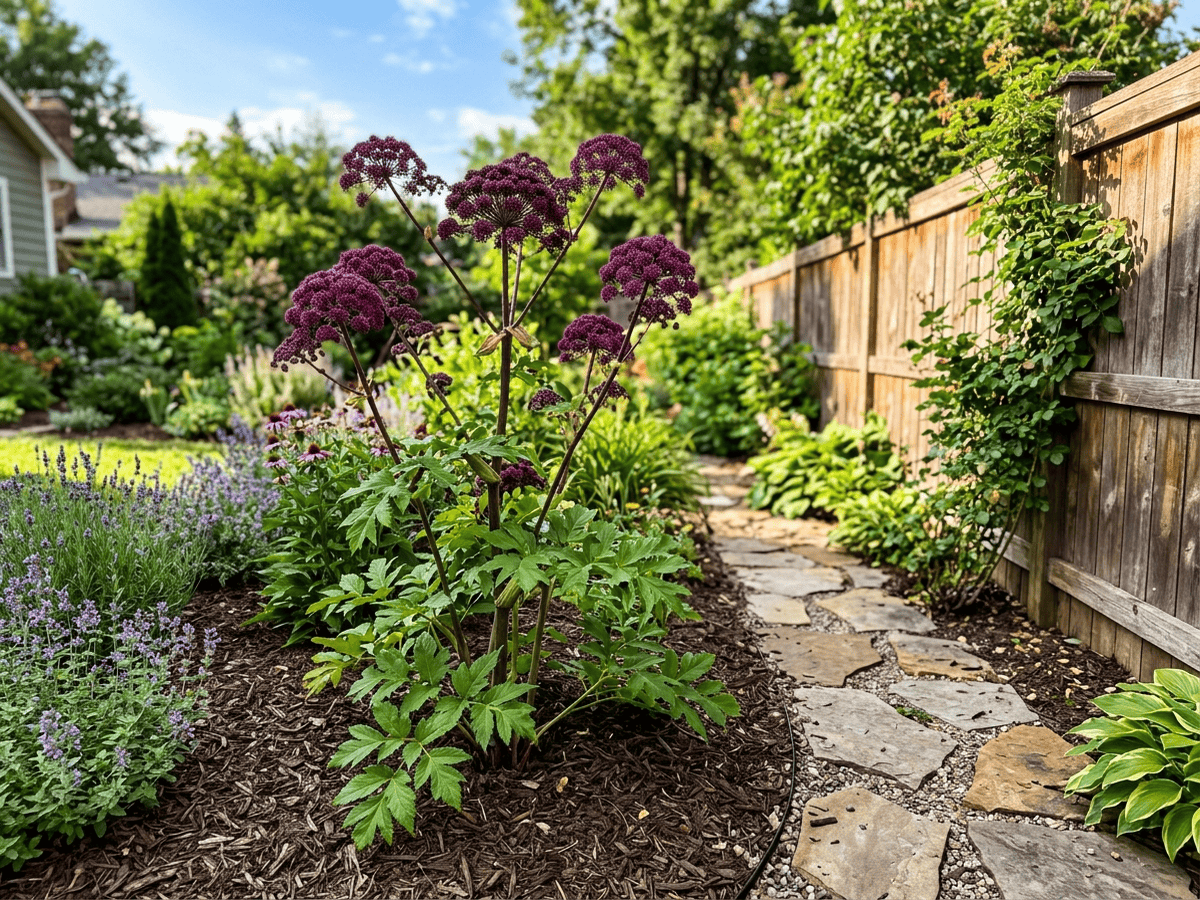
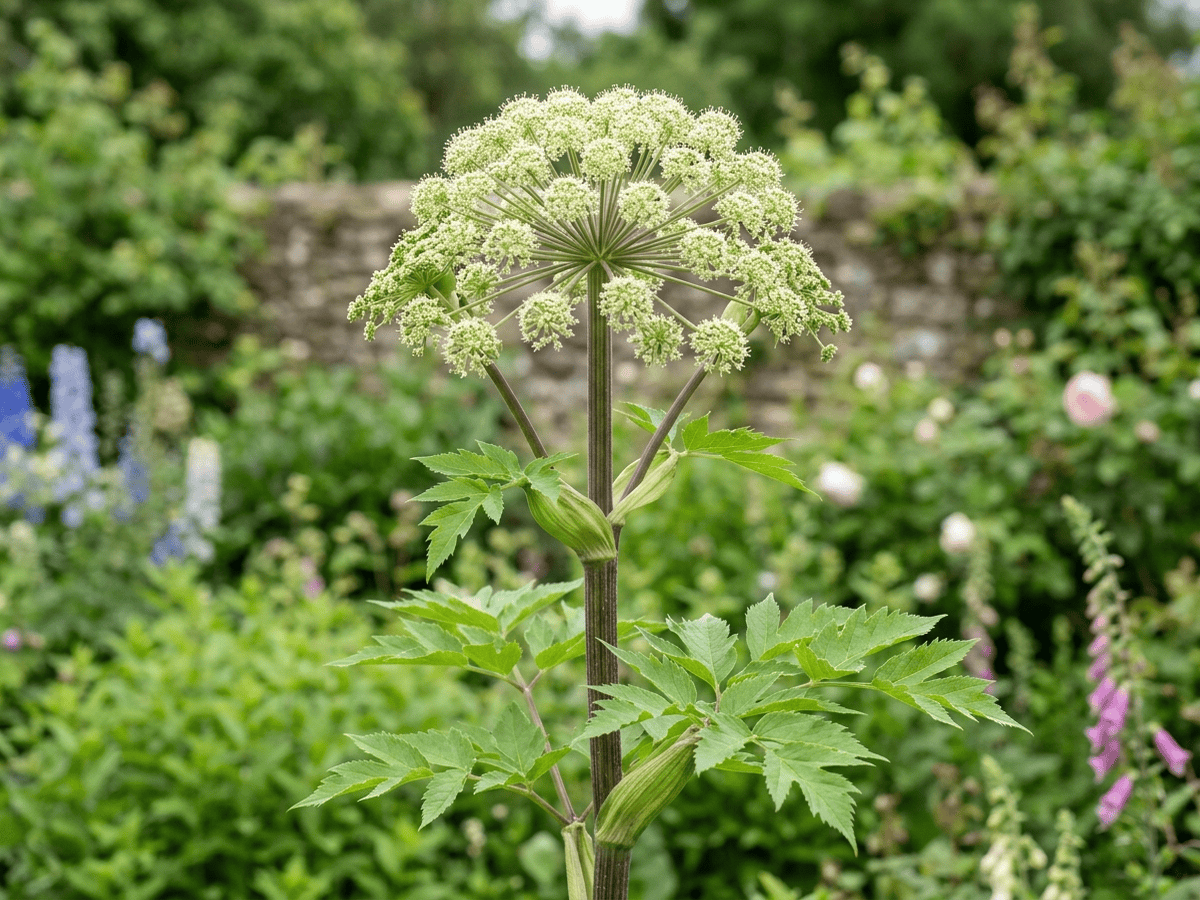
Korean Angelica or Purple Parsnip is a striking biennial Asian herb reaching 4-6 feet in flower, with deeply-divided green foliage and dramatic deep burgundy-purple flower umbels topped on dark stems in late summer. One of the most ornamental angelicas in cultivation, it has become a defining late-summer architectural plant in modern American naturalistic garden design. Used in traditional Korean medicine. Self-seeds for ongoing garden presence.
- Architectural
- Pollinator-friendly
How to care for Korean Angelica
Watering
- Springevery 5 days
- Summerevery 7 days
- Fallevery 10 days
- Winterevery 21 days
Soil · Well-draining
- Top dressingPine bark mulch10%
- Main mixPotting soil + perlite 2:170%
- DrainageLECA / gravel20%
Never skip the drainage layer — standing water is the top cause of root rot.
FERTILIZER
Balanced Feed 14-14-14
An even feed covers all three needs at once, keeping leaves, roots and blooms moving together with nothing pushed out of balance.
- Nitrogen · Leaves
- Phosphorus · Roots + Blooms
- Potassium · Strength
- Springevery 60 days
At a Glance
- NativeEast Asia
- Height3–6 ft (0.9–1.8 m)
- Spread2–3 ft (0.6–0.9 m)
- Flower colorBurgundy, Purple
- Foliage colorGreen, Purple
- SoilLoamy, Moisture-retentive, Rich
- LocationsYard
Bloom time
BLOOM CYCLE
Peak bloom
Aug–Sep
Dramatic deep burgundy-purple umbels in late summer
Fragrance
MODERATE FRAGRANCE
The foliage has an aromatic anise-celery scent.
Toxicity
Humans Slight · Pets Slight
furanocoumarins and decursin
Slight
- Sap
- Contact
EXPOSURE Touching sap.
EFFECT Photodermatitis.
NOTE Contains photosensitizing furanocoumarins.
Slight
- Sap
- Ingestion
- Contact
EXPOSURE Eating sap. Touching sap.
EFFECT Photodermatitis.
NOTE Contains photosensitizing furanocoumarins.
Slight
- Sap
- Ingestion
- Contact
EXPOSURE Eating sap. Touching sap.
EFFECT Photodermatitis.
NOTE Contains photosensitizing furanocoumarins.
Educational information, not medical or veterinary advice. If exposure is suspected, contact a doctor or veterinarian.
DISTRIBUTION


- Native
- East Asia
History
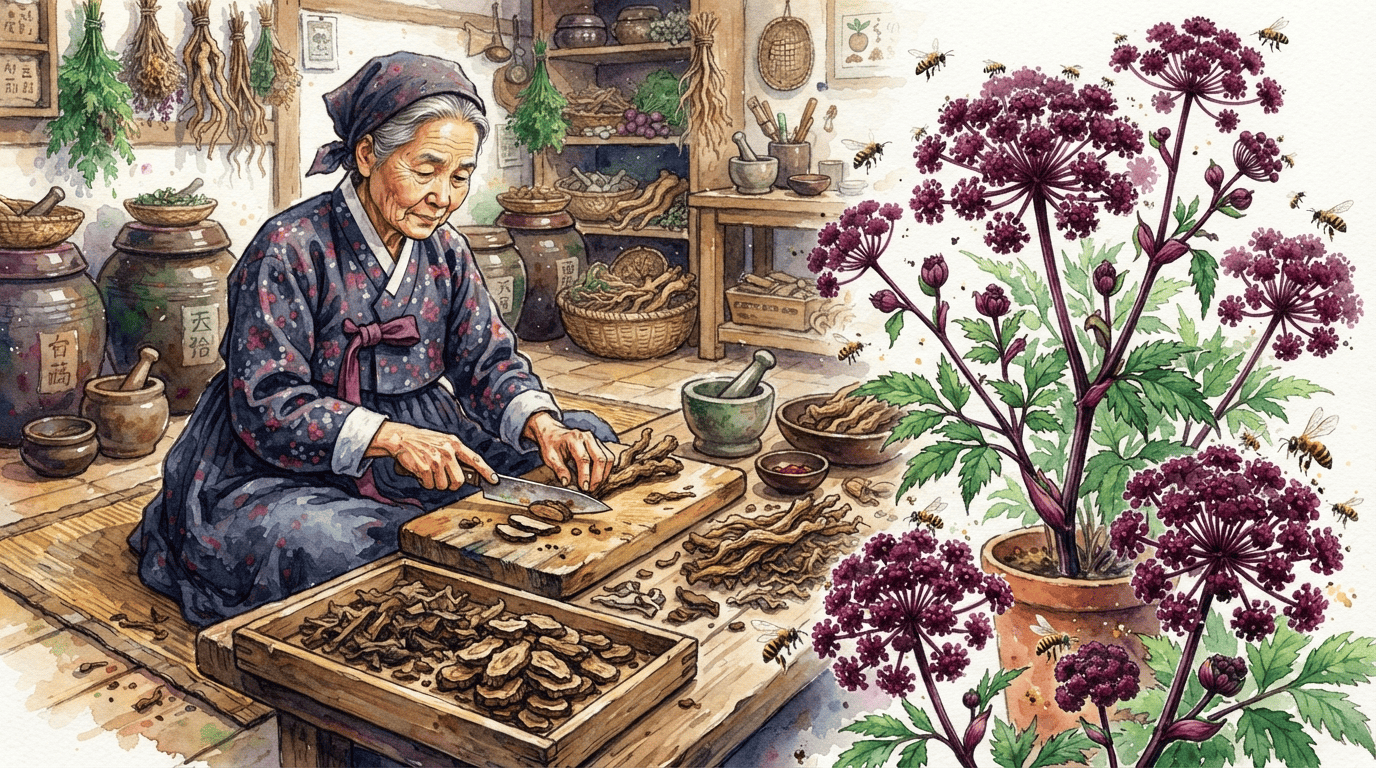
Angelica gigas, commonly called Korean angelica, giant angelica, or purple parsnip, is a monocarpic biennial or short-lived perennial herb in the carrot family (Apiaceae) native to Korea, Japan (Hokkaido and northern Honshu), and northeastern China. Japanese botanist Takenoshin Nakai formally described the species in 1917. The epithet gigas means giant.
The species became an important ornamental plant in Western gardens from the 1980s onward for its spectacular dramatic color: plants grow 1.5-2 meters tall with large pinnately compound green leaves and produce stunning large domed compound umbels of deep burgundy-wine-purple flowers held on purple-tinted stems in late summer, unlike the typical greenish-white umbels of most Apiaceae. The flowers attract enormous numbers of bees and wasps. In Korea and China the roots, called danggui (related to but not the same as Chinese danggui, Angelica sinensis), are used in traditional medicine for gynecological and blood-tonic purposes.
Plants die after flowering but usually self-seed reliably in favorable conditions. Used in Korean traditional medicine (Dang-gwi) for women's health for over a thousand years. Introduced to Western horticulture by Dan Hinkley in the 1980s, it became a defining plant of the New Perennial Movement led by Piet Oudolf and other American naturalistic designers.
Symbolism & meaning
What It Symbolizes
Korean Angelica brings theater to late summer, with dark stems and burgundy umbels that feel almost staged against green foliage. Its cultural weight comes from Korean mountain traditions, where the root has long been gathered with respect. In the garden it symbolizes depth: beauty with ancestry below the soil.
- Drama — deep burgundy umbels command late-summer gardens
- Heritage — Korean medicinal herb of 1,000-year tradition
Where the Name Comes From
The name Korean Angelica points to Korea. 'Gigas' from Greek meaning giant.
Uses & Fun Facts
- Korean traditional herb used as a women's tonic root
- Domed purple umbels swarmed by wasps and native bees
- Towering wine-red umbels as dramatic late-summer focal plant
Related plants
More Angelica plants
Plants with similar care
 Mexican AbeliaAbelia floribunda
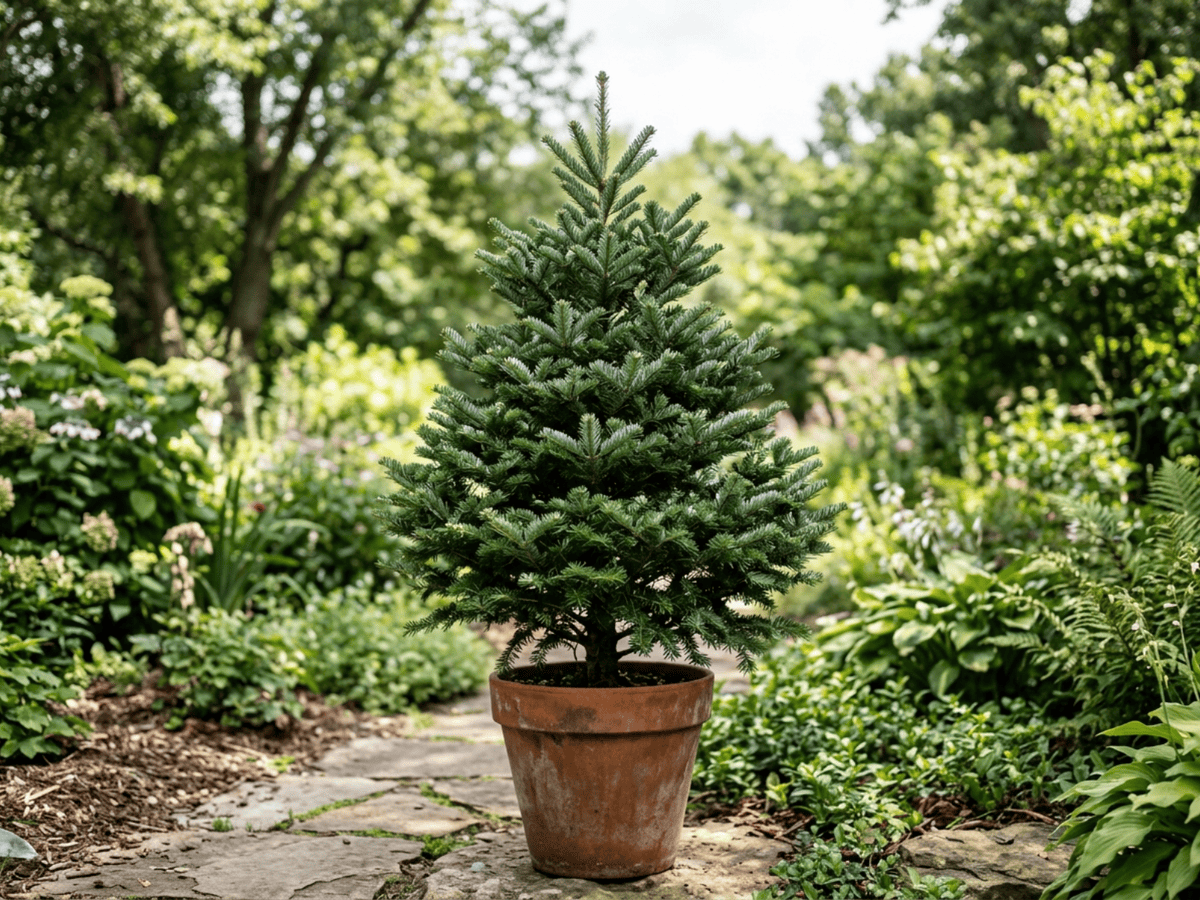 Fraser FirAbies fraseri
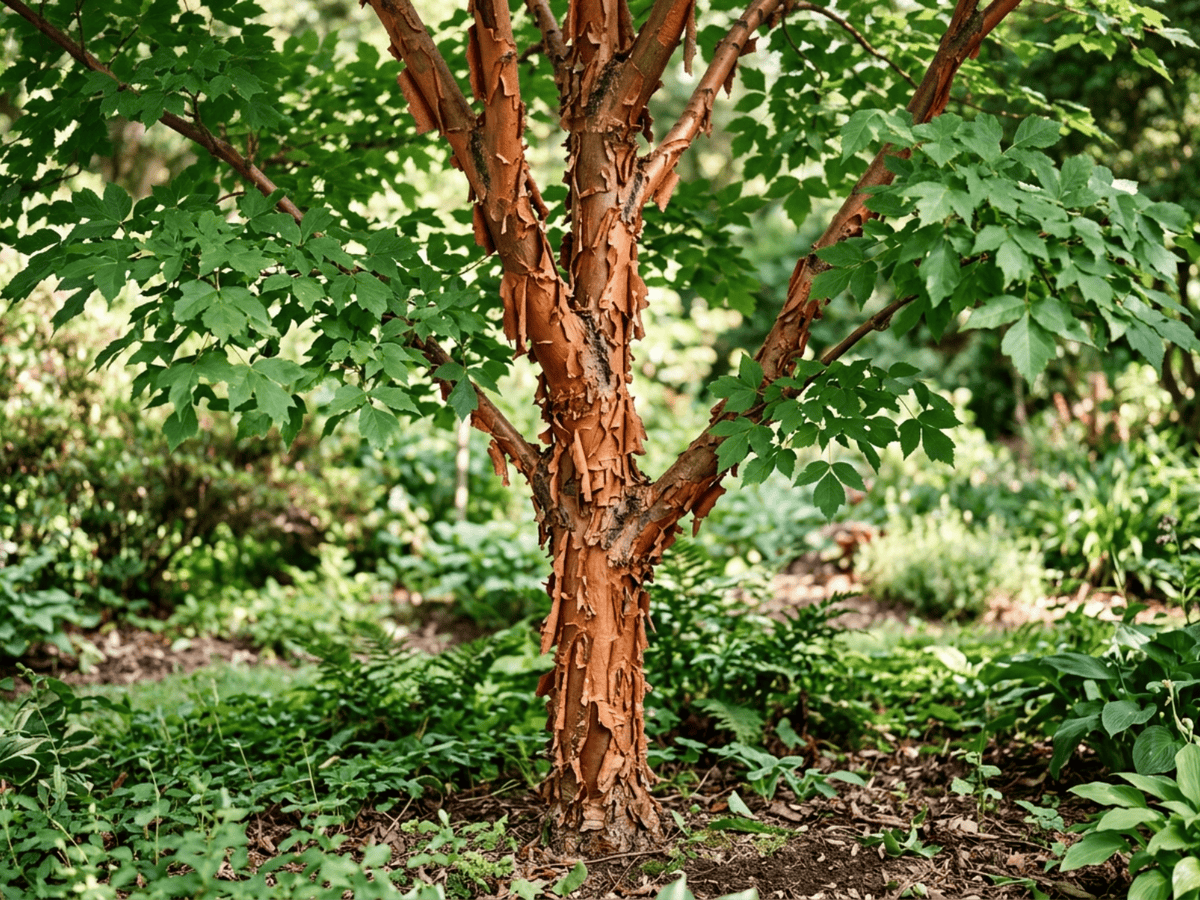 Paperbark MapleAcer griseum
 Sugar MapleAcer saccharum
Frequently asked questions
How often should I water Korean Angelica?
In summer, water about every 7 days; in winter, about every 21 days. Adjust for heat, pot size and drainage.
How much light does Korean Angelica need?
Full sun: 6+ hrs direct. Watch the leaves — scorching or stretching means the light needs adjusting.
Is Korean Angelica toxic to cats or dogs?
Pets Slight (Dogs Slight · Cats Slight) Educational information, not medical or veterinary advice. If exposure is suspected, contact a doctor or veterinarian.
Is Korean Angelica easy to grow?
It is moderately demanding: a good choice once you have a little experience.
When does Korean Angelica bloom?
It typically blooms Aug–Sep in the Northern Hemisphere.
YardMate
Identify any plant in seconds
Snap a photo — YardMate names the plant, diagnoses problems, and reminds you when to water.
Download on the App Store