 YardMate
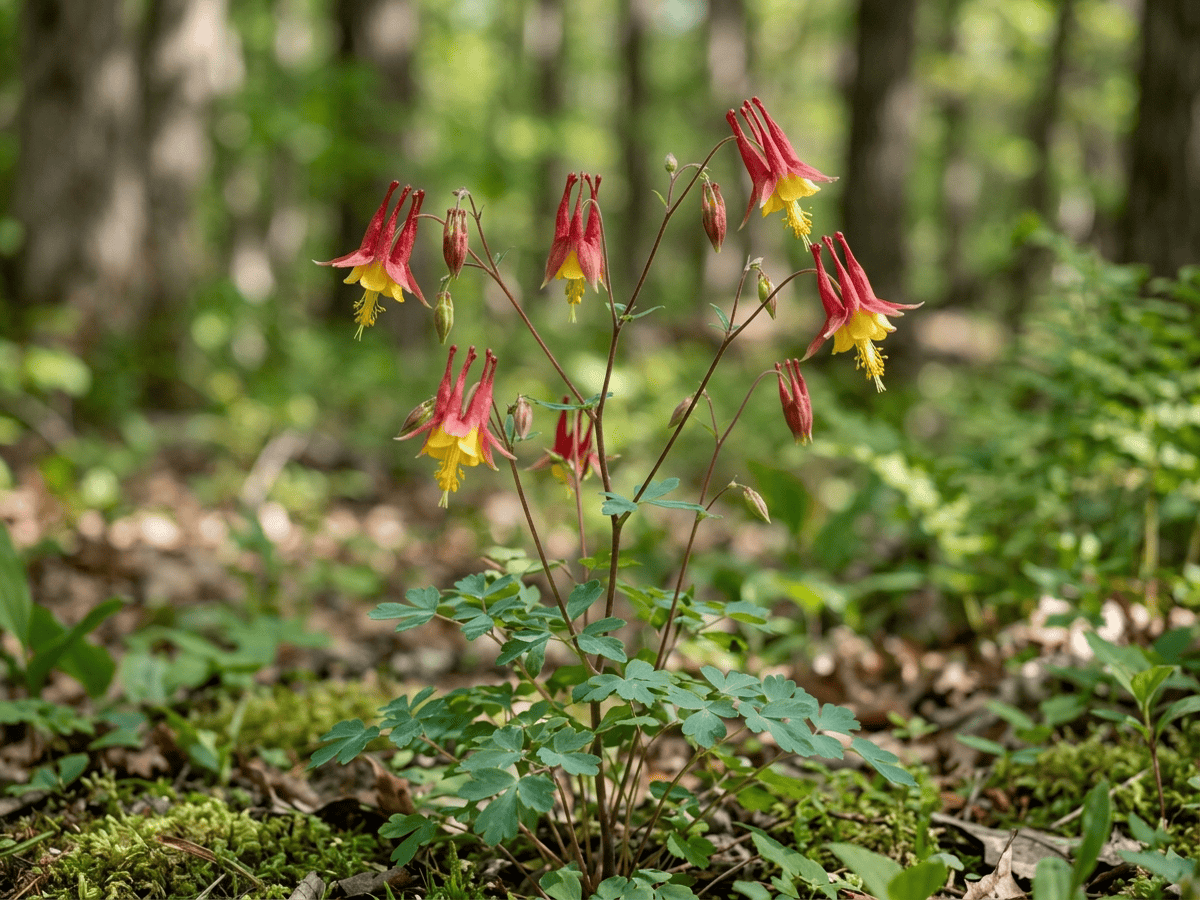


Red Columbine
Aquilegia canadensis
Easy · Beginner friendlyAbout Red Columbine
Wild Columbine or Eastern Red Columbine is a native perennial of eastern North America, found from Nova Scotia to Texas. Growing 1 to 3 feet tall with delicate blue-green compound foliage, it produces nodding red and yellow spurred flowers in late spring that are a premier hummingbird plant. A top native perennial for American woodland and rock gardens, self-sowing gently to form naturalized colonies.
- Shade-tolerant
- Deer-resistant
- Native
How to care for Red Columbine
Watering
- Springevery 5 days
- Summerevery 3 days
- Fallevery 7 days
- Winterevery 14 days
Soil · Well-draining
- Top dressingPine bark mulch10%
- Main mixPotting soil + perlite 2:170%
- DrainageLECA / gravel20%
Never skip the drainage layer — standing water is the top cause of root rot.
FERTILIZER
Balanced Feed 14-14-14
An even feed covers all three needs at once, keeping leaves, roots and blooms moving together with nothing pushed out of balance.
- Nitrogen · Leaves
- Phosphorus · Roots + Blooms
- Potassium · Strength
- Springevery 45 days
- Summerevery 60 days
At a Glance
- NativeNorth America
- Height1.5–3 ft (0.5–0.9 m)
- Spread1–1.5 ft (0.3–0.5 m)
- Flower colorRed, Yellow
- Foliage colorBlue-green, Green
- SoilWell-drained, Loamy
- LocationsYard
Bloom time
BLOOM CYCLE
Peak bloom
Apr–Jun
Nodding red-yellow spurred flowers April to June
Fragrance
LIGHT FRAGRANCE
Flowers lightly sweet-scented; seeds historically used as a perfume rub.
Toxicity
Humans Slight · Pets Slight
cyanogenic glycosides and isoquinoline alkaloids
Slight
- Seed
- Root
- Ingestion
EXPOSURE Eating seeds and roots.
EFFECT GI upset if ingested in quantity.
NOTE Flowers and young foliage considered edible in small amounts by Indigenous peoples; seeds and roots are more toxic.
Slight
- Seed
- Root
- Ingestion
EXPOSURE Eating seeds and roots.
EFFECT Vomiting and diarrhea.
NOTE Flowers and young foliage considered edible in small amounts by Indigenous peoples; seeds and roots are more toxic.
Slight
- Seed
- Root
- Ingestion
EXPOSURE Eating seeds and roots.
EFFECT Vomiting and diarrhea.
NOTE Flowers and young foliage considered edible in small amounts by Indigenous peoples; seeds and roots are more toxic.
Educational information, not medical or veterinary advice. If exposure is suspected, contact a doctor or veterinarian.
DISTRIBUTION


- Native
- North America
History

Aquilegia canadensis inhabits rocky woods and cliffs across eastern North America from Nova Scotia to Texas. Linnaeus described it in Species Plantarum (1753). The Iroquois, Cherokee, and Menominee used crushed seeds as a perfume and love charm, and root infusions for heart palpitations, kidney troubles, and poison-ivy rashes.
The species was among the earliest North American plants introduced to European gardens, reaching the Oxford Physic Garden by 1635, where John Parkinson figured it in his Paradisi in Sole (1629) based on early specimens. Its red-and-yellow spurred flowers are a classic hummingbird pollination example. Modern cultivars include 'Corbett' (pale yellow) and 'Little Lanterns' (compact red-yellow).
It hybridizes freely with European species. A beloved wildflower across eastern North America, documented by colonial settlers in the 1600s who brought European columbine traditions to a homeland where this species already bloomed. Native American Cherokee and Ojibwe peoples used it medicinally. Remains a foundation species of American eastern native plant gardens.
Symbolism & meaning
What It Symbolizes
Red Columbine is a homeland wildflower of eastern North America, its nodding scarlet-and-yellow lanterns swinging from rocky woodland edges each spring. Its meaning is winning grace, sharpened by a perfect partnership with returning hummingbirds whose migration coincides with its bloom. Long-spurred and lightly poised, it embodies the quiet courtship between native flower and native pollinator.
- Native grace — American homeland wildflower
- Hummingbird herald — spring arrival matches hummingbird return
Where the Name Comes From
The common name highlights its red coloring. 'Aquilegia' from Latin 'aquila' meaning eagle, for spur shape resembling eagle talons; 'canadensis' means of Canada, for type locality.
Uses & Fun Facts
- Red-yellow tubular flowers attract ruby-throated hummingbirds
- Native woodland perennial naturalizes in shaded gardens
Related plants
More Aquilegia plants
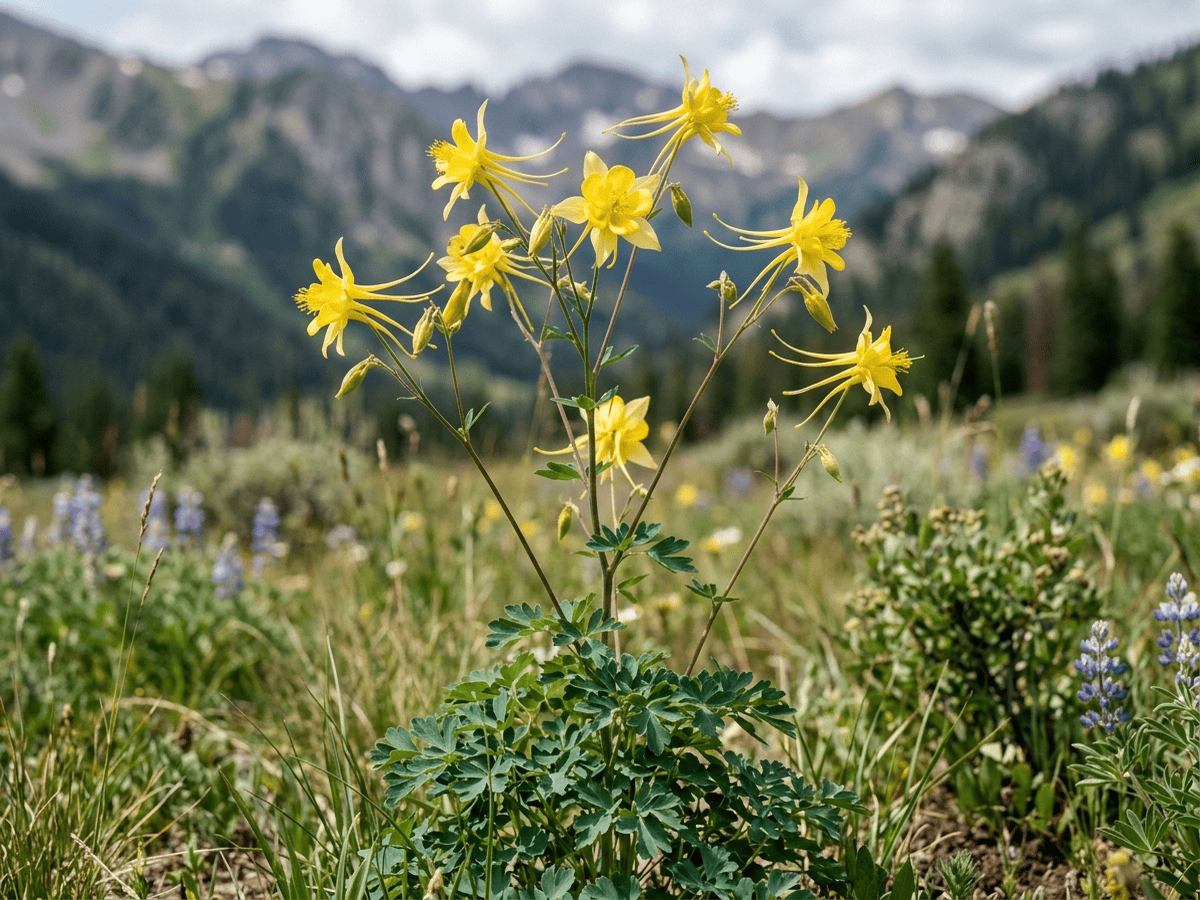 Golden ColumbineAquilegia chrysantha
 Common ColumbineAquilegia vulgaris
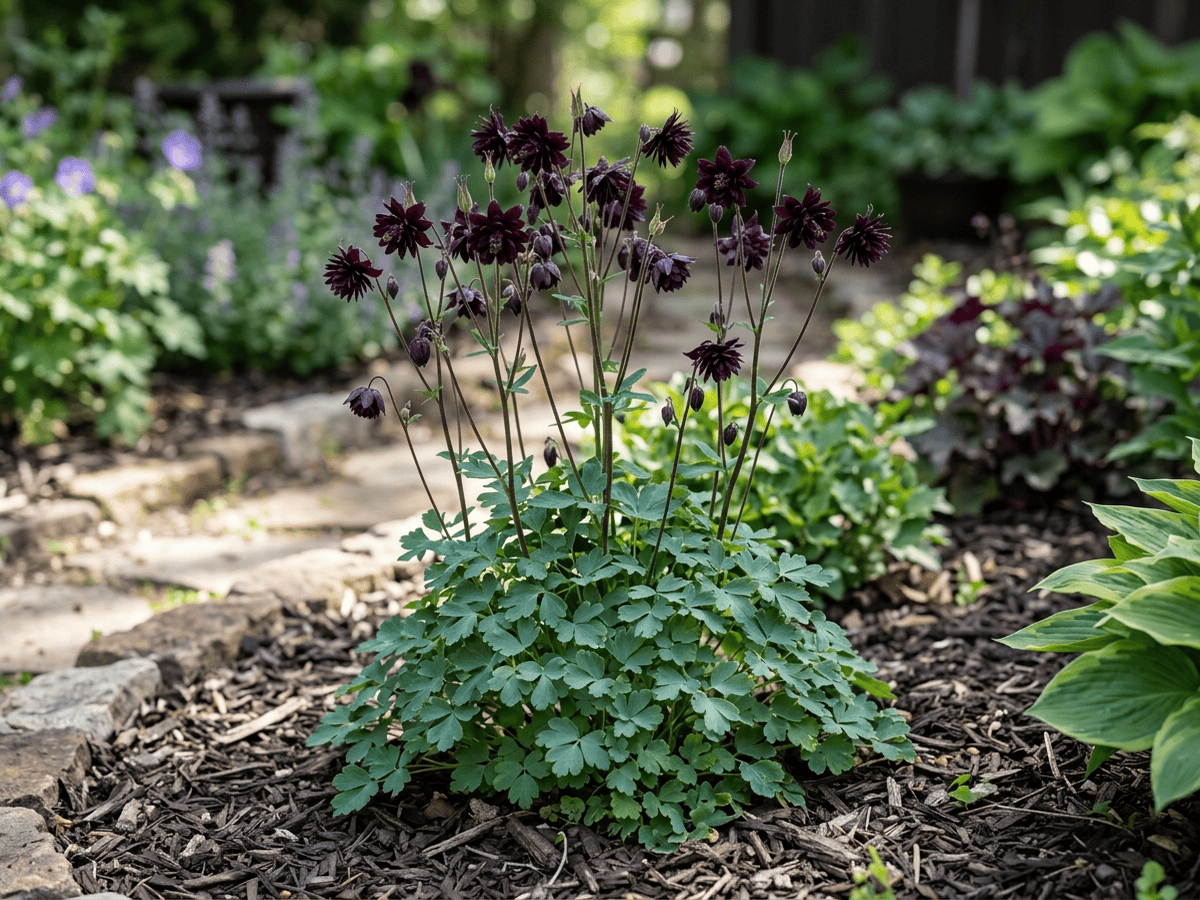 Black Barlow ColumbineAquilegia vulgaris 'Black Barlow'
Plants with similar care
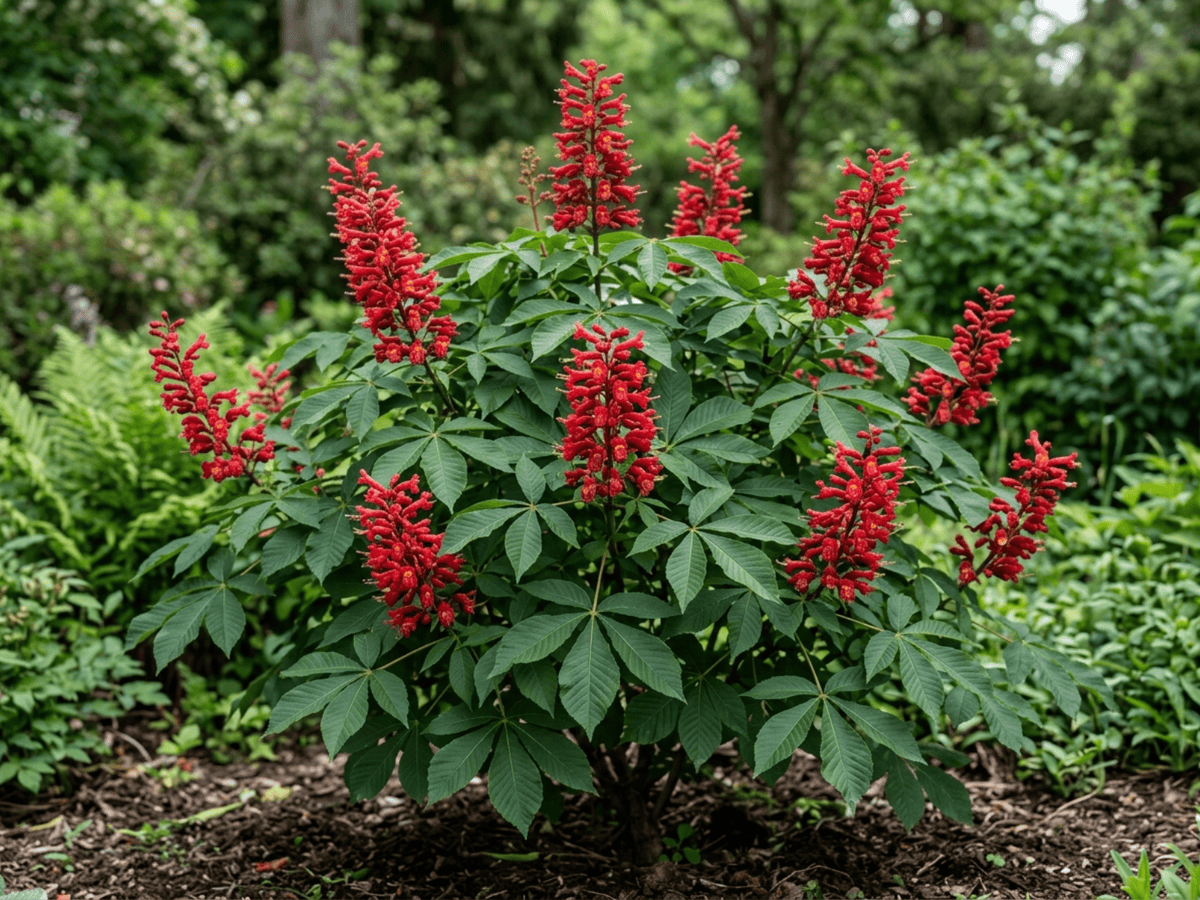 Red BuckeyeAesculus pavia
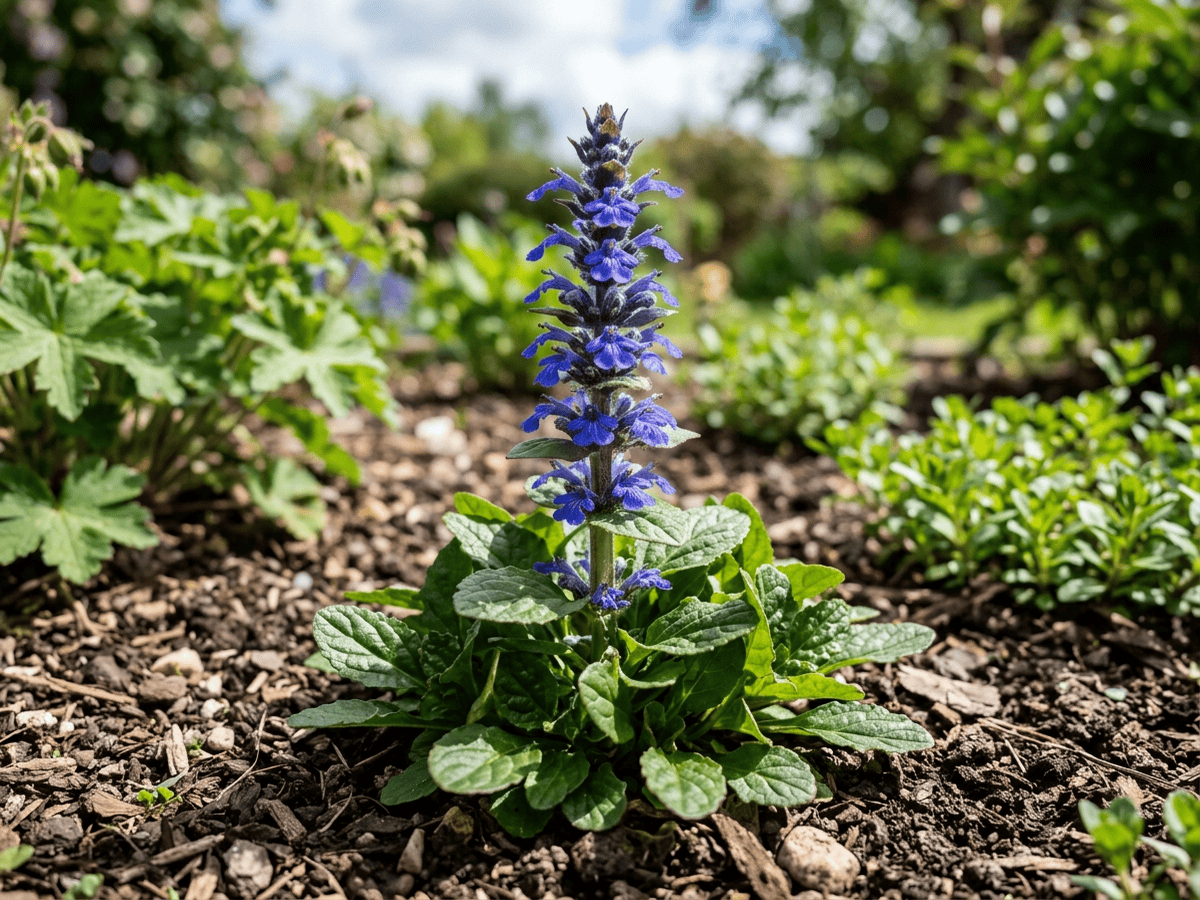 Blue BugleAjuga genevensis
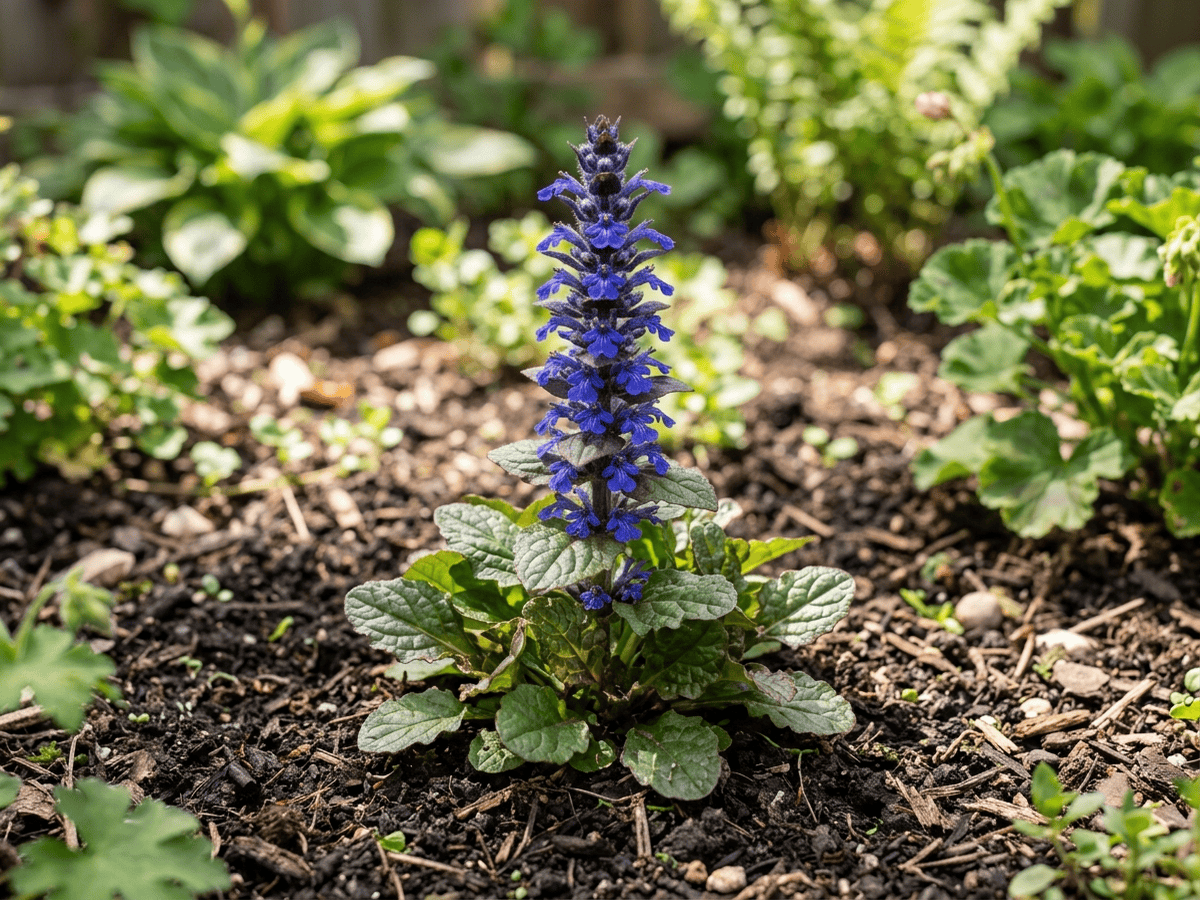 Pyramidal BugleAjuga pyramidalis
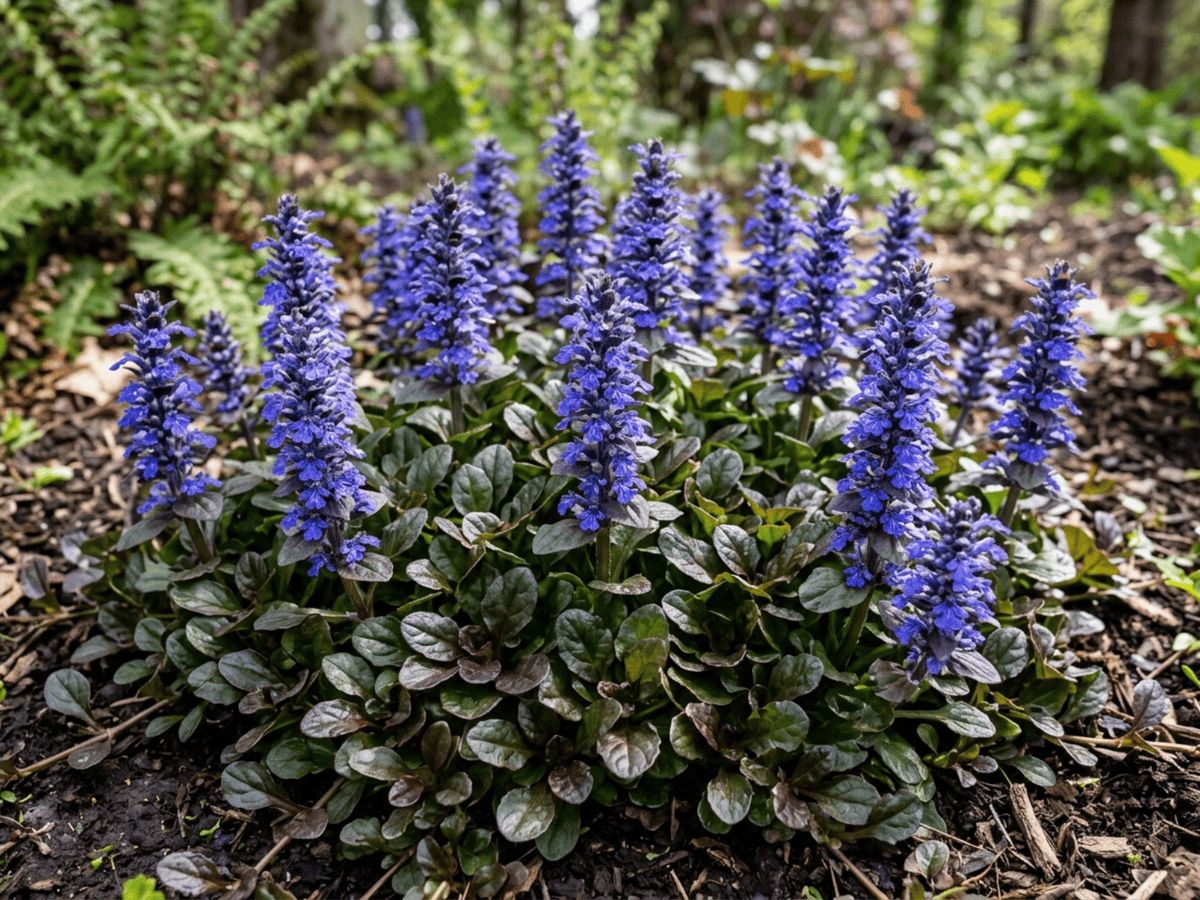 Carpet BugleAjuga reptans
Frequently asked questions
How often should I water Red Columbine?
In summer, water about every 3 days; in winter, about every 14 days. Adjust for heat, pot size and drainage.
How much light does Red Columbine need?
Part shade: 2–4 hrs direct. Watch the leaves — scorching or stretching means the light needs adjusting.
Is Red Columbine toxic to cats or dogs?
Pets Slight (Dogs Slight · Cats Slight) Educational information, not medical or veterinary advice. If exposure is suspected, contact a doctor or veterinarian.
Is Red Columbine easy to grow?
Yes — it is considered an easy, beginner-friendly plant.
When does Red Columbine bloom?
It typically blooms Apr–Jun in the Northern Hemisphere.
YardMate
Identify any plant in seconds
Snap a photo — YardMate names the plant, diagnoses problems, and reminds you when to water.
Download on the App Store