 YardMate


Golden Columbine
Aquilegia chrysantha
Easy · Beginner friendlyAbout Golden Columbine
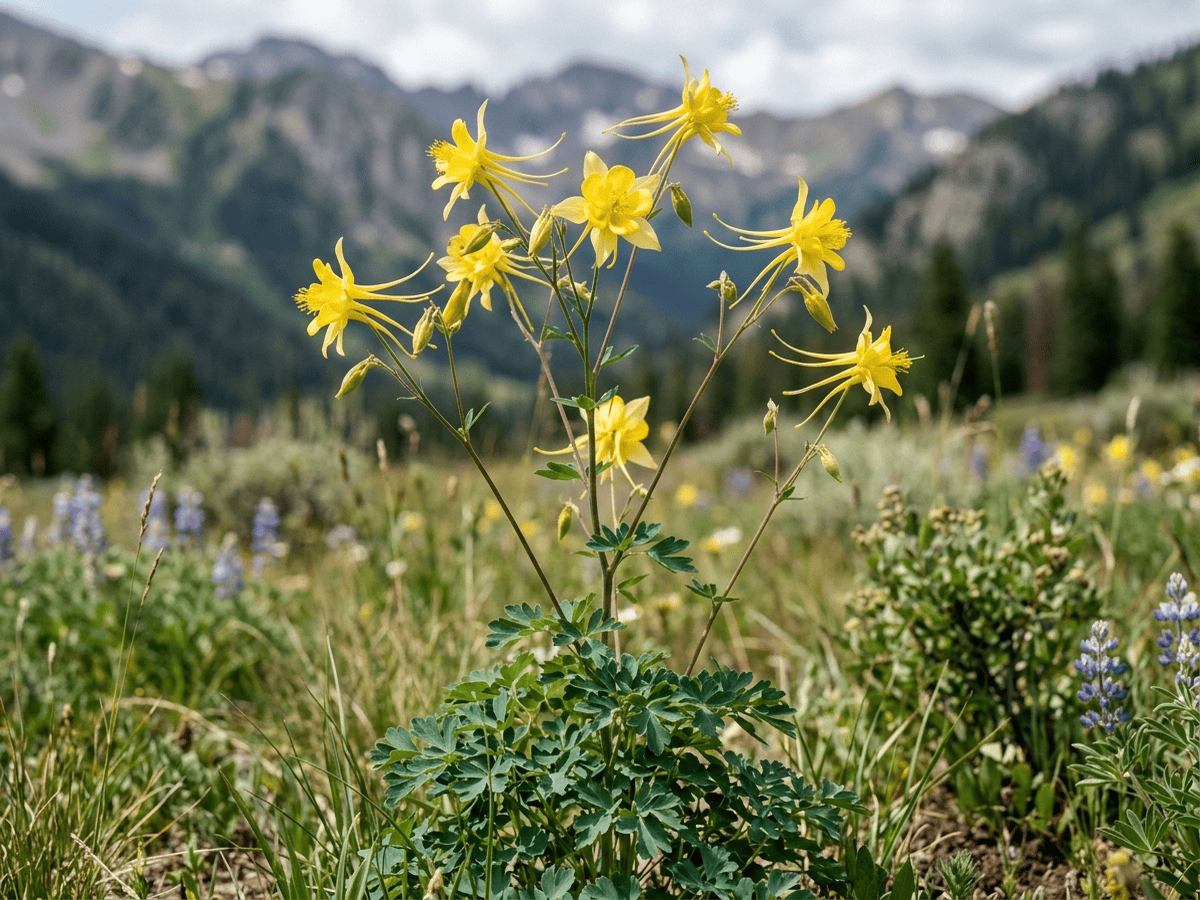
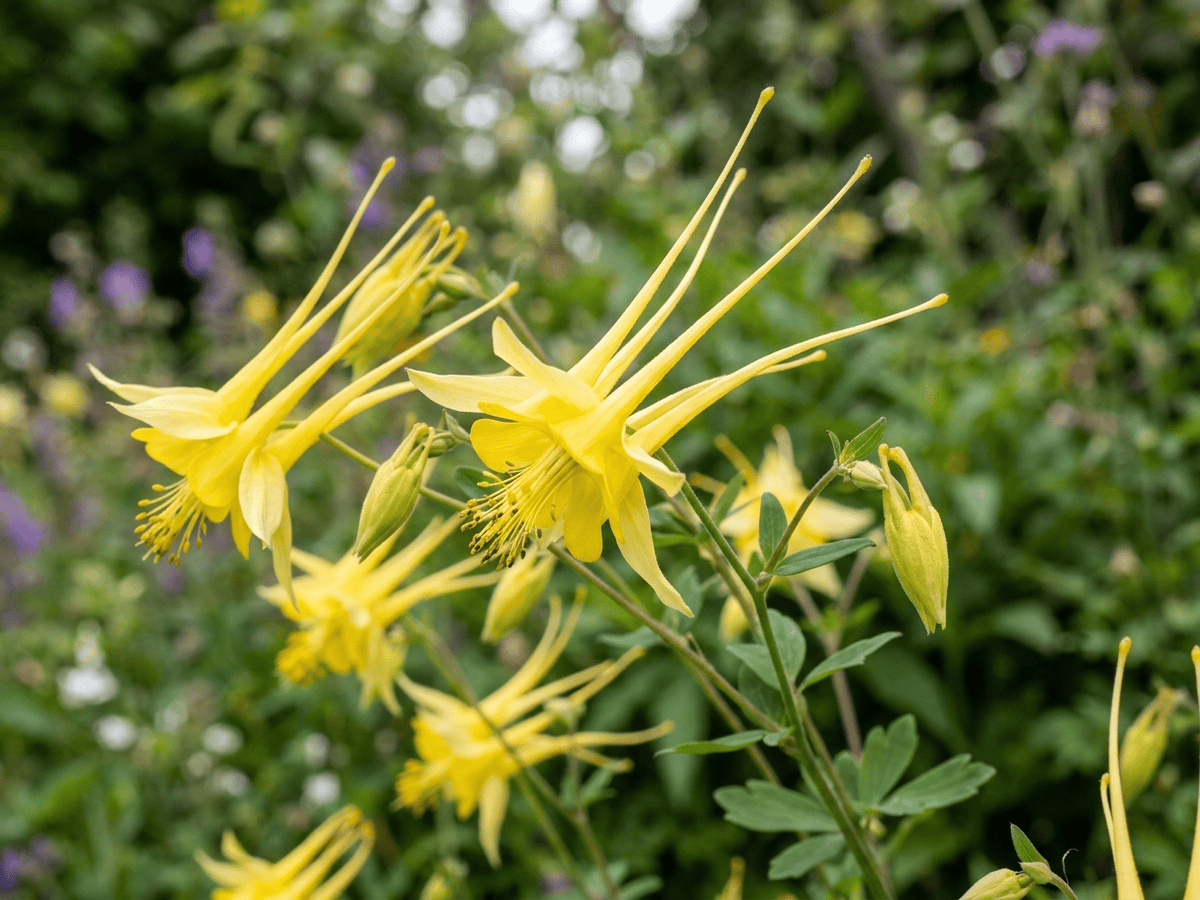
Golden Columbine is a native perennial of the American Southwest, from Arizona and New Mexico through Texas and northern Mexico. Growing 2 to 4 feet tall with blue-green ferny foliage, it produces large upward-facing golden yellow flowers with long elegant spurs from spring through summer. The tallest and longest-blooming North American columbine, an essential southwestern native for pollinator and rock gardens.
- Drought-tolerant
- Deer-resistant
- Long-blooming
- Native
How to care for Golden Columbine
Watering
- Springevery 5 days
- Summerevery 3 days
- Fallevery 7 days
- Winterevery 14 days
Soil · Well-draining
- Top dressingPine bark mulch10%
- Main mixPotting soil + perlite 2:170%
- DrainageLECA / gravel20%
Never skip the drainage layer — standing water is the top cause of root rot.
FERTILIZER
Balanced Feed 14-14-14
An even feed covers all three needs at once, keeping leaves, roots and blooms moving together with nothing pushed out of balance.
- Nitrogen · Leaves
- Phosphorus · Roots + Blooms
- Potassium · Strength
- Springevery 45 days
- Summerevery 60 days
At a Glance
- NativeNorth America
- Height2–3 ft (0.6–0.9 m)
- Spread1–2 ft (0.3–0.6 m)
- Flower colorYellow
- Foliage colorBlue-green, Green
- SoilLoamy, Well-drained, Moisture-retentive
- LocationsYard
Bloom time
BLOOM CYCLE
Peak bloom
Apr–Sep
Golden long-spurred flowers April to September
Fragrance
MODERATE FRAGRANCE
The flowers have a sweetly scented, unusual among columbines scent.
Toxicity
Humans Slight · Pets Slight
cyanogenic glycosides and isoquinoline alkaloids
Slight
- Seed
- Root
- Ingestion
EXPOSURE Eating seeds and roots.
EFFECT GI upset.
NOTE Generally considered low toxicity; seeds and roots more problematic than flowers.
Slight
- Seed
- Root
- Ingestion
EXPOSURE Eating seeds and roots.
EFFECT Vomiting and diarrhea.
NOTE Generally considered low toxicity; seeds and roots more problematic than flowers.
Slight
- Seed
- Root
- Ingestion
EXPOSURE Eating seeds and roots.
EFFECT Vomiting and diarrhea.
NOTE Generally considered low toxicity; seeds and roots more problematic than flowers.
Educational information, not medical or veterinary advice. If exposure is suspected, contact a doctor or veterinarian.
DISTRIBUTION


- Native
- North America
History
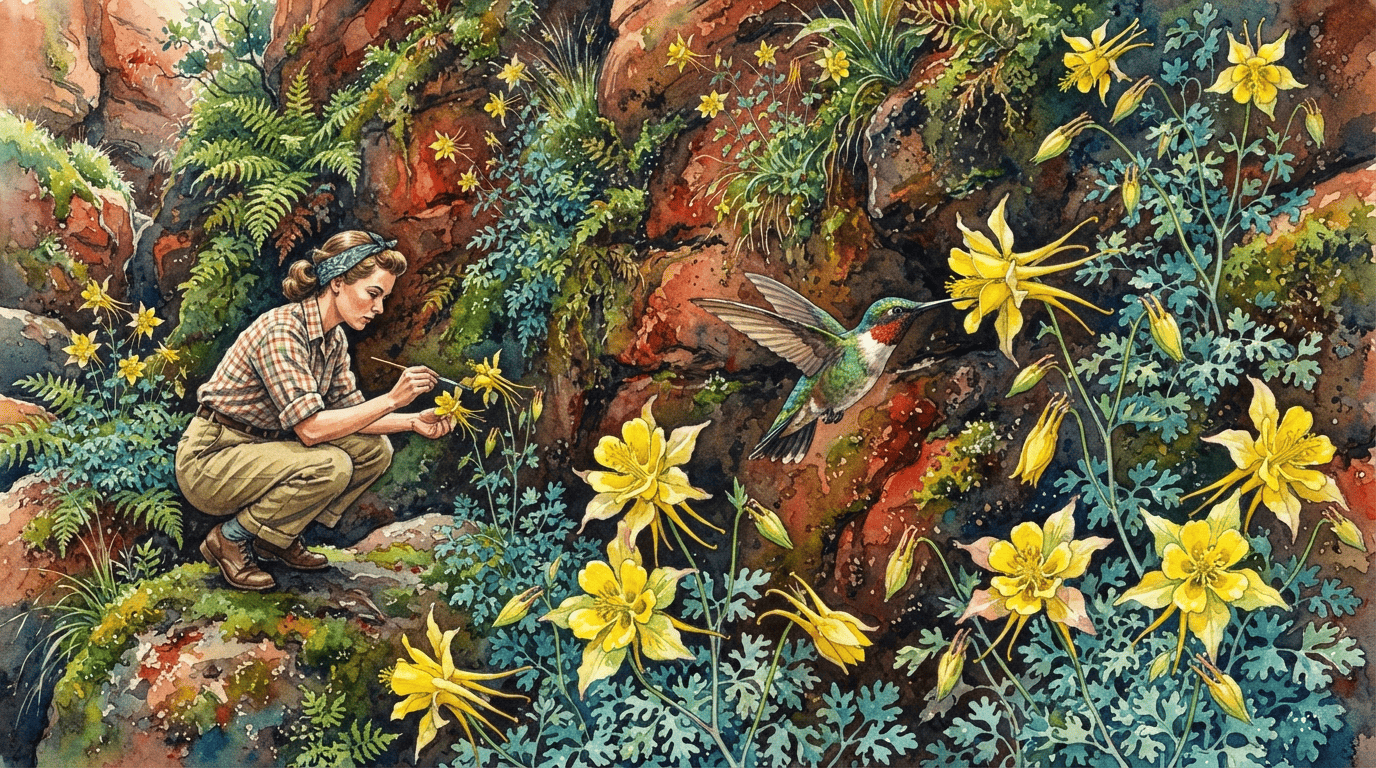
Aquilegia chrysantha grows naturally on shaded moist canyon walls and seep zones from Colorado and Utah south through Arizona, New Mexico, and into northern Mexico. The Harvard botanist Asa Gray described it in 1873 from collections in the American Southwest. Indigenous peoples of the region made minor use of the flowers and seeds like other columbines.
It reached English gardens soon after its description and became important in columbine breeding for its long spurs and large, sweet-scented yellow flowers. Hybridizer Dorothy McKana of Oregon crossed it with A. longissima and A. caerulea in the 1950s to produce the McKana Giants strain, winner of a 1955 All-America Selections award, which dominated 20th-century seed catalogs.
Modern cultivars include 'Yellow Queen' and 'Denver Gold'. Native to shaded canyons and stream sides in New Mexico, Arizona, and west Texas where hummingbirds pollinate the long-spurred flowers. A foundation plant for modern southwestern native gardens.
Symbolism & meaning
What It Symbolizes
Golden Columbine is desert devotion — pure desert gold spilling from canyon shade in the Sonoran and Chihuahuan highlands, where its brilliant yellow spurs find shelter beside springs. It is the longest-blooming columbine in North America, an enduring bloom that keeps the canyon walls lit for months. Its constancy in such severe country is its own kind of love letter to the arid Southwest.
- Desert gold — brilliant golden flowers in arid canyons
- Enduring bloom — longest-blooming North American columbine
Where the Name Comes From
'chrysantha' from Greek 'chrysos-anthos' meaning gold-flower, for the bright golden yellow blooms.
Uses & Fun Facts
- Long-spurred golden flowers feed hummingbirds and long-tongued bees
- Southwest native for canyon gardens and shady rock pockets
- Elegant upward-facing yellow blooms cut well for spring vases
Related plants
More Aquilegia plants
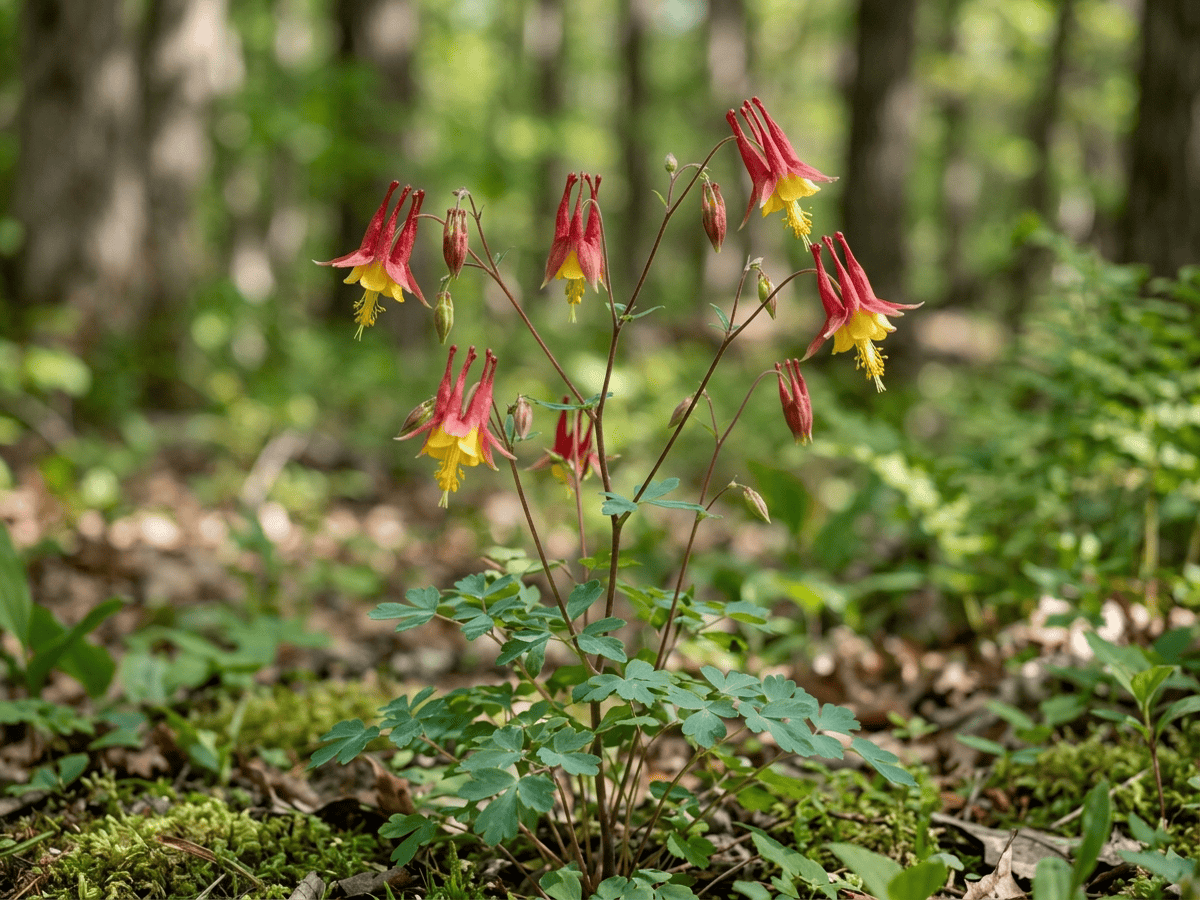 Red ColumbineAquilegia canadensis
 Common ColumbineAquilegia vulgaris
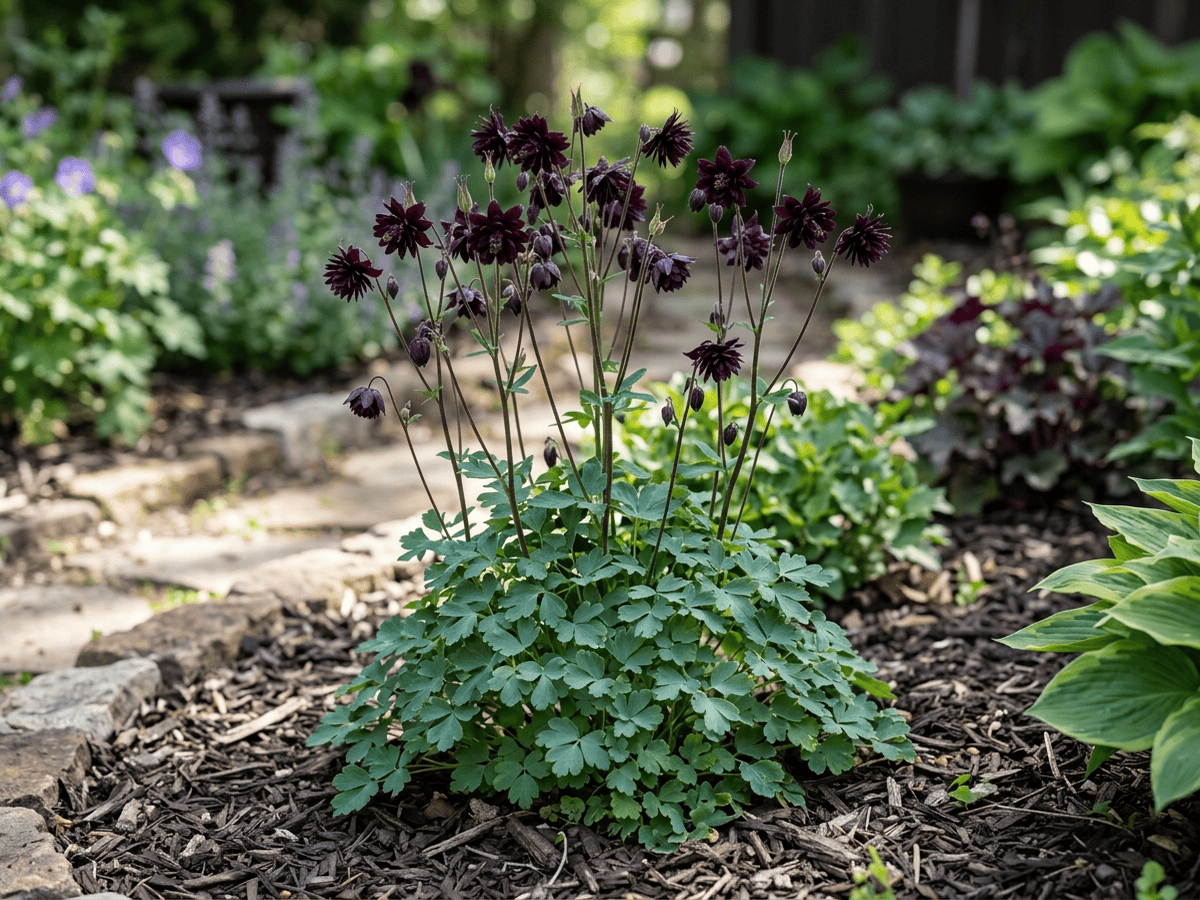 Black Barlow ColumbineAquilegia vulgaris 'Black Barlow'
Plants with similar care
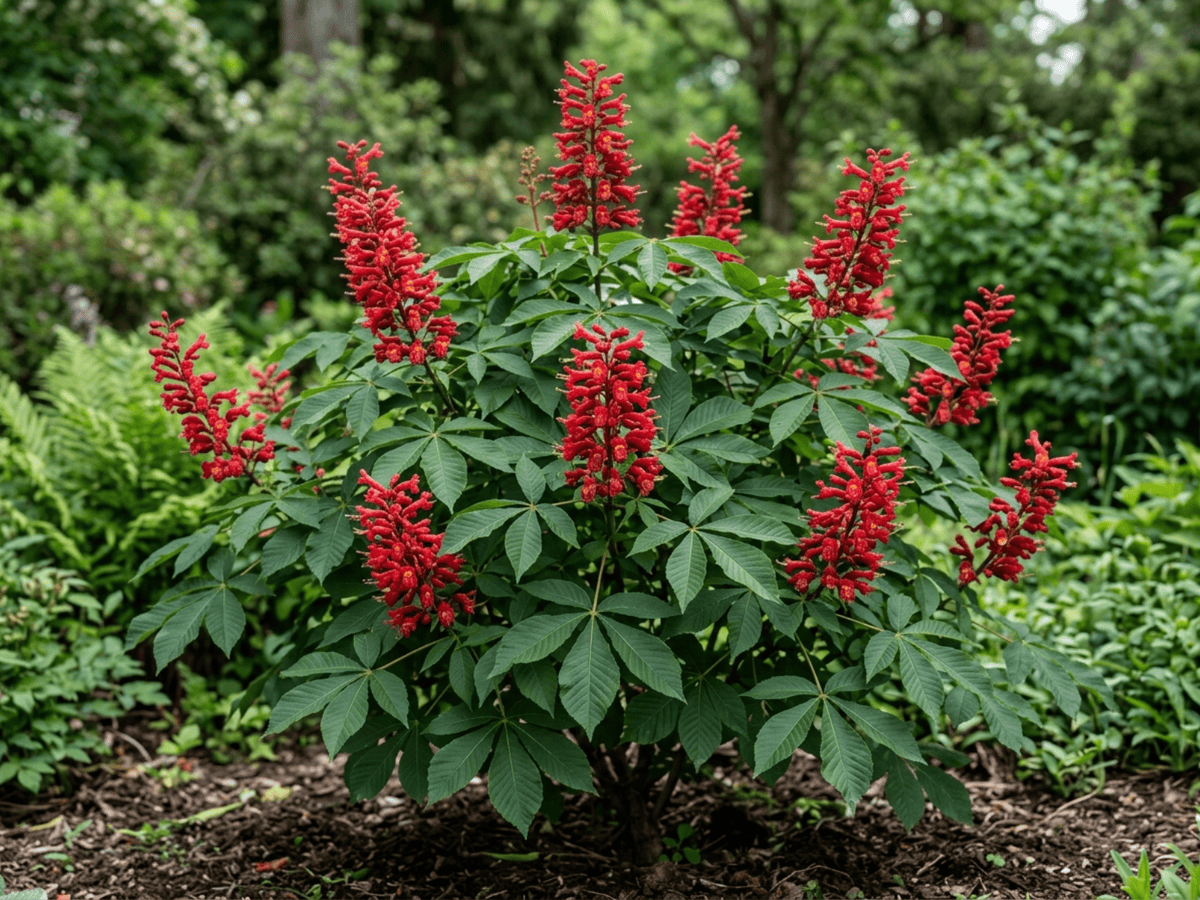 Red BuckeyeAesculus pavia
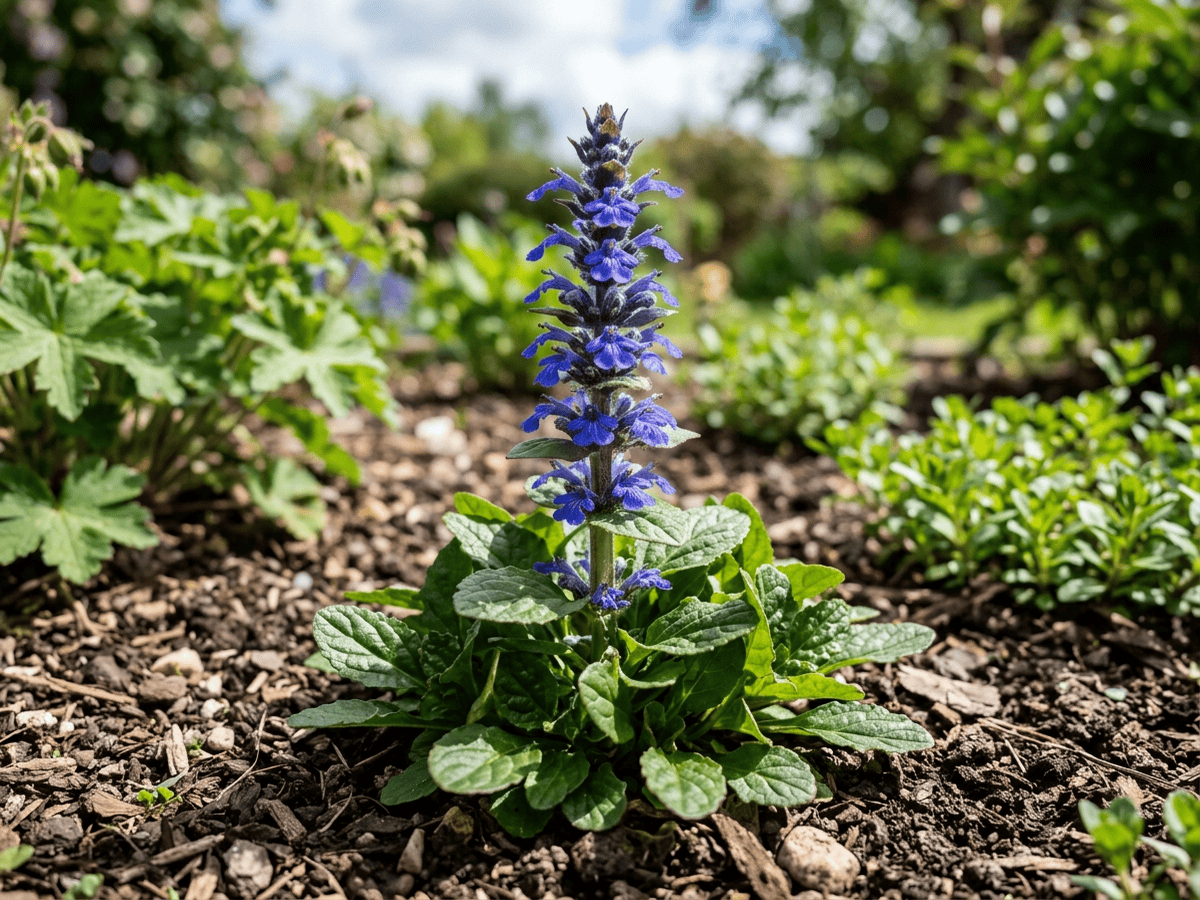 Blue BugleAjuga genevensis
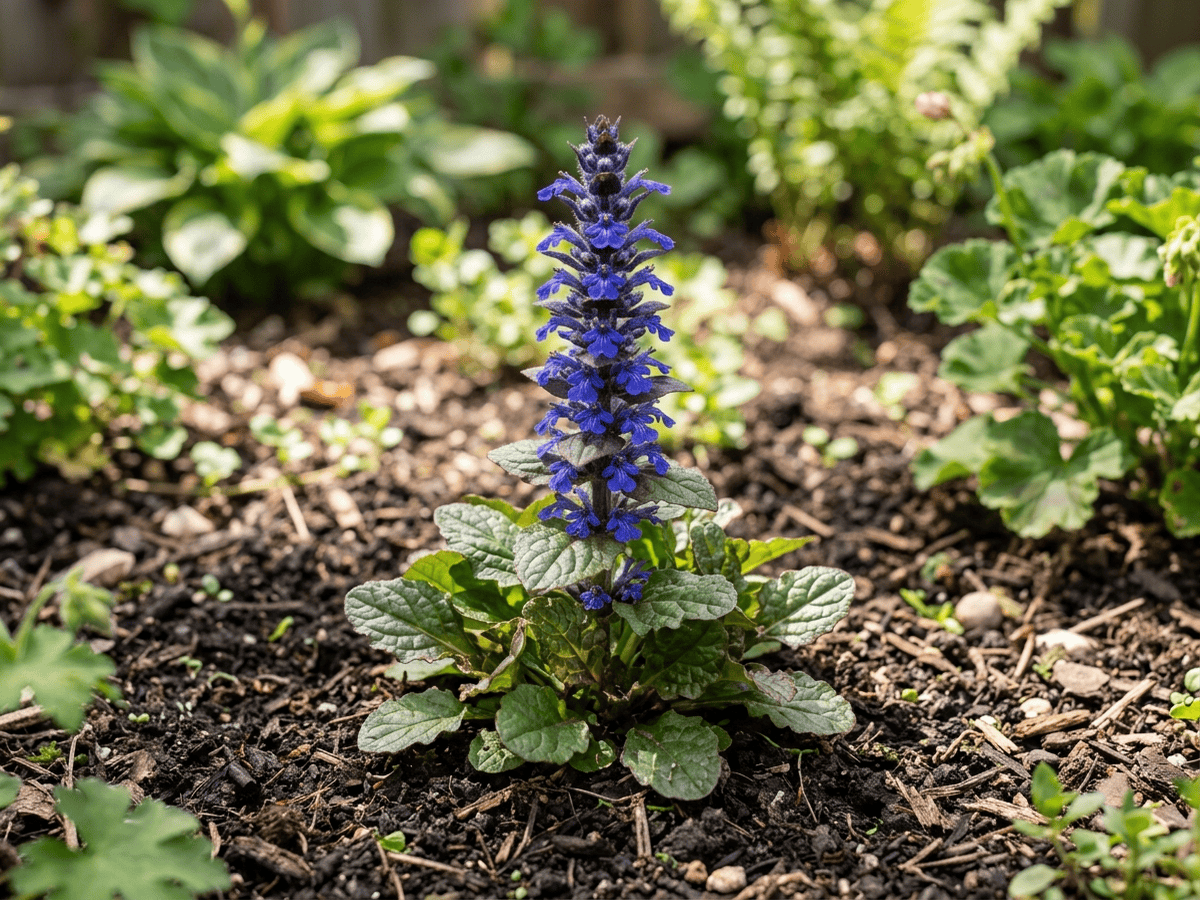 Pyramidal BugleAjuga pyramidalis
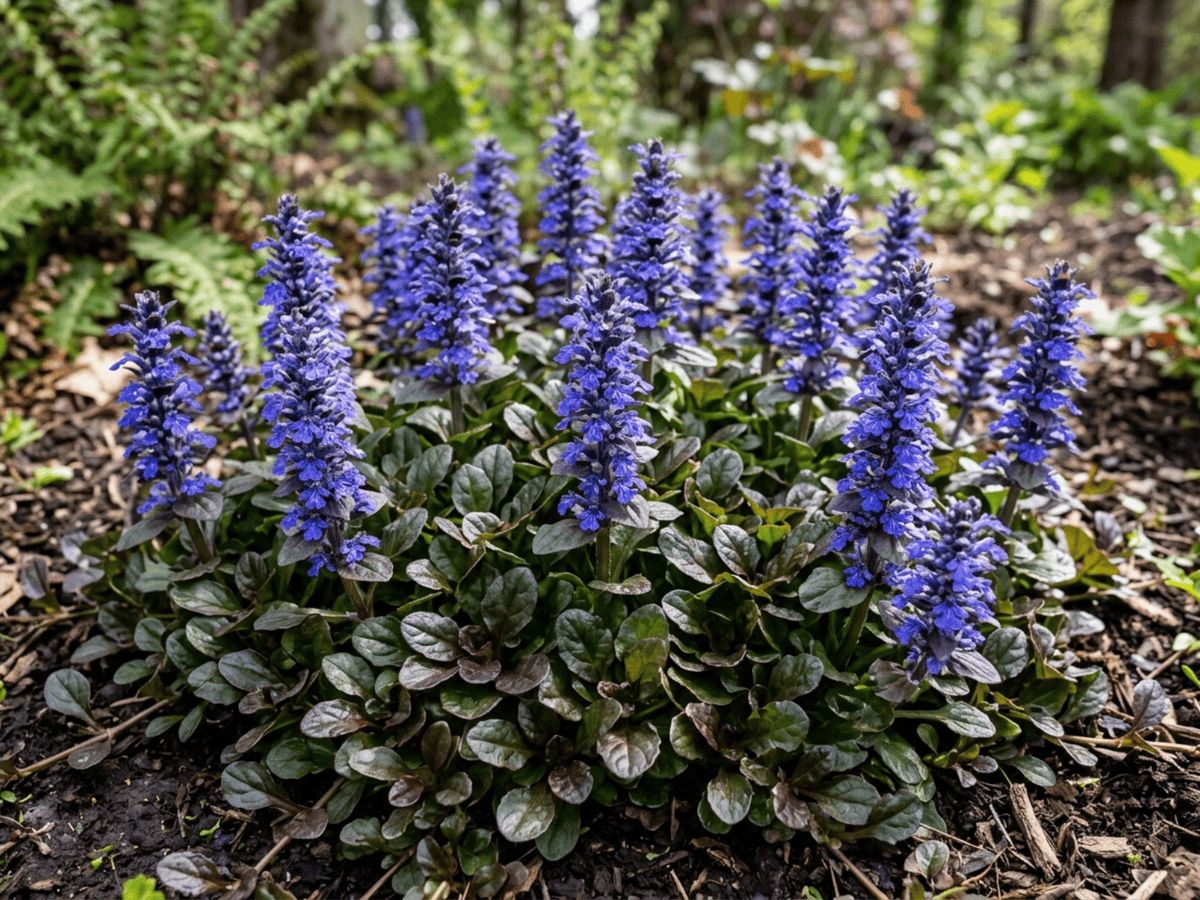 Carpet BugleAjuga reptans
Frequently asked questions
How often should I water Golden Columbine?
In summer, water about every 3 days; in winter, about every 14 days. Adjust for heat, pot size and drainage.
How much light does Golden Columbine need?
Part shade: 2–4 hrs direct. Watch the leaves — scorching or stretching means the light needs adjusting.
Is Golden Columbine toxic to cats or dogs?
Pets Slight (Dogs Slight · Cats Slight) Educational information, not medical or veterinary advice. If exposure is suspected, contact a doctor or veterinarian.
Is Golden Columbine easy to grow?
Yes — it is considered an easy, beginner-friendly plant.
When does Golden Columbine bloom?
It typically blooms Apr–Sep in the Northern Hemisphere.
YardMate
Identify any plant in seconds
Snap a photo — YardMate names the plant, diagnoses problems, and reminds you when to water.
Download on the App Store